Robotic-assisted surgery is changing the medical world. It offers a new way to do surgeries, like robotic hysterectomy. But what is a hysterectomy? It’s a surgery to surgically remove the uterus. Every year, thousands of women have this surgery.
Thinking about surgery can be scary. You might wonder how long it takes. In this article, we’ll look into robotic-assisted surgery. We’ll talk about what it is and how it works. We’ll also cover what happens during a robotic hysterectomy. This will help you understand this complex topic better.
Key Takeaways
- Understanding robotic-assisted surgery and its benefits
- Defining hysterectomy and its purposes
- Exploring the specifics of robotic hysterectomy procedures
- What to expect during and after robotic-assisted surgery
- The advantages of choosing robotic-assisted hysterectomy
The Evolution of Robotic-Assisted Surgery
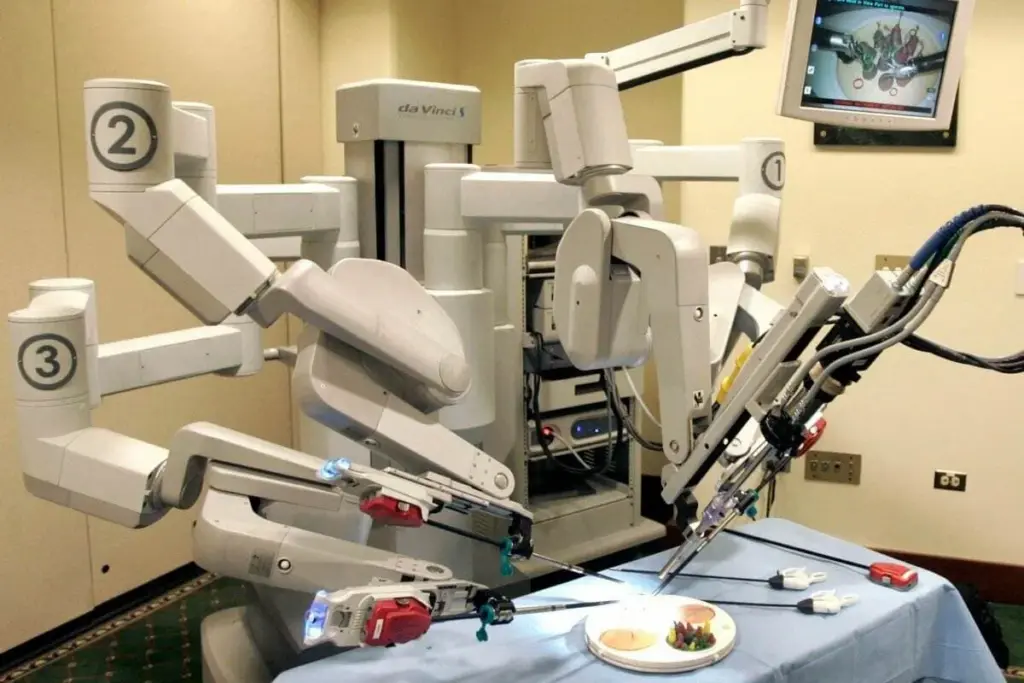
Advanced robotic systems are changing surgery for the better. They give surgeons new tools to work with. This has made surgery more precise and less invasive.
What Defines Robotic-Assisted Surgery
Robotic-assisted surgery uses a robotic system controlled by a surgeon. It brings more precision and control to complex surgeries. Robotic hysterectomy is a big part of this, making surgery less invasive.
This technology helps surgeons see better and move more easily. It makes hysterectomy recovery smoother and safer.
Major Technological Advancements
Robotic surgery has seen big tech improvements. These include better tools, clearer views, and easier controls.
|
Technological Advancement |
Description |
Benefit |
|---|---|---|
|
Improved Robotic Instrumentation |
More precise and flexible instruments |
Enhanced surgical precision |
|
Enhanced Visualization Systems |
High-definition 3D visualization |
Better understanding of anatomy |
|
Intuitive Control Interfaces |
User-friendly control systems |
Reduced surgeon fatigue |
These tech upgrades have made robotic surgery more popular. Procedures like robotic hysterectomy are now faster and less invasive. This means patients can recover quicker.
Common Procedures Using Robotic Assistance
Robotic-assisted surgery is used in many areas of medicine. It’s known for its precision and ability to do complex surgeries with small cuts. This makes it a big help in many medical fields.
Gynecological Applications
Robotic surgery has changed gynecology a lot. It’s used for things like removing the uterus, or hysterectomy. This surgery is done with small cuts, making it less invasive.
It’s used for many reasons, like fibroids or some cancers. The robot’s precision helps avoid damage to nearby tissues. This can lead to quicker recovery times and better results.
Key Benefits of Robotic Hysterectomy:
- Less blood loss during surgery
- Smaller incisions, resulting in less scarring
- Reduced risk of complications
- Shorter hospital stay and faster recovery
Non-Gynecological Robotic Procedures
Robotic surgery is not just for gynecology. It’s also used in urology, cardiothoracic surgery, and general surgery. Its ability to be precise and versatile makes it a valuable tool in many areas.
|
Surgical Specialty |
Common Robotic Procedures |
Benefits |
|---|---|---|
|
Urology |
Prostatectomy, nephrectomy |
Precision in nerve-sparing techniques, reduced risk of complications |
|
Cardiothoracic Surgery |
Mitral valve repair, coronary artery bypass grafting |
Minimally invasive access, potentially shorter recovery times |
|
General Surgery |
Cholecystectomy, hernia repair |
Enhanced visualization, reduced postoperative pain |
As robotic technology gets better, it will help with even more surgeries. This could lead to new ways to treat patients and improve care.
Typical Duration of Robotic-Assisted Surgeries
Robotic-assisted hysterectomy surgeries have different parts that add up to the total time. Knowing these parts helps patients understand what to expect.
Pre-operative Setup Time
The setup before surgery is very important. It includes getting the robotic system ready, placing the patient, and checking all equipment. This can take from 30 minutes to over an hour, depending on the case and the team’s experience.
Actual Surgical Duration
The surgery itself usually lasts two to four hours, as mentioned by the third source. This time can change based on the surgeon’s skill and the procedure’s complexity.
Post-procedure Processing
After the surgery, there’s a recovery phase. This includes removing the robotic tools, closing the cuts, and helping the patient wake up. This part is usually shorter, lasting 15 to 30 minutes.
In total, patients will spend about 3 to 5 hours in the operating room. But the surgery time is just a part of this total time.
Comparing Robotic Surgery Times to Traditional Methods
Robotic surgery times differ from traditional methods in important ways. These differences show robotic surgery’s benefits, like faster recovery times.
Time Efficiency Analysis
Robotic surgery is often quicker than open surgery. A study in the Journal of Minimally Invasive Gynecology found robotic-assisted hysterectomy cuts down on operating times. The precise movements of robotic instruments allow for more efficient dissection and suturing, making it faster.
Here’s a table comparing surgery times:
|
Surgical Method |
Average Surgical Time |
Recovery Time |
|---|---|---|
|
Robotic-Assisted Surgery |
90-120 minutes |
2-4 weeks |
|
Traditional Open Surgery |
120-180 minutes |
6-8 weeks |
Learning Curve Impact on Duration
Learning robotic surgery is challenging, needing a lot of training. But once learned, it’s much quicker. A surgeon said, “The learning curve is worth it; the precision and control offered by robotic systems improve our efficiency and patient outcomes.”
“Robotic surgery often is done through tiny openings in the skin and other tissues,” which can lead to faster recovery times.
For those having hysterectomy, recovering from hysterectomy surgery is key. Tips for hysterectomy recovery include eating well, drinking plenty of water, and slowly getting back to physical activities. Knowing the surgery and recovery differences helps patients make better choices.
Robotic Hysterectomy: A Timeline Breakdown
Knowing the timeline of a robotic hysterectomy can ease worries for those thinking about it. We’ll walk you through the stages, from getting ready to the time after surgery.
Pre-surgical Preparation
Before surgery, several steps are taken to get the patient ready. Pre-surgical preparation includes:
- Medical evaluation to check overall health
- Review of medical history to spot any risks
- Talk with the surgeon about the procedure, risks, and what to expect
- Pre-operative tests, like blood work and imaging
This phase is key to reduce risks and make the surgery smooth. Our team helps patients with any worries and prepares them for the surgery.
Step-by-Step Procedure Duration
The robotic hysterectomy procedure has several steps, each lasting differently. The steps are:
- Administering anesthesia for comfort
- Inserting robotic ports for the surgery
- Dissecting and removing the uterus
- Closing the incisions
The whole surgery usually takes 1 to 3 hours. This depends on the case’s complexity and the patient’s health.
Immediate Post-operative Period
After surgery, patients are watched closely in the recovery room for any issues. The immediate post-operative period includes:
- Pain management for comfort
- Watching for any complications
- Giving post-operative instructions to the patient and caregivers
Most patients stay in the hospital for a few hours to a day. This depends on how quickly they recover.
By knowing the timeline of a robotic hysterectomy, patients can better prepare for the procedure and recovery. Our team is dedicated to giving full care and support at every stage.
How Long Does a Hysterectomy Take: Method Comparison
Hysterectomy procedures come in different types, like open abdominal, laparoscopic, and robotic-assisted. Knowing how long each takes helps patients and doctors make the best choice.
Open Abdominal Hysterectomy Duration
Open abdominal hysterectomy uses a big cut in the belly. It usually takes longer than the other methods. It can last from 1 to 2 hours, based on the case’s complexity and the patient’s health.
Laparoscopic Hysterectomy Timeframe
Laparoscopic hysterectomy uses small cuts and a laparoscope. It can take 1.5 to 3 hours. The exact time depends on the uterus size and any adhesions.
Robotic-Assisted Hysterectomy Length
Robotic-assisted hysterectomy uses robotic tech for better precision. It can take 1.5 to 4 hours. The time varies with the procedure’s complexity and the surgeon’s skill.
To better understand the time differences between these methods, let’s examine a comparative table:
|
Surgical Method |
Typical Duration |
Factors Influencing Duration |
|---|---|---|
|
Open Abdominal Hysterectomy |
1-2 hours |
Complexity of the case, patient’s health |
|
Laparoscopic Hysterectomy |
1.5-3 hours |
Uterus size, presence of adhesions |
|
Robotic-Assisted Hysterectomy |
1.5-4 hours |
Procedure complexity, surgeon’s experience |
The table shows robotic-assisted hysterectomy might take longer. But it offers better precision and could lead to faster recovery. It’s key to understand these differences for post hysterectomy care and hysterectomy recovery time. Patients should talk to their doctors to choose the best method for them.
Recovery from hysterectomy depends on the method. Minimally invasive methods often mean shorter hospital stays and quicker recovery. Good post hysterectomy care is essential for a smooth recovery from hysterectomy.
Variables Affecting Robotic Surgery Duration
The time it takes for robotic surgery depends on many factors. These include the patient, the surgeon, and the hospital. Knowing these factors helps manage expectations and improve surgical results.
Patient-Specific Factors
Each patient’s health and condition affects surgery time. Patients with past surgeries might need more time due to adhesions. Preparing well for managing hysterectomy symptoms before surgery can make the operation smoother and shorter.
Surgeon Experience Level
The surgeon’s experience is key in robotic surgery time. More experienced surgeons work faster and more accurately. They use the robotic system’s full capabilities, leading to quicker surgeries. Their skill also helps in guiding patients with exercises after hysterectomy during recovery.
Institutional Protocols
The hospital’s protocols and team efficiency also matter. Hospitals with good robotic surgery plans work faster. These plans cover everything from setting up the equipment to supporting patients’ emotional recovery after hysterectomy. This helps make surgeries as efficient as possible.
What Happens Inside Your Body During Robotic Hysterectomy
During a robotic hysterectomy, surgeons use advanced technology. They can see and access the uterus with minimal invasion. This procedure involves several key steps to safely remove the uterus.
Surgical Access and Visualization
The robotic hysterectomy starts with a few small incisions in the abdomen. These incisions let in surgical instruments and a high-definition camera. The camera gives a clear and magnified view of the internal organs.
The robotic system lets the surgeon control the instruments with precision. This allows for delicate maneuvers in the pelvic cavity.
Visualization is a critical aspect of this procedure. The camera shows a 3D image of the surgical site. This gives the surgeon a detailed view of the uterus, surrounding tissues, and blood vessels.
This enhanced visualization helps in identifying the necessary anatomical landmarks. It also helps in performing the surgery with greater accuracy.
Uterus Removal Process
The process of removing the uterus involves several steps. First, the surgeon must carefully dissect the uterus from surrounding tissues and blood vessels. The robotic instruments are used to ligate the uterine arteries and other blood vessels, ensuring minimal blood loss.
Once the uterus is freed from its attachments, it is then removed. It can be removed either through the vagina or through the small incisions made in the abdomen. The choice of removal method depends on various factors, including the size of the uterus and the patient’s overall health.
The precision of the robotic system allows for a more controlled and less invasive procedure. This can lead to fewer complications and a quicker recovery time for the patient.
Understanding what happens inside the body during a robotic hysterectomy can help patients better prepare for the procedure. It can also help them know what to expect during their recovery. By surgically removing the uterus, patients can find relief from various gynecological conditions that may have been causing discomfort or health issues.
Hospital Stay Duration After Robotic Hysterectomy
Knowing how long you’ll stay in the hospital after a robotic hysterectomy helps set expectations. This surgery is less invasive than traditional methods. It usually means you’ll be in the hospital for a shorter time.
Same-Day Discharge Possibilities
Many people can go home the same day after a robotic hysterectomy. “Robotic hysterectomy is usually an outpatient procedure,” says recent data. This is a big plus because it lowers the chance of getting sick in the hospital.
Whether you can go home right away depends on a few things. These include your health, how simple the surgery is, and if you have someone to help you at home. People who are healthy and have simple surgeries are more likely to leave the hospital the same day.
Extended Stay Requirements
Even though many people can go home the same day, some need to stay longer. This might happen if you have complications, a lot of pain, or worry about taking care of yourself at home.
Talking to your doctor about your situation is key. This way, you know what to expect and can get ready for your recovery. You can also make plans for taking care of yourself after you leave the hospital.
In general, the time you spend in the hospital after a robotic hysterectomy is short. Many people go home the same day. But, your specific situation might affect how long you stay.
Hysterectomy Recovery Timeline and Milestones
Knowing the recovery timeline after a hysterectomy is key for patients. We’ll guide you through the recovery process. We’ll cover the important milestones and what to expect.
First 48 Hours Post-Surgery
The first 48 hours after surgery are very important. Patients are watched closely for any problems right after surgery. Rest and managing pain are very important. It’s important to follow your surgeon’s instructions closely for a smooth recovery.
- Manage pain effectively with prescribed medication
- Rest and avoid strenuous activities
- Follow dietary advice provided by your healthcare team
First Two Weeks at Home
After going home, the first two weeks are critical for recovery. Keep following your pain management plan. Also, slowly start doing more as your healthcare provider says.
“The key to a successful recovery is following the post-operative instructions from your surgeon,” says a leading gynecological surgeon. “This helps patients get back to normal activities quickly.”
During this time, it’s important to:
- Watch for signs of infection or complications
- Go to follow-up appointments as scheduled
- Slowly start doing normal things, but avoid heavy lifting or bending
Complete Recovery Expectations
Recovering fully from a hysterectomy can take weeks to months. How long it takes depends on the surgery type, your health, and following care instructions.
- Eat a healthy diet full of nutrients
- Drink plenty of water
- Listen to your healthcare provider about when to be active and when to rest
By knowing the recovery timeline and milestones, patients can prepare better. This helps for a smoother and more comfortable recovery.
Side Effects of Hysterectomy: Duration and Management
Knowing about the side effects of hysterectomy is key for a smooth recovery. A hysterectomy can change a woman’s body and mind in many ways. It’s a big surgery that can greatly improve life but also brings challenges.
Short-term Physical Effects
Right after a hysterectomy, women might feel a lot of pain and discomfort. They might also see vaginal bleeding or discharge. Swelling, bruising, constipation, and trouble urinating are common too.
Doctors usually treat these symptoms with medicine and rest. It’s important to listen to your doctor’s advice to feel better faster.
Long-term Physical Considerations
Some physical changes can last a long time. These might include early menopause, bladder or bowel problems, and a higher risk of osteoporosis.
|
Symptom |
Management Strategy |
|---|---|
|
Early menopause |
Hormone Replacement Therapy (HRT) |
|
Changes in bladder or bowel function |
Pelvic floor exercises, dietary adjustments |
|
Osteoporosis risk |
Dietary changes, calcium and vitamin D supplements |
Seeing your doctor regularly can help manage these long-term effects.
Emotional and Hormonal Adjustments
Emotional and hormonal changes after a hysterectomy can be tough. Women might feel mood swings, depression, or anxiety. Losing the uterus can also affect a woman’s mind and feelings.
Support systems, like counseling and support groups, are very important. Hormone therapy might also be suggested to balance hormones.
With the right support and understanding, women can handle these changes. This helps them recover better and enjoy life more after a hysterectomy.
Hysterectomy Recovery: Essential Care and Support
Recovering from a hysterectomy needs careful attention to your body’s needs. It’s important to understand the recovery process well. We’ll guide you through the essential steps for a successful recovery.
Pain Management Protocols
Managing pain well is key in the early recovery stages. A good approach includes:
- Prescription pain medication as directed by your healthcare provider
- Non-pharmacological interventions such as heat therapy or relaxation techniques
- Regular follow-up with your healthcare team to adjust pain management strategies as needed
It’s essential to communicate openly with your healthcare team about your pain levels to ensure you’re receiving adequate relief.
Activity Restrictions Timeline
Knowing the activity restrictions after a hysterectomy is vital for a smooth recovery. Here’s a general guideline:
|
Timeframe |
Activity Level |
|---|---|
|
0-2 weeks |
Limited to light activities, avoiding heavy lifting, bending, or strenuous exercise |
|
2-6 weeks |
Gradually increasing activity levels, with continued avoidance of heavy lifting and high-impact activities |
|
6+ weeks |
Returning to most normal activities, with guidance from your healthcare provider |
Nutritional Support for Healing
Eating a balanced diet is important for recovery. We suggest focusing on:
- Nutrient-rich foods, including fruits, vegetables, lean proteins, and whole grains
- Adequate hydration to support healing and overall health
- Avoiding foods that may cause discomfort or digestive issues
By following these guidelines and staying in close communication with your healthcare team, you can optimize your recovery from a hysterectomy. Remember, every individual’s recovery process is unique. It’s essential to follow personalized advice from your healthcare provider.
Safe Exercises During Hysterectomy Recovery
After a hysterectomy, gentle exercises are key to healing. It’s important to start slowly and listen to your body. This helps your recovery go smoothly.
First Month Movement Guidelines
In the first month, focus on easy movements. These help keep blood flowing and prevent problems like blood clots. Deep breathing exercises and leg movements are good to start with. You can do simple things like:
- Rotating your ankles and wiggling your toes
- Tightening and releasing your leg muscles
- Performing gentle pelvic tilts
These exercises help you recover and regain strength. Avoid heavy lifting, bending, or hard activities during this time.
Progressive Activity Reintroduction
After the first month, you can start adding more activities. But always listen to your body and don’t rush. Here’s how to add activities slowly:
|
Timeframe |
Activity Level |
Examples |
|---|---|---|
|
1-2 months |
Gentle stretching and short walks |
Short walks around the house, gentle yoga |
|
2-3 months |
Moderate exercises |
Swimming, cycling, or using a stationary bike |
|
3+ months |
More strenuous activities |
Jogging, aerobics, or high-intensity workouts |
Always talk to your doctor before starting new exercises after a big surgery like a hysterectomy. They can give advice based on your health and how you’re doing.
Recovering from a hysterectomy takes time, patience, and careful planning. By following these tips and listening to your body, you can recover safely and healthily.
When to Seek Medical Attention During Recovery
Knowing when to get medical help after a hysterectomy is key for a safe recovery. You might feel some pain and body changes. But, it’s important to tell normal symptoms from signs of trouble.
Warning Signs of Complications
While you’re recovering, watch out for signs of trouble. These include:
- Severe pain that doesn’t go away with medicine
- Heavy bleeding or big clots
- Fever above 100.4°F (38°C)
- Redness, swelling, or discharge from the surgery area
- Difficulty urinating or feeling a burn while peeing
- Leg pain or swelling that gets worse
If you see any of these, call your doctor right away.
Normal vs. Concerning Symptoms
It can be hard to tell what’s normal and what’s not during recovery. Mild discomfort, tiredness, and some bleeding or discharge are usually okay at first. But, if your symptoms get worse or you see any warning signs, get help.
We suggest following your surgeon’s advice closely. If you’re worried, talk to your doctor. Taking care of your health early on can really help your recovery.
Handling your symptoms well and knowing when to ask for help are important parts of post hysterectomy care. Being informed and careful can help avoid problems and make your recovery smoother.
Conclusion: Balancing Surgery Duration with Recovery Benefits
Robotic-assisted hysterectomy offers many benefits beyond the surgery itself. The recovery time can vary, but it often means less pain and fewer complications. Patients usually get back to their daily routines faster.
This advanced surgical method provides a precise and less invasive approach. It leads to a smoother recovery. Choosing robotic-assisted surgery can also reduce the risk of infection and less damage to surrounding tissues.
Deciding on robotic hysterectomy should be a joint decision with a healthcare provider. It’s important to consider your personal situation and medical history. Knowing the benefits and how they affect recovery time helps patients make the best choice for their care.
FAQ
What is robotic-assisted surgery?
Robotic-assisted surgery is a modern way to do surgery. It uses a robotic system to help the surgeon. This makes the surgery more precise and controlled.
How long does a robotic hysterectomy typically take?
A robotic hysterectomy usually takes 1 to 3 hours. This time can vary based on the surgery’s complexity and the surgeon’s skill.
What are the benefits of robotic-assisted hysterectomy compared to traditional methods?
Robotic-assisted hysterectomy has many advantages. It results in less blood loss and fewer complications. Patients also have a shorter hospital stay and recover faster than with traditional surgery.
How long is the hospital stay after robotic hysterectomy?
Most patients are discharged within 24 hours after robotic hysterectomy. Some might even go home the same day.
What is the recovery time for robotic hysterectomy?
Recovery from robotic hysterectomy is quicker than traditional surgery. Most patients take 2-6 weeks to fully recover.
What are the possible side effects of hysterectomy?
Hysterectomy can cause short-term pain and discomfort. It can also lead to long-term physical and emotional changes, including hormonal adjustments.
How can I manage pain after hysterectomy?
Managing pain after hysterectomy involves medication and rest. The goal is to reduce discomfort and aid in recovery.
What are the guidelines for safe exercises during hysterectomy recovery?
Patients should avoid heavy lifting and strenuous activities for 4-6 weeks. They can gradually start exercising again with their doctor’s guidance.
When should I seek medical attention during recovery from hysterectomy?
Seek medical help if you experience heavy bleeding, severe pain, or fever. Also, if you have any concerns about your recovery.
How long does it take to fully recover from a hysterectomy?
Full recovery from a hysterectomy can take several weeks to months. Most patients return to normal activities within 6-8 weeks.
What is the difference between a partial hysterectomy and a total hysterectomy?
A partial hysterectomy removes only the uterus. A total hysterectomy removes the uterus and cervix. The choice depends on the individual’s condition and medical needs.
Can I undergo robotic hysterectomy if I have had previous abdominal surgery?
Having had previous abdominal surgery doesn’t necessarily mean you can’t have a robotic hysterectomy. It depends on your individual circumstances and the surgeon’s evaluation.
Reference
National Center for Biotechnology Information. Evidence-Based Medical Insight. Retrieved from https://pmc.ncbi.nlm.nih.gov/articles/PMC3662753/