
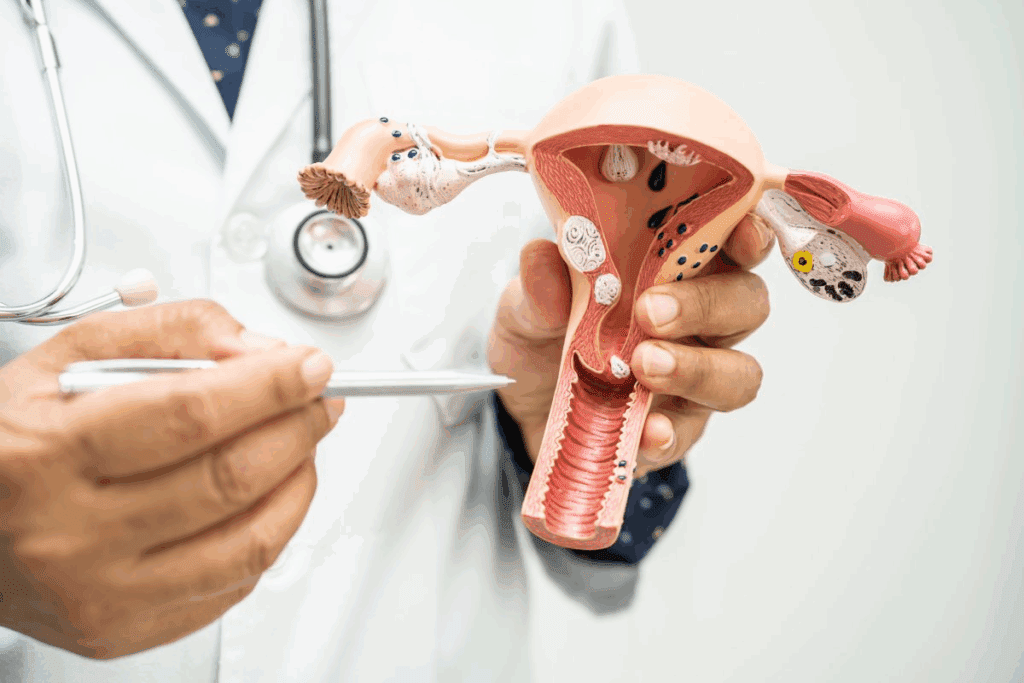
She had an emergency hysterectomy and was diagnosed with cancer. She emphasized the importance of proper care at home after surgery.
Having the right hysterectomy recovery supplies and a comfortable environment is key for a smooth recovery. We’ll guide you through the must-have items to prepare your home. This ensures you have everything needed for a peaceful and comfortable healing process.
Setting up your home with the proper recovery essentials can significantly support your overall recovery.
Key Takeaways
- Comfortable clothing and loose-fitting garments
- Essential medications and prescribed pain management
- A safe and comfortable living space
- Nutritional support and healthy meal options
- Emotional support and connection with loved ones
Preparing Your Home Before Surgery

Getting your home ready for a hysterectomy is key for a smooth recovery. A tidy home lowers stress and makes moving around easier after surgery.
Creating a Recovery-Friendly Environment
To create a recovery-friendly home, focus on comfort and easy access by establishing a cozy resting area close to essentials such as water, medications, and entertainment.
Think about these things for your recovery space:
- Comfortable seating and bedding
- Easy-to-reach storage for necessities
- Adequate lighting
- Minimal clutter to reduce fall risks
Setting Up a Main Floor Recovery Station
Having a recovery station on the main floor helps avoid climbing stairs. This area should have everything you need for daily life, like:
| Essential Items | Purpose |
| Comfortable seating | Resting and relaxation |
| Water and hydration supplies | Staying hydrated |
| Medications and medical supplies | Managing pain and wound care |
| Entertainment (books, TV, etc.) | Distraction and mental comfort |
Pre-Surgery Cleaning and Organization
Before surgery, clean and organize your home. This means:
- Cleaning living areas and bedrooms
- Organizing kitchen and bathroom essentials
- Doing laundry and preparing comfy clothes
- Arranging for someone to handle household chores post-surgery
By doing these things, you’ll create a supportive space for recovery. This helps avoid complications and makes your healing easier.
Essential Hysterectomy Recovery Supplies for Post-Surgery Care
Getting your home ready with the right supplies is key for post-surgery care. Having what you need can greatly improve your recovery. It helps you manage your care well and feel more comfortable.
Medical Necessities
Medical needs are a big part of your recovery kit. You’ll need compression stockings to help blood flow and prevent clots. Also, heating pads or warm compresses can help with pain.
Having a blood pressure monitor and a thermometer is important. They help you keep an eye on your health and catch any problems early.
Prescription Medications
Your doctor will give you medicines for pain, infection, and maybe more. It’s important to have a way to keep track of your meds. A medication management system, like a pill box or calendar, is helpful.
- Keep your meds in one place to avoid mistakes.
- Use a pill box or blister pack for your daily doses.
- Set reminders on your phone or use sticky notes to remember to take your meds.
Wound Care Items
Good wound care is essential for healing and avoiding infection. You’ll need sterile gauze pads, antiseptic wipes, and medical tape. Your doctor will tell you how to take care of your wound.
It’s smart to have a small bag or container for used dressings and medical waste. This keeps your space clean and safe.
Pain Management Solutions for Home Recovery
Creating a good pain management plan can make your home recovery better. It needs medical needs, alternative therapies, and the right home healing supplies.
Medication Organization Systems
Having a good way to organize your meds is key. Pill boxes or calendars help you remember when to take your meds. Using a medication organizer can prevent missed doses or taking too much, helping you manage pain well.
Non-Pharmaceutical Pain Relief Options
There are also non-medical ways to ease pain. These include:
- Relaxation techniques like deep breathing or meditation
- Gentle stretching, if your doctor says it’s okay
- Using pillows or cushions for support and comfort
These options can lessen pain and improve your overall health during recovery.
Heat and Cold Therapy Products
Heat and cold therapy can help with pain and swelling. Heat, like warm compresses or heating pads, relaxes muscles and boosts blood flow. Cold, like ice packs, can reduce swelling and numb pain.
It’s important to listen to your doctor about when and how long to use these therapies. Using them right can make your recovery from hysterectomy more comfortable.
Bathroom Modifications and Supplies
After a hysterectomy, the right bathroom supplies and modifications can greatly improve your recovery. A well-prepared bathroom is key for a smooth and comfortable recovery.
Toilet Accessories for Comfort and Safety
Toilet accessories can make a big difference in comfort and safety during recovery. Installing a raised toilet seat can help reduce body strain. Also, grab bars near the toilet offer extra support and prevent falls.
Other useful items include toilet paper holders with extra support and personal cleansing products that are gentle on the body.
Shower and Bathing Aids
Bathing after a hysterectomy needs careful thought to avoid discomfort or complications. Shower chairs or bath benches provide a safe spot to sit while showering, lowering fall risks. Handheld showerheads give better control over water direction, making cleaning easier without straining.
Consider non-slip mats for the shower or bathtub, and bath transfer benches for safe entry and exit.
Personal Hygiene Management
Managing personal hygiene is key during recovery. Using gentle, fragrance-free cleansers can prevent irritation. Having comfortable, absorbent towels and washcloths is also advisable.
| Product | Purpose | Benefit |
| Raised Toilet Seat | Reduces strain on the body | Eases bathroom use |
| Grab Bars | Provides extra support | Prevents falls |
| Shower Chair | Safe place to sit while showering | Reduces risk of falls |
By making these bathroom modifications and using the recommended supplies, you can greatly improve your comfort and safety during recovery.
Creating a Comfortable Bedroom Recovery Space
A well-prepared bedroom is key to a smooth recovery. It should be both comfortable and safe. After a hysterectomy, your bedroom is where you can rest and heal.
Optimal Bed Setup for Recovery
Getting your bed right is important for comfort. Choose a supportive mattress and keep the room at a cozy temperature. This helps you relax.
Here are some tips for the perfect sleeping spot:
- Use extra pillows for back and leg support.
- Keep it quiet and dark in your bedroom.
- Try a white noise machine if it’s too loud.
Pillows and Positioning Aids
Pillows and aids are vital for comfort. The right pillows can ease pain and support your body as it heals.
| Type of Pillow | Benefits |
| Contour Pillow | Supports the natural curve of the neck |
| Body Pillow | Provides full-body support, reducing strain on the abdomen |
| Knee Pillow | Helps maintain proper leg alignment, reducing pressure on the lower back |
Bedside Essentials
Having the right things by your bed can help a lot. Keep these items close:
- Water and a water bottle to stay hydrated.
- Medications and a pill organizer.
- A phone and charger for emergencies.
- Comfortable reading materials or entertainment.
Creating a cozy bedroom for recovery can greatly improve your healing. It makes your journey smoother.
Clothing Recommendations for Post-Hysterectomy Comfort
The clothes you wear after a hysterectomy can really impact how you feel. It’s important to wear comfortable clothes. They help reduce discomfort and aid in your healing.
Loose-Fitting Garments
Wearing loose clothes is a good idea during recovery. These should not be tight around your belly or sensitive areas. Choose loose tops and pants for easy movement and skin comfort.
Front-Closing Options
Clothes that open from the front are very helpful. They make getting dressed and undressed easier without straining. This is great if you’re feeling sore or can’t move much.
Underwear Considerations
Choose underwear made of soft, breathable materials. A higher waistband can also help avoid belly pressure. Some women prefer stretchy underwear or period panties for extra comfort.
Here’s a quick guide to help you pick the best clothes for recovery:
| Feature | Benefit | Recommended For |
| Loose Fit | Reduces irritation and discomfort | Post-surgery swelling or sensitivity |
| Front-Closing | Eases dressing and undressing | Reduced mobility or strain |
| Breathable Fabric | Enhances comfort and reduces irritation | Sensitive skin or wound care |
Choosing the right clothes can make your recovery more comfortable. It’s a good idea to have some comfortable clothes ready before your surgery. This way, your recovery can be as smooth as possible.
Kitchen Preparation and Nutritional Support
Getting your kitchen ready before surgery can really help with nutrition during recovery. A well-organized kitchen makes it easier to get the nutrients you need. It also saves you from spending too much time cooking.
Meal Preparation Before Surgery
It’s smart to cook meals that can be easily reheated before your surgery. Think about making big batches of soup, stew, or casseroles. These can be frozen and portioned out later.
Using a slow cooker is also a great idea. It lets you make meals that simmer while you rest.
Here are some ideas for meals to prepare ahead of time:
- Soups like chicken noodle or vegetable soup
- Casseroles such as lasagna or chicken enchiladas
- Slow cooker meals like chili or pulled pork
- Individual portions of cooked vegetables or grains
Easy-to-Prepare Food Options
Having simple food options is key during recovery. Look for foods that don’t take much effort to prepare. Here are some ideas:
| Food Category | Examples |
| Protein-rich foods | Eggs, Greek yogurt, canned tuna |
| Easy-to-digest fruits | Bananas, applesauce, canned fruit |
| Comfort foods | Mashed potatoes, plain toast, plain crackers |
Hydration and Digestive Health Supplies
Drinking enough water is very important during recovery. Keep different types of hydration options on hand. This includes water, clear broths, and drinks with electrolytes like coconut water or sports drinks.
“Adequate hydration is essential for preventing constipation, which can be a significant issue after surgery. Drinking plenty of fluids can help ensure a smooth recovery.” –
Also, make sure you have digestive health supplies ready. This includes fiber supplements, probiotics, and stool softeners if your doctor recommends them.
By preparing your kitchen with these items, you can make your recovery more comfortable and nutritious.
Mobility Aids and Movement Support
Having the right mobility aids at home is key for a comfortable and safe recovery after a hysterectomy. These tools help prevent strain and support safe movement. This reduces the risk of complications.
Walking Assistance Devices
Walking aids are essential for those recovering from hysterectomy surgery. These include:
- Walkers: Providing stability and support, walkers are ideal for patients who need significant assistance.
- Canes: Useful for those who require a bit less support, canes help with balance and confidence.
- Crutches: Though less commonly used for hysterectomy recovery, crutches can be necessary for certain patients.
These devices help distribute the body’s weight evenly. This reduces strain on the surgical site.
Reaching Tools and Grabbers
Reaching tools and grabbers are great for picking up items without bending or stretching. These actions can be hard during recovery. Some useful tools include:
- Grabber Reachers: Long-handled grabbers that allow patients to pick up objects from the floor or high shelves.
- Reaching Hands: Devices with a trigger mechanism that can grasp objects.
These tools reduce the need for bending or overreaching. This minimizes the risk of injury.
Car Travel Accommodations
For patients who need to travel by car during recovery, certain accommodations can make the journey more comfortable and safe:
- Pillows and Cushions: Providing extra support and comfort during the ride.
- Seat Cushions: Enhancing seat comfort and potentially easing discomfort.
- Frequent Breaks: Regular stops during long drives to stretch and move around.
It’s also advisable to have someone accompany the patient during car travel. This helps with needs during the journey.
By using these mobility aids and movement support tools, patients can greatly improve their comfort and safety during recovery.
Entertainment and Mental Health Resources
Recovering from a hysterectomy can be tough. That’s why entertainment and mental health resources are key. They help make your healing smoother and more enjoyable at home.
Digital Entertainment Setup
Creating a digital entertainment system is a smart move. It can include:
- Streaming services for movies and TV shows
- Tablet or e-reader for reading
- Comfortable headphones
Having lots of entertainment options can fight boredom. Make sure your devices are ready with your favorite shows before surgery.
Reading Materials and Activities
Physical books and activities are also great. You might enjoy:
| Activity | Benefits |
| Books or magazines | Distraction, relaxation |
| Puzzles or games | Mental stimulation, stress relief |
| Coloring books | Calming, creative expression |
Relaxation and Mindfulness Tools
Relaxation and mindfulness are vital during recovery. Tools like:
- Meditation apps
- Guided imagery recordings
- Aromatherapy kits
These can help manage stress and keep your mind positive.
Adding these resources to your home recovery wellness plan makes your healing space better. It supports your recovery and comfort.
Building Your Support System
A strong support system can greatly help your recovery. It offers both practical help and emotional support. Recovering from a hysterectomy is not just about physical healing. It also involves emotional and psychological well-being.
Scheduling Helper Visits
Setting up helper visits is a key part of building your support system. This can include:
- Family members or friends who can help with daily tasks and errands
- Professional caregivers who can offer medical support and personal care
- Meal delivery services or help with grocery shopping
Having a plan in place ensures you get the support you need during recovery.
Communication Tools
Good communication is essential for a strong support system. Consider using:
- Mobile apps for patient care and communication
- Video conferencing for virtual support from loved ones
- Secure messaging platforms for updates with your healthcare team
These tools help you stay connected with your support network. They also ensure you get timely advice and help.
Support Group Resources
Joining a support group can offer emotional support and practical advice. Look for:
- Local support groups in your area
- Online forums and communities for hysterectomy recovery
- Professional counseling services for extra emotional support
These resources provide valuable insights and help you feel less alone during recovery.
Building a strong support system can greatly improve your recovery. We suggest exploring these options to create a network that supports you during this important time.
Managing Household Responsibilities
After a hysterectomy, your body needs time to heal. Taking care of your home should not add to your stress. It’s vital to manage your household responsibilities wisely for a comfortable and stress-free recovery at home.
Managing the household can be challenging, even when you’re recovering. Here are some strategies to help you handle your responsibilities effectively.
Childcare Arrangements
Caring for your children is a top priority for many women. During your recovery, it’s essential to have a plan for childcare. This might involve:
- Asking a family member or friend to help with childcare duties
- Hiring a temporary caregiver
- Adjusting your children’s schedules to minimize your workload
Having a support system for childcare can significantly reduce your stress levels. This allows you to focus on your recovery.
Pet Care Solutions
Pets are part of the family, and their care is important. Caring for pets can be physically demanding, even during recovery. Consider:
- Asking a neighbor or friend to care for your pet temporarily
- Hiring a pet-sitting service
- Preparing your pet’s needs in advance, such as pre-measuring their food
By arranging for pet care, you can ensure your pets are happy and healthy while you recover.
Household Chore Management
Managing household chores is key during your recovery. Here are some tips to help you manage your household responsibilities:
| Task | Pre-Recovery Preparation | Recovery Strategy |
| Laundry | Do a load of laundry before surgery | Have someone do laundry for you or use a laundry service |
| Cleaning | Clean the house thoroughly before surgery | Have a cleaning service come in or ask a friend to help |
| Grocery Shopping | Stock up on groceries before surgery | Use online grocery shopping or meal delivery services |
By planning ahead and having a support system, you can manage your household responsibilities effectively during your recovery.
Tracking Recovery Progress at Home
Tracking your recovery is key to spotting problems early and getting better after a hysterectomy. We suggest using different tools to keep an eye on how you’re doing.
Symptom Journals
Writing down your symptoms in a journal is very helpful. It lets you track changes and patterns. This info is great to share with your doctor.
When you write in your journal, include the date, time, and how bad your symptoms are. This helps you see how you’re improving and gives your doctor a clear picture of your recovery.
Medication Logs
Keeping a log of your medications is also important. It helps you remember to take your meds as directed. It also helps spot any side effects or interactions.
Write down the name of the medication, how much you take, and when. Also, note any effects you feel. This info is key to managing your recovery and making smart choices about your care.
Activity Tracking Tools
Tools for tracking your activity are great for monitoring your physical progress. You can use simple pedometers or advanced wearable devices.
Think about what you need and can do. For example, if you’re not very mobile, a basic step tracker might be better than a fancy fitness watch.
Using these tools lets you be more involved in your recovery. You can work with your healthcare team to get the best results.
Specialized Hysterectomy Recovery Supplies for Different Procedures
Knowing what you need for your hysterectomy recovery is key. Each type of surgery, like abdominal, vaginal, and laparoscopic, has its own needs. This ensures a safe and comfortable healing time.
Abdominal Hysterectomy Considerations
Abdominal hysterectomies need supplies for comfort and wound care. Essential items include comfy, loose clothes and wound care like sterile gauze and wipes.
Heating pads help with pain. Also, setting up a recovery station on your main floor helps avoid stairs. This eases strain on your muscles.
Vaginal Hysterectomy Needs
Vaginal hysterectomies are less invasive but need special care. Comfortable seating and perineal care supplies are key. Warm compresses or sitz baths help with healing.
Using easy-to-use hygiene products is also helpful. They make personal care routines easier.
Laparoscopic Procedure Recovery Items
Laparoscopic hysterectomies have smaller cuts, leading to less pain and quicker healing. But, you’ll need supplies for pain and incision care. Recovery supplies should include over-the-counter pain relievers and incision care items.
Wearing comfortable, supportive clothing and getting nutritional support helps too. Having meals ready and easy-to-digest foods is a big plus.
In summary, the type of hysterectomy affects the recovery supplies you’ll need. Understanding these needs helps prepare for a smooth recovery at home.
When to Contact Your Doctor: Home Monitoring Essentials
Knowing when to seek medical help is vital for a smooth recovery after a hysterectomy. Paying close attention to your health at home is important. It can greatly impact your healing process.
Temperature Monitoring Tools
Keeping an eye on your temperature is a key part of post-surgery care. A high temperature could mean an infection, a serious risk after surgery. Use a digital thermometer to check your temperature often.
Normal vs. Abnormal Readings: A normal body temperature is about 98.6°F (37°C). But, it can vary slightly. If your temperature goes over 100.4°F (38°C), it might mean you have an infection.
| Temperature Reading | Action Required |
| Below 100.4°F (38°C) | Continue monitoring; maintain good hygiene |
| 100.4°F (38°C) or higher | Contact your doctor; possible infection |
Wound Assessment Supplies
Good wound care is key to avoiding infection and a smooth recovery. Keep a wound care kit handy. It should have supplies for cleaning and dressing the wound, and a journal to note your observations.
- Gauze pads
- Antiseptic wipes
- Medical tape
- Wound dressing
Check your wound often and write down any changes. Look for signs of infection like redness, swelling, or discharge.
“Proper wound care is a critical component of post-surgical recovery. By keeping a close eye on your wound and reporting any concerns to your healthcare provider, you can significantly reduce the risk of complications.”
Emergency Contact Information Organization
Having emergency contact info easily accessible can give you peace of mind. Make a list of important numbers and keep it somewhere you can reach it quickly.
Key Contacts:
- Your surgeon’s office number
- Emergency services number (e.g., 911 in the US)
- A trusted family member or friend
Being prepared and informed helps you feel confident during your recovery. Always choose caution when it comes to your health.
Conclusion
Recovering from a hysterectomy at home needs careful planning and attention. By setting up a recovery-friendly space and getting the right supplies, you can help your healing. Having a strong support system is also key.
Creating a cozy recovery area on the main floor is a good start. Managing household tasks and tracking your progress are important too. Having the right supplies, like pain relief and mobility aids, can greatly improve your recovery.
As you continue your recovery, stay proactive and ask for help when you need it. With the right care, you can get through this tough time with confidence. Focus on your physical and emotional health to ensure a smooth recovery.
FAQ
What are the most essential items to have at home after a hysterectomy?
You’ll need a comfy recovery spot on the main floor. Also, medical stuff like gauze and pain meds are a must. Don’t forget comfy clothes and aids like walkers or canes for moving around.
How can I prepare my home for a hysterectomy recovery?
Make your home recovery-friendly. Set up a main floor recovery area. Clean and organize your home before surgery. Keep essential supplies within reach.
What kind of pain management solutions are available for home recovery?
Use a system to organize your meds. Try non-medical pain relief like pillows or heating pads. Also, heat and cold therapy can help with pain.
What bathroom modifications can I make to ensure comfort and safety during recovery?
For comfort and safety, install raised toilet seats. Use shower chairs and bathing aids. Keep wipes or perineal irrigation bottles for personal hygiene.
How can I create a comfortable bedroom recovery space?
Make your bedroom comfy for recovery. Set up your bed with pillows and aids. Keep water and a phone nearby. Make sure the room is quiet and restful.
What type of clothing is recommended after a hysterectomy?
Wear loose, front-closing clothes. Choose comfy underwear to avoid irritation during recovery.
How can I maintain proper nutrition during recovery?
Prepare meals before surgery. Have easy foods like soups or smoothies ready. Stay hydrated with water and digestive health supplies.
What mobility aids can I use during recovery?
Use walkers or canes for walking. Grabbers and reach tools help avoid straining. Have car travel aids like pillows or cushions.
How can I manage household responsibilities during recovery?
Make childcare and pet care plans. Delegate household chores to others. Avoid overexerting yourself.
What are the signs that I should contact my doctor during recovery?
Watch your temperature and wound. Keep emergency contact info handy. Contact your doctor if you have unusual symptoms or concerns.
Are there any specialized recovery supplies needed for different types of hysterectomy procedures?
Yes, different procedures need specific supplies. For example, abdominal hysterectomy might need more wound care. Laparoscopic procedures might need less mobility aids.
How can I track my recovery progress at home?
Keep a symptom journal, medication log, and activity tracker. This helps monitor your progress and spot any issues early.
Reference
- Gottlieb, A. S. (2023). Pre and post-operative self-care management among hysterectomy patients. PMC. https://pmc.ncbi.nlm.nih.gov/articles/PMC10598354/
- Ward, A. et al. (2023). Implementation of total laparoscopic hysterectomy as day case surgery: an enhanced recovery programme approach. BMJ Open Quality. https://bmjopenquality.bmj.com/content/12/1/e002154