Going to a court hearing is tough, even more so with a baby to look after. The court FAQ says kids need an adult with them in the courthouse. This is a big worry for parents with custody issues or other family law matters without a babysitter.

More and more, babies and young kids are seen in family law and dependency cases. New court models focus on keeping kids safe, changing how and when they’re in legal settings. This piece will look at the problem of court visits without a babysitter and offer real solutions. Facing a court date and struggling with childcare? If I have court but no babysitter, what are my critical legal options?
Key Takeaways
- Understand the court’s policy on children in the courthouse.
- Explore alternative childcare options for court appearances.
- Learn how to prepare your baby for a court visit.
- Discover strategies for managing your baby’s needs during court proceedings.
- Find out how to request accommodations for your baby in court.
General Court Policies Regarding Infants and Children
Understanding court policies for infants and children can be tough for parents. Courtrooms are open to everyone, but rules for kids are strict. Each case is different, and courts decide what’s best.
Federal vs. State Court Regulations
Federal and state courts have different rules for kids. Federal courts might have stricter rules than state courts. This includes security checks that affect kids.
State courts have their own rules, which can change a lot. Some states are more lenient, while others are stricter. Knowing these differences is key for parents in court.
Age-Based Restrictions and Exceptions
Courts often set age limits for kids in court. Some courts let infants and young kids in, while others have strict rules. For example, family courts might be more open to kids, but criminal courts might not be.
In places like Johnston County, North Carolina, there are specific rules. Parents should check with the court to know the rules for kids in court.
Types of Court Proceedings and Their Baby-Friendliness
Court proceedings can be scary, even for parents who have to take care of their kids. Different courts handle cases in different ways. This means some are more welcoming to babies and young kids.
Family and Dependency Courts
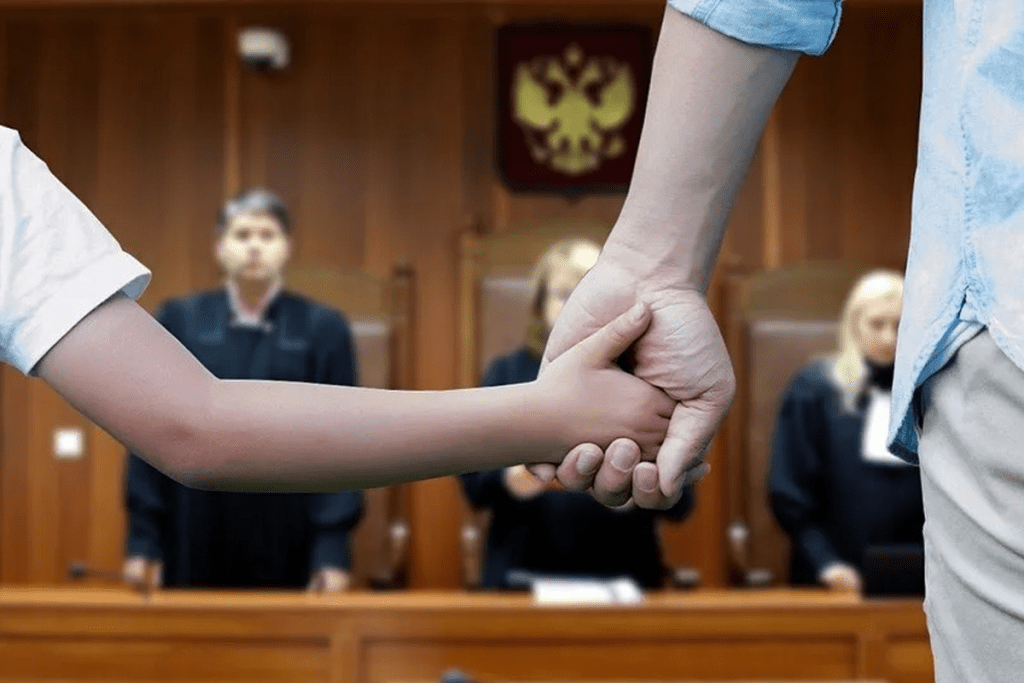
Family and dependency courts usually do their best to include infants and young children. They focus on what’s best for the child. Sometimes, having the child there is important or even necessary.
- Family Courts: These courts deal with divorce, custody, and support for kids. They might let babies in if the case is about the child’s well-being.
- Dependency Courts: These courts handle cases where the state steps in because of child abuse or neglect. They tend to be more open to having babies present.
Criminal Proceedings
Criminal cases are usually not welcoming to babies. These proceedings are formal and can be tense. Judges usually advise against bringing infants.
- Serious Offenses: Cases of serious crimes rarely let babies in. This is because the topics are serious and sensitive.
- Court Discretion: The judge decides if a baby can be in a criminal courtroom. They consider whether it might disrupt the proceedings or if the parent needs their child.
Civil Litigation
Civil cases cover a wide range, from property disputes to personal injury claims. How welcoming courts are to babies can vary a lot. It depends on the case and the court’s rules.
- Less Formal: Some civil cases might be less strict. This could mean more room for flexibility with babies.
- Judge’s Discretion: Like in criminal cases, the judge’s decision is key. They decide if a baby can be in the courtroom during civil cases.
In conclusion, how friendly courts are to babies changes a lot depending on the case. Knowing this can help parents get ready for court. It also helps them make plans for their kids.
Specialized Court Programs for Children
Specialized court programs have been created to help children and their families during legal cases. These programs understand the special needs of kids. They aim to make the court system more caring for them.

These programs are a big step in protecting kids from the harm of court cases. They offer support that fits each child’s needs. This helps keep their well-being safe.
Safe Babies Courts Initiative
The Safe Babies Courts Initiative is a key example of these programs. It helps infants and young children in court cases, often because of neglect or substance abuse. The program uses a team effort of social services and judges to help young kids.
“The Safe Babies Court model has shown promising results in improving the lives of infants and toddlers in the child welfare system.”
Strong Starts Court Programs
Strong Starts Court is another important program. It supports pregnant women and new moms who are in court. It focuses on early help and gives resources for health and legal issues.
Strong Starts Court Programs are known for their all-around approach. They offer healthcare, parenting classes, and legal advice. This helps moms and their babies have better health and well-being.
Developmental Screening Benefits
Developmental screening is a big part of these court programs. It checks how a child is growing to spot any delays early. This way, courts can give kids the right help and support for better growth.
- Early identification of developmental delays
- Access to targeted interventions
- Improved long-term outcomes for children
By adding developmental screening, courts show they care about kids’ well-being in legal cases.
“I Have Court But No Babysitter: Practical Solutions
Going to court with no babysitter can be tough. But there are ways to handle it. Look into options for taking care of your kids while you’re in court.
Court-Provided Childcare Options
Some courts have childcare services. They might have:
- On-site childcare facilities
- Childcare vouchers or reimbursement programs
- Partnerships with local childcare providers
Ask about these when you schedule your court date. Call the court’s office or family services to learn about childcare help.
Emergency Childcare Resources
For sudden court dates, emergency childcare is key. You might find:
- Local emergency childcare hotlines
- Drop-in childcare centers
- Community groups with emergency childcare
Keep these numbers on hand for when you need them. Some courts have emergency plans too.
Requesting Accommodations from the Court
If you can’t find childcare, ask the court for help. You could:
- Ask for a later court date
- Try to appear remotely
- Talk to the judge or court staff
Be ready to explain your childcare problem. Courts usually try to help parents manage their duties and court needs.
By using these solutions, parents can handle court dates without a babysitter. Plan, use available resources, and talk to the court when needed.
Women in Courtrooms: Special Considerations
The legal system is changing to meet the needs of women in courtrooms. It’s becoming more inclusive. This change helps address the challenges women face, like childcare and personal well-being.
Nursing Mothers’ Accommodations
Courts now offer special help for nursing mothers. They provide places for breastfeeding or expressing milk. This is key for mothers who must go to court.
They have lactation rooms and flexible schedules for breaks. Courts also try to keep disruptions low and ensure privacy for nursing mothers.

Gender-Specific Challenges
Women in courtrooms face gender-specific challenges. These include biases and a lack of proper facilities. It’s important to address these to let women fully participate in legal matters.
Courts are working on this. They train staff and create policies for gender equality.
Support Systems for Single Mothers
Single mothers have it tough when they need to go to court. They often lack support from a second parent. Courts are setting up support systems for them.
This includes emergency childcare and court-appointed advocates. It helps ensure single mothers are not unfairly disadvantaged in court.
Legal Rights of Parents Attending Court Proceedings
Knowing your legal rights as a parent in court is key to a good outcome. Parents can move through the court system well. It’s important to understand these rights for a successful experience.
Right to Participate in Proceedings
Parents have the right to participate in court, either by themselves or with a lawyer. Court FAQs say you can represent yourself, but it’s not always easy.
Being informed and having access to important information is part of this right. Courts must give enough notice and info. This helps parents prepare and take part fully.
Requesting Continuances Due to Childcare Issues
If childcare problems come up, parents can request a continuance. They need to tell the court ahead of time and give good reasons. They might also need to provide documents.
Courts know that unexpected childcare issues can stop parents from going to court. Asking for a continuance helps parents get ready and take care of their kids.
Americans with Disabilities Act Considerations
The Americans with Disabilities Act (ADA) helps parents with disabilities in court. It offers physical and procedural help, like wheelchair access or sign language interpreters.
Parents needing ADA help should tell the court early. This way, they can join in without facing big obstacles.
Court Etiquette When Bringing a Baby to Court
Bringing a baby to court needs careful planning and knowing the rules. Parents or guardians must follow the court’s rules and keep the environment respectful.
Preparing for Possible Disruptions
To avoid disruptions, prepare your baby for the court visit. Try to feed and change them before the hearing if you can. This helps keep your baby calm during the hearing.
Tips for Minimizing Disruptions:
- Choose a time when your baby is usually calm or asleep.
- Bring essentials like diapers, formula, and pacifiers.
- Consider a stroller or baby carrier for convenience.
Appropriate Timing for Feedings and Breaks
Knowing when to feed and take breaks is key. If your baby needs feeding during the hearing, do it discreetly. Many courts allow nursing mothers to care for their babies.
Be mindful of the court’s schedule and try to plan feedings and breaks around it. If your baby gets fussy, step outside the courtroom to tend to them. This minimizes disturbance to the proceedings.
What to Bring for Your Baby
When taking your baby to court, be sure to bring everything they need. This includes diapers, wipes, formula, bottles, and pacifiers. Also, bring a change of clothes for your baby.
Essential Items to Bring:
- Diaper bag with essentials.
- Snacks and water for older babies.
- Comfort items like a favorite toy or blanket.
By being prepared and considerate of court etiquette, parents can make court appearances with their babies easier.
Procedural Adaptations for Children in Courtrooms
Children in courtrooms need special help to feel safe and comfortable. Courts make sure kids are okay during legal cases. They focus on keeping kids safe and happy.
Child Testimony Accommodations
Courts make it easier for kids to testify. They use closed-circuit television or let kids testify on an adult’s lap. This makes kids less scared and stressed.
Testifying in a familiar environment or with a support person is also helpful. Courts adjust their rules to meet kids’ needs. This makes it easier for kids to testify.
Support Persons and Comfort Measures
Courts let kids have a support person with them. This person gives emotional support and comfort. Courts also offer breaks and a more kid-friendly place.
A trusted adult can really help a child in court. Courts use child-friendly facilities to make the place less scary.
Trauma-Informed Court Practices
Courts are learning to be more sensitive to kids who have been through tough times. They train staff and judges on trauma-informed care. They also change court rules to avoid scaring kids more.
By being trauma-informed, courts can better support kids in legal cases. This way, the court’s actions are more careful and considerate of kids who have been hurt.
Regional Variations in Court Childcare Policies
Regional differences shape court childcare policies a lot. The support for childcare in courtrooms changes a lot from place to place. This is because of local rules, resources, and culture.
Notable State-Specific Programs
Some states have started new programs for parents in court. For example, court-based childcare centers offer a safe place for kids. California and New York are leading in this area.
In Florida, the court works with local childcare to help parents. This helps reduce stress for parents during court times.
Johnston County Court Practices in North Carolina
The Johnston County court in North Carolina has a special program. They work with local groups to help parents with childcare. This includes financial and logistical help for court hearings.
This program helps low-income families and single parents a lot. It lets them focus on the court without worrying about childcare.
Urban vs. Rural Court Accommodations
Urban and rural courts have different challenges. Urban courts have more resources for childcare. But rural courts face funding and provider shortages.
Despite these issues, some rural courts find creative solutions. They offer mobile childcare services that go to different courts. This helps ensure parents in rural areas get the care they need.
In summary, court childcare policies vary a lot by region. We need flexible solutions that fit each community’s needs.
Conclusion: Navigating Court Appearances with Infants
Going to court with an infant can be tough, especially when you can’t find a babysitter. This article looked into different ways to handle this problem. It covered court rules, special programs, and practical tips.
Courts have their own rules for babies and kids. Some have special programs for them. Knowing these rules and looking into options like court childcare or emergency help can be helpful.
It’s important to be ready when you take your baby to court. Learn about court manners, know how courts adapt for kids, and understand your rights as a parent.
Being well-informed and prepared helps you deal with court appearances better. Whether it’s a family court, a criminal case, or a civil lawsuit, knowing your options can really help.
FAQ
Can I bring my baby to court if I don’t have a babysitter?
It depends on the court’s rules and the type of case. Some courts have places for kids or let babies stay, while others don’t. Always check with the court first.
Are there any federal regulations regarding children in courtrooms?
There are no direct federal rules, but courts must make reasonable changes under the ADA. This might include help for parents with kids.
What are the age-based restrictions for children in courtrooms?
Rules about kids in courtrooms vary by court. Some let babies and young kids in, while others have rules for older kids.
Are family and dependency courts more accommodating for babies?
Yes, family and dependency courts are more welcoming to babies and young kids. They focus on cases involving families and children.
Can I request accommodations from the court if I have no babysitter?
Yes, you can ask the court for help, like a delay or childcare. Let the court know early so you can talk about options.
Are there specialized court programs that support children and their families?
Yes, there are special court programs like Safe Babies Courts and Strong Start Court Programs. They aim to help kids and families.
What are the court etiquette guidelines when bringing a baby to court?
When you bring a baby to court, be ready for any disruptions. Make sure to feed and take breaks as needed. Bring everything your baby needs.
Can I breastfeed my baby in the courtroom?
Yes, nursing moms can usually breastfeed in court. Courts must provide a private spot for this, if needed.
How do courts accommodate child testimony?
Courts use different ways to help with child testimony, like closed-circuit TV or support people. They aim to reduce stress and keep the child comfortable.
Are there regional variations in court childcare policies?
Yes, childcare policies in courts vary a lot by area. Some courts have better facilities or programs than others.
What are the Johnston County court practices in North Carolina regarding children?
Johnston County in North Carolina might have specific rules or programs for kids, like childcare or support services. It’s best to ask the court directly for details.
References
- Duffee, J. H., & O’Connor, A. M. (2025). Safe Babies Court: A trauma-informed approach to judicial proceedings. Journal of Public Child Welfare, 19(2), 150-165. https://doi.org/10.1080/15548705.2024.1989012