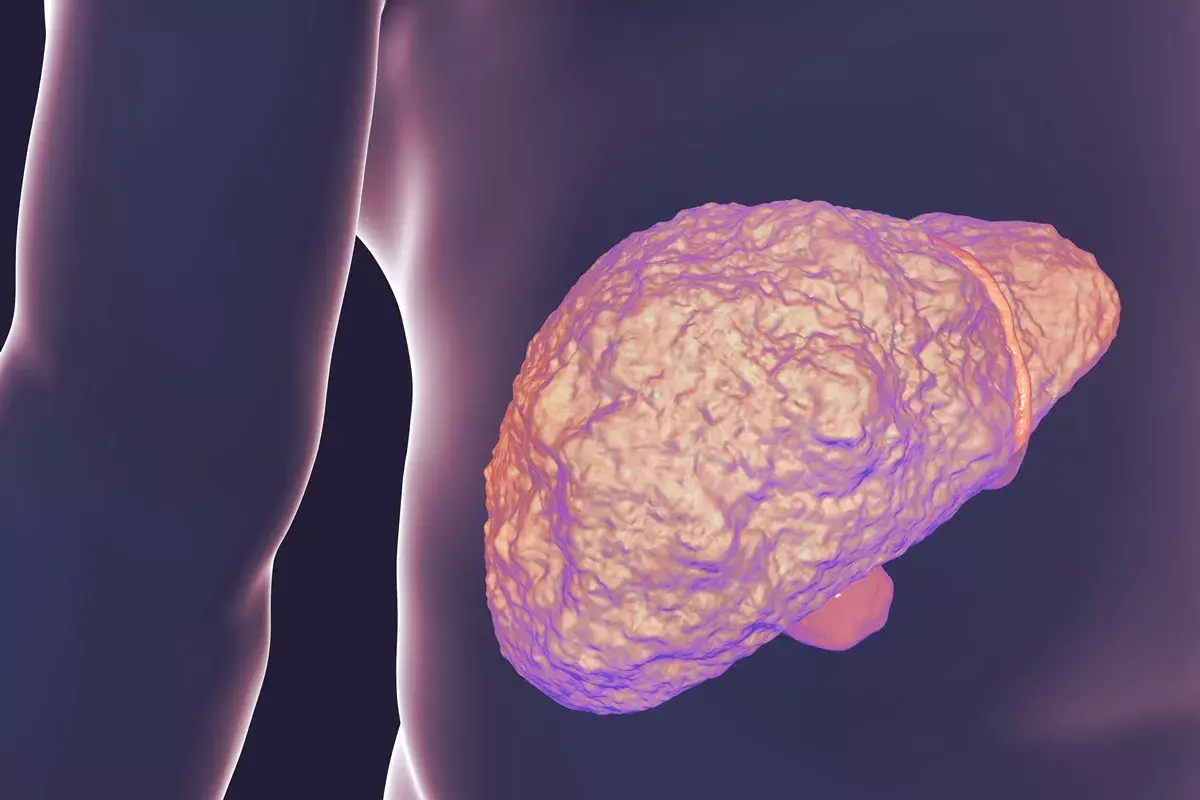
Irritable Bowel Syndrome (IBS) is a common condition that affects many people. It’s known for causing stomach pain, changes in bowel movements, and gas. But blood in stool is not a typical symptom of IBS. Is IBS blood in stool a symptom? This guide reveals the alarming truth. IBS typically doesn’t, so learn what does cause it (like IBD).
Yet, IBS complications can sometimes cause rectal bleeding. At Liv Hospital, we know how important it is to tell IBS symptoms apart from serious conditions. We focus on you, making sure we find out why you’re bleeding.
It’s key to understand how IBS might lead to bleeding. We dive into IBS and its link to blood in stool. Our goal is to give you a full picture of what’s going on.
Key Takeaways
- IBS does not directly cause blood in stool, but complications can lead to rectal bleeding.
- Symptoms of IBS include abdominal cramping, changes in stool consistency, and flatulence.
- A thorough check is needed to figure out why you’re bleeding.
- Liv Hospital’s patient-focused approach helps manage IBS and related issues well.
- Knowing the difference between IBS symptoms and serious signs is vital for the right diagnosis.
Understanding Irritable Bowel Syndrome (IBS)

IBS is a complex condition where the gut and brain don’t communicate well. It causes recurring pain in the abdomen and changes in bowel movements. It affects a lot of people worldwide.
Definition and Prevalence of IBS
Irritable Bowel Syndrome (IBS) is a disorder where the gut and brain don’t talk well. It leads to pain in the abdomen and changes in bowel habits. These changes can be constipation, diarrhea, or both.
The number of people with IBS varies around the world. In the United States, it’s between 7% and 16%. Globally, it’s estimated to be about 11%. This means 10 to 20 out of 100 people worldwide have IBS, making it a big issue in the field of gastrointestinal health.
Common Symptoms and Manifestations
The symptoms of IBS can differ from person to person. But common signs include recurring pain in the abdomen and changes in bowel habits. Some people also experience bloating, gas, and discomfort.
Understanding these symptoms is key to diagnosing and managing IBS. It helps improve the quality of life for those affected.
Different Types of IBS
IBS is divided into several types based on bowel habits. These include:
- IBS with Constipation (IBS-C): Characterized by hard or lumpy stools.
- IBS with Diarrhea (IBS-D): Marked by loose or watery stools.
- IBS with Mixed Bowel Habits (IBS-M): Alternating between constipation and diarrhea.
Knowing the specific type of IBS is important. It helps tailor treatment and management plans to meet individual needs.
The Relationship Between IBS Blood in Stool

Blood in stool can be scary, and it’s key to understand its link to IBS. Irritable Bowel Syndrome (IBS) causes stomach pain, changes in bowel movements, and other symptoms. Though IBS isn’t usually linked to bloody stools, some patients might experience bleeding due to complications.
Is Blood a Direct Symptom of IBS?
Blood in stool isn’t a direct sign of IBS. IBS is a disorder that affects how the bowel works, without visible damage or inflammation. But, IBS symptoms like chronic constipation or diarrhea can lead to complications that cause bleeding.
Indirect Mechanisms Causing Bleeding
Several indirect ways related to IBS can cause rectal bleeding. For example, chronic diarrhea or constipation can cause hemorrhoids. These are swollen veins in the lower rectum or anus. Straining during bowel movements can make these hemorrhoids bleed. Constipation can also cause anal fissures, small tears in the anus lining that can bleed.
A 2023 review showed that IBS patients are more likely to get hemorrhoids due to changes in bowel habits. This means IBS itself doesn’t directly cause bleeding. But, its symptoms can raise the risk of conditions that lead to rectal bleeding.
Frequency of Bleeding in IBS Patients
The frequency of bleeding in IBS patients depends on the cause. Those with chronic constipation are more likely to get anal fissures or hemorrhoids, leading to bleeding. Patients with IBS-D (IBS with Diarrhea) might experience irritation of the intestinal lining, causing minor bleeding.
It’s vital for IBS patients with rectal bleeding to see their healthcare provider. They need to find out the cause and get the right treatment. Even if the bleeding is linked to IBS symptoms, it’s important to check for other serious conditions.
IBS with Constipation (IBS-C) and Rectal Bleeding
Constipation in IBS can cause rectal bleeding. This happens through anal fissures and hemorrhoids. Hard, voluminous stools can tear the anal lining, causing pain and bleeding.
How Constipation Leads to Anal Fissures
Constipation often leads to anal fissures. Hard stools make it hard to pass, causing small tears in the anus. These tears cause pain and bleeding during and after bowel movements.
To prevent anal fissures, managing constipation is key. This can be done through dietary changes, like eating more fiber and staying hydrated. Stool softeners or fiber supplements may also help.
Straining and Hemorrhoid Development
Straining during bowel movements is a problem with IBS-C. It can cause hemorrhoids, swollen veins in the lower rectum or anus. Hemorrhoids are painful and may bleed, making bowel movements uncomfortable.
Hemorrhoids aren’t just caused by straining. The consistency of stool and bowel habits also play a role. Managing constipation is important to prevent hemorrhoids.
Identifying Constipation-Related Bleeding
It’s important to know where rectal bleeding comes from. Bleeding from constipation is often due to anal fissures or hemorrhoids. The type of bleeding can help figure out the cause.
Bleeding from anal fissures is usually bright red and painful. Hemorrhoid bleeding can be more profuse and not as painful. Knowing these differences helps in managing the bleeding.
Characteristics | Anal Fissures | Hemorrhoids |
Bleeding Characteristics | Typically bright red, often on the stool surface or toilet paper | Can be bright red or darker, may drip into the toilet bowl |
Pain | Usually painful, during bowel movements | May or may not be painful; thrombosed hemorrhoids are very painful |
Common Causes | Passage of hard stools, constipation | Straining during bowel movements, constipation, prolonged sitting |
Understanding constipation-related bleeding is key to managing it. By tackling constipation and straining, people with IBS-C can lower their risk of complications like anal fissures and hemorrhoids.
IBS with Diarrhea (IBS-D) and Possible Bleeding
The link between IBS-D and bleeding is complex. It involves irritation of the intestinal lining and quick transit through the intestines. IBS-D, marked by frequent and urgent diarrhea, can cause complications. These may lead to rectal bleeding.
Irritation of Intestinal Lining
IBS-D’s constant diarrhea can irritate the intestinal lining. This irritation may cause inflammation and damage. The irritation can lead to blood in the stool. The frequency and severity of diarrhea episodes play a significant role in determining the risk of bleeding.
Rapid Transit and Mucosal Damage
Rapid transit through the intestines, a hallmark of IBS-D, can cause mucosal damage. The mucosa, the innermost layer of the gastrointestinal tract, is sensitive to rapid movement. This damage can result in bleeding, which may be visible in the stool or detected through laboratory tests.
Distinguishing Features of Diarrhea-Related Bleeding
Understanding the characteristics of bleeding associated with IBS-D is key for diagnosis and management. The following table summarizes key features:
Characteristics | Description |
Bleeding Appearance | Often mixed with stool or mucus |
Color of Blood | Usually maroon or bright red |
Associated Symptoms | Diarrhea, abdominal pain, urgency |
By recognizing these features, healthcare providers can differentiate between bleeding caused by IBS-D and other gastrointestinal conditions. This guides appropriate treatment strategies.
Post-Infectious IBS and Bloody Diarrhea
Post-infectious IBS often starts after a bad stomach bug. This can really hurt a person’s life quality. It happens when IBS symptoms show up after a stomach bug, usually from a virus or bacteria.
Gastroenteritis as a Trigger for IBS
Gastroenteritis can start IBS. The infection’s inflammation changes how the bowel works and makes it more sensitive. This leads to IBS symptoms. People who get very sick from a stomach bug are more likely to get IBS.
Temporary Bleeding During Infection Phase
Some people with gastroenteritis might have bloody diarrhea. This happens because the bug irritates the intestines. But, this usually stops once the bug is gone.
Resolution Patterns After Infection Clears
Once the bug is gone, most people stop having bloody diarrhea. But, some might keep having IBS symptoms like different bowel habits and belly pain. Knowing how symptoms change is key to managing IBS after an infection.
Important things that affect how IBS symptoms go away include:
- The severity of the initial infection
- The presence of ongoing inflammation
- Individual susceptibility to IBS
Healthcare providers can make better treatment plans by understanding these factors. This helps improve how well patients do with post-infectious IBS.
Red Flag Symptoms: When Blood Indicates Something More Serious
Blood in stool can be scary. It’s important to know when it might mean something serious, not just IBS. IBS affects the large intestine and can cause pain, changes in bowel movements, and bloating. But blood in stool is not a usual sign of IBS. So, it’s key to look into it further.
Warning Signs That Require Immediate Attention
Some bleeding signs need quick medical check-ups. These include:
- Heavy or persistent bleeding: If the bleeding is heavy or keeps going, it might be serious.
- Bleeding accompanied by severe abdominal pain: Severe pain could mean a serious problem.
- Bleeding with fever or vomiting: Fever or vomiting with bleeding could mean an infection or serious issue.
Characteristics of Bleeding That Suggest Other Conditions
The bleeding’s look can hint at the cause. For example:
- Color and consistency: The color (bright red, dark red, black) and how it looks (watery, mixed with stool) can show where it’s coming from.
- Timing: If it happens during or after bowel movements can also help figure out what’s going on.
Quantity and Color of Blood as Diagnostic Indicators
The amount and color of blood are key signs. For example:
Blood Color | Possible Indication |
Bright Red | Bleeding from the lower colon or rectum |
Dark Red or Maroon | Bleeding from the upper colon |
Black or Tarry | Bleeding from higher up in the digestive tract |
Knowing these signs can help doctors find and treat problems better. It’s vital for patients to tell their doctors about any blood in stool. Early action can greatly improve health outcomes.
Conditions That Mimic IBS But Cause Bleeding
Some conditions can look like IBS but cause bleeding. It’s important to tell them apart. This is because they have different effects on the body.
Inflammatory Bowel Disease (IBD)
Inflammatory Bowel Disease (IBD) includes Crohn’s disease and ulcerative colitis. These conditions cause long-term inflammation in the gut. Unlike IBS, IBD leads to visible damage and bleeding in the bowel lining.
A gastroenterology expert notes:
“IBD patients often present with symptoms that can be confused with IBS, but the presence of blood in stool is a critical differentiator.”
Characteristics | IBS | IBD |
Bleeding | Rarely present | Commonly present |
Inflammation | Not visible | Visible inflammation |
Diverticulitis and Diverticular Bleeding
Diverticulitis happens when small pouches in the colon get inflamed. It can cause pain, changes in bowel habits, and sometimes bleeding. Symptoms can be similar to IBS, but bleeding and severe pain are warning signs.
Diverticular bleeding is marked by:
- Sudden onset of painless rectal bleeding
- Often linked to diverticulosis
- More common in older adults
Colorectal Cancer and Polyps
Colorectal cancer and polyps can mimic IBS symptoms like changes in bowel habits. But, they often come with bleeding, unlike IBS.
It’s vital to check any unusual symptoms, mainly in those over 50 or with a family history of colorectal cancer.
Risk Factors | Description |
Age | Risk increases after age 50 |
Family History | Having first-degree relatives with colorectal cancer |
Genetic Syndromes | Conditions like Lynch syndrome |
Diagnostic Approach for IBS Patients with Blood in Stool
When IBS patients have blood in their stool, doctors must do a detailed check. This is key to make sure it’s not something more serious.
Initial Assessment and Physical Examination
The first step is a full medical history and physical check. Doctors will ask about the blood in stool and any pain or changes in bowel habits.
A physical exam might show signs of other problems. For example, tenderness or masses in the belly could mean something else is wrong.
Laboratory Tests and Stool Analysis
Labs are very important in figuring out what’s going on. They might do:
- Complete Blood Count (CBC) to check for anemia or signs of infection
- Stool tests to detect blood, pathogens, or inflammatory markers
- Other specific tests based on clinical suspicion, such as celiac disease screening
Stool tests are key to find infections or inflammation that could cause bloody stools.
Laboratory Test | Purpose |
Complete Blood Count (CBC) | Check for anemia, infection, or inflammation |
Stool Occult Blood Test | Detect hidden blood in stool |
Stool Culture | Identify bacterial infections |
Endoscopic Procedures and Imaging Studies
Sometimes, more tests like endoscopy or imaging are needed. These let doctors see inside the gut and find problems.
Endoscopy lets doctors see the lining of the gut. It can spot ulcers, inflammation, or tumors. CT scans give more info about the gut and nearby areas.
“A thorough diagnostic evaluation is essential for managing IBS patients with blood in stool effectively. It helps in ruling out serious conditions and guiding appropriate treatment.”
— Expert in Gastroenterology
By using this detailed approach, doctors can make sure IBS patients with blood in stool get the right care.
Treatment Options for IBS-Related Bleeding
Managing IBS-related bleeding needs a full plan to tackle the root causes and complications. We’ll look at different treatments to ease symptoms and stop further problems.
Managing Constipation to Prevent Fissures
Constipation is a big cause of IBS-related bleeding, which can lead to anal fissures. Increasing fiber intake through food or supplements can make stool softer. This helps avoid straining during bowel movements. We advise starting with small fiber increases to let your gut adjust.
Drinking enough water is also key in fighting constipation. Drinking plenty of water softens stool, making it easier to pass. This reduces the chance of fissures and bleeding.
Dietary Modifications and Fiber Supplementation
Changing your diet is important for managing IBS symptoms, including bleeding. Eating more fiber helps keep bowel movements regular and lowers constipation risk. Try adding fiber-rich foods like fruits, veggies, and whole grains to your meals.
At times, fiber supplements are suggested to boost digestive health. Psyllium husk is a popular supplement that boosts fiber and aids regular bowel movements.
Medications and Topical Treatments
Besides diet changes, medicines and topical treatments might be needed for IBS-related bleeding. Topical creams or ointments can be applied to the affected area. They help with healing and ease pain.
For those with ongoing constipation, laxatives or stool softeners might be given. These help manage bowel movements and prevent straining. Always follow your doctor’s advice when using these medicines.
With a detailed treatment plan that includes managing constipation, diet changes, and the right medicines or topical treatments, people with IBS can lower bleeding risk. This improves their life quality greatly.
Preventive Strategies to Minimize Bleeding Risk
Managing IBS well means taking steps to lower the chance of bleeding. By choosing the right lifestyle and making smart changes, people with IBS can cut down on bleeding risks.
Lifestyle Adjustments for IBS Management
Changing your lifestyle is key to handling IBS symptoms and lowering bleeding risks. Staying active, keeping a healthy weight, and not smoking are big steps.
Key Lifestyle Adjustments:
- Regular exercise helps your bowel function better.
- Keeping a healthy weight eases pressure on your stomach.
- Not smoking helps avoid irritating your gut.
Hydration and Dietary Considerations
Drinking enough water and eating right are key to avoiding constipation and lowering bleeding risks.
Dietary Component | Benefit |
Adequate Fiber Intake | Makes bowel movements regular and prevents constipation. |
Avoiding Trigger Foods | Lessens bowel irritation and symptom risk. |
Increased Fluid Intake | Softens stool and helps avoid constipation. |
Stress Reduction Techniques
Stress can make IBS symptoms worse, including bleeding risks. Using stress-reducing methods can help manage IBS better.
Effective Stress Reduction Techniques:
- Meditation and mindfulness practices.
- Yoga and other relaxation exercises.
- Cognitive-behavioral therapy (CBT) to handle stress and anxiety.
Conclusion: Navigating IBS and Blood in Stool Concerns
Understanding the link between IBS and blood in stool is key. IBS itself doesn’t cause blood in stool, but complications can. Knowing the causes and how to manage them is important.
We’ve looked at IBS, its types, symptoms, and complications that might cause bleeding. This knowledge helps patients and doctors manage IBS better. It reduces bleeding risks and improves care.
Managing IBS well means making lifestyle changes, eating right, and managing stress. These steps help lessen symptoms and bleeding risks. A full approach to IBS care is vital for the best patient outcomes.
FAQ:
Can Irritable Bowel Syndrome (IBS) directly cause blood in stool?
IBS itself doesn’t directly cause blood in stool. But, complications from IBS can lead to rectal bleeding.
What are the common symptoms of IBS?
Symptoms of IBS include abdominal pain, changes in bowel movements, diarrhea, constipation, and bloating.
How does constipation in IBS-C lead to rectal bleeding?
Constipation in IBS-C can cause rectal bleeding. This happens through anal fissures and hemorrhoids from straining during bowel movements.
Can IBS with Diarrhea (IBS-D) cause bleeding?
Yes, IBS-D can lead to bleeding. This is due to the irritation of the intestinal lining and mucosal damage from rapid transit.
What is post-infectious IBS, and can it cause bloody diarrhea?
Post-infectious IBS is triggered by gastroenteritis. It can cause bloody diarrhea during the infection phase. But, this usually resolves after the infection clears.
What are the red flag symptoms that require immediate medical attention when experiencing blood in stool?
Red flag symptoms include heavy bleeding, abdominal pain, fever, and changes in bowel habits. These may indicate a more serious condition.
Can conditions other than IBS cause bleeding, and what are they?
Yes, conditions like Inflammatory Bowel Disease (IBD), diverticulitis, and colorectal cancer can cause bleeding. They should be considered in the diagnosis.
How is IBS-related bleeding diagnosed?
Diagnosis involves an initial assessment, laboratory tests, stool analysis, and potentially endoscopic procedures or imaging studies. These are to rule out other conditions.
What are the treatment options for IBS-related bleeding?
Treatment options include managing constipation, dietary modifications, fiber supplementation, medications, and topical treatments. These are tailored to the individual patient’s needs.
How can the risk of bleeding in IBS patients be minimized?
Preventive strategies include lifestyle adjustments, hydration, dietary considerations, and stress reduction techniques. These help manage IBS effectively and reduce the risk of complications.
Does stress exacerbate IBS symptoms, potentially leading to bleeding?
Stress can make IBS symptoms worse. Managing stress through techniques like meditation or yoga can help reduce IBS severity and potentially the risk of bleeding.
Can dietary changes help in managing IBS-related bleeding?
Yes, dietary modifications like increasing fiber intake, avoiding trigger foods, and staying hydrated can help manage IBS symptoms. This reduces the risk of bleeding.
Is it normal to experience blood in stool with IBS?
While not a direct symptom of IBS, blood in stool can occur due to complications from IBS. These include anal fissures or hemorrhoids.
References:
National Center for Biotechnology Information. Evidence-Based Medical Guidance. Retrieved from https://www.ncbi.nlm.nih.gov/books/NBK534810/