
Getting an implantable cardioverter-defibrillator (ICD) can change your life. But, it’s normal to worry about the device shocking you. About 28% of ICDs are new implants, with nearly 30,000 replacements every year in the U.S.
ICD shock feeling? Like a kick in the chest. Get best sensation facts. It’s scary but vital. It means the device stopped a dangerous rhythm.
An ICD shock sends energy to the heart to fix a dangerous arrhythmia. Though it’s meant to save lives, it can be scary. We’ll look into what it feels like and how to deal with it afterwards.
Key Takeaways
- Understanding the purpose and function of an ICD is key for patients.
- ICD shocks aim to fix life-threatening heart arrhythmias.
- There are ways to handle the emotional shock of an ICD.
- Having a support system is important for recovery.
- It’s vital to take care of your ICD device.
Understanding Implantable Cardioverter-Defibrillators (ICDs)
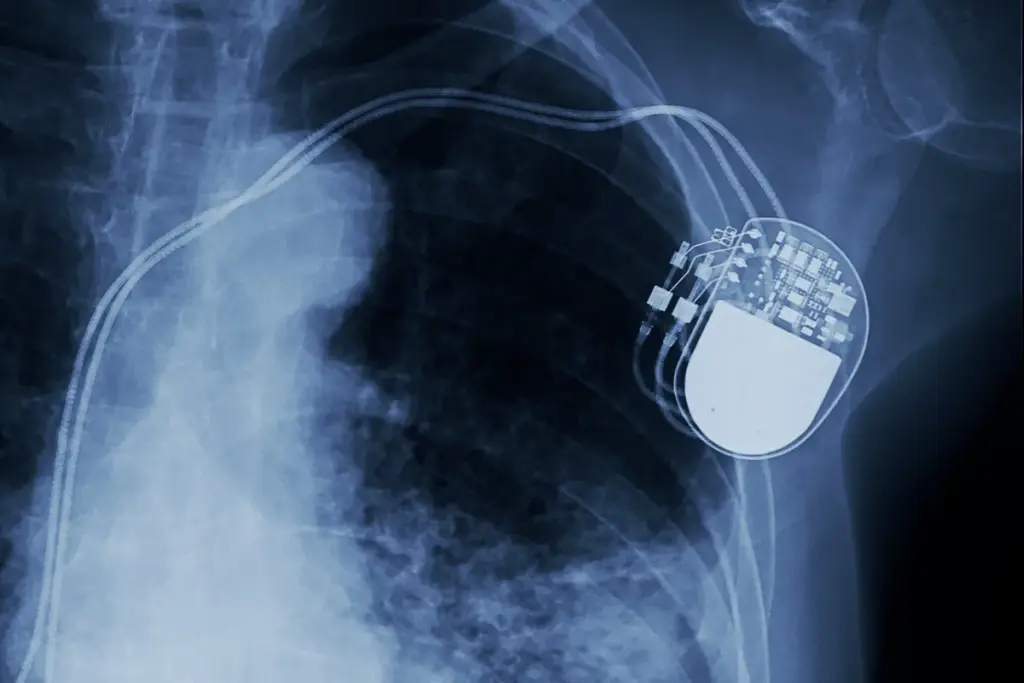
Implantable Cardioverter-Defibrillators (ICDs) are advanced medical tools. They help treat serious heart rhythm problems. These devices are key for those at risk of sudden cardiac death.
What is an ICD and How Does It Work?
An ICD is a small device put under the skin, usually in the chest. It watches the heart’s rhythm all the time. If it finds a dangerous rhythm, it sends electrical therapy to fix it.
This therapy can be a gentle pace or a shock to correct the rhythm. The device has leads that go into the heart through a vein. These leads connect to the ICD generator, which analyzes the rhythm and delivers therapy.
Types of ICDs Available
There are different ICDs for various needs. Transvenous ICDs are the most common, with leads through a vein. Subcutaneous ICDs are for some, with the device under the skin and a lead along the ribcage.
Each type has its own benefits. The choice depends on the patient’s condition and the doctor’s advice.
Who Needs an ICD?
ICDs are for those at high risk of serious heart rhythm problems. This includes people with a history of dangerous arrhythmias. Those who have survived a cardiac arrest or have certain heart conditions may also need an ICD.
Deciding on an ICD is based on the patient’s health, medical history, and heart condition.
The Purpose of ICD Therapy
ICD therapy is key in keeping the heart healthy. It stops sudden cardiac death and treats dangerous heart rhythms. Implantable Cardioverter-Defibrillators (ICDs) watch the heart’s rhythm and send electrical therapy when needed.
Preventing Sudden Cardiac Death
ICD therapy’s main goal is to stop sudden cardiac death. Recent studies show ICDs are vital in stopping sudden death by acting fast during dangerous heart rhythms. This quick action greatly boosts survival chances for at-risk patients.
Treating Life-Threatening Arrhythmias
ICD therapy is also key in treating dangerous heart rhythms. ICDs send precise electrical shocks to fix the heart’s rhythm, stopping deadly rhythms. Being able to quickly treat these rhythms is a major part of ICD therapy.
Monitoring Heart Rhythm
ICDs also keep an eye on the heart’s rhythm all the time. This lets doctors catch heart problems early and act fast. Keeping a close watch is a big part of ICD therapy, helping patients get better care.
Knowing how ICD therapy works helps both patients and doctors. It shows how important these devices are in managing heart health. ICD therapy is a big step forward in treating and preventing serious heart problems.
The Physical Sensation of an ICD Shock
When an ICD shocks someone, the feeling can differ a lot. This is because of many things. These include the person’s health, their heart condition, and the device’s settings.
Immediate Physical Sensations
The first feeling of an ICD shock is often a strong, sudden jolt. Some say it feels like being kicked or hit in the chest. The feeling is usually brief, lasting just a few seconds, but it can be very startling.
Pain Levels and Duration
The pain from an ICD shock can vary. Some people feel a lot of pain, while others find it more uncomfortable. The pain doesn’t last long, stopping once the shock is over.
|
Aspect |
Description |
|---|---|
|
Sensation |
Sudden, intense jolt |
|
Pain Level |
Variable, from uncomfortable to painful |
|
Duration |
Brief, typically a few seconds |
Variations in Experience Among Patients
How someone feels during an ICD shock can vary a lot. This depends on the device’s energy, the person’s health, and their mental state. Some patients may not even realize they’ve received a shock, if it’s low-energy or they weren’t feeling bad at the time.
We know that every person with an ICD has a unique experience. Understanding these differences is important for good care.
Psychological Impact of Experiencing an ICD Shock
ICD shocks are lifesaving but can deeply affect your mind. The sudden shock can cause a range of emotions.
Fear and Anxiety
Fear and anxiety are common after an ICD shock. Patients worry about future shocks and their health. This worry can change their daily life and happiness.
Some might avoid activities or places because of fear. This anxiety can be very hard. It’s important for patients to get help and support.
Post-Traumatic Stress Symptoms
ICD shocks can also cause post-traumatic stress. Symptoms include flashbacks, being easily startled, or avoiding things that remind them of the shock. Healthcare providers need to recognize these symptoms and help.
“The shock was like a bolt out of the blue. It was frightening and left me shaken for a long time.” – A patient reflecting on their ICD shock experience.
It’s key to understand and help with these mental effects for ICD patients’ overall care.
Coping Mechanisms
There are ways to deal with the mental effects of ICD shocks. These include:
- Cognitive-behavioral therapy (CBT) to change negative thoughts
- Relaxation techniques like deep breathing or meditation
- Support groups to share and connect
- Learning about ICDs and how to manage them
Using these methods can help patients handle the mental effects of ICD shocks better.
|
Coping Mechanism |
Description |
Benefits |
|---|---|---|
|
Cognitive-behavioral therapy (CBT) |
A type of therapy that helps patients understand and change negative thought patterns. |
Reduces anxiety and fear, improves mental well-being. |
|
Relaxation Techniques |
Methods such as deep breathing or meditation that help reduce stress. |
Decreases stress and anxiety, promotes relaxation. |
|
Support Groups |
Groups where patients can share their experiences and connect with others who have gone through similar situations. |
Provides emotional support, reduces feelings of isolation. |
What Happens During an ICD Shock?
An ICD shock is a complex process. It involves several key components working together. These components aim to correct life-threatening arrhythmias.
When a dangerous arrhythmia is detected, the ICD acts quickly. It works to restore a normal heart rhythm.
The Sequence of Events
The sequence of events during an ICD shock is well-coordinated. First, the device detects the arrhythmia. Then, it analyzes the heart rhythm to confirm a life-threatening condition.
If needed, it delivers an electrical shock. This shock helps restore a normal heartbeat.
This process is fast, often happening in seconds. The ICD’s speed and effectiveness are key in preventing sudden cardiac death.
How the Device Detects Arrhythmias
ICDs have advanced algorithms to monitor the heart’s rhythm. These algorithms can spot various arrhythmias, like ventricular tachycardia and ventricular fibrillation. These are serious conditions.
The device uses electrograms to analyze the heart’s electrical activity. This lets it tell normal heart rhythms from dangerous ones that need intervention.
The Delivery of Electrical Therapy
When the ICD finds a life-threatening arrhythmia, it delivers an electrical shock. This shock aims to restore a normal heart rhythm. It helps the heart pump effectively again.
The electrical therapy is customized for each patient. The device can adjust the shock’s energy level as needed.
What Triggers an ICD Shock?
For those with an ICD, knowing what causes a shock is key. An ICD shock is a lifesaver that happens when it spots dangerous heart rhythms. Knowing these can help patients manage their heart health better and feel less worried about shocks.
Ventricular Tachycardia
Ventricular tachycardia (VT) is a fast heart rate from the ventricles. It can turn into ventricular fibrillation if not treated fast. ICDs are set to find VT and treat it with either ATP or a shock, based on the patient’s needs.
Ventricular Fibrillation
Ventricular fibrillation (VF) is a serious heart rhythm problem. It makes the heart’s ventricles quiver fast and chaotically. ICDs are made to spot VF and shock the heart back to normal.
Other Arrhythmias That May Trigger Shocks
While VT and VF are the main reasons for ICD shocks, other heart issues like atrial fibrillation can also cause shocks. It’s important for patients to work with their doctors to lower the chance of getting shocks they don’t need.
Some common reasons for ICD shocks include:
- Ventricular tachycardia
- Ventricular fibrillation
- Supraventricular tachycardia
- Atrial fibrillation with rapid ventricular response
Knowing these reasons can help patients and their families take steps to reduce shock chances.
Understanding ICD Shock Types and Frequencies
ICD therapy uses different shock types and frequencies. Each has its own impact on patient care. Knowing these differences helps patients manage their treatment better.
Appropriate vs. Inappropriate Shocks
ICD shocks are divided into two types: appropriate and inappropriate. Appropriate shocks treat serious heart rhythm problems. They help prevent sudden cardiac death.
Inappropriate shocks happen when the ICD mistakes the heart’s rhythm. These shocks can be painful and upsetting for patients.
“Inappropriate shocks can be a significant issue, affecting patient quality of life and potentially leading to anxiety and other psychological impacts.”
Single vs. Multiple Shocks (Storm)
Patients might get a single shock or a series of shocks, called an ICD shock storm. A shock storm is very distressing. It might mean the ICD settings need adjusting or the patient’s treatment should change.
|
Shock Type |
Description |
Implications |
|---|---|---|
|
Single Shock |
Isolated event |
May not require immediate action but should be reported |
|
Multiple Shocks (Storm) |
Several shocks in a short period |
Can be distressing; may require medical evaluation |
Low-Energy vs. High-Energy Shocks
ICDs use shocks of different energies. Low-energy shocks are used first to fix heart rhythm problems. High-energy shocks are for more serious cases.
The shock type and energy depend on the heart problem and the ICD’s settings.
Knowing about these shock types and frequencies helps patients manage their condition. It also helps them make better decisions about their care.
What to Do When Your ICD Delivers a Shock
When your ICD shocks you, stay calm and follow the right steps. This shock is a lifesaver that fixes dangerous heart rhythms.
Immediate Actions
First, if your ICD shocks you, stay calm. These shocks often happen for good reasons, like ventricular tachycardia or fibrillation. The device is working right.
- Take a few deep breaths to calm down.
- If you’re in a public place, tell someone what happened.
- Call your healthcare provider or emergency services if advised to do so.
As one patient noted, “
Receiving an ICD shock was scary, but knowing what to do helped me stay calm and get the right help.
“
When to Call Emergency Services
Knowing when to call for help is key. Call emergency services if you have:
- Multiple shocks in a short time.
- Severe symptoms like chest pain, dizziness, or shortness of breath.
- Can’t get your heart rhythm back or feel bad after the shock.
Your doctor may give specific advice based on your health and ICD type.
Information to Provide to Healthcare Providers
When you call your doctor or emergency services, be ready with this info:
- The number of shocks you’ve had.
- The time the shock(s) happened.
- Any symptoms before, during, or after the shock.
- Details about your ICD, like the model and settings.
Having this info helps your healthcare team understand and help you better.
Getting an ICD shock can be scary, but knowing how to react is key. Always follow your doctor’s advice about your ICD and any shocks.
Living with the Possibility of ICD Shocks
Adjusting to life with an ICD means knowing about the device and its effects. It’s about living with it in a way that feels right. We know that having an ICD can change your daily life and how you feel.
Daily Life Adjustments
People with ICDs have to make some changes to stay safe and keep their device working well. These changes include:
- Knowing which devices or procedures might affect their ICD, like some MRI machines or strong magnetic fields.
- Avoiding contact sports or activities that could hit the chest where the ICD is, to prevent shocks.
- Going to regular check-ups with their doctor to make sure the device is working right.
Activity Restrictions and Recommendations
ICDs help protect against dangerous heart rhythms, but some activities might be too risky. It’s best to:
- Do moderate exercise, like walking fast, which is good for your heart.
- Stay away from high-intensity activities or anything that could cause serious injury.
- Talk to their doctor about any activities they’re worried about.
Emotional Well-being Strategies
Having an ICD can also affect your feelings and mind. Ways to help with emotional health include:
- Trying stress-reduction methods, like meditation or deep breathing.
- Getting support from loved ones or groups to deal with the emotional side of having an ICD.
- Doing things that make you feel normal and independent, like hobbies or spending time with friends.
By making the right adjustments and using support, people with ICDs can live happy, healthy lives.
Reducing the Risk of ICD Shocks
To lower the risk of ICD shocks, a mix of strategies is needed. This includes sticking to medication, making lifestyle changes, and regular doctor visits. By following these steps, people with ICDs can cut down on shock risks.
Medication Adherence
Following your medication plan closely is key to avoiding ICD shocks. Heart medications like beta-blockers and anti-arrhythmics help control heart rhythm. This prevents arrhythmias that could lead to shocks.
- Take medications exactly as prescribed by your healthcare provider.
- Use a pill box or reminder app to stay on track with your medication schedule.
- Report any side effects or concerns to your healthcare provider promptly.
Lifestyle Modifications
Changing your lifestyle can also lower ICD shock risks. These changes can boost heart health and reduce arrhythmia chances.
- Dietary Changes: Eat a diet full of fruits, veggies, whole grains, and lean proteins to help your heart.
- Exercise Regularly: Do physical activities as your doctor suggests to keep your heart healthy and reduce stress.
- Avoid Stimulants: Cut down or avoid caffeine and some over-the-counter meds that can cause arrhythmias.
- Manage Stress: Use stress-reducing activities like meditation, yoga, or deep breathing to lower stress-related arrhythmias.
Regular Medical Follow-ups
Seeing your doctor regularly is vital for ICD management and shock risk reduction. These visits help monitor your device, adjust meds, and catch problems early.
During these visits, your healthcare provider may:
- Check the functioning of your ICD and adjust settings as necessary.
- Review your medication regimen and make adjustments to optimize arrhythmia management.
- Discuss any concerns or symptoms you are experiencing, providing guidance on managing them.
By sticking to your medication, making healthy lifestyle choices, and keeping up with doctor visits, ICD patients can greatly reduce shock risks. This approach not only improves life quality but also better manages heart rhythm conditions.
The Experience of ICD Shock in Different Settings
ICD shocks can affect people differently, depending on where they happen. This can be at home, in public, or while being active. Knowing how these shocks can vary is key for patients to prepare well.
At Home
Getting an ICD shock at home might feel less scary because it’s in a place you know. Yet, it can be quite frightening. It’s important for patients to have a plan ready, like knowing when to call for help.
- Keep emergency numbers handy.
- Inform family members about what to do in case of an ICD shock.
- Have a first aid kit available.
In Public Places
Dealing with an ICD shock in public can be tough. The unfamiliar setting and feeling embarrassed can add to the stress. It’s vital for patients to know how to stay calm and get help.
Tips for managing an ICD shock in public:
- Stay calm and try to sit or lie down if possible.
- Inform someone nearby about the ICD shock.
- Seek medical attention if advised by the ICD device or if experiencing other symptoms.
During Physical Activity
ICD shocks during exercise can be worrying. They might happen because of hard work or heart rhythm issues. Patients should listen to their body and adjust their workout plans.
Considerations for physical activity with an ICD:
- Consult with your healthcare provider about safe levels of exercise.
- Monitor your body’s response to different activities.
- Be prepared for an ICD shock by carrying a phone and informing someone about your condition.
Understanding how ICD shocks can happen in different places helps patients deal with them better. This way, they can live a more normal life.
Technological Advances in ICD Therapy
ICD technology has made big strides, aiming to make cardiac arrhythmia treatment better and safer. These changes are key to better patient outcomes and a better quality of life.
Enhancing Device Accuracy
One big area of improvement is cutting down on inappropriate shocks. These shocks happen when the ICD gets the heart’s rhythm wrong and shocks it when it shouldn’t. New tech and better sensing are being worked on to lower these shocks. This makes patients more comfortable and less anxious.
New ICD models are coming with discriminators that can tell different arrhythmias apart better. This tech helps avoid unnecessary shocks, making the patient experience better.
Remote Monitoring Capabilities
Remote monitoring has also seen big improvements in ICD technology. It lets doctors check a patient’s heart rhythm and device status from afar. This means they can act fast if something goes wrong.
|
Feature |
Benefit |
|---|---|
|
Continuous Monitoring |
Early detection of arrhythmias and device issues |
|
Remote Data Transmission |
Reduced need for in-person follow-ups |
|
Automated Alerts |
Timely notifications for critical events |
Future Developments
Looking to the future, ICD technology is set to get even better for managing cardiac arrhythmias. Some expected improvements include:
- Leadless ICDs: These are smaller, more compact devices that can be implanted directly into the heart, reducing the risk of lead-related complications.
- Enhanced Battery Life: Advances in battery technology are expected to prolong the lifespan of ICDs, reducing the frequency of replacement procedures.
- Artificial Intelligence (AI) Integration: AI algorithms may be used to predict and prevent arrhythmias, further personalizing ICD therapy.
These advancements show a strong commitment to better ICD therapy and patient care. As research keeps going, we can look forward to even more advanced ICD technology. It will offer better safety, effectiveness, and comfort for patients.
Conclusion
Understanding what it’s like to have an ICD shock is key for those with implantable cardioverter-defibrillators. We’ve looked into ICD therapy’s purpose, its effects on the body and mind, and how to handle arrhythmia and irregular heartbeats.
ICD shocks are vital for stopping dangerous heart rhythms. Knowing what causes them and how to react can greatly help patients. We’ve covered the main points to stress the importance of watching heart rhythm and the role of ICDs in keeping the heart healthy.
With new technology, ICD therapy will likely get better, leading to fewer shocks and better monitoring from afar. Our talk shows the need for full support and education for ICD users. This ensures they can manage their health well.
FAQ
What is an ICD shock, and why does it occur?
An ICD shock is when an implantable cardioverter-defibrillator (ICD) sends electrical energy to fix a heart rhythm problem. It happens when the ICD finds a dangerous heart rhythm.
How does an ICD detect arrhythmias?
An ICD watches the heart’s electrical activity all the time. If it sees an abnormal rhythm, it can send electrical therapy to fix the heartbeat.
What does an ICD shock feel like?
People feel an ICD shock differently. It’s often described as a sudden, strong jolt. Some feel pain, while others feel a strong vibration or muscle contraction.
Can ICD shocks be painful?
Yes, ICD shocks can hurt. But the pain is usually short, lasting just a few seconds. The pain’s strength can vary, and some might feel muscle soreness after.
How can I cope with the psychological impact of an ICD shock?
To deal with the shock’s emotional effects, manage your fear, anxiety, and stress. Get support from doctors, family, and friends. Try relaxation techniques like deep breathing or meditation.
What should I do immediately after receiving an ICD shock?
Stay calm and get medical help if you have chest pain, dizziness, or trouble breathing. If you’re not severely hurt, call your doctor to report the shock and follow their advice.
Can I reduce the risk of ICD shocks?
Yes, you can lower the risk of ICD shocks. Stick to your medication, avoid too much caffeine or stress, and go to regular check-ups to keep your ICD and heart healthy.
How do I manage daily life with an ICD?
Living with an ICD means making some changes. Avoid activities that might harm the device, take your meds as told, and take care of your emotional health with support and stress management.
Are there any activity restrictions with an ICD?
ICDs are safe for most activities, but there are some limits. Avoid contact sports or things that might cause strong magnetic fields. Talk to your doctor about any concerns.
What are the advancements in ICD technology?
ICD technology has improved a lot. It now has better ways to avoid unnecessary shocks, better remote monitoring, and new features to make devices last longer and work better.
Can I be shocked multiple times by my ICD?
Yes, an ICD can give you multiple shocks if needed. This is called an “ICD storm.” If you get shocked a lot, it could mean a serious problem, so see a doctor right away.
How often should I follow up with my healthcare provider regarding my ICD?
It’s important to see your doctor regularly to make sure your ICD is working right and to check your heart health. How often you need to go depends on your situation and the settings of your device.
Reference
National Center for Biotechnology Information. Evidence-Based Medical Insight. Retrieved from https://www.ncbi.nlm.nih.gov/pmc/articles/PMC3057533/[2