Should you use ice or heat torn muscle? Discover the amazing healing tips to speed up your recovery and reduce pain today.
Ligament healing is complex, affected by many things. These include poor blood supply, age, and not enough nutrients. When a ligament gets hurt, the body starts to repair it. But, some things can make this process slower, leading to longer recovery times.
It’s key to understand these factors for good muscle injury treatment and fast recovery.
Key Takeaways
- Poor blood supply can significantly slow down ligament healing.
- Age is a significant factor in ligament healing, with older individuals often experiencing slower recovery.
- Nutritional deficiencies can impede the ligament healing process.
- Effective treatment of ligament injuries requires a thorough understanding of healing factors.
- Proper care and management of ligament injuries can help promote optimal recovery.
Understanding Ligament and Muscle Injuries
The Structure and Function of Ligaments vs. Muscles
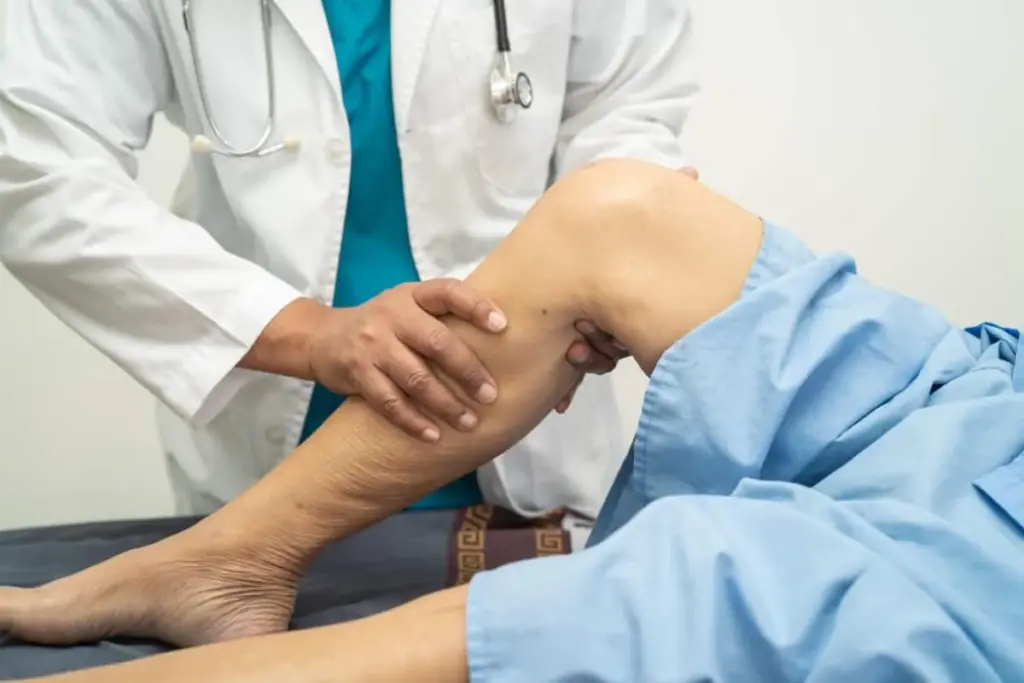
Ligaments are strong tissues that connect bones. They help keep joints stable. They have a lot of collagen and not much blood, which slows down healing.
Muscles, on the other hand, help us move by contracting. They are connected to bones by tendons. When muscles get hurt, it can make moving hard.
Ligaments and muscles do different jobs. Ligaments keep joints stable, while muscles help us move. Knowing this helps doctors treat injuries right.
Natural Healing Phases of Soft Tissue
Soft tissue injuries, like those to ligaments and muscles, heal in three stages. First, there’s inflammation, with swelling and pain. This is the start of healing.
Then, the repair phase begins. This is when the body starts to fix the damaged tissue. For ligaments, it’s scar tissue. For muscles, it’s new muscle fibers.
After that, there’s the remodeling phase. This is when the new tissue gets stronger and more like the original. Knowing these stages helps doctors help the healing process better.
Common Factors That Delay Ligament Healing
Poor Blood Supply to Ligaments
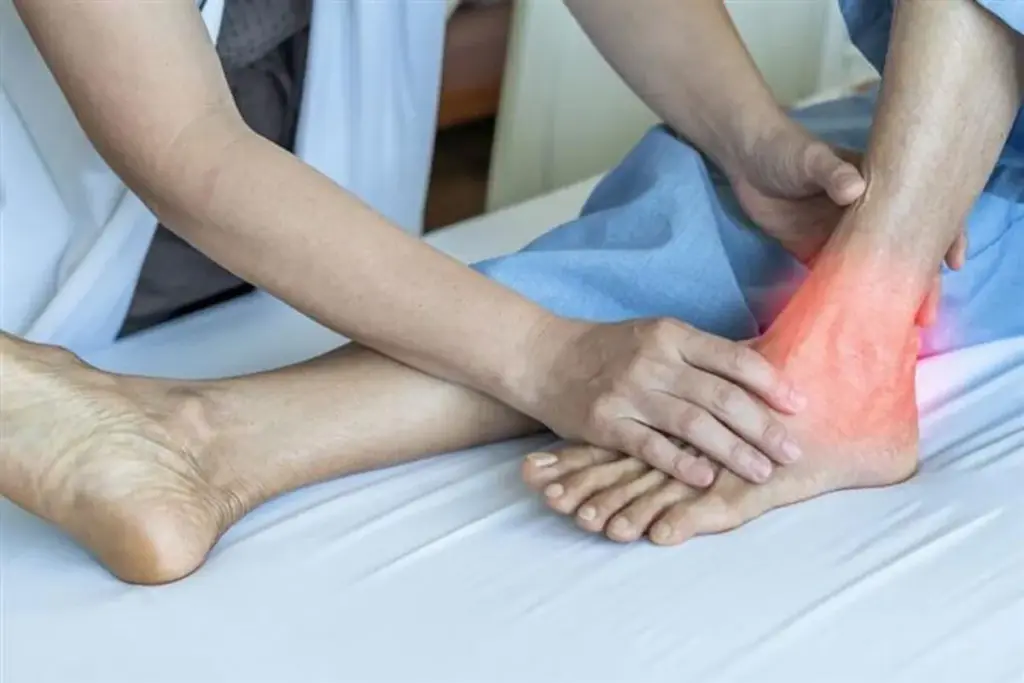
Ligaments get less blood than muscles, which hinders healing. This lack of blood means less oxygen, nutrients, and growth factors for repair. Exercising gently and using physical therapy can boost blood flow.
Age-Related Healing Challenges
As we get older, our healing slows down. This is due to slower cell division, less growth factor production, and other aging changes. Staying healthy with a good diet and exercise can help older people heal faster.
Nutritional Deficiencies Affecting Recovery
Good nutrition is key for healing. Not getting enough proteins, vitamins (like C and D), and minerals (such as zinc and calcium) can slow healing. Eating a balanced diet is essential for recovery.
|
Nutrient |
Role in Ligament Healing |
Food Sources |
|---|---|---|
|
Protein |
Building blocks for tissue repair |
Lean meats, fish, eggs, dairy |
|
Vitamin C |
Collagen synthesis, antioxidant |
Citrus fruits, berries, leafy greens |
|
Vitamin D |
Bone health, immune function |
Fatty fish, fortified dairy, sunlight exposure |
|
Zinc |
Enzyme function, protein synthesis |
Red meat, poultry, seafood, nuts |
|
Calcium |
Bone health, muscle function |
Dairy, leafy greens, fortified foods |
By tackling common delays in ligament healing, people can help their recovery. This can make healing faster.
The Impact of Improper Initial Treatment
How we treat injuries at first can greatly affect how they heal. If we don’t treat them right, it can cause more problems and make recovery take longer.
Failure to Rest the Injured Area
Resting the injured area is key in the early stages of treatment. Not doing so can make the injury worse, leading to more damage and a longer healing time. Immediate rest helps cut down on pain and swelling.
“Rest is not idleness, and to rest is to rejuvenate.” –
Unknown
We suggest avoiding activities that make the injury worse. Let the injured area heal on its own.
Inadequate Immobilization Techniques
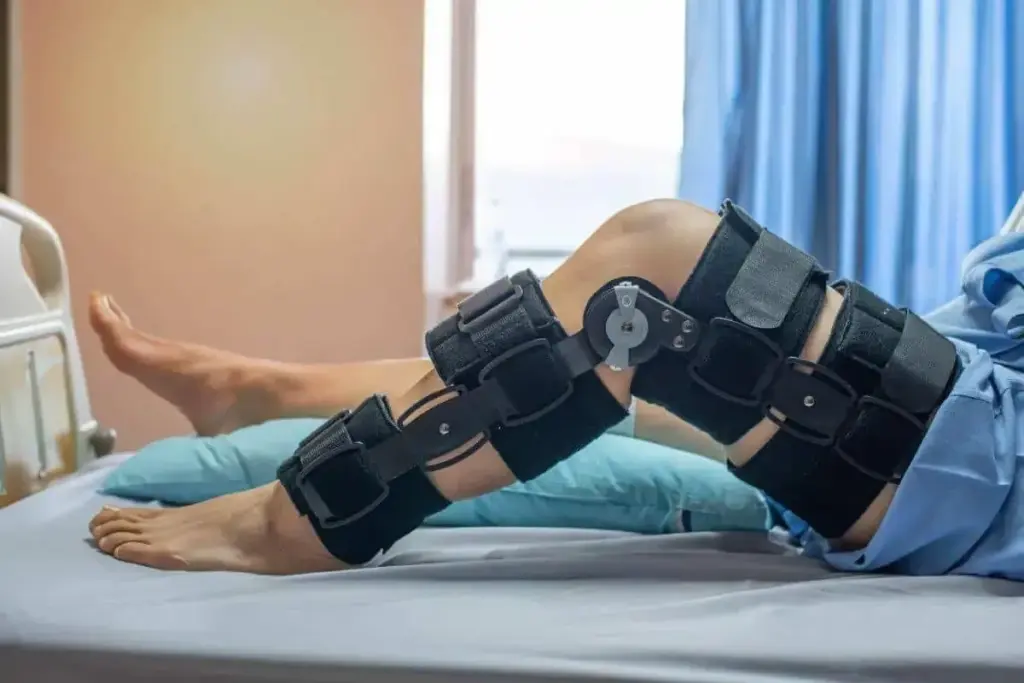
Proper immobilization is important to prevent more injury and let the area heal. Using the wrong techniques can lead to chronic problems. Using braces or splints can help keep the injured area stable.
|
Immobilization Method |
Benefits |
|---|---|
|
Bracing |
Provides support and stability |
|
Splinting |
Prevents movement of the injured area |
It’s important to talk to healthcare professionals to find the best way to immobilize an injury.
How Long to Ice an Injury: Timing Guidelines
Understanding how long to ice an injury is key. Icing helps reduce pain and swelling. But, knowing when to ice is often tricky.
Icing is best during the injury’s first 48 to 72 hours. This time is vital for lessening damage and pain.
Acute Phase Icing Protocol
In the acute phase, icing often is best. Apply ice for 15-20 minutes every 2-3 hours. This helps lower swelling and dull pain.
Doctors say, “The key to effective icing is consistency and patience.”
“Consistency in icing during the acute phase can significantly impact the recovery process, reducing the risk of further injury.”
When to Stop Icing and Transition to Other Therapies
After 48-72 hours, check the injury again. If pain and swelling have gone down, start using heat or other treatments.
Watch your symptoms closely. If they don’t get better or get worse, see a doctor for advice.
Remember, everyone heals differently. Injury severity, health, and treatment follow-through affect icing time.
Does Ice Reduce Swelling? The Science Explained
Ice is often used to reduce swelling, but what does science say? When we put ice on an injury, it starts a series of body responses. These responses help lessen swelling.
Mechanism of Swelling Reduction Through Cold Therapy
Cold therapy, or cryotherapy, makes blood vessels smaller and cuts down blood flow to the injury. This means less fluid leaks into the tissues, reducing swelling. Cold therapy also lowers inflammation by stopping the body from making chemicals that cause it.
Here’s how cold therapy reduces swelling:
- Cold makes blood vessels smaller, cutting down blood flow to the injury.
- Less blood flow means less fluid leaks into the tissues.
- Cold therapy stops the body from making chemicals that cause inflammation.
Evidence-Based Results of Icing for Inflammation
Many studies have looked into icing’s effect on swelling and inflammation. A study in the Journal of Athletic Training showed that ice significantly reduced swelling and helped patients with acute ankle sprains. Another study in the Journal of Orthopaedic and Sports Physical Therapy found that ice helped reduce pain and inflammation in knee osteoarthritis patients.
Here’s a quick summary of icing’s effects on inflammation:
|
Study |
Condition |
Outcome |
|---|---|---|
|
Journal of Athletic Training |
Acute ankle sprains |
Reduced swelling and improved function |
|
Journal of Orthopaedic and Sports Physical Therapy |
Knee osteoarthritis |
Reduced pain and inflammation |
In conclusion, ice is scientifically proven to reduce swelling. By understanding how cold therapy works and looking at the evidence, we can say ice is a good first treatment for swelling and inflammation.
Does Ice Help Swelling After 3 Days?
Understanding ice’s role in swelling reduction after the first 3 days is key for managing injuries well. As injuries evolve, ice therapy’s effectiveness can shift. It’s vital to know when to change treatment plans.
The Changing Effectiveness of Ice Over Time
Cold therapy, or cryotherapy, is often used to lessen swelling and pain early on. Ice constricts blood vessels, reducing blood flow and swelling in the affected area. But, ice’s ability to reduce swelling may lessen after the first 3 days as the body heals.
Studies show that using ice for too long might not help and could slow healing by cutting off blood flow. It’s important to mix ice therapy with other treatments for the best recovery.
When to Switch from Cold to Heat Therapy
After the first 3 days, it’s time to check if cold therapy is needed. If swelling keeps up, switching to heat therapy or other treatments might help healing. Heat therapy boosts blood flow, aiding in tissue repair.
Choosing to switch from cold to heat therapy depends on your symptoms and recovery stage. Usually, when acute inflammation goes away, heat therapy can help healing.
- Watch your symptoms to decide when to switch therapies.
- Get advice from a healthcare professional to fit treatment to your needs.
Ice or Heat for Torn Muscle: Making the Right Choice
Choosing between ice and heat for a torn muscle is a common dilemma. The right choice can greatly affect healing. Knowing when to use each is key.
When to Apply Ice to Muscle Injuries
Ice is best in the first 48 to 72 hours after injury. Cold therapy reduces pain and swelling. It works by narrowing blood vessels and numbing the area.
For the best results, ice the area for 15-20 minutes. Wait 30 minutes before icing again. Repeat as needed throughout the day.
When Heat Therapy Is More Beneficial
After 3 days, heat therapy can help. It increases blood flow, aiding in muscle repair and reducing stiffness.
Use a warm bath, heating pad, or wrap for heat therapy. Start with warm temperatures and increase as needed. Too much heat can cause more swelling.
In summary, the choice between ice and heat depends on the injury’s stage. Knowing when to switch can help you heal faster and get back to normal sooner.
Ice Pack for Muscle Strain: Best Practices
Managing muscle strain is more than just using ice packs. It’s about knowing the various cold therapy options. It’s important to use the right techniques to ease pain and help muscles heal.
Types of Cold Therapy Options
Cold therapy, or cryotherapy, is used to lessen pain and swelling. There are several methods:
- Ice packs or cold packs
- Cold compresses
- Cryotherapy units
- Ice massage
Each method has its own advantages and is best for different injuries and preferences. Ice packs are simple and accessible, while cryotherapy units provide a more precise cooling.
Choosing the right cold therapy option depends on the severity of the muscle strain and individual comfort.
Proper Application Methods for Maximum Benefit
To maximize the benefits of cold therapy, proper application is essential. Here are some tips:
- Apply ice packs for 15-20 minutes, then wait 30-60 minutes before using again.
- Place a towel between the ice pack and your skin to avoid ice burn.
- Elevate the affected area if possible to reduce swelling.
As “The use of cold therapy can significantly reduce pain and inflammation when applied correctly.” Consistency and patience are key, as cold therapy works differently for everyone.
Understanding and using cold therapy options correctly helps manage muscle strain. It also aids in a smoother recovery.
Icing a Bruise: Helpful or Harmful?
Understanding how icing affects bruises is key. Bruises happen when blood leaks into tissues due to injury. This leads to the discoloration and swelling we see.
How Bruises Differ from Strains and Sprains
Bruises are different from strains and sprains. Strains hurt muscles or tendons, while sprains affect ligaments. Bruises, on the other hand, are about blood vessel damage.
Strains and sprains need rest, ice, compression, and elevation (RICE) to ease pain. Bruises also start with these steps but focus more on swelling and blood clearance.
Optimal Bruise Treatment Timeline
Treating bruises involves several steps, with icing being most useful at first. Here’s a look at the best timeline for treating bruises:
|
Timeframe |
Treatment |
Objective |
|---|---|---|
|
0-48 hours |
Icing |
Reduce swelling and pain |
|
48-72 hours |
Compression and elevation |
Minimize bruising and promote blood clearance |
|
After 72 hours |
Heat therapy and gentle massage |
Enhance blood flow and promote healing |
Icing bruises can be beneficial, mainly in the first 48 hours. It helps with swelling and pain. But, a full treatment plan includes compression, elevation, and heat therapy for the best healing.
Torn Muscle Treatment: A Complete Guide
A torn muscle can really hurt and make it hard to move. To fix it, we need to use a mix of first aid, medicine, and physical therapy. It’s important to treat the injury right away and also work on making the muscle strong again.
Immediate Care Steps
Right after a muscle tear, we need to take care of it. We use the RICE method: Rest, Ice, Compression, and Elevation. Rest the area to avoid more damage, Ice to lessen pain and swelling, Compression to shrink swelling, and Elevate to cut down blood flow.
Using RICE right can really help the healing. For example, icing for 15-20 minutes every few hours can help with pain and swelling.
Medication Options for Pain Management
Managing pain is key when treating a muscle tear. You can try over-the-counter pain relievers like ibuprofen or acetaminophen. Sometimes, a doctor might give stronger medicine to help with pain and healing.
Always follow the directions on the medicine bottle and talk to a doctor before taking anything. This is very important if you have other health issues or are already taking medicine.
Physical Therapy Interventions
After the pain goes down, physical therapy is very important. A physical therapist will create a special exercise plan to help the muscle get strong again. Targeted exercises can also make the muscle more resilient against future injuries.
Physical therapy might include massage, mobilization, and exercises made just for you. The goal is to get you back to doing things you love while making sure the muscle is fully healed and strong.
Torn Muscle Recovery: Timeline and Expectations
Recovering from a torn muscle takes time, patience, and understanding. Understanding the different stages of healing and symptoms, as well as recovery timelines, is essential. This knowledge helps us move forward in the recovery journey.
Healing Phases and Duration
The healing process for torn muscles has several phases. The first phase, the inflammatory phase, lasts a few days to a week. During this time, the body focuses on reducing pain and starting the repair.
The next phase, the repair or proliferative phase, can last weeks. Here, the body rebuilds the muscle with new collagen and scar tissue. The final phase, remodeling, can take months. It’s when the new tissue gets stronger and more organized.
Milestones in the Recovery Process
As we heal, we reach important milestones. First, we see a decrease in pain and swelling. Then, we notice improvements in strength and movement. By the end, the muscle should be as strong as before the injury.
The time each phase takes can vary. It depends on the injury’s severity, our health, and treatment. Regular check-ups with doctors are key to track progress and adjust the recovery plan.
Knowing the healing phases and timeline helps us understand our recovery journey. With proper care, patience, and effort, we can fully recover and get back to our activities.
Cold Therapy vs. Heat Therapy for Torn Muscles
Knowing when to use cold or heat therapy can greatly impact recovery from torn muscles. We’ll look at how these therapies work at different healing stages. We’ll also see how using both together can lead to the best results.
Comparing Effectiveness at Different Healing Stages
Cold therapy, or cryotherapy, is used early on, within 48 to 72 hours after injury. It helps lessen pain, swelling, and muscle spasms. Cold therapy works by making blood vessels smaller, which reduces blood flow to the injured area. This helps cut down swelling and pain.
Heat therapy is used later, after the first inflammation goes down. It boosts blood flow to the area, making muscles relax, reducing stiffness, and helping damaged tissues heal.
Combination Approaches for Optimal Results
While cold therapy is good at first, and heat therapy later, using both together can be even better. Contrast therapy, switching between cold and heat, can improve recovery. It helps blood flow, reduces muscle soreness, and aids in healing.
It’s wise to talk to a healthcare expert to find the best treatment plan. Knowing the pros and cons of cold and heat therapy helps make better choices. This can lead to quicker and more effective healing from torn muscles.
Nutritional Support for Faster Tissue Healing
The right food can really help your body heal faster. Good nutrition gives your body what it needs to fix itself quickly and well.
Essential Proteins and Amino Acids
Proteins are key for fixing damaged tissue. They give your body the amino acids it needs. Collagen, for example, is important for skin and bones.
Adding protein-rich foods or supplements to your diet can help a lot. Amino acids like arginine and glutamine are also important for healing and keeping your immune system strong.
|
Protein Source |
Amino Acids |
Benefit |
|---|---|---|
|
Lean Meats |
Arginine, Glutamine |
Supports wound healing and immune function |
|
Fish |
Omega-3 fatty acids, Protein |
Reduces inflammation, supports tissue repair |
|
Eggs |
Essential amino acids |
Provides building blocks for tissue repair |
Vitamins and Minerals That Support Tissue Repair
Vitamins and minerals are vital for healing. Vitamin C helps make collagen, and zinc boosts your immune system and healing. Eating foods rich in these or taking supplements can help you recover faster.
Vitamin D is good for bones, and magnesium helps with many healing processes. These nutrients are important for your body’s repair work.
Anti-inflammatory Foods and Supplements
Eating foods that fight inflammation can help your body heal. Foods like omega-3 fatty acids in salmon and flaxseeds are great for this.
Supplements like turmeric (curcumin) and ginger also reduce inflammation and aid healing. Always talk to a doctor before starting new supplements.
Advanced Treatment Options for Stubborn Injuries
When usual treatments don’t work, new therapies like PRP and stem cell treatments can help. These options aim to boost the body’s healing, helping injuries recover faster and preventing more harm.
Platelet-Rich Plasma (PRP) Therapy
PRP therapy uses your own blood’s platelet-rich plasma to help injuries heal. It’s becoming popular for its ability to aid in stubborn injury recovery.
The PRP therapy process is:
- Drawing a patient’s blood
- Centrifuging the blood to isolate platelet-rich plasma
- Injecting the PRP into the injured area
Benefits of PRP therapy include being minimally invasive and using your own biological material. This reduces the chance of bad reactions.
Therapeutic Ultrasound and Electrical Stimulation
Therapeutic ultrasound and electrical stimulation help stubborn injuries heal and reduce pain. Therapeutic ultrasound uses sound waves to repair tissues and boost blood flow. Electrical stimulation strengthens muscles and manages pain.
|
Therapy |
Mechanism |
Benefits |
|---|---|---|
|
Therapeutic Ultrasound |
Uses sound waves to enhance tissue repair |
Promotes healing, increases blood flow |
|
Electrical Stimulation |
Stimulates muscle contractions |
Strengthens muscles, reduces pain |
Stem Cell Treatments and Regenerative Medicine
Stem cell treatments are at the forefront of regenerative medicine. They offer hope for repairing or replacing damaged tissues. These treatments use stem cells, which can turn into different cell types, to aid in healing.
The field of regenerative medicine is growing fast. Research is ongoing to explore its use for stubborn injuries. While it’s not fully developed, stem cell treatments show great promise for future treatments.
Preventing Re-injury During the Healing Process
Preventing re-injury is key in effective rehabilitation. It helps patients safely return to their normal activities. As we move through recovery, it’s important to use strategies that lower the risk of re-injury.
Proper Bracing and Support Techniques
Using proper bracing and support is critical in preventing re-injury. Bracing adds stability to the injured area, lowering the chance of further damage. For example, knee braces help with ligament injuries, and ankle supports prevent re-injury from ankle sprains.
The right bracing or support depends on the injury and the patient’s condition. Healthcare experts can suggest the best support techniques. These might include taping, bracing, or orthotics.
Gradual Progression in Rehabilitation
Gradual progression in rehabilitation is also vital. It involves a planned exercise program that gets more challenging over time. Gradual progression helps the injured tissue get stronger, reducing re-injury risk.
A good rehabilitation program should include:
- Initial exercises to strengthen muscles around the injury
- Progressive resistance training to build tissue strength
- Functional activities that mimic daily tasks or sports-specific movements
By following these steps and working with healthcare professionals, patients can lower re-injury risk and recover well.
Conclusion: Optimizing Your Recovery Journey
Optimizing your recovery journey needs a full plan. This includes the right treatment, nutrition, and rehab. Knowing how ligaments and muscles heal is key to starting your recovery right.
A good recovery plan mixes initial treatment, nutrition, and advanced therapies. We’ve seen how icing, nutrition, and rehab help ligaments heal. This makes recovery better.
Using a whole-body recovery approach helps avoid future injuries. It ensures you get back to full health quickly. We’ve talked about the need for a detailed plan, from first treatment to advanced care and nutrition.
Putting all these pieces together helps people recover better. It’s important to use a complete approach for healing ligaments and staying healthy.
FAQ
How long should I ice an injury?
Ice an injury for 15-20 minutes at a time. Make sure to wait at least 30 minutes before icing again. This is best during the first 48-72 hours after injury.
Does ice reduce swelling?
Yes, ice helps reduce swelling. It does this by making blood vessels smaller and reducing blood flow to the injured area. This helps lower inflammation.
When should I switch from cold to heat therapy?
Switch to heat therapy after 48-72 hours. This is when the initial swelling has gone down. You’ll start to feel stiffness or pain that’s not from swelling.
Can I use ice or heat for a torn muscle?
First, use ice for torn muscles to cut down on swelling and pain. Later, heat can help relax the area, reduce stiffness, and improve blood flow.
How do I apply cold therapy correctly?
Wrap an ice pack or cold compress in a towel to protect your skin. Apply it for 15-20 minutes. Wait at least 30 minutes before using it again.
What are the different types of cold therapy?
There are several types of cold therapy. These include ice packs, cold compresses, cryotherapy units, and cold water immersion.
How long does it take for a torn muscle to heal?
Healing time for a torn muscle varies. It can take a few weeks for mild strains or several months for more severe tears.
What nutritional elements support tissue healing?
Foods and supplements rich in proteins, amino acids, vitamins (like C and D), and minerals (such as zinc and calcium) help repair tissues. Anti-inflammatory foods also play a role.
Are there advanced treatment options for stubborn injuries?
Yes, there are advanced treatments. These include Platelet-Rich Plasma (PRP) therapy, ultrasound, electrical stimulation, and stem cell treatments. They’re for injuries that don’t heal as expected.
How can I prevent re-injury during the healing process?
To avoid re-injury, use proper support and brace techniques. Gradually increase your activity level, but avoid sudden changes.
What are the healing phases for soft tissue injuries?
Soft tissue injuries go through three healing phases. These are the inflammatory, proliferative, and remodeling phases. Each phase has its own characteristics and timeline.
Reference
National Center for Biotechnology Information. Evidence-Based Medical Insight. Retrieved from https://pubmed.ncbi.nlm.nih.gov/12696985/



 Departments
 Related Videos
 Our Doctors
 News
News