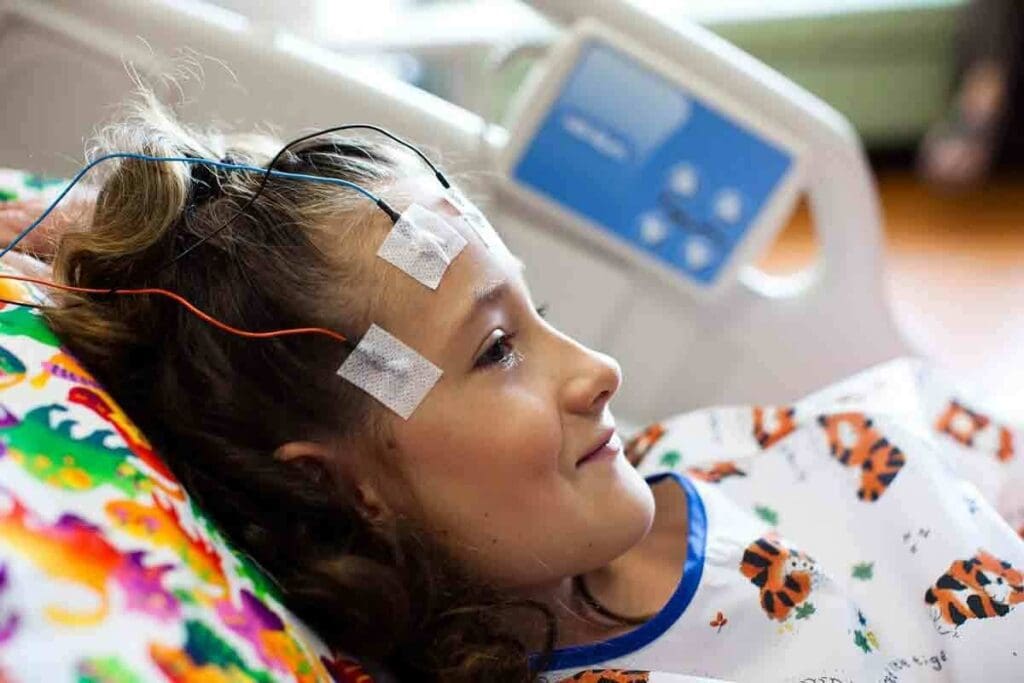
Accurate epilepsy localization is crucial for effective treatment, and diagnostic tools like SPECT imaging play a vital role in this process. At LivHospital, we are committed to providing advanced, patient-centered care that meets the highest standards for safety and precision.
When it comes to seizure diagnosis, understanding the differences between ictal and interictal SPECT is essential. Ictal SPECT has been shown to offer high sensitivity, up to 97-100 percent, for localizing seizure onset regions, while interictal SPECT shows lower sensitivity, approximately 43-44 percent.
Key Takeaways
- Accurate epilepsy localization is crucial for effective treatment.
- Ictal SPECT offers high sensitivity for localizing seizure onset regions.
- Interictal SPECT has lower sensitivity compared to ictal SPECT.
- Understanding the differences between ictal and interictal SPECT is essential for seizure diagnosis.
- LivHospital is committed to providing advanced, patient-centered care.
Understanding Epilepsy and the Need for Accurate Localization

Accurate seizure localization is crucial for managing epilepsy, especially in patients resistant to medication. Epilepsy affects about 1% of the general population, with approximately 30% of patients being resistant to medical treatment. For these patients, accurate localization is not just beneficial—it’s essential for surgical planning and achieving seizure freedom.
The Challenge of Epilepsy Diagnosis
Diagnosing epilepsy and localizing seizure activity can be challenging due to the complexity and variability of seizure manifestations. Seizure types vary widely among patients, and even within the same patient, seizures can present differently over time. This variability complicates the diagnosis and localization process, requiring a comprehensive and nuanced approach.
We utilize advanced diagnostic techniques to overcome these challenges. Accurate diagnosis is the foundation upon which effective treatment plans are built, especially for patients considering surgical options.
Why Precise Localization Matters for Treatment
Precise localization of seizure activity is critical for treatment planning, particularly for patients who are candidates for epilepsy surgery. By identifying the exact area of the brain responsible for seizure onset, we can tailor surgical interventions to remove or disconnect the epileptogenic zone while minimizing risk to surrounding brain tissue.
For patients resistant to medication, precise localization offers a pathway to seizure freedom or a significant reduction in seizure frequency. It also informs other treatment strategies, including targeted therapies and neuromodulation techniques.
The Fundamentals of SPECT Imaging in Epilepsy
Understanding the fundamentals of SPECT imaging is crucial for appreciating its role in epilepsy localization. SPECT (Single Photon Emission Computed Tomography) is a nuclear medicine imaging technique that provides valuable information about cerebral blood flow.
SPECT imaging involves the use of a radioactive tracer that is injected into the patient’s bloodstream. As the tracer distributes throughout the brain, a gamma camera captures images of the brain’s activity. This allows clinicians to visualize changes in cerebral blood flow, which is particularly useful in the context of epilepsy.
How SPECT Technology Works
The process of SPECT imaging begins with the administration of a radioactive tracer, typically Technetium-99m HMPAO or Technetium-99m ECD. These tracers are taken up by brain tissue in proportion to regional cerebral blood flow. A gamma camera then detects the gamma rays emitted by the tracer, creating a three-dimensional image of brain activity.
Key aspects of SPECT technology include:
- High sensitivity to changes in cerebral blood flow
- Ability to capture dynamic changes during seizures (ictal SPECT)
- Capability to provide interictal baseline measurements
Evolution of SPECT in Neurological Diagnostics
SPECT imaging has evolved significantly since its introduction. Initially used primarily for static brain imaging, SPECT has become more sophisticated with advancements in technology and tracer development.
The evolution of SPECT in neurological diagnostics can be summarized in the following key developments:
- Improved tracer agents that provide more accurate and stable images
- Advancements in gamma camera technology have allowed for higher resolution images
- Integration with other imaging modalities, such as MRI, to provide a more comprehensive diagnostic picture
- Development of software for advanced image analysis, such as subtraction ictal SPECT co-registered to MRI (SISCOM)
These advancements have positioned SPECT as a critical tool in the diagnosis and management of epilepsy, particularly when used in conjunction with other diagnostic modalities like EEG and MRI.
By understanding how SPECT technology works and its evolution in neurological diagnostics, we can better appreciate its value in the complex process of epilepsy localization and treatment planning.
Ictal SPECT: The Gold Standard for Seizure Localization
In the realm of epilepsy diagnosis, ictal SPECT stands out for its ability to capture seizures in real-time. This technique involves injecting a radioactive tracer during or immediately after a seizure, allowing for the capture of the hyperperfusion associated with the seizure focus.
The Science Behind Ictal SPECT
Ictal SPECT leverages the changes in cerebral blood flow that occur during a seizure. When a seizure happens, there’s a significant increase in blood flow to the area of the brain where the seizure originates. By injecting a tracer during this period, we can visualize the precise location of the seizure focus.
Key Aspect: The tracer used in ictal SPECT is typically Technetium-99m ethyl cysteinate dimer (Tc-99m ECD) or Technetium-99m hexamethylpropyleneamine oxime (Tc-99m HMPAO), which are taken up by brain tissue in proportion to regional cerebral blood flow.
Procedure and Protocol for Seizure Capture
Capturing a seizure with ictal SPECT requires careful planning and coordination. The procedure involves having the tracer ready to be injected at the onset of a seizure. This often requires continuous EEG monitoring to detect the start of a seizure.
Once a seizure is detected, the tracer is injected, and the patient is quickly moved to the SPECT scanner for imaging. The goal is to capture the ictal phase, providing a snapshot of the brain’s activity during the seizure.
Timing Considerations for Optimal Results
The timing of the tracer injection is critical for the success of ictal SPECT. Ideally, the injection should occur during the seizure, and the imaging should be done as soon as possible after the seizure has ended.
Delays in injection or imaging can lead to suboptimal results, potentially mislocalizing the seizure focus or failing to capture the ictal hyperperfusion.
| Timing Factor | Importance | Optimal Timing |
| Tracer Injection | Critical for capturing the ictal phase | During seizure onset |
| SPECT Imaging | Essential for visualizing seizure focus | As soon as possible after the seizure |
| EEG Monitoring | Helps detect seizure start | Continuous monitoring |
By understanding the science behind ictal SPECT, following a precise procedure, and optimizing timing, we can effectively utilize this gold standard technique for seizure localization in epilepsy patients.
Interictal SPECT: Capturing the Brain Between Seizures
Capturing the brain’s interictal state via SPECT helps clinicians better understand epilepsy and its effects on cerebral blood flow. Interictal SPECT imaging is a diagnostic tool that measures brain perfusion between seizures, providing a baseline that is crucial for comparative analysis with ictal SPECT scans.
Methodology and Implementation
The methodology for interictal SPECT involves injecting a radiotracer during the interictal period, typically when the patient is not experiencing a seizure. This procedure requires careful planning to ensure that the scan accurately captures the brain’s state between seizures.
We use a specific protocol to prepare patients for interictal SPECT scans, including:
- Careful monitoring of the patient’s seizure activity to determine the optimal time for the scan
- Administration of the radiotracer in a controlled environment
- Utilization of advanced imaging technology to capture detailed brain perfusion patterns
Clinical Protocols for Interictal Imaging
Clinical protocols for interictal SPECT are designed to maximize the accuracy and reliability of the scan results. These protocols include:
| Protocol Component | Description | Clinical Significance |
| Patient Preparation | Careful monitoring and preparation to ensure the scan is performed between seizures | Ensures accurate capture of interictal brain state |
| Radiotracer Administration | Injection of radiotracer during the interictal period | Allows for accurate measurement of baseline brain perfusion |
| Imaging Technology | Use of advanced SPECT imaging technology | Provides detailed images of brain perfusion patterns |
Baseline Measurements and Their Importance
Baseline measurements obtained through interictal SPECT are crucial for understanding the brain’s normal state in epilepsy patients. These measurements serve as a reference point for comparing ictal SPECT scans, helping clinicians to identify areas of altered brain perfusion during seizures.
The significance of baseline measurements lies in their ability to inform treatment decisions and improve patient outcomes. By understanding the differences between interictal and ictal brain states, clinicians can better localize seizure foci and develop targeted treatment plans.
Interictal SPECT, when used in conjunction with ictal SPECT and other diagnostic tools, enhances our understanding of epilepsy and improves diagnostic accuracy. The information gained from these scans is invaluable for developing effective treatment strategies.
Key Insight #1: Sensitivity Comparison Between Ictal and Interictal SPECT
Understanding the sensitivity differences between ictal and interictal SPECT is vital for effective epilepsy management. The distinction between these two imaging techniques is crucial for accurate seizure localization.
Ictal SPECT’s Superior Sensitivity
Ictal SPECT has been shown to have a significantly higher sensitivity, ranging from 97% to 100%, in localizing the seizure focus. This high sensitivity is attributed to the fact that ictal SPECT captures the brain during a seizure, providing a more accurate representation of the seizure onset zone.
The procedure involves injecting a radioactive tracer during the seizure, which allows for the capture of the dynamic changes in cerebral blood flow associated with seizure activity.
Understanding Interictal SPECT’s Lower Sensitivity
In contrast, interictal SPECT has a lower sensitivity, typically around 43% to 44%. This reduced sensitivity is because interictal SPECT images the brain between seizures, when the brain is in a resting state.
While interictal SPECT can provide valuable baseline information, its lower sensitivity makes it less reliable for precise seizure localization compared to ictal SPECT.
Clinical Implications of Sensitivity Differences
The significant difference in sensitivity between ictal and interictal SPECT has important clinical implications. Ictal SPECT’s high sensitivity makes it a valuable tool for presurgical evaluation, allowing for more accurate identification of the epileptogenic zone.
However, the challenges associated with capturing a seizure during the imaging process mean that interictal SPECT still has a role in providing complementary information.
The choice between ictal and interictal SPECT should be guided by the specific clinical scenario and the need for precise localization.
Key Insight #2: Cerebral Blood Flow Analysis in Ictal SPECT
Seizures significantly alter regional cerebral blood flow, a phenomenon that ictal SPECT imaging can capture with high precision. This capability is crucial for understanding the dynamics of seizure activity and localizing the epileptogenic zone.
How Seizures Affect Regional Cerebral Blood Flow
During a seizure, the brain’s electrical activity surges, leading to increased metabolic demand in the affected area. This results in hyperperfusion, where the regional cerebral blood flow increases to meet the heightened energy requirements. Ictal SPECT captures this hyperperfusion, providing a snapshot of the seizure’s impact on brain activity.
We observe that the hyperperfusion patterns are not random; they are closely linked to the seizure onset zone. By analyzing these patterns, clinicians can gain insights into the seizure’s origin and spread.
Interpreting Hyperperfusion Patterns
Interpreting the hyperperfusion patterns captured by ictal SPECT requires expertise and a thorough understanding of brain anatomy and seizure dynamics. The images reveal areas of increased blood flow, which are often associated with the epileptogenic zone.
To illustrate this, let’s consider a case example where ictal SPECT was used to localize a seizure focus. The images showed a clear area of hyperperfusion in the left temporal lobe, which correlated with the patient’s seizure onset zone identified through other diagnostic means.
Correlation with Epileptogenic Zones
The correlation between the hyperperfusion patterns observed in ictal SPECT and the epileptogenic zone is a critical aspect of epilepsy diagnosis. By accurately identifying the seizure onset zone, clinicians can develop targeted treatment plans, including surgical interventions.
| Characteristics | Ictal SPECT | Interictal SPECT |
| Cerebral Blood Flow | Hyperperfusion | Normal or Hypoperfusion |
| Seizure Activity | Captures seizure onset | Between seizures |
| Diagnostic Use | Localization of the epileptogenic zone | Baseline measurement and differential diagnosis |
This comparison highlights the unique strengths of ictal SPECT in capturing seizure activity and localizing the epileptogenic zone through cerebral blood flow analysis.
Key Insight #3: The Complementary Role of Interictal SPECT
While ictal SPECT is considered the gold standard for seizure localization, interictal SPECT plays a crucial complementary role in epilepsy diagnosis. Interictal SPECT provides valuable baseline information about the brain’s blood flow patterns between seizures, which can be critical for comprehensive epilepsy assessment.
When Interictal SPECT Provides Critical Information
Interictal SPECT is particularly useful in scenarios where ictal SPECT is not feasible or when additional information is needed to understand the patient’s condition fully. For instance, it helps in establishing a baseline for cerebral blood flow, which can be compared with ictal SPECT findings to identify areas of significant change.
Moreover, interictal SPECT can aid in the assessment of the brain’s functional status between seizures, providing insights into the potential effects of seizures on brain activity and helping clinicians monitor the progression of the disease.
Differential Diagnosis Applications
Interictal SPECT also plays a significant role in differential diagnosis, helping clinicians distinguish between various neurological conditions that may present with seizure-like symptoms. By analyzing the patterns of cerebral blood flow during the interictal period, healthcare providers can gain valuable information about the underlying pathology.
For example, certain patterns of hypoperfusion or hyperperfusion on interictal SPECT can indicate specific neurological disorders, guiding further diagnostic testing and treatment strategies.
Cost-Benefit Analysis in Clinical Practice
From a clinical practice perspective, it’s essential to consider the cost-benefit analysis of using interictal SPECT. While ictal SPECT is more sensitive for seizure localization, it requires the capture of a seizure during the scanning process, which can be resource-intensive and costly.
Interictal SPECT, on the other hand, can be performed at any time without the need for seizure capture, making it a more accessible and potentially cost-effective diagnostic tool in certain scenarios.
| Diagnostic Tool | Sensitivity | Cost | Clinical Utility |
| Ictal SPECT | 97-100% | High | High for seizure localization |
| Interictal SPECT | 43-44% | Moderate | Moderate to High for differential diagnosis and baseline assessment |
By understanding the complementary strengths of both ictal and interictal SPECT, clinicians can make more informed decisions about their use in epilepsy diagnosis and management.
Key Insight #4: Advanced Analysis with ISAS Technology
Advanced analysis with ISAS technology is revolutionizing the field of epilepsy diagnosis by comparing ictal and interictal SPECT scans. This innovative approach enables clinicians to gain a more comprehensive understanding of seizure activity and its impact on the brain.
How ISAS Compares Ictal and Interictal SPECT
ISAS technology allows for the precise comparison of ictal and interictal SPECT images, providing valuable insights into the differences between seizure and non-seizure states. By analyzing these differences, clinicians can better identify the epileptogenic zone and develop more effective treatment plans.
The comparison process involves sophisticated algorithms that highlight areas of hyperperfusion during seizures and hypoperfusion between seizures. This information is crucial for understanding the complex dynamics of seizure activity and its effects on cerebral blood flow.
Enhanced Localization Through Comparative Analysis
The comparative analysis facilitated by ISAS technology significantly enhances localization accuracy. By directly comparing ictal and interictal SPECT scans, clinicians can more precisely identify the seizure onset zone and its boundaries.
This enhanced localization is critical for surgical planning and treatment. It allows neurosurgeons to target the epileptogenic zone more accurately, potentially leading to better surgical outcomes and improved patient quality of life.
Clinical Outcomes Improvement with ISAS
The use of ISAS technology has been shown to improve clinical outcomes in epilepsy patients. By providing more accurate localization and a better understanding of seizure dynamics, ISAS enables clinicians to develop more effective treatment strategies.
Studies have demonstrated that the improved localization accuracy achieved with ISAS technology translates into better surgical outcomes, with more patients achieving seizure freedom or a significant reduction in seizure frequency.
As we continue to advance in the field of epilepsy diagnosis and treatment, technologies like ISAS will play an increasingly important role in shaping our understanding and management of this complex condition.
Integration with Other Diagnostic Modalities
A comprehensive diagnostic picture for epilepsy is achieved by integrating SPECT with various imaging and monitoring techniques. We recognize that no single diagnostic tool can provide a complete understanding of epilepsy. Therefore, combining SPECT with other modalities like EEG monitoring, MRI, and PET enhances diagnostic accuracy and supports comprehensive treatment planning.
SPECT in Relation to EEG Monitoring
EEG monitoring is a crucial diagnostic tool for epilepsy, providing real-time information about seizure activity. When used alongside SPECT, EEG helps to correlate the electrical activity of the brain with the cerebral blood flow changes observed during seizures. This integration enhances the accuracy of seizure localization.
We have found that the simultaneous use of EEG and SPECT during ictal events provides valuable insights into the dynamics of seizure propagation. This multimodal approach allows clinicians to better understand the complex interactions between different brain regions during a seizure.
Complementary Role of MRI and PET
MRI and PET scans offer additional valuable information that complements SPECT findings. MRI provides detailed anatomical information, while PET scans offer insights into the metabolic activity of the brain. By combining these modalities, clinicians can gain a more comprehensive understanding of the brain’s structure and function.
For instance, MRI can help identify structural abnormalities that may be associated with epilepsy, such as hippocampal sclerosis. PET scans, on the other hand, can reveal areas of altered metabolic activity that may correspond to epileptogenic zones. When integrated with SPECT findings, this information can significantly enhance the accuracy of epilepsy diagnosis.
Creating a Comprehensive Diagnostic Picture
The integration of SPECT with EEG monitoring, MRI, and PET creates a robust diagnostic framework for epilepsy. By combining the strengths of each modality, clinicians can develop a more nuanced understanding of the patient’s condition. This comprehensive approach supports more effective treatment planning and improves patient outcomes.
We believe that a multimodal diagnostic strategy is essential for providing the best possible care for patients with epilepsy. By leveraging the unique advantages of each diagnostic modality, we can create a more accurate and comprehensive picture of the patient’s condition, ultimately leading to better treatment outcomes.
Surgical Planning and the Role of SPECT Imaging
SPECT imaging has revolutionized the field of epilepsy surgery by providing critical insights for surgical planning. We rely on SPECT findings to guide surgical decisions, ensuring the best possible outcomes for our patients.
Influencing Surgical Decisions
The information obtained from SPECT imaging plays a crucial role in determining the most appropriate surgical approach for epilepsy patients. By analyzing SPECT findings, we can identify the precise location of the epileptogenic zone, which is essential for planning the surgical intervention.
“SPECT imaging provides a unique perspective on the dynamic changes in cerebral blood flow during seizures, allowing for more accurate localization,” says a renowned epileptologist. This insight is invaluable in the surgical planning process.
Case Studies of Successful Epilepsy Surgery
Several case studies have demonstrated the effectiveness of using SPECT imaging in epilepsy surgery. For instance, a patient with drug-resistant epilepsy underwent surgery guided by ictal SPECT findings, resulting in significant seizure reduction post-operatively.
- A 25-year-old male with focal epilepsy underwent SPECT-guided surgery, achieving a 90% reduction in seizure frequency.
- A 30-year-old female with temporal lobe epilepsy benefited from SPECT-informed surgical planning, becoming seizure-free post-surgery.
These cases highlight the importance of SPECT imaging in surgical planning for epilepsy. By integrating SPECT findings into our decision-making process, we can enhance the likelihood of successful surgical outcomes.
As we continue to advance in the field of epilepsy surgery, the role of SPECT imaging remains pivotal. Its ability to provide detailed, functional information makes it an indispensable tool in our surgical planning arsenal.
LivHospital’s Approach to Epilepsy Diagnosis and Treatment
LivHospital’s approach to epilepsy management combines the latest academic research with a patient-centered philosophy. Our comprehensive care program is designed to address the complex needs of epilepsy patients, providing accurate diagnosis and effective treatment.
Multidisciplinary Epilepsy Care Protocol
At LivHospital, we employ a multidisciplinary care protocol that brings together experts from various fields, including neurology, neurosurgery, radiology, and rehabilitation. This collaborative approach ensures that our patients receive comprehensive care tailored to their specific needs.
Our team works closely together to develop individualized treatment plans, considering the latest advancements in epilepsy care. By integrating multiple specialties, we can address the complex aspects of epilepsy management, from diagnosis to post-surgical care.
Implementation of Latest Academic Protocols
We stay at the forefront of epilepsy care by adopting the latest academic protocols and technologies. Our commitment to ongoing education and research enables us to offer cutting-edge diagnostic and treatment options, including advanced imaging techniques like ictal and interictal SPECT.
By participating in international conferences and collaborating with global epilepsy centers, we ensure that our patients benefit from the most current and effective treatment strategies available.
Patient-Centered Approach to Epilepsy Management
At the heart of LivHospital’s epilepsy care is a patient-centered approach. We understand that each patient’s experience with epilepsy is unique, and we tailor our care to address individual needs, concerns, and goals.
Our patient-centered care model includes comprehensive support services, from initial diagnosis through treatment and follow-up care. We empower our patients with the knowledge and resources they need to manage their condition effectively and improve their quality of life.
Conclusion: The Future of SPECT in Epilepsy Care
As we have explored throughout this article, SPECT imaging plays a crucial role in epilepsy care, particularly in seizure localization. The insights gained from ictal and interictal SPECT, along with advancements in analysis technologies like ISAS, have significantly improved diagnosis and treatment outcomes.
We anticipate that future developments in SPECT technology will further enhance its diagnostic capabilities. Advances in SPECT imaging and analysis are expected to provide more precise localization of seizure foci, leading to better surgical outcomes and improved quality of life for patients.
The integration of SPECT with other diagnostic modalities, such as EEG and MRI, will continue to create a comprehensive diagnostic picture. At institutions like LivHospital, the adoption of multidisciplinary epilepsy care protocols ensures that patients receive the most advanced and effective treatments available.
As SPECT continues to evolve, we look forward to its ongoing contributions to epilepsy care, driving innovation and improving patient outcomes. The future of SPECT in epilepsy care is promising, with potential advancements poised to make a significant impact on the management and treatment of epilepsy.
FAQ
What is SPECT imaging, and how is it used in epilepsy diagnosis?
SPECT (Single Photon Emission Computed Tomography) imaging is a nuclear medicine tomographic imaging technique that is widely used in epilepsy diagnosis to localize the epileptogenic zone. It involves injecting a radioactive tracer into the bloodstream, which accumulates in areas of the brain with high blood flow, such as during a seizure.
What is the difference between ictal and interictal SPECT?
Ictal SPECT is performed during a seizure, capturing the brain’s activity in real-time, while interictal SPECT is performed between seizures, providing a baseline measurement of brain activity. Ictal SPECT is considered more sensitive for localizing the seizure onset zone.
How does ictal SPECT contribute to epilepsy diagnosis and treatment?
Ictal SPECT helps identify the exact location of the seizure onset zone, which is crucial for surgical planning and treatment. By accurately localizing the epileptogenic zone, ictal SPECT can guide surgical interventions and improve treatment outcomes.
What is the role of interictal SPECT in epilepsy diagnosis?
Interictal SPECT provides a baseline measurement of brain activity between seizures, which can be used to identify areas of abnormal brain function. It is often used in conjunction with ictal SPECT to provide a more comprehensive understanding of the brain’s activity patterns.
How does ISAS technology enhance the analysis of SPECT images?
ISAS (Interictal and Ictal SPECT Analysis) technology allows for the comparative analysis of ictal and interictal SPECT images, enhancing the localization of the epileptogenic zone and improving clinical outcomes.
Can SPECT imaging be used in conjunction with other diagnostic modalities?
Yes, SPECT imaging is often used in conjunction with other diagnostic modalities, such as EEG monitoring, MRI, and PET, to create a comprehensive diagnostic picture and improve treatment planning.
How does LivHospital approach epilepsy diagnosis and treatment?
LivHospital employs a multidisciplinary approach to epilepsy care, incorporating the latest academic protocols and a patient-centered approach to diagnosis and treatment, including the use of advanced SPECT imaging techniques.
What is the significance of precise localization in epilepsy treatment?
Precise localization of the epileptogenic zone is crucial for effective treatment planning, particularly for patients who are resistant to medical treatment. Accurate localization enables targeted surgical interventions and improves treatment outcomes.
What are the benefits of a multimodal diagnostic approach in epilepsy?
A multimodal diagnostic approach, incorporating SPECT imaging, EEG monitoring, MRI, and PET, provides a comprehensive understanding of the brain’s activity patterns, improving diagnosis and treatment planning.
References
- SPECT Imaging of Epilepsy: An Overview and Comparison with F-PET. (2011). PMC. https://www.ncbi.nlm.nih.gov/pmc/articles/PMC3139140/