Chemotherapy can have a lasting impact on those who survive cancer. It kills cancer cells but can also harm healthy cells. This leads to many side effects.
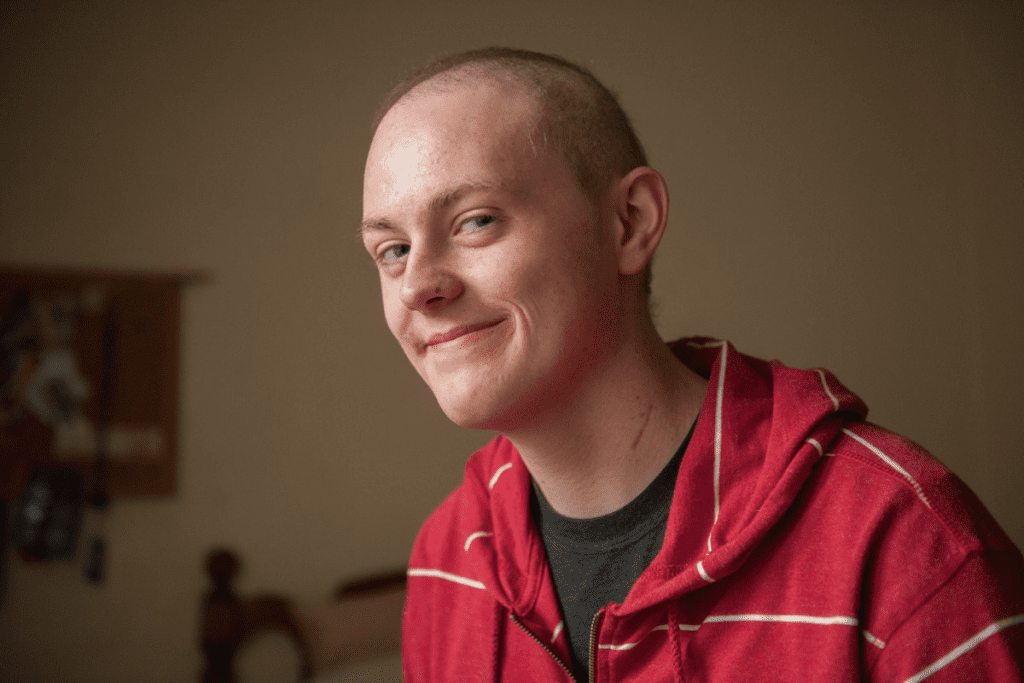
A 2025 study on breast cancer survivors found that chemotherapy causes lifelong changes. These changes are both physical and genetic. As more people survive cancer, they face these long-term effects of chemotherapy.
Understanding the warning signs chemo is killing you is crucial for patient safety. Severe organ damage, extreme fatigue, uncontrollable infections, and drastic weight loss may indicate life-threatening reactions. Always seek urgent medical help if you notice these signs chemo is killing you, as timely care can save lives.
It’s vital to know the risks and complications of chemotherapy. This knowledge helps in giving the best care to cancer survivors.
Key Takeaways
- Chemotherapy can cause lifelong physical and genetic changes in cancer survivors.
- A recent study of breast cancer survivors highlights the long-term effects of chemotherapy.
- Understanding the risks and complications of chemotherapy is essential for optimal care.
- Cancer survivors may face various side effects due to chemotherapy.
- Improving survival rates means more people are living with the long-term effects of chemotherapy.
The Nature of Chemotherapy and Its Systemic Impact
Chemotherapy is a key cancer treatment, using strong drugs to slow cancer cell growth. But it doesn’t just target cancer cells; it can affect the whole body, causing various side effects.

Chemotherapy’s systemic nature means it can impact the body in many ways. Knowing these effects is key to managing treatment outcomes and improving patient quality of life.
How Chemotherapy Targets Cancer Cells
Chemotherapy targets cells that grow fast, like most cancer cells. It uses drugs that disrupt cell division, slowing or stopping tumor growth. This targeted approach is vital in fighting cancer.
But, these drugs aren’t just for cancer cells. They can also harm other fast-growing cells in the body, like hair follicles, bone marrow, and the gut lining.
Collateral Damage to Healthy Tissues
Chemotherapy’s effects on healthy tissues can cause many side effects. For example, it can lower blood cell counts, leading to infections and anemia. It can also damage the gut, causing nausea, vomiting, and diarrhea.
A 2025 study of over 15,000 breast cancer survivors showed chemotherapy’s lasting impact on physical health. This highlights the importance of careful management and support during and after treatment.
Knowing the possible side effects and taking steps to prevent them can lessen chemotherapy’s damage. This can improve treatment outcomes for patients.
Revealing Data: The 2025 Breast Cancer Survivor Cohort Study
The 2025 Breast Cancer Survivor Cohort Study is a major research project. It looks at how chemotherapy affects breast cancer survivors long-term. This study gives us important insights into the health changes survivors face after treatment.

Study Design and Population Demographics
This study included 15,000 breast cancer survivors who had chemotherapy. The group was diverse in age, ethnicity, and cancer stage. This diversity helped researchers understand how different factors affect chemotherapy’s long-term effects.
The study used medical records and survivor surveys to collect data. It looked at health status, treatment, and lifestyle. This helped researchers find patterns that could help in future treatments.
Comparative Analysis of 15,000 Survivors
The study found that chemotherapy has lasting effects on physical health. Survivors often face chronic pain and long-term fatigue. These effects can be severe.
Key findings from the study include:
- Survivors who had chemotherapy are at higher risk for secondary cancers like leukemia.
- There are significant drops in physical function and mobility, affecting quality of life.
- Chemotherapy dosage affects the severity of long-term side effects, including radiation therapy side effects and the aftereffects of radiotherapy.
The study highlights the need to consider chemotherapy’s risks and benefits. Understanding these effects helps healthcare providers support survivors better. This improves their health and quality of life.
Persistent Physical Health Declines After Chemotherapy Treatment
Many cancer survivors face ongoing physical health challenges after chemotherapy. This treatment, though vital, can have lasting impacts on the body. It’s key to grasp these effects to manage them well.
Chronic Pain Syndromes and Management
Chemotherapy can lead to chronic pain syndromes. Chronic pain often stems from nerve damage by some chemotherapy drugs. To tackle this pain, a mix of treatments is needed, including meds, physical therapy, and acupuncture.
Those with chronic pain should team up with their doctors to craft a pain plan. This plan aims to enhance daily life and ease activity performance.
Long-Term Fatigue and Energy Depletion
Long-term fatigue is a common issue for cancer survivors post-chemotherapy. This chemotherapy-induced fatigue is more than just tiredness. It hinders daily functioning. The exact reason for this fatigue is unclear but linked to treatment response.
Managing fatigue involves pacing activities, gentle exercise, and enough rest and nutrition. Doctors might suggest specific treatments to reduce fatigue.
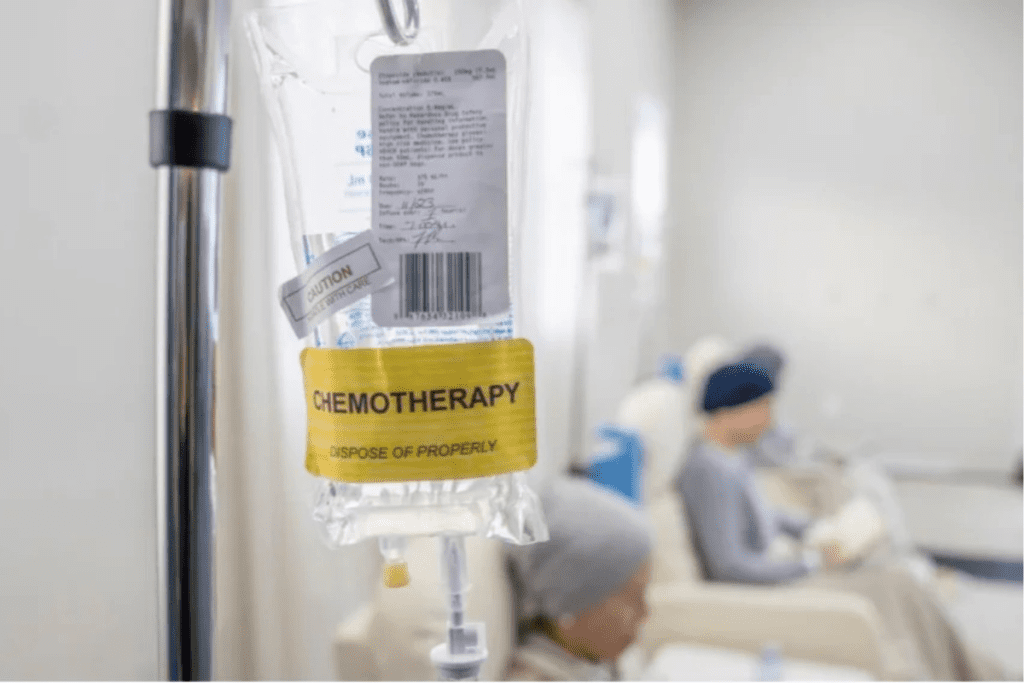
Cancer survivors must talk about ongoing physical health issues with their healthcare team. Knowing the long-term effects of chemotherapy and using effective management strategies can greatly improve their quality of life.
Genetic and Cellular Changes: What Does Chemo Do to Your Body?
Chemotherapy changes your body in many ways. It affects not just cancer cells but also healthy ones. This can lead to long-term health issues.
Somatic Mutations in Blood Cells
Studies show chemotherapy can cause more genetic changes in blood cells. These changes are not passed on to future generations but can harm your health. They can make mutated blood cells grow more than healthy ones.
Research suggests these changes might raise the risk of getting new cancers and other health problems for cancer survivors.
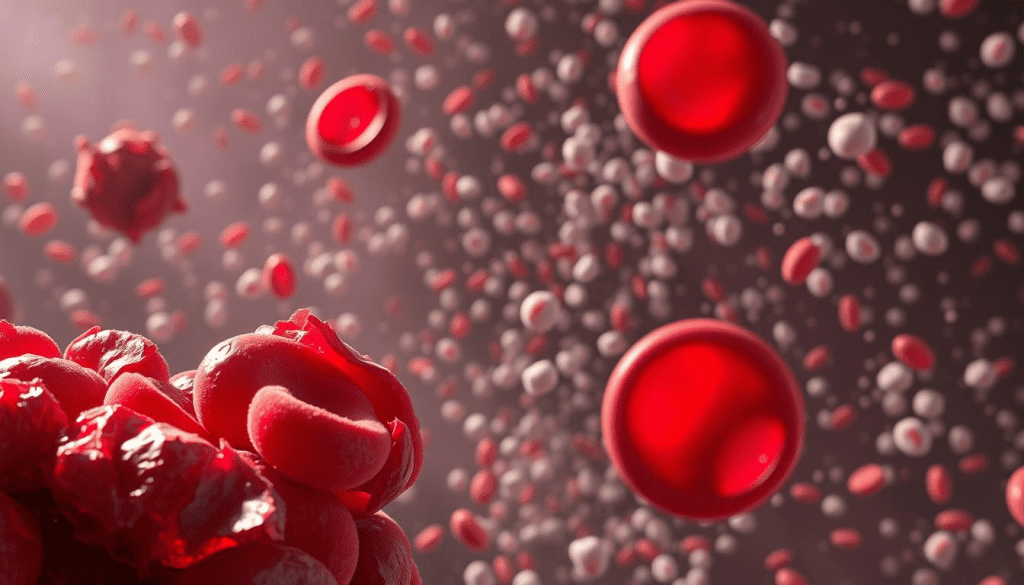
Genomic Analysis: 17 of 23 Patients with Elevated Mutation Burdens
A study found 17 out of 23 patients had more genetic changes in their blood cells after chemotherapy. This shows how big an impact chemotherapy can have on blood cells’ genes.
This study’s findings are important for understanding the long-term risks of chemotherapy. More research is needed to understand these changes and find ways to reduce these risks.
It’s key to know how chemotherapy changes your body to help cancer survivors stay healthy. By studying these effects, doctors can better care for patients during and after treatment.
Signs Chemo Is Killing You: Recognizing Severe Adverse Reactions
It’s key for patients to know when chemotherapy might be harming them. Chemotherapy fights cancer but can also hurt healthy cells. This leads to various side effects.
Distinguishing Between Expected Side Effects and Dangerous Reactions
Not all side effects from chemotherapy are bad. But some serious signs can show up. Common issues include nausea, tiredness, and hair loss. Yet, severe reactions like constant fever, severe pain, or trouble breathing are more serious.
Patients should watch their health closely and tell their doctors about any odd symptoms. For example, chest pain or hard breathing could mean heart trouble from chemo.
Signs of Deterioration in Cancer Patients During Treatment
Cancer patients on chemo need to know when things are getting worse. Look out for:
- Unexplained weight loss or gain
- Increased pain or swelling
- Severe fatigue that doesn’t improve with rest
- Signs of infection, such as fever or chills
Spotting these signs early can help save lives. Some chemo drugs can cause long-term issues like heart problems or leukemia. So, regular check-ups and care are vital.
Knowing the signs of harm from chemo helps patients work with their doctors. This way, they can manage treatment better and reduce risks.
Secondary Cancer Risks: The Side Effects of Chemotherapy Treatment
Chemotherapy is a lifesaving treatment for many, but it can also increase the risk of secondary cancers. This is a big worry for both patients and doctors. It affects how treatment is planned and the care needed after treatment.
The risk of getting secondary cancers after chemotherapy is complex. It depends on the type and dose of chemotherapy, the patient’s genes, and other health issues.
Leukemia and Other Blood Cancers
Leukemia and other blood cancers are major secondary cancer risks from chemotherapy. Leukemia is a cancer that affects the blood and bone marrow. Some chemotherapy agents can raise the risk of getting this disease.
Studies show that the risk of leukemia is higher for certain chemotherapy types, like alkylating agents. The risk also goes up with higher doses or treatment at a younger age.
Risk Factors and Timeframes for Second Malignancies
The chance of getting secondary cancers after chemotherapy depends on several things. These include the chemotherapy used, the dose and length of treatment, and the patient’s risk factors.
Usually, the risk of secondary cancers is highest in the first 5-10 years after treatment. But, the risk can stay high for many years. Regular follow-up care and monitoring are key for patients who have had chemotherapy to catch any secondary cancers early.
Knowing these risks and how to reduce them helps patients and doctors make better treatment and follow-up plans.
Reproductive and Hormonal Effects After Chemo
Chemotherapy can affect the reproductive system and hormone balance. The impact varies based on several factors. These include the type and dose of chemotherapy, the patient’s age, and overall health.
Fertility Impacts Across Different Age Groups
Chemotherapy can affect fertility in both men and women. The effects differ by age. In women, it can lead to early menopause and infertility. Younger women are less affected than older ones.
For women of reproductive age, the risk of infertility is a big concern. In men, chemotherapy can damage sperm production. This can cause temporary or permanent infertility.
Preservation Options Before Treatment
Patients worried about fertility can explore preservation options before treatment. Men can bank sperm, while women can freeze eggs or embryos. The choice depends on age, cancer type, and treatment urgency.
Talking to a healthcare provider about these options is key. It helps patients make informed decisions about their reproductive health. This way, they can reduce the risk of long-term fertility damage.
Key Considerations for Fertility Preservation:
- Age and overall health of the patient
- Type and stage of cancer
- Urgency of starting chemotherapy
- Available fertility preservation methods
Knowing how chemotherapy affects reproductive and hormonal health helps patients. It lets them make better choices about their treatment and care.
Cognitive and Neurological Side Effects from Radiation and Chemotherapy
Cancer treatment can harm the brain and nervous system. This leads to cognitive and neurological side effects. These effects are a big worry for cancer survivors.
Memory and Concentration Issues: “Chemo Brain”
“Chemo brain” is a common problem for cancer patients. It makes it hard to remember things and focus. Research has shown that chemotherapy can change the brain, causing forgetfulness and unclear thinking.
Studies have indicated that the risk of chemo brain depends on the chemotherapy type and dose. It also depends on the patient. Knowing the causes and risk factors is key to managing chemo brain.
Peripheral Neuropathy and Permanent Nerve Damage
Peripheral neuropathy is another big side effect of chemotherapy and radiation. It damages the nerves, causing pain, numbness, and tingling in the hands and feet. In some cases, it can last forever, really affecting a patient’s life.
Treatment options include medicines to help with symptoms and therapies like acupuncture and physical therapy. Finding and treating it early is important to lessen its long-term effects.
Cancer survivors with cognitive and neurological side effects should talk to their doctor. This way, they can get the right support and advice. Knowing about the side effects of radiation and chemotherapy helps patients make better choices about their treatment.
Population-Level Impact: The Growing Community of Survivors
The number of cancer survivors is rising, changing healthcare needs. With better treatments, more people are living longer. This brings new challenges for healthcare systems.
American Cancer Society Projections: 5 Million Women by 2030
The American Cancer Society predicts over 5 million women in the US will have had breast cancer by 2030. This shows how cancer survivorship is affecting healthcare. A study onPubMed Central says it’s key to understand treatment’s long-term effects for good care.
More survivors mean more need for care that deals with treatment’s lasting effects. “The growing cohort of cancer survivors is placing a new emphasis on the importance of long-term healthcare strategies and survivorship care,” says a study. This shows we need a wide range of care for survivors.
Healthcare System Preparedness for Long-Term Survivorship
Healthcare must be ready to handle survivors’ long-term needs. This includes managing chronic pain, fatigue, and other treatment side effects. Healthcare providers need to work together to give full care to survivors.
Key components of long-term survivorship care include:
- Regular monitoring for late effects of treatment
- Management of chronic conditions
- Support for mental health and wellness
- Coordination of care among specialists
By focusing on these areas, healthcare can make survivors’ lives better. This lets them live healthier, more fulfilling lives after treatment.
Conclusion: Weighing Treatment Decisions and Quality of Life
Cancer survivors and healthcare providers need to know the long-term effects of chemotherapy. This knowledge helps in making better treatment choices. The effects of chemotherapy can greatly affect a patient’s quality of life.
Chemotherapy can lead to ongoing physical health problems, changes in genes and cells, and higher risks of secondary cancers. It’s important to recognize severe side effects. Also, understanding how chemotherapy affects reproductive and hormonal systems, as well as brain and nervous system functions, is key.
Cancer survivors should talk to their healthcare team about their concerns. This way, they can balance the benefits of treatment with its long-term effects. Making decisions that focus on quality of life is possible with open communication and awareness of chemotherapy’s effects.
FAQ
What are the lifelong effects of chemotherapy on cancer survivors?
Chemotherapy can lead to lasting health issues for survivors. These include ongoing physical health declines, genetic and cellular changes, and a higher risk of getting secondary cancers.
How does chemotherapy impact physical health and function?
It can cause chronic pain, long-term fatigue, and other health declines. These effects can last even after treatment ends.
What are the signs that chemotherapy may be causing harm?
Harm signs include severe side effects, worsening health in cancer patients, and unusual side effects not typical of the treatment.
Can chemotherapy cause genetic and cellular changes?
Yes, it can lead to genetic and cellular changes. This includes mutations in blood cells, which can affect survivors.
What is the risk of secondary cancers associated with chemotherapy treatment?
Chemotherapy increases the risk of secondary cancers. This includes leukemia and other blood cancers. The risk and timeframe vary by individual and treatment.
How does chemotherapy affect fertility and reproductive health?
It can impact fertility at any age. Preservation options before treatment can help lessen this effect.
What are the cognitive and neurological side effects of radiation and chemotherapy?
Radiation and chemotherapy can cause cognitive and neurological side effects. These include “chemo brain” and peripheral neuropathy, affecting survivors.
How long do the side effects of chemotherapy last?
Side effect duration varies by individual, treatment, and side effect. Some resolve quickly, while others last long-term.
What is “chemo brain” and how is it managed?
Chemo brain” refers to memory and concentration issues after chemotherapy. Management includes cognitive training and lifestyle changes.
How can healthcare providers support long-term survivorship?
Providers can support survivors by addressing their unique needs. This includes managing chronic conditions and guiding healthy living.
What are the projections for the growing community of cancer survivors?
The American Cancer Society predicts a significant increase in survivors. By 2030, about 5 million women will live with a cancer history.
References
- Bodelon, C., et al. (2025). Crucial answers on long-term physical health effects from breast cancer treatments. Cancer Network.https://www.cancernetwork.com/view/crucial-answers-on-long-term-physical-health-effects-from-breast-cancer-treatments
- National Cancer Institute. (2016). Pediatric exposures to ionizing radiation: Carcinogenic potential and risks. International Journal of Molecular Sciences, 17(9), 1524.https://pmc.ncbi.nlm.nih.gov/articles/PMC5129267/
- Kerkmann, A., et al. (2025). Chemotherapy-induced cognitive impairment and its long-term effects. Journal of Clinical Oncology.https://pubmed.ncbi.nlm.nih.gov/39403794/
- Wagle, N. S., et al. (2025). Cancer treatment and survivorship statistics. CA: A Cancer Journal for Clinicians.https://acsjournals.onlinelibrary.wiley.com/doi/full/10.3322/caac.70011
- Mitchell, E., et al. (2025). The long-term effects of chemotherapy on normal blood cells. Nature Genetics.https://www.nature.com/articles/s41588-025-02234-x