
Urinary incontinence affects about one in three women worldwide. It greatly impacts their life and daily tasks. At Liv Hospital, we offer effective, drug-free solutions to this problem.
Targeted bladder control exercises can strengthen the pelvic floor muscles. This reduces urine leakage risk. Kegel exercises, in particular, boost bladder control by strengthening muscles under the uterus, bladder, and bowel incontinence and exercise.
By adding these simple yet effective exercises to your daily routine, you can feel more confident. You’ll also see an improvement in your overall health.
Key Takeaways
- Bladder control exercises can reduce urine leakage episodes.
- Kegel exercises strengthen pelvic floor muscles.
- Strengthening pelvic floor muscles improves bladder control.
- Simple exercises can be incorporated into daily routines.
- Effective bladder control enhances overall well-being.
Understanding Urinary Incontinence
Urinary incontinence affects people of all ages. It impacts not just the body but also emotions and social life. It can come from childbirth, surgery, or neurological disorders.
What Causes Bladder Leakage
Bladder leakage, or urinary incontinence, often happens when pelvic floor muscles weaken. This can be due to childbirth, aging, or certain medical conditions. Recent research shows that exercise helps a lot with bladder control and managing urine leakage.
Other causes include:
- Neurological disorders such as Parkinson’s disease or multiple sclerosis
- Surgical procedures, mainly those in the pelvic area
- Hormonal changes during menopause
Global Impact: Affecting 1 in 3 Women
Urinary incontinence is a big health issue worldwide. About 1 in 3 women deal with some form of urinary incontinence.
| Age Group | Prevalence of Urinary Incontinence |
| 20-39 years | 15% |
| 40-59 years | 30% |
| 60+ years | 45% |
How Incontinence Affects Quality of Life
Urinary incontinence can deeply affect a person’s life. A leading urologist says,
“Urinary incontinence is not just a medical condition; it’s a life-altering experience that affects a person’s dignity, social interactions, and overall well-being.”
Using exercises and natural treatments can greatly improve life for those with incontinence.
Understanding urinary incontinence’s causes and effects helps us tackle it better. This way, we can improve the lives of those affected.
The Science Behind Incontinence and Exercise

It’s important to know how exercise affects incontinence to create good treatment plans. Recent studies have shown how physical activity helps control the bladder. We’ll look at these findings and what they mean for managing incontinence.
How Exercise Strengthens Bladder Control Mechanisms
Exercise, like pelvic floor workouts, is key to better bladder control. Pelvic floor exercises, such as Kegels, make the muscles around the bladder and urethra stronger. This helps keep urine in. Also, exercises that make your core stronger can help by lowering pressure inside your belly and improving how you stand.
2024 Research Findings from Stanford Medicine and UCSF
A 2024 study by Stanford Medicine and UCSF found that yoga can really help with incontinence. Women who did yoga for 12 weeks had 2.3 fewer incontinence episodes per day on average. This shows that exercise can be a great way to treat incontinence.
Comparing Exercise Results to Pharmaceutical Treatments
Exercise is as good as some medicines for incontinence. Studies show that exercise can cut incontinence episodes by 60-65%. This is as effective as some drugs. So, exercise, like yoga and pelvic floor exercises, is a good option for treating incontinence.
Understanding how exercise helps with incontinence lets us create better exercise plans. This can greatly improve the lives of those with this condition.
Types of Urinary Incontinence You Can Address
Urinary incontinence comes in many forms, each needing its own solution. We’ll look at the different types, their causes, and how to manage them.
Stress Incontinence: Leakage During Physical Activity
Stress incontinence happens when moving or pressure on the bladder leads to leaks. It’s common during running, coughing, or sneezing. To fight stress incontinence, Kegel exercises are key. These exercises can lead to a 70% improvement in symptoms for all ages.
Urge Incontinence: The Sudden Need to Urinate
Urge incontinence means a sudden, strong urge to pee, often leading to leaks before you can get to the bathroom. To manage it, bladder training and lifestyle changes are helpful. By slowly increasing the time between bathroom visits, you can better control your bladder.
Mixed and Overflow Incontinence
Mixed incontinence has symptoms of both stress and urge incontinence, making it harder to manage. Overflow incontinence happens when the bladder isn’t fully emptied, causing leaks. Knowing the details of each type is key to managing them. For mixed incontinence, a mix of pelvic floor exercises and bladder training is often suggested.
Gender Differences in Incontinence Patterns
Men and women face different types of urinary incontinence due to body and health differences. Women often face stress incontinence, which can be triggered by childbirth or menopause. Men might experience incontinence due to prostate issues. It’s important to tailor treatments to these differences. For example, men can try natural remedies for male incontinence, like specific exercises and lifestyle changes.
Understanding the various types of urinary incontinence and their unique challenges is the first step to managing them. Whether through Kegels, bladder training, or other natural remedies, there are many ways to tackle urinary incontinence.
Mastering Kegel Exercises for Pelvic Floor Strength
Strengthening your pelvic floor with Kegel exercises can greatly improve bladder control. These exercises are key in pelvic floor training. They help people regain control over their bladder.
How to Correctly Identify Your Pelvic Floor Muscles
To do Kegel exercises right, you need to find your pelvic floor muscles. You can do this by stopping urine flow mid-stream or by tightening muscles around a finger in the vagina. Knowing these muscles well is essential for good Kegel exercises.
Step-by-Step Kegel Exercise Technique
After finding your pelvic floor muscles, follow these steps for Kegel exercises:
- Contract your pelvic floor muscles as if you’re stopping the flow of urine.
- Hold the contraction for 5 seconds.
- Release the contraction for 5 seconds.
- Repeat this process 10-15 times per session.
- Aim for at least three sessions a day.
Progressive Training: From Beginner to Advanced
As you get better at Kegel exercises, you can make your training harder by:
- Increasing the duration of muscle contractions.
- Adding more repetitions to your sessions.
- Incorporating different positions, such as standing or sitting.
Achieving 70% Improvement in Symptoms with Consistent Practice
Studies show that regular Kegel exercises can greatly improve bladder control. By sticking to a Kegel routine, you can see up to 70% improvement in symptoms over time.
| Training Level | Contraction Duration | Repetitions per Session | Sessions per Day |
| Beginner | 3 seconds | 10 | 3 |
| Intermediate | 5 seconds | 15 | 3 |
| Advanced | 10 seconds | 20 | 3 |
Low-Impact Yoga Poses That Reduce Leakage
Yoga is a powerful tool for managing urinary incontinence. It offers a natural way to improve bladder control. By doing specific yoga poses, people can strengthen their pelvic floor muscles. This helps reduce leakage episodes.
Research-Backed Yoga Benefits: 2.3 Fewer Episodes Daily
Studies show yoga’s effectiveness in reducing incontinence episodes. On average, yoga practice leads to 2.3 fewer episodes daily. “Yoga not only improves physical flexibility but also enhances bladder control,” says a leading researcher.
5 Most Effective Yoga Poses for Bladder Control
Some yoga poses are great for strengthening the pelvic floor and bladder control. Here are five effective poses:
- Mountain Pose (Tadasana): Improves posture and balance.
- Cobra Pose (Bhujangasana): Strengthens the back muscles and opens the chest.
- Bridge Pose (Setu Bandha Sarvangasana): Enhances pelvic floor strength.
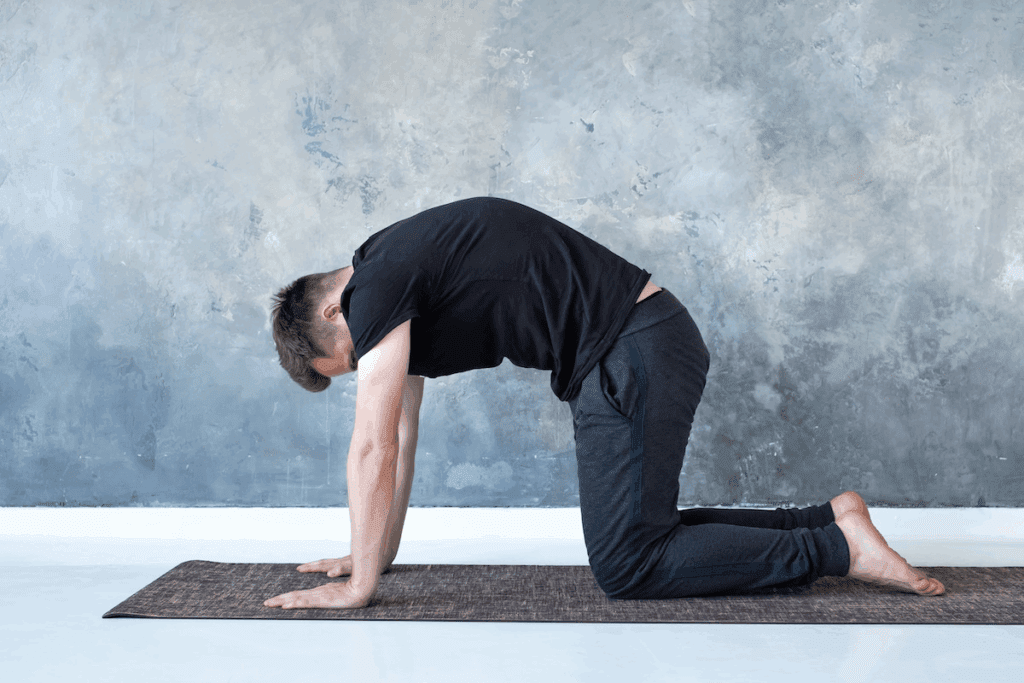
- Cat-Cow Pose (Marjaryasana-Bitilasana): Promotes flexibility and coordination.
- Child’s Pose (Balasana): Relaxes the pelvic floor muscles.
12-Week Yoga Program for Incontinence Management
A 12-week yoga program can manage incontinence well. It should include the mentioned poses, breathing exercises, and relaxation techniques. Consistency is key for better bladder control.
Modifications for Different Fitness Levels
Yoga suits all fitness levels, making it accessible to many. You can modify poses to fit your needs or comfort. Using props or adjusting poses can help avoid joint strain.
As a yoga therapist notes,
“The beauty of yoga lies in its ability to be tailored to the individual’s needs, making it an ideal exercise for those managing urinary incontinence.”
Core and Functional Strengthening Exercises
A strong core is key for supporting the pelvic floor muscles. It helps with bladder control. The core and pelvic floor muscles work together to keep the body stable.
The Core-Pelvic Floor Connection
The core and pelvic floor muscles are connected. Strengthening the core can help with urinary incontinence. It improves muscle tone and coordination.
“The core muscles, including the abdominals and back muscles, play a significant role in supporting the pelvic floor,” says a leading urogynecologist. “By strengthening these muscles, individuals can experience significant improvements in bladder control.”
Safe Abdominal Exercises That Won’t Worsen Symptoms
Some abdominal exercises can make urinary incontinence worse. But, bridges, pelvic tilts, and modified planks are safe when done right.
- Bridges: Strengthens the core and glutes
- Pelvic tilts: Helps to engage the transverse abdominis muscle
- Modified planks: Supports core strength without putting excessive strain on the pelvic floor
Functional Movements to Support Daily Activities
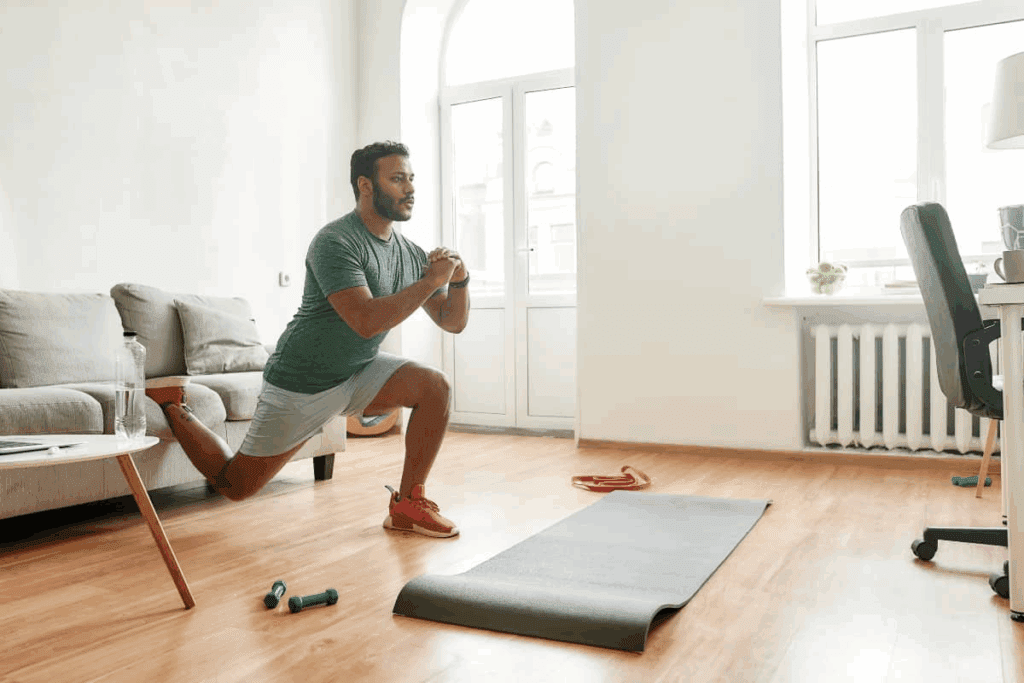
Functional exercises help with daily activities and managing urinary incontinence. Squats, lunges, and step-ups strengthen muscles used every day.
Adding these exercises to your routine can improve bladder control. It also reduces the risk of leakage during physical activities.
Exercise Progressions as Strength Improves
As you get stronger, it’s important to make exercises harder. This means increasing the number of repetitions, sets, or difficulty level of the exercises.
By making exercises more challenging, you can keep improving bladder control. This also helps with overall pelvic floor health.
Bladder Training Techniques for 70% Fewer Episodes
Reducing incontinence episodes by up to 70% is possible with bladder training techniques. These methods help the bladder hold urine longer and cut down on incontinence. A structured program can greatly improve bladder control and life quality.
Scheduled Voiding Protocol
A scheduled voiding protocol means going to the bathroom at set times, even if you don’t feel like it. This method increases the bladder’s capacity and lowers incontinence frequency. Start with 1-2 hour intervals and increase as control improves.
Urge Suppression Strategies That Work
Urge suppression strategies are key for managing sudden urges to urinate. Techniques like deep breathing, pelvic floor exercises, and distractions can delay urination. These practices help control the bladder better.
Using a Bladder Diary to Track Improvement
Keeping a bladder diary is vital for tracking progress and spotting bladder patterns. It records void times, volumes, and incontinence episodes. This data helps tailor the training program for better results.
Combining Bladder Training with Pelvic Floor Exercises
Adding pelvic floor exercises to bladder training boosts the program’s effectiveness. Pelvic floor exercises strengthen muscles that support bladder control. Bladder training increases the bladder’s urine storage capacity. Together, they offer a full approach to urinary incontinence management.
By making these techniques part of your daily routine, you can see big improvements in bladder control. It’s important to stay consistent and patient. The benefits of bladder training take time to show.
Preventing Leakage During Physical Activities
Urine leakage during exercise is common but can be managed. By changing your routine and using certain strategies, you can lower the risk of leakage. This is true for both men and women.
How to Stop Leaking Urine When Running
Running can be tough for those who leak urine. Here are some tips to help:
- Strengthen Your Pelvic Floor: Kegel exercises can help control your bladder.
- Modify Your Running Technique: Try to avoid big impacts that can stress your bladder.
- Empty Your Bladder: Always go to the bathroom right before you run.
- Wear Protective Gear: Use products made for active people to help manage leaks.
Exercise Modifications for High-Impact Activities
High-impact activities can make leakage worse. But, you can make changes to help:
- Switch from high-impact aerobics to low-impact ones, like walking fast instead of running.
- Change jumping exercises to step down instead of jumping down to lessen impact.
- Add exercises that strengthen your core to help with stability and less pressure on your bladder.
Pre-Activity Preparation Techniques
Getting ready before you exercise can help prevent leakage. Here are some tips:
- Timed Voiding: Go to the bathroom at set times before and during long activities.
- Fluid Management: Keep an eye on how much you drink to avoid a full bladder.
- Pre-Exercise Routine: Have a set routine that includes pelvic floor exercises and going to the bathroom.
By using these tips, you can cut down on urine leakage during exercise. This lets you enjoy your workouts without worry.
Gender-Specific Approaches to Incontinence Management
Incontinence affects men and women in different ways. This means we need different ways to manage it. Knowing these differences helps us create better treatment plans.
Female-Specific Exercises and Considerations
Women often face stress urinary incontinence due to childbirth and menopause. Kegel exercises are great for women. They help strengthen the pelvic floor muscles, which improves bladder control.
Other exercises that can help women include:
- Pelvic tilts
- Bridge poses
- Specific yoga routines that target the pelvic floor
| Exercise | Benefit | Frequency |
| Kegel Exercises | Strengthens pelvic floor muscles | 3 sets of 10 daily |
| Pelvic Tilts | Improves pelvic flexibility | 2 sets of 5 daily |
Male-Specific Techniques to Stop Urine Leakage
Men, and those who have had prostate surgery, may also face incontinence. Pelvic floor rehabilitation and biofeedback are very effective.
Male-specific exercises include:
- Pelvic floor contractions
- Core strengthening exercises
- Specific physical therapy routines
| Technique | Benefit | Frequency |
| Pelvic Floor Rehabilitation | Improves bladder control | Twice weekly |
| Biofeedback | Enhances muscle awareness | Once weekly |
Creating Your Comprehensive Bladder Control Program
To get the best bladder control, we mix different exercises. This makes a plan that fits your needs.
Combining Different Exercise Types for Maximum Benefit
A good bladder control program has pelvic floor, core, and bladder training exercises. These exercises work together to tackle incontinence from different angles.
Pelvic floor exercises like Kegels strengthen bladder muscles. Core strengthening improves pelvic stability. Bladder training increases bladder capacity and cuts down on leaks.
Sample 8-Week Progressive Program
We have an 8-week program that mixes exercises. It’s flexible and can change as you progress.
| Week | Pelvic Floor Exercises | Core Strengthening | Bladder Training |
| 1-2 | 3 sets of 10 Kegels daily | 2 sets of 10 bridges daily | Gradually increase voiding intervals by 15 minutes |
| 3-4 | 3 sets of 15 Kegels daily | 3 sets of 10 planks daily | Increase voiding intervals by 30 minutes |
| 5-6 | 3 sets of 20 Kegels daily | 3 sets of 15 Russian twists daily | Increase voiding intervals by 45 minutes |
| 7-8 | 3 sets of 25 Kegels daily | 3 sets of 20 leg raises daily | Maintain consistent voiding intervals |
Tracking Your Progress: What Results to Expect
It’s important to track your progress. Keep a bladder diary to record leaks, voiding frequency, and symptoms.
By tracking, you’ll see better bladder control, fewer leaks, and a better life quality.
Adjusting Your Routine Based on Results
As you do your program, adjust it based on your results. If you’re improving, you might do fewer or less intense exercises.
If you’re not seeing results, we might change your program to fix any issues.
Conclusion
Managing incontinence well needs a full plan. This includes exercises, changes in lifestyle, and learning new behaviors. Knowing why you leak urine and using exercises can help a lot.
We talked about different ways to strengthen your pelvic floor. This includes Kegel exercises, yoga, and exercises for your core. Adding these to bladder training can really help manage leaks.
It’s key to find a plan that fits you, as everyone’s situation is different. With the right exercises and lifestyle changes, you can control your bladder better. This can greatly improve your life.
FAQ
What are the most effective exercises for bladder control?
Kegel exercises, low-impact yoga, and core strengthening are top choices. They strengthen the pelvic floor muscles. These muscles are key for bladder control.
How do I identify my pelvic floor muscles for Kegel exercises?
To find your pelvic floor muscles, try stopping urine flow midstream. The muscles you use are your pelvic floor muscles. You can also feel them by inserting a finger into your vagina and squeezing.
Can yoga really help reduce urinary incontinence?
Yes, low-impact yoga can help a lot. It strengthens the pelvic floor muscles and improves bladder control.
How can I prevent leakage during physical activities like running?
To stop leakage while running, do Kegel exercises to strengthen your muscles. Adjust your running style, wear supportive clothes, and empty your bladder before running.
Are there different exercises for men and women to manage incontinence?
Yes, there are. Kegels work for both, but women might need more pelvic floor exercises. Men might focus on muscles around the urethra.
How long does it take to see improvement in bladder control with exercise?
Improvement comes in weeks to months with regular exercise. Studies show up to 70% symptom improvement with consistent practice.
Can I combine different exercise types for better results?
Yes, mixing Kegels, yoga, and core exercises can help more. A mix of exercises in a bladder control program can lead to better results.
How do I track my progress with bladder training?
Use a bladder diary to track your progress. Record when and how much you void, and any incontinence. This helps spot patterns and adjust your training.
Are there any specific exercises I should avoid if I have incontinence?
Yes, avoid high-impact exercises like heavy lifting or high-impact aerobics. They can make incontinence worse. Modify or avoid these to reduce leakage risk.
Can bladder training be done alongside pelvic floor exercises?
Yes, doing both together can improve results. Bladder training helps control your bladder, while pelvic floor exercises strengthen the muscles for continence.
References
National Center for Biotechnology Information. (2025). How to Stop Urine Leakage With Bladder Control. Retrieved from https://www.ncbi.nlm.nih.gov/pmc/articles/PMC8743604/



 Departments
 Related Videos
 Our Doctors
 News
News