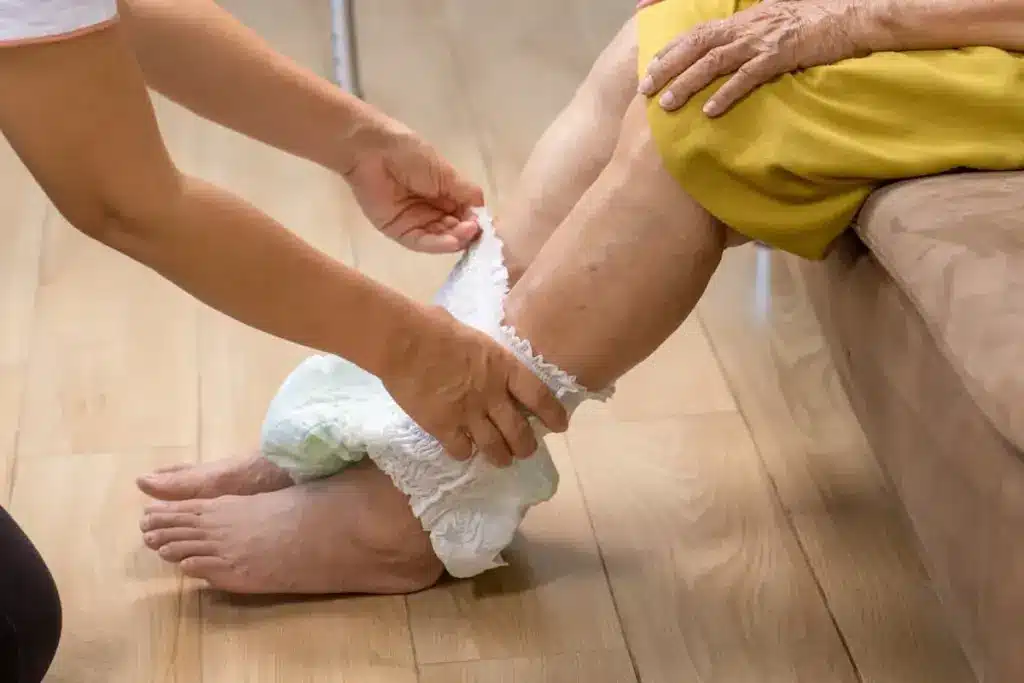
As people age, they may experience changes in their bladder habits, including issues related to voiding. Voiding, a crucial aspect of bladder health, refers to the process of urinating or emptying the bladder. Understanding the medical term voiding and its significance can help individuals address potential problems early on. Incontinence causes? Weak muscles or nerves. Get best facts. Identifying the root is vital. Treatments offer amazing lifestyle improvements.
Proper voiding is essential for maintaining bladder health, and difficulties in this area can lead to complications such as incontinence. A related concept, double voiding, is a technique that may help alleviate certain urinary issues.
Key Takeaways
- Voiding is a critical aspect of bladder health.
- Understanding voiding can help address potential urinary issues.
- Difficulties with voiding can lead to complications like incontinence.
- Double voiding is a technique that may help alleviate certain urinary problems.
- Maintaining good bladder health is essential for overall well-being.
What Is Voiding?

Voiding, a fundamental aspect of urological health, refers to the process of urinating or the act of emptying the bladder. This physiological process is essential for removing waste products from the body. Understanding voiding is crucial for diagnosing and treating urinary disorders, particularly in the elderly population.
Definition and Overview
Voiding, also known as micturition, involves the coordination of the urinary tract and nervous system to facilitate the excretion of urine. The process begins with the relaxation of the urethral sphincter, followed by the contraction of the detrusor muscle in the bladder wall, which pushes urine out of the body. Normal voiding is characterized by a steady flow of urine, complete bladder emptying, and the absence of discomfort or pain.
Types of Voiding
There are different types of voiding, including normal voiding, where the bladder empties completely without any issues, and abnormal voiding, which may involve difficulties such as weak urine flow, incomplete bladder emptying, or urinary retention. Abnormal voiding patterns can be symptomatic of underlying medical conditions that require attention.
Prevalence Among Different Age Groups
Voiding issues can affect individuals across various age groups, but their prevalence increases significantly among the elderly. Aging is associated with changes in the urinary tract, such as decreased bladder capacity and weakened pelvic floor muscles, which can contribute to voiding problems. According to medical studies, the incidence of voiding disorders is higher in older adults due to age-related changes, comorbid conditions, and the effects of certain medications.
Common Symptoms of Voiding Issues

Identifying the common symptoms of voiding issues is the first step towards managing and potentially resolving these problems. Voiding issues can significantly impact an individual’s quality of life, and recognizing the signs is crucial for seeking appropriate medical care.
Frequent Urination
One of the most common symptoms of voiding issues is frequent urination. This can manifest as needing to urinate more often than usual, even when there’s no significant fluid intake. It’s not just about the frequency; the feeling of incomplete bladder emptying can also be a concern, leaving individuals wondering, “why can’t I empty my bladder?”
Frequent urination can be caused by various factors, including urinary tract infections, diabetes, or an overactive bladder. It’s essential to consult a healthcare professional to determine the underlying cause.
Urgency and Leakage
Another symptom is urgency, which is a sudden, intense need to urinate. This can sometimes be accompanied by urinary leakage or incontinence, which can be distressing and disrupt daily activities. The sensation of urgency can be so sudden that it may not be possible to reach a bathroom in time, leading to leakage.
- Urgency can be caused by neurological disorders or conditions affecting the bladder.
- Leakage can occur due to weakened pelvic muscles or an overactive bladder.
- Managing these symptoms often requires a combination of lifestyle changes and medical treatment.
Nocturia and Its Impact
Nocturia, or the need to urinate at least twice during the night, is another common symptom. It can significantly disrupt sleep patterns, leading to fatigue and other related health issues. Nocturia can be caused by a variety of factors, including excessive fluid intake before bedtime, sleep disorders, or underlying medical conditions.
Nocturia not only affects the individual but can also impact their partner or others in the household. Addressing nocturia involves identifying and managing its underlying causes, which may include limiting fluids before bedtime, treating underlying conditions, or using certain medications.
Understanding and addressing these symptoms can significantly improve the quality of life for individuals experiencing voiding issues. By recognizing the signs and seeking appropriate care, it’s possible to manage or resolve these problems effectively.
Underlying Causes of Voiding Problems
Understanding the underlying causes of voiding issues is crucial for effective management. Voiding problems can significantly impact an individual’s quality of life, and addressing these issues begins with identifying their root causes.
Age-Related Changes
As individuals age, various physiological changes occur that can affect bladder function and voiding. Age-related changes can lead to a decline in bladder muscle strength and potentially cause issues such as urinary retention or incontinence. For instance, the bladder muscle may become overactive, leading to a frequent need to urinate.
Additionally, age-related changes can affect the urethra, making it more susceptible to obstruction or weakening of the urethral sphincter. These changes can be more pronounced in older adults, making them more prone to voiding difficulties.
Neurological Disorders
Neurological disorders can significantly impact voiding by disrupting the normal nerve signals between the bladder and the brain. Conditions such as Parkinson’s disease, multiple sclerosis, and stroke can affect bladder control, leading to voiding problems. For example, in Parkinson’s disease, the neurological degeneration can lead to bladder overactivity or underactivity.
Neurological disorders can also affect the coordination between the bladder muscle and the urethral sphincter, leading to issues like detrusor-sphincter dyssynergia, where the bladder muscle contracts inappropriately against a closed urethral sphincter.
Medications and Their Effects
Certain medications can have a significant impact on voiding function. For instance, diuretics can increase urine production, leading to more frequent urination. Other medications, such as alpha-blockers and anticholinergics, can affect bladder muscle tone and urethral resistance, potentially causing or exacerbating voiding problems.
It’s essential for individuals experiencing voiding issues to review their medications with their healthcare provider to identify any potential contributors to their symptoms. Adjusting medications or dosages can sometimes alleviate voiding difficulties.
Impact of Voiding Issues on Daily Life
Voiding issues have a multifaceted impact on an individual’s life, touching on emotional, psychological, and social dimensions. Living with such challenges can be daunting, affecting not just the individual’s health but also their overall quality of life.
Emotional and Psychological Effects
The emotional and psychological toll of voiding issues should not be underestimated. Individuals may experience feelings of embarrassment, anxiety, and depression, which can significantly affect their mental health. The constant worry about bladder control can lead to a heightened state of stress, further complicating the issue.
Moreover, the psychological impact can manifest as a fear of social situations, leading to social isolation. This isolation can exacerbate feelings of loneliness and depression, creating a vicious cycle that’s challenging to break.
Social Implications
Voiding issues can have profound social implications, affecting an individual’s ability to participate in social activities, maintain relationships, and engage in daily routines without stress. The fear of leakage or accidents can lead to avoidance of social gatherings, travel, or even simple outings, significantly limiting one’s lifestyle.
Furthermore, the stigma associated with incontinence can make it difficult for individuals to openly discuss their issues, leading to feelings of isolation and further complicating their social interactions.
Lifestyle Changes Required
Managing voiding issues often necessitates significant lifestyle changes. This can include adjustments to fluid intake, dietary changes to avoid irritants, and the incorporation of pelvic floor exercises to strengthen bladder control. In some cases, individuals may need to adopt a more flexible approach to their daily routines, allowing for more frequent bathroom breaks.
Additionally, the use of protective garments and absorbent products can help manage symptoms, though these solutions can also impact an individual’s self-esteem and body image, highlighting the need for a comprehensive approach to managing voiding issues.
Diagnosing Voiding Issues
Understanding the underlying causes of voiding issues requires a comprehensive diagnostic approach. Voiding issues, often related to the urinary system, can significantly impact an individual’s quality of life. Accurate diagnosis is crucial for effective management and treatment.
Importance of Proper Assessment
Proper assessment is the cornerstone of diagnosing voiding issues. It involves a thorough medical history, physical examination, and potentially, further diagnostic tests. A healthcare professional must assess the patient’s symptoms, overall health, and any factors that could be contributing to the voiding issues.
“A thorough assessment is essential for identifying the underlying causes of voiding dysfunction and guiding appropriate treatment.”
A proper assessment helps in identifying the type of voiding dysfunction, whether it’s related to obstruction, detrusor underactivity, or other factors. This step is critical in determining the most appropriate treatment plan.
Diagnostic Tests Available
Several diagnostic tests are available to evaluate voiding issues. These tests help healthcare providers understand the nature and extent of the problem.
- Urodynamic Tests: These tests assess how well the bladder and urethra are storing and releasing urine.
- Ultrasound: Used to evaluate the structure of the urinary tract and detect any abnormalities.
- Voiding Diary: A record kept by the patient to track urination patterns, fluid intake, and any episodes of leakage.
- Post-Void Residual (PVR) Measurement: Measures the amount of urine left in the bladder after urination.
|
Diagnostic Test |
Purpose |
Information Gained |
|---|---|---|
|
Urodynamic Tests |
Assess bladder and urethra function |
Understanding of storage and release of urine |
|
Ultrasound |
Evaluate urinary tract structure |
Detection of abnormalities or obstructions |
|
Voiding Diary |
Track urination patterns and fluid intake |
Patterns of urination and potential issues |
|
PVR Measurement |
Measure urine left in bladder after urination |
Assessment of bladder emptying efficiency |
By utilizing these diagnostic tests, healthcare professionals can gain a comprehensive understanding of a patient’s voiding issues and develop an effective treatment plan.
Treatment Options for Voiding Problems
The treatment of voiding issues involves a combination of lifestyle changes, medical interventions, and sometimes surgery. Managing voiding problems effectively requires a comprehensive approach that considers the individual’s overall health, the underlying cause of the issue, and the severity of the symptoms.
Lifestyle Modifications
Lifestyle changes are often the first line of treatment for voiding problems. These modifications can include timed voiding and timed toileting, which involve creating a schedule for urination to help train the bladder. Additionally, dietary changes such as reducing caffeine and alcohol intake can help alleviate symptoms.
Other lifestyle adjustments may involve managing fluid intake, losing weight if obesity is a contributing factor, and performing pelvic floor exercises like Kegels to strengthen the muscles that support bladder control.
Medications for Management
When lifestyle modifications are not sufficient, medications may be prescribed to manage voiding problems. These can include drugs that relax the bladder muscle, reduce bladder spasms, or improve bladder control. The choice of medication depends on the underlying cause of the voiding issue and the patient’s medical history.
It’s essential to work closely with a healthcare provider to find the right medication and dosage, as some medications can have side effects or interact with other drugs.
Surgical Interventions
In some cases, surgical interventions may be necessary to treat underlying conditions causing voiding problems. Surgical options can range from minimally invasive procedures to more complex surgeries, depending on the nature of the issue.
Surgical interventions are typically considered when other treatments have failed to provide adequate relief or when the underlying cause is something that can be surgically corrected, such as an obstruction or a structural issue.
Role of Healthcare Professionals
Healthcare professionals play a pivotal role in diagnosing and treating voiding problems, significantly improving the quality of life for elderly individuals. Their expertise is crucial in addressing the complex needs of this population.
Urologists and Geriatric Specialists
Urologists are medical specialists who focus on the diagnosis, treatment, and surgery of disorders related to the urinary tract. In the context of voiding issues, urologists are essential for identifying underlying causes and recommending appropriate treatments. Geriatric specialists, on the other hand, bring expertise in the health care of older adults, understanding the multifaceted nature of their health issues. Together, these professionals can provide comprehensive care tailored to the elderly patient’s needs.
Collaboration between urologists and geriatric specialists ensures that both the urinary health and overall well-being of elderly patients are considered. This collaborative approach helps in managing not just the symptoms but also the overall health of the patient.
Importance of a Multidisciplinary Team
A multidisciplinary team approach is vital in managing voiding issues, as it brings together professionals from various disciplines. This team may include nurses, physical therapists, and other healthcare specialists who contribute to the patient’s care plan. The multidisciplinary team approach ensures that all aspects of a patient’s health are addressed, providing a more holistic form of care.
- Nurses play a crucial role in patient education and daily care.
- Physical therapists can help improve bladder control through targeted exercises.
- Other specialists may be involved depending on the patient’s specific needs.
By working together, healthcare professionals can develop a care plan that is tailored to the individual needs of the patient, improving outcomes and enhancing the quality of life.
Coping Strategies for Caregivers
Supporting loved ones with voiding problems requires empathy, understanding, and effective coping strategies. Caregivers play a crucial role in managing the daily challenges associated with voiding issues, and having the right support can significantly impact their ability to provide care.
Effective Communication Techniques
Open and empathetic communication is key to supporting individuals with voiding issues. Caregivers should encourage their loved ones to express their feelings and concerns about their condition. Using active listening skills can help caregivers understand the emotional and physical challenges faced by their loved ones.
Some effective communication techniques include:
- Maintaining eye contact to show empathy and understanding
- Asking open-ended questions to encourage discussion
- Using non-verbal cues like nodding or gentle touch to provide reassurance
Managing Voiding Issues at Home
Managing voiding issues at home requires a combination of practical strategies and emotional support. Caregivers can help by creating a safe and accessible environment that minimizes the risk of accidents.
|
Strategy |
Description |
Benefit |
|---|---|---|
|
Improving Lighting |
Ensuring that the home is well-lit, especially in areas like the bathroom |
Reduces the risk of falls and accidents |
|
Removing Tripping Hazards |
Clearing the home of items that could cause tripping, such as rugs or cords |
Minimizes the risk of falls |
|
Using Assistive Devices |
Utilizing devices like grab bars or a raised toilet seat |
Enhances safety and independence |
Resources for Caregivers
Caregivers do not have to manage alone. There are numerous resources available to provide support, guidance, and respite.
Some valuable resources include:
- Support groups where caregivers can share experiences and advice
- Professional counseling services to address emotional challenges
- Online forums and educational materials to stay informed about voiding issues
By leveraging these resources and employing effective coping strategies, caregivers can better support their loved ones while maintaining their own well-being.
Preventative Measures
Simple lifestyle changes can make a big difference in maintaining bladder health. By adopting a few straightforward habits, individuals can significantly reduce their risk of experiencing voiding issues. This proactive approach not only enhances overall well-being but also minimizes the likelihood of complications associated with urinary tract infections.
Healthy Lifestyle Choices
Making healthy lifestyle choices is crucial in preventing voiding problems. This includes staying hydrated by drinking plenty of water, which helps to flush out bacteria and reduce the risk of urinary tract infections. Additionally, maintaining a healthy weight through a balanced diet and regular exercise can alleviate pressure on the bladder and improve overall bladder control.
Other beneficial habits include avoiding irritants such as caffeine and spicy foods, which can irritate the bladder and exacerbate voiding issues. Regular physical activity also plays a significant role in maintaining healthy bladder function.
Preventing Urinary Tract Infections
Urinary tract infections (UTIs) are a common issue that can lead to more severe voiding problems if not addressed. Preventing UTIs involves a combination of good hygiene practices and lifestyle adjustments. For instance, practicing good bathroom hygiene, such as wiping from front to back, can help prevent bacteria from entering the urethra.
- Drinking cranberry juice, which may help prevent bacteria from adhering to the bladder and urinary tract walls.
- Avoiding harsh soaps and perfumed products in the genital area, which can irritate the urethra and increase the risk of UTIs.
- Emptying the bladder soon after intercourse to flush out any bacteria that may have entered the urethra.
By incorporating these preventative measures into daily life, individuals can significantly reduce their risk of developing voiding issues and maintain better bladder health.
Myths and Misconceptions About Voiding
There’s a considerable gap between the reality of voiding issues and the common myths surrounding them, affecting how individuals seek help. Voiding, or the process of urinating, is a natural bodily function that can be affected by various factors, leading to issues such as incontinence or difficulty urinating.
Common Misbeliefs
Several myths surround voiding issues, often leading to confusion and embarrassment for those affected. Some of the most common misbeliefs include:
- Myth 1: Voiding issues are a normal part of aging and cannot be treated. Reality: While age can increase the risk of voiding problems, they are not an inevitable part of aging, and various treatments are available.
- Myth 2: Only women experience voiding issues. Reality: Both men and women can suffer from voiding problems, though the causes and prevalence may vary between genders.
- Myth 3: Voiding issues are always related to bladder problems. Reality: While bladder issues are a common cause, voiding problems can also stem from neurological disorders, medications, and other factors.
Correcting the Narrative
Correcting these misconceptions is crucial for encouraging individuals to seek appropriate medical care. By understanding the facts, individuals can better navigate their treatment options.
|
Myth |
Reality |
|---|---|
|
Voiding issues are untreatable. |
Various treatments, including lifestyle changes, medications, and surgery, can effectively manage voiding problems. |
|
Voiding issues only affect the elderly. |
While more common among older adults, voiding issues can affect individuals of any age due to various causes. |
By dispelling these myths and understanding the realities of voiding issues, individuals can take the first step towards seeking help and improving their quality of life.
Community and Support Resources
The journey to managing voiding issues is easier with the right community resources and support networks. Individuals dealing with these problems often find comfort and practical advice in connecting with others who face similar challenges.
Organizations Focused on Bladder Health
Several organizations are dedicated to improving bladder health and providing support to those affected by voiding issues. These organizations often offer educational resources, advocacy, and community programs.
- The National Association for Continence provides resources and support for individuals with incontinence issues.
- The Interstitial Cystitis Association focuses on supporting those with interstitial cystitis and related conditions.
- The Bladder Health Council educates the public about bladder health and available treatments.
These organizations play a crucial role in raising awareness and providing necessary support.
Support Groups and Networks
Support groups and networks are invaluable for individuals coping with voiding issues. They offer a platform to share experiences, receive emotional support, and gain insights from others facing similar challenges.
|
Support Group Type |
Description |
Benefits |
|---|---|---|
|
In-person Support Groups |
Meetings held at local community centers or hospitals. |
Face-to-face interaction, emotional support. |
|
Online Support Groups |
Forums and groups on social media or dedicated websites. |
Convenience, anonymity, 24/7 support. |
|
Specialized Support Groups |
Groups focused on specific conditions, like overactive bladder. |
Targeted advice, condition-specific support. |
By engaging with these community resources and support groups, individuals can better manage their voiding issues and improve their quality of life.
Conclusion: Taking Control of Bladder Health
Understanding and managing voiding issues is crucial for maintaining overall bladder health, particularly among the elderly. By recognizing the symptoms and underlying causes, individuals can take proactive steps towards improving their quality of life.
Breaking the Silence
Encouraging open dialogues about bladder health can help dispel the stigma associated with voiding issues. Healthcare professionals, caregivers, and family members play a vital role in creating a supportive environment where individuals feel comfortable discussing their concerns.
Empowering Individuals
Seeking help is the first step towards regaining control over bladder health. By consulting with urologists and geriatric specialists, individuals can explore various treatment options tailored to their specific needs. Empowerment through knowledge and support is key to managing voiding issues effectively.
By promoting awareness and encouraging open discussions, we can work together to improve bladder health outcomes and enhance the well-being of individuals affected by voiding issues.
FAQ
What is voiding in medical terms?
Voiding refers to the act of emptying the bladder, which is the process of urinating or expelling urine from the body through the urethra.
What does voided mean in medical terms?
Voided, in medical terms, refers to the urine that is expelled from the body during urination. A voided urine sample is often collected for testing.
What is double voiding, and is it bad?
Double voiding is a technique where an individual urinates, waits for a few moments, and then urinates again to ensure the bladder is fully emptied. It’s not inherently bad and can be helpful for people who have trouble fully emptying their bladder.
How can I fully empty my bladder?
To fully empty your bladder, you can try double voiding, relax while urinating, take your time, and consider using the Credé maneuver, which involves gently pressing on the lower abdomen to help empty the bladder.
What is the Credé maneuver?
The Credé maneuver is a technique used to help empty the bladder by applying gentle pressure to the lower abdomen. It’s often used by individuals with certain neurological conditions or those who have difficulty urinating.
Why can’t I empty my bladder completely?
There are several reasons why you might not be able to empty your bladder completely, including neurological disorders, age-related changes, certain medications, or underlying medical conditions. Consulting a healthcare professional can help identify the cause.
What are the symptoms of incomplete bladder emptying?
Symptoms of incomplete bladder emptying can include frequent urination, urgency, leakage, nocturia (waking up to urinate during the night), and feeling like the bladder is not fully empty after urination.
How is incomplete bladder emptying diagnosed?
Diagnosing incomplete bladder emptying typically involves a combination of medical history, physical examination, and diagnostic tests such as ultrasound or urodynamic studies to assess bladder function.
What are the treatment options for voiding problems?
Treatment options for voiding problems can include lifestyle modifications, medications to manage symptoms or underlying conditions, and in some cases, surgical interventions to address anatomical issues or improve bladder function.
Can voiding issues be prevented?
While not all voiding issues can be prevented, maintaining a healthy lifestyle, including a balanced diet, regular exercise, and managing chronic conditions, can help reduce the risk of developing certain voiding problems.
National Institutes of Health. Evidence-Based Medical Insight. Retrieved from https://www.nia.nih.gov/health/what-urinary-incontinence-and-what-causes-it[6