
Did you know that nearly 1 in 5 adults in the United States experience urinary incontinence? This condition can be very distressing. It can greatly affect one’s quality of life. Losing control over micturition is a challenging and sensitive issue. Incontinence can start without warning. Discover amazing sudden triggers and how to find a powerful cure for your bladder control issues.
Urinary incontinence is a common problem that affects many people. It causes discomfort and can impact daily activities. Many people experience the distress of being incontinent at some point. This can be a significant disruption to their lives.
Key Takeaways
- Urinary incontinence is a prevalent condition affecting millions worldwide.
- Understanding the causes is key for effective management.
- Lifestyle changes can significantly impact symptoms.
- There are various treatment options available.
- Seeking professional help is a critical step towards overcoming incontinence.
Understanding Incontinence: An Overview
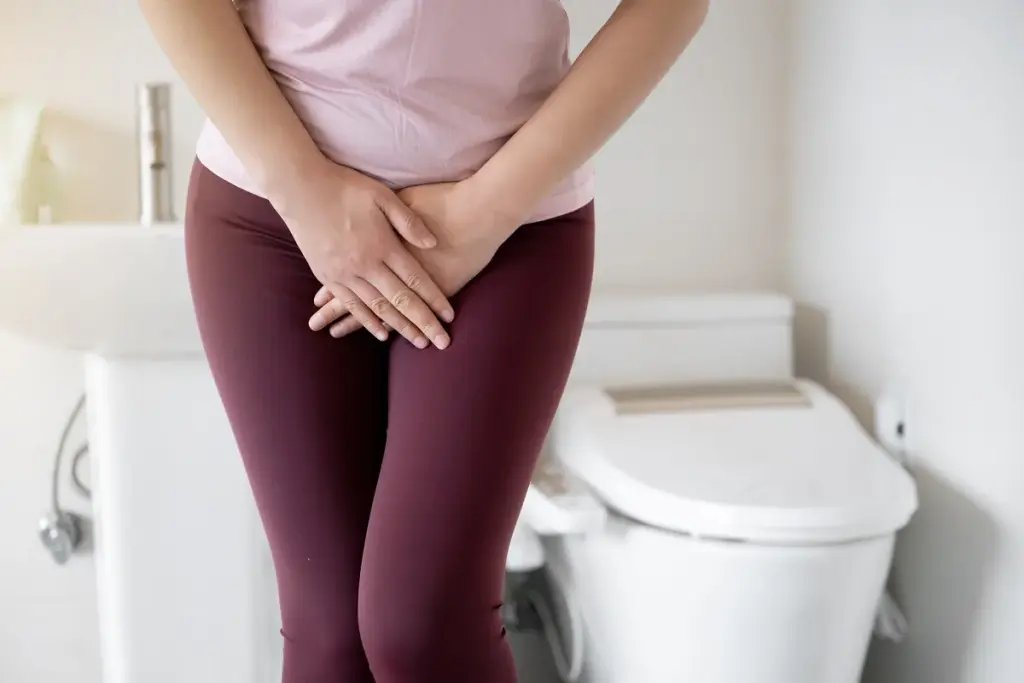
Incontinence can be very distressing. It’s important to know what it is and how to manage it. Incontinence is when you can’t control your bladder and urine leaks out. It’s a sign of a bigger problem that needs to be fixed.
What is Incontinence?
Incontinence means you can’t control your bladder, leading to urine leaks. These leaks can be small or a lot. Knowing what incontinence definition means is key to fixing it.
Leaking urine can happen for many reasons. It might be because your pelvic muscles are weak, you have a neurological disorder, or because of medication. Knowing why it happens helps find the right treatment.
Types of Incontinence
Incontinence comes in different forms, each with its own reasons and symptoms. The main types are:
- Stress Incontinence: This happens when activities like coughing or sneezing put pressure on your bladder.
- Urge Incontinence: It’s when you suddenly need to pee and can’t hold it. This is also called urge incontinence.
- Overflow Incontinence: This is when your bladder doesn’t empty fully, causing constant dribbling.
- Functional Incontinence: It’s when physical or mental issues stop you from getting to the bathroom on time.
- Mixed Incontinence: This is when you have symptoms of both stress and urge incontinence.
Common Symptoms
The symptoms of incontinence can differ a lot. They depend on the type and why it happens. Common signs include:
- Feeling a sudden need to pee
- Leaking urine when you’re active or at night
- Not being able to make it to the bathroom on time
- Having to pee a lot
Knowing these symptoms helps figure out what kind of incontinence you have. It’s the first step to managing it and improving your life.
Causes of Sudden Incontinence
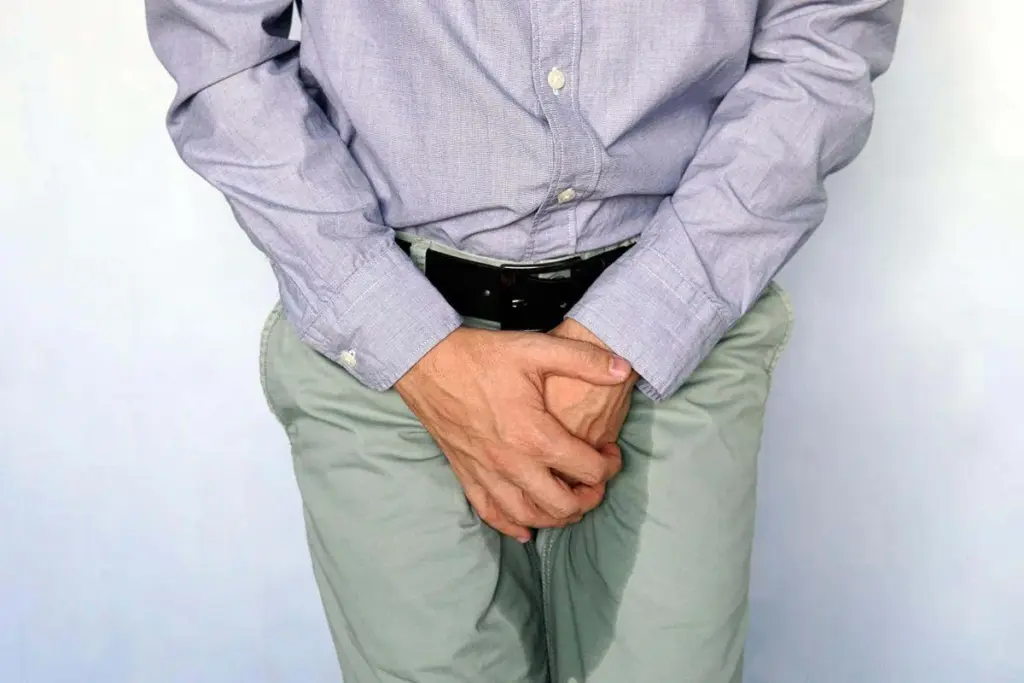
Incontinence can start suddenly, and knowing why it happens is important. It can be caused by age, health issues, and some medicines.
Age-Related Changes
As we get older, our bodies change in ways that can affect our bladder. Weakened pelvic floor muscles and decreased bladder elasticity are common. Also, older people might find it harder to get to the bathroom fast.
- Reduced muscle mass and strength
- Decreased bladder capacity
- Increased likelihood of chronic health conditions
Underlying Medical Conditions
Some health issues can lead to incontinence. For example, diabetes can harm the nerves that control the bladder. Neurological disorders like Parkinson’s disease can also affect bladder control. Even urinary tract infections (UTIs) can cause sudden incontinence.
- Diabetes and its impact on nerve function
- Neurological disorders affecting bladder control
- Urinary tract infections causing incontinence
Medications and Incontinence
Some medicines can cause incontinence as a side effect. Diuretics, for instance, can make you pee more often. Other drugs, like sedatives and some antidepressants, can also mess with bladder control.
- Diuretics and their effect on urine production
- Sedatives and their impact on response time to urination needs
- Certain antidepressants affecting bladder control
Emotional and Psychological Factors
Incontinence is closely linked to mental health and emotions. Tackling incontinence effectively requires addressing both emotional and psychological factors.
Stress and Anxiety
Stress and anxiety can make incontinence worse. When we’re stressed, our body’s “fight or flight” response kicks in, which can mess with our bladder control. Anxiety might also cause us to pee more often or have trouble peeing at all.
To fight stress-related incontinence, mindfulness and relaxation exercises can help. These methods can lower stress, which might ease some incontinence symptoms.
Impact of Trauma
Trauma, whether physical or emotional, can deeply affect our ability to control our bladder. For example, people who have been sexually abused might experience incontinence due to the emotional pain they carry.
Healthcare providers need to be kind and understanding when dealing with these cases. They should offer support and therapy that fits the person’s needs. Trauma-informed care is key in handling incontinence linked to trauma.
Mental Health Disorders
Mental health issues like depression and anxiety can both cause and result from incontinence. The emotional pain of incontinence can lead to or make mental health problems worse.
|
Mental Health Disorder |
Potential Link to Incontinence |
|---|---|
|
Depression |
Reduced motivation for self-care, including bladder habits |
|
Anxiety Disorders |
Increased frequency or urgency due to stress |
It’s vital to tackle mental health when dealing with incontinence. A good treatment plan might include therapy, medication, and lifestyle changes to tackle both the physical and emotional sides.
Lifestyle Factors Contributing to Incontinence
Lifestyle choices greatly affect incontinence. Diet, fluid intake, obesity, smoking, and alcohol use can make symptoms better or worse.
Diet and Fluid Intake
Diet and fluid intake are key in managing incontinence. Some foods and drinks can irritate the bladder, making symptoms worse. For example, caffeine and alcohol increase urine production, stressing the bladder. Spicy foods can also irritate the bladder, causing discomfort and urgency.
Eating a balanced diet with fiber helps prevent constipation, a factor in incontinence. Drinking enough water is also important to avoid concentrated urine, which irritates the bladder.
Obesity and Weight Management
Obesity is a big risk for incontinence because it adds pressure on the bladder and pelvic muscles. Studies show that losing a little weight can greatly improve symptoms.
Living a healthy lifestyle with a balanced diet and regular exercise can help manage weight and improve incontinence. This not only helps with bladder control but also boosts overall health.
Smoking and Alcohol Use
Smoking and drinking alcohol can also affect incontinence. Smoking causes chronic coughing, straining the pelvic floor. Alcohol irritates the bladder, leading to more frequent and urgent urination.
Stopping smoking and cutting down on alcohol can greatly help those with incontinence. These changes can reduce symptoms and improve health.
Impact of Childbirth on Incontinence
Childbirth changes a woman’s body in many ways, including her bladder control. Pregnancy, childbirth, and recovery can all affect how well a woman can control her bladder.
Pregnancy Changes
Pregnancy makes many changes in a woman’s body, some affecting bladder control. The growing uterus can press on the bladder, causing more trips to the bathroom. Hormonal changes also play a part, affecting the muscles and tissues around the bladder.
“The physical stresses of pregnancy can predispose women to incontinence,” notes a study on pregnancy-related incontinence. We know these changes can be tough, but knowing them is the first step to managing incontinence.
Labor and Delivery Effects
Labor and delivery can also affect bladder control. Vaginal delivery can strain the pelvic floor muscles, leading to incontinence. The severity of this impact can vary based on several factors, like the baby’s size and the length of labor.
- The strain on pelvic floor muscles during vaginal delivery.
- The possibility of nerve damage during labor.
- The effect of episiotomies or tears on continence.
Postpartum Recovery
Postpartum recovery is key for healing and regaining strength after childbirth. Many women first notice incontinence issues during this time. Pelvic floor exercises, such as Kegels, can help strengthen the muscles that support bladder control.
“Postpartum care should include guidance on managing and preventing incontinence,” emphasizes a healthcare provider. We suggest new mothers talk to their healthcare provider about bladder health for personalized advice.
Understanding the changes during pregnancy, childbirth, and recovery can help women manage incontinence. We’re here to support new mothers, providing the information and resources they need to stay healthy and well.
Menopause and Incontinence
Incontinence during menopause is more common than many women realize. It comes from hormonal and physical changes. As women age, they go through changes that can affect bladder control.
Hormonal Changes
One key factor is the drop in estrogen levels. Estrogen helps keep the pelvic muscles and tissues strong. This supports bladder control.
The decrease in estrogen can cause:
- Weakening of the urethral sphincter
- Thinning of the vaginal and urethral tissues
- Decreased bladder capacity
Pelvic Floor Weakness
Pelvic floor weakness is another big factor in incontinence during menopause. The pelvic floor muscles support the bladder, uterus, and bowel. When they weaken, bladder control can be lost.
Factors that contribute to pelvic floor weakness include:
- Age-related changes
- Previous childbirth
- Previous pelvic surgery
Treatment Options
Fortunately, there are many ways to manage incontinence during menopause. These include:
|
Treatment |
Description |
|---|---|
|
Hormone Replacement Therapy (HRT) |
Helps to restore estrogen levels, improving bladder control |
|
Pelvic Floor Exercises |
Strengthens the pelvic muscles, improving bladder support |
|
Lifestyle Modifications |
Includes dietary changes, bladder training, and managing fluid intake |
Women experiencing incontinence during menopause should talk to their healthcare provider. They can help find the best treatment.
Neurological Conditions and Incontinence
Some neurological conditions can mess with our bladder function, causing incontinence. These conditions affect the brain, spinal cord, and nerves. This can make it hard to control our bladder. We’ll look at how diseases like multiple sclerosis, Parkinson’s, and stroke can cause incontinence.
Multiple Sclerosis
Multiple sclerosis (MS) is a chronic disease that affects the central nervous system. It can cause a range of symptoms, including bladder problems. People with MS might feel urgency, frequency, or incontinence because of nerve damage.
Parkinson’s Disease
Parkinson’s disease mainly affects movement but can also cause urinary incontinence. This happens because the disease damages neurons that control the bladder. Symptoms include urgency, frequency, and nocturia.
Stroke and its Effects
A stroke happens when blood flow to the brain is cut off or reduced. This prevents brain tissue from getting oxygen and nutrients. Stroke can damage the brain areas that control the bladder, leading to incontinence. The impact and severity of incontinence depend on the stroke’s location and how severe it is.
Urinary Tract Infections (UTIs)
It’s important to know about UTIs because they can make incontinence symptoms worse. UTIs happen when bacteria get into the urinary tract. This can affect the bladder, kidneys, or urethra.
Identifying Symptoms
UTI symptoms can vary. You might feel a strong urge to pee, a burning feeling when you pee, or pee a lot but not much at a time. Women might also feel pelvic pain, and men might feel rectal pain.
The Link Between UTIs and Incontinence
UTIs can make incontinence symptoms worse. The irritation and inflammation in the urinary tract can cause an urgent need to pee. Sometimes, you might pee without meaning to. Treating the UTI is key to managing incontinence.
Prevention is Key
Preventing UTIs is vital for your urinary tract health and to avoid incontinence. Drink lots of water, pee when you need to, and keep clean. Some people find that probiotics and certain foods help prevent UTIs.
Learning about UTIs, their symptoms, and how they relate to incontinence helps. It lets you take steps to prevent and treat them. This can greatly improve your life quality.
Diagnostic Steps for Incontinence
To tackle incontinence, doctors use various tools and methods. They start by understanding the patient’s situation, finding the root cause, and picking the best treatment. This approach helps ensure the right care for each person.
Medical History and Physical Examination
The first step is a detailed medical history and physical check-up. We listen to the patient’s symptoms and health history. This helps us spot possible causes and decide on further tests.
A physical exam might include a pelvic check. This helps us see how strong the pelvic muscles are and if there are any issues. We also check the patient’s nerves, as some nerve problems can lead to incontinence.
Urine Tests and Imaging
Urine tests are key in diagnosing incontinence. We test the urine for infections, blood, or other problems. Imaging like ultrasound or X-rays might also be used to see the urinary tract and find any structural issues.
Some important urine tests are:
- Urinalysis to check for infection or blood
- Urine culture to find bacterial infections
- Post-void residual (PVR) test to measure urine left in the bladder
Urodynamic Testing
Urodynamic tests check how well the bladder and urethra work. They help us see how the lower urinary tract functions. This includes how well it fills and empties.
Some tests used are:
- Uroflowmetry: Measures urine flow rate
- Cystometry: Checks bladder pressure during filling
- Pressure flow study: Looks at bladder pressure during urination
By combining these test results, we get a full picture of the patient’s condition. This helps us create a treatment plan that fits their needs perfectly.
Treatment Options Available
Incontinence can be treated, with many options to fit different needs. We’ll look at treatments from simple lifestyle changes to more complex medical procedures.
Lifestyle Modifications
Making lifestyle changes can greatly help with incontinence. Dietary adjustments, like cutting down on caffeine and alcohol, can help. Also, pelvic floor exercises, such as Kegels, can strengthen muscles that help control the bladder.
Other changes include managing how much fluid you drink, keeping a healthy weight, and quitting smoking. These steps not only help with incontinence but also improve your overall health.
Medications
For some, medications can offer relief from incontinence. We might prescribe drugs to relax the bladder muscle or improve bladder control. It’s important to talk about the benefits and possible side effects with your doctor.
Medications are often helpful for those with overactive bladder or urge incontinence. They can reduce how often you need to go and how urgent it is. This can greatly improve your life quality.
Surgical Procedures
If lifestyle changes and medications don’t work, surgery might be an option. The type of surgery depends on the cause of incontinence. It can range from simple to complex procedures.
Some surgeries aim to improve bladder support or fix issues that cause incontinence. We’ll discuss the best surgical options with you, based on your condition and health.
Managing Incontinence Daily
Dealing with incontinence can be tough, but there are ways to manage it. It’s important to keep dignity and quality of life in mind. Here, we’ll look at practical strategies that can help a lot.
Absorbent Products
Choosing the right absorbent products is key. You can find pads, diapers, and protective underwear. The right choice depends on your incontinence type and what you prefer.
- Disposable Products: They’re easy to use and keep things clean. There are many types to choose from.
- Reusable Products: They’re good for the planet and can save money. Just remember to wash them after each use.
It’s important to pick products that are comfy and protect well. This helps avoid leaks and skin problems.
Scheduled Toileting
Scheduled toileting means going to the bathroom at set times. It helps prevent accidents by emptying the bladder before it’s too full.
- Keep a bladder diary to track when you go and when you leak.
- Use this diary to set a toileting schedule that works for you.
- Try to stick to your schedule, even when you’re out.
This method takes time and effort but can really work.
Pelvic Floor Exercises
Kegel exercises can strengthen the muscles around the bladder. This helps control bladder issues.
To do Kegel exercises:
- Find your pelvic floor muscles by stopping urine flow mid-stream.
- Hold these muscles for 5-10 seconds, then relax for the same time.
- Do this 10-15 times, three times a day.
Being consistent is important to see better bladder control.
|
Management Technique |
Description |
Benefits |
|---|---|---|
|
Absorbent Products |
Using pads, diapers, or protective underwear to absorb leakage. |
Provides protection against leaks, enhances confidence. |
|
Scheduled Toileting |
Establishing a regular bathroom schedule. |
Reduces frequency of accidents, improves bladder control. |
|
Pelvic Floor Exercises |
Strengthening muscles that support the bladder. |
Improves bladder control, reduces incontinence episodes. |
By using these daily management techniques, you can greatly improve your life with incontinence.
When to Seek Professional Help
Knowing when to get help for incontinence is key. We’ll show you the signs that mean it’s time to see a doctor.
Identifying Key Warning Signs
Look out for signs like constant or severe incontinence, painful pee, or UTIs that keep coming back. If you notice these, talk to your doctor right away.
Discussing Incontinence with Your Doctor
When you talk to your doctor, tell them all about your symptoms. Share when they started and what makes them better or worse. This helps your doctor find the cause and suggest the right treatment.
Finding the Right Specialist
Choosing the right specialist for incontinence might mean seeing a urologist or urogynecologist. Ask your primary care doctor for a referral to someone who can help you.
FAQ
What is urinary incontinence?
Urinary incontinence is when you can’t control your bladder. This means you might leak urine without meaning to. It can be mild or severe and is caused by many things, like getting older or health issues.
What are the different types of urinary incontinence?
There are a few types of urinary incontinence. Stress incontinence happens when you cough or laugh and leak. Urge incontinence is when you feel a strong need to pee and can’t hold it. Mixed incontinence is a mix of both, and overflow incontinence is when your bladder doesn’t empty fully.
Can childbirth cause urinary incontinence?
Yes, childbirth can lead to urinary incontinence in women. The pregnancy and birth can weaken the muscles in your pelvis. This can cause you to leak urine, either when you cough or laugh or when you feel a strong urge to pee.
How does menopause affect urinary incontinence?
Menopause can make urinary incontinence worse. Hormonal changes, like a drop in estrogen, can weaken the muscles in your pelvis. This makes it harder to control your bladder.
Can neurological conditions cause urinary incontinence?
Yes, some neurological conditions can cause urinary incontinence. Conditions like multiple sclerosis, Parkinson’s disease, and stroke can damage the nerves that control your bladder. This can lead to incontinence.
How are urinary tract infections (UTIs) related to urinary incontinence?
UTIs can make urinary incontinence worse. The infection can irritate your bladder. This can cause you to feel a strong need to pee and can lead to incontinence.
What diagnostic steps are taken to determine the cause of urinary incontinence?
To find out why you have urinary incontinence, doctors will ask about your medical history and do a physical exam. They might also do urine tests, imaging studies, and urodynamic testing. These steps help figure out what’s causing your incontinence.
What treatment options are available for urinary incontinence?
There are many ways to treat urinary incontinence. You might need to make lifestyle changes, like eating differently or doing pelvic floor exercises. You might also take medication or have surgery. The best treatment depends on why you have incontinence and how bad it is.
How can I manage urinary incontinence on a daily basis?
To manage urinary incontinence, you can use absorbent products and try to go to the bathroom at set times. Doing pelvic floor exercises can also help. These steps can improve your bladder control and make incontinence less of a problem in your daily life.
When should I seek professional help for urinary incontinence?
If you have persistent or severe urinary incontinence, you should see a doctor. They can find out why you have it and suggest treatments that work for you.
What lifestyle changes can help alleviate urinary incontinence?
Making healthy lifestyle choices can help with urinary incontinence. Staying at a healthy weight, quitting smoking, and drinking less can help. Avoiding foods and drinks that irritate your bladder, like caffeine and spicy foods, can also be helpful.
Can stress and anxiety contribute to urinary incontinence?
Yes, stress and anxiety can make urinary incontinence worse. Stress can make conditions like overactive bladder worse, leading to incontinence. Relaxation techniques, like deep breathing and meditation, can help manage stress and improve symptoms.
References
https://my.clevelandclinic.org/health/diseases/17596-urinary-incontinence