

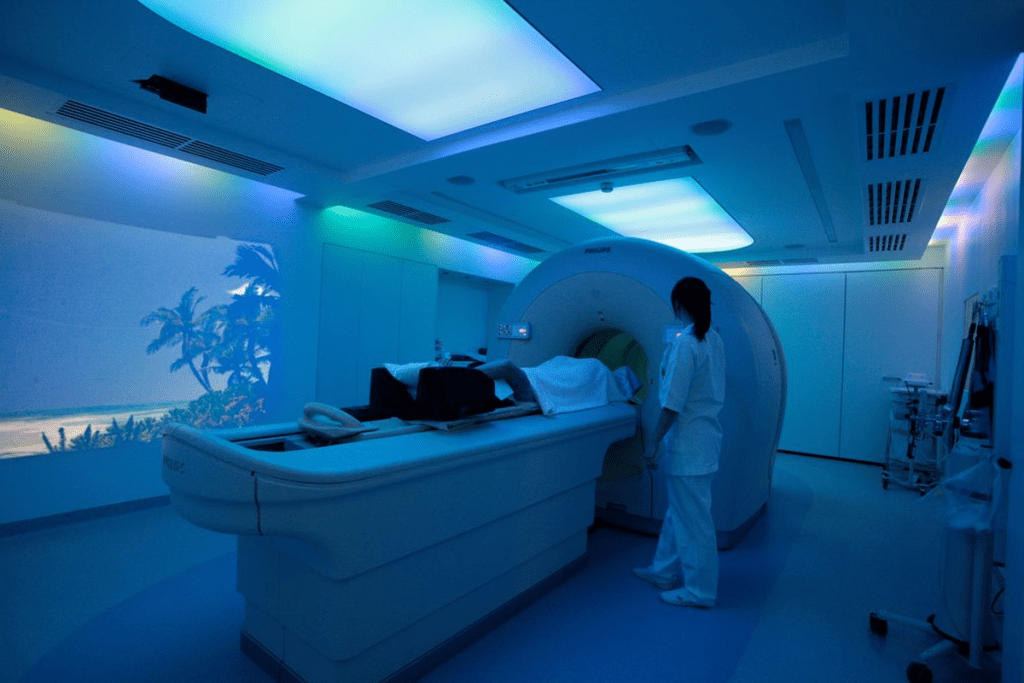
Did you know that over 100 million SPECT scans are done every year? They play a key role in infection imaging, helping doctors find and track many health issues, such as SPECT inflammation. A SPECT scan uses a tiny bit of radioactive tracer, showing where the body is most active, like in areas of inflammation or infection.
Learning about SPECT scans and infection imaging helps doctors. They can spot and treat inflammation better. This guide will show how SPECT scans find inflammation. It also talks about labeled WBC scans in medical use.
Key Takeaways
- SPECT scans can help detect signs of inflammation in the body.
- The technology uses a small amount of radioactive tracer to highlight areas of high metabolic activity.
- SPECT scans are valuable in diagnosing and monitoring conditions related to inflammation.
- Labeled WBC scans are a specific application of SPECT technology for detecting inflammation.
- Understanding SPECT scans can improve diagnosis and treatment of related medical conditions.
What SPECT Scanning Technology Entails
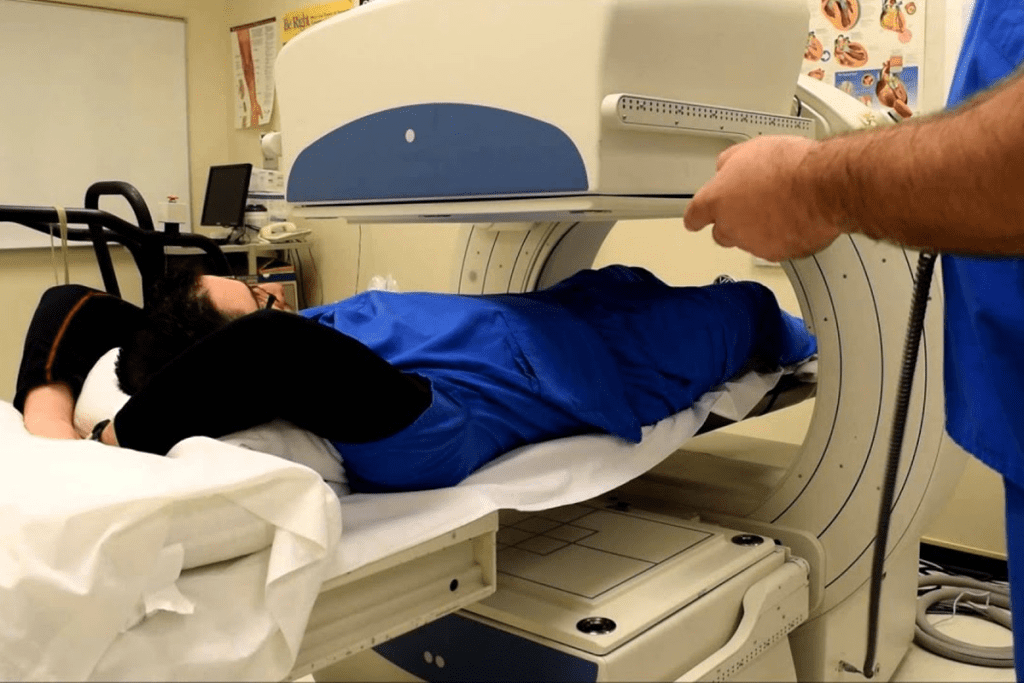
Single Photon Emission Computed Tomography, or SPECT, is a cutting-edge imaging method in nuclear medicine. It gives vital info on a patient’s body function. This makes it key for diagnosing and managing many health issues.
Definition and Basic Principles of SPECT
SPECT is a nuclear medicine imaging that uses tiny amounts of radioactive tracers. These tracers help diagnose and treat diseases like cancers, heart issues, and more. The SPECT technology detects gamma rays from these tracers, showing where they gather in the body.
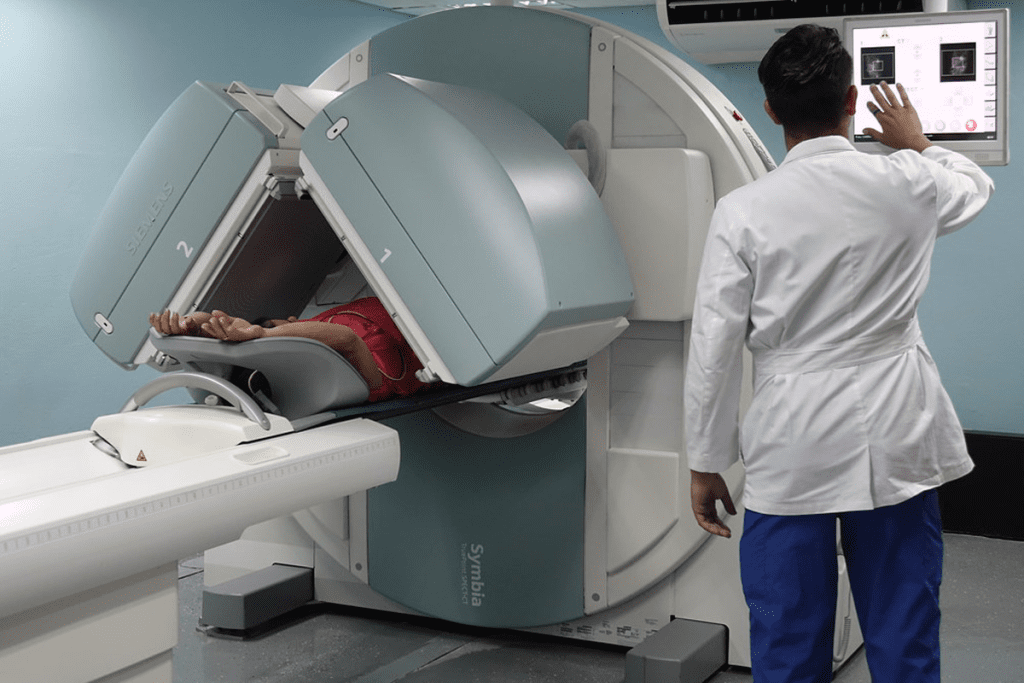
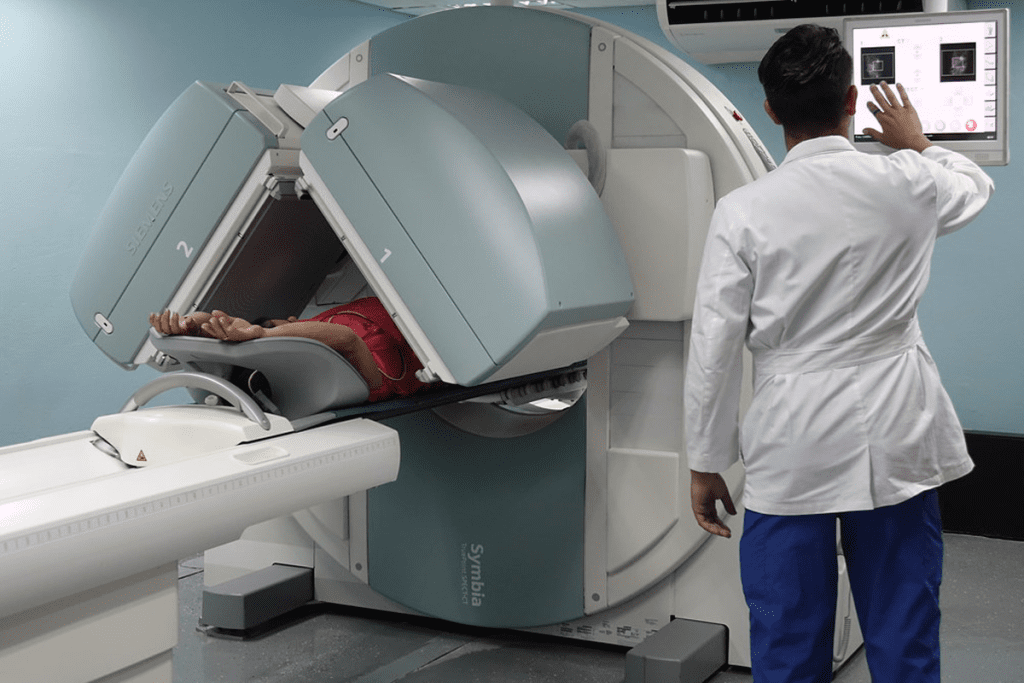
The core of SPECT is rotating a gamma camera around the patient to capture images from different angles. These images are then pieced together into a 3D view of the tracer’s location. This gives insights into the body’s function.
Historical Development of SPECT Technology
The history of SPECT technology began in the 1960s. Early systems couldn’t produce high-quality images and were mostly for brain scans. But, with new tech, today’s SPECT systems can image various body parts with better detail.
Over time, SPECT has seen better detectors, algorithms, and SPECT tracers for specific body processes. These changes have made SPECT a valuable tool in nuclear imaging.
Components of a SPECT Imaging System
A SPECT system has a gamma camera, a collimator, and a computer for image making. The gamma camera catches the gamma rays from the tracer. The collimator sharpens these rays for clearer images.
The computer is key in turning the gamma camera’s images into a 3D view of the tracer’s spread. Modern SPECT systems often pair with CT scans for better diagnosis.
The Science Behind SPECT Detection of Inflammation
SPECT can spot inflammation by tracking biochemical changes. Inflammation is a complex response involving cells and molecules. Knowing this helps us see how SPECT works for detecting inflammation.
Molecular Basis of Inflammatory Processes
Inflammation brings more blood flow and cell movement to the affected area. It starts with cytokines and chemokines release. These molecules help immune cells gather in the inflamed tissue.
The inflammatory process protects by removing damaged cells and starting repair. It involves neutrophils, macrophages, and lymphocytes. They work together through signaling molecules.
How SPECT Visualizes Inflammatory Responses
SPECT spots inflammation by using special tracers. These tracers bind to cells or molecules in inflamed areas. For example, some tracers go to active immune cells.
Choosing the right tracer is key for SPECT inflammation imaging. Different tracers highlight different parts of inflammation. This helps doctors understand the inflammation better.
Sensitivity Thresholds for Inflammation Detection
SPECT’s ability to find inflammation depends on the tracer, inflammation level, and scanner quality. It’s very good at finding inflammation, thanks to specific tracers.
Knowing the sensitivity thresholds is important for accurate SPECT image reading. It helps doctors make better decisions. New SPECT tech and tracers keep improving detection.
SPECT Tracers for Inflammation Imaging
Many SPECT tracers have been made to see inflammation. Each has its own features and uses. The right tracer depends on the inflammation type and what info is needed.
Technetium-99m Based Tracers
Technetium-99m (Tc) is a key radionuclide in SPECT imaging. It’s chosen for its good physical and chemical traits. Tc-labeled tracers are top picks for seeing inflammation because they’re very sensitive and specific.
Tc-hexamethylpropyleneamine oxime (Tc-HMPAO) labeled white blood cells (WBCs) help spot infections and inflammation.
The benefits of Tc-based tracers include:
- High accuracy in diagnosis
- Quick imaging
- Low radiation exposure
Indium-111 Compounds for Inflammation
Indium-111 (In) is also used for labeling WBCs in SPECT imaging. In-oxine labeled WBCs are great for finding chronic infections and inflammation. In’s longer half-life lets for delayed imaging, which is useful in some cases.
| Tracer | Application | Advantages |
| Tc-HMPAO WBC | Acute infection and inflammation | High sensitivity, rapid imaging |
| In-oxine WBC | Chronic infection and inflammation | Longer half-life, suitable for delayed imaging |
Emerging Tracer Technologies
New SPECT tracers are being developed to better target inflammation. These aim to improve accuracy and give more detailed info on inflammation. They might bind to specific inflammatory cells or molecules, leading to more precise imaging.
New SPECT tracers will likely make SPECT imaging better for managing inflammation. They’ll give doctors more useful info to help decide treatments.
Labeled White Blood Cell Scans: Gold Standard for Infection Detection
Labeled WBC scans are top-notch for finding infections. They work by marking a patient’s white blood cells with a radioactive tracer. This tracer goes to infection spots, making it easy to see them.
The Labeling Process and Methodology
To start, white blood cells are taken from a patient’s blood. They are mixed with a radioactive tracer, like Technetium-99m or Indium-111. This makes the cells glow.
After being marked, the cells go back into the patient. They head to infection sites, where they pile up. This lets doctors see infections with SPECT imaging.
Clinical Indications for Labeled WBC SPECT
This scan is great for finding infections in different parts of the body. It’s good for spotting osteomyelitis, prosthetic joint infections, and intra-abdominal infections. It’s also helpful when a patient has fever of unknown origin.
The scan shows where infections are and how big they are. This helps doctors decide how to treat patients and if antibiotics are working.
Interpretation Criteria and Challenges
Reading labeled WBC SPECT images needs a lot of thought. Doctors must think about the patient’s situation and compare with other scans. They look at how much tracer is used and where it goes.
It can be hard to tell if it’s an infection or something else causing inflammation. Doctors also have to watch out for fake signs that might look like infections. They need to use their knowledge and the scan’s results to make the right call.
Gallium-67 SPECT Imaging for Inflammatory Conditions
Gallium-67 SPECT imaging is a key tool for spotting inflammatory conditions. It uses Gallium-67, a radioactive tracer that gathers in inflamed areas. This lets doctors see these areas clearly.
Mechanism of Gallium Uptake in Inflammation
Gallium-67’s way of getting to inflamed spots is quite complex. It binds to transferrin, a protein that cells in the inflammation process take up. This makes Gallium-67 show up in SPECT images of inflamed areas.
Specific Applications in Inflammatory Diseases
Gallium-67 SPECT imaging shines in diagnosing diseases like sarcoidosis and some infections. It’s great at showing where inflammation is, helping doctors manage these conditions better.
Advantages and Limitations Compared to Other Tracers
Gallium-67 has some big pluses, like being good at finding certain inflammatory lesions. But, it has downsides too. It’s not as sensitive for all conditions and gives more radiation than some other tracers.
In summary, Gallium-67 SPECT imaging is a top choice for diagnosing some inflammatory diseases. Its special way of working and its uses in specific conditions make it a valuable asset in nuclear medicine.
Bone SPECT Imaging: Detecting Inflammatory Bone Disorders
Bone SPECT imaging helps find inflammatory bone disorders by looking at how the tracer is taken up. This method is great for diagnosing conditions like osteomyelitis.
Characteristic Uptake Patterns in Osteomyelitis
Osteomyelitis, a bone infection, is hard to spot with regular imaging. Bone SPECT imaging shows where the tracer goes in the infected bone. This helps find the infection.
Key Features of Osteomyelitis on Bone SPECT:
- Increased tracer uptake in the affected bone
- Localization of the infection to specific areas
- Assessment of the extent of bone involvement
Differentiating Aseptic vs. Septic Inflammation
Telling aseptic from septic inflammation is key for treatment. Bone SPECT imaging helps by looking at the tracer’s pattern and how much it’s taken up.
| Characteristics | Aseptic Inflammation | Septic Inflammation |
| Tracer Uptake Pattern | Diffuse uptake | Focal intense uptake |
| Intensity of Uptake | Moderate | High |
| Clinical Context | Often associated with trauma or surgery | Typically associated with infection |
Three-Phase Bone Scanning Techniques
Three-phase bone scanning is used in Bone SPECT imaging. It looks at bone perfusion, blood pool, and metabolism at different times after the tracer is given.
Phases of Bone Scanning:
- Perfusion phase (immediate post-injection)
- Blood pool phase (shortly after injection)
- Delayed phase (several hours post-injection)
By looking at these phases, doctors can understand the bone’s condition and the inflammation’s nature.
Infection Imaging: Comprehensive Approaches Using SPECT
SPECT imaging for infections means picking the right method for each case. This way, doctors can spot and treat infections more accurately.
Protocol Selection Based on Suspected Infection Type
The SPECT method chosen depends on the infection type. For example, Technetium-99m is used for general infections. Indium-111 is better for finding abscesses.
- Technetium-99m labeled tracers are often chosen because they’re easy to get and work well.
- Indium-111 labeled white blood cells are best for infections in places like the belly.
- Gallium-67 is used for infections that might be inflammatory.
Quantitative Analysis Methods
Quantitative analysis in SPECT infection imaging means measuring the tracer uptake. This is done through:
- Standardized Uptake Values (SUV) to measure tracer uptake.
- Region of Interest (ROI) analysis to compare different areas.
These methods help figure out how severe the infection is and if treatment is working.
Diagnostic Accuracy Statistics
Many studies show SPECT’s good accuracy in infection imaging. Key stats include:
- Sensitivity: SPECT’s ability to find infections correctly.
- Specificity: SPECT’s ability to rule out infections correctly.
- Accuracy: SPECT’s overall correct diagnoses.
These numbers change based on the tracer and the infection type.
SPECT/CT Fusion Technology: Revolutionizing Inflammation Localization
SPECT/CT fusion technology is a big leap in finding where inflammation is happening. It combines SPECT’s functional info with CT’s detailed body maps. This mix gives a full view of inflammation.
Technical Aspects of Hybrid Imaging
The tech behind SPECT/CT fusion is complex. It uses special software and hardware to line up SPECT and CT images perfectly. This is key for pinpointing inflammation, linking it to specific body parts.
The main tech features of SPECT/CT fusion are:
- Image Registration: Advanced algorithms make sure SPECT and CT images match up right.
- Hybrid Imaging Protocols: Special setups help get the best SPECT and CT data.
- Image Reconstruction: New methods improve image clarity and detail.
Impact on Patient Management Decisions
SPECT/CT fusion changes how doctors manage patients, mainly in finding inflammation. It gives clear body maps and function info. This helps doctors:
- Pinpoint and diagnose inflammation accurately.
- Plan treatments that target the inflammation well.
- Check if treatments are working over time.
Using SPECT/CT fusion in imaging is a big step up in caring for patients. It offers a deeper look at inflammation and helps in better treatment plans.
Comparative Analysis: SPECT vs. Other Inflammation Imaging Modalities
SPECT is one of several imaging methods used to see inflammation. It’s compared to PET and MRI, each with its own strengths. The right choice depends on the condition, how accurate it needs to be, and what’s available.
SPECT vs. PET: Sensitivity and Specificity Comparison
SPECT and PET are both used for seeing inflammation. PET is better at showing details, but SPECT is cheaper and easier to get. SPECT is often chosen for infections and inflammation because it can use more types of drugs.
| Modality | Sensitivity | Specificity | Cost |
| SPECT | High | Moderate | Moderate |
| PET | Very High | High | High |
SPECT vs. MRI for Inflammatory Disease Assessment
MRI is great for seeing soft tissues, which is good for some inflammation. But SPECT is better for finding specific inflammation, thanks to targeted drugs. The choice between SPECT and MRI depends on where and what kind of inflammation is suspected.
SPECT vs. Conventional Radiography and Ultrasound
Conventional radiography and ultrasound are cheaper and easier to get than SPECT. But they can’t show the metabolic activity of inflammation like SPECT can. SPECT gives functional info that’s key for diagnosing and treating inflammation.
In summary, SPECT is special because it balances sensitivity, specificity, and cost. Knowing the good and bad of each imaging method is key for the best care.
Clinical Applications of SPECT in Specific Inflammatory Diseases
SPECT scanning is a key tool in diagnosing inflammatory diseases. It shows how the body works, helping doctors understand inflammation better.
Rheumatoid Arthritis and Spondyloarthropathies
Rheumatoid arthritis (RA) is a chronic disease that harms joints. It causes inflammation and can damage joints severely. SPECT imaging helps doctors see how much inflammation is in RA. This helps them check if treatments are working.
| Condition | SPECT Findings | Clinical Utility |
| Rheumatoid Arthritis | Increased uptake in affected joints | Monitoring disease activity and treatment response |
| Spondyloarthropathies | Uptake in sacroiliac joints and spine | Assessing disease extent and activity |
Inflammatory Bowel Disease Evaluation
Inflammatory bowel disease (IBD) includes Crohn’s disease and ulcerative colitis. It causes long-term inflammation in the gut. SPECT helps doctors see how bad the inflammation is in IBD. It uses labeled white blood cells to find active inflammation.
- Advantages: High sensitivity for detecting active inflammation
- Limitations: May not provide detailed anatomical information
Vascular Inflammation and Vasculitis
Vasculitis is inflammation of blood vessels. It can cause serious problems if not treated right. SPECT imaging, with the right tracers, helps find vascular inflammation. This is key for diagnosing large vessel vasculitis.
Clinical Application: SPECT helps doctors decide on treatments by showing how bad the inflammation is.
| Disease | SPECT Tracer Used | Information Provided |
| Vasculitis | Ga or labeled WBC | Extent and severity of vascular inflammation |
| Large Vessel Vasculitis | F-FDG (in PET, but relevant for comparison) | Activity and extent of inflammation in large vessels |
SPECT in Diagnosing Complex Infectious Conditions
Complex infections need precise diagnosis, and SPECT imaging is key. It gives detailed info on the body’s processes. This makes it great for finding infections that are hard to spot with other methods.
Diagnosing infections like prosthetic joint infections, diabetic foot infections, and endocarditis needs a mix of clinical checks and advanced imaging. SPECT shines by showing where inflammation or infection is.
Prosthetic Joint and Implant Infections
Prosthetic joint infections are serious and need quick, accurate diagnosis. SPECT imaging finds these infections by spotting areas with more tracer uptake. This shows inflammation or infection.
Labeled white blood cell (WBC) SPECT scans are very good at finding these infections. They label the patient’s white blood cells with a radioactive tracer. This makes infected areas show up on the SPECT images.
Diabetic Foot Infections
Diabetic foot infections are a big problem for people with diabetes. They need detailed imaging to see how far the infection has spread. SPECT imaging helps find and measure these infections, helping doctors decide on treatment.
Using SPECT with other tests makes it even better at finding diabetic foot infections. The info from SPECT scans is key for planning surgery or deciding if amputation is needed.
Endocarditis and Cardiovascular Infections
Endocarditis is a serious heart valve infection that needs fast diagnosis and treatment. SPECT imaging can spot endocarditis, even when echocardiography is unsure.
SPECT finds heart tissue inflammation by using special tracers. These tracers build up in infected or inflamed areas.
| Infection Type | SPECT Imaging Application | Diagnostic Benefit |
| Prosthetic Joint Infections | Labeled WBC SPECT scans | Accurate detection of infection around prosthetic joints |
| Diabetic Foot Infections | SPECT imaging with tracers | Detailed assessment of infection extent |
| Endocarditis | SPECT with specific tracers | Detection of inflammatory changes in heart tissue |
Limitations and Challenges in SPECT Inflammation Assessment
SPECT imaging has its technical and interpretative challenges. It’s a valuable tool for diagnosing and managing inflammation. But, understanding its limitations is key for accurate interpretation and effective patient care.
Technical Limitations and Artifacts
SPECT imaging faces various technical challenges and artifacts. One major issue is its lower resolution compared to MRI or CT scans. This can make it hard to spot small inflammation areas or precisely locate inflammatory processes.
Another big challenge is artifacts from patient movement, attenuation, or scatter radiation. These can lead to misreading SPECT images. This might result in wrong diagnoses or the need for more imaging studies.
| Technical Limitation | Description | Impact on SPECT Imaging |
| Lower Resolution | Compared to MRI or CT, SPECT images have lower spatial resolution. | Difficulty in detecting small inflammatory areas. |
| Patient Movement | Movement during the scan can cause artifacts. | Potential for misinterpretation. |
| Attenuation and Scatter | Photon attenuation and scatter radiation can affect image quality. | Reduced diagnostic accuracy. |
Interpretation Pitfalls and Solutions
Interpreting SPECT images for inflammation needs a deep understanding. It requires knowledge of the pathology, imaging capabilities, and pitfalls. A common mistake is thinking tracer uptake is due to inflammation when it’s not.
“Accurate interpretation of SPECT images requires a deep understanding of the clinical context and possible false positives or negatives.”
Expert Opinion
To overcome these challenges, a multidisciplinary approach is essential. Radiologists, nuclear medicine specialists, and clinicians should work together. Using advanced image processing and hybrid imaging like SPECT/CT can also improve accuracy by better locating inflammation.
By facing and solving SPECT’s technical and interpretative challenges, healthcare providers can better use this tool. This will lead to better patient outcomes.
Patient Experience: Preparation and Procedure for Inflammatory SPECT Scans
Getting ready for a SPECT scan is important for patients. Knowing what to expect can make the experience better.
Pre-Scan Patient Instructions and Considerations
Before a SPECT scan, patients get specific instructions. It’s important to follow these steps to avoid problems or extra scans.
- Patients might need to skip certain medicines or foods that could mess with the scan.
- Telling your doctor about any allergies or sensitivities to the tracer is key.
- Wear comfy clothes without metal, as it can mess with the scan.
Arriving early is a good idea to fill out paperwork and ask any last-minute questions.
Step-by-Step Procedure Description
The SPECT scan process has several steps:
- A small amount of radioactive tracer is injected, which goes to inflamed areas.
- After a wait, the patient lies on a table that slides into the scanner.
- The scanner moves around the patient, taking images from different angles.
- The whole thing takes about 30 to 60 minutes, and you need to stay very quiet.
Post-Scan Care and Follow-up
After the scan, patients can usually go back to their normal day right away. The tracer is safe and will leave your body over time.
| Post-Scan Instructions | Follow-up |
| Drink lots of water to help get rid of the tracer. | You might need to come back for a talk about the scan results. |
| Go back to your usual activities unless told not to. | Results could be ready soon after the scan or a few days later. |
By knowing the steps and following the instructions, patients can have a better SPECT scan experience.
Emerging Innovations in SPECT Inflammation Imaging
SPECT inflammation imaging is changing fast. New radiopharmaceuticals and artificial intelligence are making it better. These changes help find inflammation more accurately and effectively.
Novel Radiopharmaceuticals Under Development
New radiopharmaceuticals are being made. They are better at finding inflammation. These tracers target specific parts of the inflammatory process, giving doctors more precise info.
Examples of Novel Radiopharmaceuticals:
- Technetium-99m labeled compounds with better binding to inflammatory cells
- Indium-111 labeled antibodies that target specific inflammatory markers
- Fluorine-18 labeled tracers for hybrid SPECT/PET imaging
| Radiopharmaceutical | Target | Advantages |
| Technetium-99m labeled compounds | Inflammatory cells | High sensitivity, widely available |
| Indium-111 labeled antibodies | Specific inflammatory markers | High specificity, useful for chronic inflammation |
| Fluorine-18 labeled tracers | Various inflammatory processes | Potential for hybrid imaging, high resolution |
Advanced Detector Technologies
New detector technologies are key in improving SPECT imaging. Better materials and designs make SPECT systems more sensitive and precise. This helps find inflammation more accurately.
Artificial Intelligence Applications in Image Interpretation
Artificial intelligence (AI) is being used more in SPECT image analysis. AI can make diagnoses more accurate and efficient. It helps measure inflammation, spot patterns, and reduce interpretation errors.
Benefits of AI in SPECT Inflammation Imaging:
- Enhanced diagnostic accuracy through quantitative analysis
- Improved consistency in image interpretation
- Potential for integrating clinical data for more informed decision-making
Conclusion
SPECT inflammation imaging is key in finding and treating different inflammatory conditions and infections. It shows specific molecular processes, helping doctors understand the problem better. This leads to better treatment choices.
The use of SPECT tracers like technetium-99m and indium-111 has made imaging more accurate. Hybrid imaging, such as SPECT/CT, adds to this by showing exactly where problems are in the body.
In short, SPECT is essential for imaging inflammation and infections. It has many uses in medicine and will likely get even better with new research and technology. This will help doctors detect and treat inflammatory diseases more effectively.
FAQ
What is a SPECT scan and how does it detect inflammation?
A SPECT scan is a way to see inflammation in the body. It uses a special kind of imaging that shows where a radioactive tracer goes. This helps doctors find and understand inflammatory diseases.
What are the common tracers used in SPECT scans for inflammation imaging?
For SPECT scans, doctors often use Technetium-99m, Indium-111, and Gallium-67. These tracers light up areas where there’s inflammation. This makes it easier to see where the inflammation is.
How does a labeled WBC scan work in detecting infection?
A labeled WBC scan works by tagging a patient’s white blood cells with a radioactive tracer. Then, these tagged cells are put back into the body. They go to areas with infections, helping doctors find and treat them.
What is the role of Gallium-67 in SPECT imaging for inflammatory conditions?
Gallium-67 is a key tool in SPECT imaging for finding inflammation. It lights up areas with infections or certain tumors. This helps doctors see where the inflammation is.
How does Bone SPECT imaging help in detecting inflammatory bone disorders?
Bone SPECT imaging is great for finding bone disorders like osteomyelitis. It shows where the tracer goes in the bone. This helps doctors tell if the inflammation is from an infection or not.
What are the advantages of using SPECT/CT fusion technology in inflammation imaging?
SPECT/CT fusion technology combines SPECT’s function with CT’s anatomy. This makes it easier to find inflammation and improves diagnosis. It’s a big help in managing patient care.
How does SPECT compare to other imaging modalities like PET and MRI in assessing inflammatory diseases?
SPECT is compared to PET and MRI for its ability to find inflammation. Each has its own strengths and weaknesses. But SPECT is valuable because it can find specific tracers and is more affordable.
What are the clinical applications of SPECT in specific inflammatory diseases?
SPECT is used in many inflammatory diseases like rheumatoid arthritis and inflammatory bowel disease. It helps doctors diagnose and manage these conditions.
What are the limitations and challenges associated with SPECT in assessing inflammation?
SPECT has some challenges like technical issues and hard-to-read images. But, new technology and better training can help solve these problems.
How can patients prepare for an inflammatory SPECT scan?
Patients should follow certain steps before a SPECT scan. This includes eating right and taking the right medicine. Knowing what to expect and how to care for yourself after the scan helps too.
What emerging innovations are being developed in SPECT inflammation imaging?
New things are coming in SPECT imaging like better tracers and detectors. Artificial intelligence is also being used to make images clearer. These changes aim to make SPECT even better at finding inflammation.
References
Szigeti, K., Horváth, I., Veres, D. S., & Martinecz, B. (2015). A novel SPECT-based approach reveals early mechanisms of central and peripheral inflammation after cerebral ischemia. Scientific Reports. https://pmc.ncbi.nlm.nih.gov/articles/PMC4671129/
Love, C., Tomas, M. B., & Palestro, C. J. (2018). SPECT/CT for infection and inflammation. In Nuclear Medicine Annual (pp. 301-326).
Modabber, A., et al. (2020). Evaluation of SPECT/CT in the assessment of inflammatory jaw pathologies. Journal of Cranio-Maxillofacial Surgery, 48(9), 820-825. https://www.sciencedirect.com/science/article/abs/pii/S0720048X20301066
Did you know that over 100 million SPECT scans are done every year? They help find and track many health issues, like spect inflammation?
A SPECT scan uses a tiny bit of radioactive tracer. It shows where the body is most active, like in inflammation.
Learning about SPECT scans and infection imaging helps doctors. They can spot and treat inflammation better. This guide will show how SPECT scans find inflammation. It also talks about labeled WBC scans in medical use.
Key Takeaways
- SPECT scans can help detect signs of inflammation in the body.
- The technology uses a small amount of radioactive tracer to highlight areas of high metabolic activity.
- SPECT scans are valuable in diagnosing and monitoring conditions related to inflammation.
- Labeled WBC scans are a specific application of SPECT technology for detecting inflammation.
- Understanding SPECT scans can improve diagnosis and treatment of related medical conditions.
What SPECT Scanning Technology Entails
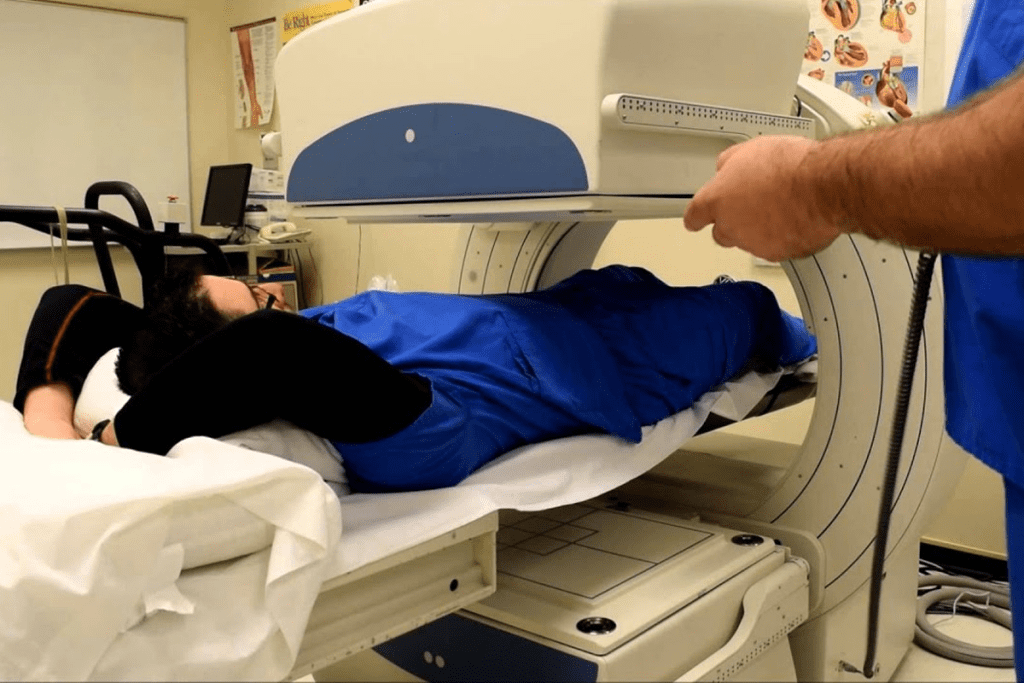
Single Photon Emission Computed Tomography, or SPECT, is a cutting-edge imaging method in nuclear medicine. It gives vital info on a patient’s body function. This makes it key for diagnosing and managing many health issues.
Definition and Basic Principles of SPECT
SPECT is a nuclear medicine imaging that uses tiny amounts of radioactive tracers. These tracers help diagnose and treat diseases like cancers, heart issues, and more. The SPECT technology detects gamma rays from these tracers, showing where they gather in the body.
The core of SPECT is rotating a gamma camera around the patient to capture images from different angles. These images are then pieced together into a 3D view of the tracer’s location. This gives insights into the body’s function.
Historical Development of SPECT Technology
The history of SPECT technology began in the 1960s. Early systems couldn’t produce high-quality images and were mostly for brain scans. But, with new tech, today’s SPECT systems can image various body parts with better detail.
Over time, SPECT has seen better detectors, algorithms, and SPECT tracers for specific body processes. These changes have made SPECT a valuable tool in nuclear imaging.
Components of a SPECT Imaging System
A SPECT system has a gamma camera, a collimator, and a computer for image making. The gamma camera catches the gamma rays from the tracer. The collimator sharpens these rays for clearer images.
The computer is key in turning the gamma camera’s images into a 3D view of the tracer’s spread. Modern SPECT systems often pair with CT scans for better diagnosis.
The Science Behind SPECT Detection of Inflammation
SPECT can spot inflammation by tracking biochemical changes. Inflammation is a complex response involving cells and molecules. Knowing this helps us see how SPECT works for detecting inflammation.
Molecular Basis of Inflammatory Processes
Inflammation brings more blood flow and cell movement to the affected area. It starts with cytokines and chemokines release. These molecules help immune cells gather in the inflamed tissue.
The inflammatory process protects by removing damaged cells and starting repair. It involves neutrophils, macrophages, and lymphocytes. They work together through signaling molecules.
How SPECT Visualizes Inflammatory Responses
SPECT spots inflammation by using special tracers. These tracers bind to cells or molecules in inflamed areas. For example, some tracers go to active immune cells.
Choosing the right tracer is key for SPECT inflammation imaging. Different tracers highlight different parts of inflammation. This helps doctors understand the inflammation better.
Sensitivity Thresholds for Inflammation Detection
SPECT’s ability to find inflammation depends on the tracer, inflammation level, and scanner quality. It’s very good at finding inflammation, thanks to specific tracers.
Knowing the sensitivity thresholds is important for accurate SPECT image reading. It helps doctors make better decisions. New SPECT tech and tracers keep improving detection.
SPECT Tracers for Inflammation Imaging
Many SPECT tracers have been made to see inflammation. Each has its own features and uses. The right tracer depends on the inflammation type and what info is needed.
Technetium-99m Based Tracers
Technetium-99m (Tc) is a key radionuclide in SPECT imaging. It’s chosen for its good physical and chemical traits. Tc-labeled tracers are top picks for seeing inflammation because they’re very sensitive and specific.
Tc-hexamethylpropyleneamine oxime (Tc-HMPAO) labeled white blood cells (WBCs) help spot infections and inflammation.
The benefits of Tc-based tracers include:
- High accuracy in diagnosis
- Quick imaging
- Low radiation exposure
Indium-111 Compounds for Inflammation
Indium-111 (In) is also used for labeling WBCs in SPECT imaging. In-oxine labeled WBCs are great for finding chronic infections and inflammation. In’s longer half-life lets for delayed imaging, which is useful in some cases.
| Tracer | Application | Advantages |
| Tc-HMPAO WBC | Acute infection and inflammation | High sensitivity, rapid imaging |
| In-oxine WBC | Chronic infection and inflammation | Longer half-life, suitable for delayed imaging |
Emerging Tracer Technologies
New SPECT tracers are being developed to better target inflammation. These aim to improve accuracy and give more detailed info on inflammation. They might bind to specific inflammatory cells or molecules, leading to more precise imaging.
New SPECT tracers will likely make SPECT imaging better for managing inflammation. They’ll give doctors more useful info to help decide treatments.
Labeled White Blood Cell Scans: Gold Standard for Infection Detection
Labeled WBC scans are top-notch for finding infections. They work by marking a patient’s white blood cells with a radioactive tracer. This tracer goes to infection spots, making it easy to see them.
The Labeling Process and Methodology
To start, white blood cells are taken from a patient’s blood. They are mixed with a radioactive tracer, like Technetium-99m or Indium-111. This makes the cells glow.
After being marked, the cells go back into the patient. They head to infection sites, where they pile up. This lets doctors see infections with SPECT imaging.
Clinical Indications for Labeled WBC SPECT
This scan is great for finding infections in different parts of the body. It’s good for spotting osteomyelitis, prosthetic joint infections, and intra-abdominal infections. It’s also helpful when a patient has fever of unknown origin.
The scan shows where infections are and how big they are. This helps doctors decide how to treat patients and if antibiotics are working.
Interpretation Criteria and Challenges
Reading labeled WBC SPECT images needs a lot of thought. Doctors must think about the patient’s situation and compare with other scans. They look at how much tracer is used and where it goes.
It can be hard to tell if it’s an infection or something else causing inflammation. Doctors also have to watch out for fake signs that might look like infections. They need to use their knowledge and the scan’s results to make the right call.
Gallium-67 SPECT Imaging for Inflammatory Conditions
Gallium-67 SPECT imaging is a key tool for spotting inflammatory conditions. It uses Gallium-67, a radioactive tracer that gathers in inflamed areas. This lets doctors see these areas clearly.
Mechanism of Gallium Uptake in Inflammation
Gallium-67’s way of getting to inflamed spots is quite complex. It binds to transferrin, a protein that cells in the inflammation process take up. This makes Gallium-67 show up in SPECT images of inflamed areas.
Specific Applications in Inflammatory Diseases
Gallium-67 SPECT imaging shines in diagnosing diseases like sarcoidosis and some infections. It’s great at showing where inflammation is, helping doctors manage these conditions better.
Advantages and Limitations Compared to Other Tracers
Gallium-67 has some big pluses, like being good at finding certain inflammatory lesions. But, it has downsides too. It’s not as sensitive for all conditions and gives more radiation than some other tracers.
In summary, Gallium-67 SPECT imaging is a top choice for diagnosing some inflammatory diseases. Its special way of working and its uses in specific conditions make it a valuable asset in nuclear medicine.
Bone SPECT Imaging: Detecting Inflammatory Bone Disorders
Bone SPECT imaging helps find inflammatory bone disorders by looking at how the tracer is taken up. This method is great for diagnosing conditions like osteomyelitis.
Characteristic Uptake Patterns in Osteomyelitis
Osteomyelitis, a bone infection, is hard to spot with regular imaging. Bone SPECT imaging shows where the tracer goes in the infected bone. This helps find the infection.
Key Features of Osteomyelitis on Bone SPECT:
- Increased tracer uptake in the affected bone
- Localization of the infection to specific areas
- Assessment of the extent of bone involvement
Differentiating Aseptic vs. Septic Inflammation
Telling aseptic from septic inflammation is key for treatment. Bone SPECT imaging helps by looking at the tracer’s pattern and how much it’s taken up.
| Characteristics | Aseptic Inflammation | Septic Inflammation |
| Tracer Uptake Pattern | Diffuse uptake | Focal intense uptake |
| Intensity of Uptake | Moderate | High |
| Clinical Context | Often associated with trauma or surgery | Typically associated with infection |
Three-Phase Bone Scanning Techniques
Three-phase bone scanning is used in Bone SPECT imaging. It looks at bone perfusion, blood pool, and metabolism at different times after the tracer is given.
Phases of Bone Scanning:
- Perfusion phase (immediate post-injection)
- Blood pool phase (shortly after injection)
- Delayed phase (several hours post-injection)
By looking at these phases, doctors can understand the bone’s condition and the inflammation’s nature.
Infection Imaging: Comprehensive Approaches Using SPECT
SPECT imaging for infections means picking the right method for each case. This way, doctors can spot and treat infections more accurately.
Protocol Selection Based on Suspected Infection Type
The SPECT method chosen depends on the infection type. For example, Technetium-99m is used for general infections. Indium-111 is better for finding abscesses.
- Technetium-99m labeled tracers are often chosen because they’re easy to get and work well.
- Indium-111 labeled white blood cells are best for infections in places like the belly.
- Gallium-67 is used for infections that might be inflammatory.
Quantitative Analysis Methods
Quantitative analysis in SPECT infection imaging means measuring the tracer uptake. This is done through:
- Standardized Uptake Values (SUV) to measure tracer uptake.
- Region of Interest (ROI) analysis to compare different areas.
These methods help figure out how severe the infection is and if treatment is working.
Diagnostic Accuracy Statistics
Many studies show SPECT’s good accuracy in infection imaging. Key stats include:
- Sensitivity: SPECT’s ability to find infections correctly.
- Specificity: SPECT’s ability to rule out infections correctly.
- Accuracy: SPECT’s overall correct diagnoses.
These numbers change based on the tracer and the infection type.
SPECT/CT Fusion Technology: Revolutionizing Inflammation Localization
SPECT/CT fusion technology is a big leap in finding where inflammation is happening. It combines SPECT’s functional info with CT’s detailed body maps. This mix gives a full view of inflammation.
Technical Aspects of Hybrid Imaging
The tech behind SPECT/CT fusion is complex. It uses special software and hardware to line up SPECT and CT images perfectly. This is key for pinpointing inflammation, linking it to specific body parts.
The main tech features of SPECT/CT fusion are:
- Image Registration: Advanced algorithms make sure SPECT and CT images match up right.
- Hybrid Imaging Protocols: Special setups help get the best SPECT and CT data.
- Image Reconstruction: New methods improve image clarity and detail.
Impact on Patient Management Decisions
SPECT/CT fusion changes how doctors manage patients, mainly in finding inflammation. It gives clear body maps and function info. This helps doctors:
- Pinpoint and diagnose inflammation accurately.
- Plan treatments that target the inflammation well.
- Check if treatments are working over time.
Using SPECT/CT fusion in imaging is a big step up in caring for patients. It offers a deeper look at inflammation and helps in better treatment plans.
Comparative Analysis: SPECT vs. Other Inflammation Imaging Modalities
SPECT is one of several imaging methods used to see inflammation. It’s compared to PET and MRI, each with its own strengths. The right choice depends on the condition, how accurate it needs to be, and what’s available.
SPECT vs. PET: Sensitivity and Specificity Comparison
SPECT and PET are both used for seeing inflammation. PET is better at showing details, but SPECT is cheaper and easier to get. SPECT is often chosen for infections and inflammation because it can use more types of drugs.
| Modality | Sensitivity | Specificity | Cost |
| SPECT | High | Moderate | Moderate |
| PET | Very High | High | High |
SPECT vs. MRI for Inflammatory Disease Assessment
MRI is great for seeing soft tissues, which is good for some inflammation. But SPECT is better for finding specific inflammation, thanks to targeted drugs. The choice between SPECT and MRI depends on where and what kind of inflammation is suspected.
SPECT vs. Conventional Radiography and Ultrasound
Conventional radiography and ultrasound are cheaper and easier to get than SPECT. But they can’t show the metabolic activity of inflammation like SPECT can. SPECT gives functional info that’s key for diagnosing and treating inflammation.
In summary, SPECT is special because it balances sensitivity, specificity, and cost. Knowing the good and bad of each imaging method is key for the best care.
Clinical Applications of SPECT in Specific Inflammatory Diseases
SPECT scanning is a key tool in diagnosing inflammatory diseases. It shows how the body works, helping doctors understand inflammation better.
Rheumatoid Arthritis and Spondyloarthropathies
Rheumatoid arthritis (RA) is a chronic disease that harms joints. It causes inflammation and can damage joints severely. SPECT imaging helps doctors see how much inflammation is in RA. This helps them check if treatments are working.
| Condition | SPECT Findings | Clinical Utility |
| Rheumatoid Arthritis | Increased uptake in affected joints | Monitoring disease activity and treatment response |
| Spondyloarthropathies | Uptake in sacroiliac joints and spine | Assessing disease extent and activity |
Inflammatory Bowel Disease Evaluation
Inflammatory bowel disease (IBD) includes Crohn’s disease and ulcerative colitis. It causes long-term inflammation in the gut. SPECT helps doctors see how bad the inflammation is in IBD. It uses labeled white blood cells to find active inflammation.
- Advantages: High sensitivity for detecting active inflammation
- Limitations: May not provide detailed anatomical information
Vascular Inflammation and Vasculitis
Vasculitis is inflammation of blood vessels. It can cause serious problems if not treated right. SPECT imaging, with the right tracers, helps find vascular inflammation. This is key for diagnosing large vessel vasculitis.
Clinical Application: SPECT helps doctors decide on treatments by showing how bad the inflammation is.
| Disease | SPECT Tracer Used | Information Provided |
| Vasculitis | Ga or labeled WBC | Extent and severity of vascular inflammation |
| Large Vessel Vasculitis | F-FDG (in PET, but relevant for comparison) | Activity and extent of inflammation in large vessels |
SPECT in Diagnosing Complex Infectious Conditions
Complex infections need precise diagnosis, and SPECT imaging is key. It gives detailed info on the body’s processes. This makes it great for finding infections that are hard to spot with other methods.
Diagnosing infections like prosthetic joint infections, diabetic foot infections, and endocarditis needs a mix of clinical checks and advanced imaging. SPECT shines by showing where inflammation or infection is.
Prosthetic Joint and Implant Infections
Prosthetic joint infections are serious and need quick, accurate diagnosis. SPECT imaging finds these infections by spotting areas with more tracer uptake. This shows inflammation or infection.
Labeled white blood cell (WBC) SPECT scans are very good at finding these infections. They label the patient’s white blood cells with a radioactive tracer. This makes infected areas show up on the SPECT images.
Diabetic Foot Infections
Diabetic foot infections are a big problem for people with diabetes. They need detailed imaging to see how far the infection has spread. SPECT imaging helps find and measure these infections, helping doctors decide on treatment.
Using SPECT with other tests makes it even better at finding diabetic foot infections. The info from SPECT scans is key for planning surgery or deciding if amputation is needed.
Endocarditis and Cardiovascular Infections
Endocarditis is a serious heart valve infection that needs fast diagnosis and treatment. SPECT imaging can spot endocarditis, even when echocardiography is unsure.
SPECT finds heart tissue inflammation by using special tracers. These tracers build up in infected or inflamed areas.
| Infection Type | SPECT Imaging Application | Diagnostic Benefit |
| Prosthetic Joint Infections | Labeled WBC SPECT scans | Accurate detection of infection around prosthetic joints |
| Diabetic Foot Infections | SPECT imaging with tracers | Detailed assessment of infection extent |
| Endocarditis | SPECT with specific tracers | Detection of inflammatory changes in heart tissue |
Limitations and Challenges in SPECT Inflammation Assessment
SPECT imaging has its technical and interpretative challenges. It’s a valuable tool for diagnosing and managing inflammation. But, understanding its limitations is key for accurate interpretation and effective patient care.
Technical Limitations and Artifacts
SPECT imaging faces various technical challenges and artifacts. One major issue is its lower resolution compared to MRI or CT scans. This can make it hard to spot small inflammation areas or precisely locate inflammatory processes.
Another big challenge is artifacts from patient movement, attenuation, or scatter radiation. These can lead to misreading SPECT images. This might result in wrong diagnoses or the need for more imaging studies.
| Technical Limitation | Description | Impact on SPECT Imaging |
| Lower Resolution | Compared to MRI or CT, SPECT images have lower spatial resolution. | Difficulty in detecting small inflammatory areas. |
| Patient Movement | Movement during the scan can cause artifacts. | Potential for misinterpretation. |
| Attenuation and Scatter | Photon attenuation and scatter radiation can affect image quality. | Reduced diagnostic accuracy. |
Interpretation Pitfalls and Solutions
Interpreting SPECT images for inflammation needs a deep understanding. It requires knowledge of the pathology, imaging capabilities, and pitfalls. A common mistake is thinking tracer uptake is due to inflammation when it’s not.
“Accurate interpretation of SPECT images requires a deep understanding of the clinical context and possible false positives or negatives.”
Expert Opinion
To overcome these challenges, a multidisciplinary approach is essential. Radiologists, nuclear medicine specialists, and clinicians should work together. Using advanced image processing and hybrid imaging like SPECT/CT can also improve accuracy by better locating inflammation.
By facing and solving SPECT’s technical and interpretative challenges, healthcare providers can better use this tool. This will lead to better patient outcomes.
Patient Experience: Preparation and Procedure for Inflammatory SPECT Scans
Getting ready for a SPECT scan is important for patients. Knowing what to expect can make the experience better.
Pre-Scan Patient Instructions and Considerations
Before a SPECT scan, patients get specific instructions. It’s important to follow these steps to avoid problems or extra scans.
- Patients might need to skip certain medicines or foods that could mess with the scan.
- Telling your doctor about any allergies or sensitivities to the tracer is key.
- Wear comfy clothes without metal, as it can mess with the scan.
Arriving early is a good idea to fill out paperwork and ask any last-minute questions.
Step-by-Step Procedure Description
The SPECT scan process has several steps:
- A small amount of radioactive tracer is injected, which goes to inflamed areas.
- After a wait, the patient lies on a table that slides into the scanner.
- The scanner moves around the patient, taking images from different angles.
- The whole thing takes about 30 to 60 minutes, and you need to stay very quiet.
Post-Scan Care and Follow-up
After the scan, patients can usually go back to their normal day right away. The tracer is safe and will leave your body over time.
| Post-Scan Instructions | Follow-up |
| Drink lots of water to help get rid of the tracer. | You might need to come back for a talk about the scan results. |
| Go back to your usual activities unless told not to. | Results could be ready soon after the scan or a few days later. |
By knowing the steps and following the instructions, patients can have a better SPECT scan experience.
Emerging Innovations in SPECT Inflammation Imaging
SPECT inflammation imaging is changing fast. New radiopharmaceuticals and artificial intelligence are making it better. These changes help find inflammation more accurately and effectively.
Novel Radiopharmaceuticals Under Development
New radiopharmaceuticals are being made. They are better at finding inflammation. These tracers target specific parts of the inflammatory process, giving doctors more precise info.
Examples of Novel Radiopharmaceuticals:
- Technetium-99m labeled compounds with better binding to inflammatory cells
- Indium-111 labeled antibodies that target specific inflammatory markers
- Fluorine-18 labeled tracers for hybrid SPECT/PET imaging
| Radiopharmaceutical | Target | Advantages |
| Technetium-99m labeled compounds | Inflammatory cells | High sensitivity, widely available |
| Indium-111 labeled antibodies | Specific inflammatory markers | High specificity, useful for chronic inflammation |
| Fluorine-18 labeled tracers | Various inflammatory processes | Potential for hybrid imaging, high resolution |
Advanced Detector Technologies
New detector technologies are key in improving SPECT imaging. Better materials and designs make SPECT systems more sensitive and precise. This helps find inflammation more accurately.
Artificial Intelligence Applications in Image Interpretation
Artificial intelligence (AI) is being used more in SPECT image analysis. AI can make diagnoses more accurate and efficient. It helps measure inflammation, spot patterns, and reduce interpretation errors.
Benefits of AI in SPECT Inflammation Imaging:
- Enhanced diagnostic accuracy through quantitative analysis
- Improved consistency in image interpretation
- Potential for integrating clinical data for more informed decision-making
Conclusion
SPECT inflammation imaging is key in finding and treating different inflammatory conditions and infections. It shows specific molecular processes, helping doctors understand the problem better. This leads to better treatment choices.
The use of SPECT tracers like technetium-99m and indium-111 has made imaging more accurate. Hybrid imaging, such as SPECT/CT, adds to this by showing exactly where problems are in the body.
In short, SPECT is essential for imaging inflammation and infections. It has many uses in medicine and will likely get even better with new research and technology. This will help doctors detect and treat inflammatory diseases more effectively.
FAQ
What is a SPECT scan and how does it detect inflammation?
A SPECT scan is a way to see inflammation in the body. It uses a special kind of imaging that shows where a radioactive tracer goes. This helps doctors find and understand inflammatory diseases.
What are the common tracers used in SPECT scans for inflammation imaging?
For SPECT scans, doctors often use Technetium-99m, Indium-111, and Gallium-67. These tracers light up areas where there’s inflammation. This makes it easier to see where the inflammation is.
How does a labeled WBC scan work in detecting infection?
A labeled WBC scan works by tagging a patient’s white blood cells with a radioactive tracer. Then, these tagged cells are put back into the body. They go to areas with infections, helping doctors find and treat them.
What is the role of Gallium-67 in SPECT imaging for inflammatory conditions?
Gallium-67 is a key tool in SPECT imaging for finding inflammation. It lights up areas with infections or certain tumors. This helps doctors see where the inflammation is.
How does Bone SPECT imaging help in detecting inflammatory bone disorders?
Bone SPECT imaging is great for finding bone disorders like osteomyelitis. It shows where the tracer goes in the bone. This helps doctors tell if the inflammation is from an infection or not.
What are the advantages of using SPECT/CT fusion technology in inflammation imaging?
SPECT/CT fusion technology combines SPECT’s function with CT’s anatomy. This makes it easier to find inflammation and improves diagnosis. It’s a big help in managing patient care.
How does SPECT compare to other imaging modalities like PET and MRI in assessing inflammatory diseases?
SPECT is compared to PET and MRI for its ability to find inflammation. Each has its own strengths and weaknesses. But SPECT is valuable because it can find specific tracers and is more affordable.
What are the clinical applications of SPECT in specific inflammatory diseases?
SPECT is used in many inflammatory diseases like rheumatoid arthritis and inflammatory bowel disease. It helps doctors diagnose and manage these conditions.
What are the limitations and challenges associated with SPECT in assessing inflammation?
SPECT has some challenges like technical issues and hard-to-read images. But, new technology and better training can help solve these problems.
How can patients prepare for an inflammatory SPECT scan?
Patients should follow certain steps before a SPECT scan. This includes eating right and taking the right medicine. Knowing what to expect and how to care for yourself after the scan helps too.
What emerging innovations are being developed in SPECT inflammation imaging?
New things are coming in SPECT imaging like better tracers and detectors. Artificial intelligence is also being used to make images clearer. These changes aim to make SPECT even better at finding inflammation.
References
Szigeti, K., Horváth, I., Veres, D. S., & Martinecz, B. (2015). A novel SPECT-based approach reveals early mechanisms of central and peripheral inflammation after cerebral ischemia. Scientific Reports. https://pmc.ncbi.nlm.nih.gov/articles/PMC4671129/
Modabber, A., et al. (2020). Evaluation of SPECT/CT in the assessment of inflammatory jaw pathologies. Journal of Cranio-Maxillofacial Surgery, 48(9), 820-825. https://www.sciencedirect.com/science/article/abs/pii/S0720048X20301066

























