Learn how Mumps is managed with supportive care and close monitoring, with expert treatment and international patient support at Liv Hospital.
Send us all your questions or requests, and our expert team will assist you.
Treatment and Management of Mumps
Treatment and management of mumps focuses on relieving symptoms, preventing complications, and supporting a swift recovery. This page is designed for patients and families who are seeking clear, evidence‑based guidance—especially international travelers who may need coordinated care across borders. Each year, mumps affects millions worldwide, but with timely treatment and management strategies, most individuals recover without lasting effects. Below, you will find a comprehensive overview of clinical care, supportive measures, preventive steps, and how Liv Hospital can streamline your journey from diagnosis to full health.
Understanding the disease’s natural course helps you anticipate the care you’ll need. While there is no specific antiviral cure, modern treatment and management protocols emphasize hydration, pain control, and vigilant monitoring for rare but serious complications such as orchitis, meningitis, or hearing loss. By following the recommendations outlined here, patients can minimize discomfort, reduce transmission risk, and return to daily activities sooner.
Liv Hospital’s international patient services ensure that every aspect of your treatment and management plan is personalized, from language support to accommodation logistics, allowing you to focus solely on recovery.
Understanding Mumps: Symptoms and Clinical Course
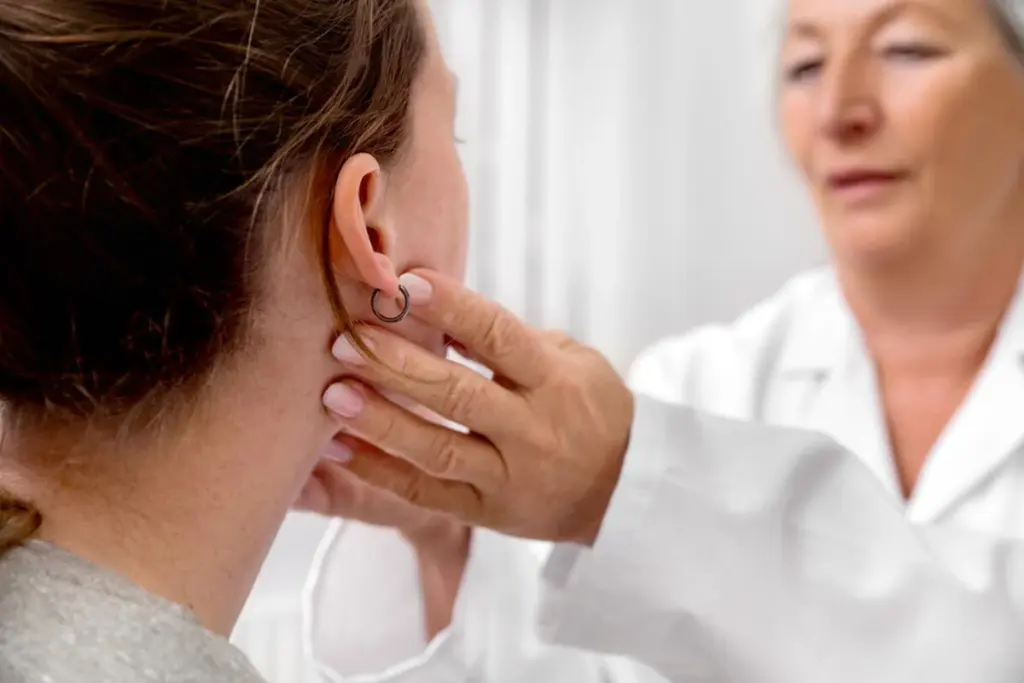
Mumps is an acute viral infection caused by the mumps virus, a member of the Paramyxoviridae family. It primarily targets the salivary glands, especially the parotid glands, leading to characteristic swelling. The incubation period ranges from 12 to 25 days, after which patients typically experience:
While most cases resolve within two weeks, the disease can progress to complications in about 10% of patients. Recognizing early signs is crucial for initiating appropriate treatment and management measures.
Day | Typical Signs | Recommended Action
|
|---|---|---|
1‑3 | Low‑grade fever, malaise | Rest, hydration, monitor temperature |
4‑6 | Parotid swelling, pain | Begin analgesics, apply warm compresses |
7‑10 | Peak swelling, possible orchitis/meningitis | Seek medical evaluation for complications |
11‑14 | Gradual reduction of swelling | Continue supportive care, plan follow‑up |
Standard Treatment and Management Strategies
Because mumps is viral, the cornerstone of treatment and management is supportive care rather than antiviral medication. The primary goals are to alleviate discomfort, prevent dehydration, and monitor for complications.
Patients should be evaluated within 48‑72 hours of symptom onset to rule out complications. Follow‑up visits focus on:
Liv Hospital’s multidisciplinary team coordinates these assessments, ensuring that any deviation from the expected course triggers prompt specialist referral.
Supportive Care and Symptom Relief
Effective supportive care can dramatically improve comfort and shorten the illness duration. The following strategies are recommended for patients at home or in a hospital setting.
Fluid Type | Recommended Volume (per day) | Notes
|
|---|---|---|
Water | 2–3 L | Plain water is ideal; add electrolytes if fever is high. |
Oral Rehydration Solutions | 500 ml–1 L | Useful for maintaining electrolyte balance. |
Clear Broths | 1–2 cups | Provides both fluid and mild nutrition. |
Patients should aim for 8–10 hours of sleep nightly and limit physical exertion until swelling subsides. Light walking is acceptable, but vigorous exercise—especially for males with testicular pain—should be postponed for at least two weeks.
Preventive Measures and Vaccination
While the focus of this page is on treatment and management, preventing mumps remains the most effective strategy. The MMR (measles‑mumps‑rubella) vaccine provides robust immunity when administered according to schedule.
During a local outbreak, health authorities may recommend:
Liv Hospital collaborates with embassies and travel clinics to ensure that international patients receive timely vaccination advice and documentation.
Managing Complications and When to Seek Specialist Care Vaccination
Although most patients experience uncomplicated disease, certain groups are at higher risk for severe outcomes. Recognizing warning signs early enables swift escalation of treatment and management to specialist services.
Symptom | Potential Complication | Recommended Action |
|---|---|---|
Severe headache, neck stiffness | Meningitis | Emergency department evaluation |
Intense testicular pain | Orchitis | Urology consult |
Sudden hearing loss | Sensorineural hearing loss | Audiology assessment |
Persistent high fever (>39 °C) >5 days | Secondary bacterial infection | Antibiotic therapy evaluation |
Our infectious disease specialists work closely with neurologists, urologists, and otolaryngologists to address complications promptly. International patients benefit from coordinated appointments, interpreter services, and tele‑medicine follow‑up, ensuring continuity of care even after returning home.
Why Choose Liv Hospital ?
Liv Hospital is a JCI‑accredited, internationally recognized medical center in Istanbul, offering a full suite of services for patients traveling from abroad. Our dedicated International Patient Services team handles everything from visa assistance and airport transfers to language‑specific medical interpreters and comfortable accommodation options. With state‑of‑the‑art facilities, experienced specialists, and a commitment to personalized care, Liv Hospital ensures that your treatment and management journey is seamless, safe, and focused on optimal recovery.
Ready to start your recovery journey with world‑class care? Contact Liv Hospital today to schedule a consultation, and let our expert team guide you through every step of your treatment and management plan.
Send us all your questions or requests, and our expert team will assist you.
Mumps begins with a low‑grade fever and general malaise. Within a few days, the parotid glands swell, causing noticeable puffiness on one or both sides of the face and tenderness when chewing. Patients often report headache, muscle aches, and a reduced appetite. Less frequently, abdominal discomfort can occur. These signs usually appear 12‑25 days after exposure and last about one to two weeks. Early recognition helps initiate supportive care and monitor for rare complications such as orchitis, meningitis, or hearing loss.
Because mumps is caused by a virus, no antiviral drug can cure it. The primary approach is to relieve symptoms and prevent dehydration. Over‑the‑counter analgesics such as acetaminophen or ibuprofen reduce fever and pain. Patients are encouraged to drink 2–3 L of water daily, use oral rehydration solutions if needed, and follow a soft‑food diet. Warm or cold compresses can ease glandular swelling. Regular follow‑up visits are essential to detect complications early, and corticosteroids are reserved for severe inflammation like orchitis or meningitis.
Most mumps cases resolve with home care, but warning signs require immediate medical attention. Severe headache and neck stiffness suggest meningitis and need emergency evaluation by a neurologist. Intense testicular pain indicates orchitis, warranting a urology consult. Sudden sensorineural hearing loss should be assessed by an audiologist. Persistent high fever (>39 °C) for over five days may signal a secondary bacterial infection, prompting antibiotic consideration. Liv Hospital’s multidisciplinary team coordinates rapid referrals for these complications.
Adequate hydration is crucial to prevent dehydration from fever and reduced oral intake. The recommended protocol suggests 2–3 liters of plain water each day; if fever is high, adding electrolytes improves fluid balance. Oral rehydration solutions (500 ml–1 L) provide sodium and potassium, supporting electrolyte homeostasis. Clear broths (1–2 cups) add mild nutrition while contributing to fluid intake. Patients should sip fluids regularly rather than drinking large volumes at once, and monitor urine output to ensure proper hydration.
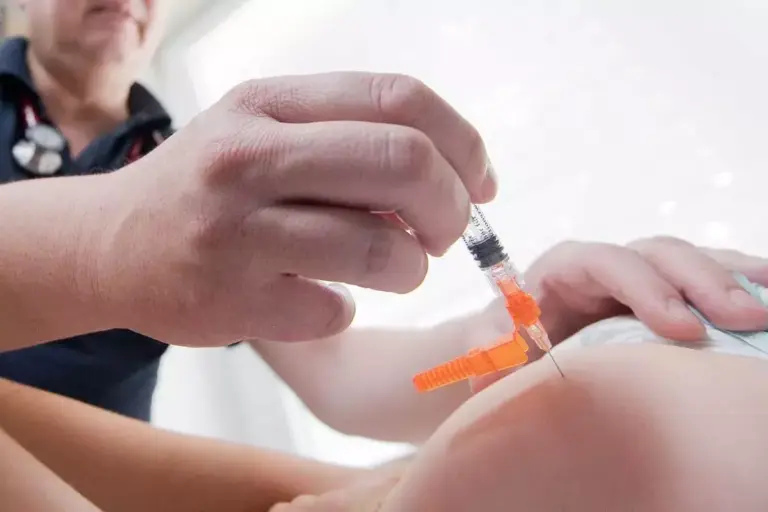
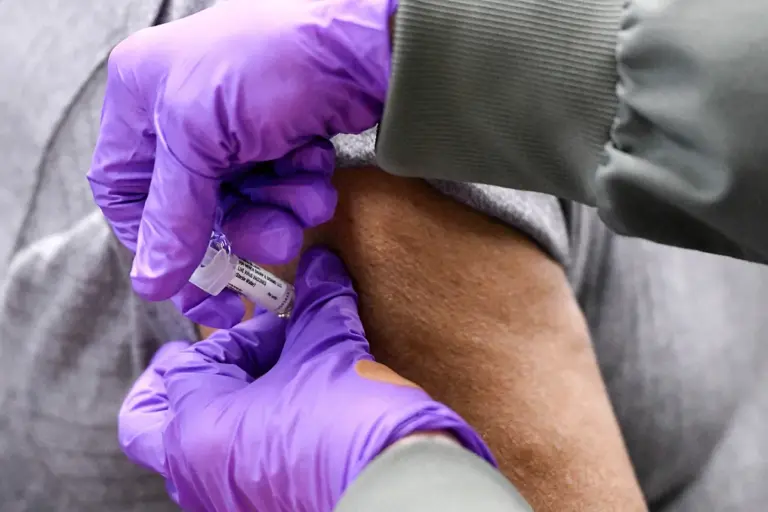
The measles‑mumps‑rubella (MMR) vaccine contains a live attenuated mumps virus that stimulates the immune system to produce protective antibodies. The standard schedule is a first dose at 12–15 months and a second dose at 4–6 years. Immunity can wane, so adults without documented vaccination—especially those planning international travel, attending college, or working in healthcare—should receive a booster dose. Vaccination dramatically reduces the risk of infection and, if breakthrough disease occurs, tends to lessen severity. Liv Hospital assists travelers with vaccine verification and administration.
Infectious Diseases
Infectious Diseases
Infectious Diseases
Infectious Diseases
Infectious Diseases
Infectious Diseases
Leave your phone number and our medical team will call you back to discuss your healthcare needs and answer all your questions.
Your Comparison List (you must select at least 2 packages)