

We often see patients with dizziness, earache, and headache. These symptoms can really hurt their daily life. They might be linked to an inflamed inner ear. This is a problem with the inner ear’s balance and hearing parts.
Issues like labyrinthitis and vestibular neuritis can cause these symptoms. They happen when the inner ear’s labyrinth gets inflamed or irritated. This can make symptoms very bad and needs quick doctor visits.
Can an inflamed inner ear cause dizziness, earache, and headache? Yes, these are classic symptoms of labyrinthitis.
Key Takeaways
- An inflamed inner ear can cause dizziness, earache, and headache due to its impact on balance and hearing.
- Labyrinthitis and vestibular neuritis are conditions that lead to these symptoms.
- Prompt medical evaluation is necessary for debilitating symptoms.
- The inner ear’s role in balance and equilibrium is critical.
- Inflammation or irritation can disrupt normal inner ear function.
Understanding the Inner Ear Anatomy and Function

Our ability to hear and balance depends on the inner ear’s complex structure. It’s key for both hearing and balance. To grasp how inflammation affects it, we must first understand its anatomy and function.
Structure of the Inner Ear
The inner ear has the cochlea for hearing and the vestibular system for balance. The cochlea turns sound waves into signals for the brain. The vestibular system, with its parts, helps us stay balanced.
The vestibular system is vital for balance. It works with the visual and proprioceptive systems. Together, they help us move and stay oriented.
How the Inner Ear Controls Balance and Hearing
The inner ear’s parts work together for balance and hearing. The vestibular system tells the brain about head movements. The cochlea sends sound signals. This teamwork helps us move smoothly.
The Vestibular System’s Role in Equilibrium
The vestibular system is essential for balance. It detects head movements and changes. This info is key for walking and staying upright.
Component | Function |
Cochlea | Transforms sound vibrations into electrical signals for hearing. |
Vestibular System | Detects changes in head position and movement for balance. |
Otolith Organs | Detect linear acceleration and gravity. |
Semicircular Canals | Detect rotational movements. |
Common Inflamed Inner Ear Conditions
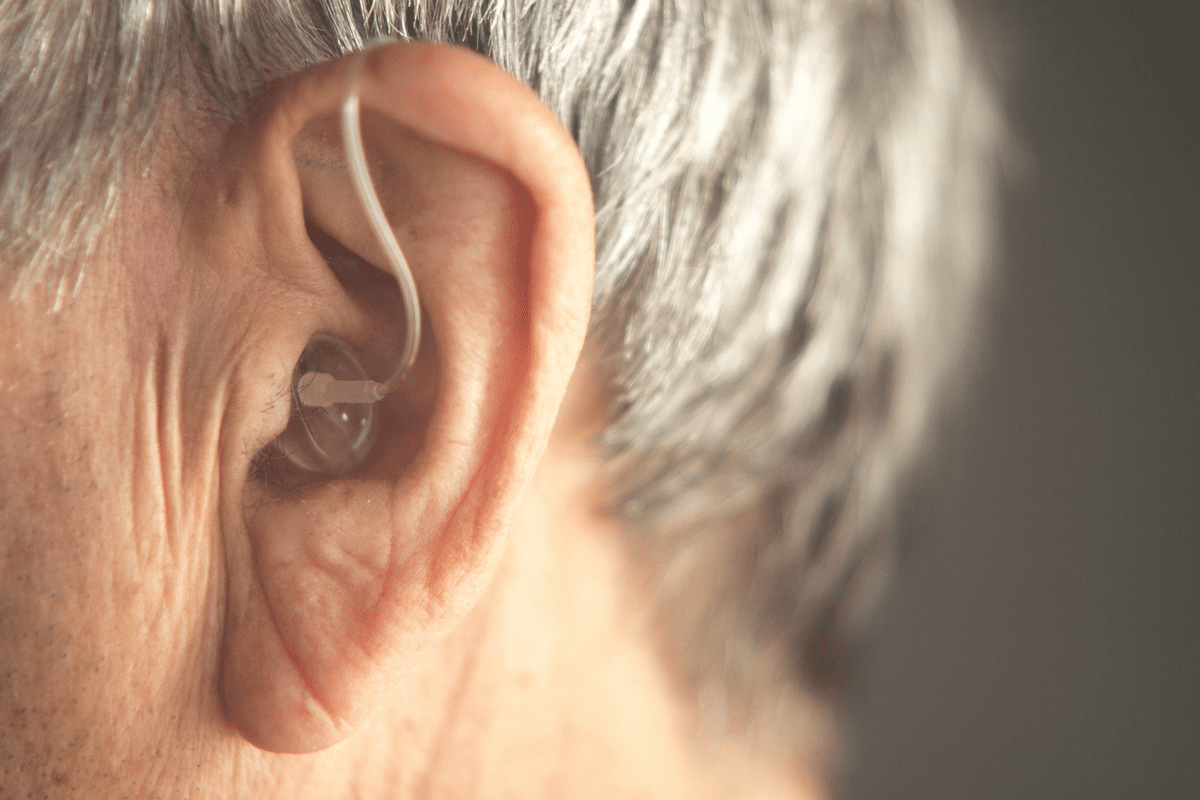
Inflammation in the inner ear can cause serious problems. Labyrinthitis and vestibular neuritis are two main issues. They affect the inner ear’s delicate parts, causing dizziness, hearing loss, and balance issues.
Labyrinthitis: Inflammation of the Labyrinth
Labyrinthitis is when the labyrinth in the inner ear gets inflamed. This part is key for hearing and balance. It can happen due to viruses or bacteria, leading to severe dizziness, hearing loss, and vertigo.
The labyrinth has the cochlea and the vestibular system. The cochlea turns sound into nerve signals, and the vestibular system helps with balance. When it’s inflamed, these functions get messed up, causing a lot of discomfort and trouble.
Vestibular Neuritis: Inflammation of the Vestibular Nerve
Vestibular neuritis is when the vestibular nerve gets inflamed. This nerve sends balance info from the inner ear to the brain. It’s often caused by viruses and can lead to sudden, severe vertigo, balance issues, and nausea.
The vestibular nerve is vital for keeping balance. When it’s inflamed, the brain gets wrong signals. This leads to the symptoms of vestibular neuritis.
Differences Between These Conditions
Labyrinthitis and vestibular neuritis both involve inner ear inflammation. But they affect different parts and have different symptoms. Labyrinthitis can mess with both hearing and balance because it affects the labyrinth. Vestibular neuritis mainly affects balance.
Condition | Primary Symptoms | Affected Structure |
Labyrinthitis | Dizziness, Hearing Loss, Vertigo | Labyrinth |
Vestibular Neuritis | Vertigo, Balance Problems, Nausea | Vestibular Nerve |
Knowing the differences is key for the right diagnosis and treatment. Both need a doctor’s check-up to figure out the best plan.
How an Inflamed Inner Ear Causes Dizziness
The link between inner ear inflammation and dizziness is quite complex. It involves disrupted balance signals. When the inner ear gets inflamed, it messes with the structures that help us stay balanced.
Disruption of Balance Signals
The inner ear has the vestibular system, key for balance. Inflammation here can mess up the signals to the brain. This leads to dizziness or vertigo.
The inflamed inner ear can’t accurately sense head movements or position. This confuses the brain about our actual position in space.
Types of Dizziness Associated with Inner Ear Inflammation
Inner ear inflammation can cause various dizziness types. This ranges from feeling lightheaded to severe vertigo attacks. The type and severity depend on the inner ear condition causing the inflammation.
Vertigo vs. General Dizziness
Vertigo is a specific dizziness feeling. It’s like you or your surroundings are spinning. It’s common in conditions like labyrinthitis and vestibular neuritis.
General dizziness is a feeling of being off-balance. It’s not the same as vertigo, without the spinning sensation.
Symptom | Vertigo | General Dizziness |
Sensation | Spinning or movement | Lightheadedness or imbalance |
Associated Conditions | Labyrinthitis, Vestibular Neuritis | Various inner ear conditions |
Severity | Often severe | Varies from mild to severe |
Knowing the difference between vertigo and general dizziness is key. It helps doctors diagnose and treat inner ear inflammation better. By pinpointing the dizziness type and cause, they can offer better treatments. This improves our quality of life.
Connection Between Inner Ear Inflammation and Earache
It’s important to know how inner ear inflammation and earache are linked. This knowledge helps in diagnosing and treating these issues. Inner ear inflammation, linked to conditions like labyrinthitis, can cause earache and dizziness.
Mechanisms of Ear Pain in Inner Ear Conditions
Ear pain from inner ear inflammation comes from several causes. Inflammation and irritation of the inner ear structures can cause pain. This pain can feel sharp, dull, or aching, depending on the condition and its severity.
The inner ear’s complex parts, like the labyrinth and vestibular nerve, are key for balance and hearing. When these parts get inflamed, it can disrupt their function. This leads to pain and other symptoms.
Ear Pressure Sensations
People with inner ear inflammation may also feel ear pressure. This can feel like the ear is full or blocked, which can be uncomfortable and affect hearing.
Ear pressure is often tied to Eustachian tube dysfunction. The Eustachian tube helps regulate air pressure in the ear. When it doesn’t work right, you might feel pressure or fullness in your ear.
Differentiating Inner Ear Pain from Middle and Outer Ear Pain
Telling inner ear pain from pain in other parts of the ear is key for correct diagnosis. Inner ear pain often comes with symptoms like dizziness, vertigo, and hearing changes.
Characteristics | Inner Ear Pain | Middle Ear Pain | Outer Ear Pain |
Common Causes | Labyrinthitis, Vestibular Neuritis | Otitis Media, Eustachian Tube Dysfunction | Otitis Externa, Trauma |
Associated Symptoms | Dizziness, Vertigo, Hearing Changes | Hearing Loss, Fever, Ear Discharge | Pain on Movement, Redness, Swelling |
Nature of Pain | Deep, often with vertigo | Sharp, dull, or aching | Sharp, specially on movement |
Understanding ear pain and its symptoms helps doctors tell inner ear pain from pain in other areas. This leads to better diagnoses and treatment plans.
Headaches as a Symptom of Inner Ear Problems
Inner ear problems can cause headaches, which are very painful. The inner ear helps us balance and hear. When it gets inflamed, it can lead to headaches.
How Inner Ear Inflammation Triggers Headaches
Inflammation in the inner ear can cause headaches in a few ways. One main reason is the change in fluid pressure. This can send wrong signals to the brain, causing pain.
Key factors that contribute to headache development include:
- Fluid pressure changes: Changes in fluid pressure can irritate nerves, causing pain.
- Inflammatory response: The body’s reaction to inner ear problems can release chemicals that cause pain.
- Connection between inner ear and brain: The inner ear and brain are connected. Problems in the inner ear can send pain signals to the brain.
Types of Headaches Associated with Inner Ear Issues
Headaches from inner ear problems can be different. Some people get migraine-like headaches with throbbing pain and sensitivity. Others get tension-type headaches with dull pain.
The Inflammatory Response Connection
The inflammatory response is key in headaches from inner ear problems. When the inner ear gets inflamed, the body sends more blood to the area. This releases chemicals that can cause pain.
Understanding how inner ear inflammation leads to headaches is important. By treating the inner ear issue, doctors can help reduce headaches and improve life quality.
Additional Symptoms of Inflamed Inner Ear
When the inner ear gets inflamed, it can cause many symptoms. These symptoms affect balance, hearing, and daily life. The inner ear’s complex structure and its links to other body parts mean inflammation can spread widely.
Blurred Vision and Visual Disturbances
Inner ear inflammation can also cause blurred vision or visual problems. This happens because the vestibulo-ocular reflex (VOR) is disrupted. The VOR helps keep vision stable when moving your head. When inflamed, it can’t do its job well, making it hard to see clearly.
Nausea and Vomiting
Nausea and vomiting often go hand in hand with dizziness and vertigo from inner ear problems. The brain gets mixed signals from the inflamed inner ear. This can make everyday tasks hard to do.
Hearing Changes and Tinnitus
Inner ear inflammation can also mess with your hearing. You might notice changes in how you hear sounds or even tinnitus, a ringing in your ears. This happens because the inflammation affects the pathways for hearing.
Balance and Coordination Problems
Balance and coordination issues are common signs of inner ear problems. The vestibular system, which helps us balance, can get disrupted by inflammation. This makes it hard to walk, stand, or even sit up straight.
Symptom | Description | Possible Cause |
Blurred Vision | Difficulty maintaining clear vision | Disruption of vestibulo-ocular reflex |
Nausea and Vomiting | Feeling queasy or vomiting | Conflicting signals to the brain |
Hearing Changes | Changes in hearing acuity or sound perception | Inflammation affecting auditory pathways |
Tinnitus | Ringing or other sounds in the ears | Inflammation affecting auditory pathways |
Balance Problems | Difficulty with walking, standing, or sitting upright | Disruption of the vestibular system |
Causes and Risk Factors for Inner Ear Inflammation
It’s important to know what causes inner ear inflammation. This knowledge helps in treating and preventing it. Inner ear inflammation can cause dizziness, earache, and headache. It’s often caused by infections and other health issues.
Viral Infections and Their Pathway to the Inner Ear
Viral infections are a main cause of inner ear inflammation, like in labyrinthitis. Most cases of labyrinthitis are due to viruses. Viruses from common colds, flu, and herpes can reach the inner ear and cause inflammation.
Viral pathways to the inner ear usually come through the blood or directly from the respiratory tract. Once in the inner ear, viruses can cause a lot of inflammation. This can mess with balance and hearing.
Bacterial Causes of Inner Ear Inflammation
Bacterial infections can also cause inner ear inflammation, though less often than viruses. Bacteria can get to the inner ear from other parts of the body, like the middle ear or meninges. Bacterial labyrinthitis is a serious condition that needs quick medical care.
Bacterial infections that can cause inner ear inflammation include otitis media (middle ear infection) or meningitis. These conditions can be very serious if not treated right away.
Connection to Upper Respiratory Infections
Upper respiratory infections (URIs) are a big risk factor for inner ear inflammation. URIs, like the common cold and flu, can lead to viral infections in the inner ear. The close location of the upper respiratory tract to the inner ear makes it easier for infections to spread.
There’s often a link between URIs and inner ear inflammation symptoms. Knowing this can help prevent and manage inner ear problems.
Other Risk Factors
Other things can also lead to inner ear inflammation, aside from infections. These include:
- Autoimmune disorders, where the body’s immune system attacks the inner ear by mistake.
- Head or ear trauma, which can physically damage the inner ear and cause inflammation.
- Certain medications, known as ototoxic drugs, which can harm the inner ear.
- Age and overall health, as older adults or those with weak immune systems are more at risk.
It’s key to identify and manage these risk factors to prevent inner ear inflammation and its complications.
Diagnosis and Treatment Options
Understanding how to diagnose and treat inner ear inflammation is key. It helps manage symptoms and aids in recovery. Doctors use a mix of medical checks and tests to find the cause.
Medical Evaluation and Diagnostic Tests
Diagnosing inner ear inflammation starts with a detailed check-up. This includes looking at your medical history and doing a physical exam. Doctors might also use tests like:
- Audiological Tests: To check for hearing loss and figure out the type.
- Vestibular Function Tests: Like ENG or VNG to see how balance is working.
- Imaging Studies: MRI or CT scans to look for other possible causes.
Medication Options for Inflamed Inner Ear
Medicine is a big part of treating inner ear inflammation. It helps reduce swelling, fight infections, and ease symptoms. Some common medicines are:
- Corticosteroids: To cut down inflammation and swelling.
- Antiviral Medications: For viral infections.
- Antibiotics: When a bacterial infection is likely or confirmed.
- Vestibular Suppressants: To help with vertigo and dizziness.
Home Remedies and Self-Care Strategies
There are also home remedies and self-care tips to help with symptoms. These include:
- Rest: Getting enough rest helps the body heal.
- Hydration: Drinking plenty of water helps with healing and thinning mucus.
- Elevation: Keeping the head up can reduce swelling.
- Avoiding Triggers: Stay away from things that make symptoms worse.
Vestibular Rehabilitation Therapy
Vestibular rehabilitation therapy (VRT) is a special kind of physical therapy. It helps improve balance and reduce dizziness. VRT has exercises tailored to help with inner ear problems.
Treatment Strategy | Description | Benefits |
Medication | Use of corticosteroids, antivirals, antibiotics, and vestibular suppressants. | Reduces inflammation, fights infection, manages vertigo. |
Vestibular Rehabilitation Therapy | Customized exercise program to improve balance and reduce dizziness. | Enhances balance, reduces dizziness, promotes recovery. |
Home Remedies and Self-Care | Rest, hydration, elevation, avoiding triggers. | Supports recovery, alleviates symptoms, improves quality of life. |
Conclusion: When to See a Doctor and Prevention Strategies
Knowing when to see a doctor for inner ear inflammation is key. If you have ongoing dizziness, earache, or headache, see a doctor. They can check for serious issues like labyrinthitis or vestibular neuritis.
To avoid inner ear problems, it’s important to prevent them. Keep clean, get vaccinated, and manage stress. These steps can help keep your ears healthy.
When should you go to the doctor? If you suddenly lose hearing, feel very dizzy, or have severe ear pain, go right away. Early treatment can make a big difference.
Stay informed about symptoms and take steps to prevent inner ear issues. This way, you can keep your ears in good shape. If you’re worried or have symptoms, talk to a healthcare expert for help.
FAQ
Can an ear infection cause dizziness and headache?
Yes, ear infections can lead to dizziness and headaches. This is because the infection causes inflammation and pressure in the inner ear. This affects balance and causes pain.
What are the symptoms of an inflamed inner ear?
Symptoms include dizziness, earache, and headache. You might also experience blurred vision, nausea, and vomiting. Hearing changes, tinnitus, and balance problems are also common.
Can ear infections cause blurry vision?
Yes, they can. The inner ear is connected to the vestibular system. This connection affects balance and can cause visual disturbances, including blurry vision.
How does an inflamed inner ear cause earache?
The inflammation and pressure in the inner ear cause earache. This leads to pain and discomfort in the ear.
Is dizziness a common symptom of inner ear problems?
Yes, dizziness is common in inner ear problems. Conditions like labyrinthitis and vestibular neuritis affect balance and can cause dizziness.
Can inner ear inflammation cause headaches?
Yes, it can. The inflammation and connection between the inner ear and the nervous system can cause headaches.
What is the connection between ear pain and dizziness?
Ear pain and dizziness are connected through inner ear inflammation or infection. This affects both the auditory and vestibular systems, leading to pain and balance problems.
How do you differentiate between inner ear pain and pain from other parts of the ear?
To differentiate, understand the nature of the pain. Look for symptoms like dizziness or hearing changes. A medical evaluation may also be necessary.
Can an inflamed inner ear cause lightheadedness?
Yes, it can. The disruption of balance signals and the effect on the vestibular system can cause lightheadedness.
What are the treatment options for an inflamed inner ear?
Treatment includes medication, home remedies, and self-care strategies. Vestibular rehabilitation therapy is also an option. These aim to manage symptoms and support recovery.
References
National Institute on Deafness and Other Communication Disorders. (n.d.). Tonsillectomy and Adenoidectomy. Retrieved from https://www.ncbi.nlm.nih.gov/books/NBK536942/