Inherited blood disorders, also known as blood genetic diseases, are caused by genetic mutations. These mutations affect how blood cells are made or work. This can lead to different health problems.
It’s important to understand these conditions to get the right treatment. Liv Hospital provides trusted care and support to those dealing with these issues.
Key Takeaways
- Inherited blood disorders are caused by genetic mutations affecting blood cell production or function.
- These conditions can impact various blood components, leading to diverse health issues.
- Proper understanding and diagnosis are critical for effective treatment.
- Liv Hospital offers expert care for patients with these complex conditions.
- Genetic blood diseases require a full approach to management and support.
What Are Inherited Blood Disorders?
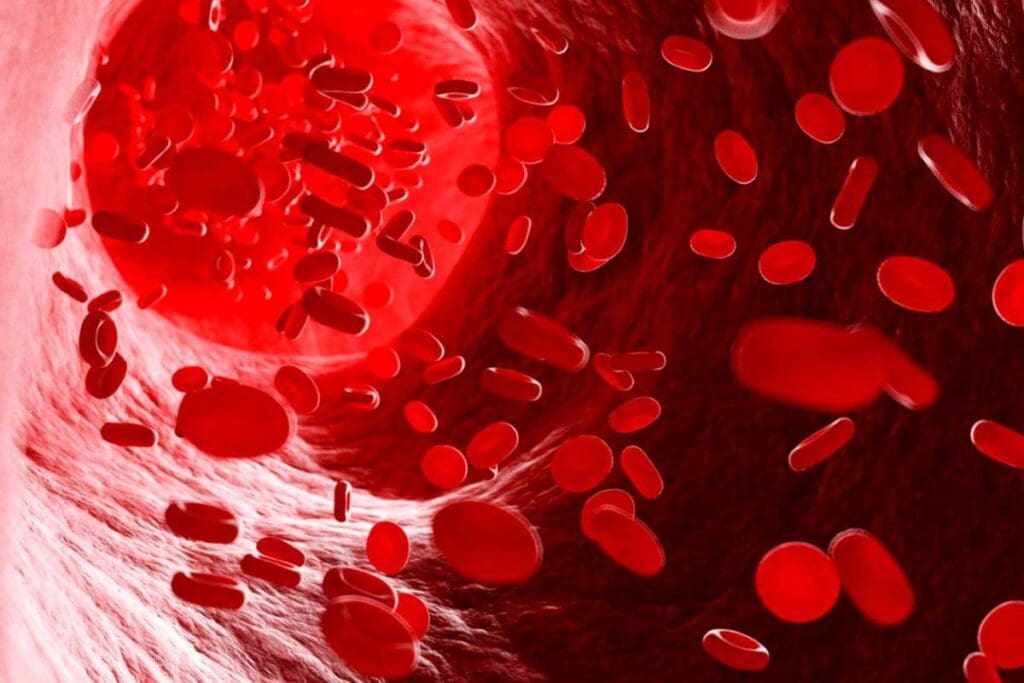
Inherited blood disorders are conditions passed down through generations. They happen because of genetic mutations that affect blood cell production. These disorders can affect red or white blood cells, platelets, or how blood clots. Genetic blood diseases come from mutations in genes important for blood cell production.
Hereditary blood diseases are caused by genetic mutations. These can affect hemoglobin production, red blood cell function, or blood clotting. Knowing the genetic cause is key to diagnosis and treatment.
Genetic Mutations and Blood Cell Production
Genetic mutations can impact blood cell production in different ways. For example, some mutations affect hemoglobin production, causing sickle cell disease or thalassemia. Others can affect white blood cells or platelets, leading to immune issues or bleeding problems.
Patterns of Inheritance
Inherited blood disorders can follow different inheritance patterns. These include autosomal dominant, autosomal recessive, or X-linked. Autosomal dominant disorders need only one mutated gene to occur. Autosomal recessive disorders require two mutated genes, one from each parent.
- Autosomal dominant inheritance: One copy of the mutated gene causes the condition.
- Autosomal recessive inheritance: Two copies of the mutated gene are required to cause the condition.
- X-linked inheritance: Mutations in genes on the X chromosome can cause conditions such as hemophilia.
Knowing the inheritance pattern is important for genetic counseling and family planning. Healthcare providers can guide families by identifying the genetic mutation and its pattern of inheritance. This helps understand the risk of passing the condition to future generations.
Common Hemoglobinopathies
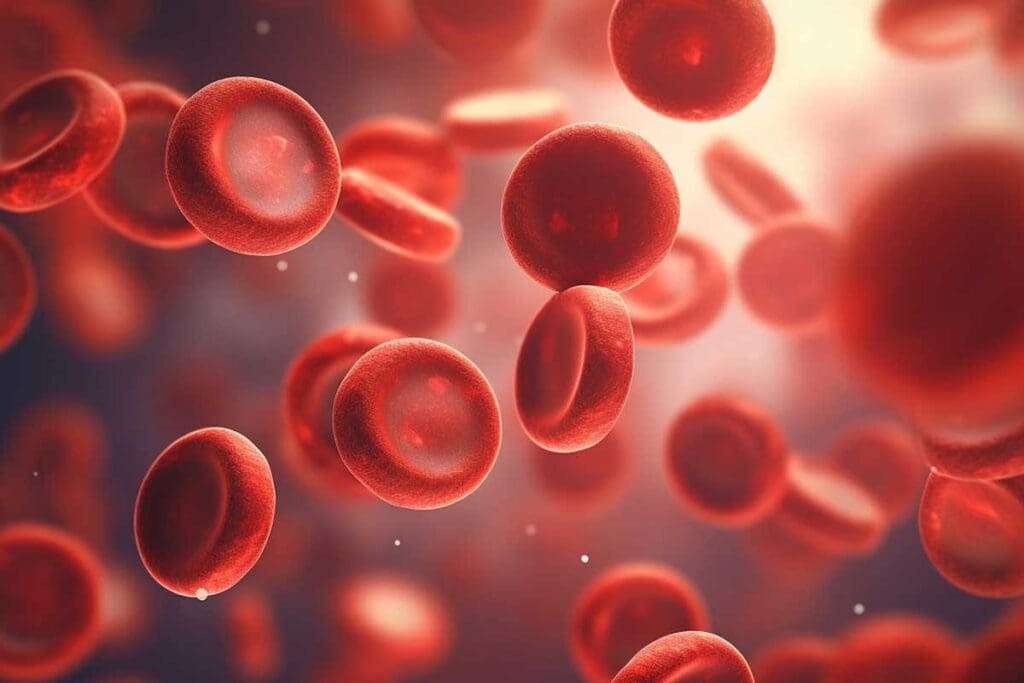
Hemoglobinopathies are common inherited blood disorders. They include sickle cell disease and thalassemia. These disorders affect how the body makes hemoglobin, a key protein in red blood cells. Hemoglobin carries oxygen.
These conditions can cause anemia, damage to organs, and other problems. They can greatly affect a person’s quality of life.
Sickle Cell Disease
Sickle cell disease is a serious hemoglobinopathy. It results from abnormal hemoglobin, called sickle hemoglobin. This abnormal hemoglobin makes red blood cells misshapen.
These cells die early, leading to anemia. Symptoms include:
- Recurring episodes of pain
- Increased risk of infections
- Anemia
- Swelling in the hands and feet
Treatments for sickle cell disease aim to reduce symptoms and prevent complications. These include pain management, blood transfusions, and sometimes bone marrow transplantation.
Beta Thalassemia
Beta thalassemia affects the beta-globin chains of hemoglobin. Its severity can vary, from mild to severe. Severe forms can cause significant anemia and organ damage.
Symptoms include:
- Severe anemia
- Fatigue
- Pale skin
- Poor growth and development in children
Treatment for beta thalassemia often involves regular blood transfusions. This helps maintain healthy red blood cell counts. Iron chelation therapy is also used to manage iron overload.
Alpha Thalassemia
Alpha thalassemia happens when there’s a mutation or deletion in the alpha-globin genes. Its severity depends on how many genes are affected. It can range from a mild carrier state to a severe form known as hemoglobin Bart’s hydrops fetalis syndrome.
Symptoms vary. They can include mild anemia in less severe forms. In more severe forms, symptoms can include severe anemia and significant health issues.
Management of alpha thalassemia depends on its severity. It may involve monitoring for mild cases or more intensive treatments like blood transfusions for severe cases.
Inherited Red Blood Cell Disorders
Inherited red blood cell disorders affect how red blood cells are made and work. They can cause anemia, jaundice, and other issues. The main disorders include G6PD deficiency, hereditary spherocytosis, and pyruvate kinase deficiency.
G6PD Deficiency
G6PD deficiency is a genetic disorder that impacts the enzyme glucose-6-phosphate dehydrogenase in red blood cells. This enzyme protects red blood cells from damage. People with G6PD deficiency can get hemolytic anemia from certain triggers, like medicines, foods, or infections.
Symptoms of G6PD deficiency include:
- Jaundice
- Fatigue
- Shortness of breath
- Dark urine
Managing G6PD deficiency means avoiding known triggers. Sometimes, medical treatment is needed for hemolytic episodes.
Hereditary Spherocytosis
Hereditary spherocytosis makes red blood cells abnormal and sphere-shaped. These cells break down easily, causing anemia and other problems.
Common symptoms include:
- Anemia
- Jaundice
- Enlarged spleen
- Gallstones
Treatment for hereditary spherocytosis might include removing the spleen to reduce red blood cell destruction.
Pyruvate Kinase Deficiency
Pyruvate kinase deficiency is a rare genetic disorder. It affects the enzyme pyruvate kinase, which is key to red blood cell energy. This deficiency can cause hemolytic anemia.
Symptoms include:
- Anemia
- Jaundice
- Fatigue
- Enlarged spleen
Managing pyruvate kinase deficiency involves supportive care like blood transfusions. Sometimes, removing the spleen is needed.
In conclusion, inherited red blood cell disorders like G6PD deficiency, hereditary spherocytosis, and pyruvate kinase deficiency need proper care. This care helps prevent complications and improves life quality.
Rare Inherited Blood Disorders
Rare inherited blood disorders affect a small part of the population but have big health impacts. These conditions often lead to bone marrow failure and a higher risk of cancer.
Fanconi Anemia
Fanconi anemia is a rare genetic disorder that causes bone marrow failure and raises cancer risk. It’s usually found in kids between 2 and 15 years old. Symptoms include anemia, infections, and physical issues like short stature and skeletal problems.
Diagnosis requires genetic tests and bone marrow checks. Treatments include blood transfusions, medicines to boost blood cell production, and bone marrow transplants in serious cases.
Diamond-Blackfan Anemia
Diamond-Blackfan anemia is a rare disorder that affects red blood cell production. It’s often spotted in infancy or early childhood. Key signs are anemia, birth defects, and a higher cancer risk.
Treatment usually involves corticosteroids to help make more red blood cells and blood transfusions. Sometimes, bone marrow transplantation is an option.
Dyskeratosis Congenita
Dyskeratosis congenita is a rare genetic disorder that causes early aging of the skin and mucous membranes. It also raises the risk of bone marrow failure and cancer. Classic signs include skin dark spots, nail problems, and oral leukoplakia.
| Disorder | Primary Characteristics | Common Treatments |
| Fanconi Anemia | Bone marrow failure, increased cancer risk, and physical abnormalities | Blood transfusions, medications, and bone marrow transplantation |
| Diamond-Blackfan Anemia | Anemia, congenital abnormalities, and increased cancer risk | Corticosteroids, blood transfusions, and bone marrow transplantation |
| Dyskeratosis Congenita | Premature aging, bone marrow failure, and increased cancer risk | Supportive care, bone marrow transplantation, cancer surveillance |
It’s important to understand these rare blood disorders to offer the right care and support. Early diagnosis and personalized treatment plans can greatly improve life quality for those with these conditions.
Genetic Blood Clotting Disorders
Genetic blood clotting disorders affect how the body makes blood clots. This leads to too much bleeding. These conditions are passed down through families and can cause serious health problems. These include bleeding without injury and after surgeries.
Hemophilia A
Hemophilia A, or classic hemophilia, happens when there’s not enough factor VIII. This protein is key to blood clotting. People with Hemophilia A often bleed a lot, even without injury.
The severity of Hemophilia A symptoms depends on how much factor VIII is missing. Symptoms include easy bruising, frequent nosebleeds, and joint pain from bleeding.
Hemophilia B
Hemophilia B, or Christmas disease, is caused by a lack of factor IX. Like Hemophilia A, it makes blood clotting hard. This leads to long-lasting bleeding episodes.
Symptoms of Hemophilia B are similar to Hemophilia A. They include bleeding into muscles and joints, easy bruising, and prolonged bleeding after injuries or surgeries.
Von Willebrand Disease
Von Willebrand disease is the most common inherited bleeding disorder. It’s caused by a problem with von Willebrand factor (VWF). This protein is vital for blood clotting.
Symptoms of von Willebrand disease vary. They often include easy bruising, heavy menstrual periods in women, and bleeding after injuries or surgeries.
| Condition | Cause | Common Symptoms |
| Hemophilia A | Deficiency in factor VIII | Easy bruising, frequent nosebleeds, joint pain |
| Hemophilia B | Deficiency in factor IX | Bleeding into muscles and joints, easy bruising |
| Von Willebrand Disease | Deficiency or dysfunction of VWF | Easy bruising, heavy menstrual periods, bleeding after injuries |
Rare Inherited Clotting Disorders
It’s important to know about rare inherited clotting disorders for good care. These conditions are not common but can really affect someone’s life. They mess with how blood clots.
These disorders include things like Factor V Leiden mutation, protein C deficiency, and protein S deficiency. They can make you more likely to get blood clots or bleed too much.
Factor V Leiden Mutation
The Factor V Leiden mutation changes how your body clots blood. It’s more common in Caucasians, but it can happen in others, too.
This mutation raises your risk of getting blood clots. People with it might need medicine to stop clots from forming.
Protein C Deficiency
Protein C helps control how blood clots. Not having enough can make you more likely to get clots.
This condition is passed down in families. Some people might not show symptoms until something else triggers them.
Protein S Deficiency
Protein S works with protein C to stop blood clots. Not having enough can also increase your clot risk.
Like protein C deficiency, protein S deficiency is passed down in families. It can cause you to get blood clots over and over. Treatment usually involves medicine to stop clots.
The table below shows important details about these rare clotting disorders:
| Condition | Inheritance Pattern | Primary Risk | Management |
| Factor V Leiden Mutation | Autosomal Dominant | Venous Thromboembolism | Anticoagulant Therapy |
| Protein C Deficiency | Autosomal Dominant | Thrombosis | Anticoagulation Therapy |
| Protein S Deficiency | Autosomal Dominant | Thrombosis | Anticoagulation Therapy |
In summary, managing rare clotting disorders like Factor V Leiden mutation, protein C deficiency, and protein S deficiency is key. Knowing about these conditions helps doctors give better care and improve health outcomes.
Diagnosis and Treatment of Inherited Blood Disorders
Genetic testing is key to finding inherited blood disorders early. It helps doctors manage these conditions better. Finding these disorders involves genetic tests, clinical checks, and other tests.
Genetic Testing and Early Detection
Genetic testing finds the genetic mutations behind these disorders. This info helps doctors create specific treatment plans. It also helps with genetic counseling for families.
The genetic testing process includes:
- DNA sequencing to find specific genetic mutations
- Carrier testing to see if someone carries a mutated gene
- Prenatal testing to check for genetic disorders in the fetus
Current Treatment Approaches
Treatment for inherited blood disorders depends on the condition and its severity. Common treatments are:
| Condition | Treatment Approach |
| Sickle Cell Disease | Blood transfusions, pain management, and hydroxyurea therapy |
| Thalassemia | Regular blood transfusions and iron chelation therapy |
| Hemophilia | Factor replacement therapy and gene therapy |
Researchers are also looking into new treatments. This includes gene editing and new medicines.
Living with Inherited Blood Disorders
Managing inherited blood disorders requires a mix of medical care, lifestyle changes, and genetic counseling. People with these conditions need to take a full approach to manage their symptoms well. This way, they can live active and meaningful lives.
Managing Symptoms and Complications
Handling inherited blood disorders well means a few things. First, regular doctor visits and following treatment plans are key. Also, making lifestyle changes helps avoid problems. For example, some people with blood disorders must avoid certain medicines or foods.
Changing your lifestyle is also important. This might mean eating differently, not overexerting yourself, and drinking plenty of water. Dehydration can make some conditions worse. Having support from loved ones and groups can also make a big difference.
Genetic Counseling and Family Planning
Genetic counseling is very important for those with inherited blood disorders when planning a family. Counselors help understand the risk of passing the condition to children. They talk about options like preimplantation genetic diagnosis (PGD) or prenatal tests.
Knowing the genetic cause helps people make smart choices about having kids. It lets them talk about what it might mean for their children. Genetic counseling helps families deal with the challenges of inherited blood disorders.
Conclusion
Inherited blood disorders, like common hemoglobinopathies and rare genetic conditions, greatly affect people’s lives. It’s important to know about these disorders, how to diagnose them, and how to manage them. New genetic tests and treatments are being developed, giving hope to those affected.
These disorders are a big problem worldwide, with 300,000 to 500,000 babies born each year with severe forms. TheNational Center for Biotechnology Information says Southeast Asia and Sub-Saharan Africa are hit the hardest.
Managing these disorders well needs a team effort. This includes genetic testing, finding problems early, and the right treatment. Knowing the genetic causes helps doctors give better care. As research grows, we can expect even better treatments and care for those with these disorders.
FAQ
What are inherited blood disorders?
Inherited blood disorders are passed down through generations. They happen because of genetic mutations that affect blood cells.
What are the most common inherited blood disorders?
Common disorders include sickle cell disease and beta thalassemia. Alpha thalassemia, hemophilia A and B, and von Willebrand disease are also common.
What is the difference between autosomal dominant and autosomal recessive inheritance patterns?
Autosomal dominant conditions need just one mutated gene to cause the condition. Autosomal recessive conditions need two mutated genes, one from each parent.
How are genetic blood clotting disorders diagnosed?
They are diagnosed with genetic testing, clinical evaluation, and blood tests. These tests check clotting factor levels.
What is the treatment for hemophilia A and B?
Treatment involves replacing clotting factors with concentrates. This helps manage bleeding and prevent complications.
Can inherited blood disorders be cured?
Some can be managed well with treatment, but a cure is not always possible. Treatment varies by disorder and may include medications and blood transfusions.
What is the role of genetic counseling in managing inherited blood disorders?
Genetic counseling helps with family planning. It informs individuals about their risk of passing on disorders to their children.
How can individuals with inherited blood disorders manage their symptoms and prevent complications?
Managing symptoms and preventing complications requires medical treatment and lifestyle adjustments. Regular monitoring by healthcare professionals is also key.
What are some rare inherited blood disorders?
Rare disorders include Fanconi anemia and Diamond-Blackfan anemia. Dyskeratosis congenita, Factor V Leiden mutation, protein C deficiency, and protein S deficiency are also rare.
Are there any genetic blood diseases that increase the risk of cancer?
Yes, Fanconi anemia and dyskeratosis congenita increase cancer risk.
Can inherited bleeding disorders be treated with medication?
Yes, hemophilia A and B can be treated with medications. These replace or stabilize clotting factors.
What is the significance of early detection in managing inherited blood disorders?
Early detection is key. It allows for timely intervention and prevents complications.
References
- Last, J. A., & Haut, M. W. (2025). Genetic evaluation of inherited hematologic diseases. In Hematology (pp. 791-810), Wiley.https://onlinelibrary.wiley.com/doi/abs/10.1002/9781119500537.ch146