
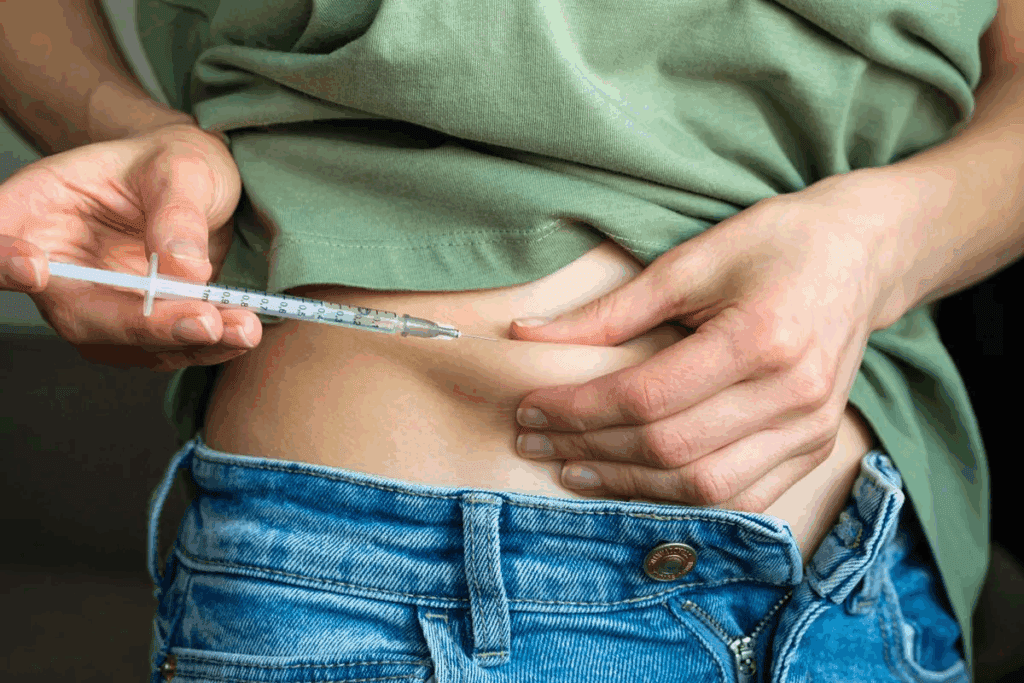
Using Lovenox (enoxaparin) during pregnancy is key to stop or treat blood clots injection video in back side. It’s given as a subcutaneous injection in the abdomen or upper outer thigh. At Liv Hospital, we know how important it is to use it right and switch theinjection sites to avoid pain and make sure it works well.
Our guide shows you how to give Lovenox, from getting ready for the injection to picking the right spots. It also teaches you how to switch these spots to avoid problems.
Key Takeaways
- Understand the proper technique for administering Lovenox subcutaneously.
- Learn how to identify and rotate Lovenox injection sites effectively.
- Discover the importance of following your healthcare provider’s instructions for Lovenox administration.
- Find out how to minimize discomfort and prevent complications from Lovenox injections.
- Explore the role of Lovenox in preventing or treating blood clots during pregnancy.
Understanding Lovenox and Its Importance During Pregnancy

Lovenox is key in preventing blood clots in pregnant women. It’s a low molecular weight heparin. It helps manage and prevent blood clotting issues.
What is Lovenox (Enoxaparin)?
Lovenox is a medicine to stop blood clots in the legs and lungs. It stops blood from clotting by blocking a certain factor. Unlike other heparins, Lovenox’s dose is more consistent and doesn’t need constant blood tests.
Why Lovenox is Prescribed During Pregnancy
Pregnancy increases the risk of blood clots due to changes in blood volume and pressure. Lovenox is given to women at high risk of blood clots. This includes those with a history of DVT, PE, or blood clotting disorders.
Common Indications for Thromboprophylaxis with Lovenox
Lovenox is used for pregnant women at high risk of blood clots. The table below lists these conditions:
| Condition | Description | Risk Level |
| History of DVT or PE | Previous deep vein thrombosis or pulmonary embolism | High |
| Thrombophilia | Presence of antiphospholipid syndrome or other thrombophilic disorders | High |
| Family History | First-degree relative with a history of DVT or PE | Moderate to High |
Knowing these conditions is key to managing blood clot risks in pregnancy. Lovenox is a safe and effective way to prevent blood clots.
Essential Supplies for Lovenox Administration

To safely give Lovenox, you need the right supplies. Giving Lovenox while pregnant needs careful attention and the right tools. This helps avoid risks and makes sure the medicine works well.
Prefilled Lovenox Syringes and Dosage Forms
Lovenox comes in prefilled syringes and multi-dose vials. Prefilled syringes are great for self-use because they have the exact dose. They come in different strengths, making treatment plans flexible. Always check the expiration date and make sure the medicine is clear before using it.
Additional Supplies You’ll Need
You’ll also need some extra things to give the injection safely:
- Alcohol swabs for cleaning the injection site
- Cotton balls or gauze pads to apply pressure after the injection
- A sharps container for safe disposal of used needles
- Adhesive bandages (optional) for covering the injection site
Having these items ready can make the process smoother and less stressful.
Proper Storage of Lovenox
Keeping Lovenox in the right place is key to its effectiveness. Store your prefilled syringes at room temperature, away from sunlight and moisture. Don’t freeze it or expose it to very hot or cold temperatures. Always follow the storage tips given with your medicine. If you’re unsure, talk to your doctor or pharmacist.
Pregnant women are usually told to keep taking Lovenox until after six weeks postpartum. So, keeping a steady supply and storing it correctly is very important during this time.
Preparing for Your Lovenox Injection
To have a safe and comfortable Lovenox injection, getting ready is important. There are several steps to take. These steps help avoid risks and make sure the medicine works right.
Creating a Clean Environment
Keeping the area clean is key for safe injections.
We start by washing our hands well with soap and water.
Then, we clean the injection site with an antiseptic wipe.
This step is vital to lower infection risk.
Checking Your Medication
Before giving Lovenox, check the medicine for any particles or color changes.
The right dose depends on why you’re taking it and your weight. So, making sure you have the right amount is important.
We look at the prefilled syringe for damage or contamination signs.
If the medicine looks off, don’t use it.
Techniques to Reduce Anxiety and Pain
Many people feel anxious or uncomfortable when getting injections.
Deep breathing, relaxation, and distraction can help with anxiety.
To lessen pain, inject slowly and at room temperature.
| Preparation Step | Description |
| Hand Hygiene | Wash hands thoroughly with soap and water |
| Clean Injection Site | Use an antiseptic wipe to clean the area |
| Medication Check | Inspect for visible particles or discoloration |
| Relaxation Techniques | Use deep breathing or distraction to reduce anxiety |
By following these steps, you can have a safe and effective Lovenox injection experience.
Recommended Lovenox Injection Sites During Pregnancy
When pregnant, it’s important to choose the right spot for Lovenox injections. This medicine is given as a subcutaneous shot, usually in the belly or upper thigh.
Abdominal Injection Sites: Safe Zones
The belly is a common spot for Lovenox shots during pregnancy. We need to pick the right spots in the belly to keep it safe. The best places are:
- The lower belly, below the belly button
- Areas at least 2 inches away from the navel
- Locations on either side of the belly
It’s key to switch up the spots in these areas to avoid problems.
Upper Outer Thigh Administration
The upper outer thigh is also a good spot for Lovenox shots. This area has fat, making it good for shots. When shooting into the thigh:
- Choose the upper outer part
- Avoid areas near big blood vessels or bony parts
- Switch between the left and right thighs
Sites to Avoid as Pregnancy Progresses
As pregnancy goes on, some spots become less safe for shots. We should not use:
| Areas to Avoid | Reasons |
| Lower belly areas close to the pubic bone | Higher risk of hitting the pubic bone or big vessels |
| Areas with visible varicose veins or bruising | Risk of making vascular issues worse or causing more bruising |
| Regions with scar tissue or hard lumps | Potential for uneven absorption of the medicine |
By knowing and following these rules, pregnant women can safely give themselves Lovenox shots. This helps them manage their condition well.
Step-by-Step Guide to Administering Lovenox
To ensure safe and effective Lovenox administration, we will walk you through a step-by-step guide tailored for pregnant individuals.
Preparing the Injection Site
Before administering Lovenox, it’s important to prepare the injection site properly. Choose a clean and stable surface for the injection. Wash your hands thoroughly with soap and warm water, then dry them completely.
Select an appropriate injection site based on the guidelines provided in the previous section. Rotate injection sites to reduce bruising and discomfort. Common sites include the abdomen and upper outer thigh.
Proper Injection Technique
The proper injection technique involves several key steps:
- Pinch the skin at the injection site to create a fold.
- Insert the needle at a 90-degree angle to the skin.
- Release the pinched skin and inject the medication slowly.
- Once the medication is fully administered, withdraw the needle.
| Step | Description |
| 1 | Pinch the skin |
| 2 | Insert needle at 90 degrees |
| 3 | Inject medication slowly |
Post-Injection Care
After administering Lovenox, gently press the injection site with a cotton ball or gauze for a few seconds. Avoid rubbing the site as this can cause irritation.
Dispose of the used syringe and needle in a sharps container. Monitor the injection site for any signs of reaction or complications, and report any concerns to your healthcare provider.
Injection Video in Back Side: Alternative Administration Options
While the abdomen and upper outer thigh are the main spots for Lovenox injections, other areas might be needed for some. As pregnancy goes on, it can get harder to inject in these spots. Knowing about other places for injections helps keep Lovenox therapy safe and effective.
When to Consider Alternative Injection Sites
There are times when you might need to use different spots for injections. These include:
- Significant abdominal scarring or skin conditions
- Increased abdominal tenderness as pregnancy advances
- Difficulty reaching the upper outer thigh
- Patient preference or comfort
Talk to your healthcare provider before trying new spots for injections. They can help pick the best places for you based on your needs and health history.
Proper Technique for Back and Hip Injections
When using spots like the back or hips for injections, it’s key to do it right. The back and hips can work for Lovenox, but you need to be careful.
For hip injections, pinch the skin and put the needle in at a 90-degree angle, like with abdominal shots. For the back, shots go in the upper outer part, away from the spine and any scars or skin issues.
Getting Assistance for Hard-to-Reach Areas
As pregnancy goes on, some spots can be hard to reach. If you’re struggling with injections in your back or hips, ask for help from a partner, family member, or friend.
Or, you could talk to your healthcare provider about getting a visiting nurse or professional to do the shots. Some people also use special tools to make injecting easier.
| Alternative Injection Site | Technique | Precautions |
| Upper Outer Hip | Pinch skin, insert needle at 90-degree angle | Avoid injecting into muscle or bone |
| Upper Outer Back | Pinch skin, insert needle at 90-degree angle | Avoid spine and areas with scarring |
By knowing about other injection spots and how to do them, patients can keep their Lovenox therapy safe and effective all through their pregnancy.
Creating an Effective Site Rotation Schedule
To avoid bruising and skin irritation, it’s key to rotate Lovenox injection sites. This means using a different spot for each dose. It spreads the medication’s effects across the body.
Why Site Rotation Prevents Complications
Rotating sites is vital to avoid issues like bruising and skin irritation. It also lowers the chance of more serious problems like hematoma or nerve damage. By changing the site, we avoid harming the same area too much. This keeps the skin and tissue under it healthy.
Key benefits of site rotation include:
- Reduced risk of bruising and hematoma
- Minimized skin irritation and reaction
- Lower risk of nerve damage
- Improved overall tolerance to Lovenox injections
Mapping Your Injection Sites
Creating a map of possible sites is helpful for rotating. Common spots for Lovenox during pregnancy are the abdomen and upper outer thighs. It’s wise to pick several spots in these areas for a good rotation.
Tips for mapping injection sites:
- Use a body map diagram to mark possible areas
- Split the abdomen into quadrants for a systematic rotation
- Find specific landmarks on the thighs for consistent site picking
Digital and Paper Tracking Methods
We can track injection sites with digital or paper methods. Digital tracking uses apps for reminders and tracking. Paper methods involve a log or diary of injections.
Options for tracking include:
- Medication management apps like Medisafe or MyMedSchedule
- A dedicated notebook or diary for recording injections
- A calendar or planner marked with injection sites and dates
By using a systematic site rotation schedule and tracking method, we can lower the risk of Lovenox injection complications. This makes treatment safer and more effective during pregnancy.
Troubleshooting Common Injection Problems
When dealing with Lovenox therapy during pregnancy, we face common injection issues. It’s key to know how to handle these problems. This includes using the right technique and managing side effects and complications.
Dealing with Needle Anxiety
Needle anxiety is a big worry for many, including pregnant women getting Lovenox shots. To help, try these tips:
- Practice relaxation techniques like deep breathing or meditation before the shot
- Use a distraction, like music or another activity, during the shot
- Have someone you trust there for support and help
Remember, the pain from Lovenox shots is usually mild and short-lived. Getting used to the process can make you feel less anxious over time.
Managing Persistent Bruising
Bruising at the shot site is a common side effect of Lovenox. Here’s how to deal with it:
- Press gently on the site for a few minutes after the shot
- Use a cold compress to lessen swelling and bruising
- Change where you inject to avoid the same spot
Solutions for Injection Site Reactions
Reactions like redness, swelling, or itching can happen with Lovenox shots. Here’s what to do:
- Keep the shot site clean and dry
- Wear loose clothes to avoid irritation
- Use a cream or ointment your doctor suggests to calm the area
Knowing how to tackle common injection issues helps women manage their Lovenox therapy better. This way, they can avoid complications and get the best results.
Managing Side Effects and Recognizing Complications
Managing side effects and knowing when to seek help is key for pregnant women on Lovenox. Lovenox is used to prevent and treat blood clots during pregnancy. It can cause side effects, but knowing how to handle them is important.
Normal vs. Concerning Side Effects
Side effects of Lovenox include injection site reactions, bruising, and bleeding. Most of these are not serious. But, it’s important to know the difference between normal and concerning side effects.
Normal side effects are mild and usually go away on their own. Concerning side effects are severe and need immediate medical help.
Here’s a table to help you understand the difference:
| Side Effect | Normal | Concerning |
| Bruising | Mild, resolves within a few days | Severe, large, or spreading |
| Bleeding | Minor, stops with pressure | Heavy, prolonged, or at multiple sites |
| Injection Site Reaction | Mild redness or swelling | Severe pain, swelling, or infection signs |
Techniques to Minimize Bruising and Discomfort
To reduce bruising and discomfort from Lovenox injections, try a few things. Make sure you’re using the right injection technique. Applying gentle pressure to the site after the injection can help.
Also, rotating the injection sites can prevent repeated trauma. This is discussed in our site rotation schedule section.
Warning Signs That Require Medical Attention
While on Lovenox, watch out for warning signs that need immediate medical help. These include severe bleeding, severe headache or confusion, or signs of an allergic reaction. If you see any of these, seek medical help right away.
By understanding Lovenox side effects and knowing when to seek help, you can manage your therapy safely during pregnancy. Always talk to your healthcare provider if you have any concerns.
Adjusting Lovenox Administration Around Labor and Delivery
As labor and delivery get closer, adjusting Lovenox is key to balance clotting and bleeding risks. This is a critical time. Healthcare providers must manage anticoagulation therapy carefully to keep both mother and baby safe.
Timing Modifications Before Planned Procedures
For women with planned inductions or cesarean deliveries, adjusting Lovenox timing is vital. Lovenox is usually stopped 12 to 24 hours before the procedure. This depends on the dose and kidney function. It helps reduce bleeding risk during delivery while avoiding clotting issues.
Communication with Your Healthcare Team
Talking to your healthcare team is very important during this time. Patients should discuss their Lovenox plan with their doctors, including obstetricians and anesthesiologists. Good communication helps make the right decisions about Lovenox timing with labor and delivery plans.
It’s also key for patients to know when to change their Lovenox schedule. They should watch for signs that might mean they need to see a doctor.
Postpartum Continuation Guidelines
After delivery, whether to keep or change Lovenox therapy depends on several things. These include the reason for anticoagulation, risk of blood clots, and bleeding risk. Lovenox is often started again 4 to 6 hours after delivery if there’s no bleeding. How long to keep taking it varies but usually lasts 6 weeks after delivery.
Knowing these guidelines helps both patients and doctors make smart choices about Lovenox after delivery. It ensures a balance between preventing blood clots and managing bleeding risks.
Conclusion: Maintaining Safe and Effective Lovenox Therapy Throughout Pregnancy
Keeping Lovenox therapy safe and effective is key during pregnancy. Knowing how to give Lovenox injections and changing the injection sites helps. This way, mothers can lower risks and make sure the medicine works well.
Administering Lovenox injections right is all about planning and paying attention. We’ve shared the important steps. These include getting ready for the injection and making a plan for changing sites. This helps manage Lovenox therapy well.
By following these tips and staying up-to-date on Lovenox therapy, pregnant people can lower the chance of blood clot problems. Managing Lovenox sites during pregnancy needs medical advice, personal effort, and knowing about side effects.
As pregnancy goes on, adjusting how you give Lovenox and being careful with injection techniques is important. It helps ensure a safe and healthy outcome for both mom and baby.
FAQ
Where are the recommended injection sites for Lovenox during pregnancy?
You should inject Lovenox in the abdominal area or the upper outer thigh. Always change the site to avoid problems.
How do I properly administer a Lovenox injection?
First, make sure your area is clean and check the medicine. Clean the site with an antiseptic wipe.
Pinch the skin and insert the needle at a 90-degree angle. After, apply gentle pressure to the site.
What are the common side effects of Lovenox, and how can I manage them?
Side effects include bruising, discomfort, and reactions at the site. To help, apply pressure, use a cold compress, and change sites often.
How do I adjust Lovenox administration around labor and delivery?
Talk to your healthcare team about adjusting Lovenox for labor and delivery. They’ll guide you on when to stop and start again.
What are the warning signs that require medical attention while taking Lovenox?
Look out for severe bleeding, headaches, or allergic reactions. If you see these, get medical help right away.
How do I store Lovenox properly?
Keep Lovenox at room temperature, away from light and moisture. Don’t freeze it. Keep it safe from children and pets.
Can I inject Lovenox in my back or hip?
The main sites are the abdomen and upper thigh. But, the back or hip might be okay for some. Always check with your doctor.
How do I create an effective site rotation schedule for Lovenox injections?
Map out your sites and use a log to track injections. This helps avoid problems by rotating sites.
What should I do if I experience needle anxiety while administering Lovenox?
Try deep breathing or meditation to relax. If it’s hard, talk to your doctor for help.
How do I manage persistent bruising at the injection site?
Use a cold compress and try a topical cream for healing. If it doesn’t get better, ask your doctor for advice.
Reference
- Bates, S. M., Rajasekhar, A., Middeldorp, S., McLintock, C., Rodger, M. A., James, A. H., … & Greer, I. A. (2018). American Society of Hematology 2018 guidelines for management of venous thromboembolism: Venous thromboembolism in the context of pregnancy. Blood Advances, 2(22), 3317–3359. https://pubmed.ncbi.nlm.nih.gov/30482764