Your feet and ankles are key to moving around. Yet, they often get ignored in workouts and recovery plans. Doing foot and ankle strengthening exercises can make a big difference. It can help you stay stable, reduce pain, and balance better, and even prevent injuries. Listing ten best exercises for feet and ankles for rehabilitation, strength, and increasing mobility.
At Liv Hospital, we know how important ankle rehabilitation is for your lower limbs. We use the latest research and tailor our care to each patient. This helps them recover from many muscle and bone problems.
Key Takeaways
- Foot and ankle exercises improve lower limb stability and balance.
- Targeted exercises can reduce pain and prevent future injuries.
- Evidence-based ankle rehabilitation is key for the best recovery.
- Personalized care helps with recovery from muscle and bone issues.
- Doing full foot and ankle exercises boosts your overall mobility.
The Importance of Foot and Ankle Health
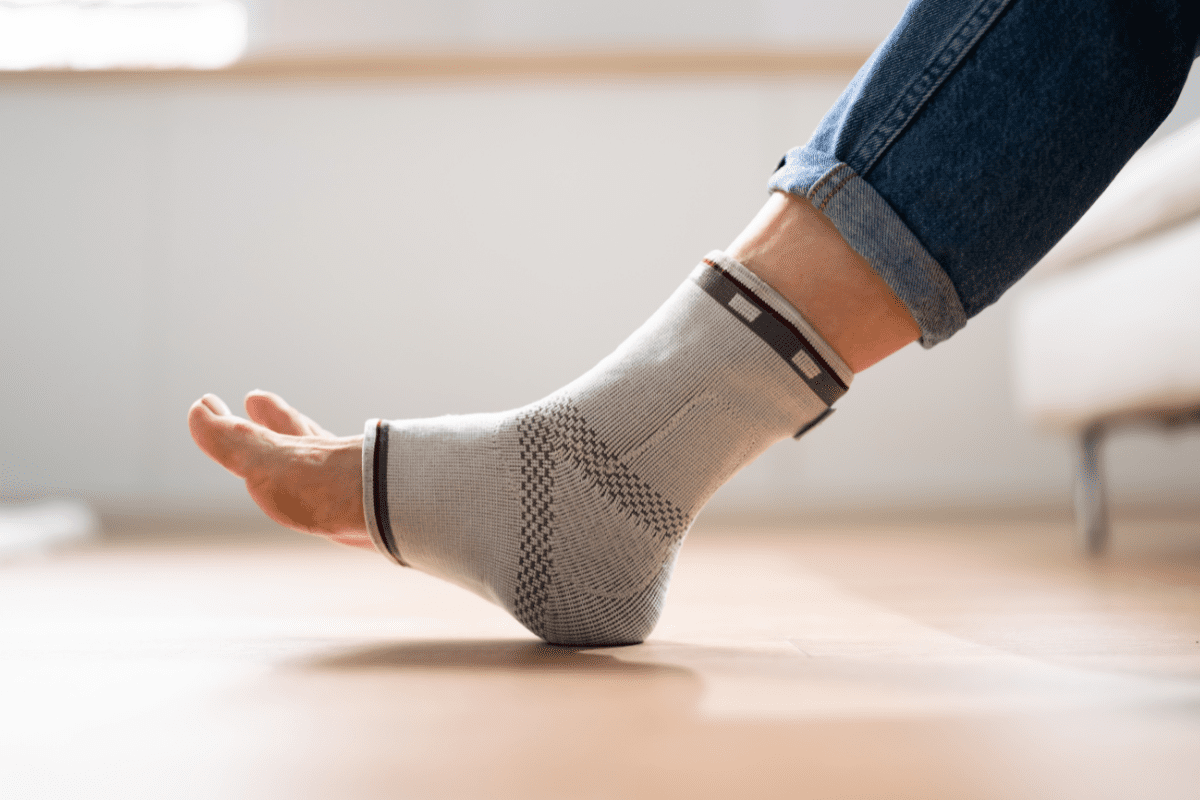
Our feet and ankles are key to doing daily tasks without pain. Weak ankles can sprain easily, causing weeks of discomfort. This makes everyday activities hard.
Understanding Foot and Ankle Anatomy
The foot and ankle complex has many bones, ligaments, and muscles. Knowing this anatomy is key to understanding foot and ankle health. The ankle joint helps us walk and balance by moving in certain ways.
Common Foot and Ankle Issues
Many problems can affect the foot and ankle, like sprains and plantar fasciitis. Research shows exercises can boost ankle strength and balance, helping older adults and those with chronic instability. Some common issues include:
- Ankle sprains
- Plantar fasciitis
- Achilles tendonitis
- Flat feet
These problems can come from overuse, bad shoes, or how our body moves. They can really hurt our quality of life.
Keeping our feet and ankles healthy through exercise and care can prevent these problems. By knowing the anatomy and common issues, we can take steps to keep our feet and ankles in good shape.
Benefits of Regular Exercises for Feet and Ankles
Foot and ankle exercises are key for keeping your feet stable, avoiding injuries, and boosting your athletic skills. They help with ankle recovery and offer many benefits for those with ankle pain. These exercises can manage pain, improve ankle health, and lower the chance of future problems.
Improved Stability and Balance
One major advantage of foot and ankle exercises is improved stability and balance. Strengthening the ankle muscles and improving how you sense your body’s position helps prevent falls and injuries. A study found that exercises like ankle plantar flexion and strengthening the intrinsic foot muscles are often recommended. They suggest doing 3 sets of 10 reps, 3 times a week.
Improved stability is great for athletes and older adults. For athletes, it means better performance and fewer injuries. For older adults, it lowers the risk of falls and injuries.
Injury Prevention
Injury prevention is a big plus of regular foot and ankle exercises. Strengthening muscles and improving flexibility can cut down on ankle injuries like sprains and strains. Ankle exercises are very effective in preventing injuries in sports that involve running, jumping, or quick changes of direction.
Enhanced Athletic Performance
For athletes, enhanced athletic performance is a major benefit of foot and ankle exercises. Strengthening the ankles and improving mobility can lead to better power, quicker movements, and overall improved sports performance. Calf raises and ankle circles are great exercises for this.
To show the benefits and structure of foot and ankle exercises, let’s look at a table:
Exercise Type | Benefits | Frequency |
Ankle Plantar Flexion | Improved Stability, Injury Prevention | 3 sets of 10 reps, 3 times a week |
Intrinsic Foot Muscle Strengthening | Enhanced Balance, Athletic Performance | 3 sets of 10 reps, 3 times a week |
Ankle Circles | Improved Mobility, Reduced Stiffness | Daily, 3 sets of 5 reps |
As the table shows, different exercises offer various benefits and can be customized for individual needs and goals.
Getting Started: Equipment and Preparation
To start a foot and ankle exercise routine, we need to focus on preparation and equipment. Proper preparation makes exercises more effective and reduces injury risk.
Necessary Equipment
Many foot and ankle exercises don’t need special equipment. But, the right tools can improve your routine. Here are some essentials:
- A comfortable, non-slip mat for floor exercises
- Resistance bands for strengthening exercises
- A stationary bicycle or other low-impact cardio equipment for warm-ups
- A towel or other grip-enhancing material for certain exercises
Having the right equipment makes your exercises more effective and fun.
Warm-Up Recommendations
It’s important to warm up before exercising. A good warm-up gets your muscles and joints ready. This reduces injury risk. Start with 5 to 10 minutes of low-impact activity, like walking or riding a stationary bike.
Studies show that an 8-week foot-ankle strengthening program can help. It can decrease pain and improve physical function. As you get stronger, you can move to more active exercises.
Key warm-up exercises include:
- Gentle walking or jogging in place
- Leg swings and ankle rotations
- Calf raises and toe curls
Adding these warm-up exercises to your routine prepares you for tougher exercises.
Essential Exercises for Feet and Ankles: The Complete List
To keep your feet and ankles healthy, it’s key to do specific exercises. These help strengthen muscles, boost flexibility, and improve stability. We’ll show you the first two exercises from our list of 10 essential ones.
Exercise 1: Short Foot Exercise
The Short Foot Exercise is great for strengthening the foot’s muscles. Studies show it works better than toe curl exercises. Here’s how to do it:
- Sit on the floor with your legs straight out in front of you.
- Place your hands on the ground beside you for support.
- Slowly pull your toes back towards your shin, keeping your heel on the ground.
- Hold for a few seconds, then release.
This exercise strengthens your toes and boosts their flexibility. It targets muscles that can be hurt by foot or ankle injuries.
Exercise 2: Toe Spreading
Toe Spreading is vital for foot health. It enhances toe flexibility and strength. Here’s how to do it:
- Sit on a chair or on the floor with your feet flat.
- Slowly spread your toes as far apart as you can.
- Hold for a few seconds, then bring them back together.
Doing Toe Spreading regularly can lower the risk of toe injuries and improve foot function.
Exercise | Primary Benefit | Secondary Benefit |
Short Foot Exercise | Strengthens intrinsic foot muscles | Improves toe flexibility |
Toe Spreading | Improves toe flexibility | Enhances toe strength |
Adding these exercises to your daily routine can greatly improve your feet and ankles’ health. We’ll cover more exercises from our complete list in the next sections.
Ankle Mobility Exercises for Recovery
Recent studies have shown that ankle mobility exercises can significantly aid in recovery. Ankle mobility is key for flexibility and injury prevention. We will explore two effective exercises: Ankle Circles and Ankle Alphabet.
Circles for Enhanced Mobility
Ankle Circles are a simple yet effective exercise for improving ankle mobility. Sit in a chair and lift one foot off the floor. Draw circles with your toes, moving your ankle clockwise and counterclockwise. This exercise helps improve the range of motion in the ankle joint and maintain flexibility.
Benefits of Ankle Circles:
- Improves ankle flexibility
- Enhances range of motion
- Aids in injury recovery
Alphabet for Strength and Mobility
The Ankle Alphabet exercise involves drawing the alphabet with your toes. It helps strengthen the muscles around the ankle and improve mobility. This exercise engages the ankle joint in multiple directions, promoting flexibility and strength.
Benefits of Ankle Alphabet:
- Strengthens ankle muscles
- Improves ankle mobility
- Enhances coordination
“Ankle-foot exercises significantly improve ankle plantarflexion strength, ankle flexibility, and balance performance.”
Both Ankle Circles and Ankle Alphabet are valuable exercises for improving ankle mobility and aiding in recovery. Adding these exercises to your routine can lead to better ankle function and overall foot health.
Exercise | Benefits | Instructions |
Ankle Circles | Improves flexibility, enhances range of motion | Sit in a chair, lift foot, draw circles with toes |
Ankle Alphabet | Strengthens muscles, improves mobility | Draw alphabet with toes |
Resistance-Based Strengthening Exercises
We use resistance-based exercises to boost ankle strength and resilience. Resistance bands are great for this, as they offer a flexible and controlled way to strengthen ankle muscles.
A study looked at 87 studies and found over 300 exercises for the foot and ankle. It showed how important resistance band exercises are in physical therapy. These exercises strengthen muscles in all directions, improving joint stability and support.
Exercise 5: Resistance Band Eversion
The resistance band eversion exercise targets the peroneal muscles, key for ankle stability. To do this, tie a resistance band around something stable and wrap the other end around your foot. Then, push your foot outward against the resistance.
Key benefits: Better ankle stability, stronger muscles.
Exercise 6: Resistance Band Inversion
Resistance band inversion focuses on the tibialis anterior muscle, important for ankle dorsiflexion and health. To do this, tie the resistance band around something stable and wrap the other end around your foot. Then, pull your foot inward against the resistance.
Proper technique is essential to avoid injury and get the most out of the exercise.
Adding these resistance-based exercises to your routine can greatly improve your ankle strength and foot health.
Weight-Bearing Exercises for Functional Strength
Building strong feet and ankles needs a focused plan, including weight-bearing exercises. These exercises boost strength, mobility, and function. They’re key for everyday tasks and sports.
Research shows that a foot-ankle strengthening program for 8 weeks can help. It can lessen pain and boost physical function. Weight-bearing exercises are key in these programs.
Exercise 7: Heel Raises
Heel raises are a simple yet effective exercise. They improve lower body strength and mobility. To do heel raises, stand with your feet hip-width apart and hold onto a table or wall for balance.
Step-by-Step Instructions:
- Stand with your feet hip-width apart.
- Slowly raise your heels off the ground, standing on your toes.
- Hold for a few seconds.
- Slowly lower your heels back down.
Exercise 8: Toe Raises
Toe raises target the muscles in the toes and the front of the lower legs. This exercise boosts toe strength and foot function.
Step-by-Step Instructions:
- Sit on the floor with your legs straight out in front of you.
- Place a towel or cloth under your toes.
- Try to raise your toes while keeping the towel or cloth in place.
- Hold for a few seconds, then release.
Weight-bearing exercises, like heel raises and toe raises, do more than just strengthen the feet and ankles. They also boost lower limb strength, balance, and mobility.
Exercise | Primary Benefit | Secondary Benefit |
Heel Raises | Improved ankle strength | Enhanced lower body mobility |
Toe Raises | Strengthened toe muscles | Better foot function |
Advanced Recovery and Performance Exercises
As we move forward in strengthening our feet and ankles, we need to add advanced exercises. These exercises help with recovery and improve performance. They challenge our balance, strength, and ankle stability.
Single-Leg Balance Training is key for better balance and stability. Stand straight and lift one foot off the ground by bending your knee. Hold this for as long as you can, then switch legs. This strengthens your ankles and improves lower limb stability.
- Start on a flat, stable surface.
- Keep your eyes focused on a point in front of you.
- Engage your core to help maintain balance.
Exercise 9: Single-Leg Balance Training
Single-leg balance training boosts your stability and strength. Standing on one leg challenges your ankle to support your body’s weight. This enhances its strength and stability.
A renowned physical therapist says, “Balance training is not just about standing on one leg; it’s about improving your overall stability and reducing the risk of injuries.”
“The key to successful balance training lies in its ability to simulate real-life scenarios, making your ankles more resilient to twists and turns.”
Exercise 10: Towel Scrunches
Towel Scrunches are great for strengthening your toes and improving foot function. Place a towel on the floor and scrunch it towards you with your toes. This exercise is done seated and strengthens toe muscles.
Towel scrunches improve toe strength and foot mechanics. Adding them to our routine will enhance our foot health and stability.
Conclusion: Creating Your Foot and Ankle Exercise Routine
Adding the exercises we talked about to your daily routine can greatly improve your foot and ankle health. It also lowers the chance of injury and helps with recovery from muscle and bone issues. Start with easy exercises like the Short Foot Exercise and Toe Spreading. Then, move on to harder ones like Single-Leg Balance Training.
Adding small balance challenges to your day can boost your ankle strength. For example, balancing on one leg can be done while doing everyday tasks. This makes it simple to keep up with the exercises.
Having a regular foot and ankle exercise routine is key for ankle recovery and foot health. It helps improve stability, prevents injuries, and boosts athletic performance. We suggest making these exercises a daily habit to see the benefits of a well-structured routine.
FAQ
What are the benefits of foot and ankle exercises?
Foot and ankle exercises can make your feet and ankles stronger. They help prevent injuries and support healing. These exercises also boost your athletic performance and keep your lower limbs healthy.
How often should I perform foot and ankle exercises?
We suggest doing foot and ankle exercises 2-3 times a week. This keeps your feet and ankles healthy and prevents injuries.
What equipment do I need for foot and ankle exercises?
Most exercises need little equipment, like a resistance band or towel. Some, like heel raises, don’t need any equipment at all.
Can foot and ankle exercises help with recovery from injuries?
Yes, they can help heal injuries like ankle sprains. They improve ankle mobility and strengthen muscles. Exercises like ankle circles and resistance band eversion are very helpful.
Are foot and ankle exercises suitable for everyone?
While most people benefit from these exercises, some may need to avoid certain ones. This includes those with severe ankle instability or foot surgery. Always check with a healthcare professional to find the right exercises for you.
How can I incorporate foot and ankle exercises into my daily routine?
Start with simple exercises like toe spreading and ankle circles. Do them during breaks or while watching TV. As you get more comfortable, you can try more challenging exercises like single-leg balance training.
What is the short foot exercise, and how do I perform it?
The short foot exercise strengthens your foot’s intrinsic muscles. Sit on the floor with your feet flat. Then, try to shorten your foot by pulling your toes back towards your heel.
Can I do foot and ankle exercises if I have a pre-existing foot or ankle condition?
Always talk to a healthcare professional before starting any new exercise program. This is even more important if you have a pre-existing condition. They can help you choose safe and suitable exercises.
How long does it take to see the benefits of foot and ankle exercises?
You can start seeing benefits in just a few weeks. This depends on how often and consistently you exercise. Regular practice improves stability, balance, and overall foot and ankle health.
References
National Center for Biotechnology Information. Evidence-Based Medical Guidance. Retrieved from https://pubmed.ncbi.nlm.nih.gov/39657220/