Millions of people worldwide deal with the pain of tight back and lower back tightness. This makes simple tasks hard and painful. At Liv Hospital, we know solving this problem needs more than just general tips. We focus on you, using the latest research and care. Six proven methods and stretches detailing how to loosen tight back muscles in the upper, middle, and lower regions.
Tight back muscles can come from bad posture, sitting too long, using muscles too much, stress, and not drinking enough water. When muscles get tight, they limit how far you can move and cause back pain. Knowing why it happens helps us find the right way to fix it.
Key Takeaways
- Lower back tightness is a common issue affecting millions globally.
- Poor posture, prolonged sitting, and overuse can contribute to tight back muscles.
- Understanding the causes is essential for effective relief.
- Comprehensive solutions involve a patient-centered approach.
- Evidence-based protocols are key in addressing back tightness.
Understanding Back Muscle Tightness
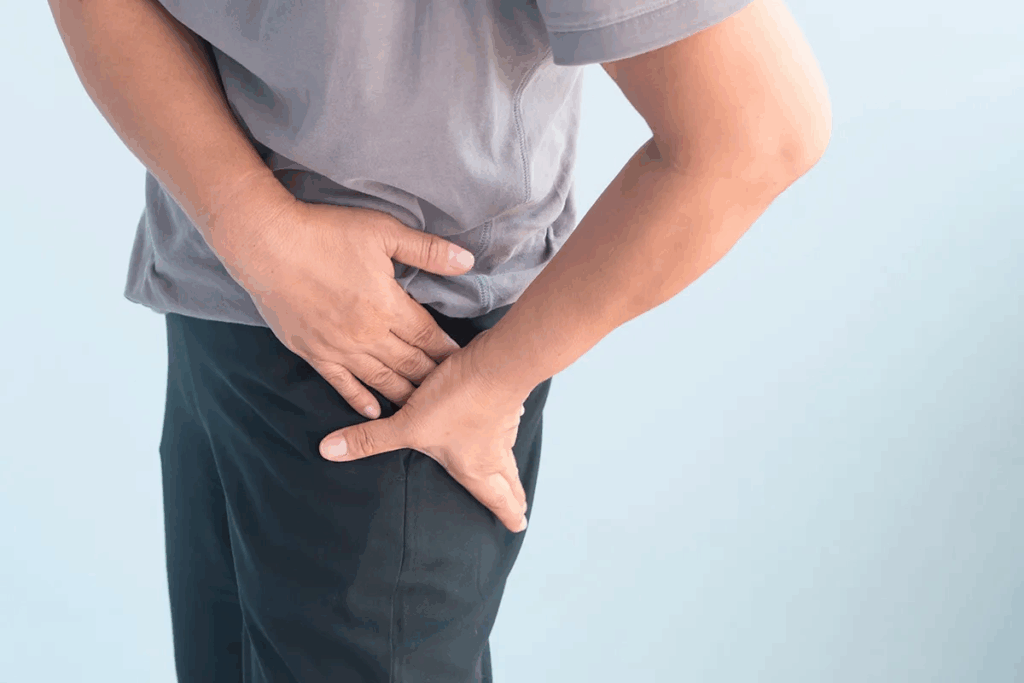
It’s important to know why back muscles get tight. We’ll look at how daily habits, posture, and mobility issues lead to tight back muscles.
What Causes Tight Back Muscles
Tight back muscles come from many sources. Poor posture, overuse, and stress are big contributors. Bad posture puts strain on the back muscles over time.
Doing the same activity too much can also cause tightness. This is true for people who do hard physical work or jobs that involve lifting heavy things.
Common Symptoms of Back Muscle Tightness
The signs of tight back muscles vary. They often include pain, stiffness, and trouble moving. People might feel aching or burning in their lower back, which can spread to other spots.
Symptom | Description |
Pain | Aching or sharp pain in the lower back |
Stiffness | Reduced flexibility and stiffness in the back |
Restricted Range of Motion | Difficulty in performing daily activities due to limited mobility |
The Impact of Extremely Tight Lower Back Muscles on Daily Life
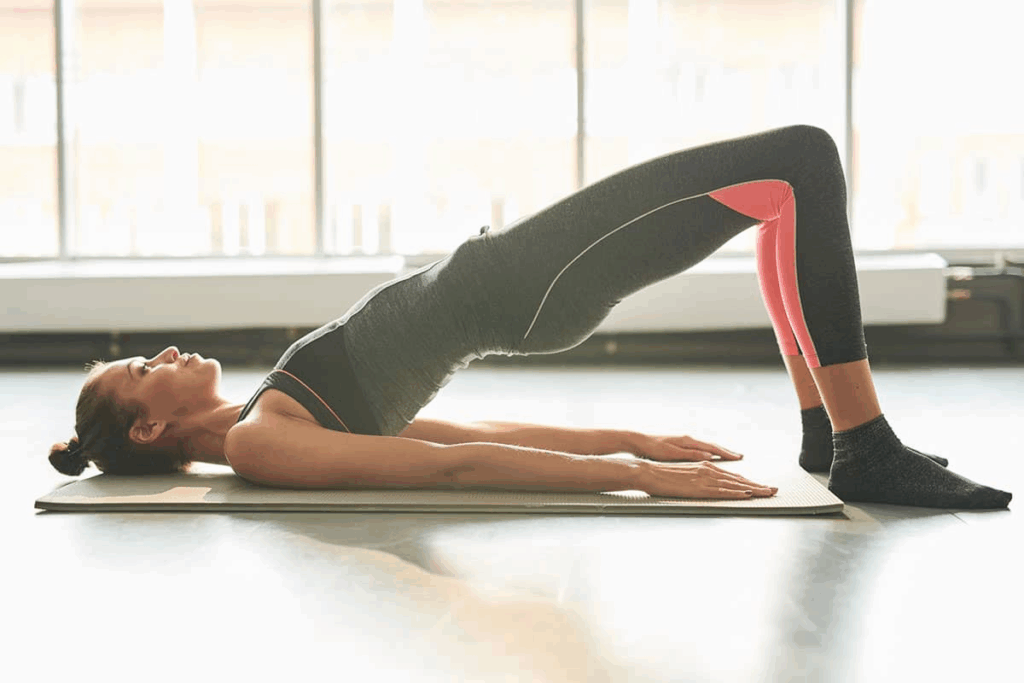
Living with extremely tight lower back muscles affects our physical, mental, and emotional health. The pain and discomfort can make everyday tasks hard. It changes how we live our lives.
Physical Limitations and Pain Patterns
Extremely tight lower back muscles cause physical limitations. Simple actions like bending or lifting can hurt. The pain can feel like a dull ache or sharp stabbing.
The pain might spread to the hips, buttocks, or legs. This is because our muscles and bones are connected. Knowing how pain moves helps us manage it better.
Mental and Emotional Effects
Dealing with chronic lower back pain affects our mind and feelings. It can make us feel frustrated, anxious, and depressed. The pain can also make us irritable and withdrawn.
This can hurt our relationships and lower our quality of life. The fear of making pain worse can make us less active. This creates a cycle of pain and inactivity.
Understanding the full impact of tight lower back muscles helps us find better treatments. We can improve both our physical and mental health.
How to Loosen Tight Back Muscles Through Stretching
Stretching tight back muscles is good for flexibility and back health. It helps ease tension, cuts down pain, and boosts movement. We’ll look at some easy stretches you can do every day.
Cat-Cow Stretch for Spine Mobility
The cat-cow stretch is a gentle way to make your spine more mobile and less stiff. Start on your hands and knees. Arch your back, lifting your tailbone and head up (like a cat).
Then, round your back, tucking your chin and tailbone down (like a cow). Do this several times, moving slowly.
Child’s Pose for Lower Back Release
Child’s pose is a stretch that helps loosen the lower back. Kneel on the floor and sit back onto your heels. Stretch your arms out and lower your forehead to the ground, breathing deeply.
Stay in this pose for a few minutes, feeling the stretch in your lower back.
Knee-to-Chest Stretch for Targeted Relief
The knee-to-chest stretch is a simple way to ease tight back muscles. Lie on your back and bring one knee towards your chest. Hold your knee with your hand and gently pull it towards your chest.
Hold for 30 seconds and then switch legs.
Spinal Twist for Rotational Flexibility
The spinal twist is a gentle stretch that boosts rotational flexibility and eases spine stiffness. Lie on your back with your knees bent and feet flat. Let your knees fall to one side, keeping your shoulders down.
Hold for 30 seconds and then repeat on the other side.
Adding these stretches to your daily routine can loosen tight back muscles, boost flexibility, and lessen pain. Remember to breathe deeply and stretch slowly for the best results.
Self-Massage Techniques to Release Tight Painful Lower Back
Self-massage is a great way to ease tightness and pain in your lower back. By adding simple techniques to your daily routine, you can manage and lessen discomfort.
Using Foam Rollers Effectively
Foam rollers are a favorite for self-massage, helping to release muscle tension. To use one for your lower back, place it under your mid-back. Keep your feet flat and knees bent. Roll the foam roller up and down, focusing on tight or painful spots.
Benefits of Foam Rolling:
- Relieves muscle tension
- Improves circulation
- Enhances flexibility
Tennis Ball and Lacrosse Ball Massage
Tennis and lacrosse balls are great for targeting tight spots in your lower back. Place the ball on the floor and lie down on it, putting it under the area that hurts. Slowly move your body to apply pressure, holding for a few seconds on tight spots.
Tool | Pressure Level | Best For |
Tennis Ball | Moderate | General tension relief |
Lacrosse Ball | Deep | Targeting specific knots |
Massage Guns and Other Self-Treatment Tools
Massage guns are also effective for self-massage, providing percussive therapy for deep tissue tension. Start with a low intensity and increase as needed. Focus on tight areas, holding the gun for a few seconds to relax the muscles.
By using these self-massage techniques, you can actively manage tight painful lower back muscles. This can improve your overall well-being.
Heat and Cold Therapy for Back Tightness
Heat and cold therapy are simple yet effective ways to handle back tightness. They have been used for years to ease pain and stiffness.
Both heat and cold therapy have their own benefits. Knowing when to use each can help you choose the right treatment.
When to Use Heat Therapy
Heat therapy is great for relaxing muscles and boosting blood flow. It works best for long-term back tightness or after activities that make it worse.
Benefits of Heat Therapy:
- Relaxes muscles
- Improves blood circulation
- Reduces stiffness
Using heat before activities can also get your muscles ready. It’s a good thing to do before exercising.
When to Use Cold Therapy
Cold therapy is best for cutting down inflammation and dulling pain. It’s most useful right after an injury or during sudden back tightness.
Benefits of Cold Therapy:
- Reduces inflammation
- Numbes pain
- Decreases swelling
Therapy Type | Primary Benefits | Best Used For |
Heat Therapy | Relaxes muscles, improves circulation | Chronic back tightness, pre-activity warm-up |
Cold Therapy | Reduces inflammation, numbs pain | Acute injuries, flare-ups of back tightness |
Understanding the differences between heat and cold therapy helps you manage back tightness better. You can pick the best treatment for your needs.
Improving Posture When Your Back Feels Tight
When your back feels tight, improving your posture can help a lot. Good posture reduces strain on your back muscles. This can prevent and ease tightness. We’ll look at the importance of sitting right, setting up an ergonomic workspace, and exercises for better posture.
Proper Sitting Posture to Prevent Lower Back Tightness
Good sitting posture is key to avoiding lower back tightness. Keep your feet flat on the floor or on a footrest. Your knees should be at or below hip level, and your back straight with shoulders relaxed. Also, make sure your monitor is at eye level and your keyboard is right in front of you.
Tips for Maintaining Proper Sitting Posture:
- Adjust your chair height to keep your feet flat on the floor.
- Use a lumbar support to maintain the natural curve of your lower back.
- Avoid crossing your legs or ankles, which can lead to poor circulation and discomfort.
Ergonomic Workspace Setup
An ergonomic workspace setup is important to avoid back tightness. It means arranging your workspace to reduce body strain. Place your chair, desk, and computer to support good posture and avoid leaning or stretching.
Key Elements of an Ergonomic Workspace:
Element | Description |
Chair Height | Feet flat on floor or footrest, knees at or below hip level |
Monitor Position | At eye level, about an arm’s length away |
Keyboard and Mouse | Close to body, wrists straight |
Posture Correction Exercises for Chronic Tightness
For chronic back tightness, posture correction exercises are very helpful. These exercises strengthen the muscles that support your spine. They also improve your posture. Try shoulder rolls, chest stretches, and pelvic tilts daily.
Sample Posture Correction Exercises:
- Shoulder Rolls: Roll your shoulders forward and backward in a circular motion.
- Chest Stretch: Stand in a doorway with your hands on the doorframe at shoulder height, lean forward until you feel a stretch in your chest.
- Pelvic Tilts: Lie on your back with your knees bent and feet flat on the floor, tilt your pelvis upwards and then back down again.
Hydration and Nutrition for Loosening Back Muscles
Keeping our bodies hydrated and eating well is key to easing back muscle tightness. If we ignore our hydration and nutrition, our muscles, including our back, can get tight and hurt.
Importance of Hydration for Muscle Flexibility
Hydration is vital for muscle flexibility and back health. Water keeps our muscles and tissues soft, making movement easier and reducing cramps. Adequate hydration is also important for our spine’s discs, which cushion our vertebrae.
Being dehydrated can make our muscles tight and more likely to get hurt. Drinking enough water is important, even more so when we’re active or doing exercises to loosen tight back muscles.
Anti-inflammatory Foods to Combat Back Tightness
Nutrition is also key in managing back muscle tightness. Eating anti-inflammatory foods can help lower body inflammation, which is linked to muscle tightness and pain.
Food | Benefits |
Fatty Fish (Salmon, Sardines) | Rich in omega-3 fatty acids, which have potent anti-inflammatory effects. |
Turmeric | Contains curcumin, a compound known for its anti-inflammatory and antioxidant properties. |
Berries (Blueberries, Raspberries) | High in antioxidants and flavonoids, which help reduce inflammation. |
Eating these foods can help ease back muscle tightness and improve muscle health. A balanced diet and enough water are essential for managing back muscle tightness.
Mindfulness and Stress Reduction for When Your Lower Back Feels Stiff
When your lower back feels stiff, mindfulness and stress reduction can help right away. These practices have been shown to lower stress and help you relax. This is great for people with stiff lower backs.
Deep Breathing Exercises for Immediate Relief
Deep breathing is a simple yet effective way to ease stress and stiffness in your lower back. By taking slow, deep breaths, you can calm your nervous system and relax tight muscles.
To practice deep breathing:
- Find a comfortable seated or lying position.
- Place one hand on your abdomen and the other on your chest.
- Inhale slowly through your nose, allowing your abdomen to rise while your chest remains steady.
- Exhale slowly through your mouth, feeling your abdomen fall.
- Repeat for several minutes, focusing on the sensation of your breath.
Jon Kabat-Zinn, a mindfulness expert, once said,
“The best way to take care of the future is to take care of the present moment.”Jon Kabat-Zinn
Progressive Muscle Relaxation Techniques
Progressive muscle relaxation (PMR) involves tensing and relaxing different muscle groups. This can help reduce physical tension and promote relaxation.
Muscle Group | Tense for | Relax for |
Toes | 5 seconds | 10 seconds |
Feet and calves | 5 seconds | 10 seconds |
Lower back | 5 seconds | 10 seconds |
Meditation Practices for Chronic Back Tension
Meditation is a powerful tool for managing chronic back tension. It helps focus the mind and promotes relaxation. This can reduce stress and ease lower back stiffness.
To start a meditation practice:
- Find a quiet, comfortable space to sit or lie down.
- Close your eyes and focus on your breath or a mantra.
- When your mind wanders, gently bring your attention back to your chosen focus.
- Start with short sessions (5-10 minutes) and gradually increase as you become more comfortable with the practice.
By adding these mindfulness and stress reduction techniques to your daily routine, you can lessen the frequency and severity of lower back stiffness. This promotes overall well-being and quality of life.
When to Seek Professional Help for Persistent Lower Back Tightness
Knowing when to get help for lower back tightness is key. Mild cases might be handled with self-care. But, some cases need professional help.
Warning Signs That Require Medical Attention
Some symptoms mean you should see a doctor right away. These include:
- Severe pain that doesn’t get better with rest or gets worse
- Numbness or tingling in the legs or feet
- Weakness in the legs or trouble walking
- Loss of bladder or bowel control, a true emergency
- Recent trauma or injury to the back
- Unexplained weight loss with back pain
Types of Specialists to Consult
For ongoing lower back tightness, you might see different specialists. These include:
- Orthopedists or orthopedic surgeons for musculoskeletal issues
- Physical medicine and rehabilitation (PM&R) doctors for chronic pain
- Physical therapists for exercises and therapies
- Chiropractors for spinal adjustments
Your primary care doctor can suggest the best specialist for you.
Professional Treatment Options
Treatment for lower back tightness depends on the cause and how bad it is. Some common treatments are:
- Physical therapy for flexibility, strength, and posture
- Medications like muscle relaxants or anti-inflammatory drugs
- Spinal injections to cut down inflammation and pain
- Surgical interventions for severe cases
- Alternative therapies like acupuncture or massage
A healthcare expert can choose the best treatment for you based on your needs.
Conclusion: Creating a Routine to Prevent Back Muscles From Getting Tight
To keep your back muscles healthy and avoid tightness, it’s key to have a routine. This routine should include stretching, self-massage, and improving your posture. Doing these things can lower the chance of back tightness and boost your overall health.
Start with easy stretches like the cat-cow stretch and child’s pose to loosen tight muscles. Using foam rollers or tennis balls for self-massage can also help. Plus, keeping good posture by setting up your workspace right and doing posture exercises can also help.
By adding these habits to your daily life, you can actively prevent back tightness and support a healthier back. This regular effort will keep your muscles flexible, reduce tension, and enhance your back’s health.
FAQ
What causes tight back muscles?
Tight back muscles can come from many things. Poor posture and overuse are common causes. Slouching or sleeping in a bad position strains the back. Also, doing hard activities without warming up can lead to muscle strain.
How can I loosen tight back muscles?
To loosen tight back muscles, try stretching, self-massage, and heat or cold therapy. Good posture and stress reduction also help. Mix these methods into your daily life for the best results.
What are some effective stretching exercises for tight back muscles?
Effective stretches include the cat-cow, child’s pose, knee-to-chest, and spinal twist. These stretches improve flexibility and reduce pain, helping you relax.
How can self-massage techniques help relieve tight back muscles?
Self-massage with foam rollers, tennis balls, and massage guns releases tension. It improves circulation and reduces pain. Gentle pressure on tight areas helps relax muscles and aids healing.
When should I use heat therapy versus cold therapy for back tightness?
Use heat for chronic tightness to relax muscles and improve blood flow. Cold therapy is best for acute injuries to reduce inflammation and numb pain. Choose heat for long-term tightness and cold for sudden pain.
How can improving my posture help alleviate back tightness?
Good posture reduces strain on back muscles. Sit correctly, set up an ergonomic workspace, and do posture exercises. These steps help reduce chronic tightness and support back health.
What role does hydration and nutrition play in maintaining healthy back muscles?
Hydration keeps muscles flexible, while a balanced diet fights inflammation. Drink plenty of water and eat foods rich in omega-3s and antioxidants. This supports back health.
How can mindfulness and stress reduction techniques help alleviate lower back stiffness?
Mindfulness and stress reduction, like deep breathing and meditation, relax muscles and reduce stiffness. These practices help manage stress and improve overall well-being.
When should I seek professional help for persistent lower back tightness?
Seek help for persistent or severe tightness. Look for numbness, tingling, or weakness in legs, or sudden severe pain. These are signs to see a healthcare specialist.
What types of specialists can I consult for lower back tightness?
Consult orthopedic specialists, physical therapists, chiropractors, and pain management specialists. They offer personalized help and therapy to ease symptoms.
What are some common professional treatment options for lower back tightness?
Treatments include physical therapy, chiropractic care, pain management, and alternative therapies like acupuncture and massage. Your specialist will choose the best treatment for you.
How can I prevent back muscles from getting tight in the future?
Prevent tightness by stretching, self-massaging, improving posture, and reducing stress. A healthy lifestyle and stress management keep your back muscles relaxed.
Can extremely tight lower back muscles affect my mental health?
Yes, tight back muscles can affect your mental health, causing frustration, anxiety, and depression. Addressing physical symptoms and using stress reduction techniques can help.
How can I loosen a tight spine?
Loosen a tight spine with stretching, self-massage, and good posture. Exercises like the cat-cow and spinal twist target the spine. Proper posture also helps reduce tension and improve flexibility.
References
National Center for Biotechnology Information. Evidence-Based Medical Guidance. Retrieved from https://pmc.ncbi.nlm.nih.gov/articles/PMC9529058/