
Allopurinol is a key xanthine oxidase inhibitor used to treat gout. But, it also has risks that patients should know about. Listing seven common and seriousallopurinol side effects, including the risk of severe skin reactions.
It helps lower uric acid levels. Yet, it’s important to understand its long-term effects for safe use. At Liv Hospital, we help patients understand allopurinol therapy with proven methods and tailored risk checks.
Careful medical supervision is key to avoid serious issues. This includes allergic reactions and severe skin problems.
Key Takeaways
- Allopurinol is a widely used medication for managing gout.
- Understanding its long-term risks is vital.
- Personalized risk assessment is key for safe treatment.
- Careful medical supervision can prevent serious problems.
- Liv Hospital offers evidence-based allopurinol therapy protocols.
What is Allopurinol and How Does It Work?
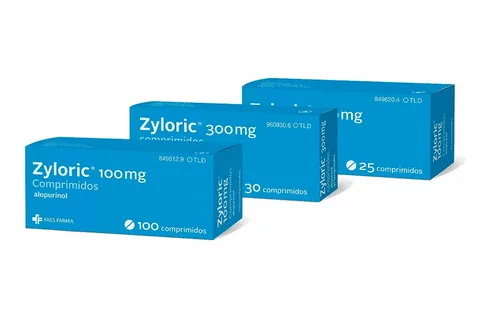
Allopurinol is a key medication for managing gout. It helps control high uric acid levels. It works by blocking the production of uric acid in the body.
Mechanism as a Xanthine Oxidase Inhibitor
Allopurinol blocks the enzyme xanthine oxidase. This enzyme makes uric acid. By stopping this enzyme, allopurinol lowers uric acid levels. This helps prevent gout attacks and manage related conditions.
Primary Uses in Gout Management
Allopurinol is mainly used for gout. Gout causes sudden, severe pain and swelling in joints, often the big toe. Allopurinol reduces uric acid levels, making gout attacks less frequent and less severe.
Standard Dosing and Administration Guidelines
The starting dose for gout treatment is 100 mg daily. The dose may change based on how well the patient responds and uric acid levels. It’s important to follow the doctor’s dosing advice to get the most benefit and avoid side effects.
It’s also key to monitor uric acid and kidney function during long-term use. Allopurinol hypersensitivity syndrome, a rare but serious side effect, affects about 1 in 1000 patients. Knowing the right dose and how to take it is vital to get the most benefit while avoiding risks.
The 7 Major Allopurinol Side Effects to Monitor

Knowing about allopurinol side effects is important for safe treatment. Allopurinol is usually safe but can cause side effects. It’s key to watch for these, more so for those with certain risks.
Overview of Common and Severe Reactions
Common side effects include skin rash and hypersensitivity reactions. Skin rashes can be mild or severe, sometimes leading to Stevens-Johnson Syndrome. Hypersensitivity reactions, though rare, can be deadly and need quick medical help.
“Allopurinol hypersensitivity syndrome is a serious issue,” a study says. It’s vital to spot and stop the drug quickly to manage it.
Prevalence Rates Among Patients
Studies show side effects of allopurinol vary by patient group. Some groups face higher risks of certain side effects. For example, some ethnic groups are at higher risk for severe skin reactions.
A study in a medical journal found many patients had adverse reactions to allopurinol. It stressed the importance of quickly spotting and managing side effects to avoid long-term problems.
Risk Factors That Increase Susceptibility
Some factors make patients more likely to have side effects from allopurinol. These include genetic factors, kidney problems, and taking other drugs. Those with kidney disease or taking other drugs need closer watch.
Long-term studies show allopurinol users with risk factors face more complications. Spotting these risk factors early can help avoid bad side effects, making treatment safer for patients.
Side Effect #1: Skin Rashes and Dermatological Reactions
Skin reactions are a big worry for those taking allopurinol. They can be mild or very serious. Allergic reactions to allopurinol often show up as skin rashes. This is a common problem for those on this medication.
Mild to Moderate Skin Eruptions
Mild to moderate skin eruptions are common side effects of allopurinol. These eruptions can look like morbilliform rashes and may itch or feel uncomfortable. Most of the time, these reactions can be handled with the right care and changes in treatment.
Even if you have mild skin reactions, it’s not always a reason to stop taking allopurinol. But, you should keep a close eye on your skin. If you notice any changes, talk to your doctor right away.
Frequency and Onset Patterns
Skin rashes from allopurinol can happen at any time, but they often show up early in treatment. How often these reactions happen can vary. Some studies say up to 3% of patients might get some kind of skin side effect.
Knowing when these reactions start is key to catching them early. Keep an eye on your skin and tell your doctor about any changes quickly.
Management of Skin-Related Side Effects
Handling skin side effects involves using creams and sometimes changing the allopurinol dose. For mild cases, topical corticosteroids and antihistamines can help. If the reaction is severe, stopping allopurinol might be needed, and finding another treatment is important.
It’s vital to educate patients and watch them closely to manage skin side effects well. By working with their doctor, patients can lower the risk of serious reactions and keep their treatment going safely.
Side Effect #2: Gastrointestinal Disturbances
Some people may experience stomach problems when taking melatonin. These issues can include nausea, diarrhea, and stomach pain. It’s important to talk to a doctor if you have these symptoms.
Side Effect #3: Allopurinol Hypersensitivity Syndrome
Allopurinol hypersensitivity syndrome is a rare but serious condition. It can happen suddenly and needs quick medical help. Symptoms include skin rashes, fever, and problems with organs.
Recognizing This Life-Threatening Reaction
It’s important to spot the signs of allopurinol hypersensitivity syndrome early. Symptoms can be mild or very serious. Stopping allopurinol right away is key to avoiding serious harm.
This condition often starts within a few months of starting allopurinol. Both patients and doctors need to watch for any unusual signs. This is to catch the problem early.
Statistical Risk: 1 in 1000 Patients
About 1 in 1000 people taking allopurinol might get this syndrome. Even though it’s rare, it’s serious enough to watch out for.
“The risk of allopurinol hypersensitivity syndrome, though rare, means we must keep a close eye on patients. We also need to teach them about the signs of this serious reaction.”
20-25% Mortality Rate and Emergency Management
The death rate for this syndrome is high, between 20 to 25 percent. If you think someone has it, stop allopurinol at once and get emergency help.
|
Risk Factor |
Description |
Management Strategy |
|---|---|---|
|
Initial Exposure |
First few months of allopurinol therapy |
Close monitoring for symptoms |
|
Genetic Predisposition |
Presence of HLA-B*5801 allele |
Genetic testing for high-risk populations |
|
Pre-existing Conditions |
Renal impairment, previous hypersensitivity reactions |
Careful assessment of patient history |
In summary, allopurinol hypersensitivity syndrome is rare but very serious. Doctors and patients need to know the signs and act fast if they see them. This is the only way to avoid serious problems.
Side Effect #4: Severe Cutaneous Adverse Reactions
Severe cutaneous adverse reactions, like Stevens-Johnson syndrome and toxic epidermal necrolysis, are rare but serious. They happen when taking allopurinol and need quick medical help. These conditions can be deadly if not treated right away.
Stevens-Johnson Syndrome Presentation
Stevens-Johnson syndrome is a serious skin and mucous membrane disorder. It can start with flu-like symptoms and then a painful rash that blisters and peels. It’s very important to catch it early to improve the outcome.
Toxic Epidermal Necrolysis Development
Toxic epidermal necrolysis is even more severe than Stevens-Johnson syndrome. It causes widespread skin necrosis and detachment. It has a higher death rate. It starts with flu-like symptoms and then skin lesions that quickly blister and detach.
Emergency Intervention Protocols
For severe cutaneous adverse reactions, stop allopurinol right away. Then, get care in a burn unit or intensive care unit. Treatment includes wound care, fluid replacement, and managing complications. Doctors might use corticosteroids or intravenous immunoglobulin based on the case.
Quick action is key to avoid long-term damage and death. Doctors should watch patients closely when starting allopurinol for early signs of these reactions.
Side Effect #5: Renal Complications from Long-Term Use
Long-term use of allopurinol can lead to serious kidney problems. It’s important to watch kidney function closely to avoid long-term damage.
Impact on Kidney Function Markers
Studies show that allopurinol can change kidney function markers. These changes might mean kidney problems are starting. So, regular checks are key.
Using allopurinol for a long time can harm the kidneys more. Regular check-ups and kidney function tests are essential for early detection and management of renal complications.
Progressive Renal Disease Risk
Long-term use of allopurinol raises the risk of kidney disease getting worse. Research shows that kidney function can decline over time in patients on allopurinol.
- Risk factors include pre-existing kidney disease, diabetes, and hypertension.
- Patients with these conditions require closer monitoring.
- Lifestyle modifications and adjustments to the treatment plan may be necessary.
Monitoring Protocols for Kidney Health
To lower the risk of kidney problems, regular monitoring is advised. This includes:
- Serum creatinine tests to assess kidney function.
- Urine analysis to detect any abnormalities.
- Regular blood pressure checks to manage hypertension.
By following these monitoring protocols, patients on long-term allopurinol therapy can lower their risk of kidney complications. It’s vital for healthcare providers to work closely with patients to manage their kidney health effectively.
“Regular monitoring of kidney function is critical for patients on long-term allopurinol therapy to prevent and manage renal complications.”— Expert Opinion
Side Effect #6: Cardiovascular Implications
The heart health effects of allopurinol are a big worry for doctors. As we look into allopurinol’s side effects, understanding its impact on the heart is key.
Research on Heart-Related Complications
Studies show allopurinol users face higher heart disease risks. Research has looked into allopurinol’s link to heart issues like high blood pressure and heart death.
Balancing Cardiovascular Benefits and Risks
Allopurinol might affect the heart, and research is ongoing. We must balance its benefits in treating gout with its heart risks.
Special Considerations for Heart Patients
Patients with heart problems need to think about allopurinol’s heart effects. Doctors must carefully weigh the good against the bad and keep a close eye on patients.
|
Cardiovascular Condition |
Allopurinol Users |
Non-Users |
|---|---|---|
|
Hypertension |
25% |
15% |
|
Cardiovascular Mortality |
5% |
3% |
|
Heart Failure |
10% |
8% |
In summary, allopurinol is good for gout but its heart risks are real. Doctors must know these risks and watch patients closely.
Side Effect #7: Blood Disorders and Hematological Changes
Blood disorders are a big worry for people taking allopurinol. These issues can really hurt a patient’s health. So, it’s important to watch them closely and manage them well.
Types of Blood Abnormalities Reported
Allopurinol can lead to serious blood problems. These include agranulocytosis and aplastic anemia. Agranulocytosis lowers white blood cells, making it hard to fight off infections. Aplastic anemia stops the bone marrow from making blood cells, causing anemia, infections, and bleeding.
Other blood issues from allopurinol are thrombocytopenia and leukopenia. Thrombocytopenia means low platelet counts, and leukopenia means fewer white blood cells. Both can make infections and bleeding more likely.
Detection Through Regular Blood Work
Regular blood tests are key to catching blood side effects early. Tests like complete blood counts (CBC) can spot problems like leukopenia, thrombocytopenia, or anemia. Doctors often suggest CBC tests for people on allopurinol for a long time.
How often blood tests are needed can depend on several things. This includes the patient’s risk factors, how long they’ve been taking allopurinol, and any other health issues. Sticking to the recommended testing schedule is important for catching any blood changes early.
Management of Hematological Side Effects
If blood disorders are found, doctors might stop allopurinol or change the dose. They might also start treatments for specific blood problems. In serious cases, a hospital stay might be needed to handle the complications.
|
Blood Disorder |
Description |
Management Approach |
|---|---|---|
|
Agranulocytosis |
Severe reduction in granulocytes |
Discontinue allopurinol, supportive care, possibly hospitalization |
|
Aplastic Anemia |
Failure of bone marrow to produce blood cells |
Stop allopurinol, immunosuppressive therapy, bone marrow transplantation |
|
Thrombocytopenia |
Low platelet count |
Monitor platelet count, adjust or stop allopurinol, platelet transfusions if necessary |
Genetic Risk Factors for Allopurinol Reactions
It’s important to know about genetic risk factors when giving allopurinol. Genes play a big role in how people react to this drug. Some genetic markers can make side effects worse, so we must think about them when deciding treatment.
The HLA-B*5801 Genetic Marker Explained
The HLA-B*5801 marker is linked to serious skin reactions from allopurinol. These reactions can be life-threatening. People with this marker are more likely to have these severe reactions.
Elevated Risk in Specific Populations
Studies show that the HLA-B*5801 marker is common in Korean, Han Chinese, and Thai people. These groups face a higher risk of severe skin reactions from allopurinol. The marker is found more often in these populations, making them more likely to have bad reactions.
A medical expert notes, “The HLA-B*5801 marker is key in knowing the risk of severe skin reactions to allopurinol. This is true, mainly in groups where the marker is common.”
“Genetic screening for HLA-B*5801 can help identify individuals at risk for allopurinol-induced SCARs, allowing for alternative treatments to be considered.”
Genetic Testing Recommendations and Availability
Genetic testing is advised for patients from Korean, Han Chinese, and Thai backgrounds before starting allopurinol. Healthcare providers should test for the HLA-B*5801 marker. This helps find at-risk patients and find safer treatments.
Testing for HLA-B*5801 is getting more common and is backed by many guidelines. It helps us tailor treatments to make them safer for our patients.
When to Stop Taking Allopurinol: Warning Signs
It’s important to know when to stop taking allopurinol for safety. Allopurinol is usually safe, but it can cause side effects. These might need quick attention.
Symptoms Requiring Immediate Discontinuation
Some symptoms mean you should stop allopurinol right away. These include:
- Severe skin reactions: Like Stevens-Johnson syndrome or toxic epidermal necrolysis, which are very dangerous.
- Signs of hypersensitivity syndrome: This includes fever, rash, and other body-wide symptoms like hepatitis or swollen lymph nodes.
- Significant changes in kidney function: This shows as less urine, swelling, or feeling very tired.
Proper Protocol for Stopping Treatment
If you see any of these symptoms, stop allopurinol and see your doctor right away. When you stop allopurinol, do the following:
- Stop taking the drug completely.
- Call your doctor for advice.
- Watch your symptoms closely.
Follow-up Care After Adverse Reactions
After stopping allopurinol because of side effects, you need to follow up. This includes:
- Regular check-ups with your doctor to watch your health and change treatments if needed.
- Alternative treatments for gout or other conditions treated with allopurinol.
- Blood tests to check how allopurinol affects your blood cells or liver.
Knowing the warning signs and how to act helps patients manage their treatment safely. This way, they can avoid risks from allopurinol.
Alternative Treatments with Different Side Effect Profiles
If allopurinol doesn’t work, other treatments can be tried. For those who can’t take allopurinol, finding a new treatment is key to managing gout.
Febuxostat and Other Medication Options
Febuxostat is another drug for gout, with its own side effects. It works differently than allopurinol, which might help some people. Clinical trials show febuxostat can lower urate levels. But, watch for liver problems and heart issues.
Other options include colchicine, corticosteroids, and NSAIDs. Each has its own good and bad points. The right choice depends on the patient’s needs and health history.
Non-Pharmaceutical Approaches to Gout Management
Non-drug methods are also important for gout care. Eating less purine and more fruits and veggies can help. Also, staying healthy, drinking water, and not drinking too much alcohol are good.
Some people find relief with acupuncture and herbal supplements. While the science is mixed, they can be part of a treatment plan with a doctor’s help.
Comparing Risk-Benefit Profiles Across Treatments
It’s important to look at the risks and benefits of each treatment. This means checking side effects, how well it works, and its effect on life quality. A doctor can help find the best treatment for you.
Knowing about different treatments and their risks and benefits helps patients make better choices. This approach can lead to better results and happier patients.
Conclusion: Making Informed Decisions About Allopurinol Therapy
Knowing about allopurinol’s side effects is key for both patients and doctors. Allopurinol helps manage gout but can cause side effects. These range from mild skin rashes to serious reactions like allopurinol hypersensitivity syndrome.
To treat gout safely and effectively, weighing allopurinol’s benefits against its risks is vital. Patients should be aware of the side effects. This way, they can work with their doctors to keep an eye on their health and change treatment plans if needed. This teamwork helps patients make smart choices about their care, leading to better health.
In conclusion, making smart choices about allopurinol therapy is essential for managing gout well. By knowing the risks and benefits, patients can actively participate in their treatment. This ensures the best outcomes for their health.
FAQ
What are the common side effects of allopurinol?
Common side effects include skin rashes, stomach problems, and rare severe reactions like allopurinol hypersensitivity syndrome.
Can allopurinol cause skin rashes?
Yes, skin rashes are a common side effect of allopurinol. They can range from mild to severe. You might need to adjust your treatment.
What is allopurinol hypersensitivity syndrome?
Allopurinol hypersensitivity syndrome is a rare but serious condition linked to allopurinol use. It’s a medical emergency that needs immediate attention.
Are there any long-term risks associated with allopurinol?
Long-term use of allopurinol can lead to kidney problems, among other risks. It’s important to monitor your kidney function if you’re on long-term therapy.
How does allopurinol affect kidney function?
Allopurinol can affect kidney function. Long-term use may cause kidney issues. Regular monitoring is key.
Can I stop taking allopurinol if I experience side effects?
If you have severe side effects or warning signs, stop taking allopurinol. Then, talk to your healthcare provider right away.
Are there alternative treatments to allopurinol for managing gout?
Yes, there are other treatments like febuxostat and non-pharmaceutical methods for managing gout.
How can genetic factors influence my response to allopurinol?
Genetic factors, like the HLA-B*5801 marker, can raise the risk of bad reactions to allopurinol. Genetic testing might be suggested for some groups.
What are the signs that I should stop taking allopurinol?
Stop taking allopurinol if you have severe skin rashes, signs of allopurinol hypersensitivity syndrome, or other severe reactions. Always consult your healthcare provider for advice.
How can I manage gastrointestinal side effects of allopurinol?
To reduce GI symptoms, try adjusting your diet, taking the medication with food, and follow other management tips from your healthcare provider.
Reference
National Center for Biotechnology Information. Allopurinol: Side Effects, Long-Term Risks, and Safe Use. Retrieved from https://www.ncbi.nlm.nih.gov/books/NBK499942/