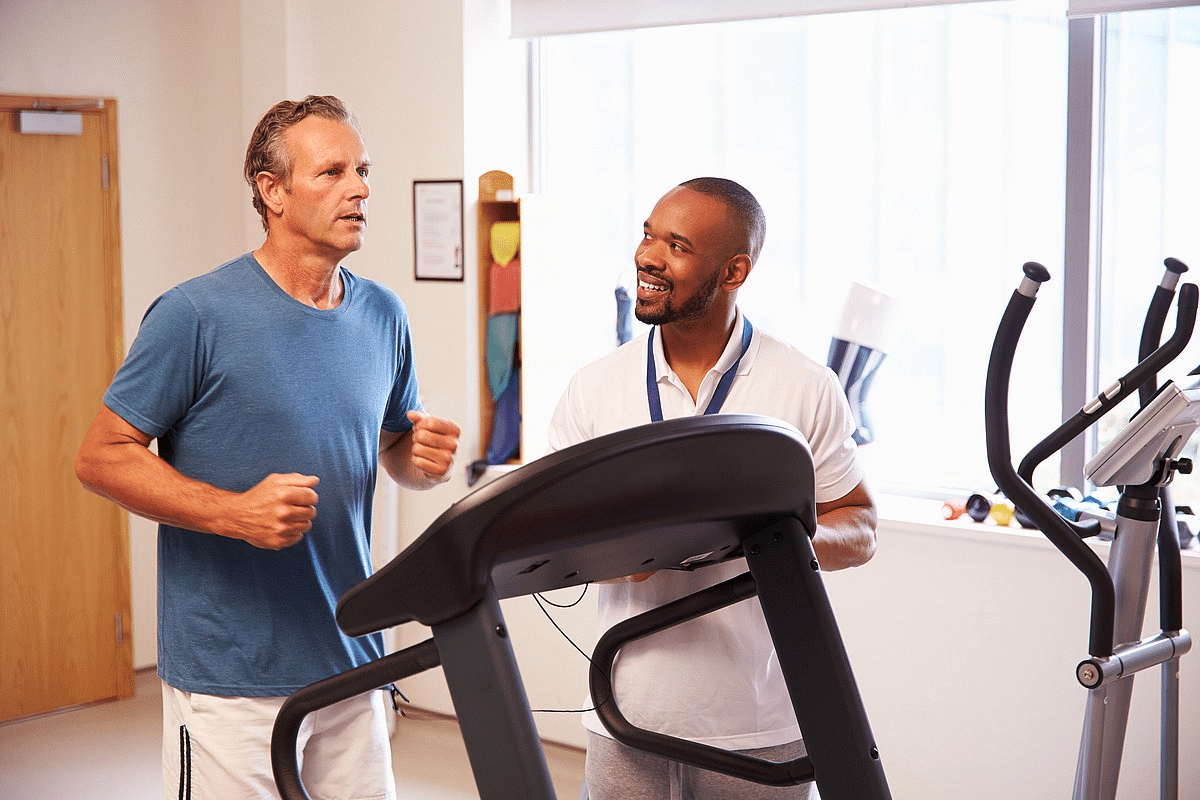
Physical therapy stretches are key in modern medicine. They help people get better from injuries, manage pain, and move better. At Liv Hospital, we focus on you, using the best practices and support pt stretches.
Exercise rehabilitation treatment aims to get you moving again, heal, and reduce pain. Adding physical therapy stretching exercises to your routine can boost your recovery and life quality.
Key Takeaways
- Physical therapy stretches can be done safely at home with the right guidance.
- Regular stretching lowers pain and boosts recovery.
- Rehab exercises improve your life quality.
- Physical therapy helps all ages with different health issues or injuries.
- Liv Hospital offers top-notch healthcare, focusing on you.
The Science Behind Physical Therapy Rehabilitation
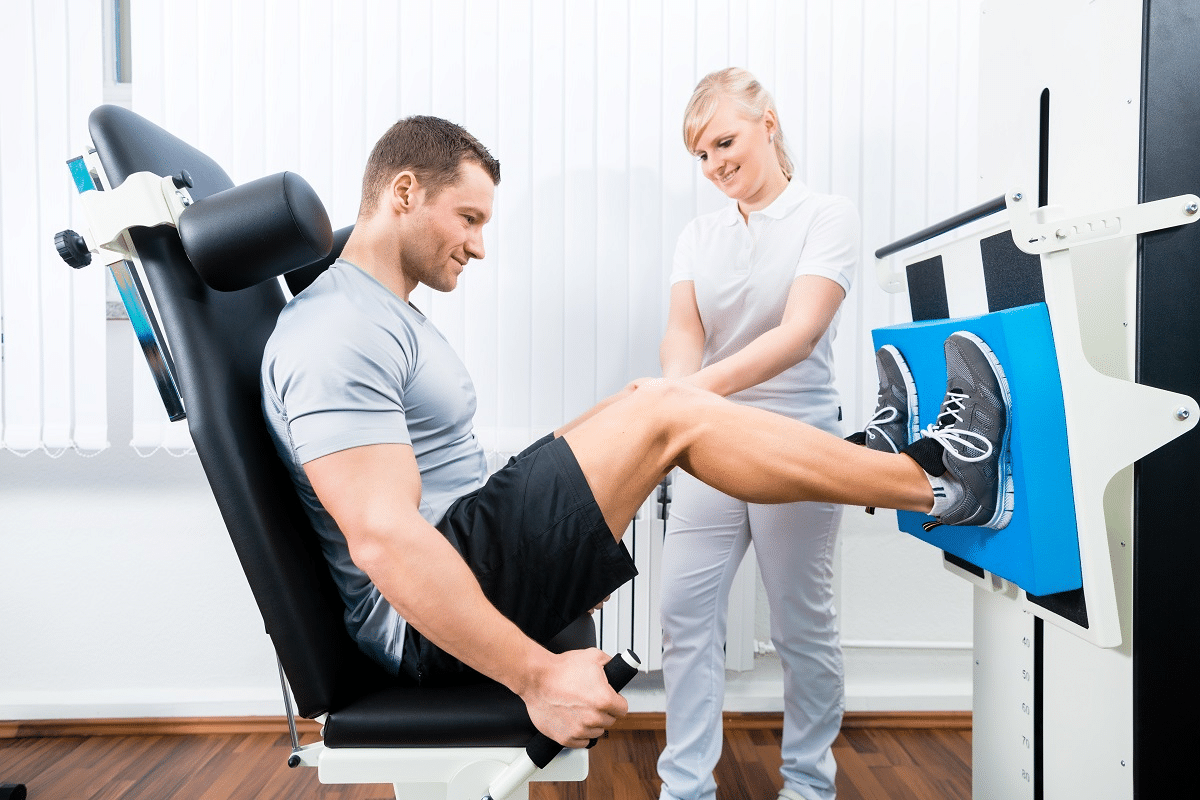
Physical therapy rehabilitation helps people move better and feel less pain. It uses exercises backed by science. Stretching is a key part of this process.
Research-Backed Benefits of Therapeutic Stretching
Studies show stretching is good for recovery. For example, six weeks of stretching can lower pain. This effect lasts even after stopping the stretching.
Stretching also makes joints and muscles more flexible. This reduces stiffness and injury risk. It helps in healing fully.
How Stretches Affect Pain Sensitivity and Relief
Stretching can make pain feel less intense. It works by changing how muscles and nerves work. Stretching can make muscles and tendons less tight, which helps with pain.
Regular stretching also changes how the body feels pain. This makes it a key part of managing pain during recovery.
Long-Term Effects on Mobility and Function
Stretching has lasting benefits for moving better and staying functional. Adding stretching to a rehab program leads to lasting improvements. This makes the rehab more effective and reduces injury risk.
Stretching is not just a short-term fix. It’s a long-term way to keep moving well and stay functional.
Essential Principles of Effective PT Stretches
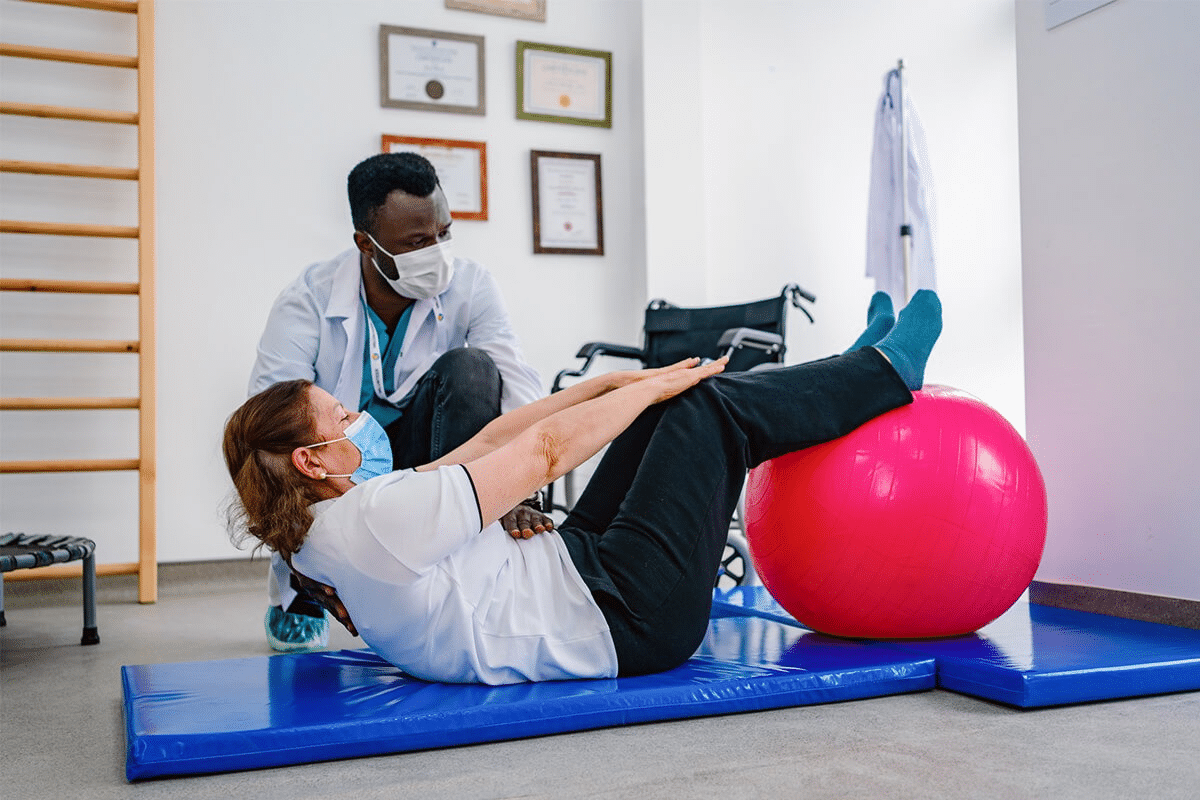
To get the most out of PT stretches, following key principles is important. We’ll dive into these principles to help you use them in your therapy exercises.
Preparing Your Body: Warm-Up Requirements
Before starting PT stretches, warming up is a must. A good warm-up boosts blood flow, reduces muscle stiffness, and gets your heart ready for more. Dynamic stretching techniques, like leg swings and arm circles, are great for warming up.
Studies show that both static and dynamic stretches can improve range of motion. This is true both right away and with regular practice.
- Light cardio such as jogging in place or cycling
- Dynamic stretches like leg swings and arm circles
- Movement-based warm-ups that mimic the activities you plan to do
Understanding Stretch Intensity and Duration
Knowing how intense and long to stretch is key. Stretch intensity should match your comfort level, while stretch duration depends on the stretch type and your condition. It’s about finding a balance between comfort and challenge.
For most exercises, hold a stretch for 15-30 seconds. Do 2-3 sets per exercise.
|
Stretch Type |
Intensity Level |
Duration |
|---|---|---|
|
Static Stretch |
Mild to Moderate |
15-30 seconds |
|
Dynamic Stretch |
Moderate |
Repetitions based |
Creating the Right Environment for Rehabilitation
A good environment for rehab is as important as the stretches. You need a quiet, comfy spot without distractions. This lets you focus on your workout therapy. A well-designed rehabilitation environment boosts the effectiveness of self PT routines.
By following these key principles, you can get the most out of your PT stretches. This improves your overall rehab experience. Whether you’re doing workout therapy or self PT, knowing and using these principles can greatly help your recovery.
Types of PT Stretches and Their Clinical Applications
Different stretches are used in physical therapy to help with specific health issues and aid in recovery. Knowing these techniques is key for good rehabilitation.
Static Stretching Techniques
Static stretching means holding a stretch for 15-30 seconds to stretch the muscle. It’s good for improving flexibility and movement. We often suggest it for patients after injuries or surgery because it’s safe and simple.
Benefits of Static Stretching:
- Improved flexibility
- Reduced muscle soreness
- Enhanced range of motion
Dynamic Stretching Methods
Dynamic stretching moves the joints through motion while keeping muscles active. It’s great for getting athletes ready or for people getting back into active life.
Advantages of Dynamic Stretching:
- Improved power and speed
- Enhanced neuromuscular coordination
- Better preparation for physical activities
Proprioceptive Neuromuscular Facilitation (PNF)
PNF stretching combines isometric contractions and passive stretching for maximum muscle relaxation. It’s very effective for boosting flexibility and strength.
PNF Stretching Benefits:
- Significant gains in range of motion
- Improved muscle strength
- Enhanced neuromuscular control
PNF and static stretching are better for long-term flexibility gains than dynamic or ballistic stretching. The right stretch depends on the patient’s needs and goals.
|
Stretching Technique |
Primary Benefits |
Clinical Applications |
|---|---|---|
|
Static Stretching |
Improved flexibility, reduced muscle soreness |
Rehabilitation, injury prevention |
|
Dynamic Stretching |
Improved power, enhanced neuromuscular coordination |
Athletic preparation, active lifestyle |
|
PNF Stretching |
Significant gains in range of motion, improved muscle strength |
Rehabilitation, sports performance enhancement |
Understanding the different PT stretches and their uses helps healthcare professionals create effective rehab plans for each patient.
Upper Body PT Stretches for Rehabilitation
PT stretches for the upper body are key for recovery and better function. They help improve flexibility, lessen pain, and boost mobility in the neck, shoulders, arms, elbows, and wrists.
Neck and Cervical Spine Mobility Exercises
Neck stretches are vital for better cervical spine mobility and less tension. Cervical retraction is a simple yet effective exercise that can be done anywhere.
- Sit or stand with good posture.
- Slowly retract your chin, creating a double chin.
- Hold for 5 seconds and release.
- Repeat 10-15 times.
Chin tucks help strengthen the muscles that support the neck and improve posture.
Shoulder and Rotator Cuff Therapeutic Stretches
The shoulder joint is very mobile, making it prone to injury. Shoulder rolls and pendulum exercises help keep it flexible and reduce stiffness.
|
Exercise |
Description |
Repetitions |
|---|---|---|
|
Shoulder Rolls |
Roll shoulders forward and backward in a circular motion. |
10-15 |
|
Pendulum Exercise |
Lean forward, letting arm hang straight down. Swing arm in small circles. |
5-10 |
Arm, Elbow, and Wrist Rehabilitation Stretches
Rehabilitation of the arm, elbow, and wrist involves various stretches to boost mobility and strength. Wrist extensions and forearm pronation/supination exercises are very helpful.
- Hold your arm straight out in front of you.
- Use your other hand to gently pull your wrist back and forth.
- Repeat 5-10 times in each direction.
Adding these upper body PT stretches to your rehab program can greatly improve your mobility and reduce pain. Always talk to a healthcare professional before starting any new exercise routine.
Core and Trunk Rehabilitation Stretching
The core and trunk area is key to our body’s function and mobility. It includes the abdominal muscles, lower back, and pelvis. These areas are vital for our posture, movement, and stability.
Abdominal and Oblique Stretching Methods
Stretching the abdominal and oblique muscles is important. It helps improve flexibility and reduces tension in the core. Techniques like the standing side stretch and seated twist target these muscles well.
Key Exercises:
- Standing side stretch: Stand with feet shoulder-width apart and stretch your arms to the sides.
- Seated twist: Sit on the floor with knees bent and feet flat, twisting your torso to one side.
Lower Back Pain Relief Techniques
Lower back pain is common and can be helped by stretching. The knee to chest stretch and cat-cow stretch are effective. They loosen tight muscles and improve spinal flexibility.
Benefits of Lower Back Stretches:
- Reduced pain and discomfort
- Improved flexibility and range of motion
- Enhanced posture
Pelvic Mobility and Alignment Stretches
Pelvic mobility and alignment are key for good posture and pain prevention. Exercises like the bridge and clamshell strengthen muscles around the pelvis. This improves its alignment and mobility.
Pelvic Exercises:
- Bridge: Lie on your back with knees bent and feet flat, lifting your hips towards the ceiling.
- Clamshell: Lie on your side with knees bent and feet touching, lifting your top knee.
Adding these stretches to your rehabilitation program can greatly improve your core and trunk stability. It reduces pain and enhances your physical function.
Comprehensive Lower Body PT Stretches
Lower body PT stretches are key for better movement and less stiffness. They are important in rehab, helping people get stronger and move better.
Hip Flexor and Glute Rehabilitation Exercises
Hip flexor and glute exercises are important for healthy hips and less pain. Effective stretches include the standing hip flexor stretch and the piriformis stretch, focusing on hip muscles.
The standing hip flexor stretch is done by standing with one hand on a wall for balance. Then, bend one knee and lean forward a bit. Hold for 15-30 seconds and do the other side too.
Quadriceps and Hamstring Therapeutic Stretches
Quadriceps and hamstring stretches are key for knee health and leg movement. The quadriceps stretch is done by standing with one hand against a wall, bending one knee, and grabbing the ankle to pull the heel towards the buttocks.
Hamstring stretches, like the seated hamstring stretch, are done by sitting on the floor with legs straight out. Lean forward to touch your toes. Hold for 15-30 seconds and repeat several times.
Calf, Ankle, and Foot Mobility Exercises
Calf, ankle, and foot exercises help keep your gait right and prevent injuries. Calf raises and ankle circles are great exercises to do every day to boost flexibility and strength.
To do calf raises, stand on the edge of a step with heels hanging off. Raise up onto tiptoes and then lower back down. Ankle circles are done by rotating your ankle in both directions.
Developing Your Personalized PT Stretches Program
To get the best results, it’s key to create a PT stretches program that’s just for you. This tailored approach helps tackle your unique mobility challenges and rehab needs.
Self-Assessment of Mobility Limitations
Starting with self-assessment is a must for a good PT stretches program. Look for areas where you can’t move as well by doing simple moves and feeling for any pain or tightness.
Try touching your toes, moving your shoulders, or bending to the side. These simple tests can show you where you need to work on your flexibility and movement.
Progressive Loading and Intensity Principles
Increasing the challenge of your stretches is key for better flexibility and strength. Start by making your stretches a bit harder over time.
You can do this by stretching for longer, stretching more often, or stretching deeper. This will help you keep getting better.
|
Progressive Loading Phase |
Stretch Duration |
Frequency |
|---|---|---|
|
Initial Phase |
15-30 seconds |
3 times a week |
|
Intermediate Phase |
30-60 seconds |
4-5 times a week |
|
Advanced Phase |
60 seconds or more |
Daily |
Frequency and Timing Considerations
Figuring out the best time and how often to stretch is important. Stretch when your muscles are warm, like after some light exercise or a warm bath.
Stretching 3-4 times a week is usually enough. But if you have big mobility problems, you might need to stretch more often.
Tracking Improvements and Adjusting Your Routine
Keeping track of how you’re doing is key to knowing if your stretches are working. Write down your stretching exercises, how long you do them, how hard they are, and any changes in your movement.
By checking your progress often, you can tweak your routine as needed. This helps you keep improving and avoid hitting a wall.
PT Stretches for Specific Clinical Conditions
PT stretches are very flexible. They can be changed for different health issues. This makes sure patients get the right care for their needs.
Post-Surgical Rehabilitation Protocols
Rehab after surgery is key to getting better. PT stretches help patients heal, move better, and get back to normal. For example, after knee surgery, gentle stretches help improve movement and muscle strength.
Key considerations for post-surgical rehabilitation protocols include:
- Understanding the type of surgery and its implications on the patient’s mobility
- Assessing the patient’s pre-surgical level of function to set realistic goals
- Gradually progressing the intensity and duration of stretches based on patient tolerance
Chronic Pain Management Stretching Strategies
PT stretches are also great for managing chronic pain. They can make pain less, improve flexibility, and make life better. For example, people with back pain can do stretches for their hamstrings, hip flexors, and lower back.
Effective chronic pain management stretching strategies involve:
- Identifying the underlying causes of chronic pain
- Developing a personalized stretching program to address specific pain areas
- Monitoring progress and adjusting the stretching program as needed
Sport-Specific Injury Rehabilitation
PT stretches can be tailored for sports injuries. They help athletes get back to their sport safely. For example, runners with shin splints can do stretches for their calf muscles and Achilles tendon.
Age-Related Mobility Challenges and Solutions
As we age, we lose mobility and flexibility. PT stretches can help with this. They improve balance, reduce stiffness, and help with everyday activities. For older adults, gentle stretches can keep them independent and prevent falls.
Age-related mobility challenges can be addressed through:
- Gentle stretching exercises to improve flexibility and range of motion
- Balance training to reduce the risk of falls
- Progressive resistance exercises to maintain muscle strength
Safety Guidelines and Proper Stretching Form
To get the most out of PT stretches, it’s key to know and follow safety guidelines. Staying safe during stretching helps avoid injuries and makes the rehab process more effective.
Recognizing Warning Signs During Stretching
It’s important to listen to your body while stretching. Pain is a big warning sign; if you feel sharp or intense pain, stop right away. Also, watch for numbness, tingling, or feeling unstable in your joints.
Contraindications and Risk Mitigation
Some stretches might not be good for everyone. For example, people with severe osteoporosis should avoid stretches that could hurt their spine. Knowing these limits helps reduce risks from PT stretches.
Modifications for Limited Mobility or Pain
Everyone is different when it comes to mobility and flexibility. It’s important to adjust stretches to fit your needs. Using props or changing how deep you stretch can make it safer and more accessible.
When to Consult a Physical Therapist
If you’re not sure about the right form or if you’re in pain, see a physical therapist. They can give personalized advice and tweak your stretching routine. This ensures it’s safe and works well for you.
By sticking to these safety tips and keeping the right form, you can boost the benefits of PT stretches. This careful method supports a successful rehab journey.
Enhancing Rehabilitation with Complementary Approaches
To get the most out of PT stretches, we need to think about other ways to help. Adding different therapies can make a rehabilitation program better. It helps with many parts of getting better.
Integrating Strength Training with PT Stretches
Strength training is key in rehab. It works well with PT stretches to make muscles stronger and last longer. Together, they help you move better and avoid injuries. It’s good to do strength exercises that stretch the same muscles for best results.
Strength training with PT stretches has many benefits:
- Stronger and more lasting muscles
- Better movement skills
- Less chance of getting hurt
- More effective recovery
Therapeutic Modalities to Support Stretching
Therapy methods like heat, cold, electrical, and ultrasound help PT stretches. They make stretches more effective and feel better. These methods can be used before or after stretching.
Choosing the right therapy depends on the condition and the patient’s needs. Heat increases blood flow and reduces stiffness before stretching. Cold therapy helps after stretching to lessen inflammation and pain.
Mindfulness and Breathing Techniques
Mindfulness and breathing help make PT stretches more effective. They help relax muscles and deepen stretches. This makes the rehab process better for patients.
Mindfulness in PT stretches means:
- Focus on the stretch feeling
- Use breathing to relax
- Pay attention to body position
Adding these methods to rehab can lead to better results. It can also improve patients’ lives overall.
Conclusion: Maintaining Long-Term Success with PT Stretches
To keep up with PT stretches, you need to practice regularly and check your progress often. We’ve looked at the science behind stretching, key principles, and various PT stretches.
Stretching often helps keep your flexibility and range of motion good. Adding PT stretches to your daily life can bring lasting benefits. This helps you keep improving in your rehabilitation.
For lasting success, keep stretching and check your progress often. This lets you adjust your routine as needed. It helps you keep the benefits you’ve gained from PT stretches.
Sticking to a stretching routine and making changes when needed can improve your health a lot. We suggest you keep up with your PT stretches. This way, you can see lasting improvements in your health and well-being.
FAQ
What is the importance of warm-up exercises before starting PT stretches?
Warm-up exercises are key before PT stretches. They get the muscles ready, lower injury risk, and boost flexibility. This is done by increasing blood flow and muscle temperature.
How often should I perform PT stretches for optimal rehabilitation?
PT stretch frequency varies based on personal needs and goals. Aim for 2-3 times a week, but 5-7 times is better for full recovery. Always follow a healthcare professional’s advice.
What is the difference between static and dynamic stretching in physical therapy?
Static stretching holds a stretch for 15-30 seconds to lengthen muscles. Dynamic stretching moves joints through motion while keeping muscles active. It prepares for movement and exercise.
Can PT stretches help with chronic pain management?
Yes, PT stretches can manage chronic pain. They improve flexibility, reduce muscle tension, and promote relaxation.
How do I know if I’m stretching correctly or if I should stop?
You should feel a gentle pull during stretching, not pain. If you feel pain, numbness, or tingling, stop. Always check with a physical therapist for proper techniques.
Are there any contraindications for PT stretches that I should be aware of?
Yes, some conditions like recent fractures or severe injuries may not be suitable for certain stretches. Always consult a healthcare professional or physical therapist for a safe stretching plan.
How can I integrate strength training with PT stretches for better rehabilitation outcomes?
Combining strength training with PT stretches can improve muscle strength and endurance. It also supports joint stability and functional movement. A physical therapist can help create a balanced program.
What role does mindfulness play in PT stretches and rehabilitation?
Mindfulness enhances PT stretches by promoting relaxation and reducing muscle tension. It improves body awareness. Mindfulness techniques, like deep breathing, support well-being and rehabilitation.
How can I track my progress and adjust my PT stretches routine?
Track progress by regularly checking flexibility, range of motion, pain levels, and functional abilities. Adjust your routine based on this feedback. A physical therapist can guide these adjustments for continued progress.
Reference
Insightful How To Do PT Stretches: Rehab Exercise Guide https://pmc.ncbi.nlm.nih.gov/articles/PMC12305623/