Gout patients need quick, safe relief during flares. At Liv Hospital, we use new treatments that focus on patient safety and results colchicine dosing.
Effective management of gout flares means knowing the right dosing of key medicines. The American College of Rheumatology and FDA guide us. They say start with 1.2 mg at the first sign of a flare, then 0.6 mg an hour later.
We follow evidence-based guidelines for treating gout and other conditions. This way, doctors can give treatments that work well.
Key Takeaways
- Gout flares need quick, safe relief with few side effects.
- The standard low-dose regimen starts with 1.2 mg, then 0.6 mg an hour later.
- FDA-approved guidelines help decide how to treat gout flares.
- Getting the dosing right is key for good treatment and fewer side effects.
- Doctors can trust established protocols to prescribe effective treatments.
Understanding Gout and the Role of Colchicine
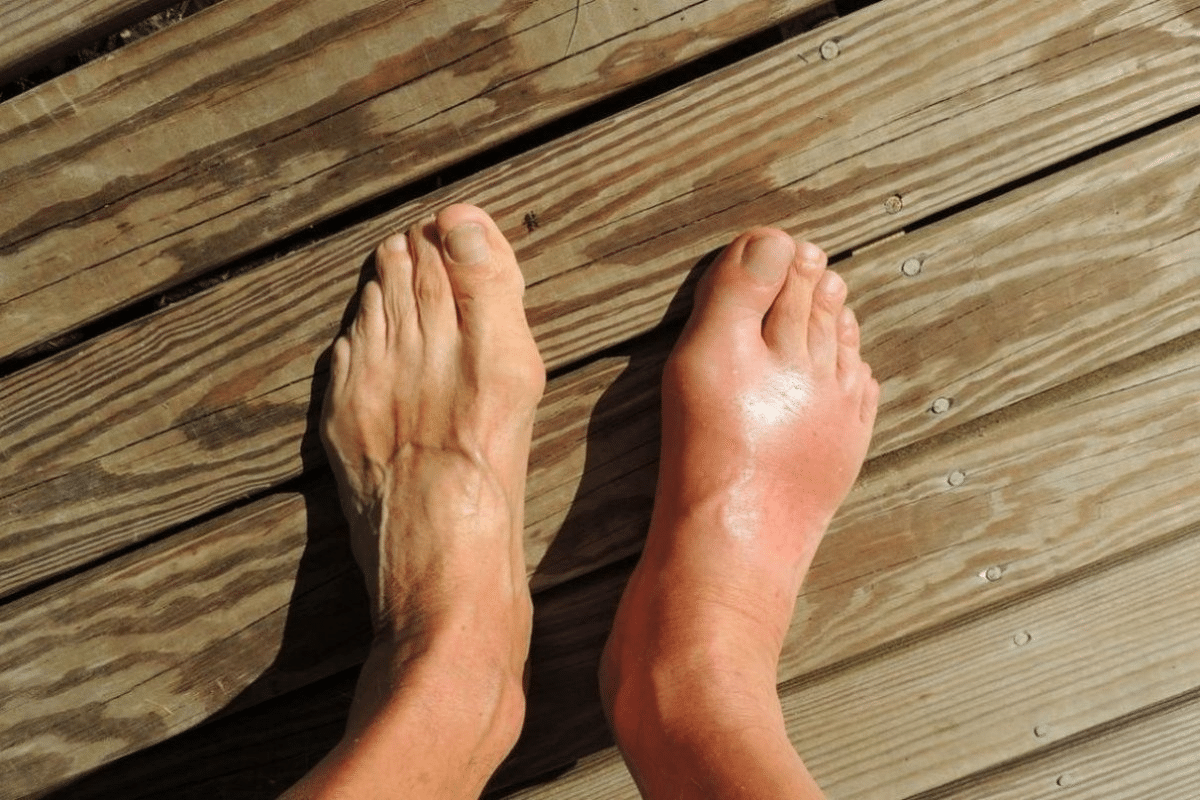
Colchicine is key in treating gout, a condition that causes sudden, severe joint pain and swelling. Gout is a type of arthritis caused by too much uric acid in the blood. This leads to crystals forming in the joints. Knowing what causes gout flares and how colchicine has been used helps us see its importance in managing gout.
What Causes Gout Flares
Gout flares happen when crystals form in the joints, causing intense pain and swelling. Many things can trigger a gout flare, like what you eat, drinking alcohol, some medicines, and health conditions. Elevated serum urate levels are a big risk factor, often due to genetics, diet, and kidney issues.
The cause of gout is complex, involving uric acid, genetics, and environment. Uric acid comes from breaking down purines, and its levels can be affected by diet, genes, and kidney function. When uric acid levels get too high, crystals form, causing gout.
|
Risk Factors |
Description |
|---|---|
|
Dietary Choices |
Eating foods high in purines (like red meat, seafood) can raise uric acid levels. |
|
Alcohol Consumption |
Drinking alcohol, like beer, can also increase uric acid levels and cause gout flares. |
|
Certain Medications |
Some medicines, like diuretics and low-dose aspirin, can also raise uric acid levels and trigger gout. |
History of Colchicine Use in Gout Treatment
Colchicine has been used for centuries to treat gout. The Ebers Papyrus, an ancient Egyptian medical text, mentions a remedy believed to be colchicine. Today, we know more about how it works and how to use it effectively.
“Colchicine remains a valuable treatment option for gout, providing quick relief from pain and swelling during acute flares.”
— A leading rheumatology journal
In the past, colchicine was used in different ways and doses, often causing stomach problems. Today’s versions are better tolerated and more effective.
Mechanism of Action: How Colchicine Works
It’s important to know how colchicine works to understand its role in treating gout. Colchicine is effective against gout flares because of its complex action. It works by blocking inflammation through several pathways.
Anti-inflammatory Effects
Colchicine mainly works by reducing inflammation. It does this by inhibiting microtubule polymerization. This happens when colchicine binds to beta-tubulin, stopping it from forming microtubules.
This action stops neutrophils from moving and activating. Neutrophils are key players in gout’s inflammatory process.
Beta-tubulin Polymerization Inhibition
Stopping beta-tubulin from forming is a key part of colchicine’s action. When colchicine binds to beta-tubulin, it disrupts the cytoskeleton of cells involved in inflammation. This makes it hard for neutrophils to get to the inflammation site.
This reduction in neutrophil activity helps lessen the severity of gout flares.
Pharmacokinetics and Half-Life
Knowing how colchicine is absorbed and broken down is key for its use. It’s absorbed in the gut and peaks in the blood in 1-3 hours. Its half-life is about 27-31 hours, which affects how often it’s taken.
It’s processed in the liver and mostly leaves the body through the bile and feces. A small part is excreted in urine.
Understanding colchicine’s breakdown and how it works helps doctors use it better. This balance is important for treating gout without causing harm.
FDA-Approved Indications for Colchicine
The FDA has approved colchicine for several uses. It treats acute gout flares and prevents future attacks. Knowing these uses is key for doctors to use colchicine right and safely.
Acute Gout Flare Treatment
Colchicine is approved for treating acute gout flares. It helps ease the severe pain and swelling of gout attacks. Studies have shown it works well in reducing these symptoms.
Gout Prophylaxis
Colchicine is also approved for preventing gout attacks. Taking it regularly can lower the number of gout flares. This improves life quality for those with frequent gout.
Familial Mediterranean Fever
Colchicine is used for managing familial Mediterranean fever (FMF). FMF is a genetic disorder with recurring fever and painful inflammation. Colchicine helps lessen the number and severity of FMF attacks.
The following table summarizes the FDA-approved indications for colchicine:
|
Indication |
Description |
|---|---|
|
Acute Gout Flare Treatment |
Treatment of acute gout attacks, providing relief from pain and inflammation |
|
Gout Prophylaxis |
Prevention of recurrent gout attacks, reducing frequency of gout flares |
|
Familial Mediterranean Fever |
Management of familial Mediterranean fever, reducing frequency and severity of FMF attacks |
Understanding colchicine’s FDA-approved uses helps doctors better manage gout and related conditions. This leads to better patient outcomes.
Evidence-Based Colchicine Dosing Guidelines
Colchicine dosing is key for managing gout, as new guidelines show. The way we dose colchicine has changed a lot. This is thanks to new research and rules from the FDA.
American College of Rheumatology Recommendations
The American College of Rheumatology (ACR) has set guidelines for gout treatment. They say colchicine is good for treating gout attacks and preventing more attacks.
Key Recommendations:
- For acute gout flares, the ACR suggests a low-dose colchicine regimen.
- For preventing more attacks, take colchicine at 0.6 mg once or twice a day.
FDA-Approved Dosing Protocols
The FDA has set specific dosing for colchicine. This shows the drug is safe and works well. For treating gout attacks, start with 1.2 mg, then 0.6 mg an hour later.
|
Indication |
Dosing Regimen |
|---|---|
|
Acute Gout Flare |
1.2 mg initially, followed by 0.6 mg one hour later |
|
Gout Prophylaxis |
0.6 mg once or twice daily |
Evolution from High-Dose to Low-Dose Regimens
Before, we used higher doses of colchicine. This caused a lot of stomach problems. But now, we use lower doses. These are just as good but easier on the stomach.
Switching to lower doses has made colchicine therapy better. It makes it easier for patients to stick with treatment and lowers the chance of bad side effects.
Standard Colchicine Dosing for Acute Gout Flares
The dosing of colchicine for acute gout flares has changed. It’s key to know the latest guidelines for effective treatment. Colchicine is a mainstay in treating acute gout flares, providing relief when used correctly.
Initial Dosing (1.2 mg)
The first dose of colchicine for acute gout flares is 1.2 mg. It’s given at the start of symptoms. This dose is vital for quickly tackling the inflammation.
Follow-up Dosing (0.6 mg)
After the first dose, a second dose of 0.6 mg is advised one hour later. This dose helps to lessen gout flare symptoms further.
Maximum Dosage Limitations
It’s important to stick to the maximum dosage to avoid side effects. The total dose should not go over 1.8 mg (1.2 mg followed by 0.6 mg) in the first hour.
Timing Considerations for Optimal Efficacy
The timing of when you take colchicine is key for best results. Starting treatment within the first 12 hours of symptoms greatly improves outcomes.
|
Dosing Timing |
Dose (mg) |
Cumulative Dose (mg) |
|---|---|---|
|
Initial Dose |
1.2 |
1.2 |
|
1 hour after initial dose |
0.6 |
1.8 |
Prophylactic Colchicine Dosing Regimens
For those who often get gout attacks, taking colchicine regularly can really help. This approach, called colchicine prophylaxis, stops gout flares before they start. It’s different from treating them after they happen.
Daily Preventive Dosing (0.6-1.2 mg)
The usual dose of colchicine for prevention is between 0.6 mg and 1.2 mg each day. Daily dosing is often recommended to keep a steady amount of the drug in your body. This helps prevent gout attacks. Research shows that taking colchicine every day can greatly cut down on gout flares.
“Colchicine prophylaxis is key in managing gout, mainly for those who get attacks often,” say recent guidelines.
Age-Related Dosing Considerations
When figuring out the right dose of colchicine, age is very important. Older adults might need a lower dose because their kidneys work less and they could have more drug interactions. For example, a study showed that older patients do well on 0.6 mg daily. This dose helps prevent gout flares without causing too many side effects.
Duration of Prophylactic Therapy
How long you take colchicine for prevention depends on your situation and how well it works. Long-term use might be needed for those with frequent gout or at high risk of getting it. It’s important for doctors to keep an eye on how you’re doing. They can change the dose as needed and watch for any side effects.
In short, using colchicine to prevent gout is a big part of managing the condition. Knowing the right doses, including daily use and considering age, helps doctors give better care to gout patients.
Practical Considerations for Colchicine Therapy
Colchicine therapy is effective for managing gout but requires careful attention. Understanding the factors that affect its success is key.
When to Start Treatment
Start colchicine at the first sign of a gout flare. Early treatment is vital for its effectiveness. Prompt treatment can significantly reduce the severity and duration of gout attacks.
- Recognize the early symptoms of a gout flare.
- Have colchicine readily available for immediate use.
- Understand the dosing regimen recommended by your healthcare provider.
How to Take Colchicine Properly
Proper administration of colchicine is essential for its effectiveness and safety. Patients should follow the prescribed dosing schedule carefully. An initial dose of 1.2 mg is followed by 0.6 mg one hour later.
- Take the initial dose as soon as gout symptoms appear.
- Follow up with the second dose one hour later if symptoms persist.
- Do not exceed the maximum recommended dosage within a 24-hour period.
When to Contact Healthcare Providers
Knowing when to seek medical advice is important during colchicine therapy. Contact your healthcare provider if you experience severe side effects or if your symptoms do not improve with treatment.
- Severe gastrointestinal symptoms.
- Signs of infection or allergic reactions.
- Persistent or worsening gout symptoms.
Treatment Expectations and Limitations
It’s important to understand what colchicine can and cannot do. While it treats acute gout flares, it’s not a cure for gout. Patients should be aware of the possible side effects and the need for ongoing management.
Being informed and proactive helps patients get the most from colchicine therapy while avoiding risks. Regular check-ups with healthcare providers are key for adjusting treatment plans.
Colchicine Dosing Adjustments for Special Populations
It’s important to adjust colchicine doses for special groups. This ensures the treatment works well and is safe. It’s key for managing gout flares.
Renal Impairment Considerations
People with kidney problems need their doses changed. This is because colchicine can build up and cause harm. The amount of kidney problem affects how much the dose needs to be cut.
|
Renal Function |
Dose Adjustment |
|---|---|
|
Normal |
No adjustment |
|
Mild Impairment |
Reduce dose by 25% |
|
Moderate to Severe Impairment |
Reduce dose by 50-75% |
Hepatic Dysfunction Adjustments
Colchicine is broken down in the liver. Liver problems can slow this down. So, people with serious liver issues might need their doses changed to avoid side effects.
Elderly Patient Considerations
Older adults often have less kidney function. They might be more at risk for colchicine side effects. So, their doses are often adjusted.
Drug Interaction-Based Adjustments
Colchicine can interact with other medicines. This can make colchicine levels too high and cause problems. If colchicine is taken with these drugs, the dose needs to be changed.
Potential Side Effects and Toxicity Concerns
Colchicine therapy is helpful but comes with risks. It can cause side effects and toxicity. It’s key to know the range of reactions patients might face.
Common Gastrointestinal Effects
Gastrointestinal side effects are common with colchicine. These include:
- Nausea and vomiting
- Diarrhea
- Abdominal pain
These issues often depend on the dose. It’s vital for patients to tell their doctors about any ongoing or severe stomach problems.
Serious Adverse Reactions
Though rare, serious side effects can happen. These include:
- Myotoxicity, showing as muscle weakness or pain
- Bone marrow suppression, leading to anemia, infections, or bleeding
- Neuromuscular toxicity, which can be very dangerous
People taking colchicine long-term need regular checks for these serious side effects.
Signs of Colchicine Toxicity
Colchicine toxicity is a serious issue. Signs include:
- Severe diarrhea or vomiting
- Abdominal pain
- Muscle weakness
- Signs of bone marrow failure (e.g., fever, sore throat, easy bruising)
Seek immediate medical help if any of these symptoms show up.
“Colchicine toxicity can be fatal. Quick action and treatment for overdose or toxicity are vital.”
– Source: Medical Toxicology Guidelines
Management of Adverse Effects
Managing colchicine side effects involves several steps:
- Adjusting the dose or stopping it for mild to moderate effects
- Supportive care, like staying hydrated and managing symptoms
- Watching for signs of toxicity or serious side effects
- Telling patients about the signs of toxicity and when to get help
We stress the need for patient education and close monitoring to lessen the risks of colchicine therapy.
Contraindications and Precautions
Using colchicine needs careful thought because of its risks. It’s mainly for treating gout and familial Mediterranean fever. But, it’s not without dangers.
Absolute Contraindications
Some conditions make colchicine a big no-no. These include severe kidney problems, liver issues, and being allergic to colchicine. People with these issues should stay away from colchicine to avoid serious side effects.
Relative Contraindications
For those with mild to moderate kidney or liver problems, caution is key. They might need their doses adjusted to avoid harm. Also, those with blood or stomach issues should use colchicine carefully.
Monitoring Requirements
Regular checks are vital for those taking colchicine. Doctors need to watch kidney and liver health closely. They also check blood counts to catch any problems early.
Pregnancy and Lactation Considerations
Colchicine should only be used in pregnancy if it’s really needed. The benefits must outweigh the risks. Lactating women should be cautious because colchicine can get into breast milk, possibly harming the baby.
Knowing these risks helps doctors keep patients safe while using colchicine. This way, they can provide better care for their patients.
Off-Label Applications of Colchicine
Colchicine is used in ways not approved by the FDA. It treats conditions like hepatic cirrhosis and pseudogout. Its anti-inflammatory effects make it useful for many diseases.
Hepatic Cirrhosis
Studies look into colchicine for hepatic cirrhosis. This condition causes liver fibrosis. Colchicine might reduce liver inflammation and slow disease growth.
- Mechanism: Colchicine stops microtubule polymerization, which could lessen fibrosis.
- Clinical Evidence: Some studies show colchicine can improve liver function and lower death rates in cirrhosis patients.
Primary Biliary Cirrhosis
Colchicine is studied for primary biliary cirrhosis (PBC). It aims to reduce inflammation and slow liver damage.
- Colchicine may manage symptoms and improve liver tests.
- Some trials show mixed results, so more research is needed to confirm its effectiveness.
Pseudogout Treatment
Pseudogout, or calcium pyrophosphate deposition disease (CPPD), is another off-label use of colchicine. It helps treat acute attacks and may prevent future ones.
Key Benefits: Colchicine reduces inflammation in pseudogout, easing symptoms.
Other Emerging Uses
Colchicine is also being looked at for other uses. These include:
- Cardiovascular diseases, thanks to its anti-inflammatory effects.
- Certain skin conditions, using its immune-modulating abilities.
As research grows, colchicine’s off-label uses are expected to expand. This could offer new treatments for many conditions.
Conclusion
Managing gout flares with colchicine needs careful dosing. We’ve looked at how colchicine works and its treatment protocols.
Getting the right dose of colchicine is key. It helps patients get better without too many side effects. Doctors can help patients more by knowing the best doses for gout attacks and prevention.
Each patient’s needs are different. This means colchicine dosing must be tailored. It’s important to consider things like kidney function and drug interactions.
Following guidelines and tailoring treatment can make colchicine safer and more effective. This improves life for those with gout.
FAQ
What is the recommended dosing for colchicine when treating acute gout flares?
For treating acute gout flares, start with 1.2 mg of colchicine. Then, take 0.6 mg one hour later. Don’t take more than 1.8 mg total.
How does colchicine work in treating gout?
Colchicine stops beta-tubulin from forming. This action has anti-inflammatory effects. It helps reduce pain and inflammation in gout flares.
What are the FDA-approved indications for colchicine?
The FDA has approved colchicine for treating acute gout flares. It’s also used to prevent gout attacks and manage familial Mediterranean fever.
What is the role of colchicine in gout prophylaxis?
Colchicine can prevent gout attacks. The daily dose is usually between 0.6 mg and 1.2 mg.
How should colchicine dosing be adjusted for patients with renal impairment?
Adjust colchicine doses for patients with kidney problems. The dose should be lower for more severe kidney issues.
What are the common side effects of colchicine?
Common side effects include nausea, vomiting, and diarrhea. These are usually related to the stomach.
When should healthcare providers be contacted regarding colchicine treatment?
Contact a healthcare provider if you have severe side effects or signs of toxicity. Also, if your gout symptoms don’t get better with treatment.
Can colchicine be used in pregnant or lactating women?
Use colchicine with caution in pregnant or breastfeeding women. There may be risks to the baby or fetus.
What are the contraindications for colchicine?
Don’t use colchicine if you have serious kidney or liver problems. Also, avoid it with certain medications that can interact with it.
Are there any off-label uses for colchicine?
Yes, colchicine is sometimes used for conditions like liver cirrhosis and pseudogout. It’s not approved for these uses.
How does the half-life of colchicine impact its dosing regimen?
The half-life of colchicine affects its dosing. It requires careful timing to avoid toxicity and ensure effectiveness.
What is the maximum dosage limitation for colchicine when treating acute gout flares?
The maximum dose for treating acute gout flares is 1.8 mg. This is within a single treatment course.
References
Government Health Resource. Colchicine Dosing for Gout Flare Management. Retrieved from https://www.accessdata.fda.gov/drugsatfda_docs/label/2023/022356s028lbl.pdf



 Departments
 Related Videos
 Our Doctors
 News
News