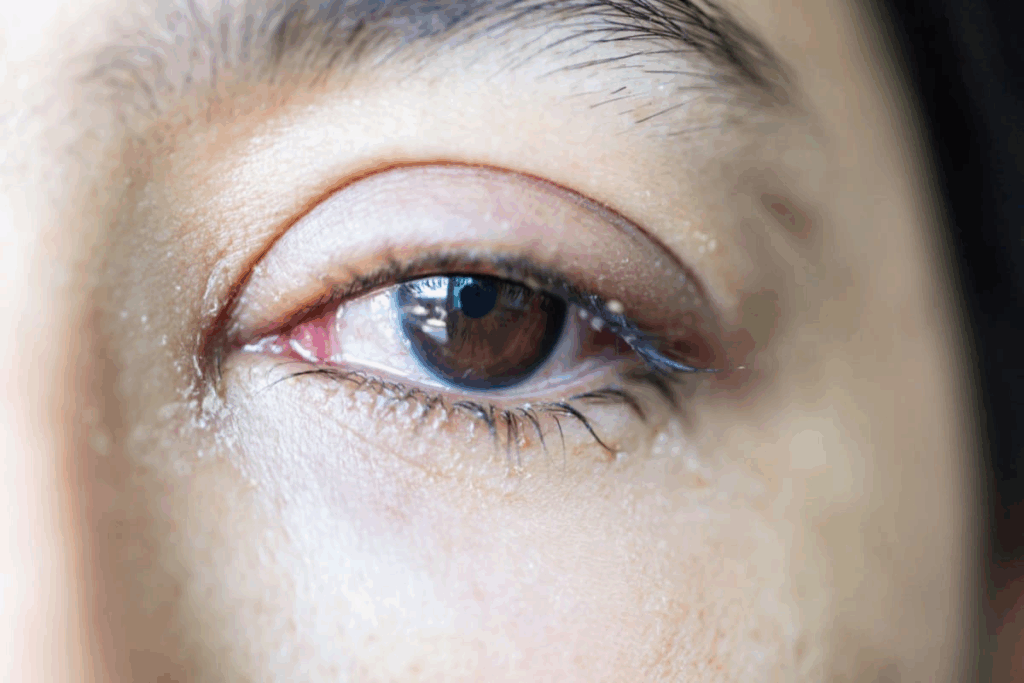
Under-eye bags can make you look tired and old, even if you’re well-rested. They can really affect how you feel about yourself and your life. Seven proven methods, including eye surgery for under eye bags, to achieve a smoother under-eye area. Explore eye surgery for under eye bags.
Fortunately, there are many ways to deal with puffy under eyes. You can try simple home remedies or go for more advanced medical treatments. We’ll look at all these options in detail, covering the causes and treatments of under eye bags.
We want to help you understand the causes and treatments. This way, you can make the best choices for your care.
Key Takeaways
- Understand the causes of under-eye bags and their impact on appearance.
- Explore the range of treatment options available, from home remedies to medical procedures.
- Learn how to choose the most suitable treatment based on individual needs.
- Discover the benefits and possible results of each treatment method.
- Gain insights into keeping a youthful and refreshed look.
Understanding Under Eye Bags: Causes and Contributing Factors

Under-eye bags are common and can make you look tired or older. They can also affect your self-confidence. Knowing what causes them is key to finding the right treatment.
Age-Related Changes in Periorbital Tissues
As we get older, the skin and muscles around our eyes change a lot. The skin loses collagen and elastin, making it less firm. This can cause the skin to sag and form bags under the eyes.
The fat in our eyes can also bulge out, adding to the puffiness. This is because of the changes in the tissues around our eyes.
Fluid Retention and Dietary Influences
Fluid retention is a big reason for under-eye bags. Eating too much salt can make your body hold onto water, causing puffiness. Drinking too little water or drinking too much alcohol can also contribute to this.
Eating well and staying hydrated can help reduce puffiness. It’s important to keep your diet balanced and drink enough water.
Genetic Predisposition and Hereditary Factors
Genetics can also play a big role in under-eye bags. If your parents had them, you might too. This is because of inherited traits like skin texture and fat distribution.
Sleep Deprivation and Allergic Reactions
Not getting enough sleep can make fluid build up under your eyes, causing puffiness. Allergies, whether from the environment or certain products, can also swell your under-eyes. Getting enough sleep and managing allergies can help reduce puffiness.
Cause | Description | Potential Solution |
Age-Related Changes | Loss of collagen and elastin, fat herniation | Topical treatments, cosmetic procedures |
Fluid Retention | High salt intake, dehydration | Dietary adjustments, hydration |
Genetic Predisposition | Inherited traits | Cosmetic treatments, lifestyle changes |
Sleep Deprivation | Lack of sleep, poor sleep quality | Sleep optimization strategies |
Allergic Reactions | Environmental or product allergies | Allergy management, avoiding irritants |
Method 1: Topical Treatments and Creams

Topical treatments are a great way to fight under-eye bags without surgery. They come in creams, serums, and gels. Each one targets different issues with under-eye bags.
Epidermal Growth Factor (EGF) Formulations
Epidermal Growth Factor (EGF) is getting a lot of attention for skin health. It helps cells grow and change, which is good for the skin. Using EGF creams can make your skin look and feel better.
For example, some people saw a 76-100% improvement in their skin after using an EGF cream for 12 weeks.
Vitamin C and Peptide-Based Products
Vitamin C and peptide products are also promising. Vitamin C brightens the skin and fights dark circles. Peptides help make collagen, which makes skin elastic and reduces bags.
Retinol and Hyaluronic Acid Benefits
Retinol is a vitamin A derivative that boosts cell turnover and collagen. Hyaluronic acid holds water, making skin plump and reducing bags. Together, they make the under-eye area look better.
Application Techniques for Maximum Efficacy
How you apply treatments matters a lot. Use a ring finger to gently apply from the inside out. This avoids pulling on the skin. Use these treatments once or twice a day for best results.
Method 2: Cold Therapy and Compression
Cold therapy and compression are simple ways to reduce under-eye bags. They work by shrinking blood vessels and cutting down fluid buildup. This gives quick, but short-term, relief from puffiness.
Ice Treatments and Cold Compresses
Using ice treatments or cold compresses is a basic cold therapy method. Putting a cold compress or an ice pack wrapped in cloth on the under-eye area helps shrink blood vessels. It’s cheap and easy to do at home with items you likely have.
Refrigerated Eye Masks and Tools
Refrigerated eye masks and tools offer a focused solution. They cool down in the fridge before use, giving a soothing effect. Some have gel packs that stay cool longer, making them comfortable to wear.
Lymphatic Drainage Massage Techniques
Lymphatic drainage massage also helps reduce under-eye bags. It uses gentle strokes to boost lymphatic flow, helping remove excess fluids. Combining it with cold therapy can make puffiness even less noticeable.
DIY Cold Therapy Solutions
There are many DIY cold therapy options. Chilled metal spoons can act as a cold compress. Just chill them in the fridge for a bit before using them on your under-eyes. You can also try cooled tea bags or cold, damp washcloths.
Some benefits of cold therapy and compression include:
- Reduced puffiness through vasoconstriction
- Easy to implement at home with common items
- Can be combined with other treatments for enhanced results
- Provides immediate, temporary relief
Method 3: Lifestyle Modifications
To tackle under-eye bags, it’s essential to examine and adjust your lifestyle habits. Simple yet effective changes can significantly reduce their appearance.
Sleep Optimization Strategies
Improving sleep quality is key to minimizing under-eye bags. We recommend establishing a consistent sleep schedule and creating a sleep-conducive environment.
- Maintain a cool bedroom temperature.
- Avoid screens and bright lights before bedtime.
- Invest in a comfortable mattress and pillows.
Dietary Adjustments to Minimize Fluid Retention
Diet plays a significant role in fluid retention, which can exacerbate under-eye bags. We suggest reducing salt intake and increasing consumption of foods rich in potassium.
Key dietary adjustments include:
- Limiting processed and high-sodium foods.
- Increasing intake of fruits and vegetables.
- Drinking plenty of water to stay hydrated.
Hydration and Its Impact on Under Eye Appearance
Proper hydration is vital for maintaining skin elasticity and reducing the appearance of under-eye bags. We advise drinking at least eight glasses of water a day.
Stress Management Techniques
High stress levels can lead to fatigue and fluid retention, making under-eye bags more pronounced. We recommend practicing stress-reducing activities like meditation or yoga.
Effective stress management techniques include:
- Meditation and deep breathing exercises.
- Regular physical activity.
- Engaging in hobbies and relaxation techniques.
Method 4: Non-Invasive Professional Treatments
Non-invasive treatments are great for those who want to look better without surgery. They are safe and effective, perfect for avoiding big procedures.
Radiofrequency and Ultrasound Therapies
Radiofrequency and ultrasound therapies use energy to make your skin tighter. Radiofrequency treatments heat the skin deep down, making it tighter. Ultrasound therapies use sound waves to do the same thing.
These methods are safe because they don’t involve surgery. You can go back to your day right after, which is great for busy people.
Chemical Peels for Under Eye Rejuvenation
Chemical peels are a good choice for making your under-eye area look better. They gently remove old skin, making it smoother. Chemical peels can be made for different skin types.
They work by applying a special solution to the under-eye area. After a while, it’s washed off, leaving your skin looking brighter.
Microneedling and Collagen Induction
Microneedling uses tiny needles to make your skin better. It creates tiny injuries that help your skin heal and make more collagen. This makes your skin look better and feel tighter.
Microneedling is good for the under-eye area because it’s gentle. It helps your skin look more firm and less puffy.
LED Light Therapy Benefits
LED light therapy uses light to fix skin problems. It can make your under-eye area look less puffy and more even-toned. It’s easy and doesn’t hurt.
This treatment is quick and doesn’t make you miss out on anything. It’s perfect for those who want to look better without any hassle.
Method 5: Injectable Treatments
Injectable treatments can help restore volume and reduce under-eye bags. They offer a non-surgical way to improve the under-eye area.
Dermal Fillers for Volume Restoration
Dermal fillers are a top choice for under-eye bags. Hyaluronic acid fillers are safe and effective. They fill in the tear troughs, reducing dark circles and hollows.
The procedure involves injecting the filler with a fine needle. Results are immediate, but swelling may occur. Dermal fillers last 6 to 12 months.
Platelet-Rich Plasma (PRP) Therapy
PRP therapy uses the patient’s own blood. It’s rich in growth factors that boost collagen and repair tissue.
The process starts with drawing blood. The blood is then spun to get the PRP. This PRP is injected into the under-eye area. It improves skin texture and reduces wrinkles.
Botulinum Toxin Applications
Botulinum toxin is known for reducing facial wrinkles. It relaxes muscles that cause wrinkles. For under-eye bags, it relaxes muscles that contribute to their appearance.
Its effectiveness for under-eye bags is limited. It’s often used with other treatments for better results.
Duration of Results and Maintenance Requirements
Dermal fillers last 6-12 months. PRP therapy may need multiple sessions, spaced a few weeks apart. Maintenance is needed every 6-12 months. Botulinum toxin results last 3-4 months.
Treatment | Duration of Results | Maintenance Frequency |
Dermal Fillers | 6-12 months | Every 6-12 months |
PRP Therapy | Varies | Every 6-12 months |
Botulinum Toxin | 3-4 months | Every 3-4 months |
Knowing the duration of results and maintenance needs is key. It helps manage expectations and achieve the best results with injectable treatments.
Method 6: Eye Surgery for Under Eye Bags
Eye surgery is a good choice for those who want to get rid of under-eye bags. It offers a lasting fix by tackling the main causes of these bags.
Lower Eyelid Blepharoplasty Techniques
Lower eyelid blepharoplasty is a surgery that removes or moves extra fat, muscle, and skin from the lower eyelids. It can be done in different ways, like:
- Transcutaneous Blepharoplasty: This method uses an outside cut to reach the fat, muscle, and skin.
- Transconjunctival Blepharoplasty: It makes a cut inside the lower eyelid, making scars less visible.
Laser Resurfacing Procedures
Laser resurfacing is another surgery that can make under-eye bags look better. It uses lasers to:
- Make more collagen
- Lessen fine lines and wrinkles
- Make the skin look smoother and brighter
You can have laser resurfacing alone or with lower eyelid blepharoplasty for even better results.
Candidacy Assessment and Consultation Process
To see if eye surgery is for you, we need to talk it over. We look at:
- Your health and past medical issues
- How bad your under-eye bags are
- What you hope to achieve
This helps us make a plan that’s just right for you.
Expected Results and Longevity
Eye surgery can lead to long-lasting results, with many seeing big improvements for years. But, how long it lasts depends on:
- How good your skin is and how elastic it is
- Things like sun exposure and smoking
- Genetics
Staying healthy and following care instructions after surgery can help keep the results going longer.
Method 7: Combination Therapies
Getting rid of under-eye bags often needs a mix of treatments. By using different methods together, we can tackle the many causes of under-eye bags better.
Integrating Multiple Treatment Approaches
Using different treatments together can make a plan more effective. For example, mixing topical treatments with non-invasive professional treatments can lead to better results. Creams with peptides or vitamin C can be paired with microneedling or chemical peels to improve skin and reduce bags.
Staged Treatment Plans for Optimal Results
Staged treatment plans mean doing treatments in order for the best results. Starting with dermal fillers to fill in volume loss, then using laser resurfacing to smooth out skin, can rejuvenate fully. This method lets us adjust and fine-tune for the best outcome.
- First, figure out the best treatments.
- Start with the first treatment.
- Check progress and adjust the plan as needed.
- Keep going with the next stages until you get the results you want.
Maintenance Protocols for Long-Term Benefits
To keep the benefits of combination therapies going, we need to keep up with maintenance. Using skincare products with retinol or hyaluronic acid regularly helps keep skin healthy. Also, getting touch-up treatments like fillers or peels now and then helps keep the results looking good.
Cost-Effective Combination Strategies
While combination therapies work well, they can be pricey. To make them more affordable, we can look for ways to save. This could mean picking treatments based on what you need most, choosing a mix of treatments that’s cost-effective, or looking for deals or financing options.
- First, figure out what treatments you need most.
- Then, pick treatments that are both effective and affordable.
- Look for package deals or bundled services.
- Check out financing options to make treatments easier to afford.
Prevention Strategies for Long-Term Under Eye Health
Keeping the under-eye skin healthy needs a mix of daily care, sun protection, good nutrition, and acting early. These steps can greatly lessen the look of under-eye bags and boost skin health.
Daily Skincare Routine Essentials
A regular skincare routine is key for under-eye skin health. It should include gentle cleaning, moisturizing, and special treatments. Products with peptides, vitamin C, or retinol are great because they make skin better and fight aging signs.
When using skincare on the under-eye, be gentle. Patting the products with your ring finger helps avoid pulling the delicate skin.
Sun Protection and Environmental Defense
Keeping skin safe from the sun is essential to avoid early aging and under-eye bags. Use a broad-spectrum sunscreen with at least SPF 30 every day, even on cloudy days. Also, wear sunglasses with UV protection to protect the skin around your eyes from sun damage.
Things like pollution and smoking can harm under-eye health. Living a healthy lifestyle, avoiding smoking, and protecting against pollution helps your skin.
Nutritional Support for Skin Elasticity
Eating a balanced diet is important for skin health. Foods full of antioxidants, like berries and leafy greens, fight stress and help skin. Drinking enough water is also key for keeping skin moist and elastic.
Eating foods rich in omega-3s, like salmon, and vitamin K, like leafy greens, supports skin health. A healthy body means healthier skin, including the under-eye area.
Early Intervention Approaches
Dealing with skin issues early can stop bigger problems later. Seeing a dermatologist or skincare expert regularly helps catch issues early. Early action might include topical treatments, lifestyle changes, or professional treatments for specific skin problems.
Being proactive about under-eye health leads to better, more durable skin. Combining skincare routines, sun protection, nutrition, and early action greatly improves under-eye health.
Choosing the Right Treatment Approach for Your Needs
To tackle under-eye bags effectively, you need to pick the right treatment. This means looking at several things. These include how bad your bags are, your budget, how much risk you’re willing to take, and how long you can spend recovering.
Severity Assessment Guidelines
First, figure out how bad your under-eye bags are. Look at how puffy, dark, and saggy they are. A simple way to judge is by how visible they are. Bags can be mild, moderate, or severe.
Severity Level | Characteristics | Recommended Treatments |
Mild | Slightly visible bags | Topical creams, lifestyle modifications |
Moderate | Noticeable bags | Cold therapy, non-invasive professional treatments |
Severe | Significantly pronounced bags | Surgical interventions, combination therapies |
Budget Considerations and Insurance Coverage
How much you can spend is a big factor. Think about the upfront cost and any extra expenses later. Some treatments might be covered by insurance, if they’re needed for health reasons.
Cost Comparison:
- Topical treatments: $20-$100 per month
- Non-invasive treatments: $500-$2,000 per session
- Surgical interventions: $2,000-$5,000 or more
Risk Tolerance and Recovery Time Factors
It’s important to know how much risk you’re okay with and how long you can spend recovering. Surgical options might be more effective but come with bigger risks and longer recovery times.
Recovery Time Considerations:
- Non-invasive treatments: often require little to no downtime
- Surgical interventions: may require several weeks of recovery
Consulting with Specialists
Talking to specialists is key to making a good choice. They can give advice tailored to your specific situation.
By weighing these factors and getting advice from experts, you can choose a treatment that fits your needs and goals.
Conclusion: Creating Your Personalized Under Eye Bag Treatment Plan
To make a treatment plan for under-eye bags, you need to know a lot about yourself and the options available. We’ve looked at many ways to tackle this issue, like creams, cold packs, and even surgery. We also talked about changing your lifestyle to help.
When making a plan, think about what you need and what works for you. It’s a good idea to talk to experts to find the best treatment. This way, you can get the best results and keep your under eyes looking good for a long time.
Every treatment plan is made just for you. It combines the best treatments and lifestyle changes. This helps you look younger and feel more awake.
FAQ
How to get rid of puffy under eyes permanently?
To get rid of puffy under eyes for good, try a few things. Start with better sleep habits and drinking more water. Cold compresses can also help.
For lasting results, you might need professional help. This could include dermal fillers, chemical peels, or surgery.
What causes puffy swollen under eyes?
Many things can cause puffy under eyes. Fluid buildup, allergies, and not enough sleep are common reasons. Aging and genetics play a role too.What you eat and hormonal changes can also affect it. Some medical conditions might cause it as well.
What is the best treatment for puffy eyelids?
The best treatment for puffy eyelids varies by cause. Creams with caffeine, peptides, or hyaluronic acid can help. Cold therapy is also effective.For serious cases, you might need professional treatments. These could include radiofrequency or microneedling.
How to prevent puffy eyes in the morning?
To avoid puffy eyes in the morning, get enough sleep. Drink lots of water and eat less salt. This reduces fluid buildup.Try sleeping with your head raised. Use a cold compress in the morning to help.
Does ice help puffy eyes?
Yes, ice can help puffy eyes. It makes blood vessels smaller and reduces fluid. This decreases puffiness.You can use an ice pack or a chilled gel mask. Just be careful not to freeze your skin.
What are the benefits of using products to get rid of bags under eyes?
Products for under-eye bags have ingredients like caffeine and peptides. They help reduce puffiness and improve skin texture.These products can be a key part of your skincare routine. They help make your eyes look better.
How to bring down swelling in eyes?
To reduce swelling in eyes, use a cold compress or ice pack. Stay hydrated and get enough sleep. Avoid allergens too.These steps can help lessen swelling and make your eyes look better.
What is the best procedure for under eye bags?
The best procedure for under-eye bags depends on your situation. You might choose non-invasive treatments like chemical peels.Or you might need surgery like lower eyelid blepharoplasty. Always talk to a specialist to find the right treatment.
How to remove eye puffiness in the morning?
To remove morning puffiness, use a cold compress. Stay hydrated and get some fresh air. Limit salt and sleep well.These steps can help prevent puffiness in the morning.
What to do if you wake up with a swollen under eye?
If you wake up with a swollen under eye, apply a cold compress. If it doesn’t go away, see a doctor.They can check for any serious conditions that might be causing it.
Are there any home remedies for puffy eyes?
Yes, there are home remedies for puffy eyes. Cold compresses and chilled tea bags or cucumber slices work well.Drinking water and sleeping with your head raised also helps. Eating a balanced diet is important too.
How to reduce swelling in eyes naturally?
To reduce swelling in eyes naturally, use cold compresses and stay hydrated. Get enough sleep too.Changing your diet to reduce salt and eat more antioxidants can also help.
What is a natural remedy for puffy eye bags?
Natural remedies for puffy eye bags include cold compresses and chilled tea bags or cucumber slices. Drinking water and sleeping well is also key.Some herbal teas and dietary changes can also help reduce puffiness.
References
https://www.healthline.com/health/beauty-skin-care/how-to-get-rid-of-bags-under-eyes