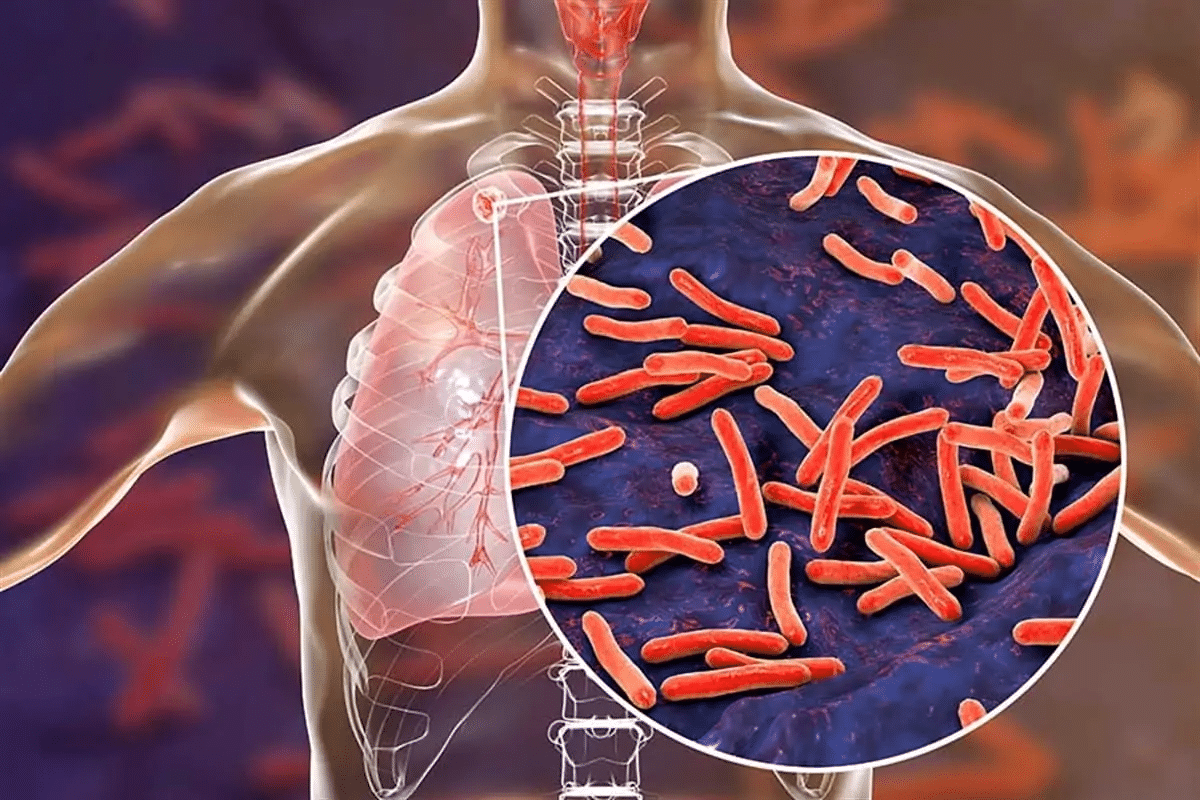
It’s important to know about C-ANCA and PR3 antibodies for diagnosing autoimmune diseases. These antibodies help spot small-vessel vasculitis, like granulomatosis with polyangiitis (GPA).c ancaOvarian Cancer Pain Location: Where It), post_content = REPLACE(post_content, “™, s Most Commonly Felt
At Liv Hospital, we offer top-notch health services. We use the latest diagnostics and focus on complex conditions, including those linked to anti-PR3 antibodies.
Finding these antibodies early can greatly improve treatment results. We aim to fully explain C-ANCA and PR3 antibodies. We want to show their role in diagnosing small-vessel vasculitides and their importance in treatment.
Key Takeaways
- C-ANCA and PR3 antibodies are key for diagnosing autoimmune vasculitis.
- These autoantibodies are linked to small-vessel vasculitis diseases like GPA.
- Early detection can greatly improve patient outcomes.
- Liv Hospital provides full care for patients with complex conditions.
- Understanding C-ANCA and PR3 antibodies is essential for effective management.
What Are C-ANCA and PR3 Antibodies?

It’s key to know about C-ANCA and PR3 antibodies for diagnosing and treating autoimmune diseases. These antibodies are linked to certain vasculitides, like Granulomatosis with Polyangiitis (GPA).
Definition and Basic Concepts
C-ANCA, or cytoplasmic anti-neutrophil cytoplasmic antibodies, shows a cytoplasmic staining pattern. PR3, or proteinase 3, is the main target for C-ANCA. About 80-90% of GPA patients have C-ANCA/PR3 antibodies.
“The discovery of C-ANCA/PR3 antibodies has changed how we diagnose GPA,” say rheumatology experts. “It helps doctors start treatment early and improve patient results.”
Historical Context and Discovery
The 1980s saw the first discovery of ANCA, including C-ANCA. They were found in patients with vasculitis. Later, C-ANCA was linked to GPA. PR3 was found to be the target for C-ANCA, making diagnosis easier.
Research shows C-ANCA is common in GPA but also found in other vasculitides, though less often. This has helped us understand C-ANCA/PR3’s role in autoimmune diseases better.
As we learn more about C-ANCA and PR3 antibodies, their role in diagnosis and monitoring becomes clear. Finding these antibodies helps guide treatment. This shows how vital accurate and timely lab tests are.
The Biology of C-ANCA and Its Target Antigens
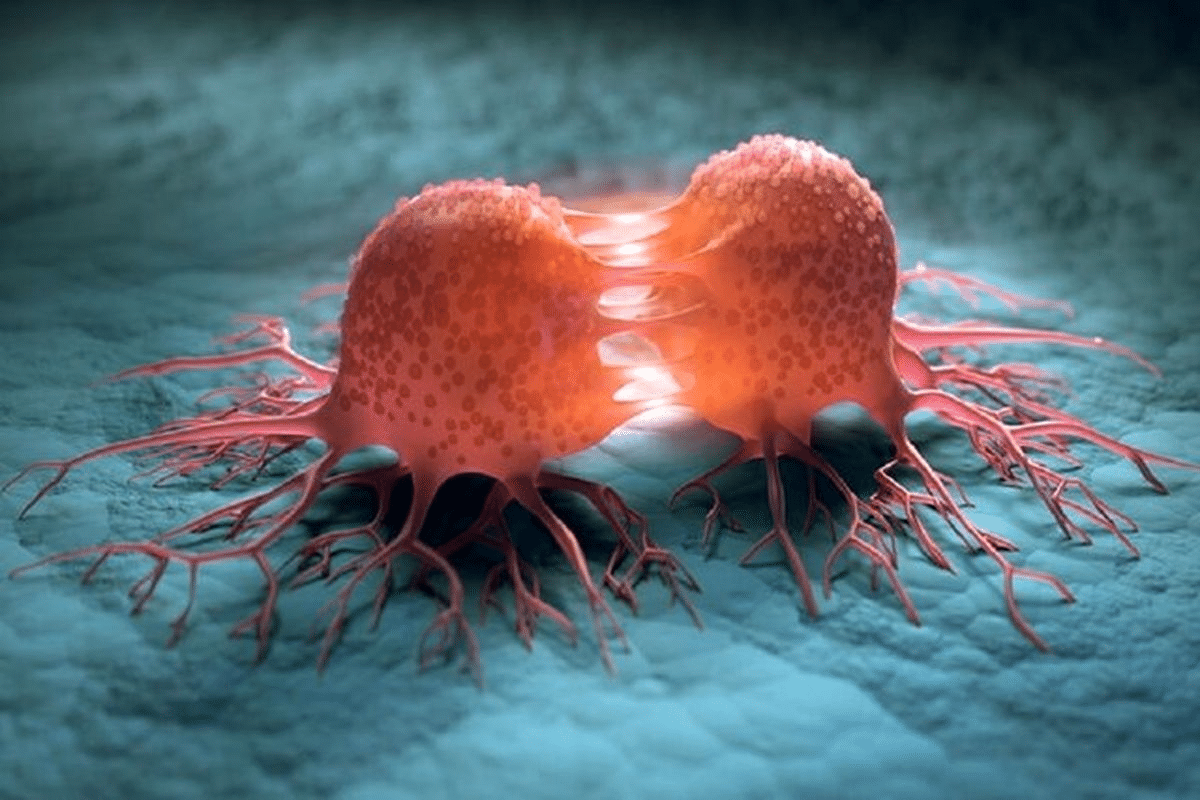
To understand C-ANCA’s role in autoimmune diseases, we need to know about PR3 antibodies. The bond between C-ANCA and proteinase 3 (PR3) is key to grasping how vasculitides develop.
Molecular Structure of PR3
PR3 is a serine protease found in neutrophils and monocytes. It has a special structure that lets it work as an enzyme. The anti-PR3 antibody attaches to PR3, making neutrophils active and producing harmful oxygen species.
The exact shape of PR3 and its parts are vital for knowing how PR3 antibodies form. Studies reveal that PR3’s shape is important for the immune system to recognize it.
Location in Neutrophils and Monocytes
PR3 is mainly in the azurophilic granules of neutrophils and monocytes. When these cells get activated, PR3 moves to their surface. There, it meets anti-proteinase 3 antibodies.
This meeting is a major step in the disease process of C-ANCA-associated vasculitis. The interaction between PR3 on the surface and PR3 antibodies in the blood starts a chain of events. This leads to neutrophil activation, sticking to the blood vessel walls, and damage.
Understanding C-ANCA Patterns in Laboratory Testing
C-ANCA patterns are key in diagnosing and managing vasculitides. Tests use indirect immunofluorescence (IF) and enzyme-linked immunosorbent assay (ELISA). These methods help spot C-ANCA in neutrophil cytoplasm and measure PR3-ANCA levels.
Cytoplasmic Staining Patterns
The cytoplasmic staining pattern is a key sign of C-ANCA. Indirect immunofluorescence is used to see this pattern. Patient serum with C-ANCA is mixed with neutrophils, then a fluorescent antibody is added.
This cytoplasmic staining looks granular and spreads out in the cytoplasm. The staining’s intensity and spread tell us about C-ANCA levels.
Differentiation from P-ANCA and Other Patterns
It’s important to tell C-ANCA from P-ANCA and other patterns for accurate diagnosis. P-ANCA has a perinuclear pattern because of ethanol fixation.
- C-ANCA is associated with a cytoplasmic staining pattern.
- P-ANCA shows a perinuclear staining pattern.
- Other patterns, such as atypical ANCA, may also be observed.
Knowing these differences helps us understand ANCA test results. It guides us in making the right diagnosis and treatment.
The Role of PR3 Antibodies in Autoimmune Diseases
PR3 antibodies are key in autoimmune diseases, like ANCA-associated vasculitides. They target proteinase 3 (PR3) in neutrophils. This makes them a major diagnostic tool for Granulomatosis with Polyangiitis (GPA).
Autoimmune Response Development
The start of an autoimmune response with PR3 antibodies is complex. It involves genetics, environment, and immune system issues. PR3-ANCA is important because it makes neutrophils active. This leads to damage in blood vessels.
Patients with GPA and other ANCA diseases have anti-PR3 antibodies in their blood. These levels show how active the disease is. Doctors use them to diagnose and track the disease.
Pathophysiological Mechanisms
The ways PR3 antibodies affect autoimmune diseases are several:
- PR3-ANCA activates neutrophils, causing them to release harmful substances.
- Neutrophils stick to blood vessel walls, thanks to adhesion molecules.
- The damage to blood vessels comes from the enzymes and oxygen radicals released by neutrophils.
Knowing how PR3 antibodies work is key to finding new treatments. They are not just markers for disease. They could also be targets for treatment in ANCA-associated vasculitides.
C-ANCA in Vasculitis Diagnosis and Classification
C-ANCA is key in diagnosing and classifying vasculitis, mainly in Granulomatosis with Polyangiitis (GPA).
Vasculitis is a group of diseases that cause inflammation in blood vessels. C-ANCA, which targets proteinase 3 (PR3), is a major diagnostic marker for GPA, a type of ANCA-associated vasculitis.
Granulomatosis with Polyangiitis (GPA)
GPA affects small- to medium-sized blood vessels. It’s known for granulomas and is often linked with C-ANCA/PR3-ANCA. Diagnosing GPA involves clinical findings, imaging, and lab tests, including C-ANCA detection.
GPA symptoms can affect many areas like the lungs, kidneys, and skin. Quick diagnosis and treatment are vital to avoid lasting damage.
Prevalence in ANCA-Associated Vasculitides
C-ANCA is important not just in GPA but also in other ANCA-associated vasculitides. The frequency of C-ANCA varies among different vasculitis types.
|
Disease |
C-ANCA/PR3-ANCA Prevalence (%) |
|---|---|
|
GPA |
80-90 |
|
Microscopic Polyangiitis (MPA) |
30-40 |
|
Eosinophilic Granulomatosis with Polyangiitis (EGPA) |
10-20 |
Knowing how common C-ANCA is in these conditions helps doctors diagnose and tell different vasculitis types apart. The table above shows the C-ANCA/PR3-ANCA frequency in various ANCA-associated vasculitides.
In summary, C-ANCA is a vital tool for diagnosing and classifying vasculitis, mainly GPA. Its presence and frequency in different ANCA-associated vasculitides make it essential for doctors.
Mechanisms of Vascular Damage in PR3-ANCA Mediated Diseases
Understanding how PR3-ANCA causes vascular damage is key to finding better treatments. The interaction between PR3-ANCA and its target, proteinase 3 (PR3), is central to the disease’s development.
Neutrophil Activation and Priming
Neutrophil activation is a major step in vascular damage in PR3-ANCA diseases. When PR3-ANCA binds to PR3 on neutrophils, it sets off a chain of events. This leads to the neutrophils releasing enzymes and antimicrobial peptides, causing inflammation and blood vessel damage.
Before this, pro-inflammatory cytokines prime neutrophils to react more strongly to PR3-ANCA. Once neutrophils are activated, they stick to blood vessel walls. They then release harmful substances, damaging the vessels further.
“The activation of neutrophils by PR3-ANCA is a key event in the pathogenesis of AAV, leading to necrotizing inflammation of small blood vessels.”
Vessel Wall Destruction Pathways
The destruction of vessel walls in PR3-ANCA diseases happens through several ways. Neutrophil activation and the release of their granules damage the extracellular matrix and harm endothelial cells.
|
Pathway |
Description |
Effect on Vessel Wall |
|---|---|---|
|
Release of ROS |
Production of reactive oxygen species by activated neutrophils |
Damage to endothelial cells and extracellular matrix |
|
Granule Release |
Release of enzymes and antimicrobial peptides |
Degradation of extracellular matrix and inflammation |
|
Apoptosis |
Programmed cell death of endothelial cells |
Disruption of vessel wall integrity |
In conclusion, the damage to blood vessels in PR3-ANCA diseases involves complex interactions. Knowing these mechanisms is vital for creating effective treatments.
Laboratory Methods for Detecting C-ANCA and PR3 Antibodies
Several laboratory methods are used to find C-ANCA and PR3 antibodies. These tests are key for diagnosing and treating autoimmune diseases. We will look at how these tests work, their benefits, and their drawbacks.
Indirect Immunofluorescence (IF) Technique
Indirect immunofluorescence is a common way to spot C-ANCA. It fixes neutrophils on a slide and then adds the patient’s serum. If C-ANCA is there, it sticks to the neutrophils. A special antibody makes this visible.
Enzyme-Linked Immunosorbent Assay (ELISA)
ELISA is a key method for finding PR3 antibodies. It uses plates coated with PR3 antigen. If PR3 antibodies are present, they bind to the antigen. An enzyme-linked antibody then shows their presence.
Both indirect immunofluorescence and ELISA have their own ups and downs. Here’s a quick comparison:
|
Method |
Sensitivity |
Specificity |
Advantages |
Limitations |
|---|---|---|---|---|
|
Indirect Immunofluorescence |
High |
Moderate |
Provides information on staining patterns |
Subjective interpretation |
|
ELISA |
High |
High |
Quantitative, specific for PR3 antibodies |
Requires purified antigen |
Knowing the good and bad of these tests helps us better diagnose and treat patients. The right test depends on the situation and what’s needed for diagnosis.
Clinical Significance and Monitoring of C-ANCA/PR3 Levels
It’s important to keep an eye on C-ANCA and PR3 antibody levels in patients with ANCA-associated vasculitides. These antibodies show how active the disease is and help us decide on treatments.
Correlation with Disease Activity
Research shows that C-ANCA and PR3 levels match the activity of diseases like Granulomatosis with Polyangiitis (GPA). Studies have found that changes in these antibodies often happen before the disease gets worse. This makes them key for tracking how the disease is doing and how well treatments are working.
We check C-ANCA and PR3 levels to see how active the disease is. This helps us adjust treatments to fit each patient’s needs. It’s a way to give more personalized care and better results for our patients.
Prognostic Value and Treatment Implications
The forecast value of C-ANCA and PR3 antibodies is big. They help us guess when the disease might come back and guide our treatment choices. If these antibodies stay high or go up, it might mean the disease is more likely to come back. This means we need to watch the patient more closely and might need to use stronger treatments.
Knowing how C-ANCA and PR3 levels affect the disease lets us make treatment plans that are just right for each patient. This way, we can help them get better and live better lives.
- C-ANCA and PR3 levels are used to monitor disease activity and response to treatment.
- Changes in antibody levels can precede changes in disease activity.
- Persistent or rising antibody levels may indicate a higher risk of disease relapse.
By keeping a close eye on C-ANCA and PR3 levels, we can make treatment plans better. This helps our patients with ANCA-associated vasculitides get the best care possible.
Conclusion
Understanding C-ANCA and PR3 antibodies is key in diagnosing and managing ANCA-associated vasculitides. These autoimmune diseases can lead to serious health issues. Testing for C-ANCA and PR3 antibodies helps identify patients with granulomatosis with polyangiitis (GPA) and similar conditions.
We’ve talked about the biology of C-ANCA and its targets. We also discussed how PR3 antibodies are involved in autoimmune diseases. Knowing about C-ANCA’s role in diagnosing vasculitis is important. Laboratory tests like indirect immunofluorescence and ELISA are vital in clinical practice.
The presence of C-ANCA and PR3 antibodies shows disease activity. This information helps doctors make treatment plans. Understanding how PR3-ANCA damages blood vessels helps in creating effective treatments.
In short, C-ANCA and PR3 antibodies are critical in diagnosing and managing autoimmune diseases. Their detection and monitoring help doctors provide better care to patients with ANCA-associated vasculitides.
FAQ
What is C-ANCA and how is it related to PR3 antibodies?
C-ANCA, or cytoplasmic anti-neutrophil cytoplasmic antibodies, targets the enzyme proteinase 3 (PR3) in neutrophils. It’s linked to certain autoimmune diseases, like granulomatosis with polyangiitis (GPA).
How are C-ANCA and PR3 antibodies detected in laboratory tests?
Tests like indirect immunofluorescence (IF) and enzyme-linked immunosorbent assay (ELISA) detect C-ANCA and PR3 antibodies. These tests show if these antibodies are present and in what amounts.
What is the significance of C-ANCA in diagnosing vasculitis?
C-ANCA is key in diagnosing and classifying vasculitis, like GPA and other ANCA-associated vasculitides. It helps doctors tell different types apart and decide on treatment.
How do PR3-ANCA antibodies cause vascular damage?
PR3-ANCA antibodies activate neutrophils, which then release enzymes like PR3. This damages the vessel wall, causing inflammation and damage seen in ANCA-associated vasculitides.
What is the clinical significance of monitoring C-ANCA/PR3 levels?
Watching C-ANCA/PR3 levels is important. It shows how active the disease is and helps predict outcomes in patients with ANCA-associated vasculitides. Changes in levels can signal flare-ups or treatment success.
What is the difference between C-ANCA and P-ANCA?
C-ANCA and P-ANCA differ in how they stain neutrophils. C-ANCA stains the cytoplasm, while P-ANCA stains the perinuclear area. C-ANCA targets PR3, and P-ANCA often targets myeloperoxidase (MPO).
Are anti-PR3 antibodies the same as C-ANCA?
Anti-PR3 antibodies and C-ANCA are related but not the same. C-ANCA is the staining pattern on neutrophils, while anti-PR3 antibodies target the PR3 antigen. Most C-ANCA positivity comes from anti-PR3 antibodies.
Can C-ANCA be present in conditions other than vasculitis?
While C-ANCA is mainly linked to ANCA-associated vasculitides like GPA, it can also appear in other conditions. Yet, its presence often points to an ANCA-associated vasculitis, needing further testing.
References
NNational Center for Biotechnology Information. ANCA-Associated Vasculitis: Autoimmunity, Inflammation, and Organ Damage. Retrieved from
https://www.ncbi.nlm.nih.gov/books/NBK554372/o suitable reference found.