

Getting a rheumatoid arthritis diagnosis can feel scary. But knowing if RA is progressive is key to your health. We’re here to help you understand. Understanding if the severe damage of advanced ra is progressive and detailing the later stages of the disease.
Rheumatoid arthritis is a progressive disease. It gets worse over time, causing more joint pain, damage, and disability. But, with the right treatment, you can slow it down.
At Liv Hospital, we focus on catching RA early and treating it right. Our care is all about you, aiming to slow down the disease. This way, we improve your life quality.
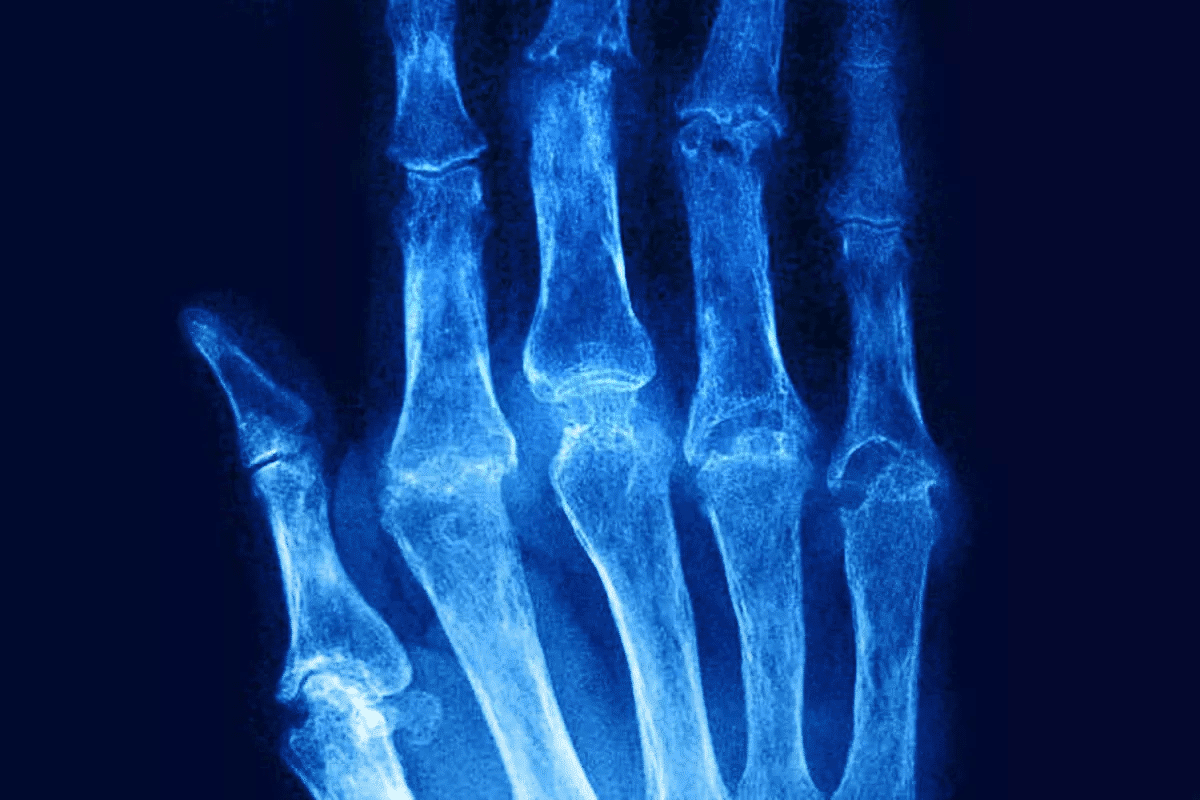
Rheumatoid arthritis (RA) is an autoimmune disease that causes inflammation. It leads to symmetrical joint pain and swelling. It can also affect other organs like the lungs, eyes, heart, and skin.
Rheumatoid arthritis is an autoimmune disease. This means the body’s immune system attacks its own tissues. In RA, the immune system targets the lining of the joints, causing inflammation and damage.
The immune cells and cytokines in RA create a complex process. This leads to the synovium becoming inflamed, thickened, and painful. These are key symptoms of RA.
RA is different from other arthritis types, like osteoarthritis. RA is an autoimmune disease with systemic symptoms. Osteoarthritis is a wear-and-tear condition without an active inflammatory process.
|
Characteristics |
Rheumatoid Arthritis |
Osteoarthritis |
|---|---|---|
|
Nature of Disease |
Autoimmune, inflammatory |
Degenerative, wear-and-tear |
|
Joint Involvement |
Symmetrical, multiple joints |
Typically single joint or asymmetrical |
|
Systemic Symptoms |
Common, includes fatigue, fever |
Rare, mainly localized to joints |
The inflammatory process in RA starts with immune cell activation. They release cytokines and other inflammatory mediators. This causes the synovium to become inflamed and thickened, leading to pain, swelling, and stiffness.
Understanding this process is key to developing effective treatments. Treatments aim to target RA’s underlying mechanisms, potentially slowing or halting disease progression.

Knowing if rheumatoid arthritis (RA) gets worse is key to managing it well. RA is a chronic inflammatory disorder that can greatly affect a person’s life. If not treated, RA can get worse, leading to serious disability.
Disease progression in RA means more joint damage and inflammation. This leads to more symptoms and can cause permanent joint damage. Progressive rheumatoid arthritis keeps causing inflammation and damage, even when the body tries to repair itself.
How fast RA progresses can differ from person to person. It depends on genetics, environment, and treatment. Knowing what makes RA progress is vital for managing it.
Research shows RA is a progressive disease. Without treatment, most RA patients will see a lot of joint damage in the first few years.
|
Timeframe |
Percentage of Patients with Significant Joint Damage |
|---|---|
|
1-2 years |
50% |
|
5 years |
70% |
|
10 years |
90% |
This table shows how quickly RA can progress. It shows why early treatment is so important.
RA’s progressive nature is a big concern because it can lead to long-term disability. About 40% of RA patients become disabled within 10 years of diagnosis. This highlights the need for effective management to slow or stop disease progression.
Early diagnosis and treatment are essential in changing RA’s course. Understanding RA’s progressive nature and using the right treatments can greatly improve patient outcomes.
Rheumatoid arthritis (RA) goes through four stages. Knowing these stages helps patients and doctors manage the disease better. This improves life quality for those with RA.
In the early RA stage, the joint capsule gets inflamed. This leads to the first symptoms of the disease. The synovium, the tissue lining the joints, swells and gets inflamed.
Spotting RA early is hard, but it’s key to start treatment early. This can change the disease’s course a lot.
As RA moves to stage two, the synovium gets thicker. Inflammation grows stronger. This can cause pannus, a tissue that damages the joint.
Patients may feel more pain, stiffness, and have trouble moving. These symptoms are more noticeable now.
In stage three, RA really affects the joint. It causes cartilage damage and might lead to bone erosion. Symptoms get worse, with more pain, swelling, and less function.
If not treated well, the damage can’t be fixed. This can lead to big disabilities.
The last stage of RA is when the joint is badly damaged. This can cause a lot of pain and make it hard to move. Treatment at this stage might include surgery to fix or replace the joints.
|
Stage |
Characteristics |
Symptoms |
Treatment Focus |
|---|---|---|---|
|
1 |
Early RA, joint capsule inflammation |
Mild pain, stiffness |
Early diagnosis, DMARDs |
|
2 |
Moderate progression, synovial thickening |
Increased pain, reduced mobility |
Biologic therapies, physical therapy |
|
3 |
Severe symptoms, cartilage damage |
Significant pain, swelling, reduced function |
Aggressive DMARDs, biologic therapies |
|
4 |
End-stage joint destruction |
Severe pain, significant disability |
Surgical interventions, pain management |
Knowing the four stages of RA is key to good treatment. Doctors can tailor care to each patient’s needs. This can slow or stop the disease from getting worse.
Rheumatoid Arthritis (RA) can progress at different rates for everyone. Some people see quick changes in days or weeks. Others notice slow changes over months or years. This makes it hard to guess how fast RA will move for any one person.
In some cases, RA moves fast, causing a lot of joint damage quickly. Rapid progression often means more severe symptoms and a higher chance of lasting disability. Things that can make RA move faster include high inflammation, certain autoantibodies, and starting treatment late.
For many, RA moves slowly over months or years. Even slow progression can lead to a lot of joint damage if not treated right. Keeping a close eye on the disease and adjusting treatment is key to managing slow RA progression. Things that can slow down progression include good treatment, lifestyle choices, and no other health problems.
It’s important to remember that RA progression is unique to each person. It’s hard to predict exactly how RA will progress for someone because of many factors. Knowing these factors helps doctors create treatments that fit each person’s needs.
“The variability in RA progression highlights the need for personalized treatment plans that can be adjusted based on the patient’s response and changing disease activity.”
Expert in Rheumatology
By understanding and dealing with the different ways RA can progress, doctors can give better, more tailored care. This can lead to better results and a better life for patients.
It’s key for doctors to spot the signs of advanced RA early. This helps them give better care and support. As RA gets worse, it can cause big problems like joint deformities and extra issues outside the joints.
Advanced RA can lead to joint deformities that make moving hard. These problems come from long-term inflammation and damage to joints and surrounding tissues. Some common issues include:
These issues not only hurt but also make everyday tasks hard. This leads to big problems with daily life and a lower quality of life.
Advanced RA also brings extra-articular manifestations. These are problems outside the joints, like:
These extra issues make managing RA harder and add to the disease’s weight.
RA getting worse leads to high long-term disability rates. Without good treatment, many patients with RA can lose their ability to work in 10-20 years. Advanced RA not only hurts the body but also affects the mind and life quality.
Doctors need to know about the symptoms and problems of advanced RA. This helps them find better ways to manage the disease and help patients live better lives.
Rheumatoid Arthritis (RA) moves forward due to many factors. These include genetics, the environment, and lifestyle. Knowing these helps predict how the disease will progress and plan treatments.
Genetics play a big role in RA. If your family has RA, you’re more likely to get it. Certain genes, like HLA-DRB1, raise your risk and might speed up the disease.
Smoking is another risk factor. It can start inflammation and make joint damage worse.
Markers like rheumatoid factor (RF) and anti-citrullinated protein antibodies (ACPAs) help diagnose and predict RA. High levels of these markers mean the disease might get worse faster.
These markers help doctors decide on treatments. They help find who needs aggressive therapy early on.
What you eat, how much you exercise, and how you handle stress can affect RA. Eating anti-inflammatory foods, exercising, and managing stress can help. They can slow down symptoms and disease progress.
Keeping a healthy weight is also key. Too much weight can strain joints, like hips, knees, and feet.
Understanding RA’s progression factors helps doctors create better treatment plans. These plans can slow the disease and improve life quality for each patient.
We believe early intervention is key to changing Rheumatoid Arthritis (RA) outcomes. Timely medical care can greatly improve patients’ lives and quality of life.
The “window of opportunity” in RA treatment is a critical period. Research shows early treatment can change the disease’s course, leading to better results.
“The window of opportunity is a critical concept in RA management,” experts say. It highlights the need for quick diagnosis and treatment for the best outcomes.
Early diagnosis and aggressive treatment with DMARDs can change the disease’s course. The benefits include:
Timely intervention slows disease progression and improves outcomes. Early treatment prevents much of the irreversible joint damage seen in advanced RA.
Preventing joint damage is a main goal of early RA treatment. Early therapy reduces the risk of long-term joint destruction and disability.
Dr. [Last Name] said, “Early treatment is key to preventing irreversible damage in RA’s early stages.” This shows the importance of quick medical attention for those suspecting RA.
In conclusion, early intervention is vital in managing RA and changing its progression. Understanding the window of opportunity and early diagnosis and treatment benefits can improve patient outcomes and prevent significant joint damage.
When rheumatoid arthritis (RA) gets worse, we need to change how we treat it. Advanced RA needs a detailed plan to slow it down and improve life quality. This plan might include different treatments to help manage the disease.
DMARDs are key in treating RA, mainly in advanced stages. They change how the disease works, stopping joint damage. First, we use conventional DMARDs like methotrexate. Then, newer DMARDs are options for those who don’t get better with the first ones.
Methotrexate is often chosen because it works well. It helps reduce symptoms and slow the disease. Rheumatologists say methotrexate has been a big help in RA treatment.
Biologic therapies are a big step forward in RA treatment. They target specific parts of the inflammatory process. For example, TNF-alpha inhibitors and IL-6 inhibitors are used.
These treatments are very effective. They reduce inflammation, slow joint damage, and improve life quality. Treatment guidelines suggest biologics for those who don’t get better with DMARDs.
Using different treatments together can work better for advanced RA. This might mean combining DMARDs with biologics or using several DMARDs at once. This can lead to better disease control and might mean using less of each medication.
When RA causes a lot of joint damage, surgery might be needed. Joint replacement surgery can help with function and pain. Surgical options are part of the treatment plan for advanced RA.
As we learn more about RA and its treatment, a team approach becomes more important. Medical treatments and surgery, when needed, help provide full care for those with advanced RA.
Managing progressive rheumatoid arthritis needs a detailed and personal care plan. We’ve talked about RA’s stages, from early inflammation to severe joint damage. Early action is key to slowing the disease.
Handling RA involves many steps. This includes quick diagnosis, timely treatment, and ongoing care. Knowing what affects RA’s progress helps us create better treatment plans for each patient.
For those with advanced RA, treatments like DMARDs, biologics, and surgery might be needed. These help manage the disease and repair damaged joints.
By taking a proactive and detailed approach to RA, we can improve lives and outcomes. As we learn more about RA, we’ll find better ways to fight this complex disease.
Yes, rheumatoid arthritis (RA) is a progressive disease. This means it can get worse over time if not treated properly.
RA’s progression includes worsening symptoms and joint damage. It goes through four stages: early inflammation, moderate progression, severe symptoms, and end-stage joint destruction.
RA’s progression speed varies. Some see quick worsening in days to weeks. Others experience slow changes over months to years.
RA has four stages. Stage 1 is early inflammation. Stage 2 has moderate progression and synovial thickening. Stage 3 involves severe symptoms and cartilage damage. Stage 4 is end-stage joint destruction.
Several factors affect RA’s progression. These include genetic and environmental risks, serological markers, and lifestyle choices. These can change how fast and severe the disease gets.
Yes, early treatment can change RA’s course. It can prevent major joint damage and improve outcomes. This is because of the “window of opportunity” for timely action.
Advanced RA shows joint deformities, functional limits, and extra-articular signs. These greatly affect patients’ quality of life and disability rates.
Advanced RA treatment includes DMARDs, biologic therapies, and combination therapies. Surgery may also be used. These aim to manage symptoms, slow disease, and improve outcomes.
Yes, managing progressive RA is possible. A detailed and personalized care plan, including early treatment and ongoing management, can improve outcomes.
RA significantly affects quality of life, mainly in advanced stages. Joint deformities, functional limits, and extra-articular signs highlight the need for effective management and support.
RA is unique because it’s an autoimmune disease. The immune system mistakenly attacks the joints’ lining, causing inflammation and damage.
Government Health Resource. Rheumatoid Arthritis: Understanding Disease Progression. Retrieved from https://www.nice.org.uk/guidance/ng100