
Hip flexor pain is a big problem worldwide. It affects people in many ways, from daily tasks to sports performance. If you’re feeling sharp pain from hard workouts or dull ache from sitting too long, knowing how to treat it is key.
First, try conservative methods like rest, ice, heat, stretching, and strengthening. These steps are important for easing hip flexor pain. Guide to quick relief methods and effective steps on how to treat hip flexor pain and reduce inflammation.
Key Takeaways
- Conservative management is the primary approach for treating hip flexor pain.
- Rest, ice, and heat therapy are essential for initial pain relief.
- Stretching and strengthening exercises aid in recovery and prevention.
- Understanding the causes of hip flexor pain is important for effective treatment.
- Physical therapy and over-the-counter pain relievers can provide additional relief.
Understanding Hip Flexor Pain
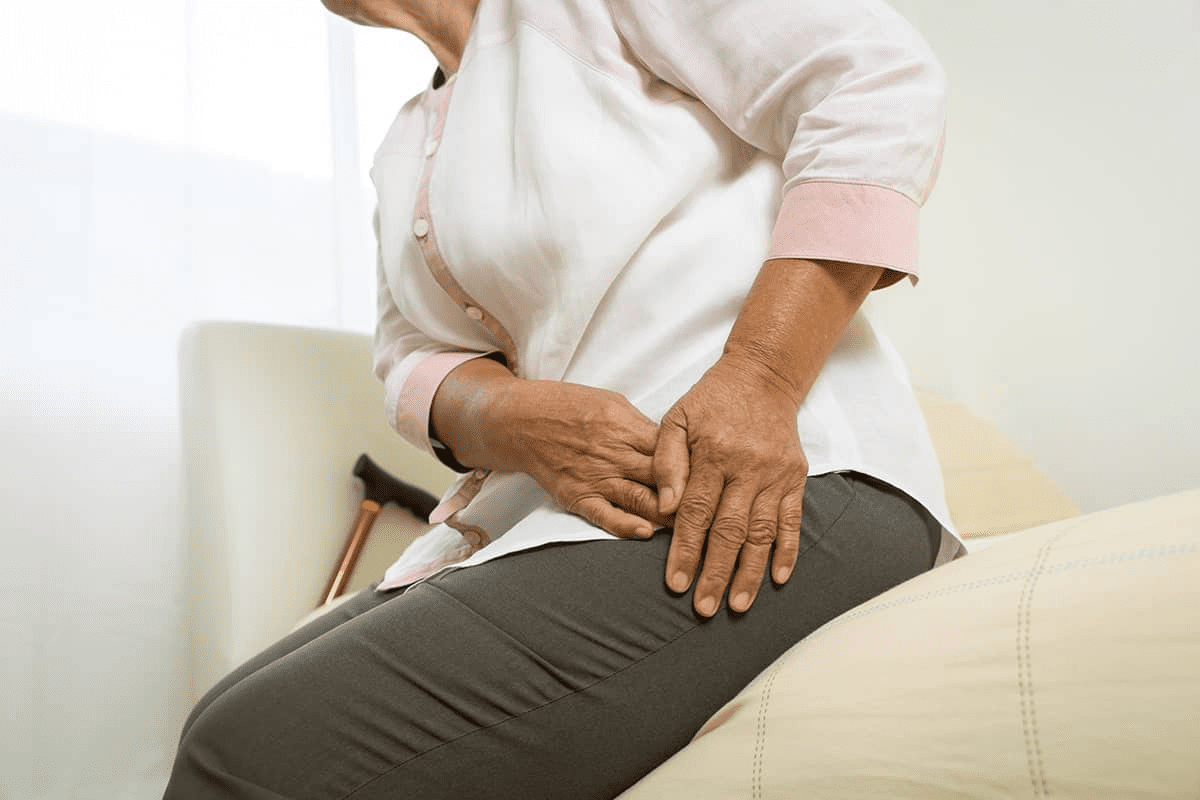
The hip flexor muscles are key to our mobility. When they don’t work right, we feel a lot of pain. These muscles help us lift our thigh towards our body. This is important for walking, running, and climbing stairs.
What Are Hip Flexors and Their Function
The hip flexors include the psoas major and iliacus muscles. Together, they are called the iliopsoas. The tensor fasciae latae and rectus femoris muscles also help. They all work together to help us move our hips.
These muscles do more than just move us. They also help keep our hip and lower back stable. Knowing how they work is key to fixing hip flexor pain.
Common Causes of Hip Flexor Pain
Hip flexor pain can come from many things. Here are a few:
- Muscle Strain: This happens when the muscles get stretched or torn too much. It often happens when we move too fast or slow.
- Overuse: Doing the same hip movements over and over can strain the muscles. This is common in athletes or people with jobs that involve a lot of hip movement.
- Tendinitis: This is when the tendons get inflamed. It usually happens because of doing the same motion a lot.
- Poor Biomechanics: If we walk or stand in a way that puts extra stress on our hip flexors, it can cause pain.
Finding out why we have hip flexor pain is the first step to feeling better.
Symptoms and Diagnosis
Pain in the front of the hip or groin area is a common symptom. It can get worse when we walk, climb, or bend. Doctors will ask about our medical history and do a physical exam. They might also use X-rays or MRI to check for other problems.
A doctor will figure out how bad the pain is and suggest the best treatment.
Immediate Relief Strategies for Hip Flexor Pain
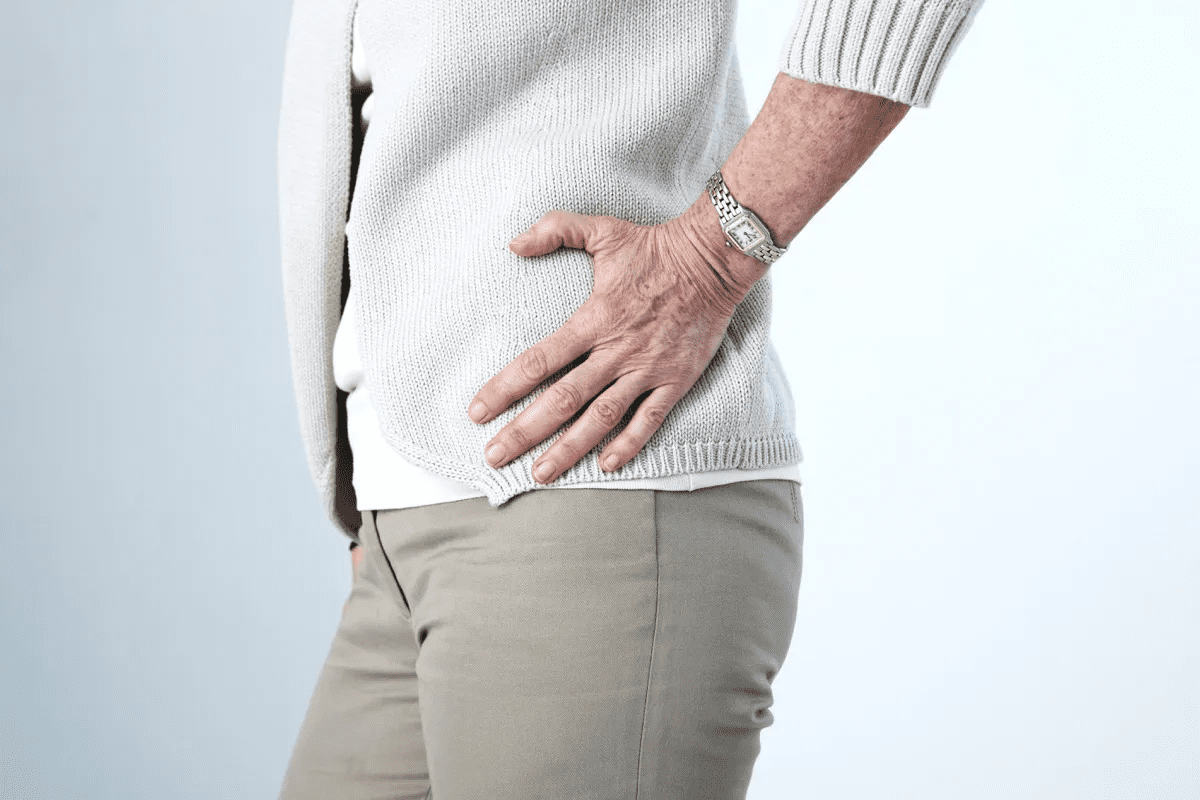
Finding quick relief from hip flexor pain is key to staying mobile. Every step can feel like a hurdle when you’re in pain. We know how vital it is to find ways to ease this discomfort.
Managing hip flexor pain starts with quick relief strategies. These can lessen pain and stop further injury. The R.I.C.E. method is a top choice for this.
The R.I.C.E. Method Explained
The R.I.C.E. method means Rest, Ice, Compression, and Elevation. It’s a well-known way to treat injuries, like hip flexor pain.
- Rest: Stay away from activities that make the pain worse.
- Ice: Ice can help lower pain and swelling.
- Compression: Compression bandages can reduce swelling.
- Elevation: Keeping the leg up can also help with swelling.
Proper Rest Techniques
Resting right is key for healing hip flexor muscles. Avoid activities that put strain on them, like running or cycling. Also, make sure to take breaks to rest.
Getting enough sleep is also important. It helps in recovery and can lessen hip flexor pain.
Optimal Positioning to Reduce Strain
Good positioning helps reduce strain on hip flexors. When sitting, keep a straight back and avoid bending forward. This can help avoid straining the hip flexors.
- Choose a chair with good lumbar support.
- Don’t cross your legs, as it can cause uneven strain.
- Stand and stretch regularly.
By using these strategies, you can lessen strain on your hip flexors. This helps them heal faster.
Over-the-Counter Medications for Hip Flexor Pain
Over-the-counter medications are often the first choice for hip flexor pain. They help with pain relief, allowing people to keep up with their daily activities while they heal.
NSAIDs: Ibuprofen, Naproxen Sodium
Nonsteroidal anti-inflammatory drugs (NSAIDs) are a common choice for managing hip flexor pain. Ibuprofen and naproxen sodium are two of the most used NSAIDs. They reduce inflammation, which is a main cause of pain in hip flexor injuries.
When picking between ibuprofen and naproxen sodium, consider their action times. Ibuprofen needs to be taken every 4 to 6 hours. Naproxen sodium can last up to 12 hours.
Acetaminophen and Other Pain Relievers
Acetaminophen is another popular over-the-counter pain reliever. It doesn’t reduce inflammation but is good at lowering pain and fever. It’s a good option for those who can’t take NSAIDs because of stomach problems or other health issues.
It’s important to follow the dosage instructions when using acetaminophen or any other over-the-counter medication. Always talk to a healthcare provider if you’re not sure about the best medication for your condition or if you have other health concerns.
Heat vs. Ice: Which Is Better for Hip Flexor Pain?
Knowing when to use heat or ice can really help with hip flexor pain. Both methods are used to reduce pain and swelling. But, it’s important to know when to use each one.
When to Apply Ice
Ice is best for new injuries to cut down on swelling and pain. Use ice within the first 48 to 72 hours after an injury. Ice therapy, or cryotherapy, makes blood vessels smaller and reduces blood flow. This helps lower inflammation and pain. Wrap the ice in a towel to protect your skin and use it for 15-20 minutes at a time.
When to Apply Heat
Heat therapy is used after the first few days of injury, usually after 72 hours. It relaxes muscles, boosts blood flow, and aids in healing. Heat makes muscles and tendons more flexible, which is great for long-term hip flexor pain. Try a warm bath, heating pad, or warm compress for 15-20 minutes.
“Heat therapy can be very helpful before activities that might make hip flexor pain worse. It gets the muscles ready for movement.”
Alternating Heat and Ice Therapy
Some people find that switching between heat and ice works best. This method is good for long-term conditions. Begin with ice to lessen swelling, then use heat to relax muscles and improve blood flow. But, pay attention to how your body reacts and adjust as needed.
In summary, both heat and ice are useful for hip flexor pain. Knowing when to use each can help you recover faster. Always talk to a healthcare expert if you’re not sure what’s best for your situation.
Effective Stretches to Relieve Hip Flexor Pain
Stretching is key in treating hip flexor pain. It helps reduce discomfort and boosts flexibility. This makes stretching a must-have for recovery.
Gentle Stretches for Acute Pain
For those with acute hip flexor pain, gentle stretches are best. These low-intensity stretches keep muscles flexible without straining them.
- Kneeling Hip Flexor Stretch: Kneel on one knee with the other foot in front, keeping your back straight. Gently lean forward to stretch the front of your hip.
- Lying Iliopsoas Stretch: Lie on your back with one leg bent and the other straight. Slowly lift the straight leg towards the ceiling, holding for a few seconds before lowering it back down.
Progressive Stretching Techniques
When pain lessens, try more dynamic stretches. These improve flexibility and strength, helping the hip flexors work better.
- Standing Hip Flexor Stretch: Stand with your feet hip-width apart. Take a large step forward with one foot and lower your body until your back knee almost touches the ground.
- Lunge Stretch: Perform a lunge with one leg forward, ensuring your front knee is at a 90-degree angle. Lean forward slightly to deepen the stretch.
Frequency and Duration Recommendations
Consistency is key in stretching. Stretch at least twice a day, holding each stretch for 20-30 seconds. Repeat for 2-3 sets.
Adding these stretches to your daily routine can lessen hip flexor pain. Listen to your body and adjust stretches as needed.
How to Treat Hip Flexor Pain with Strengthening Exercises
Hip flexor pain can be eased with a good strengthening program. Strengthening these muscles and others around them boosts stability and cuts down pain. It’s key for treating and preventing hip flexor issues.
Beginner-Friendly Exercises
For newcomers, starting with easy exercises is best. These low-impact routines help avoid injury while building strength slowly.
- Straight Leg Raise: Lift your leg straight out in front of you, keeping it straight, and then lower it back down without touching the floor.
- Wall Sit: Stand with your back against the wall and slide down into a seated position, keeping your knees bent at a 90-degree angle.
- Glute Bridges: Lie on your back with your knees bent and feet flat on the floor, then lift your hips towards the ceiling.
Advanced Strengthening Techniques
After mastering beginner exercises, move on to more challenging ones. These exercises focus on the hip flexors and other muscles, boosting strength and stability.
- Lunges: Perform walking lunges or stationary lunges to challenge your hip flexors and glutes.
- Step-Ups: Use a step or bench to perform step-ups, targeting the hip flexors and quadriceps.
- Leg Press: Utilize a leg press machine to strengthen the hip flexors, quadriceps, and glutes.
Creating a Balanced Exercise Routine
A well-rounded routine is key for managing hip flexor pain. Mix strengthening exercises with flexibility and cardio workouts.
Exercise Type | Examples | Frequency |
Strengthening | Straight Leg Raise, Lunges | 3 times a week |
Flexibility | Hamstring Stretch, Hip Flexor Stretch | Daily |
Cardiovascular | Brisk Walking, Swimming | 3-5 times a week |
By adding these exercises to your routine and increasing the intensity, you can effectively treat hip flexor pain. This will also improve your hip’s overall function.
Professional Treatment Options
Professional treatment options offer a wide range of care for hip flexor pain. If simple steps don’t help, getting professional help is key to feeling better.
Physical Therapy Approaches
Physical therapy is a top choice for hip flexor pain. Physical therapists use many methods to fix the problem and ease pain. These include manual therapy, exercises, and special treatments like ultrasound.
We team up with physical therapists to create a plan just for you. This plan tackles the root of the pain and helps prevent it from coming back.
Massage and Manual Therapy
Massage and manual therapy are big parts of treating hip flexor pain. They help loosen tight muscles, boost blood flow, and aid in healing. Massage therapy is great for easing tight hip flexor muscles.
Manual therapy, like joint mobilization, helps restore movement and cuts down pain. We suggest mixing these therapies with others for the best results.
Alternative Treatments: Acupuncture and Dry Needling
Some people find relief with acupuncture and dry needling for hip flexor pain. Acupuncture uses fine needles to stimulate healing and ease pain.
Dry needling, by contrast, targets muscle trigger points to ease tension. Both can be part of a full treatment plan.
Exploring these professional treatments can help those with hip flexor pain find lasting relief and better their life quality.
When to Seek Medical Help for Hip Flexor Pain
If you’re feeling pain in your hip flexor, knowing when to see a doctor is important. Hip flexor injuries can really hurt and make it hard to do everyday things. They can also affect how well you feel overall.
Some cases might get better with rest and taking care of yourself. But, others might need a doctor’s help to avoid getting worse.
Warning Signs of Serious Injury
Some signs mean you need to see a doctor right away. These include:
- Severe pain that doesn’t get better with rest
- Swelling or bruising around the hip or groin
- Having trouble walking or putting weight on the leg
- Hearing a snap or pop when you get hurt
- Feeling weak or numb in the leg
If you notice any of these, go see a doctor fast.
Diagnostic Procedures
When you see a doctor for hip flexor pain, they will check you out. They might also do tests to find out what’s wrong and how bad it is.
These tests could be:
- A physical check to see how you’re moving and feeling
- Imaging tests like X-rays, ultrasound, or MRI to see the injury
A study in the Journal of Orthopaedic & Sports Physical Therapy found MRI is great for finding hip flexor strains. This helps doctors know how to treat you best.
Treatment Options for Severe Cases
For really bad hip flexor injuries, treatment might include:
- Physical therapy to get your strength and flexibility back
- Medicines like NSAIDs or corticosteroid shots to ease pain and swelling
- In some cases, surgery might be needed to fix damaged tissues
It’s very important to follow what your doctor says to heal right and avoid hurting it again. A good rehab plan can help you get back to doing what you love.
“Proper diagnosis and treatment are key to recovering from hip flexor injuries. With the right care, most people can make a full recovery and return to their normal activities.” – Medical Expert, Orthopedic Specialist
Conclusion: Your Path to Hip Flexor Recovery
Recovering from hip flexor pain needs a full plan. This includes rest, stretching, and strengthening exercises. Also, getting professional help is key.
Understanding hip flexor pain is the first step. Then, treat it with the R.I.C.E. method for quick relief. For long-term care, gentle stretches and strengthening exercises are essential. Knowing when to see a professional, like a physical therapist, is also important.
Follow the advice in this article to manage your hip flexor recovery. A good plan includes rest, stretching, and exercises that fit your needs. With the right approach, you can recover well and get back to your usual activities.
FAQ
What are the most effective ways to cure hip flexor pain?
Rest, stretching, and strengthening exercises are key. Over-the-counter pain relievers like ibuprofen or acetaminophen can also help.
How do I treat a strained hip flexor?
Use the R.I.C.E. method: rest, ice, compression, and elevation. Gentle stretches and strengthening exercises also aid in recovery.
Is heat or ice better for hip flexor pain?
Both heat and ice work for hip flexor pain. Ice for acute injuries, heat for chronic pain. Try alternating for best results.
Can I use ibuprofen for hip flexor strain?
Yes, ibuprofen can help with pain and inflammation. But, always talk to a healthcare professional before taking any medication.
How often should I stretch to relieve hip flexor pain?
Stretch gently and regularly, 2-3 times a day. This helps with pain and improves flexibility.
What are some beginner-friendly exercises for hip flexor strengthening?
Start with low-impact exercises like straight leg raises and knee lifts. Hip flexor stretches are also good. Move to more advanced exercises as you get stronger.
When should I seek medical help for hip flexor pain?
Seek medical help for severe pain, swelling, or trouble walking. If symptoms don’t get better or get worse, see a doctor.
Can physical therapy help with hip flexor pain?
Yes, physical therapy is very effective. A therapist can create a personalized exercise plan and teach you how to stretch and strengthen properly.
How can I prevent hip flexor pain from recurring?
Keep up with regular exercise, including stretching and strengthening. Avoid overusing or straining your hip flexors to prevent pain.
Are there any alternative treatments for hip flexor pain?
Yes, treatments like acupuncture, dry needling, and massage can help. Always try these under the guidance of a healthcare professional.
References
https://www.hss.edu/health-library/move-better/hip-flexor-stretch