Recovering well after surgery is not just about the surgery itself. It also depends on the rehabilitation that follows. At Liv Hospital, we focus on a complete approach to healing. This includes physical, psychological, and social aspects of recovery post surgical rehabilitation.
Post-operative rehabilitation is a proven way to heal faster and avoid complications. It helps you get back to the things you love. Barrington Orthopedic Specialists say a good rehabilitation plan can make a big difference in your recovery and life quality.
We use international best practices in our care. We combine advanced, evidence-based protocols with a strong focus on your functional recovery.
Key Takeaways
A complete rehabilitation plan is key for a good recovery.
Adding physical, psychological, and social aspects improves well-being.
Using evidence-based protocols boosts recovery results.
Team care is vital for the best rehabilitation.
Liv Hospital is dedicated to top-notch post-operative care.
The Critical Role of Rehabilitation After Surgery
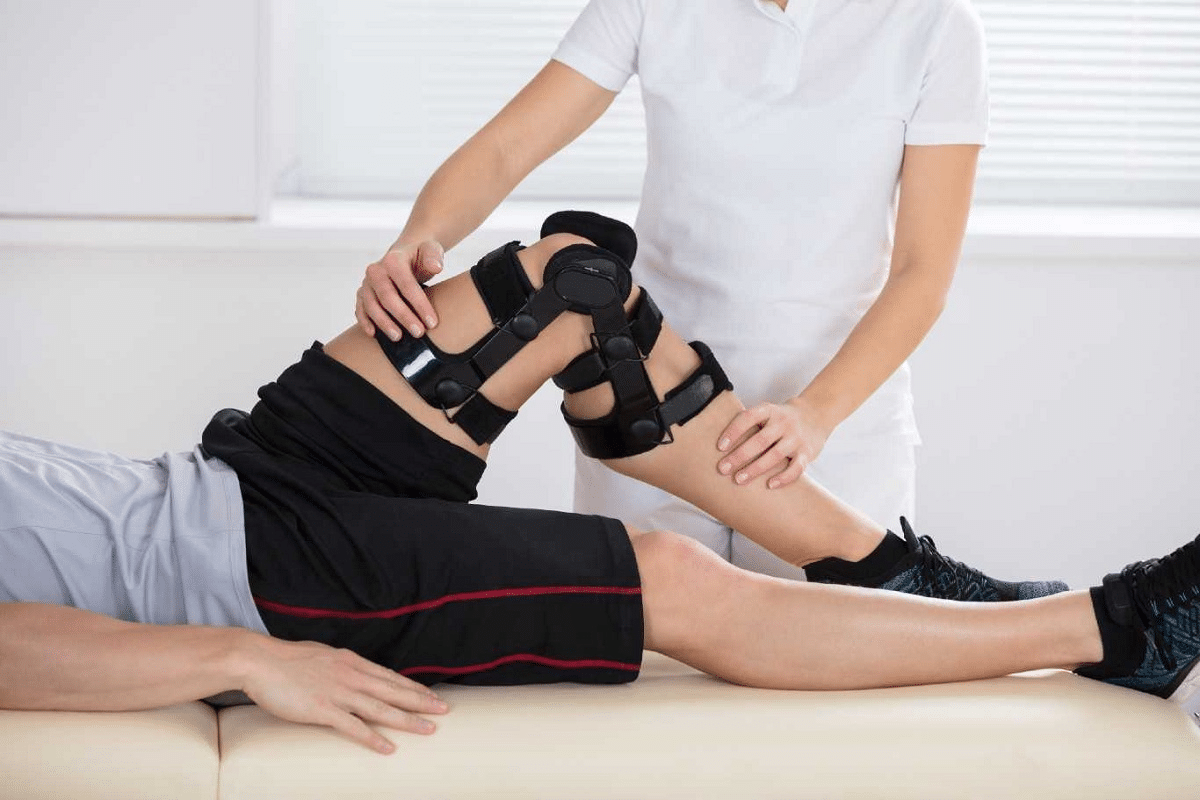
Rehabilitation is essential for a full recovery after surgery. It improves both how well you can move and your overall quality of life. It’s not just extra care; it’s a key part of getting better.
Rehab after surgery helps patients get back their strength and mobility. NY Sports and Spinal Physical Therapy says physical therapy is a big help. It offers custom plans to speed up healing, improve function, and ease pain.
Why Rehabilitation Matters for Recovery Outcomes
Rehab is important because it tackles many challenges after surgery. These include managing pain, avoiding complications, and getting back to normal physically.
- Pain Management: Good rehab plans help control pain, so you don’t need to take as much medicine.
- Prevention of Complications: Moving early and doing specific exercises can stop problems like blood clots and scar tissue.
- Restoration of Function: Rehab programs are made to help you do everyday things again.
The Science Behind Tissue Healing and Functional Recovery
The process of healing and getting back to normal is complex. It involves several steps, including inflammation, growth, and strengthening.
- Inflammation: The first step where the body reacts to injury by bringing more blood and immune cells.
- Proliferation: The next step where the body starts to fix tissue by making new tissue and early scars.
- Remodeling: The last step where the new tissue gets stronger and more like the original tissue.
Getting better functionally depends a lot on the rehab program. Using proven methods, rehab experts can make a big difference in how well patients do.
Understanding Post Surgical Rehabilitation Fundamentals
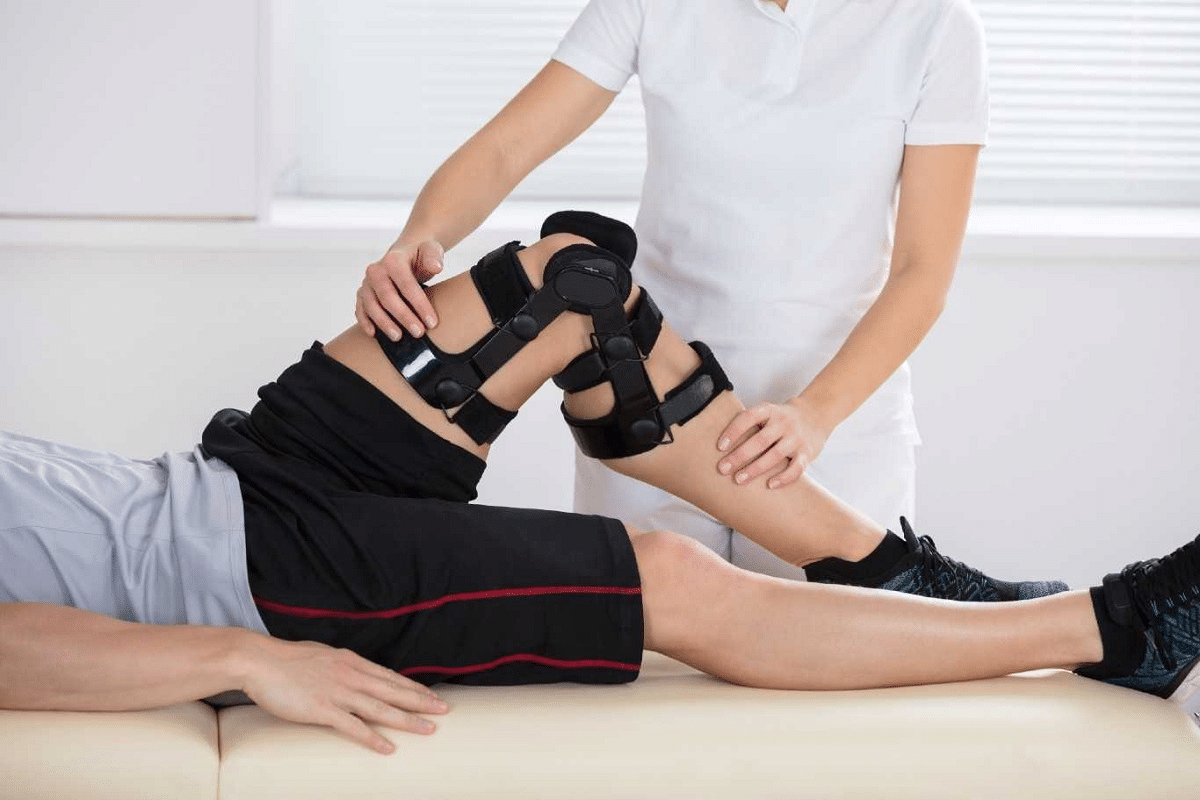
Knowing the basics of post-surgical rehab is key for both healthcare teams and patients. It helps ensure a smooth recovery. This rehab is vital for getting back strength, mobility, and function after surgery.
Each patient’s rehab plan is unique, based on their surgery, health, and goals. These plans use the best practices and care tailored to each person. They aim to improve recovery, lower risks, and enhance life quality.
Evidence-Based Approaches to Recovery
Recovery methods backed by science are at the heart of post-surgical care. They focus on proven ways to heal, reduce pain, and regain function. Key parts include:
- Personalized exercise programs to boost strength, flexibility, and movement.
- Manual therapy techniques like massage and joint mobilization for healing and pain relief.
- Education and counseling to give patients the knowledge and skills for recovery.
Using these methods, healthcare teams can help patients reach the best recovery results and lower complication risks.
Enhanced Recovery After Surgery (ERAS) Protocols
ERAS protocols are a team effort in care before, during, and after surgery. They aim to lessen surgical stress, improve recovery, and better outcomes. ERAS includes various proven interventions, such as:
ERAS Component | Description | Benefits |
|---|---|---|
Preoperative Counseling | Teaching patients about what to expect and the recovery process | Less anxiety, better adherence |
Optimized Pain Management | Using multiple strategies for pain control | Less opioid use, better pain management |
Early Mobilization | Encouraging early movement and activity | Less complications, faster recovery |
ERAS has been proven to cut hospital stays, lower complications, and boost patient happiness. By using ERAS, healthcare teams can offer top-notch, patient-focused care that meets each person’s needs.
In summary, grasping the basics of post-surgical rehab is vital for good recovery results. By applying evidence-based methods and ERAS protocols, healthcare providers can enhance patient care and life quality.
Preparing for Successful Rehabilitation
The journey to full recovery starts before rehab. It begins with preparation. Preparing for rehab after surgery involves several key steps. These steps can greatly impact your recovery.
Understanding what to expect and how to prepare is important. This ensures a smoother transition into the rehab phase.
Pre-Surgery Conditioning Strategies
Pre-surgery conditioning is vital for a successful rehab. Gentle movement and exercises recommended by healthcare providers can improve your physical condition before surgery. Barrington Orthopedic Specialists say starting with gentle movement as soon as it’s safe is beneficial.
Some effective pre-surgery conditioning strategies include:
Engaging in low-impact aerobic exercises such as walking or swimming
Performing strengthening exercises for the muscles around the affected area
Improving flexibility through stretching exercises
Setting Realistic Recovery Goals and Timelines
Setting realistic recovery goals and understanding the timeline is key. Collaboration with your healthcare team is essential to set achievable milestones.
Recovery Phase | Typical Timeline | Goals |
|---|---|---|
Immediate Recovery | 0-2 weeks | Pain management, wound healing |
Early Rehabilitation | 2-6 weeks | Regaining mobility, strengthening |
Advanced Rehabilitation | 6-12 weeks | Improving function, returning to activities |
Building Your Support Network
A strong support network is vital for successful rehab. This network includes family, friends, and healthcare professionals. Identifying sources of support before surgery can greatly impact your recovery.
Consider the following when building your support network:
Identify friends and family who can provide emotional and practical support
Discuss your needs with your healthcare team to understand what kind of support you will require during recovery
Explore local resources or support groups that can offer additional help and guidance
By focusing on pre-surgery conditioning, setting realistic goals, and building a robust support network, you can significantly enhance your rehabilitation outcome. Effective preparation is key to navigating the challenges of post-surgical rehabilitation and achieving a successful recovery.
The Natural Progression of Post Surgical Rehab
Understanding the natural progression of post-surgical rehab is key. It helps both patients and healthcare providers create effective recovery plans. Post-surgical rehabilitation is vital, guiding patients through various stages for the best results.
Managing the Initial Decline
The first recovery phase, or acute phase, lasts from a few days to a couple of weeks after surgery. During this time, the main focus is on managing pain, reducing swelling, and avoiding complications. Patients are encouraged to follow a structured rehabilitation program with gentle exercises and activities specific to their surgery.
As patients move forward, they enter the progressive improvement phase. Here, the goal is to build strength, improve flexibility, and enhance functional capacity. This phase is essential for regaining independence in daily life and preparing for more demanding tasks.
Building Strength and Functional Independence
In the progressive improvement phase, patients start with low-intensity exercises that gradually get more challenging. Physical therapy interventions are critical, helping patients overcome pain or stiffness and achieve full range of motion.
As strength and function grow, patients move to the final stage: returning to baseline or achieving functional independence. This stage involves more demanding activities that mimic daily tasks and, if needed, sports-specific or job-related movements.
Achieving Functional Independence
The return to baseline phase shows the patient can easily perform daily activities and reach their pre-surgery level of function. It highlights the success of the rehabilitation program and the patient’s dedication to their recovery.
Throughout these stages, a structured post-surgical rehabilitation program ensures patients get the support and guidance they need. This leads to successful recovery outcomes.
Key Components of Effective Post Surgical Rehabilitation
A well-structured post-surgical rehabilitation program is key to ensuring a smooth and effective recovery process. We recognize that rehabilitation after surgery is a critical phase in a patient’s journey towards full recovery.
Physical Therapy Interventions and Exercises
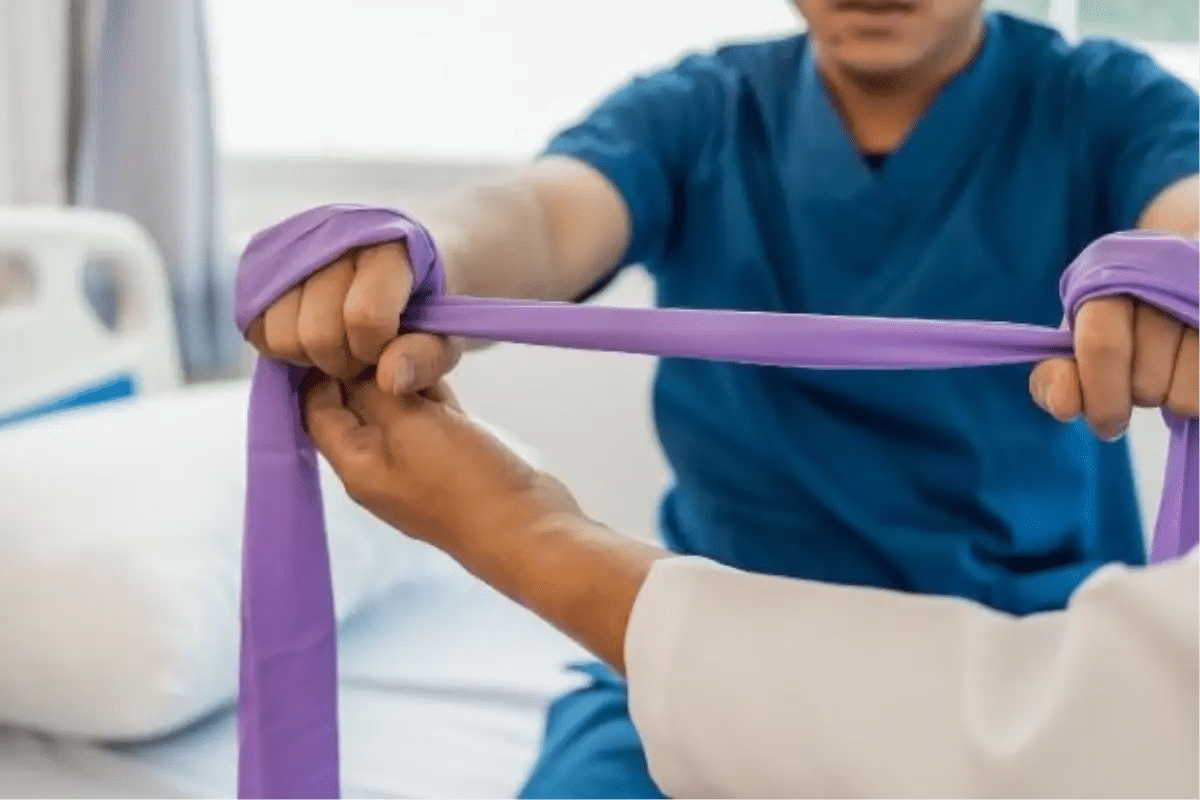
Physical therapy plays a vital role in surgery rehabilitation. It helps patients regain their strength, mobility, and function. Connections Physical Therapy says physical therapy sessions may include tailored exercise programs, manual therapy techniques, and modalities to manage pain and inflammation.
These interventions are designed to promote healing, reduce the risk of complications, and improve overall outcomes. For instance, a physical therapist may use manual therapy techniques such as massage or joint mobilization to help restore normal movement patterns and reduce pain. They may also prescribe exercises to strengthen the muscles around the affected area, improving stability and function.
Pain Management and Medication Protocols
Effective pain management is key for a successful recovery. We work with patients to develop a personalized pain management plan. This plan may include medication, alternative therapies, or a combination of both.
The goal is to minimize discomfort while promoting healing and functional recovery. It’s essential to follow the prescribed medication protocols carefully and report any concerns or side effects to the healthcare team. By doing so, we can adjust the treatment plan as needed to ensure optimal pain control.
Psychological Support for Recovery
The psychological aspect of post surgical rehabilitation should not be overlooked. We provide support and guidance to help patients cope with the emotional challenges that can arise during the recovery process. This may include counseling, stress management techniques, or referrals to mental health professionals when needed.
By addressing the physical, emotional, and psychological aspects of recovery, we can help patients achieve a more complete and sustainable recovery.
Early Mobilization: The Foundation of Successful Recovery
Getting moving early is key to a good recovery after surgery. Post op rehabilitation starts with early movement. This helps patients recover faster and better.
Benefits of Early and Appropriate Movement
Moving early can prevent blood clots and improve blood flow. Barrington Orthopedic Specialists say it’s important to move early to avoid these problems. It also helps tissues heal by bringing oxygen and nutrients.
Early movement also keeps joints flexible and lowers the chance of stiffness. This is very important for people who have had orthopedic surgery. Keeping joints mobile is key to getting back to normal.
Safe Mobilization Techniques by Surgery Type
The kind of surgery you have affects how you should move. For example, orthopedic surgery patients might do special exercises. But, those who had abdominal surgery might start with simple walking.
Surgery Type | Mobilization Techniques |
|---|---|
Orthopedic Surgery | Range of motion exercises, strengthening exercises |
Abdominal Surgery | Gentle walking, deep breathing exercises |
Cardiothoracic Surgery | Breathing exercises, gradual ambulation |
Preventing Complications Through Guided Activity
Following a guided activity plan is vital to avoid problems during recovery. Physical therapists create a plan that fits the patient’s needs and surgery type. This helps patients recover smoothly and safely.
Early movement can also lower the risk of blood clots by improving blood flow. It also helps manage pain, making recovery easier.
It’s important to work with healthcare professionals to make a personalized plan. This ensures patients move safely and effectively, supporting their recovery.
Working With Your Rehabilitation Team
Working with your rehabilitation team is key to a good recovery after surgery. A team effort is needed to make sure you get better smoothly and successfully. This team includes you and many healthcare professionals.
Collaborating With Physical Therapists
Physical therapists are very important in your recovery. They create special exercise plans to help you move better, feel less pain, and get stronger. NY Sports and Spinal Physical Therapy says it’s important to focus on your unique needs and goals.
By working with your physical therapist, you can:
Get a rehabilitation plan that fits you
Learn exercises to boost your strength and flexibility
Improve your recovery and avoid problems
Experts say a good rehabilitation plan is essential. It helps you get back to doing things you love and live independently.
“Rehabilitation after surgery is not just about recovering from the operation itself, but also about regaining the ability to perform daily tasks and maintain independence.”
Communication With Surgeons and Primary Care Providers
Talking well with your surgeons and primary care providers is very important. It makes sure your recovery goes smoothly. This means:
Healthcare Provider | Role in Rehabilitation |
|---|---|
Surgeons | Provide surgical expertise and oversee the overall recovery process |
Primary Care Providers | Manage general health and address any comorbidities or complications |
Physical Therapists | Design and implement rehabilitation exercise programs |
When to Seek Additional Support
Knowing when to ask for more help is important. If you notice any of these signs, talk to your healthcare team:
Increased pain or discomfort
Signs of infection or other complications
Difficulty with exercises or activities
Concerns about your recovery progress
By working with your team and keeping communication open, you can face the challenges of recovery with confidence. This way, you can get the best results possible.
Overcoming Common Challenges in Post Surgical Rehabilitation
After surgery, patients face many challenges during their recovery. These challenges affect their physical health and how they feel. They must manage pain, deal with complications, and stay motivated.
Connections Physical Therapy says that post-operative rehab helps with pain, swelling, and stiffness. It also helps improve range of motion. Good rehab strategies are key to a successful recovery.
Managing Persistent Pain and Discomfort
Managing pain is very important after surgery. Persistent pain can slow down recovery. We create personalized pain plans for each patient. These plans include medication, physical therapy, and other therapies.
“Pain is a part of recovery, but with the right plan, patients can feel better,” says a top physical therapist.
Addressing Setbacks and Complications
Setbacks and complications can happen even with good care. It’s important to catch these issues early and fix them fast. We watch for signs of problems like infections or bad reactions to medicine.
Regular follow-up appointments with healthcare providers
Monitoring for signs of infection or other complications
Adjusting rehabilitation plans as needed
By acting quickly, we can lessen the effects of setbacks and keep recovery on track.
Maintaining Motivation Throughout Recovery
Staying motivated is key to a good recovery. The rehab process is tough, both physically and emotionally. We help patients set goals and celebrate their wins.
Staying positive and focused on recovery goals boosts motivation. We offer psychological support and counseling to keep patients motivated and engaged.
By tackling the challenges of post-surgical rehab and using effective strategies, we can help patients recover better. This improves their quality of life.
Conclusion: Achieving Long-Term Success After Surgery
Getting better after surgery needs a good rehab plan. A well-made rehab program helps patients get back to normal. It lets them regain their independence and function well again.
Experts at Barrington Orthopedic Specialists and NY Sports and Spinal Physical Therapy know how important a good rehab plan is. They use evidence-based practices and Enhanced Recovery After Surgery (ERAS) protocols. These show how a structured rehab program can lead to better recovery.
Following a rehab plan made just for you can help a lot. It lowers the chance of problems, helps manage pain, and lets you get back to your usual life. We think a detailed rehab program is key to long-term success after surgery. We urge patients to work with their healthcare team to create a rehab plan that fits them.
FAQ
What is post-surgical rehabilitation, and why is it important?
Post-surgical rehabilitation helps you recover after surgery. It covers physical, psychological, and social aspects. This approach ensures a successful recovery and helps you regain your independence.
What are Enhanced Recovery After Surgery (ERAS) protocols, and how do they support post-surgical rehabilitation?
ERAS protocols are guidelines for care before, during, and after surgery. They aim to reduce stress and promote recovery. These protocols help by managing pain and encouraging early movement.
How can I prepare for successful rehabilitation before surgery?
To prepare, start with conditioning exercises and set realistic goals. Building a support network is also key. This proactive approach helps you get ready for surgery and recovery.
What are the key components of effective post-surgical rehabilitation?
Good rehabilitation includes physical therapy, pain management, and psychological support. These elements help you recover well, avoid complications, and feel better overall.
Why is early mobilization important in post-surgical rehabilitation?
Early movement is vital for recovery. It improves blood flow, reduces stiffness, and prevents problems like deep vein thrombosis. Safe and guided activities help you recover faster and better.
How can I manage persistent pain and discomfort during post-surgical rehabilitation?
To manage pain, use various strategies and medications. Work with your team to create a plan that meets your needs. This approach helps you cope with ongoing discomfort.
What role does the rehabilitation team play in post-surgical rehabilitation?
The team, including physical therapists and surgeons, is essential. They work together to provide a complete care plan. This ensures you get the best support for your recovery.
How can I maintain motivation throughout the recovery process?
Stay motivated by setting goals and tracking your progress. Celebrate small wins and stay connected with your team. This helps you stay focused and engaged in your recovery.
What is the typical progression of post-surgical rehabilitation?
Recovery goes through phases, starting with an initial recovery phase. Then, you progress and eventually return to your normal state. A structured program guides you through these steps, helping you regain independence.
How long does post-surgical rehabilitation typically last?
The length of rehabilitation varies based on your surgery and health. A tailored program ensures you recover fully, with a duration that fits your needs.
What are the benefits of a structured rehabilitation program after surgery?
A structured program offers many benefits. It improves your recovery, reduces complications, and boosts your overall well-being. Working with a team helps you create a personalized plan for success.
Reference
National Health Service (NHS). Evidence-Based Medical Guidance. Retrieved from https://www.nhs.uk/conditions/rehabilitation-after-surgery/