
Recovering from vitrectomy surgery needs careful post-operative care. This ensures a good outcome. The recovery process usually takes 4 to 6 weeks. The first 2 to 4 weeks are the most critical for healing.
Essential vitrectomy recovery tips and advice for patients to ensure a swift and successful outcome. Use these vitrectomy recovery tips.
Patients often see blurry vision, feel mild eye pain, and notice redness. At Liv Hospital, we stress the importance of following eye medications and posturing techniques. Also, attending follow-up appointments is key for a smooth recovery.
Knowing what to expect during healing helps patients better manage their recovery from vitrectomy surgery. Our patient-focused approach offers detailed post-operative guidance and caring support. We’re with you every step of the way.
Key Takeaways
- Follow prescribed eye medications to aid in healing.
- Attend all scheduled follow-up appointments.
- Practice posturing techniques as instructed.
- Be aware of common symptoms like blurry vision and mild eye pain.
- Allow 4 to 6 weeks for full recovery.
Understanding Vitrectomy Surgery
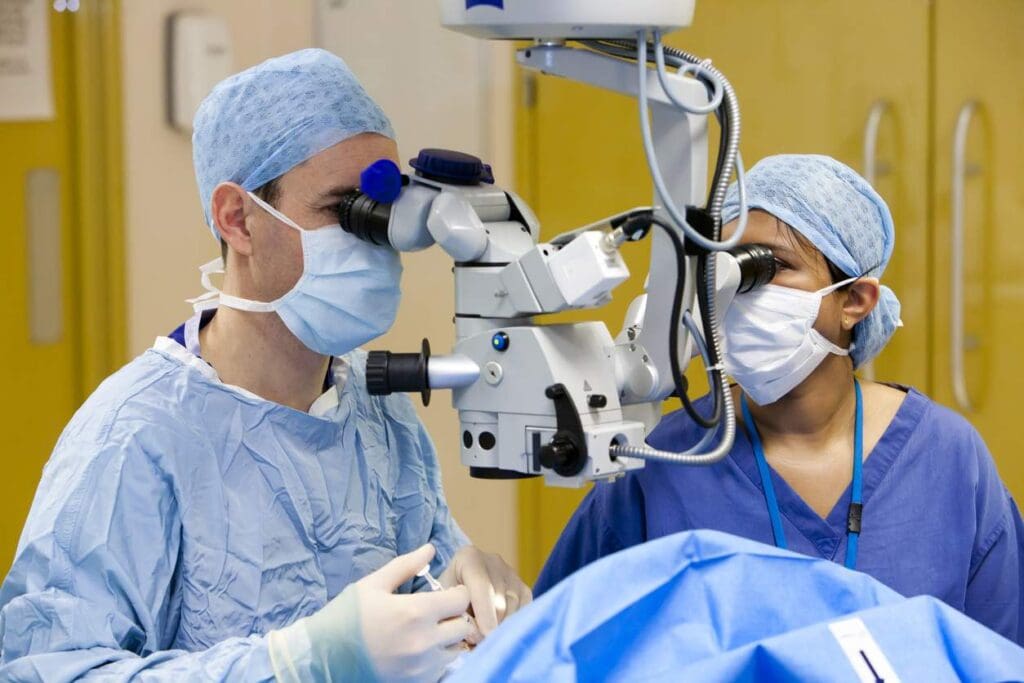
It’s important for patients to know about vitrectomy surgery. This surgery removes the vitreous gel from the eye. It treats many eye problems.
What is Vitrectomy Surgery?
Vitrectomy surgery, or pars plana vitrectomy, removes the vitreous gel from the eye. This gel fills the eye’s center and sticks to the retina. The surgery removes this gel to fix retina and vitreous issues.
Common Conditions Treated with Vitrectomy
Vitrectomy surgery helps with many serious eye problems. Some common ones include:
- Retinal detachment: When the retina pulls away from the eye’s back.
- Diabetic retinopathy: A diabetes complication that harms the retina’s blood vessels.
- Vitreous hemorrhage: Bleeding into the vitreous gel.
- Macular hole: A small tear in the macula, a part of the retina.
These issues can cause serious vision loss. But, vitrectomy surgery can greatly improve outcomes for patients.
Success Rates and Expected Outcomes
The success rate for vitrectomy surgery is about 90 percent. This depends on the condition being treated. The results can vary based on the condition and the patient’s health.
| Condition | Success Rate | Expected Outcome |
|---|---|---|
| Retinal Detachment | 85-90% | Significant improvement in vision |
| Diabetic Retinopathy | 80-85% | Stabilization or improvement in vision |
| Vitreous Hemorrhage | 90% | Clearing of blood, improved vision |
Vitrectomy surgery is very successful. It can greatly improve or stabilize vision for many eye conditions. Knowing about the surgery and what to expect helps patients prepare for it and recovery.
The Complete Vitrectomy Recovery Timeline

After vitrectomy surgery, patients go through different recovery phases. Each phase needs special care and attention. Knowing these phases helps manage expectations and ensures a smooth healing.
First 24-48 Hours After Surgery
The first 24 to 48 hours are key. Patients might feel pain, blurred vision, and light sensitivity. Resting and avoiding hard activities is important. Following your surgeon’s positioning advice is key for healing. This helps the gas bubble or oil in the surgery heal right.
First Week of Recovery
In the first week, vision stays blurry, and eye pain is common. Sticking to your medication helps fight inflammation and infection. Be careful with activities, avoiding heavy lifting and eye rubbing.
Weeks 2-4: Initial Healing Phase
Weeks 2-4 show the start of healing. Vision starts to clear, but might stay a bit blurry. You can start doing more, but follow your surgeon’s advice on exercise and driving.
Weeks 4-6: Advanced Recovery
By weeks 4-6, vision and comfort improve a lot. Recovery usually takes 4 to 6 weeks. At this point, you can usually do most normal things, but vision might change a bit.
Recovery times can differ, and some might take longer. Regular check-ups with your surgeon are important for tracking healing and solving issues. Understanding the recovery timeline helps patients manage their care and get the best results.
Managing Common Post-Vitrectomy Symptoms
Understanding and managing symptoms after vitrectomy surgery is key to a smooth recovery. Patients often face a range of symptoms that are normal during healing. These symptoms can vary but are a part of the healing process.
Blurry and Foggy Vision: What to Expect
Blurry or foggy vision is a common symptom after surgery. It usually lasts from a few days to weeks. This is often due to the gas bubble or the eye’s healing process.
Following your doctor’s instructions on positioning and eye drops can help clear your vision faster. Patients may see vision changes as the gas bubble goes away or as the eye adjusts. It’s important to be patient and not worry about initial vision changes.
Dealing with Eye Pain and Discomfort
Mild eye pain or discomfort is common after vitrectomy. Over-the-counter pain medication, as directed by your doctor, can help. Gently applying cold compresses can also ease discomfort.
If the pain is severe or you have other concerning symptoms, contact your healthcare provider right away.
Redness and Swelling: Normal vs. Concerning
Redness and swelling around the eye are typical after surgery. Some redness is normal, but severe swelling or redness that gets worse could be a sign of a problem. It’s important to watch these symptoms and report any concerns to your doctor.
- Mild redness and swelling are generally normal.
- Severe or increasing redness and swelling may require medical attention.
Gas Bubble Effects and Vision Changes
The gas bubble used in surgery can cause vision disturbances. Seeing the bubble’s edge or vision changes when moving your head are common. These effects are usually temporary and go away as the gas is absorbed.
Understanding the gas bubble’s effects on vision can help manage expectations during recovery. By knowing how to manage these symptoms, patients can recover more comfortably. Always follow your healthcare provider’s guidance for the best results.
Essential Vitrectomy Recovery Tips for Success
Recovering from vitrectomy surgery needs careful planning and following specific guidelines. A good recovery plan can greatly improve your surgery’s outcome. It helps you regain your vision and get back to normal life quickly.
Proper Positioning Techniques
Keeping the right head position is key, mainly if a gas bubble was used. Proper positioning helps the gas bubble stay in the correct place, facilitating the healing process. It can be hard, but it’s essential for a good recovery.
- Use a special pillow or wedge to maintain the correct head position while sleeping or resting.
- Avoid lying flat on your back if instructed not to by your doctor.
- Keep your head in the prescribed position even while watching TV or reading.
Sleep Adjustments for Optimal Healing
Sleeping can be tough after vitrectomy surgery, due to the need for specific head positioning. Adjusting your sleep environment can make a significant difference. Try using extra pillows or a recliner to keep the right position while sleeping.
It’s important to make your bedroom comfortable for sleep. Keep it dark, quiet, and at a good temperature to help you rest well.
Managing Daily Activities Safely
Going back to daily activities after surgery needs caution. Avoid heavy lifting, bending, or strenuous activities that could dislodge the gas bubble or interfere with the healing process. You can do simple tasks like cooking or light housekeeping, but always follow your doctor’s advice.
- Limit screen time to avoid eye strain.
- Avoid rubbing your eyes or applying pressure.
- Use protective eyewear when outdoors or in dusty environments.
Creating a Recovery-Friendly Home Environment
Turning your home into a recovery-friendly space can help a lot. Ensure that your living area is safe, comfortable, and conducive to rest. Remove tripping hazards, improve lighting to reduce eye strain, and have supplies ready to avoid going out.
Having a support system, like family, friends, or a caregiver, is also important. Don’t be afraid to ask for help when you need it.
Medication Management After Vitrectomy
After a vitrectomy, managing your medication is key. It helps your eyes heal well and avoids problems. Staying on top of your meds is vital for a smooth recovery.
Understanding Your Eye Drop Regimen
Following your eye drop regimen is very important after a vitrectomy. Eye drops help prevent infection, reduce swelling, and aid in healing. Knowing how to use them right is essential.
To use your eye drops correctly:
- Wash your hands well before using eye drops.
- Tilt your head back and pull down your lower eyelid to make a pocket.
- Put in the number of drops your doctor told you to.
- Close your eyes for a minute or two after.
Pain Management Options
Managing pain is also key after a vitrectomy. Your doctor will give you pain management medication. It’s important to take it as directed to control pain well.
Remember, pain meds help with pain, but rest and proper care are also important.
Avoiding Medication Complications
Medication is vital for recovery, but knowing about possible problems is also important. Medication interactions can happen, so tell your doctor about all your meds.
To avoid issues, follow these tips:
- Take your meds exactly as told.
- Don’t change or stop your meds without your doctor’s okay.
- Know the side effects and tell your doctor if you notice any.
Creating a Medication Schedule
Having a medication schedule can really help. You can set reminders on your phone or use a pill box. It keeps you on track with your meds.
By managing your meds well and following your doctor’s advice, you can improve your recovery. This also lowers the chance of complications.
Post-Vitrectomy Activity Restrictions
It’s key for patients to know the activity limits after vitrectomy surgery. This helps in healing and avoids complications.
When Can You Resume Driving?
Driving should wait until your vision is back to normal. Usually, doctors say no driving for at least 24 hours. They’ll tell you when it’s okay to start again.
Exercise and Physical Activity Guidelines
Start with gentle exercises after surgery. Avoid heavy lifting, bending, or hard activities for weeks. Gentle walking is a good exercise option.
Work and Screen Time Considerations
Be careful with work and screen time. Take breaks to rest your eyes and avoid getting tired. Follow the 20-20-20 rule: look away from screens every 20 minutes for 20 seconds.
Travel Restrictions After Vitrectomy
Travel, like flying, might be off-limits because of the gas bubble in your eye. Always check with your doctor before traveling. The gas bubble can grow at high altitudes, leading to problems.
| Activity | Restriction | Duration |
|---|---|---|
| Driving | Avoid until vision recovery | At least 24 hours |
| Heavy Lifting/Bending | Avoid strenuous activities | Several weeks |
| Screen Time | Take regular breaks | Until comfort level improves |
| Travel | Consult doctor, specially air travel | Varies based on gas bubble presence |
Nutrition and Hydration for Optimal Eye Healing
Nutrition and hydration are key for the eye’s healing after vitrectomy. A balanced diet with essential nutrients can help a lot. It can reduce complications and aid in healing.
Foods That Support Eye Recovery
Some foods are great for eye health and recovery. These include:
- Leafy Greens: Spinach, kale, and collard greens are full of lutein and zeaxanthin. These antioxidants protect the eyes.
- Fatty Fish: Salmon, tuna, and mackerel have lots of omega-3 fatty acids. They support eye health.
- Nuts and Seeds: Almonds, walnuts, and chia seeds are packed with vitamin E and omega-3 fatty acids.
- Citrus Fruits: Oranges, lemons, and grapefruits are full of vitamin C. Vitamin C is key for collagen and healing.
- Carrots: Carrots are rich in vitamin A. Vitamin A helps the cornea stay healthy.
Hydration’s Role in Healing
Drinking enough water is vital for healing. Water keeps the eyes moist. This reduces dry eye syndrome, a common problem after surgery. Drink at least 8-10 glasses of water a day for hydration and health.
Supplements That May Aid Recovery
While a balanced diet is important, some supplements can also help. These include:
- Omega-3 Supplements: For those who don’t eat enough fatty fish, omega-3 supplements are helpful.
- Lutein and Zeaxanthin Supplements: These antioxidants protect the eyes from damage.
- Vitamin C Supplements: They support collagen production and healing.
Always talk to your healthcare provider before taking new supplements. Make sure they are safe and right for you.
Protecting Your Eye During Vitrectomy Recovery
Keeping your eye safe after vitrectomy surgery is key for healing. We know it’s tough, but the right steps can help a lot.
Proper Eye Shield and Glasses Usage
Wearing an eye shield or protective glasses is very important. We suggest wearing the eye shield at night to avoid rubbing or bumping your eye. During the day, glasses can protect your eye from dust and other particles.
Your doctor will tell you how long to use these protective tools. Usually, it’s for a few weeks after surgery.
Environmental Considerations
Making your home safe is essential to avoid eye injuries. Try to stay away from dusty places and keep your home bright. This can help prevent accidents.
Be careful when moving around to avoid hitting things that could hurt your eye.
Preventing Eye Strain and Injury
Eye strain is common during recovery. To avoid it, limit screen time and don’t do things that make your eyes tired. If you feel any eye discomfort or see changes, talk to your doctor right away.
- Take breaks when doing things that strain your eyes
- Don’t read or watch TV for too long
- Make sure the lighting in your home is comfortable
Bathing and Showering Safely
When bathing or showering, you need to be careful. Wait until your doctor says it’s okay to get water in your eye. When washing your face, clean around your eye gently without touching it.
When showering, keep your head back to keep water out of your eye. Use a clean, damp cloth to clean around your eye. This keeps it clean without risking injury.
When to Contact Your Doctor: Warning Signs
Knowing when to seek help is key for a smooth recovery after vitrectomy surgery. It’s important to watch for signs of complications and know when to get medical help.
Symptoms Requiring Immediate Attention
Keep a close eye on your condition after surgery. If you notice any unusual symptoms, call your doctor right away:
- Severe eye pain that doesn’t go away with medicine
- Increased redness or swelling around the eye
- Vision changes, like blurriness, double vision, or light flashes
- Discharge or pus from the eye
- Sudden vision loss
These signs might mean you need urgent medical care. If you’re not sure about a symptom, it’s better to check with your doctor.
Follow-up Appointment Expectations
Follow-up visits are important for your recovery. Your doctor will check on your healing, remove sutures, and answer your questions. These visits usually happen a few days after surgery, with more as needed.
At these visits, your doctor will:
- Look at your eye to see how it’s healing
- Check your vision
- Change your medication if needed
- Answer any questions you have about getting better
Questions to Ask at Your Post-Op Visits
Prepare a list of questions for your follow-up appointments. Ask about:
- How your recovery is going and any worries your doctor has
- Any changes to your medication or eye drops
- When you can start doing normal things again, like driving or exercising
- Signs of complications to watch for
- Your long-term outlook and any extra treatments you might need
By staying informed and talking openly with your healthcare team, you can get the best results from your surgery.
Special Considerations for Different Vitrectomy Types
Vitrectomy surgery includes many procedures, each with its own recovery needs. Knowing these differences is key for healing well.
Recovery After Retinal Detachment Repair
Retinal detachment repair is a complex surgery. It needs careful care after the surgery. Patients often have to keep their head in a certain position to help the retina heal.
Keeping to the post-operative position is very important for the retina to stay attached.
Here are some tips:
- Keep your face down for a while
- Avoid hard activities
- Use a special eye patch or shield
Medical Expert, a top eye doctor, says, “Keeping the right position after surgery is vital. It helps avoid problems and keeps the retina attached.” Following these tips can greatly improve results.
Diabetic Retinopathy Vitrectomy Recovery
Vitrectomy for diabetic retinopathy removes blood and scar tissue. Recovery is tough because of diabetes. It’s very important to watch blood sugar levels while recovering.
Important things to do include:
- Keep blood sugar in check
- Watch for signs of infection
- Go to all follow-up appointments
Macular Hole or Pucker Vitrectomy Healing
Vitrectomy for macular hole or pucker removes the vitreous gel and membranes. Post-operative care helps the macula heal.
Patients should:
- Avoid heavy lifting or bending
- Use eye drops as prescribed
- Go to all scheduled visits
Combined Cataract and Vitrectomy Recovery
Combined surgery for cataract and vitreoretinal disease is for those with both. Recovery needs careful management of both conditions.
Important things to remember include:
| Aspect | Consideration |
|---|---|
| Medication | Use eye drops for both conditions |
| Activity | Avoid hard activities |
| Follow-up | Go to all appointments for both conditions |
Understanding the specific recovery needs for different vitrectomy types helps patients better care for themselves after surgery. This leads to the best possible results.
Conclusion: Long-term Outlook After Vitrectomy Surgery
The long-term outlook after vitrectomy surgery is usually good. Most people see a big improvement in their vision. The time it takes to recover varies, but with the right care, you can get the best results.
Knowing how long it takes to recover from a vitrectomy is key. It helps manage your expectations and makes the healing process smoother. By following the advice in this article, you can avoid problems and have a successful recovery.
It’s vital to follow your doctor’s post-operative instructions carefully. This includes taking your medicine, avoiding strenuous activities, and keeping up with follow-up appointments. Doing this ensures the best outcome for your surgery.
Thanks to new medical technology and surgical methods, the outlook for vitrectomy surgery patients keeps getting better. We’re dedicated to providing top-notch healthcare and support for international patients. We help them feel confident as they go through their recovery.
FAQ
What is the typical recovery time for vitrectomy surgery?
Recovery from vitrectomy surgery usually takes 4-6 weeks. But, it can take several months to fully recover.
How long does it take to recover from vitrectomy membrane peel surgery?
Recovery from vitrectomy membrane peel surgery is similar to standard vitrectomy. It usually takes 4-6 weeks. But, it can vary based on individual factors.
What are the common symptoms after vitrectomy surgery?
Symptoms after vitrectomy surgery include blurry vision and eye pain. You might also see redness, swelling, floaters, or a gas bubble.
How can I manage my daily activities after vitrectomy surgery?
Avoid heavy lifting and bending after surgery. Adjust your sleep position and use eye shields to protect your eye.
When can I resume driving after vitrectomy surgery?
Wait until your vision improves and your doctor says it’s okay to drive. This is usually after a few weeks, but it varies.
What are the warning signs that I should be aware of after vitrectomy surgery?
Seek immediate medical help for severe eye pain, sudden vision loss, or increased redness. Also, watch for flashes of light or floaters.
How can I promote optimal eye healing after vitrectomy surgery?
Eat a healthy diet rich in nutrients and stay hydrated. Follow your medication as prescribed by your doctor.
Are there any specific foods or supplements that can aid in vitrectomy recovery?
Foods high in omega-3 fatty acids, vitamins A, C, and E, and antioxidants help. Omega-3 fatty acids and lutein supplements may also aid. But, talk to your doctor first.
How long does it take to recover from a vitrectomy for retinal detachment?
Recovery from a vitrectomy for retinal detachment takes longer. It usually ranges from 6-12 weeks or more, depending on the surgery and individual factors.
What are the activity restrictions after vitrectomy surgery?
Avoid heavy lifting, bending, or strenuous activities. There are also travel restrictions and guidelines for exercise and screen time.
References
National Health Service (NHS). Vitrectomy Recovery: Essential Post-Operative Care and Healing Tips. Retrieved from https://www.hey.nhs.uk/patient-leaflet/vitrectomy-surgery-2/