
Guide detailing what age do you get arthritis, covering both Juvenile Idiopathic Arthritis and adult-onset forms.
Arthritis is not just for older people. It can hit anyone, even teens and young adults. Approximately 220,000 children and adolescents in the United States live with diagnosed arthritis. This shows we need to know more about it in younger groups.
Many are surprised to learn arthritis isn’t just for the elderly. In fact, nearly 1 in 14 people under 45 experience some form of joint disease. We’ll look at the types of arthritis teens and young adults can get, their symptoms, and treatment options.
Key Takeaways
- Arthritis can affect anyone, regardless of age.
- Approximately 220,000 U.S. children and adolescents under 18 have diagnosed arthritis.
- Arthritis is more common in children than type 1 diabetes.
- Delayed diagnosis and treatment can occur due to the misconception that arthritis only affects older adults.
- Understanding the types of arthritis and their symptoms is key for timely treatment.
Debunking the Myth: Arthritis Affects All Ages

Many think arthritis only hits older folks, but that’s not true. It can strike anyone, at any age. This is a big worry for young people, and we need to understand it better.
Common Misconceptions About Arthritis
People often think arthritis is for the elderly. This thinking can cause delays in finding out and treating it in the young. But, arthritis can hit anyone, no matter their age. From 2013 to 2015, 7.1% of those 18-44 had arthritis, showing it’s a widespread issue.
“Arthritis isn’t just for the old; it can hit anyone, even kids and teens,” says experts. This highlights the need to think about arthritis in all age groups.
The Reality of Youth Arthritis Prevalence
Arthritis in the young is more common than you might think. It can cause long-term pain, stiffness, and trouble moving. Juvenile idiopathic arthritis (JIA) is a big one for kids, affecting their life quality a lot.
It’s key to grasp that arthritis can hit anyone young. This helps us spot it early and manage it well. By realizing arthritis can affect anyone, we can fight its stigma and support those dealing with it.
What Age Do You Get Arthritis? Understanding the Facts
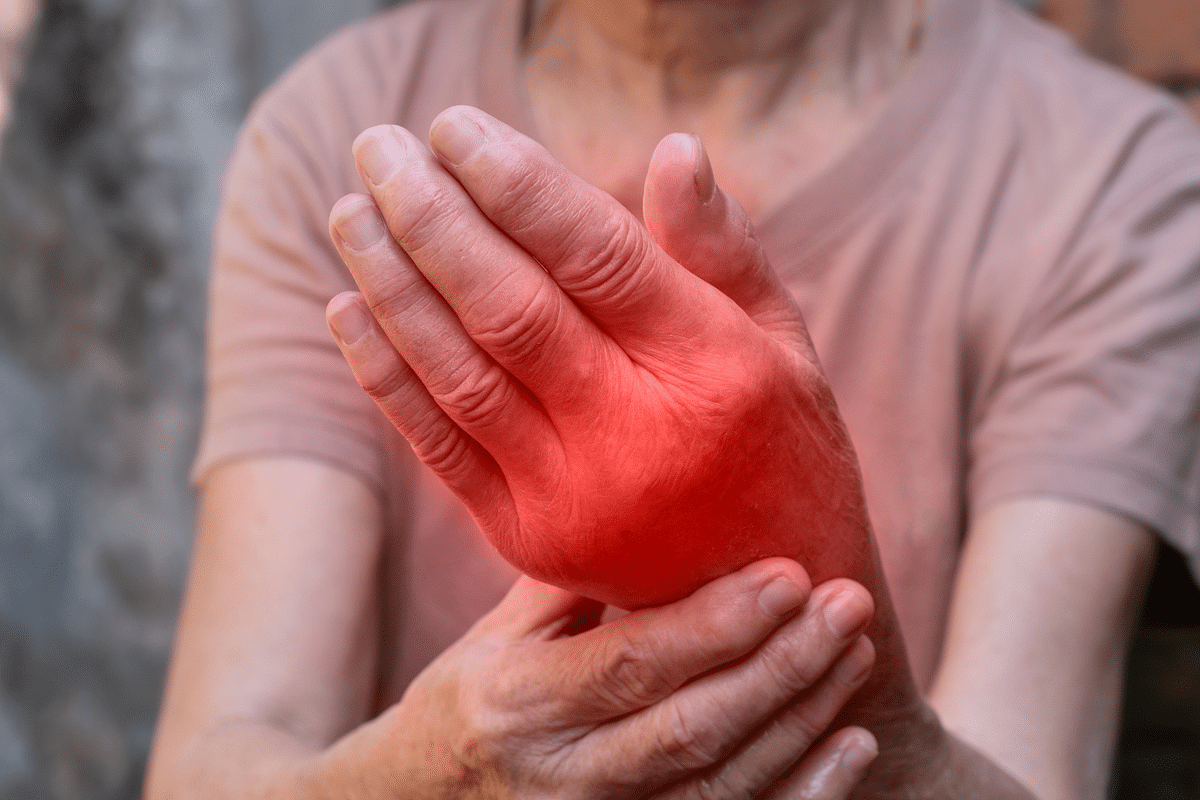
It’s important to know about arthritis in young people to catch it early. Arthritis isn’t just for older folks; it can hit anyone, even kids and teens.
Recent studies show how common arthritis is in the young. About 220,000 kids and teens under 18 in the U.S. have it.
Statistics on Arthritis in Children and Teens
The numbers of kids and teens with arthritis vary by age. It’s more common in older teens, going from 77 per 100,000 under 6 to 592 per 100,000 in 12-17 year olds.
|
Age Group |
Prevalence per 100,000 |
|---|---|
|
Under 6 |
77 |
|
6-11 |
294 |
|
12-17 |
592 |
This shows why it’s key to keep an eye on kids as they get older.
Risk Factors That Transcend Age
Age isn’t the only thing that matters. Other factors include:
- Genetic predisposition
- Autoimmune disorders
- Infections
- Obesity
- Previous joint injuries
Knowing these risk factors helps us spot and treat arthritis in young people sooner.
By understanding the stats and risk factors, we can aim for earlier diagnosis and better treatment for young people with arthritis.
Types of Arthritis Common in Young People
Arthritis can happen at any age, including to young people. It’s important to know the different types that can affect them. This knowledge helps in early diagnosis and treatment.
Juvenile Idiopathic Arthritis (JIA)
Juvenile Idiopathic Arthritis (JIA) is the most common chronic arthritis in kids and teens. It has several subtypes, like oligoarticular JIA and polyarticular JIA. Each subtype has its own signs, like how many joints are affected.
Key characteristics of JIA include:
- Inflammation and pain in the joints
- Potential for joint damage if left untreated
- Variable age of onset, from early childhood to adolescence
Rheumatoid Arthritis in Teens and Young Adults
Rheumatoid Arthritis (RA) can start at any age, even in teens and young adults. It causes inflammation in joints, often in the hands, feet, wrists, and knees. Early treatment is key to avoiding long-term damage.
Notable aspects of RA in young people include:
- Potential for more aggressive disease in younger patients
- Impact on daily activities and quality of life
- Importance of a complete treatment plan
Osteoarthritis in Teens: Yes, It Happens
Osteoarthritis is not just for older people. It can happen in teens, often due to sports or injuries. It causes pain and damage to the joints from repeated stress.
“Osteoarthritis in young athletes is a growing concern, as it can have long-term implications for their joint health and overall well-being.” – Medical Expert, Sports Medicine Specialist
Other Forms of Youth Arthritis
Young people can also get other types of arthritis. These include:
|
Type of Arthritis |
Characteristics |
|---|---|
|
Psoriatic Arthritis |
Associated with psoriasis, characterized by joint inflammation and skin lesions |
|
Enthesitis-Related Arthritis |
Involves inflammation of the entheses, where tendons or ligaments attach to bone |
Knowing about these different types of arthritis is key. It helps in giving the right care and support to young people with these conditions.
Recognizing Early Warning Signs in Teenagers
Knowing the early signs of arthritis in teens is the first step to managing it well. We’ll look at common symptoms and how they differ in teens from adults. Remember, catching it early is key to better outcomes.
Common Symptoms That Shouldn’t Be Ignored
Arthritis in teens shows up in many ways, like persistent joint pain, swelling, stiffness, redness, and warmth. It can also cause fever, fatigue, and rash. It’s important for everyone to know these signs.
Some common symptoms include:
- Joint pain that lasts more than a few weeks
- Swelling or redness around the joints
- Stiffness, mostly in the morning
- Warmth or tenderness to the touch
- Fatigue or feeling tired all the time
How Teen Arthritis Symptoms Differ from Adults
While some arthritis symptoms are the same for all ages, teens show different signs. They often have systemic symptoms like fever and rash. This can mean they have Juvenile Idiopathic Arthritis (JIA).
The table below shows some key differences:
|
Symptom |
Teenagers |
Adults |
|---|---|---|
|
Joint Involvement |
Often multiple joints, potentially including the knees, hands, and feet |
Can be single or multiple joints, often weight-bearing joints like hips and knees |
|
Systemic Symptoms |
More likely to experience fever, fatigue, and rash |
Less likely to have systemic symptoms |
|
Morning Stiffness |
Can last for hours |
Typically lasts for minutes to an hour |
Knowing these differences is key for early diagnosis and treatment. As we learn more about arthritis in teens, awareness and understanding are essential for managing it well.
The Diagnosis Journey for Young People
Knowing when joint pain needs a doctor’s help is key for quick treatment. For teens, finding out if they have arthritis takes several important steps. These include the first check-up and getting care from a specialist.
When Joint Pain Warrants Medical Attention
Joint pain in teens and young adults can mean different things. It could be from too much use or from chronic arthritis. It’s important to see a doctor if the pain doesn’t go away, gets worse, or comes with swelling, redness, or fever.
Parents and caregivers should watch for any changes in how a teenager acts or feels. For example, if a teen has morning stiffness that lasts over an hour or pain that makes daily tasks hard, it might be arthritis.
Diagnostic Tests and Procedures
Figuring out if a young person has arthritis takes a detailed look. This includes talking about their health, a physical check-up, and tests. Laboratory tests like ESR, ANA, and RF check for inflammation and autoimmune issues.
Imaging tests like X-rays, ultrasound, and MRI show how joints are doing. They help doctors see if there’s inflammation, damage, or other problems. These tools help doctors decide the best treatment.
- Complete Blood Count (CBC) to check overall health and inflammation
- Imaging tests to see joint damage or inflammation
- Joint aspiration to look at synovial fluid
Finding the Right Pediatric Rheumatologist
After early checks suggest arthritis, seeing a pediatric rheumatologist is next. These doctors are experts in treating arthritis in kids and teens.
Look for a pediatric rheumatologist with experience in JIA or other conditions. They should also be good at talking to young patients and their families.
Getting a correct diagnosis early helps young people with arthritis get the right care. This can lead to better management of their condition and a better life.
Treatment Approaches for Teen Arthritis
Managing teen arthritis requires a mix of strategies to ease symptoms and boost life quality. Each teen’s treatment plan must fit their unique needs. This includes the type of arthritis, their age, and health status.
Medication Options and Considerations
Medicines are key in treating teen arthritis. Common choices include NSAIDs, DMARDs, and biologics. Each type has its own benefits and possible side effects. For example, NSAIDs can lessen pain and swelling. DMARDs and biologics can slow the disease’s progress.
Physical Therapy and Exercise Interventions
Physical therapy is also essential for teens with arthritis. Customized exercise plans can boost joint movement, muscle strength, and physical function. Physical therapists help teens create exercises that match their abilities. This ensures they can stay active.
Innovative Treatments for Young Patients
The field of rheumatology is always growing, with new treatments for young patients. New biologic therapies and targeted treatments are being developed. These can better manage symptoms with fewer side effects. It’s important for teens and their families to stay updated on these advancements.
Navigating Daily Life with Arthritis as a Teen
Living with arthritis as a teenager can be tough. But, with the right strategies, managing daily life is possible. Arthritis affects not just the joints but also impacts school, social interactions, and extracurricular activities.
Managing School, Sports, and Activities
Teens with arthritis must balance their condition with school and activities. Accommodations such as extra time for assignments or modified physical education can help a lot. It’s important to talk to school administrators about these options.
For teens with arthritis, joining sports and activities is key. Low-impact exercises like swimming or cycling are easier on the joints than high-impact sports. The goal is to find activities that are fun and manageable.
Explaining Your Condition to Friends and Peers
Explaining arthritis to friends and peers can be tough for teens. Being open and honest can help build understanding and support. Using simple, clear language to describe their condition and its effects can foster empathy and encourage friends to be more supportive.
It’s also good for teens to educate their friends about arthritis. This can help dispel misconceptions and create a more inclusive environment. Such efforts can strengthen friendships.
Adaptive Tools and Accommodations
There are many adaptive tools and accommodations for teens with arthritis. Ergonomic furniture, assistive devices, and modified tools can reduce joint strain and improve daily life. We encourage teens to explore these options to find what works best for them.
Technology also plays a big role in managing arthritis. Apps for tracking medication, appointments, and symptoms can help teens stay organized and in control of their condition.
Emotional Well-being and Mental Health Support
Arthritis affects teenagers and young adults deeply. It impacts their mental and emotional health, not just their physical health. Living with arthritis is tough, making it hard to stay positive.
Coping with Chronic Pain and Limitations
Dealing with chronic pain and limitations is hard for young people. It’s important to find ways to cope. We suggest using a mix of strategies:
- Mindfulness and relaxation techniques to lower stress and anxiety.
- Cognitive-behavioral therapy (CBT) to change negative thoughts and improve mental health.
- Doing things that make you happy, even if you can’t do everything.
Building Resilience and Positive Outlook
Being resilient is key for young people with arthritis. It means staying positive and facing challenges head-on. Here’s how to build resilience:
- Talking openly about feelings and worries.
- Setting and reaching goals, and celebrating wins.
- Using support groups and resources for help and understanding.
Support Groups and Resources for Young People
Support groups and resources are very important for young people with arthritis. They offer a sense of community and help with emotional well-being. We suggest checking out:
- Online forums and social media groups for young people with arthritis.
- Local support groups for face-to-face connections and activities.
- Professional counseling services for chronic illness and mental health.
Using these resources and strategies, young people with arthritis can manage their emotional health better. They can stay positive and enjoy life.
Long-term Management and Future Outlook
Young people with arthritis need to know how to manage their condition for life. It’s important to tackle the disease from all angles. This means looking at different parts of the disease.
Disease Progression and What to Expect
It’s key for young people and their families to understand how arthritis might change. How arthritis progresses can differ a lot from person to person. It depends on the type of arthritis, how well treatment works, and overall health.
Key factors influencing disease progression include:
- Genetic predisposition
- Response to initial treatment
- Presence of other health conditions
- Lifestyle factors, such as diet and exercise
|
Disease Progression Stage |
Characteristics |
Management Strategies |
|---|---|---|
|
Early Stage |
Mild symptoms, minimal joint damage |
Medication, lifestyle adjustments |
|
Moderate Stage |
Increased symptoms, some joint damage |
Intensified medication, physical therapy |
|
Advanced Stage |
Significant joint damage, chronic pain |
Surgical interventions, advanced medication |
Transitioning to Adult Care
As young people with arthritis grow older, they need to switch to adult care. This change means finding new healthcare providers and taking more control of their condition.
Tips for a smooth transition:
- Start planning the transition early
- Identify adult healthcare providers with experience in arthritis care
- Gradually take on more responsibility for managing your condition
Advances in Research and Treatment
Arthritis treatment is always getting better, thanks to new research. We’re committed to keeping up with these changes to give the best care possible.
- Biologic medications targeting specific aspects of the immune response
- Personalized medicine approaches based on genetic and molecular profiling
- Regenerative medicine techniques, such as stem cell therapy
By knowing about the long-term effects of arthritis and staying updated on new treatments, young people and their families can face the challenges ahead. They can look forward to a brighter future.
Conclusion: Living Your Best Life Despite Arthritis
Arthritis doesn’t stop you from living fully. With the right care and support, young people can lead happy lives. Good management, help from doctors and family, and staying positive are key to a good life with arthritis.
Living with arthritis means making changes, but you don’t have to give up on your dreams. By understanding your condition and getting the right care, you can do well. Managing your arthritis well helps you stay independent and enjoy your favorite activities.
Keeping a positive attitude is very important when you have arthritis. With the right mindset and support, you can face and beat the challenges. We urge young people with arthritis to stay close to their healthcare team, family, and friends. This way, they get the help they need to live their best lives.
FAQ
Can teenagers get arthritis?
Yes, teenagers can get arthritis. It’s not just for older adults. Children and teens can also be affected.
What age can you get arthritis?
Arthritis can happen at any age. It’s more common in older adults. But, it can also affect young people, like kids and teens.
How young can you have arthritis?
Arthritis can hit children and teenagers. Juvenile Idiopathic Arthritis (JIA) is a common type in young folks.
Can you get arthritis at 16 or 18?
Yes, getting arthritis at 16 or 18 is possible. Arthritis can strike at any age. Teenagers are not immune.
What are the symptoms of arthritis in teenagers?
Symptoms in teens can vary. Common signs include joint pain, stiffness, swelling, and trouble moving. These signs are similar to adult symptoms but have unique differences.
How is arthritis diagnosed in young people?
Diagnosing arthritis in young folks involves several steps. It starts with knowing when to seek medical help. Then, there are tests and finding a pediatric rheumatologist.
What are the treatment options for teenagers with arthritis?
Treatment for teens with arthritis includes medicines, physical therapy, and lifestyle changes. The goal is to manage symptoms, prevent damage, and improve life quality.
How can teenagers with arthritis manage daily life?
Teens with arthritis can manage daily life by navigating school, sports, and activities. They need to explain their condition to friends and use tools and accommodations.
What support is available for young people with arthritis?
Young people with arthritis have support systems, coping strategies, and mental health resources. These help them manage their condition and maintain a good quality of life.
Can people with arthritis live a full and active life?
Yes, with the right care and management, people with arthritis can live fully and actively. Understanding the condition, getting proper care, and staying positive are key to thriving with arthritis.
References
National Center for Biotechnology Information. Evidence-Based Medical Guidance. Retrieved from https://www.ncbi.nlm.nih.gov/pmc/articles/PMC2650240/