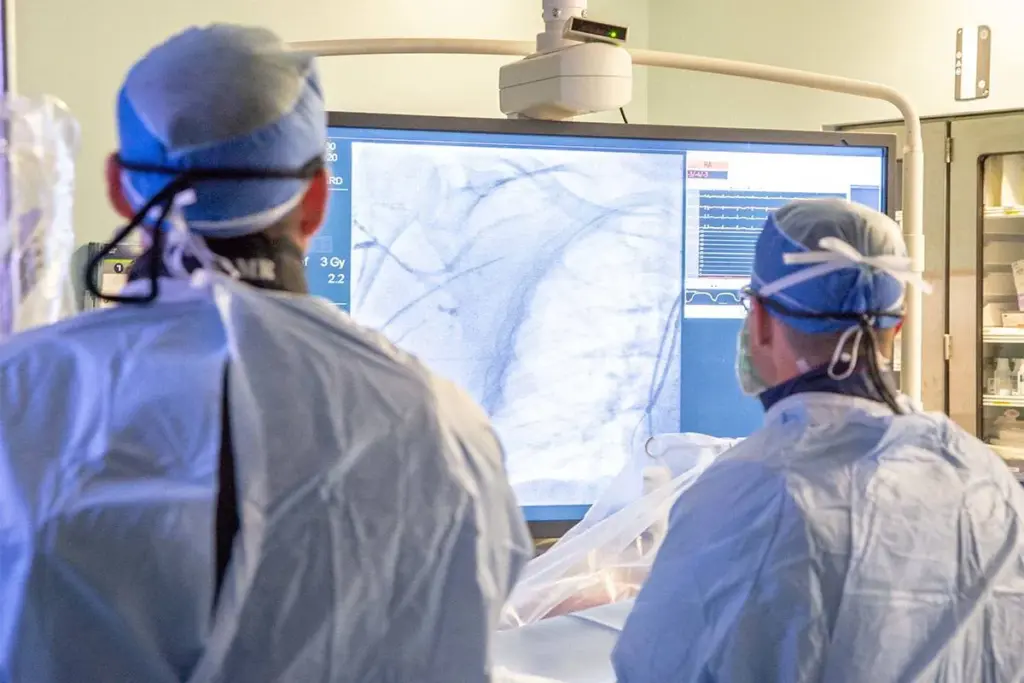
Interventional radiology (IR) has changed the medical world. It uses procedures that are less invasive. These methods help patients recover faster and get better results.
Healthcare is moving towards more interventional radiology procedures. These common IR procedures are key in handling tough medical issues.
Looking into IR, we see some procedures are more complex. They need a lot of skill to do right. Knowing about these procedures helps doctors and patients get the best care.
Key Takeaways
- Interventional radiology involves minimally invasive procedures using imaging guidance.
- IR procedures are key for diagnosing and treating complex medical conditions.
- The complexity of IR procedures varies, with some needing special skills.
- Understanding IR procedures is vital for doctors and patients.
- IR keeps changing healthcare by making patients better faster and reducing recovery times.
The Evolving Field of Interventional Radiology
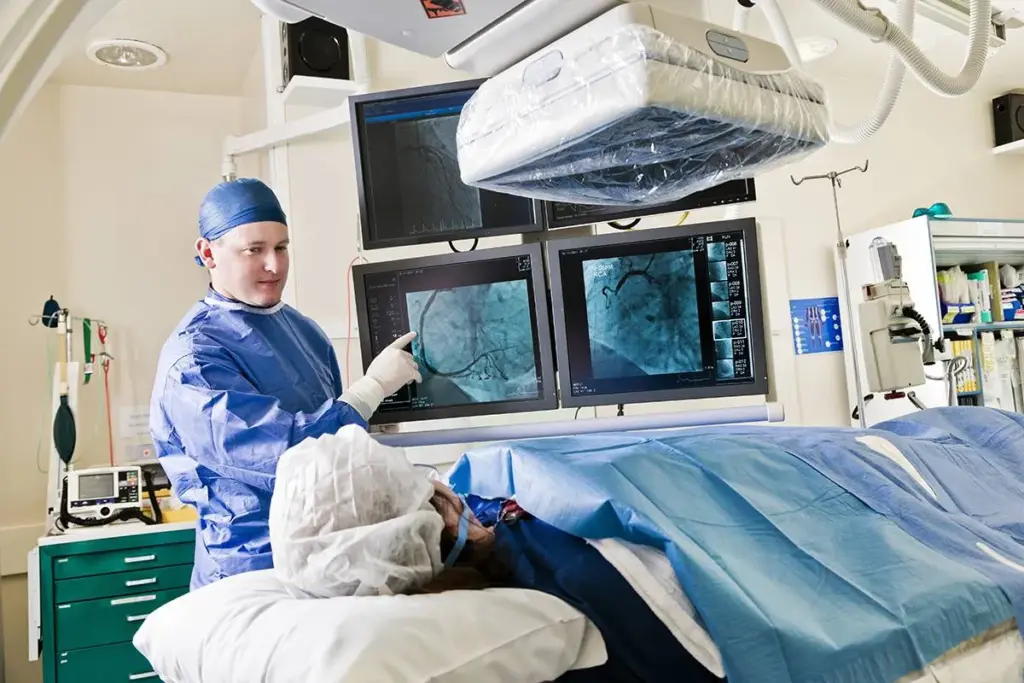
Interventional radiology has grown a lot, thanks to new technologies and medical needs. It has changed from simple angiography to complex treatments. These changes are reshaping modern medicine.
Definition and Core Principles
Interventional radiology (IR) is a medical field that uses small procedures guided by images. It combines radiology with clinical skills for treatments and tests. The main ideas of IR are:
- Using small, less invasive methods to cut down recovery time and scarring
- Advanced imaging for accurate guidance
- Always looking for new ways to do things better
These ideas help IR doctors do many procedures. They treat vascular and cancer issues with less harm.
Historical Development of IR Techniques
The history of IR techniques is one of fast progress. It started with simple angiography and now includes advanced treatments. Important steps include:
- The start of catheter-based angiography
- Creating embolization for stopping bleeding
- Introducing stenting and angioplasty for blood vessel diseases
These steps have made IR bigger and better. They offer new, less risky ways to treat patients instead of surgery.
Comprehensive IR Procedures List: From Basic to Advanced
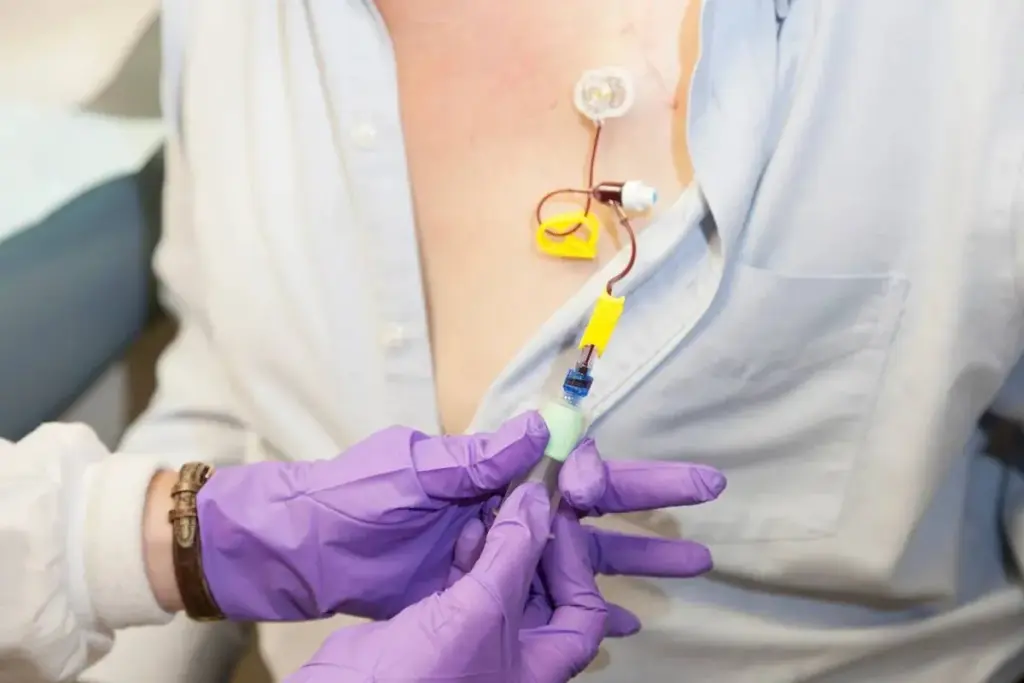
Interventional Radiology (IR) covers a wide range of procedures. These are key for diagnosing and treating many medical issues. IR has grown a lot, providing less invasive options instead of traditional surgery. Our list includes vascular, non-vascular, and oncologic interventions, each with its own uses and benefits.
Vascular Interventional Procedures
Vascular IR procedures treat blood vessel diseases. They include:
- Angioplasty and stenting to open blocked arteries
- Embolization to stop blood flow to areas like tumors or bleeding sites
- Thrombectomy to remove blood clots from vessels
- Vascular access creation for dialysis or other treatments
These are vital for managing diseases like peripheral artery disease, aneurysms, and vascular malformations.
Non-vascular Interventional Procedures
Non-vascular IR procedures are outside the blood vessels. Examples are:
- Biopsies to diagnose conditions, like cancer
- Drainage procedures for abscesses or fluid collections
- Percutaneous nephrostomy for urinary tract blockages
- Biliary interventions for gallbladder or bile duct issues
These use imaging to target areas, reducing the need for open surgery.
Oncologic Interventional Procedures
Oncologic IR procedures aim to diagnose and treat cancer. Key ones are:
- Chemoembolization to deliver chemotherapy directly to tumors
- Radioembolization using radioactive beads to treat liver cancer
- Ablation techniques, like radiofrequency or microwave ablation, to destroy tumors
- Biopsies for cancer diagnosis
These targeted therapies can be more effective and have fewer side effects than systemic treatments.
In conclusion, IR procedures range from vascular to non-vascular and oncologic treatments. Knowing this IR procedures list is key for healthcare providers and patients. It shows the wide range of Interventional Radiology’s capabilities in today’s medicine.
Factors That Determine Procedure Difficulty in IR
IR procedure difficulty comes from many factors. These include how complex the body parts are and how skilled you need to be. Knowing these helps doctors get ready for tough procedures.
Technical Skill Requirements
IR procedures need special skills. Doctors must know a lot about their tools and how to use them. They also need to understand how to guide procedures with images.
- Knowing how to use ultrasound, fluoroscopy, and other tools.
- Being good at using catheters and guidewires.
- Understanding complex images.
Patient-Related Risk Factors
Things about the patient can also make procedures harder. This includes health problems, age, and overall health.
|
Risk Factor |
Impact on IR Procedure |
|---|---|
|
Advanced Age |
More risk of problems, need for careful watching. |
|
Comorbid Conditions |
Procedure might be more complex, might need team care. |
|
Poor Health Status |
More chance of problems, need for detailed check before procedure. |
Equipment and Resource Demands
The tools used can also make procedures harder. New tech like robots and better images help but need special training and resources.
In summary, IR procedure difficulty comes from many angles. This includes body shape, skill needed, patient health, and tool quality. Understanding these helps improve results and grow the field of interventional radiology.
Neurointerventional Radiology: Navigating the Brain’s Delicate Pathways
Neurointerventional radiology is all about exploring the brain’s complex paths. It needs top skills and care. We use new, precise methods to treat tough brain issues.
Cerebral Aneurysm Coiling and Flow Diversion
Cerebral aneurysm coiling and flow diversion are key in neurointerventional radiology. Coiling fills the aneurysm with platinum coils to stop bleeding. Flow diversion uses a stent to steer blood flow away from the aneurysm. Both need careful planning and skill to work well.
Coiling’s challenge is to safely place coils in the brain’s tiny blood vessels. This ensures the aneurysm is blocked without harming nearby tissue.
Arteriovenous Malformation (AVM) Embolization
Arteriovenous malformation (AVM) embolization is a tough task. AVMs are bad connections between arteries and veins. They can cause big problems if not treated. Embolization blocks the AVM with materials through a catheter to stop bleeding risks.
Success in AVM embolization relies on clear images and precise navigation. We use top imaging to guide the catheter. This ensures the embolic material reaches the AVM right.
Acute Stroke Thrombectomy Under Time Pressure
Acute stroke thrombectomy is urgent. It aims to clear the brain’s blood clot fast. Thrombectomy removes the clot causing the stroke. Its success depends on quick and accurate action.
We know how critical time is in acute stroke thrombectomy. Our team works fast to reduce delays. We use the latest tech and methods to help stroke patients as much as possible.
Complex Vascular Interventions That Challenge Even Experts
Modern interventional radiology is all about pushing limits in minimally invasive medicine. These procedures need advanced skills and a deep knowledge of blood vessel anatomy and diseases.
Transjugular Intrahepatic Portosystemic Shunt (TIPS)
The TIPS procedure helps treat liver-related issues like bleeding and fluid buildup. It creates a new path between veins to lower pressure. It’s a tough procedure because it requires precise navigation and avoiding important structures. It’s key in managing some liver diseases.
Chronic Total Occlusion (CTO) Recanalization
CTO recanalization aims to open blocked arteries. It’s hard because of the challenge in getting past the blockage and the risk of damage. Special tools and imaging help improve success rates.
Complex Aortic Interventions and Fenestrated Grafts
Dealing with complex aortic issues, like using fenestrated grafts, is a big challenge. These methods help fix aortic aneurysms that can’t be fixed another way. Using fenestrated grafts is tricky because it needs careful planning and precise placement to avoid problems. The complexity is increased by the need for detailed imaging and the variability in aortic anatomy.
In summary, procedures like TIPS, CTO recanalization, and complex aortic interventions with fenestrated grafts are very challenging. They need a lot of skill, planning, and knowledge of blood vessel anatomy and diseases. As the field grows, new techniques and technologies will be key to better outcomes for these complex cases.
IR Procedures for Liver Cancer: Advanced Therapeutic Approaches
Advanced IR procedures lead the way in liver cancer treatment. They offer precision and effectiveness. Interventional Radiology (IR) is key in fighting liver cancer, bringing new and innovative treatments.
Precision in Y-90 Radioembolization
Y-90 radioembolization is a precise IR procedure. It delivers radioactive microspheres directly to liver tumors. This method needs precise planning to target tumors well and protect healthy tissue.
The procedure’s complexity comes from needing detailed imaging and dosimetry before starting. Y-90 radioembolization is great for treating tumors that can’t be removed or are hard to treat. It’s very effective for patients with HCC who can’t have surgery or a transplant.
Drug-Eluting Bead Chemoembolization in Complex Cases
Drug-eluting bead chemoembolization (DEB-TACE) is another advanced IR procedure. It delivers chemotherapy directly to the tumor via embolic beads. This blocks the tumor’s blood supply, making the treatment more effective.
- DEB-TACE is great for treating tumors that get a lot of blood.
- It lets more chemotherapy reach the tumor.
- The embolic effect cuts off the tumor’s blood supply, slowing its growth.
Combination Therapies for Advanced Hepatocellular Carcinoma
For advanced HCC, combining IR procedures with other treatments can help a lot. Using Y-90 radioembolization and DEB-TACE with other treatments can improve results.
- These combinations can be made to fit each patient’s needs.
- They can help patients live longer and feel better.
- Research is ongoing to find the best combinations and sequences.
In conclusion, IR procedures are essential in liver cancer treatment. They offer advanced treatments that can be customized for each patient. As research keeps improving, we’ll see even better results for liver cancer patients.
Pediatric Interventional Radiology: Small Vessels, Big Challenges
Pediatric interventional radiology faces unique challenges. Children’s vessels are delicate and small. This requires not just technical skill but also a deep understanding of children’s anatomy and physiology.
Vascular Access in Neonates and Infants
Getting vascular access in neonates and infants is a big challenge. Their tiny vessels need precise technique and special equipment. We use ultrasound guidance to ensure safe and effective access.
Key considerations for vascular access in pediatric patients include:
- Choosing the right access site based on the patient’s size and vascular anatomy
- Using ultrasound guidance to improve success rates and reduce risks
- Picking catheters and guidewires that fit the patient’s vessel size
Congenital Vascular Malformation Treatment
Congenital vascular malformations in children are complex. They need a multidisciplinary approach for effective treatment. We use IR techniques like embolization and sclerotherapy, tailored to each malformation.
|
Type of Malformation |
Common IR Treatments |
|---|---|
|
Vascular Malformations |
Embolization, Sclerotherapy |
|
Lymphatic Malformations |
Sclerotherapy, Drainage |
Unique Considerations in Pediatric IR
Pediatric IR procedures have unique considerations. We must think about the patient’s age, size, and developmental stage. This includes managing radiation dose, using sedation or anesthesia, and considering long-term effects.
In conclusion, pediatric interventional radiology is a specialized field. It requires careful consideration of pediatric challenges. By understanding these challenges and using tailored strategies, we can provide safe and effective IR procedures for children.
Biliary and Hepatic Interventions: Navigating Complex Ductal Systems
Biliary and hepatic interventions need a lot of skill and knowledge. They are key for diagnosing and treating liver and bile duct problems.
Interventional radiology (IR) has changed how we manage biliary and hepatic conditions. It offers less invasive options compared to traditional surgery. Percutaneous transhepatic biliary procedures are common, helping to drain blocked bile ducts effectively.
Percutaneous Transhepatic Biliary Procedures
Percutaneous transhepatic cholangiography (PTC) and drainage are vital for managing biliary obstruction. These methods involve accessing the bile ducts through the liver under imaging guidance.
The challenge in these procedures is navigating the liver and finding the best route to the biliary tree. Precision is key to avoid complications like bleeding or bile leakage.
|
Procedure |
Indications |
Key Challenges |
|---|---|---|
|
Percutaneous Transhepatic Cholangiography (PTC) |
Biliary obstruction, bile duct injury |
Navigating liver parenchyma, avoiding bile leakage |
|
Percutaneous Biliary Drainage |
Relieving biliary obstruction, managing bile duct obstruction |
Maintaining drain patency, managing possible infection |
Challenging Biliary Reconstructions
Biliary reconstruction is needed for complex biliary strictures or after surgery. These procedures are technically challenging, often requiring IR techniques and surgical team collaboration.
One big challenge is keeping the bile ducts open. Stent placement and balloon dilation are used to ensure bile flow.
Portal Vein Interventions
Portal vein interventions are vital for managing liver disease complications, like portal hypertension. Techniques like transjugular intrahepatic portosystemic shunt (TIPS) creation are lifesaving for some patients.
The complexity of these interventions is in placing stents precisely and managing possible complications, such as encephalopathy or shunt dysfunction.
In conclusion, biliary and hepatic interventions are complex and challenging in interventional radiology. Success depends on technical skill, anatomical knowledge, and clinical judgment.
Pulmonary and Thoracic IR Procedures: Breathing Complications
Complex lung and chest conditions need precise diagnosis and treatment. IR procedures offer innovative solutions. These procedures are key for managing lung and chest issues, often as a less invasive alternative to surgery.
These procedures are challenging due to the delicate nature of lung and chest anatomy. They require advanced technical skills and a deep understanding of the patient’s condition and health.
Bronchial Artery Embolization for Hemoptysis
Bronchial artery embolization (BAE) is a critical IR procedure for hemoptysis. Hemoptysis, or coughing up blood, is a serious condition. BAE blocks blood flow to the affected area to control bleeding.
The procedure involves guiding a catheter through blood vessels to the bronchial arteries. Embolic agents are then deployed to stop the bleeding. This requires precise imaging and a deep understanding of vascular anatomy to ensure effective treatment.
“Bronchial artery embolization has become a cornerstone in the management of massive hemoptysis, providing a quick and effective way to stop bleeding.”Source: Expert in Interventional Radiology
Pulmonary AVM Embolization
Pulmonary arteriovenous malformation (AVM) embolization is another complex IR procedure. It involves closing abnormal connections between lung arteries and veins. These malformations can cause serious complications, making treatment essential.
The procedure uses coils or other devices to block the abnormal connection. It requires careful planning and execution to close the AVM without harming the surrounding lung tissue.
|
Procedure |
Indications |
Key Challenges |
|---|---|---|
|
Bronchial Artery Embolization |
Hemoptysis |
Navigating complex vascular anatomy, risk of non-target embolization |
|
Pulmonary AVM Embolization |
Pulmonary AVMs |
Precise deployment of embolic devices, risk of recanalization |
Challenging Thoracic Interventions
There are other challenging thoracic interventions that IR specialists must handle. These include managing complications from thoracic tumors, treating vascular diseases, and interventions for superior vena cava syndrome.
Each procedure has its unique challenges, from complex anatomy to managing complications. Advanced imaging and a multidisciplinary approach are often key to successful treatment.
In conclusion, pulmonary and thoracic IR procedures are essential for treating complex lung and chest conditions. Understanding the challenges and nuances of these procedures allows IR specialists to provide effective, minimally invasive treatments that improve patient outcomes.
Minimally Invasive IR Procedures with Maximum Complexity
Some IR procedures are complex, even though they are minimally invasive. They need advanced skills and a deep understanding of anatomy and disease. We face the challenge of working with delicate structures carefully.
Prostate Artery Embolization: Navigational Challenges
Prostate artery embolization (PAE) is a complex procedure. It involves finding and treating the prostate arteries for benign prostatic hyperplasia. The challenge is finding the right arteries and avoiding mistakes.
Advanced imaging and careful technique are key to success.
Lymphatic Interventions and Thoracic Duct Embolization
Lymphatic interventions, like thoracic duct embolization, are also complex. They require precise work and knowledge of lymphatic anatomy. These treatments help with conditions like chylothorax and lymphatic malformations.
They need a lot of skill and experience.
Complex Pelvic Interventions
Complex pelvic interventions need a deep understanding of the pelvic area. Procedures like uterine artery embolization require precision. Advanced imaging and techniques are essential for working in the pelvic area.
In conclusion, these complex procedures need a mix of technical skill, knowledge, and experience. As we improve in interventional radiology, we must refine our methods to tackle these challenges.
Emerging Technologies Tackling the Most Difficult IR Procedures
New technologies are making complex IR procedures more precise and successful. As the field grows, new solutions are being found to help interventional radiologists overcome challenges.
Robotic-Assisted Interventions
Robotic-assisted interventions are a big step forward in IR. They offer better precision, flexibility, and control. This means doctors can do complex procedures more accurately, lowering the chance of problems.
Key Benefits of Robotic-Assisted IR:
- Improved precision and accuracy
- Enhanced control and flexibility
- Reduced risk of complications
- Better outcomes for complex procedures
Augmented Reality and 3D Navigation
Augmented reality (AR) and 3D navigation are changing how IR procedures are done. They give real-time guidance and clear views, making it easier to navigate complex anatomy.
|
Technology |
Benefits |
Applications in IR |
|---|---|---|
|
Augmented Reality |
Real-time guidance, enhanced visualization |
Complex anatomy navigation, procedure planning |
|
3D Navigation |
Precise localization, improved accuracy |
Tumor treatments, vascular interventions |
Artificial Intelligence Applications in Complex IR
Artificial intelligence (AI) is becoming more common in IR. It helps improve outcomes and care for patients. AI looks at lots of data, giving insights for better decisions.
AI Applications in IR:
- Predictive analytics for patient outcomes
- Real-time decision support during procedures
- Automated image analysis for diagnostic purposes
As these technologies improve, they will greatly impact IR. They will help doctors handle even the toughest procedures with more confidence and success.
IR Procedure Guidelines and Training for High-Complexity Cases
IR procedures are getting more complex. This makes training and guidelines very important. Handling complex cases well needs special training, understanding the volume-outcome relationship, and strong protocols.
Specialized Training Requirements
Interventional radiology keeps changing with new methods and tools. Specialized training is key for doctors to keep up. This training should cover the technical side of IR and also patient care before and after procedures.
We think a good training program should mix theory and practice. Workshops, simulation, and mentorship can help. This way, doctors can handle complex IR cases better.
Volume-Outcome Relationship in Complex IR
The volume of procedures affects outcomes in IR. Studies show that more procedures lead to better results for complex cases. This is because doctors get more experience and improve their skills.
Centralizing complex IR in high-volume centers is important. It leads to better care and patient safety. It also helps in creating standard protocols and guidelines.
Institutional Protocols for High-Risk Procedures
Institutional protocols are key for safe and effective IR procedures. They should be made with a team and cover patient care from start to follow-up.
It’s important to update these protocols regularly. This keeps care standards high and improves patient results. Following these protocols helps manage risks in complex IR procedures.
The Most Difficult IR Procedure: Expert Consensus and Analysis
Experts and advanced metrics help us understand the most difficult IR procedures. Interventional radiology covers many procedures, each with its own challenges.
Survey Results from Leading Interventional Radiologists
We surveyed top interventional radiologists to learn about the most difficult procedures. Their answers give us insight into the toughest tasks.
- Complex Vascular Interventions: TIPS and CTO recanalization were seen as very complex.
- Neurointerventional Procedures: Cerebral aneurysm coiling and AVM embolization were noted for their technical difficulty.
- Oncologic Interventions: Y-90 radioembolization for liver cancer was highlighted for its complexity.
Case Complexity Metrics and Scoring Systems
Metrics and scoring systems help measure IR procedure complexity. They standardize evaluation and guide training and resource allocation.
- The IR Complexity Score considers anatomical complexity, technical skill, and risks.
- The Procedure Difficulty Index quantifies complexity, aiding in procedure comparison.
The Ultimate Challenge: Identifying the Most Difficult Procedure
Identifying the most difficult IR procedure is complex. Operator experience, institutional protocols, and technology advancements are key factors.
Our analysis and expert consensus show TIPS and complex neurointerventions are among the most difficult. Yet, the field is always changing, with new technologies aiming to simplify procedures.
Conclusion: Mastering the Art of Complex Interventional Radiology
Mastering complex interventional radiology needs a deep understanding of its details and challenges. We’ve looked at the IR procedures list, from simple to complex, and talked about what makes a procedure hard.
Complex interventional radiology includes many procedures, like neurointerventional radiology and complex vascular interventions. Each one requires a lot of technical skill, knowledge of anatomy, and care for the patient.
To be great at IR, staying current with new technologies and methods is key. This includes robotic-assisted interventions and artificial intelligence. By keeping up, we can make even more progress in complex interventional radiology. This will help improve patient care and grow the field.
FAQ
What is Interventional Radiology (IR)?
Interventional Radiology (IR) is a medical field that uses small incisions to treat diseases. It uses X-ray, ultrasound, and MRI to guide tools. This approach is less invasive than traditional surgery.
What are some common IR procedures?
IR procedures include vascular interventions like angioplasty and stenting. We also do embolization for bleeding or tumors, and biopsies. Other procedures include biliary drainage, nephrostomy, and vertebroplasty.
What is the most difficult IR procedure?
The most difficult IR procedure varies by case and patient. But, cerebral aneurysm coiling, TIPS, and complex aortic interventions are often tough. They require skill and carry risks.
How do IR procedures compare to traditional surgery?
IR procedures are less invasive, leading to smaller incisions and quicker recovery. They need specialized training and equipment. The complexity of each procedure can differ a lot.
What are the benefits of IR procedures for liver cancer treatment?
IR treatments for liver cancer, like Y-90 radioembolization, are targeted and have fewer side effects. They’re great for patients with tumors that can’t be removed or who haven’t responded to other treatments.
Are IR procedures safe for pediatric patients?
Yes, IR procedures can be safe for kids when done by skilled pediatric IR specialists. We take extra steps to reduce risks and ensure the best results for our young patients.
How are emerging technologies improving IR procedures?
New technologies like robotic-assisted interventions and artificial intelligence are making IR procedures more precise and safe. These advancements help us tackle complex cases with confidence.
What kind of training is required for IR procedures?
IR specialists need special training and ongoing education. They learn about image-guided procedures and stay updated with new techniques and technologies.
How do IR procedure guidelines and training impact patient outcomes?
Following guidelines and staying trained is key to good patient outcomes. It helps us minimize risks and ensure IR procedures are effective.
What are some of the challenges associated with complex IR procedures?
Complex IR procedures face challenges like anatomical complexity and technical skill needs. We plan and execute these procedures carefully to achieve the best results.
How do interventional radiologists determine the difficulty of an IR procedure?
Radiologists consider the patient’s condition, anatomy complexity, and procedure demands to gauge difficulty. They use their expertise to plan effective treatments.
References
National Center for Biotechnology Information. Evidence-Based Medical Insight. Retrieved from https://www.ncbi.nlm.nih.gov/books/NBK558967/



 Departments
 Related Videos
 Our Doctors
 News
News