Medical treatment is changing fast, thanks to interventional radiology. Intensive radiologists lead this change. They are experts in using advanced imaging to do minimally invasive procedures.
These doctors use special techniques to treat many health issues. They offer treatments that are more precise and quicker than old surgery methods.
With the latest in IR radiology, we can offer safe, effective ways to avoid surgery. At Liv Hospital, our team of radiologists aims to give you the best care. We focus on your health and getting you the best results.
Key Takeaways
- Interventional radiologists perform minimally invasive procedures using advanced imaging technologies.
- IR radiology offers precise treatment options and faster recovery times.
- Advanced image-guided techniques treat a wide range of medical conditions.
- Liv Hospital’s interventional radiologists deliver international standards of care.
- Safe and effective alternatives to traditional surgery are available.
Defining the Field of Interventional Radiology
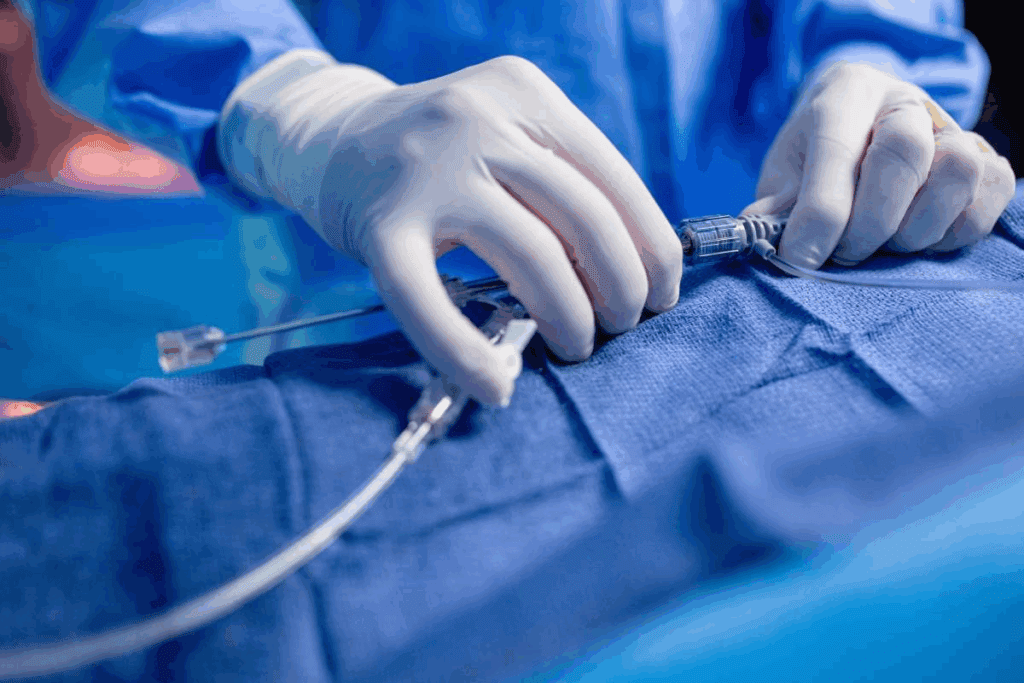
Interventional radiology is a key part of today’s healthcare. It uses advanced imaging to guide precise medical treatments. This field focuses on using imaging tools for minimally invasive treatments. This approach reduces the need for big surgeries and improves patient results.
Clarifying “Intensive” vs “Interventional” Terminology
The terms “intensive radiology” and “interventional radiology” are often mixed up. But they mean different things in medicine. Interventional radiology means using imaging to do small procedures. The term “intensive radiologist” is not common; we call them specialists in interventional radiology.
These experts get a lot of education and training. They learn how to use the latest techniques and technologies in IR.
Interventional radiology covers many procedures. These include vascular work like angioplasty and non-vascular tasks like biopsies and drainages. The main thing is using imaging to guide these actions. This makes the procedures more precise and safer for patients.
Core Competencies and Specialized Training
To be an interventional radiologist, you need a lot of education and training. The path usually includes:
- Getting an MD or DO degree from medical school
- Doing a residency in radiology
- Getting specialized training in interventional radiology through fellowships
- Getting certified in radiology, and sometimes in vascular and interventional radiology too
These doctors must know a lot about imaging tech like X-ray, ultrasound, CT, and MRI. They also need to be good at reading images and using that info to guide their work.
The main skills of an interventional radiologist are:
- Being good with imaging equipment and doing procedures
- Knowing a lot about different medical conditions and treatments
- Working well under pressure
- Being able to talk clearly with other doctors and patients about care
The Evolution of Interventional Radiology in American Healthcare
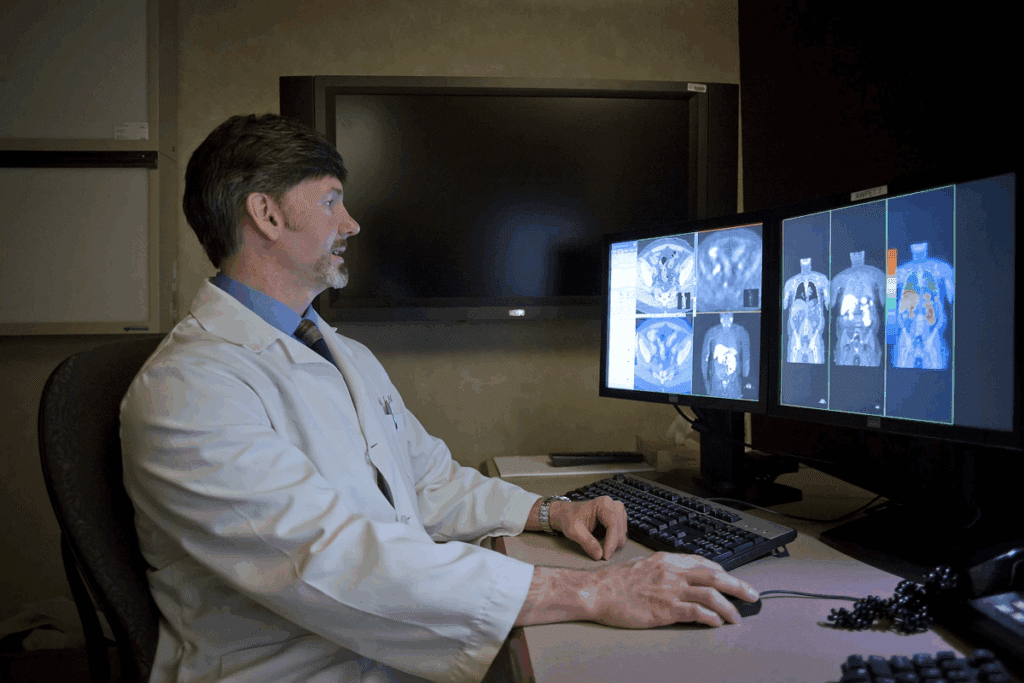
American healthcare has seen big changes in interventional radiology. We’ve seen big steps forward in less invasive methods. These changes have changed how we diagnose and treat medical issues.
Interventional radiology is now a key part of modern medicine. It helps patients recover faster, with less pain and fewer complications than old surgery methods.
Historical Development of Minimally Invasive Techniques
The growth of minimally invasive techniques in interventional radiology has been slow but steady. Early innovations in angiography and catheter-based procedures started it all. Later, better imaging tech made treatments more precise and effective.
Important steps include the start of image-guided procedures. These have cut down the need for open surgery a lot. Now, things like angioplasty and embolization are common. They give patients safer options than old surgery.
Transition from Traditional Surgery to Image-Guided Procedures
The move from old surgery to image-guided procedures is a big part of IR’s growth. Image-guided treatments let doctors see in real time. This means they can do precise work with little harm to nearby tissues.
- Reduced recovery times
- Less post-operative pain
- Lower risk of complications
So, IR procedures are now the top choice for many. The use of new imaging tech, like fluoroscopy and ultrasound, has made these treatments safer and more effective.
Advanced Imaging Technologies Used by Intensive Radiologists
Intensive radiologists use advanced imaging to do complex procedures with great care. These tools help guide treatments and make sure they work well and are safe.
X-ray and Fluoroscopy Guidance Systems
X-ray and fluoroscopy are key in interventional radiology. Fluoroscopy shows real-time X-ray images. This lets radiologists see instruments and contrast agents moving during procedures. It’s very helpful for vascular work like angiography and angioplasty.
These systems help radiologists do procedures with high accuracy. They have features like digital subtraction angiography. This makes blood vessels and other structures clearer.
CT and Ultrasound in Interventional Procedures
CT and ultrasound are also key for intensive radiologists. CT scans give detailed images for planning and guiding complex interventions. Ultrasound provides real-time images without radiation. It’s great for procedures that need repeated imaging.
- CT-guided procedures allow for precise targeting of lesions or areas of interest.
- Ultrasound guidance is beneficial for procedures like biopsies and drainages.
MRI-Guided Interventions
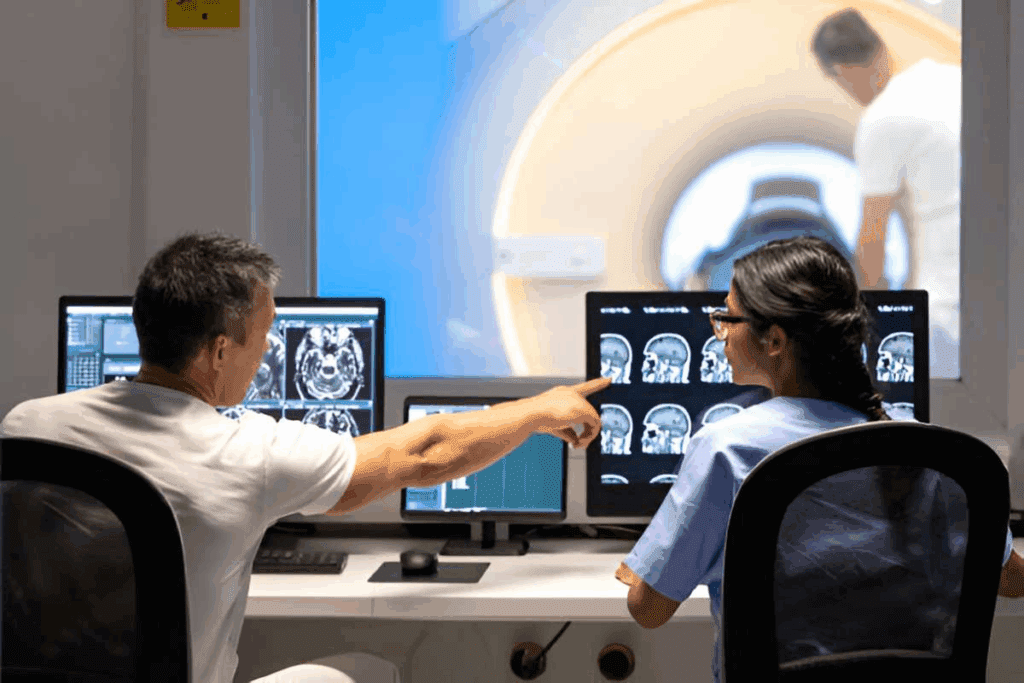
MRI is becoming more common for guiding interventions. It has great soft tissue contrast and can monitor temperature changes in real-time. MRI-guided interventions are great for treating certain cancers.
The benefits of MRI-guided interventions include:
- High precision in targeting tumors or lesions.
- Real-time monitoring of the treatment effect.
- Reduced risk of damage to surrounding healthy tissues.
As technology gets better, MRI’s role in interventional radiology will grow. This will let intensive radiologists do even more complex procedures safely and precisely.
Vascular Interventional Procedures and Techniques
Vascular interventional procedures have changed how we treat many vascular conditions. They offer less invasive options compared to traditional surgery. These procedures are done by interventional radiologists who use advanced imaging to diagnose and treat vascular diseases.
Diagnostic and Therapeutic Angiography
Angiography is a key tool in vascular interventional radiology. It uses contrast agents and imaging like X-ray or fluoroscopy to see blood vessels. It helps find problems like blockages, aneurysms, or malformations.
Therapeutic angiography treats vascular conditions. This can include angioplasty to widen narrowed blood vessels or stenting to keep them open.
Key benefits of angiography include:
- Accurate diagnosis of vascular conditions
- Minimally invasive treatment options
- Reduced risk of complications compared to open surgery
- Shorter recovery times
Angioplasty and Vascular Stenting
Angioplasty and stenting are common vascular interventions. Angioplasty uses a balloon to widen narrowed blood vessels. A stent is often placed to keep the vessel open.
These procedures treat conditions like peripheral artery disease (PAD). PAD can cause pain and limit mobility. Angioplasty and stenting have greatly improved patient outcomes, leading to faster recovery and less symptoms.
Embolization for Hemorrhage Control and Tumor Treatment
Embolization selectively blocks blood flow to specific areas. It’s used to control hemorrhage, treat certain tumors, and manage conditions like uterine fibroids. By cutting off blood supply, embolization can reduce symptoms and improve outcomes.
In emergencies, embolization is key for rapid hemorrhage control. For tumors, embolization can be used alone or with other treatments like chemotherapy or radiation.
Examples of embolization applications include:
- Uterine fibroid embolization (UFE) to treat symptomatic fibroids
- Transarterial chemoembolization (TACE) for liver cancer treatment
- Emergency embolization to control traumatic bleeding
Interventional radiologists play a vital role in modern healthcare. They provide effective, minimally invasive solutions for many vascular conditions.
Oncological Interventions Performed by IR Specialists
Oncological interventions by IR specialists have changed cancer treatment. We use advanced imaging to diagnose and treat cancer well.
Image-Guided Biopsy Techniques
Image-guided biopsy is a key diagnostic tool. We use ultrasound, CT, or MRI to guide the biopsy needle. This ensures accurate sampling with low risk.
Precision is key in these procedures. They directly affect treatment planning and patient outcomes.
Tumor Ablation Methods
Tumor ablation destroys cancer cells using heat, cold, or chemicals. Radiofrequency ablation (RFA) and cryoablation are common methods. They are less invasive than surgery and can be done on an outpatient basis.
We’ve seen great success with these procedures. They offer patients a quicker recovery and fewer complications.
Chemoembolization and Radioembolization
Chemoembolization delivers chemotherapy directly to the tumor while cutting off its blood supply. Radioembolization uses tiny radioactive beads to destroy cancer cells. Both are effective for treating certain liver cancers and other tumors.
These minimally invasive treatments are a big step forward in cancer care. They provide targeted therapy with fewer side effects.
Non-Vascular Interventional Radiological Procedures
Non-vascular interventional radiology is key in today’s medicine. It offers non-invasive treatments for many health issues. Skilled interventional radiologists make these treatments possible, changing how we tackle complex health problems.
Drainage Procedures and Abscess Management
Drainage procedures help manage abscesses and fluid buildup. Interventional radiologists use imaging to place catheters. This removes infected fluid, often avoiding surgery.
Vertebroplasty and Kyphoplasty for Spinal Conditions
Vertebroplasty and kyphoplasty treat spinal fractures. They inject bone cement into the vertebra to stabilize it and ease pain. Kyphoplasty also uses a balloon to expand the vertebra before cement is added, aiming to restore its height.
| Procedure | Description | Benefits |
| Vertebroplasty | Injection of bone cement into a fractured vertebra | Pain relief, stabilization of the vertebra |
| Kyphoplasty | Use of a balloon to create space, followed by bone cement injection | Pain relief, restoration of vertebra height, stabilization |
Biliary and Urinary Tract Interventions
Interventional radiology is vital for biliary and urinary tract issues. Procedures like PTC and percutaneous nephrostomy relieve obstructions. They are essential for patients with jaundice or urinary blockages.
Dialysis Access Creation and Maintenance
Interventional radiologists create and maintain dialysis access for kidney patients. They perform arteriovenous fistula creation and angioplasty. Regular upkeep prevents issues and extends access life.
In summary, non-vascular interventional radiology is a vital part of healthcare today. It offers non-invasive treatments for many conditions. Thanks to interventional radiology, patients’ lives are greatly improved.
Clinical Benefits of Interventional Radiology vs. Traditional Surgery
Interventional radiology is changing medicine with its minimally invasive methods. It offers many benefits over traditional surgery. This field is making a big difference in how we care for patients.
Reduced Hospital Stays and Recovery Times
One big plus of interventional radiology is shorter hospital stays and recovery times. Unlike traditional surgery, IR procedures are less invasive. This means less damage to the body and quicker healing.
For example, vascular interventions like angioplasty and stenting can be done quickly. Patients can go home soon and get back to their lives quickly. This makes patients happier and saves money too.
Decreased Complications and Minimized Risks
Interventional radiology also means fewer complications and risks. Advanced imaging helps doctors be more precise. This reduces the chance of problems during the procedure.
For treating some cancers, IR methods like chemoembolization are safer. They have fewer side effects and complications than surgery.
Cost-Effectiveness Analysis
From a cost viewpoint, IR procedures are often cheaper than surgery. They need less hospital time, have shorter recovery periods, and fewer complications. This all adds up to lower healthcare costs.
Studies show IR can save a lot of money. It’s a great choice for healthcare providers who want to save money without sacrificing quality. As healthcare changes, IR’s role will grow because of its benefits and cost savings.
The Day in the Life of an Intensive Radiologist
As interventional radiologists, we are key players in modern medicine. We use our skills for minimally invasive procedures that greatly help patients. Our days are filled with a variety of tasks, from talking to patients to performing complex treatments. We aim to give our patients the best care possible.
Clinical Consultations and Patient Evaluations
Most of our time is spent on clinical consultations and patient evaluations. We team up with other healthcare experts to check patient conditions and pick the best treatments. We also create care plans that fit each patient’s needs.
We review medical histories and talk about treatment goals. We answer any questions patients or their families might have. This ensures our treatments are right for each patient, making them safer and more effective.
Procedure Planning and Execution
After deciding on a treatment plan, we start planning and doing the procedure. We choose the best imaging methods and prepare the equipment. We also make sure everything is safe.
We use advanced imaging like X-ray, ultrasound, or MRI to guide our work. Our knowledge of anatomy and ability to handle challenges are key to success.
Post-Procedure Care and Follow-up
After a procedure, we focus on care and follow-up. We watch patients for any immediate problems and manage pain. We also give clear instructions for aftercare and schedule follow-ups.
Good post-procedure care helps patients recover better and reduces risks. It ensures they get the best results from their treatment.
Multidisciplinary Collaboration in Interventional Practice
Interventional radiology relies on teamwork to improve patient care. As intensive radiologists, we team up with other doctors to offer full care.
Handling complex cases, interventional radiology needs teamwork. We team up with surgeons for procedures needing both skills. This teamwork is key in vascular interventions, where we decide the best treatment together.
Working with Surgical Teams
Working with surgeons is key for us. We join meetings to plan patient care. This sharing of knowledge leads to better treatments.
In vascular interventions, we decide between surgery or radiology. Our choices are based on the latest research and guidelines. This ensures patients get the best care.
“The integration of interventional radiology into the surgical workflow has revolutionized the way we approach complex vascular cases, providing patients with safer and more effective treatment options.”
Coordination with Oncology Departments
Interventional radiologists are vital in cancer care. We join tumor boards with oncologists to plan treatments.
We use image-guided procedures for diagnosis and treatment. Techniques like biopsy and chemoembolization are key in cancer care. We work together to make these procedures safe and effective.
Emergency and Trauma Interventions
Interventional radiologists are also key in emergencies. We provide quick, non-invasive treatments for acute conditions.
Our quick thinking and decisions are critical. Advanced imaging lets us diagnose and treat fast. This often avoids the need for surgery.
In conclusion, teamwork is vital in interventional radiology. Working with other specialties, we offer better care. This improves patient outcomes and quality of life.
Conclusion: Future Directions in Interventional Radiology
Interventional radiology has changed medicine a lot. It offers treatments that are less invasive and improve patient care. The future looks bright with new tech and techniques coming.
Interventional radiologists use advanced imaging for complex procedures. This includes vascular and oncological treatments. It helps reduce hospital stays and costs, making it key in healthcare.
We can look forward to more MRI-guided interventions and tumor ablation. Working together with other healthcare teams is key for better patient care.
The future of interventional radiology is exciting. It will keep improving patient care and outcomes. As a key part of medicine, it will lead in medical innovation, helping those in need.
FAQ
What is Interventional Radiology (IR)?
Interventional Radiology is a medical field. It uses imaging to guide small procedures. These help diagnose and treat diseases.
What kind of training do Interventional Radiologists have?
They get a lot of training. This includes radiology and interventional procedures. They often do a residency and sometimes a fellowship too.
What are the benefits of IR procedures compared to traditional surgery?
IR procedures have big advantages. They lead to quicker recovery, less pain, and fewer complications. This is compared to traditional surgery.
What advanced imaging technologies are used in IR?
IR uses many imaging tools. These include X-ray, CT, ultrasound, and MRI. They help guide procedures and ensure accurate treatment.
What are some common vascular interventional procedures?
Some common vascular procedures are angiography and angioplasty. They also do stenting and embolization. These help with vascular diseases and control bleeding.
How do IR specialists treat cancer?
IR specialists use special techniques. They do biopsies, tumor ablation, chemoembolization, and radioembolization. These help diagnose and treat cancer.
What non-vascular IR procedures are available?
Non-vascular procedures include drainage and vertebroplasty. They also do kyphoplasty, biliary and urinary tract interventions. Plus, they create and maintain dialysis access.
How does IR collaboration with other medical teams benefit patients?
Working together with other teams is key. IR specialists, surgeons, oncologists, and emergency services provide better care. This leads to better treatment outcomes for patients.
What is the role of an Interventional Radiologist in patient care?
IR specialists play a big role. They do consultations, plan procedures, and execute them. They also take care of patients after treatment. They offer full support throughout the process.
Are IR procedures cost-effective?
Yes, IR procedures are often cheaper. They reduce hospital stays, complications, and costs. This makes them a more affordable option.
References
Bicket, M. C., et al. (2013). Epidural injections for spinal pain: A systematic review and meta-analysis. Pain Physician, 16(5), E453-E470.https://pubmed.ncbi.nlm.nih.gov/24195874/