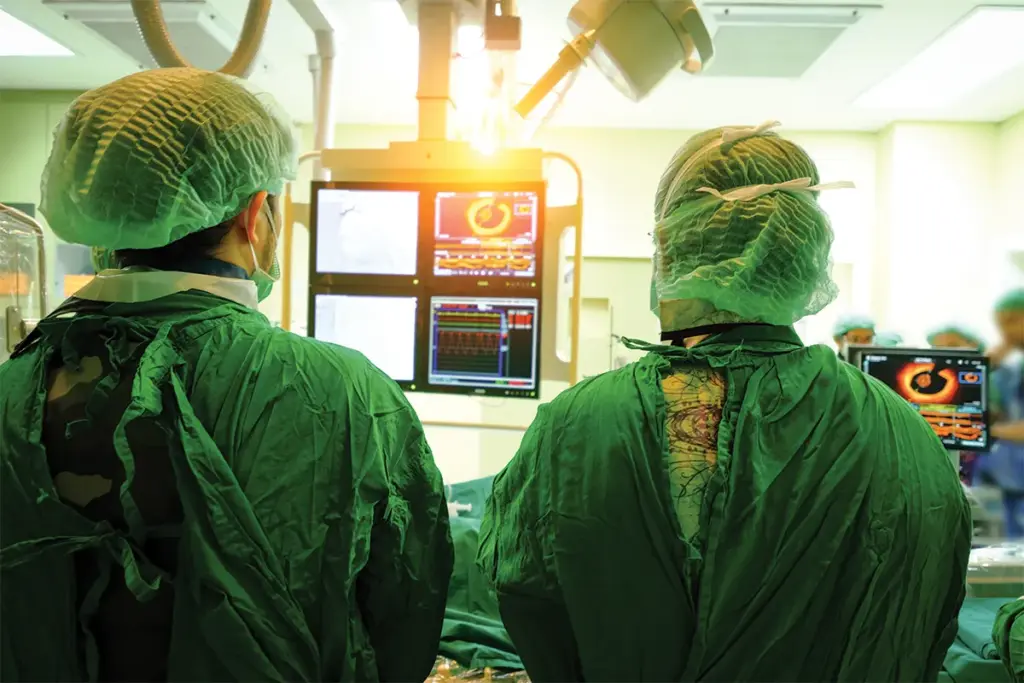
We are seeing big changes in healthcare, thanks to new tech and more people wanting less invasive treatments. Interventional radiology is leading this change. It’s key in diagnosing and treating many health issues.
Discover the role of an inter radiologist. Explore amazing life-saving innovations and successful future trends in medical technology.
The market for interventional radiology is growing fast. It’s set to jump from $30.3 billion in 2025 to $49.4 billion by 2035. This shows how much this field can change healthcare.
Looking at interventional radiology today and tomorrow, its role in medicine is huge and getting bigger.
Key Takeaways
- The global interventional radiology market is expected to grow significantly by 2035.
- Technological innovation is driving the growth of interventional radiology.
- Minimally invasive therapies are increasingly in demand.
- Interventional radiology plays a critical role in diagnosis and treatment.
- The field is set to change healthcare delivery in big ways.
The Evolution of Interventional Radiology: From Niche to Mainstream
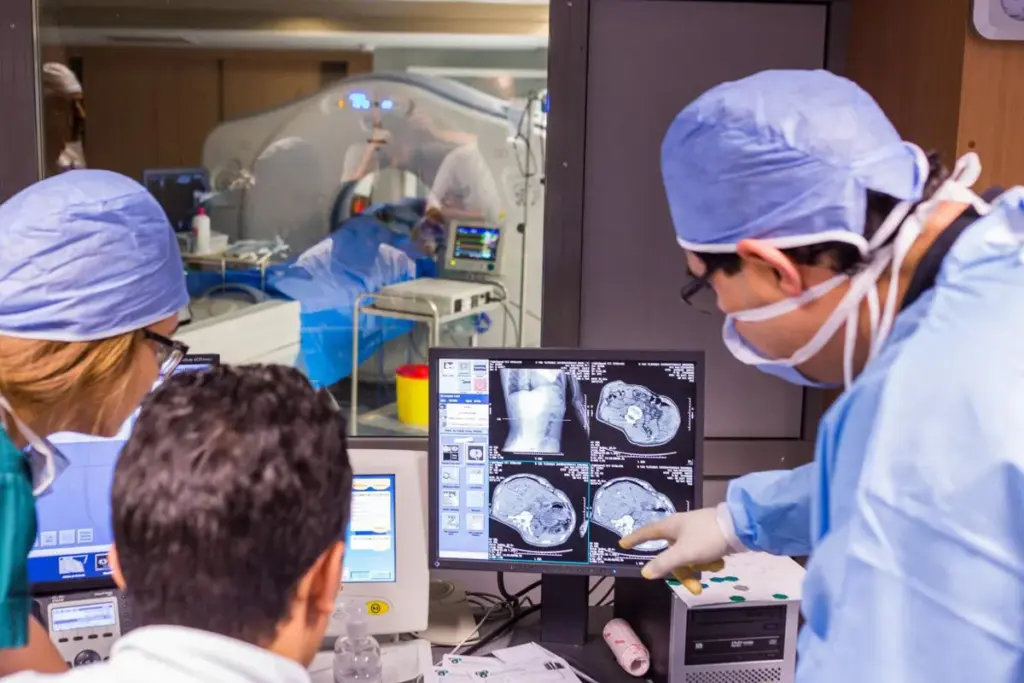
Interventional radiology has grown a lot in healthcare. It’s thanks to new tech and changing patient needs. Looking back, we see a history filled with important moments.
History of Interventional Radiology: Key Milestones
Interventional radiology started many years ago. Early breakthroughs set the stage for its growth. The 1960s saw the start of angiography, which lets us see blood vessels.
Then, catheter-based treatments came along. This was a big step forward.
In 1974, Andreas Gruentzig did the first percutaneous transluminal angioplasty (PTA). It showed how well minimally invasive methods could work for vascular diseases.
|
Year |
Milestone |
Significance |
|---|---|---|
|
1960s |
Introduction of Angiography |
Enabled visualization of blood vessels |
|
1974 |
First Percutaneous Transluminal Angioplasty (PTA) |
Demonstrated the power of minimally invasive methods |
|
1980s |
Advancements in Catheter Technology |
Made IR procedures more precise and safe |
Transition from Diagnostic to Therapeutic Applications
At first, radiology was all about looking inside the body. But as tech got better, IR started to focus on treating problems too. It uses imaging to guide treatments that don’t need big cuts.
New tools and techniques helped IR grow. Now, it helps with many issues, like blood vessel problems and cancer.
IR’s role in healthcare keeps getting bigger. With new tech and skills, it’s set for more growth and innovation.
Current State of the Interventional Radiology Market
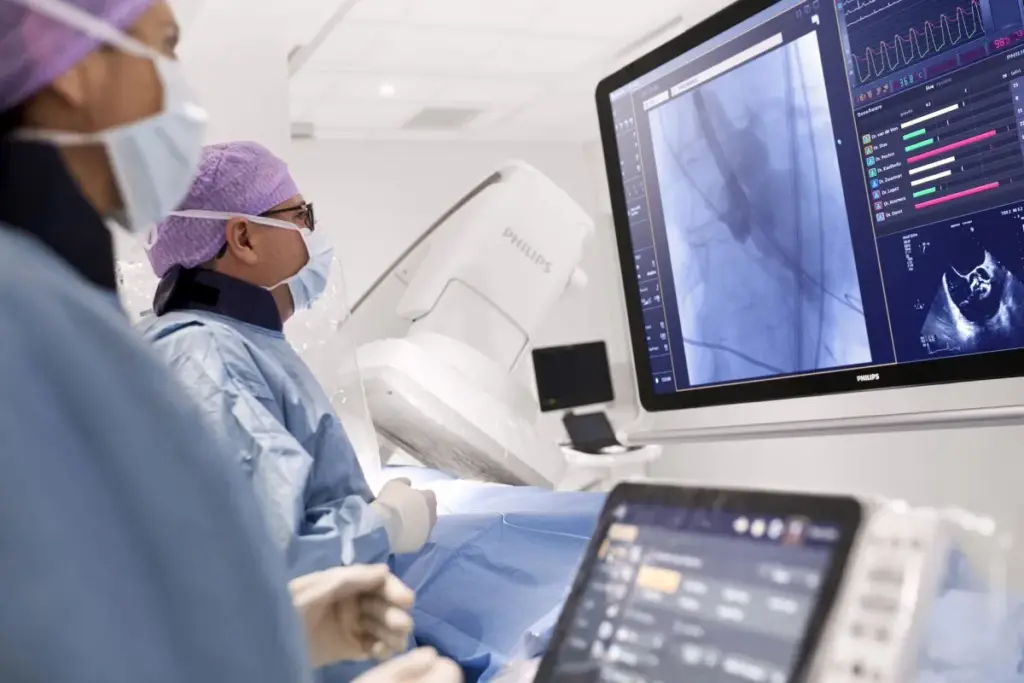
The interventional radiology market is growing fast. This is thanks to new medical tech and more demand for less invasive treatments. It shows how important this field is in today’s healthcare.
Global Market Size and Growth Projections
The global interventional radiology market is set to grow a lot. It’s expected to jump from $30.3 billion in 2025 to $49.4 billion by 2035. This shows how much people rely on it for tests and treatments. Our analysis shows strong demand for these services, thanks to new tech and a move towards less invasive methods.
Regional Distribution and Adoption Rates
How much interventional radiology is used varies by region. This depends on things like healthcare setup, skilled staff, and rules. Places with better healthcare and more chronic diseases use it more.
Seeing how interventional radiology is used around the world is key for those wanting to grow in this field. The future of interventional radiology looks bright, with new tech and more uses on the horizon.
Why Patients Prefer Minimally Invasive Procedures
Many patients choose minimally invasive procedures because they are safer and heal faster. Interventional radiology (IR) leads this trend. It offers treatments that are effective and reduce the risks and downtime of traditional surgery.
Lower Risk and Complication Rates
IR procedures are safer, which is why patients prefer them. Studies show that about 92% of patients prefer IR procedures because they have fewer risks. This is great for people with health issues that make surgery risky.
“IR procedures are less invasive, which means fewer risks and complications for our patients,” says a leading interventional radiologist. “This approach improves outcomes and enhances the patient experience.”
Faster Recovery Times and Reduced Hospital Stays
IR procedures also mean faster recovery times. This is because they are less invasive. Patients can get back to their lives sooner, which is good for those with busy lives or health issues.
- Reduced risk of infection
- Less post-procedure pain
- Shorter hospital stays
Cost-Effectiveness Compared to Traditional Surgery
IR procedures are also more affordable. They reduce the need for long hospital stays and lower the risk of complications. This makes advanced medical treatments more affordable for more people.
Liquid biopsy is becoming popular because it’s less invasive and can find cancer biomarkers. It’s cheaper and more comfortable for patients.
In summary, the benefits of minimally invasive procedures are clear. They are safer, heal faster, and are more affordable. As IR continues to grow, we’ll see more treatments that focus on patient comfort and success.
The Recognition Challenge: Public Awareness of IR
Interventional radiology has made huge progress in medical treatment. Yet, a big problem is that not enough people know about it. Only 39.8% can identify IR as a medical specialty, showing we need to do better in raising awareness.
Current Awareness Statistics and Implications
Public awareness of IR is a big concern. Many people don’t know what IR is or its role in medicine. This lack of knowledge can affect patient care, as people might not know about the less invasive treatments available.
Even healthcare professionals don’t always understand IR well. This highlights the need for better education for both the public and healthcare workers.
Strategies for Improving Public Understanding
To boost public awareness, we need to take action. Educational efforts and awareness campaigns are key. Here are some ways to improve understanding:
- Public outreach programs to teach about IR’s benefits and uses.
- Working with patient groups to spread the word about IR treatments.
- Creating educational materials for healthcare professionals to learn more about IR.
- Using social media and online platforms to share IR information.
By using these strategies, we can increase awareness of interventional radiology. The Society of Interventional Radiology (SIR) and other groups are important in promoting IR. They do this through publications like the Journal of Vascular and Interventional Radiology.
The SIR Radiology 2018 guidelines show IR is always getting better. It’s important to keep everyone updated on IR’s latest advancements and benefits.
Career Outlook for the Inter Radiologist: Demand and Compensation
Interventional radiology is on the verge of a new era. It offers growing opportunities and competitive pay for specialists. The demand for interventional radiologists is expected to increase. This is due to new medical technologies and a preference for less invasive procedures.
Projected Salary Trends Through 2025 and Beyond
Interventional radiologists earn significant salaries, ranging from $400,000 to $550,000. The job market for them is expected to grow. This is because of advancements in IR and more demand for minimally invasive procedures.
Recent reports show that salaries in this field are expected to rise. This reflects the growing demand for skilled interventional radiologists. This trend highlights the value these professionals bring to healthcare and the field’s growth.
Job Market Analysis and Growth Opportunities
The job market for interventional radiologists is growing. There are many opportunities in different healthcare settings. Key drivers include the increasing adoption of minimally invasive procedures and technological advancements in interventional radiology. This means interventional radiologists have a wide range of career paths, from clinical practice to research and education.
“The future of interventional radiology looks promising, with a strong demand for skilled professionals and a continuous evolution in techniques and technologies.” – Expert in Interventional Radiology
The future of interventional radiology is bright. It’s not just about new technologies but also the professionals who lead this field. With a strong career outlook and competitive pay, interventional radiology attracts talented individuals. These individuals are passionate about delivering top-notch patient care.
Technological Innovations Driving IR Forward
The future of interventional radiology (IR) is bright thanks to new technologies. These advancements make IR procedures more precise and effective. They also lead to better patient care.
We’re seeing big changes in IR, thanks to AI, hybrid imaging, and new devices. These technologies are transforming the field.
Artificial Intelligence and Machine Learning Applications
AI and machine learning are changing IR in big ways. They help with image analysis, predictive modeling, and treatment planning. For example, GE HealthCare has introduced new ultrasound systems with AI tools for better women’s health imaging.
These tools help doctors make accurate diagnoses and plan treatments. AI in IR is vast, from automating tasks to making complex decisions.
Hybrid Imaging Advancements
Hybrid imaging combines MRI, CT, and ultrasound. It makes IR procedures more precise, improving outcomes and reducing risks.
Hybrid imaging is key in complex procedures. It gives a detailed view of the patient’s body, helping doctors make better decisions.
Novel Devices and Equipment
New devices and equipment are also driving IR forward. They are designed to be more precise, less invasive, and better for patients. These advancements open up new possibilities for IR procedures.
For instance, new embolic agents and drug-eluting devices are improving treatments for vascular diseases and cancer. These innovations make IR procedures safer and more effective.
These technological advancements are making a huge difference in IR. By embracing them, we can improve patient care and treatment outcomes. We can also expand what IR can do.
|
Technological Innovation |
Application in IR |
Benefit |
|---|---|---|
|
Artificial Intelligence |
Image analysis, predictive modeling |
Improved diagnosis, personalized treatment |
|
Hybrid Imaging |
Guidance during procedures |
Enhanced precision, reduced complications |
|
Novel Devices |
Minimally invasive procedures |
Improved patient outcomes, expanded treatment options |
Diagnostic Radiology vs Interventional Radiology: Evolving Relationship
The relationship between diagnostic radiology and interventional radiology is changing a lot. Medical technology is getting better, making these two fields work together more. This leads to better care for patients.
Complementary Roles and Specialization
Diagnostic radiology and interventional radiology work together to help patients. Diagnostic radiologists look at images to find diseases. On the other hand, interventional radiologists do procedures to treat diseases.
This teamwork makes sure patients get the right diagnosis and treatment. It improves how well patients do.
Specialization within radiology means radiologists get trained for both jobs. This training helps them work together better. It makes sure they can help patients in many ways.
Career Pathways and Training Differences
Diagnostic and interventional radiologists start with the same basic training. But then they go their separate ways. Diagnostic radiologists mainly interpret images. Interventional radiologists learn to do procedures guided by images.
Training programs for interventional radiology are longer. They include fellowship training after residency. This extra training helps them handle complex procedures and any problems that might come up.
It’s important to know the differences in training and career paths for these radiologists. As the field keeps growing, there will be more need for skilled radiologists in both areas.
Expanding Clinical Applications in Cardiovascular and Interventional Radiology
Interventional radiology is growing, bringing new solutions for heart diseases and cancer. Medical technology keeps advancing, making IR’s uses more varied.
Cardiovascular Interventions
Cardiovascular interventions are a big part of IR’s growth. Angioplasty, stenting, and embolization are now common. They offer less invasive options than surgery, improving patient care and recovery times.
IR is also making strides in treating PAD and aneurysms. It helps restore blood flow and prevent rupture. Thanks to better imaging and devices, these procedures are getting more precise and effective.
Oncological Applications
Oncology is another fast-growing area for IR. Chemoembolization, radioembolization, and ablation target tumors with great accuracy. These methods can be used alone or with other treatments, giving new hope to cancer patients.
IR also plays a key role in diagnosing and monitoring cancer. Biopsy and fiducial marker placement help guide treatment and check how well it’s working.
Emerging Treatment Areas
IR is exploring new areas beyond heart and cancer treatments. It’s being used for pain management, treating uterine fibroids, and managing varicose veins. IR’s flexibility allows it to meet new healthcare needs.
Liquid biopsy, analyzing DNA in blood, is also expanding. It could change how we track disease and treatment response, providing a non-invasive option.
The Journal of Vascular and Interventional Radiology: Research Trends
JVIR is a top journal that brings the latest in interventional radiology to the forefront. It’s a key resource for those in the field, showing the newest advancements and methods.
Key Publications and Research Directions
JVIR covers a wide range of studies, from new procedures to the latest guidelines. It has highlighted major breakthroughs, like new vascular interventions and oncological treatments. These studies help us understand IR better and guide how we practice.
The journal focuses a lot on making and updating guidelines for IR. For example, the SIR Radiology2018 guidelines have greatly influenced the field. They have set standards, leading to better patient care and more research.
“The integration of new technologies and techniques into clinical practice is key for advancing interventional radiology.”
— JVIR Editorial Board
Impact of SIR Radiology2018 Guidelines and Beyond
The SIR Radiology2018 guidelines have greatly shaped interventional radiology. They have set standards and given a framework for future studies. This has helped the field grow a lot.
Research in JVIR keeps pushing the limits of what’s possible in IR. It explores new uses and improves current methods. As IR evolves, JVIR stays ahead, publishing important research that guides the future of the field.
Telemedicine and Remote IR Procedures
Telemedicine is changing how we do minimally invasive procedures in interventional radiology (IR). It’s making it easier to care for patients from a distance. This shows how technology can improve healthcare.
Current Capabilities and Limitations
Telemedicine lets us do remote consultations and monitoring in IR. It helps us reach more patients, even those far from big hospitals. But, we need strong and safe tech to make it work.
There are also challenges like not having the same rules for telemedicine in IR. We need more studies to make sure it’s safe and works well. But, the good it does is clear, and we’re working to fix these issues.
Future of Democratizing Access
The future of telemedicine in IR looks bright for making care more accessible. As tech gets better, we’ll see more advanced remote procedures. This could help doctors in areas that don’t have as many resources.
Adding artificial intelligence and machine learning to telemedicine could also help. It could make procedures safer and better. We’re looking forward to seeing how telemedicine will change IR.
Training the Next Generation of Interventional Radiologists
The world of interventional radiology is changing fast. We need new ways to teach the next doctors in this field. Training programs must keep up with these changes to prepare doctors for the future.
Evolution of Educational Pathways
Before, becoming an interventional radiologist took a lot of time and effort. Now, there’s a push for more flexible and adaptable learning paths. This means more hands-on training and learning through simulations.
Training is becoming more practical and less rigid. Many places offer fellowships and special training in interventional radiology. These programs teach the latest techniques and technologies. The interventional radiology market shows a growing need for skilled professionals.
Simulation and Virtual Reality in IR Training
Simulation and virtual reality (VR) technologies are changing how we train doctors. They create a safe space for doctors to practice without real risks. This helps doctors get better at their jobs before they work on real patients.
VR is making training even more realistic. Doctors can practice complex procedures in a way that feels real. This helps them develop the skills they need for their work. Plus, VR training can be done over and over, helping doctors get better with each try.
As interventional radiology grows, training the next doctors is key. By using new teaching methods and technologies like VR, we can make sure doctors are ready to lead in patient care.
Challenges and Barriers to IR Growth
Interventional radiology is growing, but it faces many challenges. Despite its progress, IR growth is hindered by several barriers.
Pressures from Competing Specialties
IR is under pressure from other medical fields. As IR expands, it enters areas usually handled by others. This can lead to conflicts.
IR and other specialties, like vascular surgery and cardiology, often compete. They both deal with vascular diseases, causing a struggle for dominance.
|
Specialty |
Common Procedures |
Overlap with IR |
|---|---|---|
|
Vascular Surgery |
Angioplasty, Stenting |
High |
|
Cardiology |
Angiography, Coronary Interventions |
High |
|
Oncology |
Tumor Embolization, Ablation |
Moderate |
Economic and Reimbursement Challenges
Reimbursement and economics are big hurdles for IR. Some question the cost-effectiveness of IR procedures compared to surgery.
IR’s fast-changing technology makes it hard for reimbursement to keep up. This can delay coverage for new procedures.
Technological and Implementation Hurdles
IR also faces tech and implementation challenges. Adopting new tech, like AI and robotics, requires a lot of investment and training.
Cost, availability, and training needs can slow down adoption. It’s key for IR practitioners to be well-trained in using these technologies.
By tackling these challenges, IR can keep growing and improve patient care.
Conclusion: The Promising Horizon for Interventional Radiology
Looking ahead, interventional radiology is set for more growth and new ideas. Advances in AI, hybrid imaging, and telemedicine will make procedures more precise and less invasive. The global interventional radiology market is expected to hit USD 46.03 Bn by 2032, growing at 6.9% annually.
The need for less invasive treatments and better image technology will keep pushing IR forward. As it evolves, we’ll see new uses and improvements in IR, making it even more vital in healthcare.
With its ability to better patient care and cut healthcare costs, IR’s future is bright. We must keep investing in research and development. This will keep IR leading in medical innovation.
FAQ
What is interventional radiology?
Interventional radiology (IR) is a medical field. It uses small procedures to diagnose and treat diseases. These procedures are guided by imaging like X-ray and MRI.
How has interventional radiology evolved over time?
IR has changed a lot. It started as a tool for diagnosis. Now, it’s a key treatment method thanks to new technology and techniques.
What are the benefits of minimally invasive procedures in IR?
IR’s small procedures have many benefits. They are safer, lead to quicker recovery, and are cheaper than big surgeries. They also mean shorter hospital stays.
What is the current state of the IR market?
The IR market is booming. It’s growing fast because of more demand for small procedures and new tech. It’s also expanding into more areas, with big growth expected.
How does IR compare to diagnostic radiology?
IR and diagnostic radiology work together. IR focuses on treatments, while diagnostic radiology is about imaging and finding problems. They share some skills and training.
What are the emerging clinical applications of IR?
IR is getting into new areas like heart treatments and cancer care. It’s also exploring new treatments. This gives patients more options.
What role does telemedicine play in IR?
Telemedicine is becoming important in IR. It helps make IR services more available. But, it’s not perfect yet and has its limits. It has a lot of promise for the future.
How are interventional radiologists trained?
Radiologists get special training. They do fellowships and learn with new methods like simulation and virtual reality. This training is getting better.
What are the challenges facing IR growth?
IR faces challenges like competition and money issues. It also deals with tech and getting things done. But, with planning and new ideas, it can overcome these.
What is the future of IR?
IR’s future looks bright. It will keep growing and getting better. This is thanks to new tech, more uses, and more people wanting these treatments.
What is the Journal of Vascular and Interventional Radiology?
The Journal of Vascular and Interventional Radiology is a top IR publication. It shares research and guidelines, like SIR Radiology2018. These help IR grow and improve.
How does IR impact patient care?
IR greatly improves patient care. It offers treatments that are less invasive. This means better results, faster recovery, and a better life for patients with many conditions.
What are the career prospects for interventional radiologists?
Radiologists have a great career ahead. There’s a lot of demand, good pay, and chances to grow and learn in IR.