

What is Internal Medicine? Understanding the Specialty
The Role of Doctors in Patient Care
- Conducting comprehensive evaluations: Internists take detailed patient histories, perform physical examinations, and review test results to form a complete picture of each patient’s health.
- Developing individualized treatment plans: Based on findings, they create personalized care plans that may involve medication, therapy, or referrals to other specialists.
- Coordinating care: Because many adults have multiple health conditions, internists serve as coordinators, ensuring that treatments work well together.
- Offering preventive guidance: They encourage healthy habits, administer vaccinations, and recommend routine screenings to detect diseases early.
- Managing chronic diseases: Internists provide ongoing monitoring and treatment for long term conditions such as hypertension, diabetes, and heart disease.
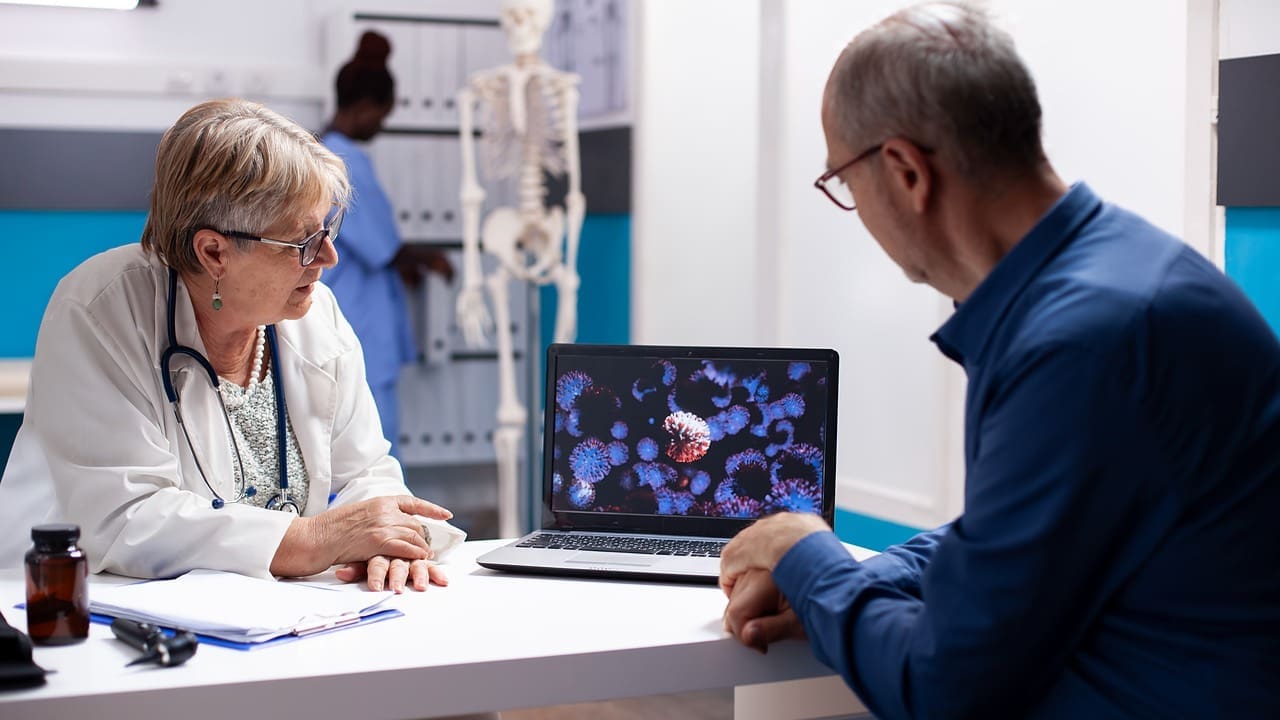
Internal Medicine vs. Family Medicine: Key Differences Explained
- Patient Demographics:
Internal medicine doctors specialize exclusively in adult health, usually treating patients aged 18 and above. Family medicine physicians, on the other hand, care for people of all ages—from infants to the elderly. - Training Focus:
Internists receive in depth training in adult diseases, focusing on conditions that affect the heart, lungs, kidneys, digestive system, and more. Family medicine training includes elements of pediatrics, obstetrics, and geriatrics, as well as adult medicine. - Scope of Practice:
Internal medicine doctors often work in hospitals or specialized clinics, managing complex or chronic conditions such as heart failure, diabetes complications, and autoimmune diseases. Family physicians are more likely to handle general wellness visits, minor injuries, or routine health checks across all family members. - Approach to Care:
Internists tend to focus deeply on understanding how multiple conditions interact within a single patient, while family doctors emphasize continuity of care across generations.
How to Choose the Right Doctor Near You
- Location and Accessibility:
Choose a doctor whose clinic or hospital is conveniently located near your home or workplace. Easy access encourages regular visits and ensures timely care. - Credentials and Experience:
Verify that your doctor is board certified in internal medicine. This certification means they have completed specialized training and passed rigorous exams in the field. - Hospital Affiliation:
Check whether the doctor is affiliated with a reputable hospital. This can be crucial if you require specialized testing, inpatient care, or surgical referrals. - Patient Reviews and Recommendations:
Reading online reviews and testimonials can give insight into the doctor’s communication skills, bedside manner, and patient satisfaction. - Communication and Compatibility:
Feeling comfortable with your doctor is essential. Choose someone who listens attentively, explains clearly, and involves you in decisions about your care. - Availability of Modern Facilities:
Clinics with access to advanced diagnostic tools and electronic health records can provide more efficient and coordinated care.
Common Conditions Treated by Internal Medicine Physicians
- Diabetes:
Internists monitor blood glucose levels, adjust medications, and provide education on diet, exercise, and lifestyle management to prevent complications such as nerve or kidney damage. - Hypertension (High Blood Pressure):
They identify underlying causes, recommend lifestyle changes, and prescribe medications to control blood pressure and reduce the risk of stroke or heart attack. - Heart Disease:
Internists diagnose and treat conditions such as coronary artery disease, arrhythmias, and congestive heart failure, often working closely with cardiologists for specialized care. - Respiratory Issues:
Chronic conditions like COPD, asthma, and bronchitis are managed with inhalers, medication, and lifestyle interventions such as smoking cessation programs. - Infectious Diseases:
Internists treat bacterial, viral, and fungal infections, including pneumonia, urinary tract infections, and gastrointestinal illnesses. - Endocrine Disorders:
They manage hormonal imbalances, such as thyroid disease and metabolic syndrome. - Digestive Problems:
From acid reflux to inflammatory bowel disease, internists coordinate diagnostic tests and long-term treatment strategies. - Kidney Disorders:
Early diagnosis and management of kidney disease help prevent progression to kidney failure.
The Importance of Preventive Care
Preventive care is a key part of internal medicine. Internists encourage regular check-ups, screenings, and vaccines to help stop diseases before they start. By catching problems early, you can get the right care sooner and stay healthier.
What to Expect During Your Visit
- Comprehensive Evaluation:
The doctor reviews your medical history, family background, and current symptoms. A detailed physical examination follows to assess your overall condition. - Diagnostic Tests:
Depending on your health concerns, the physician may order blood tests, imaging studies (like X-rays, ultrasounds, or MRIs), or other specialized diagnostic procedures. - Discussion and Diagnosis:
After interpreting your results, the doctor explains the findings clearly, ensuring you understand your condition and available treatment options. - Personalized Treatment Plan:
The internist creates a care plan tailored to your needs, which may include medications, dietary advice, physical therapy, or referrals to other specialists. - Follow up and Monitoring:
Regular follow up visits help track progress, evaluate treatment effectiveness, and adjust the plan as needed.

The Future of Internal Medicine: Trends and Innovations
- Telemedicine:
Virtual consultations allow patients to connect with their doctors from home, making healthcare more accessible and convenient. - Artificial Intelligence (AI):
AI assists doctors in analyzing medical images, predicting disease risk, and personalizing treatment plans using data. - Personalized Medicine:
Treatment approaches now increasingly rely on genetics, lifestyle factors, and personal medical history to create customized therapies. - Digital Health Monitoring:
Wearable devices can track heart rate, sleep patterns, and physical activity, giving internists real time insights into patient health. - Integrative and Preventive Focus:
Internal medicine is increasingly embracing holistic and preventive strategies to improve long term wellness, combining traditional medicine with evidence based complementary therapies.
For more information about our academic and training initiatives, visit Liv Hospital Academy
Frequently Asked Questions Internal Medicine
What is the difference between an internist and a primary care physician?
Internists specialize in adult medicine and often manage complex health issues, while primary care physicians may treat patients of all ages.
What qualifications do internal medicine doctors have?
The doctors complete a medical degree, followed by a residency in internal medicine, and often pursue board certification.
How can I prepare for my first appointment with an internal medicine doctor?
Bring a list of your current medications, medical history, and any questions you have about your health.
What types of tests might an internal medicine doctor order?
Common tests include blood work, imaging studies (like X rays or MRIs), and other diagnostic procedures based on your symptoms.
When should I see an internal medicine doctor?
You should see an internist for routine check ups, management of chronic conditions, or if you have complex health issues requiring specialized care.
How to Prepare for Your First Appointment
Preparing for your first appointment can help ensure that you receive the best care possible. Here are some tips:
Internal Medicine and Chronic Disease Management
Internists are important in helping people manage long term conditions like diabetes, high blood pressure, and heart disease. They team up with patients to create plans for ongoing care, keep track of progress, and make changes to treatment when needed to help patients stay as healthy as possible.

