
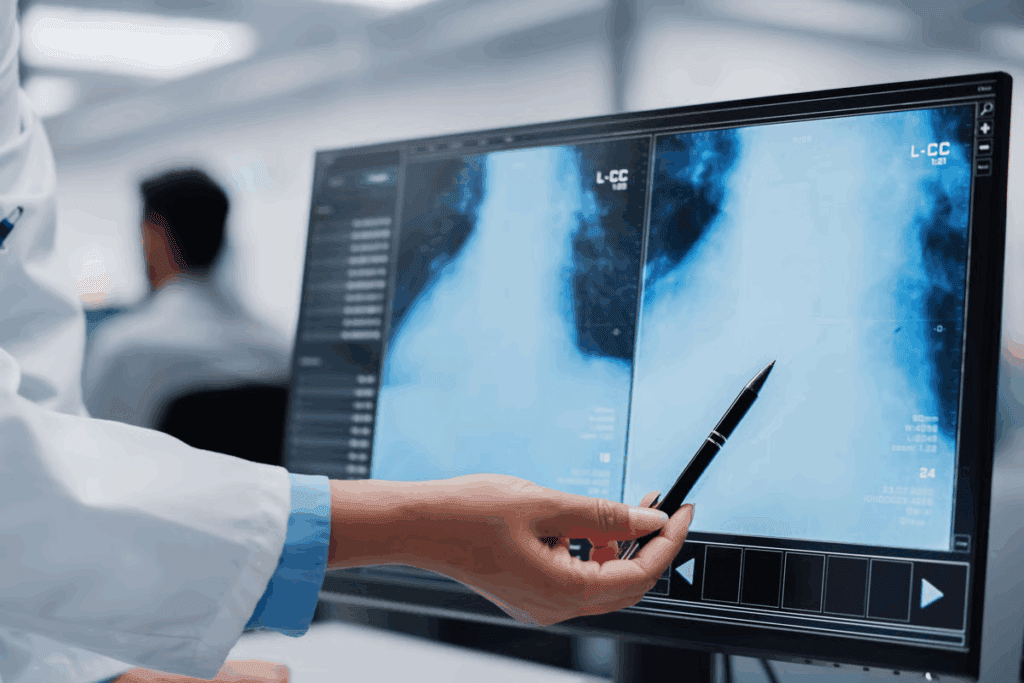
Physician assistants in interventional radiology are key players in modern healthcare. They are in high demand and earn competitive salaries. These salaries range from $109,400 to $148,200 a year. Explore interventional radiology PA jobs. Get 7 key facts about the role, typical salaries, and amazing career growth.
At Liv Hospital, we focus on innovative, patient-centered care. Our team of experienced healthcare professionals works with interventional radiologists. Together, they support minimally invasive treatments and procedures.
We will dive into the world of interventional radiology PA jobs. We’ll look at their roles, salaries, and growth prospects. This will give you valuable insights if you’re thinking about this rewarding career.
Key Takeaways
- Physician assistants in interventional radiology are integral to modern radiology teams.
- The demand for IR PAs is on the rise, driven by the need for their specialized skills.
- Competitive salaries range from $109,400 to $148,200 per year.
- IR PAs work closely with interventional radiologists to deliver high-quality patient care.
- Career prospects for IR PAs are promising, with diverse opportunities in hospitals and clinics.
The Dynamic World of Interventional Radiology
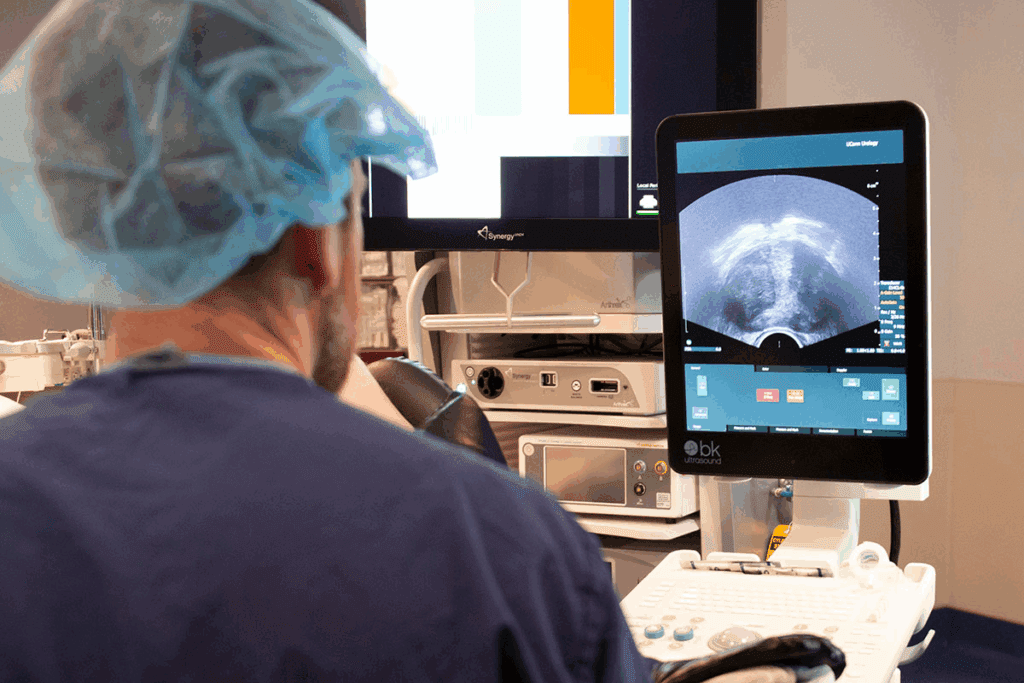
Interventional radiology is changing fast, thanks to new tech and patient needs. It’s key to see how Physician Assistants (PAs) are important in these teams.
Evolution of Minimally Invasive Procedures
Interventional radiology has changed a lot with new, small procedures. These changes have made treatments better and more available. Minimally invasive procedures are now key, making treatments precise and quick to recover from.
The Integration of Physician Assistants in Specialized Radiology
PAs have become a big part of interventional radiology teams. They add skills that help doctors, making care better. As interventional radiology physician assistants, they help from start to finish with patient care.
Working with doctors and others, IR physician assistants are key to great care. They help make care smoother and better for patients.
Fact 1: What Makes the Interventional Radiology PA Role Unique
The Interventional Radiology PA role is special because it uses advanced imaging and minimally invasive treatments. It requires a mix of clinical knowledge, technical skills, and the ability to work well under pressure.
Definition and Specialized Scope of Practice
Interventional Radiology Physician Assistants work with interventional radiologists to care for patients before, during, and after procedures. They help with complex procedures, keep patient records, and educate patients.
Dr. John Smith, an interventional radiologist, says, “PAs in interventional radiology are essential. They add precision and care that’s key to our success.”
“The integration of PAs into our interventional radiology team has significantly enhanced our ability to provide high-quality patient care. Their contributions are invaluable.” – Dr. Jane Doe, Chief of Interventional Radiology
Educational Requirements and Specialized Training
To become an Interventional Radiology PA, you need a Master’s degree in Physician Assistant Studies from an accredited program. Many IR PAs also get extra training through fellowships or certifications, like the CAQ in Interventional Radiology.
| Educational Pathway | Typical Duration | Key Components |
| Master’s in Physician Assistant Studies | 2-3 years | Classroom instruction, clinical rotations |
| Specialized Training/Fellowship in IR | 1-2 years | Hands-on experience, advanced procedure training |
| CAQ Certification in IR | Varies | Specialized knowledge assessment |
Comparison to Other Radiology and PA Positions
Interventional Radiology PAs have a unique mix of clinical and technical skills. Their role is special because of the complex and unique procedures they support.
The demand for skilled Interventional Radiology PAs is growing. This is because of new medical technologies and the rise in minimally invasive treatments.
Fact 2: Core Clinical Responsibilities of IR Physician Assistants
Interventional Radiology Physician Assistants (IR PAs) are key in patient care in the interventional radiology department. They are essential for ensuring patients get top-notch care during treatment.
Catheter Placements and Vascular Access Procedures
IR PAs are mainly involved in catheter placements and vascular access procedures. These are vital for treatments like dialysis, chemotherapy, and nutritional support. They work with radiologists to make sure these procedures are done right and safely.
Supporting Minimally Invasive Treatments
IR PAs also play a big part in supporting minimally invasive treatments. These include angioplasty, embolization, and biopsy. Their help ensures patients get the best results with less recovery time.
Pre-Procedure Assessment and Post-Procedure Care
IR PAs are also in charge of pre-procedure assessment and post-procedure care. They check patients before procedures and watch over them after to handle any issues. This care boosts patient results and happiness.
IR PAs do a lot to help interventional radiology teams succeed. They need a mix of clinical knowledge, technical skills, and teamwork abilities.
Fact 3: The Collaborative Nature of Interventional Radiology PA Work
Collaboration is key in interventional radiology PA work. It involves working closely with IR physicians and other specialists. This teamwork is vital for giving patients the best care.
Partnership with IR Physicians in Multidisciplinary Care
Interventional radiology PAs team up with IR physicians to create treatment plans. This partnership makes sure patients get care that fits their needs. IR PAs and physicians share their knowledge, improving patient results.
Implementation of Academic Protocols and Care Pathways
IR PAs are important in setting up care standards. They help follow evidence-based treatments. This keeps patient care at a high level.
Role in Patient-Centered Treatment Planning
IR PAs are key in making care plans that focus on the patient. They consider each patient’s unique situation. This approach boosts patient happiness and health.
IR PAs work with IR physicians and others to give full care to patients. This teamwork is a big plus for interventional radiology departments.
Fact 4: Interventional Radiology PA Salary Insights
Interventional radiology PAs earn top salaries, showing their advanced skills and knowledge. Their unique mix of technical and clinical skills is highly valued in healthcare.
National Salary Range
The salary for IR PAs ranges from $109,400 to $148,200 a year. This shows the high value of their specialized work and expertise.
Top-Earning IR PAs
Top IR PAs can earn over $170,000 a year. Their salaries depend on experience, location, and employer.
Experience and Certification Impact
Experience and certifications greatly affect IR PA salaries. More experienced and certified PAs earn more, showing their increased value.
Why IR PAs Rank Among Highest-Paid PA Specialties
IR PAs are among the highest-paid due to their key role in minimally invasive procedures. Their advanced training and ability to handle high-stakes situations justify their high pay.
Fact 5: Job Market Trends for Interventional Radiology PA Jobs
The healthcare world is moving towards less invasive treatments. This shift is boosting the job market for IR PAs. More skilled interventional radiology physician assistants are needed in specialized radiology departments.
Current Demand Analysis and Growth Projections
There’s a high demand for IR PAs now, and it’s expected to keep growing. This growth is because more people need minimally invasive treatments. Hospitals and clinics are looking to hire IR PAs to help with these treatments.
Key factors driving this demand include:
- The growing prevalence of chronic diseases that require minimally invasive interventions
- Advancements in medical technology, making more procedures possible
- The expanding role of PAs in healthcare, allowing for more efficient patient care
Opportunities in Metropolitan vs. Regional Medical Centers
IR PAs can find jobs in both big cities and smaller towns. Big cities usually pay more and offer specialized roles. Smaller towns might have a better work-life balance and community feel. It all depends on what you want from your job.
Considerations for metropolitan areas include:
- Higher demand for specialized IR services
- Opportunities for career advancement
- Access to cutting-edge medical technology
Hospital-Based vs. Clinic-Based Employment Options
IR PAs can work in hospitals or clinics. Hospitals are busier and deal with more complex cases. Clinics are more laid back and focus on routine care. Both options are valuable for IR PAs.
Key differences between hospital and clinic-based roles include:
| Setting | Typical Responsibilities | Work Environment |
| Hospital-Based | Complex procedures, emergency interventions | Fast-paced, high-acuity |
| Clinic-Based | Routine check-ups, follow-up care | More predictable schedule, less acute |
Fact 6: A Day in the Life of an Interventional Radiology PA
In the fast-paced world of interventional radiology, PAs are key to smooth daily operations. They handle both clinical and administrative tasks.
Typical Work Schedule and Environment
Interventional radiology PAs work in hospitals or specialized clinics. They are part of a team. Their hours can vary, with some on-call duties. The work is fast-paced, needing PAs to be flexible and task-focused.
Common Procedures and Case Mix
Every day, PAs assist in procedures like vascular interventions, biopsies, and drainages. They work with radiologists to ensure procedures are done right and safely. The variety of cases means PAs need to know a lot about different conditions and treatments.
| Procedure Type | Frequency | PA Involvement |
| Vascular Interventions | High | Assisting in catheter placements and angioplasties |
| Biopsies | Moderate | Preparing patients, assisting during procedures |
| Drainages | Moderate | Assisting in drain placement and management |
Balancing Clinical and Administrative Responsibilities
Interventional radiology PAs juggle clinical work with administrative tasks. This includes keeping patient records, coordinating with other healthcare teams, and staying current with medical guidelines. Good time management is key to handling both tasks well without neglecting patient care.
Understanding the daily tasks and challenges of interventional radiology PAs shows their vital role in healthcare. Their skill in a quick-paced setting and their medical knowledge make them essential to the team.
Fact 7: Career Advancement Pathways for IR PAs
Interventional radiology PAs have many ways to grow in their careers. As the field grows, more chances for advancement appear.
Subspecialization Opportunities Within Interventional Radiology
IR PAs can specialize in areas like vascular or neurointerventional radiology. This deepens their skills and knowledge.
Specializing can make a PA happier and more likely to earn more. For example, a vascular specialist might get ahead in a hospital.
Leadership Roles and Administrative Advancement
Seasoned IR PAs can lead teams or manage departments. They can also take on administrative roles.
These roles need strong communication and organization. IR PAs can shape policies and improve practices.
Research Contributions and Academic Involvement
IR PAs can help with research and write papers. This work can lead to conference talks and collaborations.
Being involved in research boosts a PA’s reputation. It can open doors to new opportunities, like speaking at big conferences.
Continuous Professional Development Strategies
IR PAs must keep up with new developments. This means going to conferences, taking courses, and joining online forums.
Staying current helps PAs stay skilled and adapt to new practices. This ensures they can give the best care to patients.
| Career Advancement Pathway | Description | Potential Benefits |
| Subspecialization | Developing expertise in a specific area of interventional radiology | Increased job satisfaction, higher earning |
| Leadership Roles | Overseeing teams of PAs and other healthcare professionals | Influence on departmental policies, career advancement |
| Research Contributions | Participating in research studies and academic publications | Enhanced professional reputation, new career opportunities |
| Continuous Professional Development | Staying current with the latest advancements in interventional radiology | Maintaining expertise, adapting to changing clinical practices |
How to Launch Your Career as an Interventional Radiology PA
Starting a career as an Interventional Radiology Physician Assistant (IR PA) needs careful planning. You’ll need to focus on education, clinical experience, and networking. Understanding the steps and opportunities will help shape your journey.
Essential Educational and Clinical Prerequisites
To become an IR PA, you must first finish a Physician Assistant program. It should be accredited by the Accreditation Review Commission on Education for the Physician Assistant (ARC-PA). The program should include clinical rotations in radiology or related fields.
After finishing your program, getting relevant clinical experience is key. Many IR PAs start in general radiology or fields like cardiology or surgery. This experience builds your skills in patient assessment, procedural skills, and radiologic imaging.
| Prerequisite | Description |
| PA Program Accreditation | ARC-PA accreditation is mandatory for PA programs. |
| Clinical Rotations | Exposure to radiology or related specialties during clinical rotations. |
| Clinical Experience | Gaining experience in radiology or related fields before specializing in IR. |
Networking and Mentorship Opportunities
Networking is key in starting an IR PA career. Going to conferences like the Society of Interventional Radiology (SIR) annual meeting is helpful. You can meet professionals, learn about new advancements, and find job opportunities.
Getting mentorship from experienced IR PAs or radiologists is also important. They can guide you, help you understand your career path, and make informed decisions about your growth.
Job Search Strategies and Interview Preparation
When looking for IR PA jobs, make sure your resume and cover letter highlight your relevant experience and skills. Use job boards, professional networks, and hospital websites to find openings.
In interviews, be ready to talk about your clinical experience, procedural skills, and ability to work under pressure. Showing you understand interventional radiology procedures and care for patients will make you stand out.
By following these steps and focusing on your goals, you can start a successful career as an Interventional Radiology PA.
Conclusion: The Promising Future of Interventional Radiology PA Careers
We’ve looked into the exciting world of interventional radiology PA jobs. We found out how physician assistants play a key role in this field. They earn competitive IR PA salaries, from $109,400 to $148,200, and can even reach over $170,000.
The need for interventional radiology physician assistant jobs is on the rise. This is because their skills in minimally invasive procedures are more important than ever. As healthcare changes, physician assistant interventional radiology experts will keep being vital. They help improve patient care and support interventional radiology programs.
The future of interventional radiology PA careers looks bright. With more career paths opening up and a growing need for their skills, their salaries are likely to stay competitive. This shows how valuable these professionals are in the healthcare world.
FAQ
What is the role of an interventional radiology physician assistant?
An interventional radiology PA helps with procedures and treatments. They give care before and after treatments. They work with doctors to ensure patients get the best care.
What are the educational requirements to become an interventional radiology PA?
To be an interventional radiology PA, you need a master’s degree in physician assistant studies. You also need training in interventional radiology. Getting certified in interventional radiology can make you even more skilled.
What is the salary range for interventional radiology PAs?
Interventional radiology PAs make between $109,400 and $148,200 a year. Some make over $170,000. This shows how valuable their skills are.
What are the job prospects for interventional radiology PAs?
The job market for interventional radiology PAs is growing fast. Hospitals and clinics need their skills. This means lots of job opportunities.
What are the key responsibilities of an interventional radiology PA?
Key tasks include helping with catheter placements and vascular access. They support minimally invasive treatments. They also give care before and after procedures, ensuring patients receive top care.
How do interventional radiology PAs contribute to patient-centered care?
They are key in planning treatments that focus on the patient. They work with doctors and other healthcare professionals. This ensures care is tailored to each patient’s needs.
What career advancement opportunities are available to interventional radiology PAs?
PAs can specialize in certain areas, take on leadership roles, or move into administration. They can also do research or teach. These options help them grow professionally.
How can one launch a career as an interventional radiology PA?
To start, you need to finish a physician assistant program. Then, get some clinical experience. Networking and a good job search strategy are also key. This will help you get into the field.



 Departments
 Related Videos
 Our Doctors
 News
News