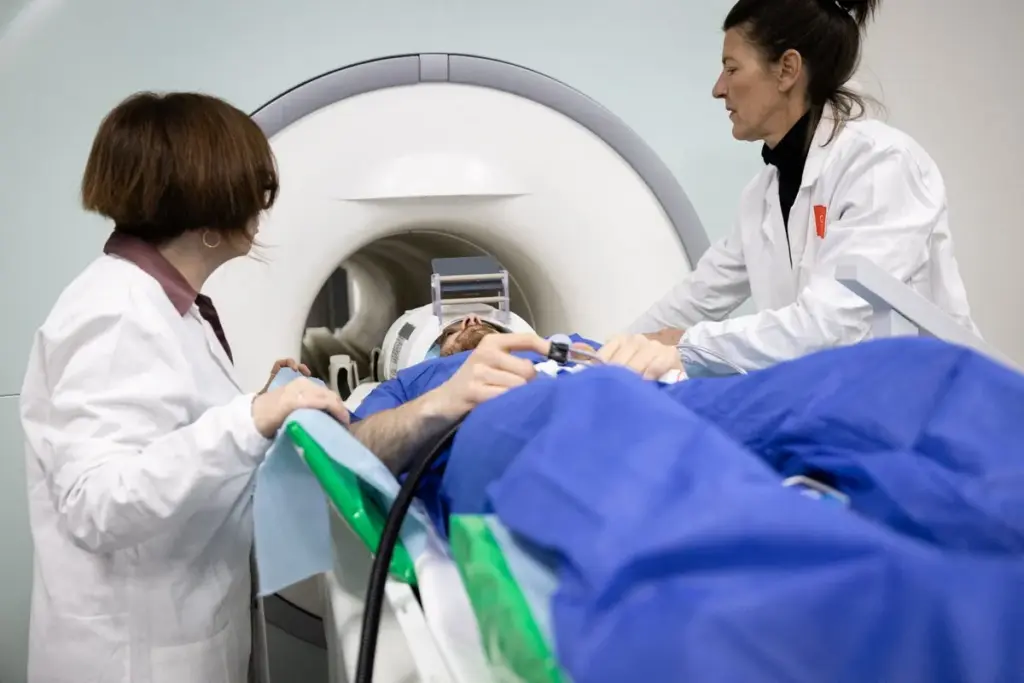
The need for interventional radiology (IR) procedures is growing worldwide. This makes post-procedure care even more important. We focus on patient safety and recovery by watching vital signs and managing pain. This helps lower risks after these treatments nterventional radiology procedures.
Good wound care and pain management are key for recovery. By using proven methods and new ideas, we can make recovery better for IR patients.
Key Takeaways
- Effective post-procedure care is critical for patient safety and outcome.
- Monitoring vital signs and managing pain reduces complications.
- Proper wound care is essential for recovery.
- Evidence-based protocols improve post-IR recovery.
- Innovation in pain management enhances patient outcomes.
The Evolution of Interventional Radiology in Modern Healthcare
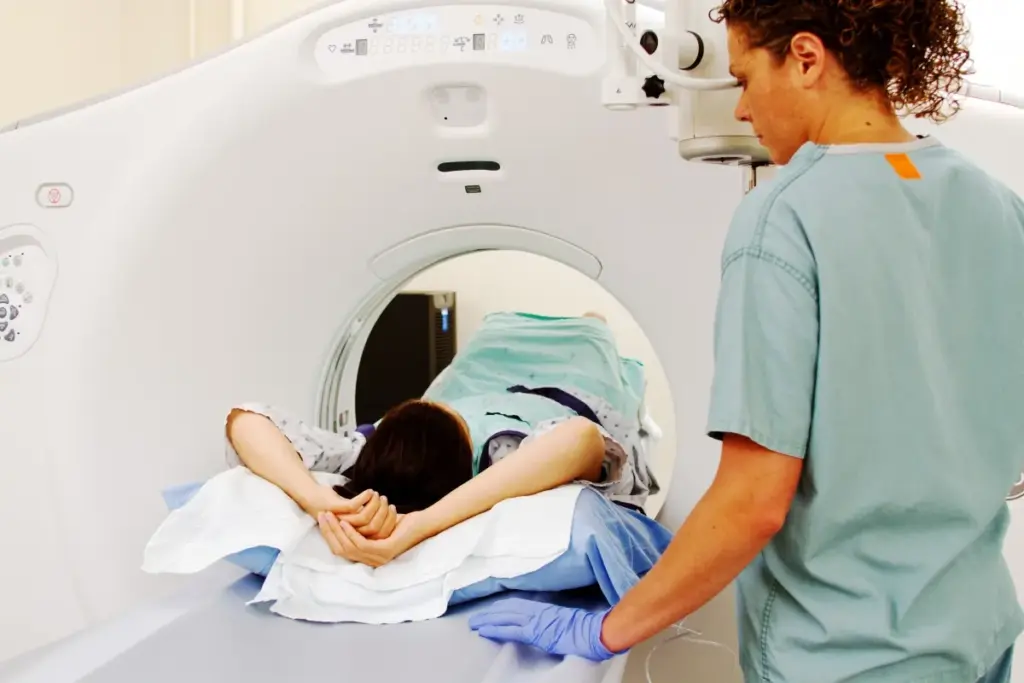
Minimally invasive treatments are gaining popularity thanks to interventional radiology. This field has changed healthcare by making procedures less invasive. This leads to quicker recovery times and fewer complications.
Definition and Scope of Minimally Invasive Procedures
Interventional radiology uses imaging to guide small procedures. These small cuts or punctures cause less damage and heal faster. IR treats many medical conditions, making it a wide-ranging field.
Market Growth and Projected Expansion
The interventional radiology market is experiencing rapid growth, driven by advancements in technology and increased patient demand. Market forecasts say it will hit USD 49.4 billion by 2035. This shows IR’s growing role in healthcare.
|
Year |
Market Size (USD Billion) |
Growth Rate (%) |
|---|---|---|
|
2023 |
20.0 |
10.0 |
|
2030 |
35.0 |
12.0 |
|
2035 |
49.4 |
15.0 |
Patient Preference Statistics for IR Procedures
More patients choose IR because it’s less invasive. It also means quicker recovery and fewer risks. A study found over 70% of patients prefer IR for these reasons.
IR is key in modern healthcare and will keep improving. As it grows, we’ll see better treatments and happier patients.
Benefits of Minimally Invasive IR Techniques
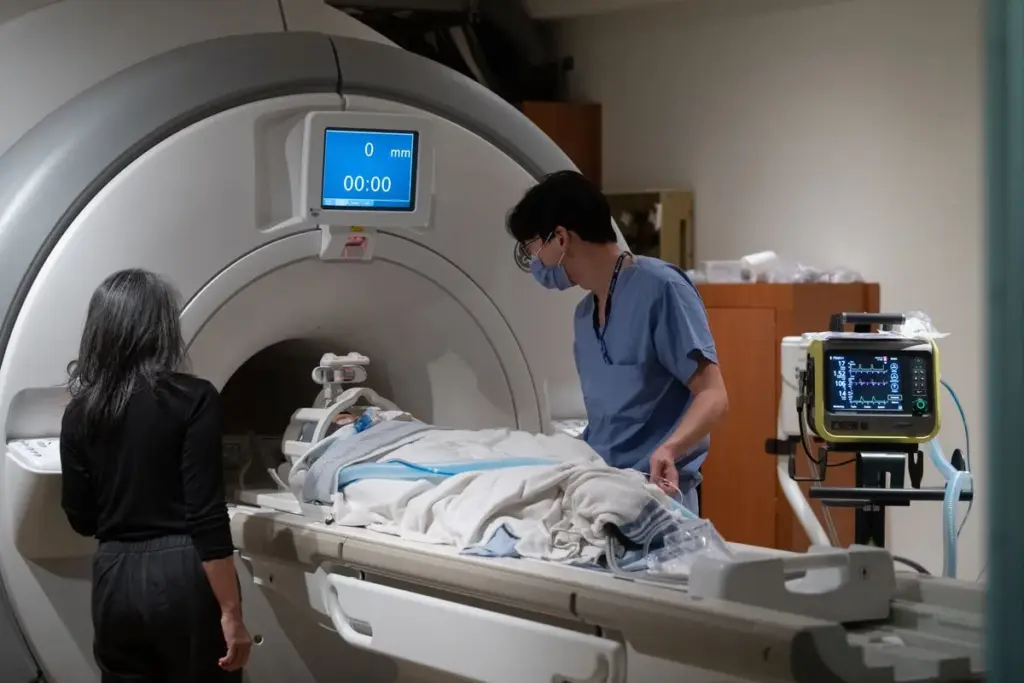
Minimally invasive IR techniques bring many benefits. They reduce hospital stays, lower infection rates, and save money. Understanding these benefits is key to better patient care and healthcare systems.
35-50% Shorter Hospital Stays Compared to Conventional Surgery
IR procedures are a big plus because they cut down hospital stays. Patients often spend 35-50% less time in the hospital than those who have traditional surgery. This makes patients happier and lowers the chance of getting sick in the hospital.
40% Reduction in Post-Procedural Infections
IR procedures also lead to fewer infections after treatment. Because they are less invasive, they cause less damage and result in a 40% drop in infection rates. This is why more people are choosing IR over traditional surgery.
Economic Impact on Healthcare Systems
IR techniques save a lot of money for healthcare systems. They reduce the time patients spend in the hospital and the need for follow-up care. Here’s a closer look at the cost savings:
|
Aspect |
Conventional Surgery |
IR Procedures |
|---|---|---|
|
Average Hospital Stay |
7-10 days |
3-5 days |
|
Infection Rate |
10-15% |
6-9% |
|
Cost per Procedure |
$15,000 – $20,000 |
$8,000 – $12,000 |
The table shows IR procedures are more affordable and have fewer complications. This makes them a great choice for patients and healthcare providers alike.
Common Interventional Radiology Procedures
Interventional Radiology (IR) has changed how we diagnose and treat diseases. These methods are less invasive than surgery and offer many benefits. Let’s look at some common IR procedures and why they’re important.
Central Venous Access
Central venous access is a key IR procedure, making up about 40% of IR work in Europe. It involves putting a catheter into a big vein. This helps with treatments like chemotherapy, dialysis, or antibiotics for a long time. It’s vital for patients needing ongoing medical treatment, as it’s safe and reliable.
Studies show central venous access is a big part of healthcare today. It helps patients and lowers the risk of problems from repeated vein access. backs up its safety and success.
Embolization and Vascular Interventions
Embolization and vascular interventions are key in IR. Embolization blocks blood flow to certain areas, like tumors or aneurysms. Vascular interventions, like angioplasty and stenting, open up blocked or narrowed vessels. This improves blood flow and lowers the risk of problems.
- Embolization treats conditions like uterine fibroids and some cancers.
- Vascular interventions, like angioplasty, fix blocked areas.
Drainage and Stenting Procedures
Drainage and stenting help remove blockages and improve drainage in the body. They’re used for issues like bile duct or urinary tract blockages. This makes patients more comfortable and lowers the risk of complications.
Stenting uses a small tube to keep a passage open. This ensures proper drainage and blood flow. These procedures are guided by imaging, making them precise and safe.
In summary, IR procedures like central venous access, embolization, vascular interventions, drainage, and stenting have changed healthcare. They’re less invasive and improve patient care. As IR keeps growing, we’ll see even more progress in these areas.
Essential Post-Procedure Care Protocols
After Interventional Radiology procedures, care is key for recovery and avoiding problems. Effective care involves closely monitoring patients, promptly addressing any issues, and facilitating a smooth recovery process.
Vital Sign Monitoring Standards
Watching vital signs is very important after procedures. We keep an eye on blood pressure, heart rate, oxygen levels, and temperature. This helps us catch any problems early.
- Continuous monitoring for at least 2 hours after the procedure or as needed.
- Regular assessment of how the brain is working, after procedures with sedation or anesthesia.
- Frequent checks for bleeding or swelling at the procedure site.
Insertion Site Assessment and Management
It’s vital to take good care of where the procedure was done. This helps avoid infections and helps the area heal. We have a set way of checking and caring for the site.
- Look for signs of infection, bleeding, or swelling at the site.
- Use the right dressings to keep it clean and dry.
- Teach patients how to care for the site and watch for any problems.
Initial Recovery Room Protocols
The first part of recovery is very important for getting better. Our rules help make sure patients are safe and comfortable as they move from the procedure to recovery.
- Close monitoring of vital signs and brain function.
- Pain management that fits each patient’s needs.
- Hydration and comfort measures to help patients feel better and recover faster.
Following these key care steps helps improve patient results, lowers the chance of problems, and makes care better after Interventional Radiology procedures.
Comprehensive Pain Management Strategies
Effective pain management is key after IR procedures. It makes patients more comfortable and helps them recover faster. It also lowers the chance of complications.
Pharmacological Approaches for Different IR Procedures
Medicine is a big part of managing pain after procedures. The right medicine depends on the procedure, how much pain is expected, and the patient’s health history. For example, nonsteroidal anti-inflammatory drugs (NSAIDs) work for mild to moderate pain. But opioids are used for more severe pain because of their risk of addiction.
We adjust the medicine based on each patient’s needs. For example, patients getting embolization might need different pain medicines than those getting drainage.
|
IR Procedure |
Common Pharmacological Approach |
Notes |
|---|---|---|
|
Embolization |
Opioids, NSAIDs |
May require stronger pain management initially |
|
Drainage |
NSAIDs, Local Anesthetics |
Often managed with less intensive pain relief |
|
Vascular Access |
Local Anesthetics, Mild Opioids |
Focus on minimizing discomfort at access site |
Non-Pharmacological Pain Control Methods
There are also non-medical ways to manage pain. Techniques like breathing exercises, guided imagery, and physical therapy are very helpful. They not only reduce pain but also help patients feel more in control of their recovery.
We suggest trying these methods as part of a complete pain management plan. For example, using cold compresses or transcutaneous electrical nerve stimulation (TENS) units can help too.
Procedure-Specific Discomfort Management
Each IR procedure causes different kinds of pain. Knowing this is important for managing pain well. For example, vascular procedures might cause pain at the access site, while ablation procedures might cause pain in the treated area.
We create pain management plans that fit each procedure. This way, patients get the best care for their specific needs, making their recovery better.
Wound Care and Infection Prevention
Wound care is key to preventing infections after procedures. As we improve in interventional radiology, effective wound management is vital. It’s a main part of taking care of patients after procedures.
Evidence-Based Dressing Protocols
We use evidence-based dressing protocols to lower infection risk. These protocols include sterile dressings that help wounds heal. Regular assessment of the wound is important for catching any problems early.
The type of dressing we choose is also important. We pick dressings that breathe, absorb, and are gentle on the skin. This makes patients more comfortable and helps their wounds heal better.
Reducing the 40% Lower Infection Risk Further
Our goal is to cut down on post-procedure infections even more. By sticking to strict hygiene protocols and using advanced wound care, we can lower the infection risk even more. This is thanks to the benefits of minimally invasive procedures.
- Utilizing antimicrobial dressings
- Ensuring proper wound cleansing techniques
- Monitoring for signs of infection
Managing Common Site Reactions and Complications
Even with the best care, some patients might have site reactions or complications. We focus on proactive management of these issues. We use medicine and other methods to reduce discomfort and help wounds heal.
Common site reactions include redness, swelling, and mild pain. If complications like infection or bleeding happen, we have plans for quick action.
Activity Restrictions and Recovery Timeline
Knowing the recovery timeline is key for patients after IR procedures. It helps them recover smoothly and safely. Following activity restrictions is important to avoid problems and help the body heal.
Procedure-Specific Limitations and Guidelines
Each IR procedure has its own recovery needs. For example, vascular interventions might mean no heavy lifting for weeks. Drainage procedures might have shorter activity limits. We give procedure-specific guidelines to meet each patient’s recovery needs.
- For central venous access procedures, avoid heavy lifting and bending for at least 48 hours.
- After embolization, patients are often advised to limit strenuous activities for 1-2 weeks.
- Drainage and stenting procedures may require a shorter recovery period, but patients should follow specific activity restrictions.
Progressive Return to Normal Activities
A progressive return to normal activities is recommended. It helps avoid overexertion and complications. We suggest starting with light activities and gradually increasing them as the body heals.
Safe Exercise Resumption Protocols
Starting exercise after an IR procedure should be careful. We advise a safe exercise resumption protocol. Begin with low-intensity activities like walking, avoid high-impact exercises, and increase intensity as recovery allows. Always listen to your body and stop if you feel pain or discomfort.
By following these guidelines and understanding the recovery timeline, patients can ensure a safe and effective recovery from their IR procedure.
Nutrition and Hydration for Optimal Recovery
Nutrition and hydration are key to healing after Interventional Radiology treatments. They help repair tissues, fight off infections, and keep energy levels up.
Fluid Intake Requirements After Different Procedures
Drinking enough water is critical for those recovering from IR treatments. The amount needed can change based on the procedure.
- Most IR procedures suggest drinking 8-10 glasses of water daily.
- Those with contrast agents might need more water to clear it out.
- People with heart failure might have to drink less water.
Table: Recommended Fluid Intake After Common IR Procedures
|
Procedure |
Recommended Fluid Intake |
|---|---|
|
Angiography |
10-12 glasses/day |
|
Embolization |
8-10 glasses/day |
|
Biopsy |
8 glasses/day |
Dietary Recommendations to Support Healing
Eating a balanced diet is essential for recovery. We suggest a diet full of:
- Protein to help fix tissues.
- Fruits and veggies for vitamins and minerals.
- Whole grains for fiber and energy.
Managing Procedure-Related Dietary Restrictions
Some IR procedures require special diets. For example:
- Those with GI tract procedures might start with a liquid diet.
- People with allergies or sensitivities should avoid certain foods.
By focusing on good nutrition and hydration, patients can improve their recovery after IR procedures.
Recognizing and Addressing Post-Procedure Complications
Interventional radiology (IR) procedures are usually safe. But, it’s key to know about possible complications for good care. IR has changed medicine by giving new, less invasive ways to treat diseases. Yet, like any treatment, it comes with risks.
Common Complications After IR Interventions
After IR procedures, complications can differ based on the procedure, patient health, and more. Common issues include bleeding, infection, and damage to blood vessels. We’ll talk about these problems and how to handle them.
- Bleeding: This can be from small bruises to serious bleeding.
- Infection: Though rare, infections can happen at the procedure site or inside the body.
- Vascular injury: Damage to blood vessels is a risk. It needs quick action to avoid more problems.
Warning Signs Requiring Immediate Medical Attention
It’s important for patients and caregivers to know the signs of trouble. Look out for severe pain, swelling, redness, or discharge at the site, and systemic symptoms like fever or chills. Spotting these signs early can make a big difference.
Some signs that mean you need to get help right away include:
- Severe or getting worse pain
- Swelling or a big bruise at the site
- Redness or signs of infection
- Fever or chills
- Numbness or weakness in the affected limb
Emergency Response Protocols for Patients and Caregivers
Having a plan for emergencies is key to handling complications well. Patients and caregivers should know how to act in an emergency. This includes who to call and when to get medical help fast.
Important parts of an emergency plan include:
- Contact info for the healthcare provider or IR team
- When to go to the emergency room
- A list of medicines and how much to take
- Any special care instructions after the procedure
By knowing about possible problems, spotting warning signs, and having a plan for emergencies, patients and caregivers can work with doctors for the best results after IR procedures.
The Challenge of 24/7 IR Coverage and Patient Care
Keeping IR services available 24/7 is a big challenge. It’s important to make sure patients get the care they need right away after their procedures. This requires a detailed plan.
Current Statistics: Fewer Than 70% of Hospitals Providing Continuous Access
Studies reveal that less than 70% of hospitals offer IR services around the clock. This shows a big gap in care for many patients after IR procedures.
- Less than 70% of hospitals offer 24/7 IR coverage.
- Approximately 30% of patients experience delays in post-procedure care.
- Hospital size and location significantly impact the availability of IR services.
Impact of Physician Shortages on Post-Procedure Care
The lack of interventional radiologists makes it hard to keep IR services running 24/7. With fewer doctors, hospitals find it tough to staff up, mainly during off-hours.
Key consequences include:
- Delayed responses to post-procedure complications.
- Increased workload for existing IR staff.
- Potential for decreased quality of care due to fatigue and stress.
Solutions for Improving Access to IR Services
Healthcare providers are looking at new ways to solve the 24/7 IR coverage problem. Some ideas include:
- Using telemedicine to extend IR services.
- Training non-IR specialists in basic post-procedure care.
- Creating emergency protocols.
By trying these approaches, hospitals can better care for patients, even with limited resources.
‘s Approach to Post-Procedure Care
At , we’re all about top-notch post-procedure care. We aim to make patient recovery better than ever. Our plan is tailored for each patient, focusing on their unique needs after interventional radiology procedures.
Excellence in Outcomes and Care
Our mission of excellence means we stick to the latest care standards. We keep our methods fresh with new research and guidelines. This helps us give the best care possible.
We use evidence-based practices to lower risks and improve patient experiences. Our team works hard to go beyond what patients expect. We want to make sure they get the best care.
Advancing Patient Experience
We’re all about making patient experiences better. We create a caring and supportive space for our patients. We focus on their physical and emotional needs.
- Personalized care plans tailored to individual patient needs
- Continuous monitoring and support throughout the recovery process
- Clear communication and education on post-procedure care
Multidisciplinary Quality Improvement Initiatives
We’re dedicated to the best care through multidisciplinary quality improvement initiatives. Our team works together to find and fix areas for better care.
Our efforts include checking patient results, listening to feedback, and training our staff. This teamwork helps us keep improving our care and get better results for our patients.
Patient Education and Self-Management After Discharge
Patient education is key to a smooth recovery after leaving interventional radiology services. We believe that giving patients the right knowledge and skills is essential for managing their care at home.
Comprehensive Discharge Instructions Development
Creating detailed discharge instructions is vital for post-procedure care at home. These should include information on wound care, managing medications, and recognizing complications.
We make sure our instructions are easy to understand, avoiding complex terms. Our healthcare team works closely with patients to ensure they grasp their instructions and can ask questions.
Key Components of Discharge Instructions:
- Procedure-specific care guidelines
- Medication schedules and possible side effects
- Details of follow-up appointments
- Contact info for emergencies
Self-Monitoring Techniques for Common IR Procedures
Self-monitoring is critical for post-procedure care. It helps patients spot issues early and get help quickly. We teach patients specific self-monitoring techniques for their procedures.
For vascular interventions, patients learn to check their pulse and blood pressure. Those with drainage procedures are shown how to monitor their output and watch for infection signs.
|
Procedure |
Self-Monitoring Technique |
Key Indicators to Watch |
|---|---|---|
|
Vascular Interventions |
Pulse and blood pressure monitoring |
Changes in pulse rate or blood pressure |
|
Drainage Procedures |
Drainage output monitoring |
Output volume, color, and consistency |
|
Biopsy Procedures |
Wound site monitoring |
Signs of infection, bleeding, or swelling |
When and How to Seek Medical Assistance
Knowing when to seek medical help is essential for safety after discharge. We give clear guidelines on warning signs that need immediate attention.
“If you experience severe pain, difficulty breathing, or signs of infection such as fever or chills, seek immediate medical attention,” advises our clinical team.
We also provide contact info for our 24/7 support line. This ensures patients can get help whenever needed.
Conclusion: Advancing the Future of Post-Procedure Care in Interventional Radiology
Looking back, we see how important post-procedure care is in interventional radiology. This guide has covered the growth of IR, its benefits, and key care steps. We’ve also talked about common procedures and how to care for patients after them.
Improving post-procedure care is key to better patient experiences and results. By using new technology, making care better, and focusing on patients, we can make IR care even better. Our goal is to give top-notch healthcare with full support. We think making post-procedure care better will be key to IR’s future.
The future of IR care looks bright. We’re excited for new tech and care methods that will make patient care even better. The field is growing, and we’re looking forward to more ways to help patients.
FAQ
What is the typical recovery time after an interventional radiology procedure?
Recovery times vary by procedure. Most people can get back to normal in a few days to a week. We give specific guidelines for each procedure to help you know when you can start feeling better.
How do I manage pain after an IR procedure?
We use both medicine and other methods to control pain. You’ll get advice on the best way to manage pain for your procedure. We also provide medication as needed.
What are the signs of infection after an IR procedure?
Look out for redness, swelling, more pain, or discharge at the site. Also, watch for fever or chills. We teach you how to spot these signs and when to get help.
Can I shower or bathe after an IR procedure?
Usually, you can shower or bathe 24-48 hours after. But, it depends on your procedure. We guide you on how to care for your wound and bathe safely to avoid infection.
What are the activity restrictions after an IR procedure?
Activity limits vary by procedure. Most people should avoid heavy lifting, bending, or hard work for a few days to a week. We tell you which activities are safe and when you can start exercising again.
How do I care for the insertion site after an IR procedure?
We teach you how to keep the site clean and dry. This helps prevent infection. Always watch for signs of infection or complications.
What should I eat after an IR procedure?
Eating a balanced diet helps you heal. We might suggest certain foods or avoid others based on your procedure and needs.
How much fluid should I drink after an IR procedure?
Drinking enough water is key for recovery. We usually tell patients to drink lots of water. But, your needs might vary based on your procedure and health.
When should I seek medical attention after an IR procedure?
Get help right away if you have severe pain, trouble breathing, a lot of bleeding, or signs of infection. We give you detailed instructions and emergency contact info.
How do I manage bruising or swelling after an IR procedure?
Bruising and swelling are common. Using ice packs and elevating the area can help. We guide you on how to handle these symptoms and when to see a doctor.
References
Interventional Radiology Procedures: Elite Care
https://pubmed.ncbi.nlm.nih.gov/28078378/