At , we know that going through a medical procedure can be scary. It’s important to understand what to expect during recovery, which is key for those thinking aboutinterventional radiology (IR) treatments. We aim to offer top-notch healthcare and support to patients from around the world.
IR treatments are known for being less invasive. This means they often lead to faster recovery times and less pain compared to open surgery. Most IR procedures are done under local anesthesia or light sedation. This makes it possible for patients to get back to their daily lives in just a few days.
We know how vital a smooth recovery is. Our team works hard to give you the care and support you need for a comfortable and safe healing process. Thanks to new medical technologies, recovery after IR procedures is now quicker, safer, and more comfortable than before.
Key Takeaways
- IR treatments are minimally invasive, resulting in faster recovery times.
- Most patients return to normal activities within a few days.
- Local anesthesia or moderate sedation is typically used, allowing for faster recovery.
- Our team provides extensive care and support for a comfortable recovery.
- Recovery after IR procedures is now shorter, safer, and more comfortable due to technological advancements.
The Fundamentals of Interventional Radiology
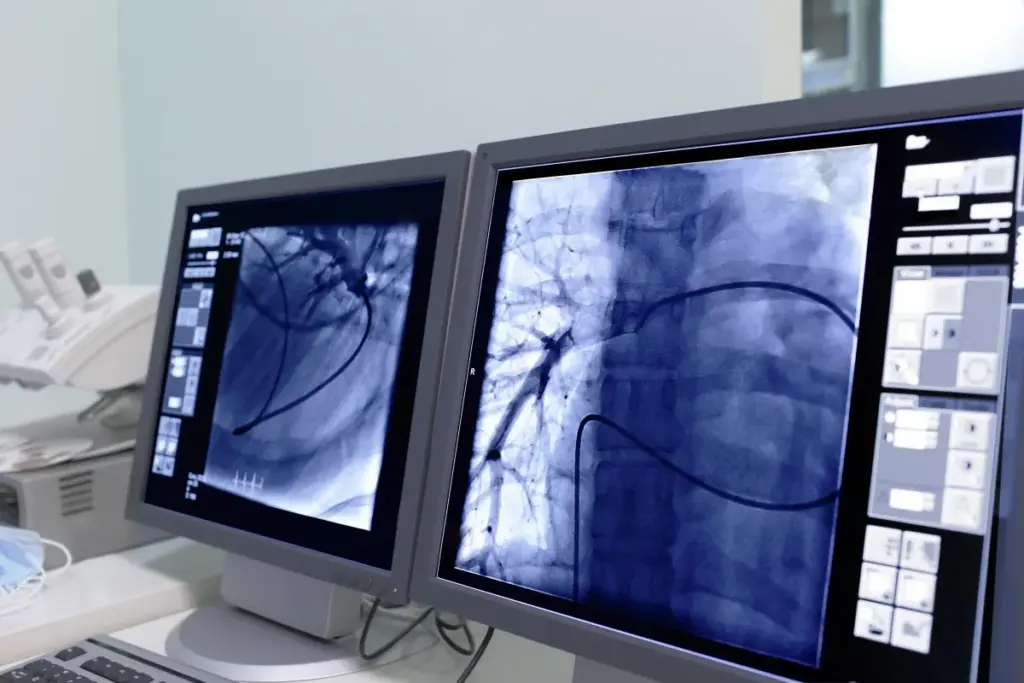
Interventional radiology is a medical field that uses advanced technologyfor both diagnosis and treatment. At , we use the latest in IR to provide top-notch healthcare. We also offer full support to our patients from around the world.
Definition and Purpose of IR
Interventional radiology (IR) is about minimally invasive procedures. These can often replace surgery. Doctors use imaging like x-ray, CT, and ultrasound to guide these procedures.
The main goal of IR is to treat patients with precision and care. This approach reduces trauma to the patient. It also shortens recovery time and lowers the risk of complications.
Common Applications in Modern Medicine
IR is used in many ways in today’s medicine. It includes vascular procedures, oncologic interventions, and non-surgical treatments for many conditions. Using imaging to guide these procedures helps us make accurate diagnoses and treatments.
IR offers many benefits. It causes less tissue damage, heals faster, and has fewer complications than surgery. This makes IR a key part of modern healthcare. It provides patients with safer and more effective treatment options.
Overview of Interventional Radiology Procedures
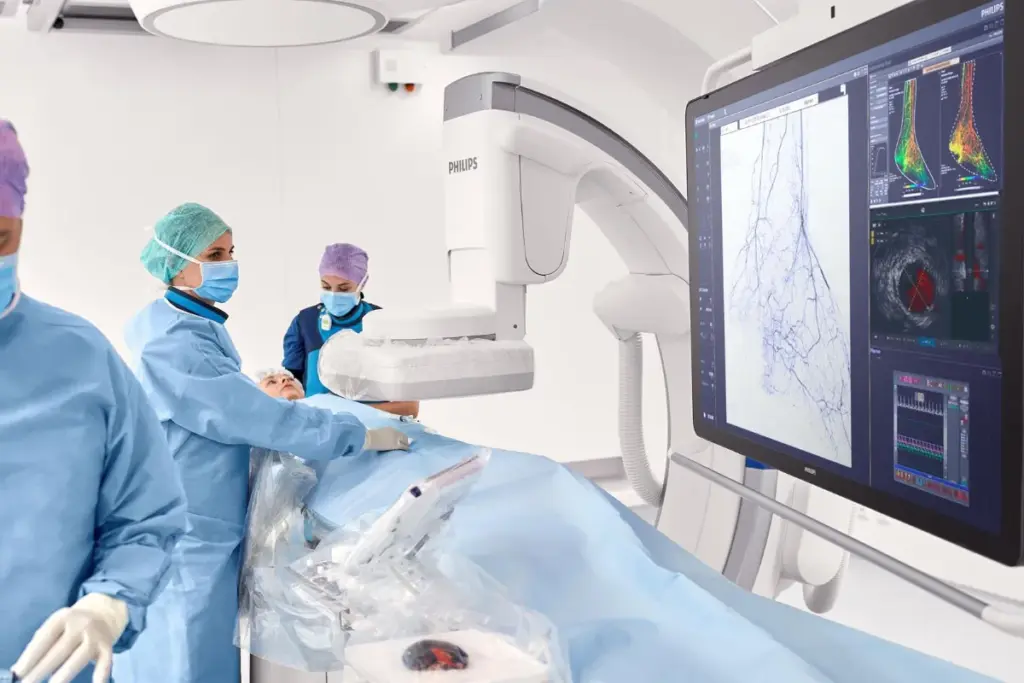
Interventional radiology has changed how we care for patients. It uses the latest imaging tech for precise, small treatments. At , we use these methods to treat many health issues.
These procedures are designed to be small and cause less harm. They use imaging to guide them, making them safer and more effective.
Types of Minimally Invasive Techniques
We do many interventional radiology procedures. These include treatments for blood vessels, cancer, and other conditions. The benefits include:
- Shorter hospital stays: IR procedures can cut hospital time by 30–50% compared to surgery.
- Less damage: IR uses small needles or catheters, causing less harm.
- Quicker recovery: With less damage, patients heal faster.
Our team focuses on personalized care and the best results for our patients. Image-guided treatments help us target problems directly. This reduces risks and improves recovery.
How Image-Guided Procedures Work
Image-guided procedures are key in interventional radiology. They let our doctors do complex treatments with great accuracy. We use X-ray, ultrasound, and MRI to guide these procedures.
|
Imaging Technology |
Application in IR |
Benefits |
|---|---|---|
|
X-ray |
Guiding catheters and stents |
Real-time visualization |
|
Ultrasound |
Guiding needle placements |
Non-invasive and safe |
|
MRI |
Soft tissue interventions |
High-resolution imaging |
By combining advanced imaging with skilled doctors, we offer the best and least invasive treatments.
Comparing IR Recovery to Traditional Surgery
Interventional radiology (IR) procedures offer a big advantage in recovery compared to traditional surgery. At our institution, we’ve seen the benefits of IR firsthand.
IR recovery has many advantages, mainly because these procedures are minimally invasive. This means less tissue damage, faster healing, and fewer complications.
Reduced Tissue Trauma and Healing Time
IR reduces tissue trauma significantly. Unlike traditional surgery, IR doesn’t need big cuts or disrupt much tissue. This leads to faster healing times and quicker returns to normal life for patients.
30-50% Shorter Hospital Stays
Studies show IR procedures can cut hospital stays by 30–50% compared to traditional surgery. This is because IR is less invasive, causing less pain and fewer complications. At our institution, we have early discharge protocols to boost patient satisfaction and cut costs.
Significantly Lower Complication Rates
IR procedures have significantly lower complication rates than traditional surgery. For example, infection rates are under 1.5%. IR’s precision targets treatment areas accurately, reducing damage to surrounding tissues and lowering complication risks. Our team strives for the highest care standards, ensuring our patients get the best results.
Choosing IR procedures means faster recovery and fewer complications. We keep using the latest IR advancements to improve patient care and outcomes.
Immediate Post-Procedure Experience
After an IR procedure, our medical team watches over patients closely. This is key to making sure they recover well and safely.
Recovery Room Monitoring
Patients stay in a recovery area for a few hours after the procedure. Our team checks their vital signs and the procedure site. They also help manage any pain or discomfort.
Key aspects of recovery room monitoring include:
- Vital sign checks
- Procedure site monitoring
- Pain and discomfort management
First 24 Hours After Procedure
The first 24 hours are very important for recovery. Patients get instructions on how to care for their wound and manage pain. Our team is ready to help with any questions or concerns.
To ensure a smooth recovery, patients are advised to:
- Follow the provided post-procedure instructions carefully
- Monitor the procedure site for any signs of complications
- Manage pain effectively using the prescribed medication
By following these guidelines and staying in touch with our team, patients can avoid complications. This helps them recover well after their IR procedure.
Pain Management Following IR Procedures
Pain management is key to patient comfort and recovery after IR procedures. At our institution, we focus on personalized care for each patient’s unique needs.
Expected Discomfort Levels
After IR procedures, patients typically experience mild to moderate discomfort, which can include bruising or swelling at the catheter site. “Mild discomfort, bruising, or swelling at the catheter insertion site is common following IR procedures,” clinical data shows.
We educate our patients about expected discomfort levels to better prepare them for recovery and guide them on effective pain management strategies.
Medication and Non-Pharmacological Approaches
Pain from IR procedures is usually mild to moderate. It can be managed with over-the-counter pain relievers or prescribed meds. We create personalized pain management plans for our patients.
Non-pharmacological methods like rest, ice, and elevating the affected limb also help. We listen to our patients’ preferences and concerns about pain management.
A renowned expert once said,
“Effective pain management is not just about alleviating suffering; it’s about improving the overall recovery experience for patients.”
We follow this belief by providing tailored pain management options for each patient.
When to Seek Help for Pain
While some discomfort is normal, knowing when to seek help is important. If pain is severe, getting worse, or with other concerning symptoms, contact your healthcare provider. We teach our patients when to seek immediate medical attention.
Understanding pain management after IR procedures helps patients navigate their recovery. Our goal is to support and care for them, ensuring a smooth and comfortable recovery.
Hospital Discharge and Transition Home
The moment of hospital discharge is a key milestone for patients after IR procedures. At this point, patients have finished their treatment and are ready to recover at home. We focus on making the transition smooth and provide the support needed.
Outpatient vs. Inpatient Recovery Paths
Most patients can go home the same day after IR procedures. This depends on the procedure’s complexity and their health. Outpatient recovery is a good option for many, allowing them to heal at home.
In some cases, a short hospital stay is needed for monitoring. Our team decides the best recovery path for each patient.
Discharge Instructions and Education
When patients leave, we give them detailed discharge instructions. These cover important care topics like wound care and pain management. We also teach them about follow-up appointments and signs of complications.
Our aim is to give patients the knowledge and confidence to manage their recovery. We address any questions or concerns, ensuring a smooth transition home.
Timeline for Recovery After IR
Knowing how long it takes to recover from interventional radiology (IR) procedures is key. It helps patients plan their recovery and get back to their daily lives. At , we focus on personalized care and clear communication to help patients through their recovery.
First Week Milestones
The first week after an IR procedure is very important. Most patients can start with light activities in 24-48 hours. It’s vital to follow the doctor’s instructions closely to recover well. During this time, some patients might feel tired, sore, or have bruises at the treatment site. These symptoms usually go away in a few days.
Key milestones during the first week include:
- Monitoring the procedure site for signs of infection or complications
- Gradually increasing activity levels as advised by healthcare providers
- Attending follow-up appointments to assess the recovery progress
Weeks 2-4 Progress
By weeks 2-4, patients usually see big improvements. Most can go back to their usual activities, like work, by then. This depends on the type of job and the procedure done.
During weeks 2-4, patients should focus on:
- Continuing to follow the recovery plan outlined by their healthcare team
- Reporting any unusual symptoms or concerns to their providers
- Gradually resuming more strenuous activities as cleared by their healthcare providers
Long-term Recovery Expectations
The outlook for long-term recovery after IR procedures is usually good. Most patients see big benefits from their treatment. It might take a few weeks to a few months to see the full effects.
Long-term, patients can expect:
- Continued improvement in their condition
- Potential need for ongoing monitoring or additional treatments as determined by their healthcare team
- A return to their normal quality of life, with the possibility of improved health outcomes
At , we’re dedicated to supporting our patients through their recovery. We provide detailed care and guidance to help them achieve the best results.
Activity Restrictions and Return to Normal Life
Understanding activity restrictions and when you can return to normal life is key after interventional radiology (IR) procedures. We’ll guide you through the recovery process.
At , we stress the importance of following specific guidelines for a smooth and safe recovery. Patients are usually told to avoid strenuous activities, heavy lifting, and prolonged standing for a few days after an IR procedure.
Physical Limitations by Procedure Type
The extent of physical limitations after an IR procedure varies by procedure type. For example, patients who undergo vascular interventions may need to avoid heavy lifting for a longer period than those who have had a biopsy.
It’s vital to follow the specific instructions from your healthcare team. They will be tailored to your individual needs and the nature of your procedure.
Gradual Return to Daily Activities
We advise patients to gradually return to their daily activities. This promotes circulation and prevents complications. A gradual return helps in healing and reduces the risk of post-procedure complications.
Starting with light activities like walking can improve circulation and overall recovery. As you progress, you can gradually increase the intensity and duration of your activities.
Work and Exercise Considerations
Returning to work and resuming exercise routines should be done cautiously. We provide personalized guidance to ensure patients receive the necessary care and support during their recovery.
For most patients, it’s recommended to avoid strenuous exercise and heavy lifting for at least a few days to a week after the procedure. The exact timeframe can vary based on the specific IR procedure and individual patient factors.
Managing Recovery at Home
Coming home after interventional radiology treatment means you need to know how to recover well. At , we stress the importance of good care and watching your health closely. Taking care of yourself at home can greatly improve your recovery, making it more comfortable and safe.
Wound Care and Site Management
It’s key to take care of your wound to avoid infection and help it heal. We tell our patients to keep the bandage dry and follow the doctor’s advice for changing dressings. If you notice redness, swelling, more pain, or discharge, tell your doctor right away.
To take care of your wound well:
- Follow the exact instructions for changing dressings given by your healthcare team.
- Watch the wound site for any unusual changes or signs of infection.
- Keep the wound dry until your healthcare provider tells you it’s okay to get it wet.
Self-Monitoring Techniques
Watching your own health is a big part of recovering at home. We encourage patients to track their temperature, pain, and any changes in their health. Keeping a log can help spot problems early, so you can get help fast.
Important self-monitoring steps include:
- Check your temperature as often as your healthcare provider tells you to.
- Check your pain levels and take your medicine as directed.
- Watch the wound site for any signs of trouble.
Support Systems and Resources
A strong support system can really help with your recovery. At , we offer a lot of support, like educational materials, counseling, and 24/7 helplines.
Support systems can include:
- Family and friends who can help with daily tasks and offer emotional support.
- Professional caregivers who can give specialized care and advice.
- Online resources and support groups for more information and connection.
By taking good care of your wound, monitoring yourself, and using support systems, you can feel confident in your recovery. Our team at is here to help you have a smooth and successful recovery.
Potential Complications and Their Management
IR procedures are safe and effective, but knowing about possible risks is key for good care. At , we stress the need to be aware of these risks. This ensures we can manage them quickly and well.
Minor Complications
Minor issues after IR procedures are common but usually don’t cause big problems. These might include bruising, swelling, or small bleeding where the procedure was done. Infection rates are very low, usually under 1.5%, because of strict infection control and the procedure’s minimally invasive nature.
Serious Complications and Warning Signs
Though rare, serious problems can happen. These might include major bleeding, serious infection, or damage to nearby areas. It’s important for patients to know the signs of serious issues, like severe pain, big swelling, fever, or trouble stopping bleeding.
Spotting these signs early and getting help right away is critical. Our team at teaches patients about these signs when they leave. This helps them manage their recovery well.
Emergency Response Protocol
If a serious problem does occur, having a plan for emergencies is vital. At , we have a team and steps ready to act fast and right in emergencies. This includes quick assessment, the right action, and follow-up care to handle the issue and prevent more problems.
We’re dedicated to keeping our patients safe and cared for, not just during the procedure but through the whole recovery. By knowing about possible problems and having strong plans to deal with them, we aim for the best results for our patients having IR procedures.
Recovery Variations by Specific Interventional Radiology Procedures
Interventional radiology procedureshave different recovery times. This depends on the treatment and the patient. At , we know that recovery can change a lot based on the IR procedure.
Vascular Interventions Recovery
Vascular interventions, like angioplasty or embolization, are small and treat blood vessel diseases. Recovery from these is usually fast. Most people can go back to normal in just a few days.
The recovery for vascular interventions includes:
- Watching for bleeding or hematoma at the site
- Using medicine for pain, if needed
- Slowly getting back to physical activities
|
Procedure |
Typical Recovery Time |
Common Post-Procedure Symptoms |
|---|---|---|
|
Angioplasty |
1-3 days |
Bruising, discomfort at the catheter site |
|
Embolization |
2-5 days |
Pain, fever, nausea |
Oncologic Interventions Recovery
Oncologic interventions, like tumor ablation, aim to fight cancer. The recovery for these can be more detailed because of the disease and treatment.
Recovery from oncologic interventions involves:
- Managing pain with various medicines
- Watching for infection or other issues
- Getting follow-up scans to check how well the treatment worked
At , we offer personalized care and advice. We make sure our patients get the help they need to recover well from their IR procedure.
Patient Satisfaction and Quality of Life
At , we know how importantpatient satisfaction is after interventional radiology procedures. We aim to provide top-notch healthcare, shown in our patients’ high satisfaction rates.
Research shows that patients are very happy with interventional radiology. Over 92% like it because it means quicker recovery, less pain, and lower risks. This proves how well interventional radiology works in improving health outcomes.
92% Patient Preference Statistics
Most patients choose interventional radiology because of its benefits. Over 92% prefer it for its quick recovery, less damage, and fewer complications than surgery.
“The minimally invasive nature of interventional radiology procedures has revolutionized the way we approach patient care, making it safer and more efficient than traditional surgery.”
Improved Recovery Experience
Recovery from interventional radiology is usually easier and less disruptive. Patients feel less pain and discomfortand can get back to their routine faster. Our team at works hard to ensure our patients get the best care and support during recovery.
Long-term Outcome Benefits
Interventional radiology offers long-term benefits too. It reduces the risk of complications and helps patients heal faster. This can greatly improve a patient’s quality of life. At , we’re committed to giving our patients the best care to help them achieve the best outcomes.
Choosing interventional radiology means a better life for patients. They face fewer restrictions and less discomfort. Our team is here to help patients through the recovery and ensure they get the best results.
Special Considerations for Different Patient Populations
Every patient is unique, and this is true for recovery after interventional radiology. At , we understand that different people need different care. Our team works hard to create personalized recovery plans for each patient.
Elderly Patients and Recovery Adaptations
Elderly patients often need special recovery plans. This is because they may have less energy and health issues. We consider their kidney function, heart health, and brain function when helping them recover.
Key Considerations for Elderly Patients:
- Close monitoring of vital signs
- Adjustment of medication to avoid adverse interactions
- Early mobilization to prevent complications like deep vein thrombosis
Patients with Chronic Conditions
Patients with long-term health issues need careful management during recovery. We work closely with them to keep their conditions under control. This is key for a smooth recovery.
|
Chronic Condition |
Recovery Consideration |
Management Strategy |
|---|---|---|
|
Diabetes |
Risk of hyperglycemia or hypoglycemia |
Close monitoring of blood glucose levels, adjustment of insulin or oral hypoglycemic agents |
|
Hypertension |
Risk of blood pressure fluctuations |
Regular blood pressure monitoring, adjustment of antihypertensive medication |
Pediatric Recovery Considerations
Pediatric patients need special care after interventional radiology. We make sure our recovery plans fit their age and needs. Our goal is to make them as comfortable as possible.
Key aspects of pediatric care include:
- Age-appropriate pain management
- Family-centered care to reduce anxiety
- Monitoring for signs of distress or complications
The Role of Advanced Technology in Enhancing IR Recovery
Advanced technologyis changing how we care for patients in interventional radiology. At , we use the newest tech to make IR procedures safer and more effective.
AI-Powered Devices and Monitoring
AI devices are making a big difference in interventional radiology. They let our doctors watch patients closely and control procedures better. This means better care and faster recovery times.
Benefits of AI-Powered Devices:
- Enhanced precision during procedures
- Real-time monitoring of patient vital signs
- Data-driven decision making
- Reduced risk of complications
Imaging Advances and Precision
New imaging tech has made IR procedures more precise. High-quality images help doctors diagnose and treat patients better. This means fewer repeat procedures and faster recovery.
|
Imaging Technology |
Benefits |
Impact on Recovery |
|---|---|---|
|
High-Resolution Imaging |
More accurate diagnoses |
Reduced need for repeat procedures |
|
Real-Time Imaging |
Precise targeting of treatment areas |
Enhanced patient outcomes |
|
Advanced Image Processing |
Better visualization of complex anatomy |
Improved procedural success rates |
Future Innovations on the Horizon
The future of interventional radiology looks exciting. We’re expecting more use of augmented reality, better AI, and new materials for better care. We’re committed to leading in these advancements for our patients.
We’re looking forward to even faster recovery times and safer procedures. Our team is eager to try out these new ideas to improve patient care and results.
Multidisciplinary Approach to IR Patient Care
Effective IR patient care starts with a team effort. We use a team-based strategy to give our patients the best care. This approach ensures they get the support they need during their recovery.
Team-Based Recovery Management
Our recovery management is a team effort. It includes interventional radiologists, nurses, and other healthcare experts. This teamwork helps us address each patient’s unique needs.
We work with patients to create a recovery plan that fits them. We consider their medical history, current health, and lifestyle. This way, we can spot and prevent problems early.
Patient-Centered Care Protocols
We focus on patient-centered care. We believe every patient is special and deserves care that fits them. Our goal is to support and care for each patient in a way that feels right for them.
“Patient-centered care is not just a buzzword; it’s a commitment to putting our patients first in every decision we make.”
‘s Integrated Care Model
At , we have a care model that brings together a team of experts. This model ensures our team works well together. It leads to better care and outcomes for our patients.
By combining the skills of interventional radiologists, nurses, and others, we offer full support. This support helps our patients through their recovery journey.
Conclusion: The Transformative Benefits of IR Recovery
Interventional radiology procedures have changed how we treat medical issues. They offer patients quick, less invasive options. This leads to faster healing and a better quality of life. At , we’ve seen the amazing results of IR procedures.
These procedures bring many benefits. Patients often have less pain and recover faster. They also have fewer complications than traditional surgery. This makes IR a great choice for many patients.
We use the latest in IR technology to give our patients top-notch care. We’re always looking to improve medical care with IR. We believe IR will keep changing healthcare for the better, helping patients everywhere.
FAQ
What is an interventional radiology (IR) procedure?
An IR procedure is a minimally invasive way to treat diseases. It uses imaging like x-ray and ultrasound. It’s an alternative to traditional surgery.
What are the benefits of IR procedures compared to traditional surgery?
IR procedures have many benefits. They lead to less pain and quicker recovery. This means you can heal faster and enjoy a better quality of life.
What can I expect immediately after an IR procedure?
Right after, you’ll be watched closely in a recovery area. Our team will check your vital signs and manage any pain. They’ll also give you instructions on how to care for yourself.
How is pain managed after IR procedures?
Managing pain is key. Our team creates a pain plan just for you. This might include medication or other methods to help with discomfort. They’ll also teach you when to ask for help.
What is the typical recovery timeline after IR procedures?
Recovery times vary. But most people can start with light activities in 24-48 hours. You’ll get a plan that outlines your recovery milestones.
Are there any activity restrictions after IR procedures?
Yes, you’ll need to avoid heavy activities and standing for long. This helps your body heal. Our team will guide you on when to start doing more.
How do I manage recovery at home after IR procedures?
We’ll give you specific advice on wound care and how to monitor yourself. We’ll also teach you about signs of complications. This way, you can get help quickly if needed.
What are the possible complications of IR procedures?
IR procedures are usually safe, but complications can happen. Our team will teach you about these risks. They’ll also have a plan for emergencies.
How do IR procedures impact patient satisfaction and quality of life?
IR procedures are very popular. Over 92% of patients prefer them because they recover faster and feel less pain. This improves their quality of life.
Are there special considerations for different patient populations during IR recovery?
Yes, we tailor recovery plans for each patient. We consider age, health, and the condition being treated. This ensures the best results for everyone.
How does advanced technology enhance IR recovery?
New imaging and AI technologies help with faster recovery and better results. Our team keeps up with these advancements to give you the best care.
What is the role of a multidisciplinary approach in IR patient care?
Our team-based care includes radiologists, nurses, and more. We work together to focus on your needs. This integrated model helps us achieve the best outcomes for you.
National Center for Biotechnology Information. Evidence-Based Medical Insight. Retrieved from https://pubmed.ncbi.nlm.nih.gov/33313702/