


Cardiology specialist at Liv Hospital.
View doctor profile →


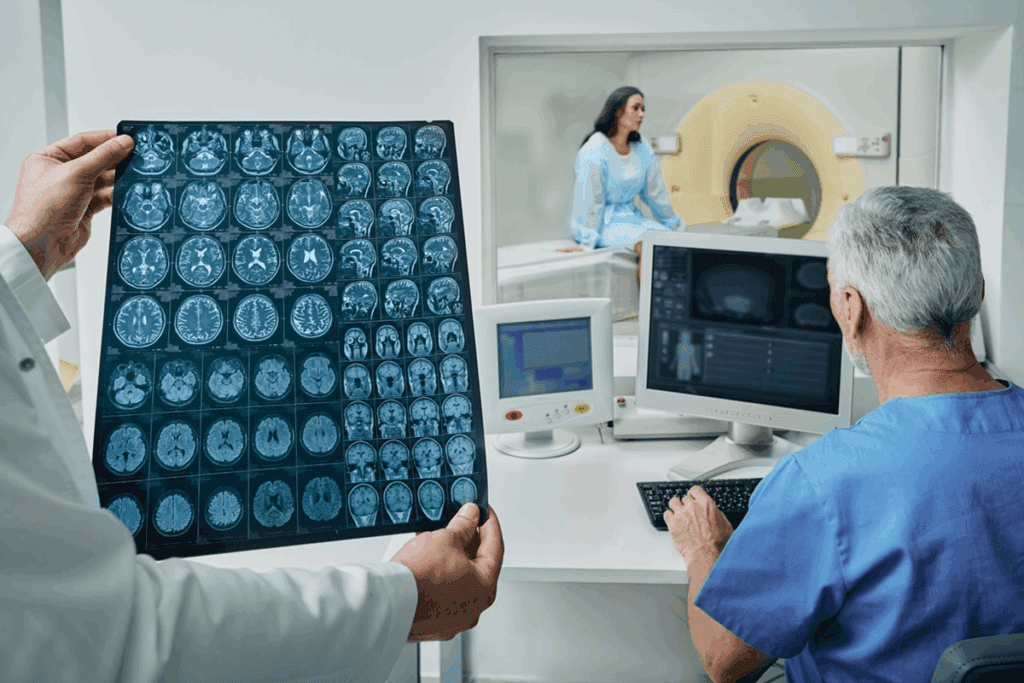
Becoming an interventional radiologist takes a lot of training and hard work. At Liv Hospital, we focus on giving top-notch education and training. This is for the next leaders in the field.
The path to becoming an interventional radiologist has many steps. It starts in medical school and goes through residency and specialized training. The interventional radiology residency length can differ. It’s either six years after graduation or two years after a diagnostic radiology residency.
It’s key to know the different paths and how long training takes. We’ll give you a rundown of the training steps and what you need. This will help you on your way to a career in interventional radiology. Many aspiring doctors often ask about the interventional radiology residency length, which typically includes years of diagnostic radiology training followed by specialized interventional practice to build advanced procedural expertise.
Key Takeaways
- The interventional radiology residency length varies depending on the pathway chosen.
- There are two main pathways: integrated and independent.
- The integrated pathway typically lasts six years post-graduation.
- The independent pathway is two years after a diagnostic radiology residency.
- Comprehensive training and education are key to success in interventional radiology.
The Path to Interventional Radiology: An Overview
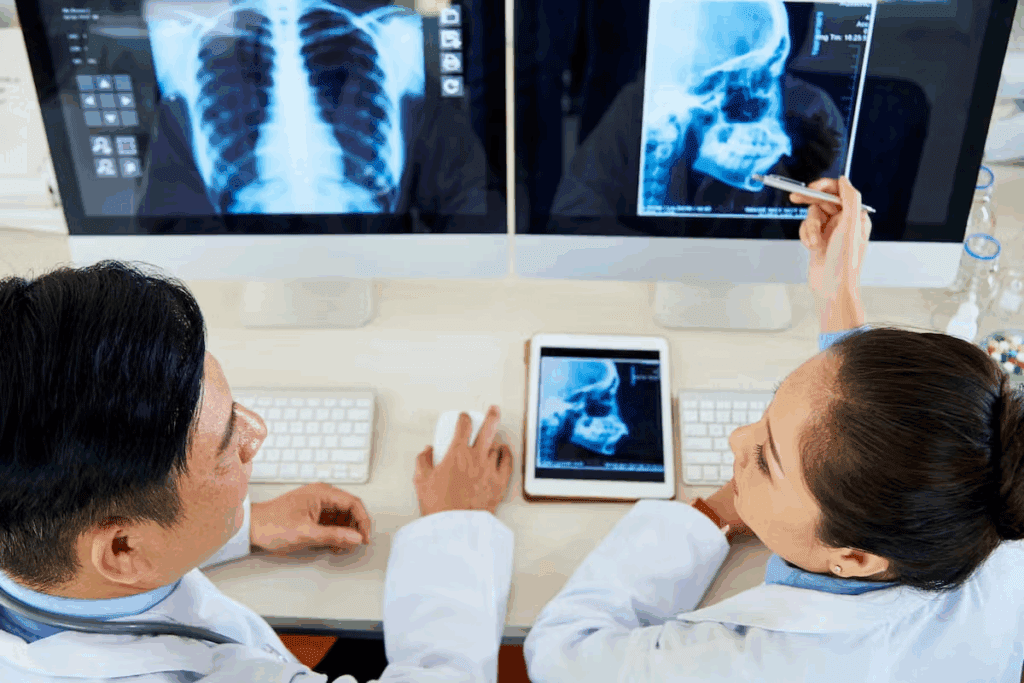
Interventional radiology is a fast-growing field that uses imaging and minimally invasive procedures. It has changed patient care by giving new ways to treat diseases instead of surgery.
What Is Interventional Radiology?
Interventional radiology uses imaging to guide procedures. These are usually small and quick, which means less recovery time and fewer risks.
We use X-rays, ultrasound, CT scans, and MRI to guide tools through the body. This helps us diagnose and treat many diseases accurately.
“Interventional radiology has transformed the way we diagnose and treat vascular diseases, giving patients safer and more effective options.”
Career Outlook and Opportunities
The job outlook for interventional radiologists is good. This is because more people are living longer and getting sick more often. They can work in hospitals, clinics, or private practices.
| Career Opportunities | Description | Growth Prospects |
| Clinical Practice | Direct patient care and procedural work | High demand |
| Research and Development | Advancing IR techniques and technologies | Rapidly expanding |
| Academia and Education | Teaching and mentoring future IR specialists | Steady growth |
As the field grows, radiologists need to keep learning about new tech and methods. This education is key to giving the best care and moving the field forward.
Educational Prerequisites for Aspiring Interventional Radiologists
Starting your journey to become an interventional radiologist requires a solid educational base. You need to be ready for a challenging path that begins well before medical school.
Undergraduate Education Requirements
First, you’ll need a bachelor’s degree with a focus on science. Pre-medical coursework is key, covering biology, chemistry, physics, and math. These subjects help you prepare for the Medical College Admission Test (MCAT) and medical school’s demands.
- Biology: Understanding human anatomy and physiology
- Chemistry: Grasping chemical principles and laboratory practices
- Physics: Applying physical principles to medical contexts
- Mathematics: Developing analytical and problem-solving skills
Medical School Preparation and Application
Medical school requires more than just good grades. It also demands a genuine interest in medicine. Clinical experience through internships or volunteering is highly beneficial. The application process is tough, involving MCAT scores, letters of recommendation, and personal statements.
- Prepare for and take the MCAT
- Gather letters of recommendation from academic or clinical mentors
- Craft a compelling personal statement outlining your motivation for a career in medicine
Important Coursework and Experiences
In medical school, focus on courses and experiences that matter. Radiology electives and research opportunities offer deep insights into the field. They also strengthen your residency application.
- Clinical rotations in radiology or related departments
- Research projects focused on radiology or interventional procedures
- Participation in medical conferences or workshops related to interventional radiology
Medical School Journey for Future IR Specialists
Medical school is key for those aiming to be interventional radiologists. It offers a blend of clinical rotations, electives, and research. These experiences are the building blocks for their careers.
Key Rotations and Electives
Aspiring interventional radiologists need to focus on certain clinical rotations and electives. These hands-on experiences are vital for mastering radiology and related fields. They help lay a strong foundation in both diagnostic and interventional techniques.
Key areas to focus on include:
- Radiology rotations to gain exposure to imaging technologies and diagnostic procedures.
- Surgery and internal medicine rotations to understand the clinical applications of radiology.
- Electives in vascular surgery or cardiology to explore the interventional aspects of radiology.
By participating in these rotations and electives, students gain a broad understanding of the field. This helps them make informed decisions about their future specialization.
Research Opportunities in Radiology
Research during medical school is essential for aspiring interventional radiologists. It deepens their understanding of radiology and encourages innovation and critical thinking.
Research areas of interest may include:
- Developing new imaging techniques or contrast agents.
- Investigating the efficacy of various interventional radiology procedures.
- Exploring the applications of artificial intelligence in radiology.
| Research Area | Potential Impact | Skills Developed |
| Imaging Techniques | Improved diagnostic accuracy | Technical skills, problem-solving |
| Interventional Procedures | Enhanced patient outcomes | Clinical decision-making, procedural skills |
| Artificial Intelligence | Streamlined diagnostic processes | Data analysis, programming |
By joining research projects, medical students gain valuable experience. They contribute to the field’s advancement and boost their residency applications.
Interventional Radiology Residency Length and Training Pathways
Choosing the right residency program is key to becoming an interventional radiologist. You can pick from integrated or independent pathways. Your choice depends on your medical background, career goals, and personal preferences.
Integrated IR Residency (6 Years)
An integrated IR residency lasts six years. It combines training in diagnostic and interventional radiology. This path is for those who know they want to be interventional radiologists.
Key Features of Integrated IR Residency:
- Unified curriculum that includes both diagnostic and interventional radiology
- Six years of continuous training
- Early exposure to interventional radiology techniques and principles
The Society of Interventional Radiology says, “Integrated programs allow for a more seamless transition into IR practice, as residents are exposed to IR techniques and principles throughout their training.”
“Integrated programs allow for a more seamless transition into IR practice.”
Society of Interventional Radiology
Independent IR Residency (2 Years Post-DR)
The independent IR residency is for those who’ve finished a diagnostic radiology (DR) residency. It adds two years of specialized training in interventional radiology.
Key Features of Independent IR Residency:
- Two years of focused interventional radiology training
- Builds upon the foundation established during the diagnostic radiology residency
- Allows for advanced training in IR techniques and patient care
| Residency Pathway | Duration | Description |
| Integrated IR Residency | 6 years | Combined diagnostic and interventional radiology training |
| Independent IR Residency | 2 years (post-DR) | Specialized training in interventional radiology after a Medical Expert |
Both pathways have their benefits. The integrated pathway is best for those sure of their career choice early. The independent pathway offers advanced specialization for those with a diagnostic radiology background.
Clinical Internship Year: Building Your Foundation
The clinical internship year is a key part of training for interventional radiologists. It gives us hands-on experience in patient care. We go through various clinical rotations, exposing us to different parts of medicine.
Required Rotations and Experiences
Our internship year includes rotations in internal medicine, surgery, and emergency medicine. These rotations give us a broad experience. They prepare us to handle many clinical situations.
- Internal Medicine: This rotation teaches us about managing chronic conditions and patient care outside of surgery.
- Surgery: Surgical rotations show us how to care for surgical patients, from before surgery to after.
- Emergency Medicine: Working in emergency medicine teaches us to make fast decisions in stressful situations.
Let’s look at a sample rotation schedule for a typical internship year:
| Rotation | Duration (Months) | Key Skills Developed |
| Internal Medicine | 3 | Chronic disease management, patient assessment |
| Surgery | 3 | Surgical patient care, preoperative and postoperative management |
| Emergency Medicine | 2 | Rapid decision-making, trauma care |
Transitioning from Internship to Residency
After finishing our internship, we started our interventional radiology residency. This transition uses the knowledge and skills we gained. We apply them to the field of interventional radiology.
The residency program uses the broad experience from the internship. It focuses on advanced skills in interventional radiology. We work with experienced radiologists, improving our techniques and learning patient care in this field.
Diagnostic Radiology Training Component
Diagnostic radiology training is key to building skills in interventional radiology. It’s important to see how it shapes skilled interventional radiologists. Let’s dive into the details of interventional radiology residency programs.
Residents learn to read imaging studies and understand radiological anatomy during this training. They also start to make differential diagnoses. This training lays a solid base for future interventional work.
Core Diagnostic Skills Development
Developing core diagnostic skills is a main goal of diagnostic radiology training. Residents learn to read different imaging types like X-rays, CT scans, MRI, and ultrasound. They get practical experience in:
- Identifying normal and abnormal radiological anatomy
- Spotting common radiological findings and patterns
- Making differential diagnoses from imaging studies
These skills are crucial for interventional radiologists. They must accurately diagnose and assess conditions before doing interventions.
Balancing Diagnostic and Interventional Focus
One big challenge in interventional radiology residency is balancing diagnostic and interventional training. While the goal is to get good at interventions, a strong diagnostic base is essential.
Residents face the challenge of mastering diagnostic radiology while also honing their interventional skills. This balance is achieved through:
- Structured rotations in diagnostic radiology
- Hands-on training in interventional procedures
- Integrated educational curricula that combine diagnostic and interventional principles
This balance helps residents develop a wide range of skills. It prepares them for the complexities of modern interventional radiology practice.
As we keep exploring interventional radiology training, it’s clear that diagnostic radiology training is vital. It’s not just a step before interventional skills, but a continuous part of a successful IR practice.
Early Specialization in Interventional Radiology (ESIR)
The Early Specialization in Interventional Radiology (ESIR) program is a special path for those wanting to be interventional radiologists. It lets residents focus on IR early. This way, they get more practice and experience in the field.
ESIR Requirements and Benefits
To join the ESIR program, you must be in a diagnostic radiology residency. The perks of ESIR include:
- Accelerated Training: ESIR lets you learn IR faster, helping you get better skills quicker.
- Enhanced Exposure: You get a lot of practice in IR procedures. This boosts your skills and confidence.
- Competitive Advantage: Doing an ESIR program makes you stand out for IR fellowships and jobs later.
Integrating ESIR into Your Training Plan
If you’re thinking about ESIR, it’s key to fit it into your training plan. Here’s how:
- Assessing Eligibility: Check if you qualify for the ESIR program.
- Program Selection: Look for an ESIR program that fits your career goals and offers the training you need.
- Balancing Requirements: Make sure ESIR doesn’t clash with your radiology residency. This way, you get the most out of your training.
Adding an ESIR program to your plan can give you an edge in interventional radiology. It prepares you for success in your future career.
Interventional Radiology Fellowships and Advanced Training
Advanced training through interventional radiology fellowships is key for radiologists to lead in medical innovation. These programs give the skills and knowledge needed for complex procedures and patient care.
Interventional radiology fellowships offer a chance for advanced training in specific areas. They help specialists become better at performing detailed procedures and handling complex cases. These programs aim to boost expertise and innovation, readying radiologists for today’s medical challenges.
The Transition from Fellowships to Residencies
The move from fellowship programs to residencies is a big step in a radiologist’s career. Fellowships give advanced training that builds on the basics learned during residency. This step is vital as it gives specialists the newest techniques and best practices in interventional radiology.
Key aspects of this transition include:
- Using advanced techniques learned during the fellowship in real-world settings
- Adding new knowledge to existing practice, improving patient care, and achieving results
- Developing leadership skills to lead future radiologists
Specialized IR Training Opportunities
Specialized IR training opportunities are varied, meeting different interests and career goals. These programs let radiologists explore specific areas, like vascular, neurointerventional, or oncologic interventions.
Some of the specialized training opportunities include:
- Advanced vascular interventions, focusing on complex arterial and venous procedures
- Neurointerventions, addressing stroke management and cerebral vasculature interventions
- Oncologic interventions, focusing on minimally invasive cancer treatments
These specialized training programs improve technical skills and patient care understanding. By joining these programs, radiologists can greatly enhance their practice and help advance interventional radiology.
Board Certification and Licensing for Interventional Radiologists
Getting board-certified is key for an interventional radiologist. It shows they are skilled and knowledgeable. It also means patients and employers trust them.
ABR Certification Process
The American Board of Radiology (ABR) certifies radiologists, including interventional ones. The process has a few steps:
- Finish the needed education and training in radiology.
- Pass a written test that checks their knowledge in both diagnostic and interventional radiology.
- Do well in a practical test, if needed.
The ABR certification is a top mark in radiology. It means an interventional radiologist has met high standards.
Maintaining Certification and Continuing Education
Keeping board certification is an ongoing task. Interventional radiologists must keep learning and growing. This includes:
- Going to CME courses that are about interventional radiology.
- Keeping up with new techniques and research.
- Following the ABR’s rules for keeping certification (MOC).
Continuing education is key for interventional radiologists. It helps them stay current and keep their certification.
By following these steps and staying dedicated to their growth, interventional radiologists can lead in their field.
Conclusion: The Complete Timeline to Becoming an IR Physician
Becoming an interventional radiologist is a big commitment. It takes a lot of education and training. The path starts with undergraduate studies, then medical school, and includes residency and fellowship programs.
It can take 13-15 years after high school to become an IR physician. You need to finish an undergraduate degree in a science field. Then, you must earn an MD or DO degree from medical school. After that, you’ll do the required residency programs, including specialized IR training.
The length of IR residency can vary. There are integrated or independent pathways. Knowing these options and their requirements is key for those aiming to be IR specialists. We’ve outlined the stages and training paths to guide those interested in interventional radiology.
Through this tough training, future IR physicians gain the skills needed to succeed. This training prepares them to give top-notch patient care. It’s a rewarding field that requires dedication and hard work.
FAQ
What is the typical duration of training to become an interventional radiologist?
It takes about 6 years for an integrated program or 7 years for an independent program after medical school.
What are the educational prerequisites for aspiring interventional radiologists?
You need a bachelor’s degree, medical school, and a residency in diagnostic or interventional radiology.
What is the difference between an integrated and an independent IR residency program?
An integrated program is 6 years, combining both training. An independent program is 2 years, after a diagnostic radiology residency.
What is the Early Specialization in Interventional Radiology (ESIR) program?
The ESIR program offers early training in interventional radiology. It helps residents develop their skills in this area.
How do I become board-certified in interventional radiology?
You need a residency in diagnostic or interventional radiology. Then, pass the American Board of Radiology (ABR) exam. Keep your certification with continuing education.
What are the benefits of pursuing a fellowship in interventional radiology?
A fellowship provides advanced training. It specializes in a specific area of IR, improving your skills and career.
How long does it take to complete a diagnostic radiology residency program?
It takes 4 years to finish a diagnostic radiology residency program.
What are the key components of interventional radiology training?
Training includes developing diagnostic skills and gaining procedure experience. It balances both diagnostic and interventional focus.
Can I pursue a career in interventional radiology with a background in a different medical specialty?
Yes, but you’ll need extra training and education. It’s possible with a different medical background.
What are the career opportunities available to interventional radiologists?
You can work in clinical practice, research, or education. Opportunities are in academia or private practice.
How do I stay current with the latest developments in interventional radiology?
Stay updated with ongoing education and training. Attend conferences and workshops. Join professional organizations.
References
- Wallace, M. J., & Kuo, M. D. (2016). The new Interventional Radiology/Diagnostic Radiology dual certificate: Higher standards, better education. Radiology, 281(2), 311-313. https://www.ncbi.nlm.nih.gov/pmc/articles/PMC4729716/


