
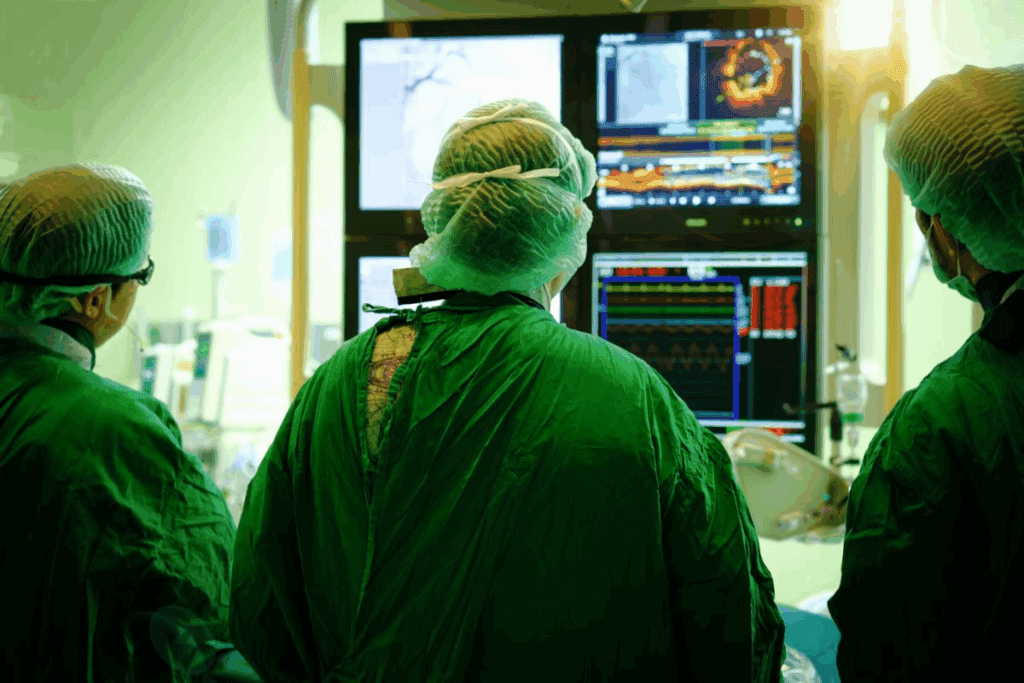
When dealing with tough infections, doctors and patients turn to reliable treatments.ir drain medical abbreviationCT Scan Results: How to Read Cancer & Abnormalities At Liv Hospital, IR drains are a key part of this. They offer a gentle way to drain fluids and abscesses, thanks to advanced imaging.
IR drains help get rid of unwanted fluids inside the body. This includes abscesses, infected blood clots, bile leaks, or urine buildup. The process is guided by tools like ultrasound, CT, or X-ray. This makes it precise and safe.
Key Takeaways
- IR drains are used to remove abnormal fluid collections.
- The procedure is minimally invasive and guided by imaging technology.
- IR drains can address various fluid collections, including abscesses and bile leaks.
- The placement of IR drains is precise, minimizing risks and improving outcomes.
- IR drainage offers a patient-centered approach to treatment.
Understanding the IR Drain Medical Abbreviation

Getting to know the IR drain medical term means diving into Interventional Radiology (IR). This field has changed how we diagnose and treat many health issues.
We’ll look into what IR terminology means and why it’s important. IR is short for Interventional Radiology. It’s a part of radiology that uses small, guided procedures to find and fix problems.
Definition and Full Terminology
The term IR drain is about draining fluids or abscesses with imaging help. This includes using ultrasound, CT scans, or fluoroscopy. It involves putting in drains or catheters to take out unwanted fluids.
History and Development of Interventional Radiology
Interventional Radiology has come a long way. It started as a small part of medicine but now plays a big role. It offers new ways to treat diseases without surgery.
New tech and techniques have made IR procedures safer and more precise. This progress comes from better imaging and new medical tools.
Common Medical Contexts for IR Terminology
IR terminology is used in many medical situations. This includes dealing with abscesses, blockages, and fluid buildup. Knowing IR terms helps doctors talk clearly and give the right care.
In drainage procedures, IR terms cover a lot. This includes putting in drains, managing catheters, and using imaging to guide.
How Interventional Radiology Drainage Procedures Work

IR drainage procedures use advanced technology and science. They have changed how we do drainage, making it more precise and less invasive.
The Science Behind IR Drainage
IR drainage uses small incisions and guided tools. This method causes less damage and helps wounds heal faster. It uses imaging technologies to see inside the body and guide the tools.
Key components of IR drainage procedures include:
- Advanced imaging modalities
- Specialized catheters and drainage devices
- Precise guidance systems
Imaging Technologies Used in IR Procedures
Imaging technologies are key in IR drainage. We use different imaging methods to guide our work, ensuring it’s accurate and safe.
The main imaging technologies we use are:
- Ultrasound: Gives us real-time images, great for fluid collections or abscesses.
- CT Scans: Provides detailed images, helping us plan and do complex procedures.
- X-rays: Helps guide catheters and other tools during the procedure.
By combining these imaging technologies, we achieve high precision in IR drainage. This improves patient results and lowers the risk of problems.
In summary, IR drainage is very effective thanks to advanced imaging and skilled techniques. As we keep improving, we’ll find new ways to help patients.
Common Types of IR Drains and Their Functions
Interventional radiology (IR) uses different drainage solutions for various medical issues. The right drain depends on the condition, where the fluid is, and the patient’s health.
Abscess Drainage Catheters
Abscess drainage catheters help drain pus from abscesses in the body. They are placed under imaging to target the abscess accurately.
Key Features: Flexible, pigtail shape to stay in place, and side holes for better drainage.
Biliary Drainage Tubes
Biliary drainage tubes clear blockages in the bile ducts. This can be due to stones, tumors, or other issues. They help bile flow into the intestine again.
Key Features: Made for long-term use, they can be internal-external or just internal.
Nephrostomy Tubes
Nephrostomy tubes drain urine from the kidney when the urinary tract is blocked. This is often needed for kidney stones or tumors.
Key Features: Placed directly into the kidney, they drain urine effectively.
Pleural and Peritoneal Drains
Pleural drains remove fluid or air from around the lungs. Peritoneal drains handle fluid in the abdominal cavity. Both are key for managing conditions like pleural effusion and ascites.
Key Features: Made to remove fluid or air, these drains can be adjusted or removed as needed.
| Type of IR Drain | Primary Use | Key Features |
| Abscess Drainage Catheters | Drainage of abscesses | Flexible, pigtail configuration, side holes |
| Biliary Drainage Tubes | Relief of bile duct obstructions | Long-term drainage, internal-external or internal |
| Nephrostomy Tubes | Urinary drainage from the kidney | Percutaneous placement, direct urine drainage |
| Pleural and Peritoneal Drains | Removal of fluid or air from pleural or peritoneal spaces | Adjustable, removable based on clinical response |
The IR Drain Placement Process Explained
Understanding the IR drain placement process is key for patients. It includes preparation, the procedure, and care after. Each step is important for a successful outcome.
Pre-procedure Preparation
Before the procedure, patients go through several steps. Imaging tests like ultrasound or MRI help find the problem. We also check the patient’s health history and current meds.
Patients often need to fast and adjust their meds. Clear instructions are given on how to prepare. This includes making travel plans after the procedure, as they might be sedated.
Step-by-Step Placement Technique
The procedure is done under local anesthesia and sedation. We use real-time imaging guidance for accurate placement. The steps are:
- Administering local anesthesia to numb the skin at the insertion site.
- Using a needle to access the targeted fluid collection or duct.
- Inserting a guidewire through the needle to facilitate the placement of the drainage catheter.
- Placing the drainage catheter over the guidewire and advancing it to the desired location.
- Securing the catheter in place and connecting it to a drainage bag.
Post-procedure Care
After the procedure, patients are watched for any immediate issues. We give detailed instructions on drain care. This includes flushing and monitoring output.
Regular check-ups are set to see how the drain is working. Patients should watch for signs of infection. Proper care of the drain site is vital to avoid problems.
Potential Complications and Risks
IR drain placement is generally safe, but risks exist. These include infection, bleeding, and damage to nearby structures. We take steps to reduce these risks, but it’s good for patients to know about them.
In summary, the IR drain placement process is detailed. It includes careful preparation, precise technique, and thorough care after. Understanding these steps helps patients better manage their treatment and recovery.
Medical Conditions Requiring IR Drainage
IR drainage is key for treating many medical issues. It’s used to handle fluid buildup or blockages in the body. This method is a big help in managing complex conditions.
Abscesses and Infected Collections
IR drainage is great for dealing with abscesses and infected fluid pockets. These are filled with pus and can form anywhere in the body. Thanks to IR, doctors can drain these areas minimally invasively. This means less surgery and quicker healing for patients.
Biliary Obstructions
Biliary obstructions block bile ducts, causing jaundice and pain. IR can fix this with stents or drains. It’s a good option for those who can’t have surgery.
Urinary Tract Blockages
Blockages in the urinary tract can be caused by stones or tumors. IR can place a nephrostomy tube to help. This way, urine can flow freely, avoiding kidney damage and infections.
Post-surgical Fluid Collections
After surgery, fluid can collect at the site. IR drainage helps manage this, reducing infection risk and aiding healing. It also might prevent more surgery.
IR drainage is a powerful tool in healthcare. It treats many conditions minimally invasively. This improves patient outcomes and quality of life.
Percutaneous Drainage: Understanding Perc Drains
Understanding percutaneous drainage is key for both patients and healthcare providers. It’s a big step forward in interventional radiology. This method involves placing a drain through the skin to remove fluid or abscesses.
What Is a Percutaneous Drain?
A percutaneous drain is a tube inserted through the skin to drain fluid. This can include abscesses or other fluid build-ups. It’s a way to drain fluid without surgery, which lowers risks and speeds up recovery.
Percutaneous Abscess Drainage Techniques
Percutaneous abscess drainage uses imaging like ultrasound or CT scans. It guides the placement of a drain in the abscess. The steps include:
- Preparation: The patient is positioned on an imaging table, and the skin is cleaned and numbed.
- Imaging Guidance: Using real-time imaging, the interventional radiologist guides the needle and catheter into the abscess.
- Drain Placement: Once access is achieved, a drain is placed to allow for the evacuation of the abscess contents.
- Post-procedure Care: The drain may be left in place for a period to ensure complete drainage and to monitor for any complications.
Benefits of Percutaneous Approaches
Percutaneous drainage has many advantages over traditional surgery. These include:
- Minimally Invasive: The procedure involves smaller incisions, reducing tissue trauma and promoting less post-operative pain.
- Faster Recovery: Patients typically recover more quickly compared to open surgery, as the body is subjected to less stress.
- Reduced Risk of Complications: By avoiding open surgery, the risk of infection and other complications is minimized.
Recovery After Percutaneous Drainage
Recovery after percutaneous drainage is usually easy. Patients are watched closely after the procedure for any immediate issues. The drain is managed by healthcare professionals, who give care instructions and schedule follow-up visits. Most patients can get back to normal activities in a few days. But, they should avoid strenuous activities for a bit longer.
IR Abscess Drainage as a Surgical Alternative
IR abscess drainage is now a good choice instead of old surgery methods for abscesses. It uses new tech in Interventional Radiology for a gentler treatment.
When IR Drainage Replaces Traditional Surgery
IR drainage is better than old surgery when the abscess is hard to get to or the patient is at risk. The minimally invasive nature of IR drainage lowers risks and speeds up healing.
More doctors are choosing IR drainage for abscesses in tricky spots or for patients with health issues.
Comparing Recovery Times and Outcomes
IR abscess drainage has a big plus: it means a shorter recovery time than surgery. Patients feel less pain and can get back to life faster.
Research shows IR drainage leads to fewer problems and better results. It’s a top pick for doctors and patients alike.
Success Rates and Clinical Evidence
Studies back up the success of IR abscess drainage. High success rates have been reported in many studies, proving its worth.
We use this research to make sure patients get the best care possible.
Cost-Effectiveness of IR Approaches
IR abscess drainage is also cheaper. It cuts down on the need for surgery and shortens hospital stays, saving money.
This is key in today’s healthcare world, where keeping costs down is a big deal.
IR Drain vs JP Drain: Key Differences and Applications
IR drains and JP drains do the same job but in different ways. They have different uses and how they are put in. Knowing these differences helps doctors pick the best drain for their patients.
Jackson-Pratt Drain Overview
A Jackson-Pratt (JP) drain helps remove fluid from the body. It has a tube with holes and a bulb that pulls fluid when pressed. Doctors use JP drains after surgery to stop fluid from building up.
Differences in Placement Methods
IR drains and JP drains are put in differently. IR drains go in through the skin with help from ultrasound or CT scans. JP drains are put in during surgery, either right then or in a follow-up surgery.
Different Clinical Indications
IR drains and JP drains are used for different reasons. IR drains are for things like abscesses and biliary drainage. JP drains are for managing fluid after surgery.
Advantages and Limitations of Each Type
IR drains and JP drains each have good points and downsides. IR drains are less invasive and can be placed accurately. But, they need more watching and cleaning. JP drains work well after surgery but need surgery to put in, which has risks.
| Characteristics | IR Drain | JP Drain |
| Placement Method | Percutaneous under imaging guidance | Surgical placement during operation |
| Clinical Indications | Abscess drainage, biliary drainage | Post-operative fluid management |
| Advantages | Less invasive, precise placement | Effective post-operative drainage |
| Limitations | Requires frequent monitoring | Requires surgical placement |
Understanding the differences between IR drains and JP drains helps doctors choose the right one for their patients.
Maintaining IR Drains: Flushing and Care Techniques
Keeping IR drains working well depends on how you flush and care for them. It’s important to know the different types of IR drains and how to take care of each one.
How to Flush an Accordion Drain
Flushing an accordion drain needs a gentle but firm touch. This ensures debris is removed without harming the drain or the tissue around it. Use sterile saline solution for flushing.
- First, prepare your sterile saline solution and ensure your workspace is clean.
- Next, attach a syringe to the drain’s stopcock and slowly instill the saline solution.
- Then, aspirate the fluid gently to remove any debris or accumulated material.
- Repeat this process as directed by your healthcare provider.
Flushing JP Drains with a Stopcock
JP drains with a stopcock need careful handling to keep them sterile and working well. Always follow a sterile technique when flushing.
- Begin by washing your hands thoroughly.
- Attach a saline-filled syringe to the stopcock.
- Open the stopcock to allow the saline to flow into the drain.
- Gently aspirate to remove any clots or debris.
- Close the stopcock and dispose of the aspirated material appropriately.
Biliary Drain Maintenance Without a Stopcock
Biliary drains without a stopcock also need regular flushing to stay open. Use a sterile technique and saline solution for this.
To flush, attach a syringe directly to the drain hub, instill saline, and then aspirate gently. Follow your healthcare provider’s instructions for this process.
Signs of Drain Complications
Watch your IR drain for signs of trouble, like infection, blockage, or displacement. Look out for:
| Signs | Possible Complications |
| Increased redness or swelling around the drain site | Infection |
| Decreased drainage output | Blockage or kinking of the drain |
| Pain or discomfort at the drain site | Displacement or irritation |
If you see any of these signs, contact your healthcare provider right away for advice.
Medical experts stress that proper care and maintenance of IR drains are key to avoiding problems. Regular flushing and watching for signs, as we’ve discussed, are important for managing IR drains well.
Conclusion: Advancements in Interventional Radiology Drainage
Interventional radiology has changed how we treat many medical issues. The growth in IR drainage has been key to this change. It has made treatments better and recovery times shorter, becoming a big part of today’s healthcare.
IR drainage is now used for more complex conditions. As we keep improving IR methods, we’ll see new ways to help patients. This will make care even better.
Healthcare providers use the latest in IR to offer less invasive treatments. This means fewer surgeries for patients. As IR keeps getting better, it will keep being a key part of healthcare. It will help patients live better lives all over the world.
FAQ
What does IR drain medical abbreviation stand for?
IR drain stands for Interventional Radiology drain. It’s a device used to remove fluid from the body.
What is the purpose of an IR drain?
An IR drain removes fluid like abscesses or bile leaks. This helps prevent health problems.
How is IR drain placement guided?
Imaging like ultrasound or CT scans guides IR drain placement. This ensures accuracy and safety.
What are the different types of IR drains available?
IR drains include abscess drainage catheters and biliary drainage tubes. There are also nephrostomy tubes and pleural and peritoneal drains. Each is for a specific condition.
How do I flush an accordion drain?
To flush an accordion drain, use sterile saline solution. Gently put it in the drain and then suck it out to clear debris.
How do I flush a JP drain with a stopcock?
To flush a JP drain, first turn the stopcock off. Then, add sterile saline solution. Turn the stopcock back and suck out the fluid.
How do I maintain a biliary drain without a stopcock?
For a biliary drain without a stopcock, flush it with sterile saline regularly. Watch for signs of problems like blockage or leakage.
What are the signs of drain complications?
Complications include blockage, leakage, infection, or the drain moving. If you see these, get medical help right away.
What is percutaneous drainage?
Percutaneous drainage is a procedure. It involves putting a drain through the skin to remove fluid, like from abscesses.
What are the benefits of percutaneous drainage?
It has many benefits. Recovery times are shorter, and outcomes are better. It also leaves less scarring, making it a good choice over surgery.
How does IR abscess drainage compare to traditional surgery?
IR abscess drainage is often better than surgery. It’s less invasive, has quicker recovery times, and works just as well. It’s also more cost-effective.
What is the difference between IR drain and JP drain?
IR drains are placed with imaging and are for specific conditions. JP drains are placed during surgery and are for general drainage.
References
Peng, J., et al. (2024). Systematic review and meta-analysis of current evidence in uterine artery embolization compared to myomectomy on symptomatic uterine fibroids. Scientific Reports, 14, Article 12345. https://www.nature.com/articles/s41598-024-69754-0



 Departments
 Related Videos
 Our Doctors
 News
News