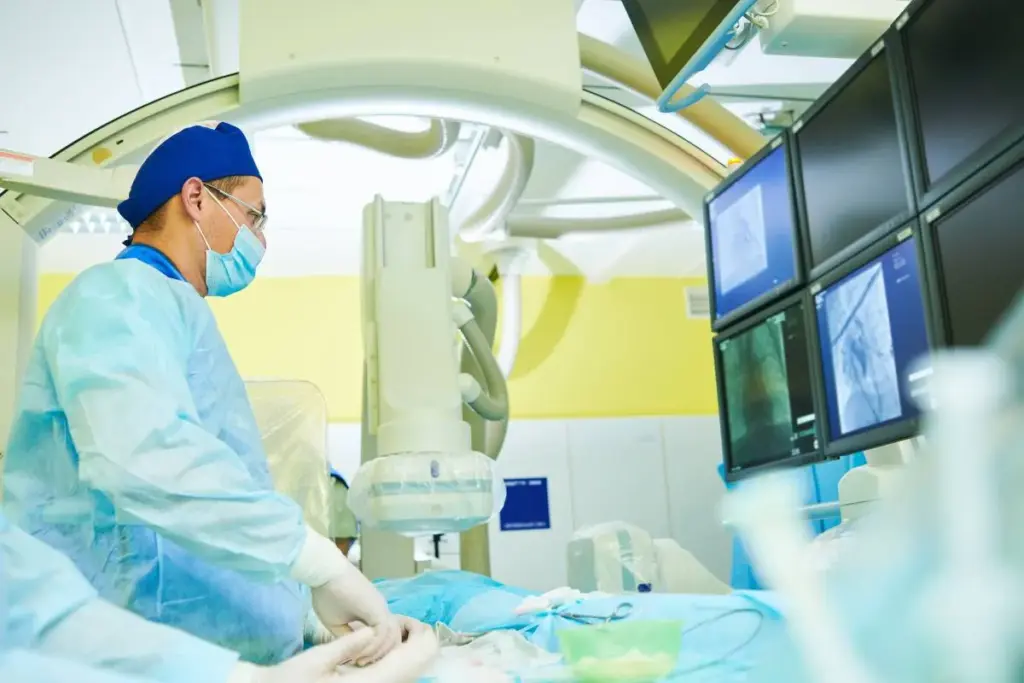
Discover everything about ir radiology lungs, its procedures, and how it helps in treating lung conditions effectively.
Lung diseases affect millions worldwide, causing a lot of suffering and death. Interventional radiology (IR) is a key medical field for diagnosing and treating lung issues.
We use X-rays, CT scans, and ultrasound to guide treatments. Interventional radiology lung procedures have changed how we manage lung diseases. They offer a safer option than old surgical methods.
Our lung radiologist services focus on the patient. We provide care from start to finish, aiming for the best results for lung disease patients.
Key Takeaways
- Interventional radiology is key in diagnosing and treating lung diseases.
- Minimally invasive procedures guided by imaging improve treatment results.
- Lung radiologist services offer full care for lung condition patients.
- IR is a safer choice than traditional surgery for lung disease management.
- Advanced imaging ensures accurate diagnosis and treatment.
The Fundamentals of IR Radiology Lungs
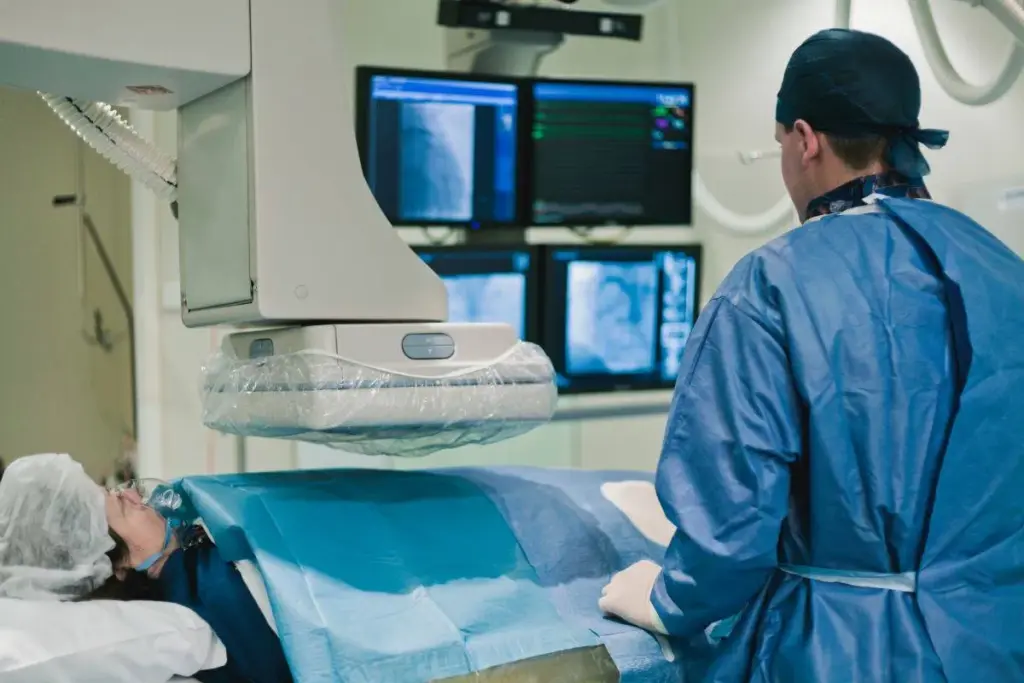
IR radiology is key in diagnosing and treating lung diseases with great precision and less invasion. This field has seen big changes over the years. It’s now a vital part of lung care.
Definition and Core Principles
Interventional Radiology (IR) is a medical field that uses images to guide procedures. In lung care, IR uses pulmonary imaging techniques to find and treat lung problems. It focuses on being precise, using less invasion, and solving problems in one go.
We use minimally invasive lung diagnostics to see lung structures and issues. These methods help us get tissue samples, drain fluids, and improve blood flow. All this is done with less risk to the patient.
Evolution of Interventional Techniques for Pulmonary Care
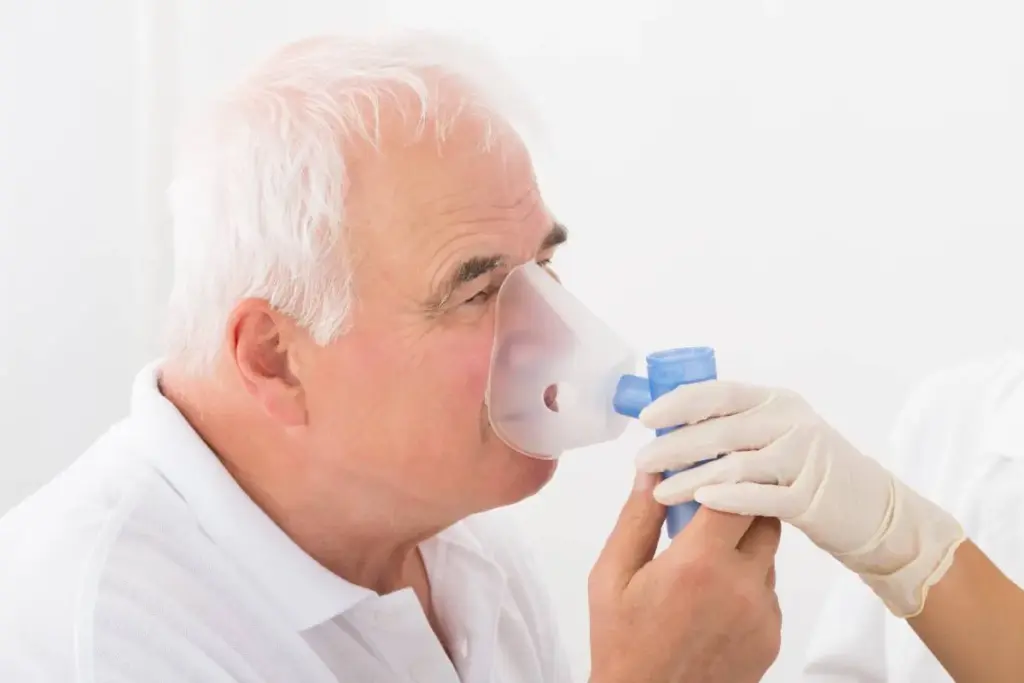
The growth of IR techniques for lung care has been amazing. There have been big steps forward in advanced lung disease imaging. New tools and tech have made IR procedures more accurate and effective.
These changes have let IR handle complex lung issues better. This includes lung cancer and pulmonary embolism. Studies show IR can really help patients, improving their health.
As IR keeps getting better, we’ll see new ways it will help in lung medicine. It’s exciting to think about what’s next.
How Interventional Radiologists Specialize in Pulmonary Procedures
Interventional radiologists get special training for lung procedures. They know a lot about lung anatomy and diseases. This helps them diagnose and treat lung conditions.
Multidisciplinary Collaboration in Lung Care
Interventional radiologists work with many doctors to care for lung patients. This team includes pulmonologists, thoracic surgeons, and oncologists. Working together means patients get the best treatment for their needs.
- They work with pulmonologists to diagnose and manage lung diseases.
- They team up with thoracic surgeons for surgical plans.
- They also work with oncologists for cancer care.
Together, doctors offer many IR lung treatment options. This includes both simple and complex treatments. This teamwork is essential for top-notch care in diagnostic radiology for pulmonary disorders.
Common Lung Pathologies Addressed Through IR
IR is key in treating lung diseases like cancers and vascular issues. It offers new ways to diagnose and treat these problems. This is a big help for patients, as it’s less invasive than surgery.
Primary and Metastatic Lung Cancers
Lung cancer is tough to deal with. IR helps by getting tissue samples for diagnosis. It also offers treatments like thermal ablation for tumors, helping those who can’t have surgery.
Studies show IR helps lung cancer patients a lot. Thermal ablation can stop tumors from growing and ease symptoms in advanced cases.
Vascular Conditions
Lung vascular issues, like pulmonary embolism, need quick treatment. IR helps with procedures like catheter-directed thrombolysis. This method delivers clot-busting drugs right to the clot, lowering bleeding risks.
We use top-notch imaging to guide these treatments. This makes them more precise and successful. Here’s a list of vascular conditions IR can treat:
|
Condition |
IR Procedure |
Benefits |
|---|---|---|
|
Pulmonary Embolism |
Catheter-Directed Thrombolysis |
Rapid clot dissolution, reduced risk of bleeding |
|
Chronic Thromboembolic Pulmonary Hypertension (CTEPH) |
Balloon Pulmonary Angioplasty |
Improved blood flow, reduced pulmonary pressures |
Pleural Diseases
Pleural diseases, like effusions and pneumothorax, can really hurt a patient’s quality of life. IR offers solutions like pleural drainage and tunneled pleural catheters. These help manage symptoms and improve comfort.
IR in pleural diseases not only relieves symptoms but also treats the root cause. This leads to better outcomes for patients. IR lets us create treatment plans that fit each patient’s needs.
Diagnostic IR Procedures for Lung Assessment
Interventional Radiology has changed how we check lungs. We use new imaging tech to make sure our tests are right and safe.
Image-Guided Biopsy Techniques
Biopsy techniques are key for lung checks. They use CT scans or ultrasound to guide the needle for precise lung tissue samples. This method boosts accuracy and cuts down on risks.
We pick the right biopsy method for each patient. The choice depends on the lung lesion’s size and where it is.
Advanced Diagnostic Navigation
Advanced navigation systems are a big leap in lung IR diagnostics. These systems let us navigate the lungs in real-time, making procedures more accurate and less invasive. This leads to better patient results.
These systems also lower the risk of problems with more invasive tests. This is a big plus for patients with complex lung issues or other health concerns.
By mixing image-guided biopsies with advanced navigation, we offer top-notch care for lung patients. This way, patients get accurate diagnoses and effective treatment plans with less invasive tests.
Therapeutic Interventional Radiology Techniques for Lung Diseases
Therapeutic interventional radiology (IR) has changed how we treat lung diseases. We use advanced imaging to guide these treatments. This makes them precise and effective for complex lung conditions.
IR techniques offer many benefits. They provide effective treatments with fewer side effects and faster recovery times. Our goal is to use the most advanced IR methods for lung diseases.
Thermal Ablation Methods
Thermal ablation is a key IR technique for lung tumors. It uses heat to kill cancer cells. We use radiofrequency ablation (RFA) and microwave ablation (MWA) to target tumors well.
The advantages of thermal ablation include:
- It’s minimally invasive, avoiding open surgery
- It saves healthy tissue
- Recovery is quicker
- It works for both primary and metastatic lung tumors
A study showed RFA and MWA are both effective. MWA was a bit faster. Our team keeps up with new research to offer the best treatments.
|
Ablation Method |
Tumor Size |
Success Rate |
|---|---|---|
|
RFA |
<3 cm |
90% |
|
MWA |
<5 cm |
85% |
Vascular Interventions
Vascular interventions are key for lung diseases linked to blood vessels, like pulmonary embolism. We use catheter-directed thrombolysis and angioplasty to fix blood flow and ease symptoms.
The benefits of vascular interventions include:
- They quickly fix blood flow
- They’re minimally invasive, lowering risks
- They’re great for serious conditions like pulmonary embolism
By using these IR techniques, we offer full care for lung disease patients. This improves their outcomes and quality of life.
Cutting-Edge Imaging Technologies in Lung IR
The field of interventional radiology (IR) for lung conditions has seen big changes in imaging tech. These updates have made IR procedures more precise and safer for patients. Now, we can use the latest imaging tech to better care for those with lung diseases.
3D Mapping and Navigation
3D mapping and navigation tech are also key advancements. They create detailed, three-dimensional lung models, making procedures more precise. This not only boosts the success of interventions but also lowers the risk of complications.
The use of 3D mapping and navigation in lung IR marks a big leap in treating complex lung conditions. These technologies improve procedure safety and precision, leading to better patient outcomes and quality of life.
Key Benefits of Advanced Imaging Technologies in Lung IR:
- Improved precision and accuracy in IR procedures
- Enhanced patient safety through real-time guidance
- Better outcomes due to reduced complications
As we move forward in interventional radiology, it’s clear that new imaging tech will be vital for lung care’s future. By using these technologies, we can offer safer, more effective, and personalized treatments for lung disease patients.
Patient Journey Through Lung IR Procedures
The journey through lung IR procedures is complex. It involves care from the first meeting to after the procedure. We know patients may feel anxious, so we offer personalized care and support at every step.
Pre-Procedure Preparation
Getting ready for a lung IR procedure is important. Our team helps patients understand what to expect. We review their medical history and current health.
We also give clear instructions on how to prepare. This includes what to eat and any medication changes.
On the day of the procedure, our friendly staff will meet you. They will take you to the procedure room. We aim to make the environment calm to ease your anxiety.
Procedural Experience
During the procedure, our experts use the latest technology. They use real-time imaging guidance for accuracy and safety.
Patients are watched closely during the procedure. Our team is ready to answer any questions or concerns. We aim to provide reassurance and support during this time.
After the procedure, patients go to a recovery area. Here, they are checked for any immediate issues. We give clear instructions on what to do next and are here to answer any questions.
We are dedicated to patient care in IR beyond the procedure. We believe in providing thorough support and guidance. This helps our patients feel confident on their lung IR journey.
Clinical Benefits of IR Radiology Lungs
Interventional Radiology (IR) for lung conditions has changed treatment options. It offers patients less invasive procedures with big benefits. This shift in pulmonary care comes from new IR techniques.
Minimally Invasive Advantages
IR radiology in lung care is known for being minimally invasive. Procedures like lung biopsies and tumor treatments use small incisions. This reduces tissue damage and speeds up healing.
This method also lowers patient discomfort and the risk of complications. Traditional surgery often has more risks.
Key advantages of minimally invasive IR procedures include:
- Reduced recovery time
- Less post-operative pain
- Lower risk of infection
- Minimal scarring
Treatment Efficacy
IR treatments for lung conditions are very effective. Research shows IR procedures work well for many pulmonary diseases. For example, thermal ablation is a good treatment for early-stage lung cancer.
This method can cure patients who can’t have surgery. It’s a promising option for those who need it.
|
Treatment Modality |
Condition Treated |
Success Rate |
|---|---|---|
|
Thermal Ablation |
Early-stage Lung Cancer |
85-90% |
|
Embolization |
Pulmonary Arteriovenous Malformations |
90-95% |
|
IR-Guided Biopsy |
Lung Lesions Diagnosis |
95-98% |
As IR radiology advances, lung care benefits grow. Minimally invasive procedures and effective IR treatments improve patient outcomes. This leads to better quality of life for patients.
Risk Assessment and Complication Management
In Interventional Radiology, knowing and reducing risks is key, mainly for lung issues. As we explore new IR possibilities, keeping patients safe and managing complications well is essential.
Common Complications
Even though IR procedures are minimally invasive, complications can happen. These might include:
- Pneumothorax, or air in the space between the lungs and chest cavity
- Hemoptysis, or coughing up blood
- Infection at the procedure site
- Vascular issues, like bleeding or clotting
Knowing these risks helps manage them better. Early identification lets healthcare teams act quickly to lessen their effects.
Risk Mitigation Strategies
Reducing risks in IR needs a detailed plan. Important steps include:
- Thorough patient evaluation before the procedure to spot any risks
- Using advanced imaging technologies to guide the procedure and lower risks
- Following strict sterile techniques to cut down infection chances
- Having a comprehensive care plan ready for any complications
By using these methods, healthcare teams can greatly improve patient safety and results in IR for lung issues.
Interventional Oncology for Lung Cancer
Interventional oncology is key in fighting lung cancer. It’s a part of interventional radiology, vital for lung cancer care.
Diagnostic and Staging Procedures
Getting the right diagnosis and stage is vital for lung cancer treatment. Interventional oncology uses methods like biopsies and needle aspirations. These help get the exact tissue needed for diagnosis.
Image-guided biopsy techniques have changed lung cancer diagnosis. They use live images to target tumors, making diagnosis safer and more accurate.
Curative Approaches
Early-stage lung cancer can often be cured. Interventional oncology offers treatments like radiofrequency ablation (RFA) and microwave ablation (MWA). These methods kill cancer cells with heat, a good option for some patients instead of surgery.
Palliative Interventions
For those with advanced lung cancer, improving life quality is key. Interventional oncology helps with this through various treatments. For example, it can manage pain and shortness of breath. Procedures like pleural drainage and sclerotherapy can also help with fluid buildup in the chest.
|
Procedure |
Purpose |
Benefits |
|---|---|---|
|
Image-guided biopsy |
Diagnosis and staging |
Accurate tissue sampling, minimally invasive |
|
Thermal ablation (RFA, MWA) |
Curative treatment |
Minimally invasive, preserves organ function |
|
Pleural drainage and sclerotherapy |
Palliative care |
Relieves symptoms, improves quality of life |
Adding interventional oncology to treatment plans helps lung cancer patients. It offers a team approach that meets each patient’s needs, from diagnosis to care.
Career Path: Becoming a Lung Interventional Radiologist
Becoming a lung interventional radiologist is a journey filled with education and training. It’s a challenging yet rewarding path. You need to commit to improving your skills in interventional radiology (IR).
Training Requirements and Specialization
First, you need a medical degree and then a residency in radiology. Next, specialized training in interventional radiology is key. This is usually done through fellowship programs focused on IR techniques and patient care.
Specializing in lung IR means becoming an expert in procedures like image-guided biopsies and vascular interventions. This expertise is vital for treating lung diseases effectively.
“The field of interventional radiology is rapidly evolving, with new technologies and techniques continually emerging. Staying abreast of these developments is essential for a successful career in lung IR.”
Advantages of Specializing in Lung IR
Specializing in lung IR has many benefits. You can make a big difference in patient care. Lung IR specialists use minimally invasive procedures that help patients recover faster and feel more comfortable.
- Opportunity to work with cutting-edge technology
- Potential for significant impact on patient care and outcomes
- Collaboration with a multidisciplinary team of healthcare professionals
Challenges and Considerations
While a career in lung IR is rewarding, it has its challenges. IR procedures can be complex, and you must always learn more. The job also has physical and emotional demands.
|
Challenges |
Considerations |
|---|---|
|
Complexity of IR procedures |
Requires continuous education and training |
|
Physical and emotional demands |
Need for effective stress management strategies |
|
Staying updated with technological advancements |
Participation in conferences and workshops |
If you’re thinking about a career in IR, weigh the challenges against the rewards. With the right training, support, and dedication, a career in lung interventional radiology can be fulfilling and impactful.
Emerging Technologies and Future Directions
New technologies are changing Interventional Radiology, bringing hope to those with lung issues. We’re seeing big steps forward in many areas. This is making IR better for patients.
Robotic-Assisted Interventions
Robotic systems are making IR procedures more precise and flexible. They let radiologists do complex tasks with better accuracy and less harm.
Robotic-assisted interventions offer many benefits:
- Improved precision and control
- Enhanced visualization
- Reduced recovery time for patients
Artificial Intelligence Applications
Artificial Intelligence (AI) is becoming a big part of IR. It helps with diagnosis, treatment planning, and guiding procedures. AI can quickly sort through lots of data, helping doctors make better choices.
AI has several key uses in IR:
|
Application |
Description |
Potential Impact |
|---|---|---|
|
Image Analysis |
AI helps analyze medical images to spot problems |
Can find diseases sooner |
|
Personalized Medicine |
AI helps create treatment plans for each patient |
Can lead to better treatments |
|
Predictive Analytics |
Uses past data to predict patient outcomes |
Can help with early care |
Novel Treatment Modalities
New treatment options are growing for IR. This includes advanced ablation, new embolic materials, and drug delivery systems.
As these technologies improve, we’ll see better care and results. The future of IR looks bright, with ongoing research leading to more effective and less invasive treatments.
Case Studies: Transformative Lung IR Applications
Real case studies show how IR changes lung care. Interventional Radiology is key in treating lung issues. It offers non-invasive ways to help patients.
Early-Stage Lung Cancer Management
IR methods like thermal ablation are helping in early lung cancer. A 65-year-old patient with stage I lung cancer was treated. The tumor was completely removed without major issues.
This patient was back to normal in just days. IR gives a minimally invasive way to fight cancer. It cuts down recovery time and boosts life quality.
Acute Pulmonary Embolism Intervention
IR is vital for acute pulmonary embolism (PE). A patient with a huge PE got catheter-directed thrombolysis. Symptoms quickly improved, and blood flow was stabilized.
This shows IR can quickly and effectively treat severe PE. It prevents long-term harm and boosts survival chances.
Chronic Pleural Disease Management
IR helps with chronic pleural diseases like pleural effusion. A case showed tunneled pleural catheter placement helped manage recurring effusions. It made patients more comfortable and cut down on hospital visits.
IR’s role in chronic pleural disease shows its long-term benefits. It improves life quality for those with complex pleural conditions.
Conclusion: The Future of Interventional Radiology in Pulmonary Medicine
Interventional radiology (IR) has changed how we diagnose and treat lung diseases. It offers new ways to help patients without the need for big surgeries. This is a big step forward in healthcare.
The future of IR in lung care is looking good. New technologies and ideas are coming along. Things like robots and artificial intelligence will make treatments even better.
As IR keeps getting better, so will the care we give patients. We’re excited to see what new things come next. Our goal is to give top-notch care to everyone, including international patients.
With IR getting more advanced, the outlook for lung disease treatment is very positive. It brings new hope to those suffering from lung issues.
FAQ
What is interventional radiology (IR) and how does it relate to lung health?
IR is a medical field that uses imaging like X-rays and CT scans. It guides procedures to treat lung diseases. This includes lung cancers and vascular issues.
What are the benefits of IR procedures for lung assessment?
IR procedures help diagnose lung issues accurately. They are less invasive and have fewer risks. This leads to better care for patients.
How do interventional radiologists specialize in pulmonary procedures?
IR doctors get special training in pulmonary procedures. They work with other doctors to give the best care to patients.
What are some common lung pathologies addressed through IR?
IR treats lung cancers, vascular issues, and pleural diseases. It helps diagnose and treat these conditions.
What are the therapeutic IR techniques used to treat lung diseases?
IR uses methods like thermal ablation for tumors. It also treats vascular issues. These methods are less invasive and improve patient outcomes.
What are the risks associated with IR procedures, and how are complications managed?
IR procedures are safe but can have risks like bleeding. Complications are managed by careful planning and post-procedure care.
How do emerging technologies, such as robotic-assisted interventions and artificial intelligence applications, impact IR practice?
New technologies like robotics and AI improve IR procedures. They make treatments safer and more effective, helping patients more.
What is the role of interventional oncology in lung cancer?
Interventional oncology is key in lung cancer care. IR specialists help diagnose and treat lung cancer. They work with other doctors for complete care.
What are the advantages of minimally invasive lung IR procedures?
Minimally invasive IR procedures have many benefits. They reduce complications and pain, and patients recover faster. This improves their quality of life.
How do IR specialists work with other healthcare professionals to provide optimal patient care?
IR specialists team up with pulmonologists and surgeons. They ensure patients get the best treatment for lung conditions.
What is the significance of advanced imaging technologies in lung IR?
Advanced imaging technologies are vital in IR. They make procedures safer and more accurate. This leads to better diagnosis and treatment of lung conditions.
What are the future directions in IR for lung health?
IR’s future includes new technologies like robotics and AI. These advancements will lead to better treatments and outcomes for lung health.
References
National Center for Biotechnology Information. Evidence-Based Medical Insight. Retrieved from https://pubmed.ncbi.nlm.nih.gov/34491577/