Last Updated on November 26, 2025 by Bilal Hasdemir
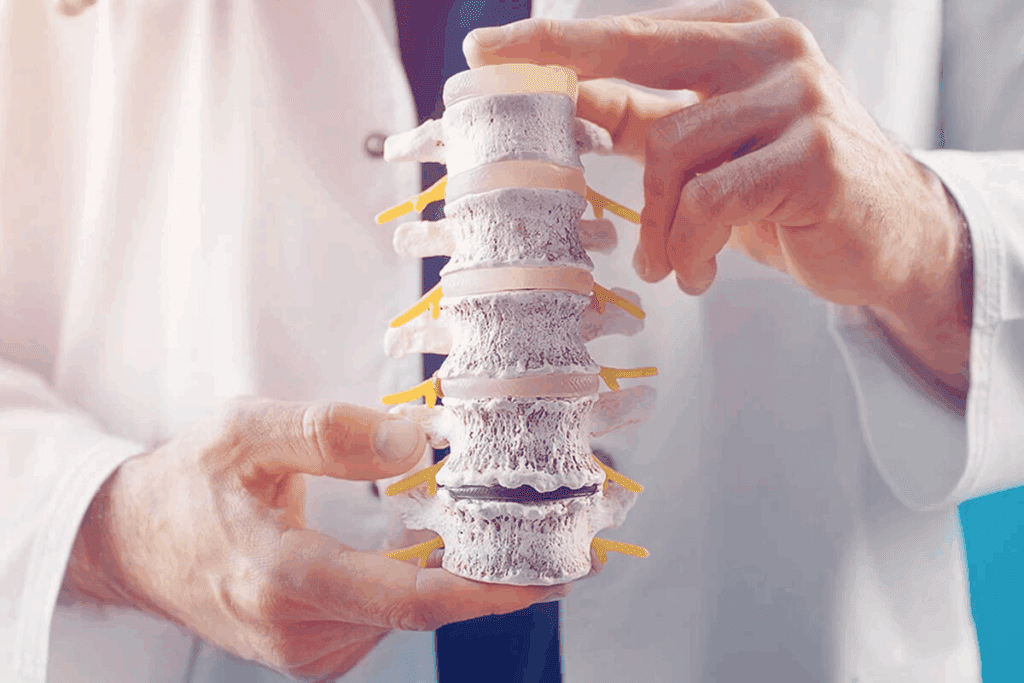
Choosing the right treatment for spine injuries is key for a good recovery and quality of life. At Liv Hospital, known for its reliable, patient-focused care, specialists in interventional radiology perform procedures like vertebroplasty and kyphoplasty. These help stabilize vertebral compression fractures.
These minimally invasive procedures are often used for fractures caused by osteoporosis or spinal injury. It’s important to understand the differences between kyphoplasty vs vertebroplasty to choose the best treatment.
Key Takeaways
- Vertebroplasty and kyphoplasty are minimally invasive procedures used to treat vertebral compression fractures.
- Interventional radiology specialists perform these procedures to stabilize fractures.
- The choice between vertebroplasty and kyphoplasty depends on the specific needs of the patient.
- Both procedures aim to alleviate pain and improve quality of life.
- Liv Hospital offers patient-focused care for spine injuries, utilizing the latest techniques.
Understanding Vertebral Compression Fractures
Vertebral compression fractures are a big problem in spinal care. They happen when a vertebra collapses. This can cause a lot of back pain and make the spine look different.
Common Causes of Spinal Fractures
Osteoporosis is a main reason for these fractures. When bones lose density, they break more easily. Other reasons include cancer in the spine and injuries.
Osteoporosis makes bones weak, leading to fractures. It’s a big risk for older people.
Impact on Patient Quality of Life
These fractures can really hurt a person’s life. The pain can make it hard to move and do everyday things.
The shape changes from fractures can make a person look shorter and hunched. This affects how they look and can make them feel sad or anxious.
Doctors need to know about these fractures to help patients. They can use percutaneous vertebroplasty and kyphoplasty. These are small procedures that help with pain and keep the spine stable.
Overview of Minimally Invasive Spine Procedures
Interventional radiology has made big strides in spine care with new, less invasive methods. These methods have changed how we treat vertebral compression fractures. They offer effective treatments with shorter recovery times.
Evolution of Treatment Approaches
Spine procedures have changed a lot over time. This is thanks to new medical tech and better understanding of the spine. Kyphoplasty and vertebroplasty are now key in treating spinal fractures.
Kyphoplasty stands out because it uses a balloon to lift the vertebra before adding cement. This can help improve posture and reduce spinal deformity. It’s a big step forward from older treatments.
Role of Interventional Radiology in Spine Care
Interventional radiology is key in treating spine injuries with new, small procedures. Radiologists use images to guide these procedures. This makes them precise and safe.
| Procedure | Description | Benefits |
| Kyphoplasty | Involves balloon insertion to restore vertebral height before cement injection | Improves posture, reduces spinal deformity |
| Vertebroplasty | Cement injection into the fractured vertebra | Provides immediate pain relief, stabilizes the vertebra |
Choosing between kyphoplasty and vertebroplasty depends on many things. This includes how bad the fracture is, the patient’s health, and the radiologist’s skills. Knowing the differences helps make better treatment choices.
IR Vertebroplasty: Procedure and Applications
Vertebroplasty is a big deal in interventional radiology for treating vertebral compression fractures. It’s known for being minimally invasive and effective in relieving pain.
It’s done under local anesthesia, which makes the patient comfortable. This method is safer than general anesthesia, which is good news for patients.
Vertebroplasty Definition and Technique
Vertebroplasty is a procedure where bone cement is injected into a fractured vertebra. This helps support the vertebra and eases pain. Here’s how it’s done:
- A needle is inserted into the vertebra under imaging guidance.
- Bone cement is injected to stabilize the fracture.
- The procedure is monitored in real-time to avoid cement leakage.
This procedure is usually done on an outpatient basis. Patients can go home the same day. Imaging like fluoroscopy or CT scans helps place the bone cement accurately.
Historical Development and Advancements
Vertebroplasty has seen a lot of growth over the years. It was first used for vertebral hemangiomas. Now, it’s also used for osteoporotic compression fractures and other spinal issues.
New bone cement and imaging tech have made vertebroplasty safer and more effective. Modern bone cements are better, and advanced imaging helps place the cement just right.
Vertebroplasty keeps getting better with new techniques and tools. This has made the procedure even more successful and satisfying for patients.
Kyphoplasty Explained: Beyond Vertebroplasty
Kyphoplasty is a new way to treat vertebral compression fractures. It’s a minimally invasive procedure that not only stabilizes the vertebra but also tries to restore its original height.
Definition and Technique
Kyphoplasty is a surgery that uses a balloon to create space in a fractured vertebra. This space is then filled with bone cement. It helps restore the vertebra’s height and corrects any deformity. The surgery is guided by X-ray to place the balloon and cement accurately.
The steps of kyphoplasty include:
- Insertion of a needle into the fractured vertebra under imaging guidance.
- Placement of a balloon tamp into the vertebra through the needle.
- Inflation of the balloon to restore vertebral height.
- Deflation and removal of the balloon, creating a cavity.
- Filling the cavity with bone cement to stabilize the vertebra.
Balloon Technology and Height Restoration
The balloon technology in kyphoplasty is a big step up from vertebroplasty. It inflates a balloon in the vertebra to restore its height. This improves spinal alignment and reduces deformity. It also leads to better patient outcomes, like less pain and better mobility.
| Procedure | Vertebroplasty | Kyphoplasty |
| Restoration of Vertebral Height | Limited | Significant |
| Use of Balloon | No | Yes |
| Cement Leakage Risk | Higher | Lower |
| Correction of Kyphotic Deformity | Limited | Significant |
Knowing the differences between these procedures helps patients and doctors choose the best treatment for vertebral compression fractures.
Comparing the Procedural Techniques
Vertebroplasty and kyphoplasty are two treatments for vertebral compression fractures. They are minimally invasive but have different methods. Knowing these differences helps patients and doctors make better choices.
Step-by-Step Procedural Differences
Vertebroplasty and kyphoplasty have different steps. Vertebroplasty injects bone cement into the fractured vertebra to stabilize it. Kyphoplasty uses a balloon to make a space in the vertebra before filling it with cement. This key difference impacts the results and possible side effects.
“Kyphoplasty can restore vertebral height, unlike vertebroplasty,” say experts in interventional radiology. This height restoration can improve spinal alignment and lower the risk of future problems.
- Vertebroplasty: Direct injection of bone cement into the fractured vertebra.
- Kyphoplasty: Use of a balloon to create a cavity before cement injection.
Equipment and Materials Used
The tools and materials for vertebroplasty and kyphoplasty show their differences. Vertebroplasty needs a needle and syringe for cement injection. Kyphoplasty requires a balloon tamp and other tools.
Both use high-quality bone cement. But kyphoplasty might need less cement because of the balloon-created space.
Procedure Duration and Recovery Time
The time needed for vertebroplasty and kyphoplasty varies. Kyphoplasty usually takes longer because of the extra steps. Both procedures have short recovery times, with many patients feeling pain relief right away.
A recent study found both treatments offer similar pain relief and safety. Yet, results can differ based on the technique and patient factors.
“Both vertebroplasty and kyphoplasty have their place in treating vertebral compression fractures. The choice depends on the patient’s needs and the doctor’s expertise.”
Understanding the differences in procedures, tools, and recovery times helps patients choose the best treatment for vertebral compression fractures.
Anesthesia Requirements and Patient Experience
The type of anesthesia used can greatly affect how a patient feels during vertebroplasty or kyphoplasty. Both are minimally invasive but need different anesthetics. This affects how comfortable the patient is and the success of the procedure.
Vertebroplasty Anesthesia Options
Vertebroplasty usually uses local anesthesia. This numbs the skin and deeper tissues at the site. It lets patients stay awake and alert, which shortens recovery time.
A study in the Journal of Vascular and Interventional Radiology found most patients tolerate local anesthesia well during vertebroplasty.
Local anesthesia for vertebroplasty involves injecting lidocaine and bupivacaine into the skin and periosteum. This method effectively blocks pain during the procedure without the dangers of general anesthesia.
“The use of local anesthesia in vertebroplasty allows for real-time feedback from the patient, which can be beneficial in avoiding complications.”
— Journal of Vascular and Interventional Radiology
Kyphoplasty Sedation Protocols
Kyphoplasty might use local anesthesia or moderate sedation, based on the patient’s health and the procedure’s complexity. Moderate sedation helps patients relax and stay comfortable during the procedure.
The sedation for kyphoplasty often includes midazolam and fentanyl given through an IV. This mix helps with pain relief and relaxation, making the procedure more tolerable for patients.
In summary, vertebroplasty and kyphoplasty both use anesthesia, but in different ways. Knowing these differences is key to managing patient expectations and ensuring a smooth procedure.
Imaging Guidance in Vertebroplasty and Kyphoplasty
Effective imaging guidance is key for precise vertebroplasty and kyphoplasty. These treatments for vertebral compression fractures need accurate visuals. This ensures the safe and effective use of bone cement or balloons to restore height.
X-ray Guidance Techniques
X-ray guidance is the top choice for these procedures. It offers real-time visuals, helping radiologists place needles and inject bone cement accurately. This precision minimizes risks and complications.
Advanced Imaging Considerations
While X-ray is standard, advanced techniques like fluoroscopy and CT guidance are also used. These provide detailed images, useful in complex cases or when anatomy is varied.
| Imaging Modality | Characteristics | Use in Vertebroplasty/Kyphoplasty |
| X-ray | Real-time visualization, widely available | Primary guidance for needle placement and cement injection |
| Fluoroscopy | Real-time moving images, useful for dynamic guidance | Enhances accuracy during complex procedures |
| CT Guidance | High-resolution cross-sectional imaging | Useful for complex anatomy or when additional detail is needed |
“The precision afforded by imaging guidance is critical to the success of vertebroplasty and kyphoplasty, directly impacting patient outcomes.”
Clinical Outcomes: Pain Relief and Functional Improvement
Vertebroplasty and kyphoplasty are known to help with pain and improve function in patients with vertebral compression fractures. Research has given us a good look at how these treatments compare.
Comparative Pain Relief Efficacy
Both treatments are good at reducing pain from vertebral compression fractures. Kyphoplasty might have a slight advantage in some cases because it can restore the height of the vertebra.
The pain relief comes from stabilizing the fractured vertebrae and reducing movement at the fracture site. This makes it easier for patients to do their daily activities without pain.
Functional Improvement Metrics
Improvement in function is key for both vertebroplasty and kyphoplasty. Studies show that both treatments lead to better function, as seen in tools like the Oswestry Disability Index (ODI) and the Roland-Morris Disability Questionnaire (RMDQ).
A study comparing the two found that both treatments greatly reduce disability from spine fractures. Patients see better mobility and less pain-related limitations.
Meta-Analysis Results and Evidence Base
Many meta-analyses have looked at the outcomes of vertebroplasty and kyphoplasty. They all agree: both treatments are good at easing pain and improving function.
| Outcome Measure | Vertebroplasty | Kyphoplasty |
| Pain Relief (VAS) | Significant reduction | Significant reduction |
| Functional Improvement (ODI) | Improved functionality | Improved functionality |
| Vertebral Height Restoration | Limited restoration | Significant restoration |
The research backs up using both treatments for vertebral compression fractures. The choice between them depends on the patient’s needs and the doctor’s advice.
Vertebral Height Restoration and Kyphotic Angle Correction
Kyphoplasty is a key treatment for spinal fractures. It helps restore the height of compressed vertebrae and corrects the kyphotic angle. This minimally invasive procedure can greatly improve a patient’s quality of life.
Biomechanical Advantages of Kyphoplasty
Kyphoplasty offers several benefits over traditional vertebroplasty. It uses a balloon to expand the vertebra, restoring its height. This improves the spine’s alignment and reduces kyphotic deformity.
The biomechanical advantages include better spinal stability and less pressure on other vertebrae. Correcting the kyphotic angle also helps distribute mechanical stresses evenly. This can lower the risk of future fractures.
Clinical Significance of Posture Improvement
Correcting kyphotic deformity through kyphoplasty has major benefits. It not only improves appearance but also enhances spinal health. Restoring normal spinal alignment can improve breathing and reduce muscle strain.
Clinical studies show patients often see big improvements in pain and function after kyphoplasty. The procedure’s ability to restore vertebral height and correct the kyphotic angle makes it a valuable treatment for vertebral compression fractures.
Potential Complications and Safety Profiles
It’s important to know the risks of vertebroplasty and kyphoplasty before making a decision. Both treatments have similar safety levels. But, there are specific risks and complications to be aware of.
Common Risks in Both Procedures
Vertebroplasty and kyphoplasty are both minimally invasive. They share some common risks. These include:
- Infection at the needle site
- Bleeding or hematoma
- Nerve damage
- Reaction to the bone cement
- Leakage of cement into surrounding tissues
These risks are present in both treatments. But, the chance of them happening can vary. It depends on the patient and the procedure details.
Procedure-Specific Complications
Vertebroplasty and kyphoplasty have different risks. Kyphoplasty uses a balloon to create a space before cement is injected. This can lead to:
- Balloon rupture
- Potential for more significant height restoration, which may introduce additional risks
Vertebroplasty directly injects cement into the fractured vertebra. Specific risks for vertebroplasty include:
- Cement extravasation into the surrounding vasculature or soft tissues
The following table compares the complication rates:
| Complication | Vertebroplasty | Kyphoplasty |
| Cement Leakage | Higher incidence | Lower incidence due to cavity creation |
| Balloon Rupture | Not applicable | Present, though rare |
| Nerve Damage | Possible | Possible, with similar incidence |
Risk Mitigation Strategies
To reduce risks, several strategies can be used:
- Careful patient selection and pre-procedure evaluation
- Use of high-quality imaging guidance during the procedure
- Precise technique and controlled cement injection
- Post-procedure monitoring for early detection of complications
Understanding the risks and using these strategies can improve the safety and success of vertebroplasty and kyphoplasty.
Cost Considerations and Insurance Coverage
When deciding between vertebroplasty and kyphoplasty, cost is a big factor. It’s important for patients and doctors to know the financial side of things.
Comparative Procedure Costs
The cost of vertebroplasty and kyphoplasty can change a lot. It depends on where you go, the location, and the method used. Kyphoplasty tends to cost more because it needs special tools like an inflatable bone tamp.
A study showed kyphoplasty is pricier than vertebroplasty. But, it’s important to think about all costs, including future treatments and managing problems.
Insurance Coverage in the United States
In the U.S., both procedures are usually covered by Medicare and some private insurance. But, how much they cover can differ. It’s best to check with your insurance to know what you’ll pay.
If you’re looking for kyphoplasty or vertebroplasty, finding a good doctor is key. You can search online for “kyphoplasty doctors near me.” Also, ask about the costs and the type of anesthesia, like “vertebroplasty anesthesia,” to understand the total cost.
Cost-Effectiveness Analysis
Looking at the cost-effectiveness of vertebroplasty and kyphoplasty involves more than just the initial cost. It also looks at long-term benefits like pain relief and better mobility. This can help reduce future healthcare costs.
Studies suggest kyphoplasty might cost more upfront but can lead to better long-term results for some. A detailed cost-effectiveness analysis is needed to fully understand the value of each procedure.
In conclusion, knowing the costs and insurance for vertebroplasty and kyphoplasty is key to making a good choice. By looking at costs, insurance, and long-term benefits, patients and doctors can make informed decisions about these spine treatments.
Finding Qualified Interventional Radiologists for Spine Procedures
When you’re looking into spine procedures like kyphoplasty, finding a skilled interventional radiologist is key. These doctors are experts in doing minimally invasive procedures. These procedures can greatly improve a patient’s life quality.
Specialist Qualifications to Consider
Make sure the interventional radiologist you choose is well-qualified. Board certification in radiology is a must. Also, look at their experience with kyphoplasty and vertebroplasty. A doctor with many successful procedures is better.
Being a member of groups like the Society of Interventional Radiology (SIR) is also good. It shows they keep up with new techniques and advancements.
Questions to Ask Your Provider
Before you decide on a spine procedure, ask important questions. First, ask about their experience with your condition and the procedure. Also, ask about their success rates and how they handle problems.
- What is your experience with kyphoplasty or vertebroplasty?
- Can you share any patient testimonials or success stories?
- How do you ensure patient comfort during the procedure?
- What follow-up care do you provide after the procedure?
As one expert said, “
The key to a successful outcome lies not just in the procedure itself, but in the complete care given before, during, and after.
“
Referral Pathways and Resources
Getting a referral from your primary care doctor is a good start. They know trusted specialists. You can also use online directories or professional society websites like the SIR to find doctors near you.
When searching online, read patient reviews and ratings. But always check the doctor’s credentials. Verify their credentials through state medical boards or professional society websites. This ensures they are certified and have a good reputation.
Conclusion: Making an Informed Decision
Choosing between vertebroplasty and kyphoplasty for spine injuries needs careful thought. It’s important to know the differences between these two treatments.
When comparing kyphoplasty vs vertebroplasty, we see different methods and outcomes. Both aim to ease pain and stabilize fractures. But, the right choice depends on the patient’s condition and health.
Getting advice from a healthcare expert is key. They can look at your situation and suggest the best treatment. This ensures you get the best care possible.
Understanding each procedure and getting expert advice helps patients make better choices. This can greatly improve their quality of life.
FAQ
What is the main difference between vertebroplasty and kyphoplasty?
Vertebroplasty injects bone cement into the fractured vertebra. Kyphoplasty uses a balloon to expand the vertebra before injecting cement.
Are vertebroplasty and kyphoplasty performed by the same specialists?
Yes, both procedures are done by interventional radiology specialists.
Can vertebroplasty be performed under local anesthesia?
Yes, vertebroplasty can be done under local anesthesia. This numbs the area where the procedure is done.
How does kyphoplasty improve spinal alignment?
Kyphoplasty uses a balloon to restore vertebral height. This can improve posture and reduce spinal deformity.
What is the role of X-ray guidance in these procedures?
X-ray guidance ensures accuracy in both vertebroplasty and kyphoplasty. It helps guide the instruments to the right position.
Do both vertebroplasty and kyphoplasty provide similar pain relief?
Recent studies show both methods offer similar pain relief and safety.
How do the costs of vertebroplasty and kyphoplasty compare?
Costs vary, but both are considered cost-effective. Insurance coverage also plays a role.
What are the possible complications of these procedures?
Both procedures have similar safety profiles. Complications can include cement leakage, infection, and nerve damage.
How can I find a qualified interventional radiologist for these procedures?
Look for specialists with the right qualifications. Ask your healthcare provider for referrals or recommendations.
Are there any differences in recovery time between vertebroplasty and kyphoplasty?
Recovery times vary, but both are minimally invasive. This allows for relatively quick recovery.
Can kyphoplasty correct kyphotic angle and restore vertebral height?
Yes, kyphoplasty can restore vertebral height and correct kyphotic angle. This can improve spinal alignment.
References
ScienceDirect. (2012). Minimally invasive treatment of varicose veins. Galanopoulos, G. (2012). Retrieved from https://www.sciencedirect.com/science/article/pii/S1743919112000313