
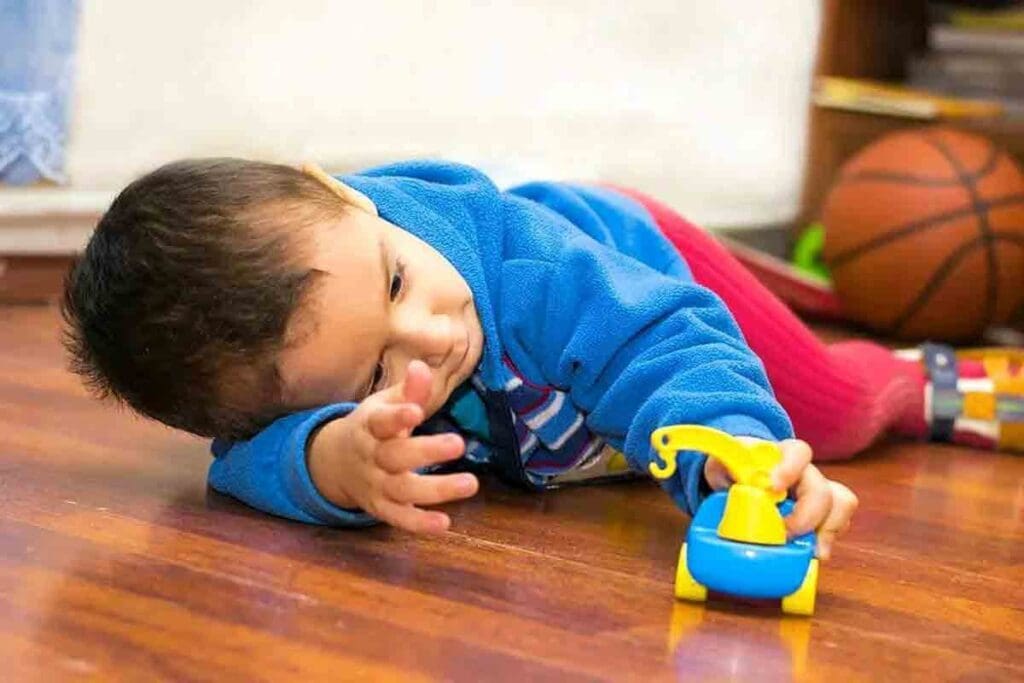
Iron deficiency anemia is a big health issue globally, hitting infants, kids, and teens hard.
This problem happens when the body doesn’t have enough healthy red blood cells. These cells are key for carrying oxygen to our tissues. Kids with iron deficiency anemia might feel tired, weak, and struggle with learning.
LivHospital focuses on each child’s needs, giving them the best care for pediatric iron issues. They tackle the causes and symptoms head-on.
Key Takeaways
- Iron deficiency anemia is a common nutritional disorder worldwide.
- It impacts the health and growth of young people.
- Knowing the causes, signs, and treatments is key.
- LivHospital offers care tailored for kids with iron deficiency anemia.
- Spotting and treating it early is essential for their long-term health.
The Global Burden of Iron Deficiency Anemia in Pediatrics
Iron deficiency anemia is a big problem worldwide for kids. It’s important to find ways to prevent and treat it. Studies show that iron deficiency is behind up to two-thirds of anemia in children.
Prevalence Statistics Worldwide
The World Health Organization (WHO) says half of all anemia cases are due to iron deficiency. This means a lot of kids are suffering from it. The numbers vary by region and population.
Economic and Healthcare Impact
Iron deficiency anemia costs a lot in healthcare and affects kids’ lives. It makes their lives less good and puts a big strain on healthcare systems. Here are some important facts about its impact.It’s key to understand the global impact of iron deficiency anemia on kids. This helps us create better solutions and use resources wisely to fight this issue.
Understanding Iron Deficiency Anemia Pediatrics: Pathophysiology and Mechanisms
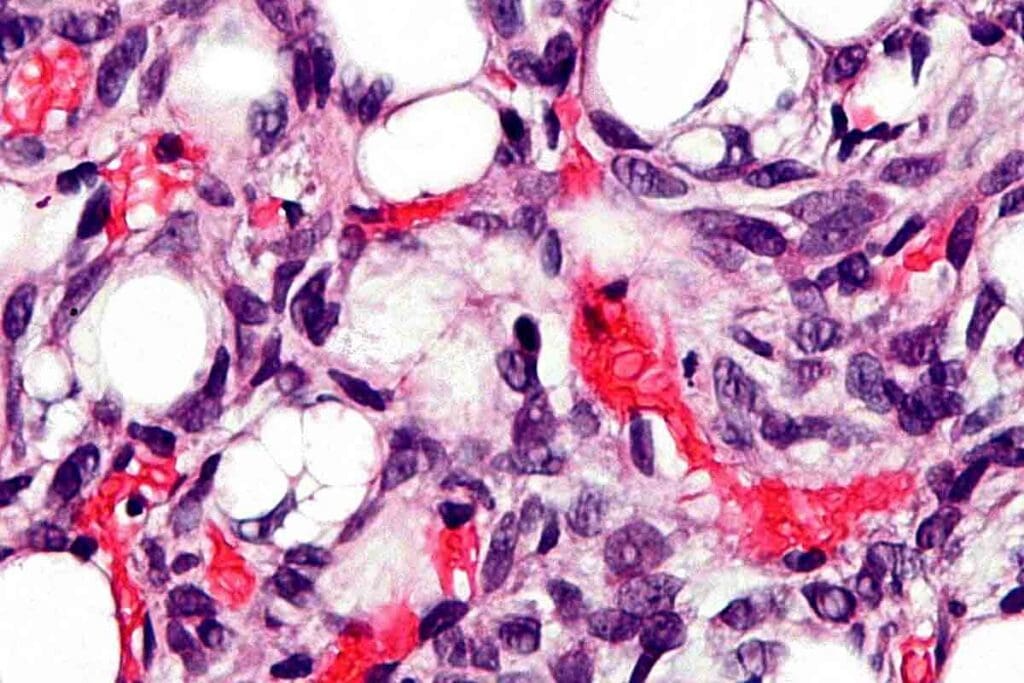
It’s key to know how iron deficiency anemia works in kids. Iron is needed to make hemoglobin. Without enough, kids can’t get oxygen to their bodies.
Iron Metabolism in Growing Children
Iron metabolism is complex in kids. It involves getting, absorbing, and using iron. Kids need iron for hemoglobin and other proteins. A study found, “Iron deficiency is a big problem worldwide, hitting kids hard.”
Stages of Iron Depletion to Clinical Anemia
Iron depletion turns into anemia in stages. First, iron stores go down. Then, serum iron levels drop. Eventually, anemia sets in. Experts say, “Early detection and treatment can stop anemia.”
Hematological Changes and Adaptations
Iron deficiency anemia causes changes in blood. Red blood cells get smaller, and hemoglobin levels fall. The body tries to adjust with different strategies.
“Iron supplementation is a critical component of treatment for iron deficiency anemia in children.”
Knowing these mechanisms helps create better treatment plans for kids with iron deficiency anemia.
Developmental Consequences of Untreated Iron Deficiency
Iron deficiency affects children in many ways. It can harm their brain, body, and immune system. This can lead to lasting problems.
Cognitive and Neurodevelopmental Impacts
Iron is key for brain health. Studies show that iron deficiency in young children can cause long-term issues. These include:
- Impaired cognitive development: It can affect attention, memory, and learning.
- Behavioral changes: Kids might get irritable, less social, and show other behavioral issues.
- Delayed neurodevelopment: Without enough iron, brain development can slow down.
Physical Growth Impairment
Iron deficiency also affects a child’s growth. It can cause:
- Slower growth rate
- Shorter height
- Delayed puberty
These issues come from iron’s role in energy and health.
Immune Function Compromise
Iron is important for a strong immune system. Without enough, children may face:
- Impaired immune function: They get sick more easily because their immune system is weak.
- Frequent illnesses: They often get sicker and have worse infections.
In summary, untreated iron deficiency can harm a child’s brain, body, and immune system. It’s important to catch and treat it early to avoid these problems.
Primary Etiologies of Iron Deficiency in Infants and Children
Iron deficiency in kids has many causes that need to be known for good treatment. Babies and young kids need a lot of iron for growing and developing.
Insufficient Dietary Iron Intake
Not getting enough iron from food is a big reason for iron deficiency in kids. Babies who don’t get iron-fortified formula or cereals are at risk. Kids who don’t eat enough iron-rich foods also face this problem. Dietary iron intake is key, and parents should learn to add iron-rich foods to their kids’ meals.
Increased Physiological Demands During Growth Spurts
Kids grow fast, which means they need more iron. If they don’t get enough from food or supplements, they can get iron deficiency.
Malabsorption and Blood Loss Considerations
Some health issues can make it hard for kids to absorb iron, like celiac disease or stomach bugs. Also, losing blood too much, from things like ulcers or parasites, can lead to iron deficiency.
Knowing these main reasons is key for doctors to spot and treat iron deficiency in kids right.
High-Risk Pediatric Populations Requiring Special Attention
Pediatric groups with special needs are more likely to face iron deficiency anemia. It’s key to spot these high-risk groups early to prevent and treat the issue.
Premature and Low Birth Weight Infants
Premature babies start with less iron and grow fast. They often need blood tests, which can lead to iron loss. These babies need careful monitoring and might need iron supplements early on.
Exclusively Breastfed Babies Beyond 6 Months
Breast milk is great for iron, but babies need more after 6 months. Introducing iron-rich foods around 6 months is important to avoid deficiency.
Children with Dietary Restrictions or Special Needs
Kids with dietary limits, like those with celiac disease or food allergies, face higher iron deficiency risks. Custom nutrition plans can help lower this risk.
Socioeconomic Risk Factors
Being poor or having limited healthcare access can increase a child’s risk of iron deficiency anemia. Public health efforts aimed at these issues can make a big difference.
Key high-risk groups include:
- Premature and low birth weight infants
- Exclusively breastfed babies beyond 6 months
- Children with dietary restrictions or special needs
- Children from socioeconomically disadvantaged backgrounds
Healthcare providers can use this knowledge to focus on early screening and prevention. This helps reduce iron deficiency anemia in these vulnerable groups.
2025 Updated Screening Recommendations for Pediatric Iron Deficiency
The American Academy of Pediatrics has updated guidelines for screening pediatric iron deficiency anemia in 2025. They stress the need for early detection and prevention.
These guidelines suggest universal screening at 12 months with a hemoglobin test. This helps find infants at risk of iron deficiency anemia.
Universal Screening at 12 Months
Universal screening means testing all children at 12 months, no matter their risk. This method helps catch and treat problems early.
Risk-Based Screening Protocols for Older Children
For kids over 12 months, a risk-based screening protocol is advised. This looks at things like diet, growth, and family income.
Interpretation of Hemoglobin and Serum Ferritin Results
It’s important to understand screening results correctly. Serum ferritin shows iron levels, while hemoglobin shows if there’s anemia.
| Test | Normal Range | Indications |
| Hemoglobin (g/dL) | >11 | Normal |
| Serum Ferritin (ng/mL) | 10-100 | Adequate iron stores |
By following these new guidelines, doctors can better spot and treat iron deficiency anemia.
Clinical Manifestations and Diagnostic Approach
Spotting iron deficiency anemia early is key. Its signs can be small but very important. In kids, it can cause tiredness, weakness, and even affect how they think and grow.
Early and Late Signs of Iron Deficiency
At first, iron deficiency might show as pallor, feeling tired, or being easily upset. Later, symptoms like shortness of breath, dizziness, and not wanting to eat much become more obvious.
| Signs/Symptoms | Early Stage | Late Stage |
| Fatigue/Weakness | Mild | Severe |
| Pallor | Present | More pronounced |
| Cognitive Impacts | Minimal | Significant developmental delays |
Behavioral and Cognitive Indicators
Iron deficiency anemia can really affect a child’s mood and thinking. Cognitive indicators might show as trouble focusing, a short attention span, and a lower IQ. Kids might also seem more irritable, less interested in things, or not want to play with others.
Differential Diagnosis Considerations
When trying to figure out if a child has iron deficiency anemia, it’s important to think about other reasons for similar symptoms. This includes things like thalassemia, lead poisoning, or chronic illness. Doctors use tests like a complete blood count (CBC) and serum ferritin levels to make sure.
Doctors look at the child’s medical history, do a physical check-up, and use lab results to find the right cause. This way, they can treat the problem correctly.
Evidence-Based Treatment Protocols for Pediatric Iron Deficiency Anemia
Dealing with iron deficiency anemia in kids is key. The main way to fix it is through oral iron supplementation. This method is safe and works well.
Oral Iron Supplementation Guidelines
For kids with iron deficiency anemia, oral iron is the best first choice. Doctors suggest giving 3-6 mg/kg/day of elemental iron. It’s important to pick the right iron type. Ferrous sulfate is often chosen because it has a lot of elemental iron and is easily absorbed.
| Iron Formulation | Elemental Iron Content | Recommended Dosage |
| Ferrous Sulfate | 20% | 3-6 mg/kg/day |
| Ferrous Gluconate | 12% | Adjust dosage based on elemental iron |
| Ferrous Fumarate | 33% | Adjust dosage based on elemental iron |
Duration of Therapy and Response Monitoring
Treatment usually lasts about 3 months after hemoglobin levels get back to normal. It’s important to keep an eye on hemoglobin and serum ferritin levels. A 1-2 g/dL increase in hemoglobin in 4 weeks shows the treatment is working. For more info, check outNCBI’s guide on iron deficiency anemia.
Management of Treatment Failures
If oral iron doesn’t work, there might be a problem. It could be ongoing blood loss, malabsorption, or not taking the iron as told. Changing the treatment plan might be needed. This could mean trying a different iron type or how it’s given.
Nutritional Strategies to Combat Iron Deficiency in Children
A well-planned diet is key to stopping iron deficiency anemia in kids. Good nutrition is important for preventing and treating iron deficiency.
Age-Appropriate Iron-Rich Foods
Iron-rich foods are essential for kids’ health. These include meat, poultry, fish, beans, and fortified cereals. For babies, iron-fortified cereals and pureed meats at 6 months help a lot.
Enhancing Iron Bioavailability
It’s important to make iron from food easier for the body to use. Vitamin C helps a lot with this. So, eating foods high in vitamin C with iron-rich foods boosts iron absorption.
Practical Meal Planning for Optimal Iron Status
Good meal planning means adding iron-rich foods to meals and snacks. Here’s a simple guide:
| Meal | Iron-Rich Food | Vitamin C Source |
| Breakfast | Fortified cereal | Orange juice |
| Lunch | Grilled chicken | Salad with citrus vinaigrette |
| Dinner | Beans | Steamed broccoli |
By using these nutrition tips, parents and caregivers can fight iron deficiency in kids. This helps keep them healthy and happy.
Iron Supplementation Safety and Administration in Infants
Iron supplements are key for treating iron deficiency anemia in babies. But, it’s important to use them safely. This ensures they work well and keep the baby healthy.
Appropriate Formulations for Different Age Groups
Infants need special iron supplements. Liquid formulations are best because they’re easy to give. It’s important to pick the right one for the baby’s age and growth.
Administration Techniques to Improve Compliance
Give iron supplements with food to lessen stomach problems. Mixing it with fruit puree or juice can make it easier for the baby to take.
Managing and Preventing Common Side Effects
Side effects like constipation and diarrhea can happen. Watch how the baby reacts to the supplement. If needed, change the dosage or how you give it to help.
Recent Advances in Pediatric Iron Deficiency Management (2020-2025)
Between 2020 and 2025, managing pediatric iron deficiency anemia has made big strides. These improvements have led to better treatment plans and results for patients.
Findings from Recent Meta-Analyses
Recent studies have given us new insights into iron supplements. They found that some types work better than others. These include better hemoglobin levels and fewer anemia symptoms.
Novel Iron Formulations and Delivery Methods
New iron types, like iron polymaltose complexes and liposomal iron, are being used. They are easier to take and have fewer side effects. This makes them more effective and easier for kids to follow.
Emerging Biomarkers for Earlier Detection
New markers, like hepcidin and soluble transferrin receptor, are being studied. They could help find iron deficiency early. This means doctors might catch it before it turns into anemia.
Individualized Treatment Approaches
The move towards personalized medicine is also changing treatment. Now, plans are tailored to each child’s needs. This includes their genes, diet, and health conditions.
These breakthroughs are a big leap forward in treating pediatric iron deficiency anemia. They offer hope for better health outcomes for kids affected by it.
Conclusion: Integrated Approach to Pediatric Iron Health
Managing pediatric iron health needs a complete plan. This includes checking for iron deficiency, giving nutritional advice, and using supplements. Understanding how iron works in the body is key. Healthcare teams must also know who is at risk and use proven treatments.
Using a mix of screening, risk checks, and specific actions can lessen the harm of iron deficiency. Foods rich in iron and ways to make iron more available are important. These steps help keep iron levels right.
Healthcare teams should take a full approach to iron health in kids. This way, they can lower iron deficiency anemia worldwide. It helps kids grow better and live happier lives.
FAQ
What is iron deficiency anemia in pediatrics?
Iron deficiency anemia is when kids have too few red blood cells or hemoglobin. This is because they don’t have enough iron. It can hurt their health and growth.
How prevalent is iron deficiency anemia in children worldwide?
It’s a big problem worldwide. Many kids, mostly in poor countries, suffer from it.
What are the main causes of iron deficiency in infants and children?
Main causes are not getting enough iron in their diet. Also, their bodies need more iron when they grow fast. Blood loss and not absorbing iron well are other reasons.
Which pediatric populations are at higher risk of iron deficiency anemia?
Some kids are more at risk. This includes premature babies, babies who only drink breast milk after 6 months, and kids with special diets. Also, kids from poor families are at higher risk.
What are the recommended screening guidelines for iron deficiency anemia in children?
Doctors should check all kids at 12 months. For older kids, they should check if they’re at risk. They use tests like hemoglobin and serum ferritin levels.
What are the clinical manifestations of iron deficiency anemia in children?
Early signs are tiredness, pale skin, and being easily upset. Later, they might have trouble breathing and not grow well. They might also act differently or have trouble learning.
How is iron deficiency anemia treated in children?
Treatment is usually iron pills. Doctors will tell you how much and for how long. They also watch how the child is doing and what to do if it doesn’t work.
What nutritional strategies can help prevent or treat iron deficiency in children?
Feeding them foods rich in iron is important. You can also make iron in their food better. Planning their meals well is also key.
How should iron supplements be administered to infants and children?
Use the right kind of iron pills for their age. Make sure they take it right. Also, know how to deal with side effects.
What are the recent advances in managing pediatric iron deficiency anemia?
New research has found better ways to treat it. There are new iron pills and ways to find it early. Doctors can now treat each child differently.
How can iron deficiency anemia be prevented in pediatric populations?
To prevent it, feed them right, check them often, and start treatment early. This is very important for kids at high risk.
What is the importance of monitoring iron levels in infants and children?
Checking iron levels helps find and treat anemia early. This is important to avoid problems with their growth and development.
Reference
- National Heart, Lung, and Blood Institute. (n.d.). Iron-deficiency anemia. https://www.nhlbi.nih.gov/health-topics/iron-deficiency-anemia