
Iron deficiency is a big problem worldwide and a main cause of anemia in kids. When iron supplements by mouth don’t work or are hard to take, other treatments are needed.
erroneous image’
We know that severe iron deficiency anemia can really hurt a child’s health. In these cases, IV iron treatments can help bring back healthy levels of hemoglobin and ferritin.
At our hospital, we have special care for kids with severe iron deficiency anemia. We offer iron infusion. Our team works together to give the best care possible.
Key Takeaways
- Iron infusions are considered for children when oral supplements are ineffective.
- Severe iron deficiency anemia can significantly impact a child’s health.
- IV iron treatments can restore hemoglobin and ferritin levels.
- LIV Hospital offers specialized IV iron treatments for children.
- A multidisciplinary team provides the highest standards of care.
Understanding Iron Deficiency in Children
It’s key to know about iron deficiency in kids for their health and growth. This issue affects children worldwide, impacting their growth and brain development. It also affects their quality of life.
“Iron deficiency is the most common nutritional disorder in children, and its effects can be far-reaching if left untreated,” health experts say. The World Health Organization says about 40% of children aged 6“59 months globally have anemia. This is often due to iron deficiency.
Prevalence of Iron Deficiency Anemia in Pediatric Populations
Iron deficiency anemia is common in kids, more so in poor countries. Studies show up to 60% of children with anemia don’t get better with iron and folic acid. This makes iron infusions a needed treatment.
The rate of iron deficiency anemia varies worldwide. It’s higher in some places due to diet, money status, and healthcare access.
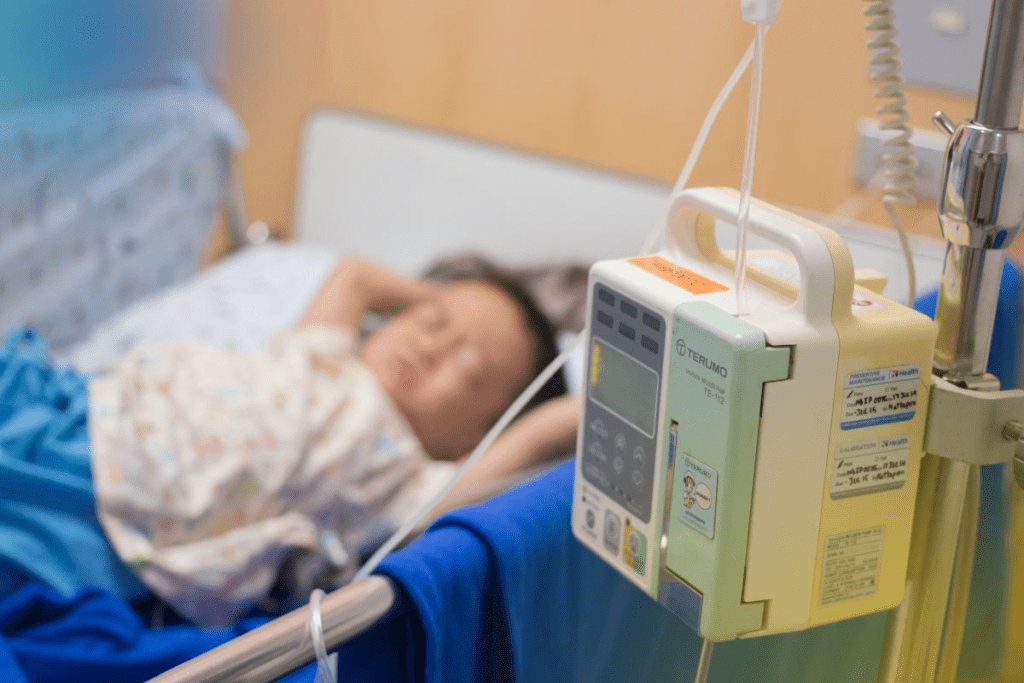
Signs and Symptoms of Iron Deficiency in Children
Finding iron deficiency in kids is hard because symptoms come on slowly. Common signs include:
- Fatigue and weakness
- Pale skin
- Poor appetite
- Slow growth and development
Spotting these signs early is key for quick treatment.
Impact of Iron Deficiency on Child Development
Iron is vital for kids’ brain function, motor skills, and mood. Lack of iron can cause:
- Impaired cognitive development
- Lower school grades
- More infections
Early treatment is vital to help kids reach their full ability.
We know how critical it is to tackle iron deficiency in kids for their health and future. By spotting signs and understanding iron’s role, parents and doctors can offer the best care.
Traditional Iron Supplementation Methods
For years, doctors have used traditional ways to treat iron deficiency in kids. These methods are key in managing iron deficiency. They include oral iron supplements and changes in diet.
Oral Iron Supplements
Oral iron supplements are often the first choice for treating iron deficiency in children. They are easy to find and come in different forms. But oral iron supplements can cause stomach problems like nausea and constipation. This can be hard for some kids.
Dietary Approaches to Iron Deficiency
Changing what kids eat is another way to fight iron deficiency. Eating more iron-rich foods like red meat and beans helps. Also, vitamin C can help the body absorb iron better. So, eating foods high in vitamin C, like citrus fruits, with iron-rich foods is good.
Limitations of Conventional Treatment
Even though traditional methods work for many kids, they have their limits. Some kids may not do well with oral iron supplements because of stomach issues. Also, just changing the diet might not be enough for kids with severe iron deficiency. In these cases, iron infusions might be needed.
When Are Iron Infusions Necessary for Children?
Children who don’t get better with oral iron might need iron infusions. These infusions are for those who can’t take oral iron or have severe anemia.
Failure of Oral Iron Therapy
Oral iron is usually the first treatment for iron deficiency in kids. But some kids might not get better because of side effects, poor absorption, or not taking it. Iron infusions can be a better choice for them.
Severe Iron Deficiency Anemia Cases
Children with very low iron levels might need iron infusions. Severe iron deficiency anemia can cause tiredness, weakness, and trouble breathing. These symptoms can slow down their growth and health.
Gastrointestinal Disorders Affecting Iron Absorption
Some stomach problems can make it hard for the body to absorb iron from food. Conditions like celiac disease, Crohn’s disease, or ulcerative colitis can lead to this. For kids with these issues, iron infusions are often needed.
Other Medical Conditions Requiring IV Iron
Some health problems need IV iron because oral iron doesn’t work or can’t be taken. This includes chronic kidney disease, heart failure, or other long-term illnesses where iron levels are low.
Deciding on iron infusions for kids depends on their iron levels, health, and how they’ve done with other treatments. We’ll look at the iron infusion process in more detail next.
- Iron infusions are necessary when oral iron therapy fails or is not tolerated.
- Severe iron deficiency anemia cases may require iron infusions for rapid correction.
- Gastrointestinal disorders affecting iron absorption can necessitate IV iron treatment.
- Other medical conditions may require IV iron due to the need for rapid correction or intolerance to oral iron.
Types of Iron Infusions Available for Pediatric Patients
There are many iron infusions for kids, each with its own use. These options help doctors find the best treatment for each child. This ensures kids get the care they need.
Iron Sucrose
Iron sucrose is a common IV iron for kids. It’s well-studied and works well for iron deficiency anemia. It’s great for kids who can’t take iron pills or have very low iron levels.
Ferric Carboxymaltose
Ferric carboxymaltose is a newer IV iron. It lets doctors give more iron in one visit. This is good for kids because it means fewer visits. It’s also safe for kids.
Other IV Iron Formulations
There are more IV iron options like iron dextran and ferumoxytol. Each has its own uses and benefits. For example, iron dextran is for kids with allergies, and ferumoxytol is quick.
- Iron dextran: Useful for patients with a history of allergies.
- Ferumoxytol: Offers a rapid infusion option.
- Iron sucrose: Effective for severe iron deficiency.
- Ferric carboxymaltose: Allows for higher doses in a single visit.
Comparing Safety Profiles for Children
Choosing the right IV iron for kids is all about safety. While all these options are used in kids, their safety varies. Ferric carboxymaltose and iron sucrose are usually safe, with few side effects. But, each child’s health and past can affect safety.
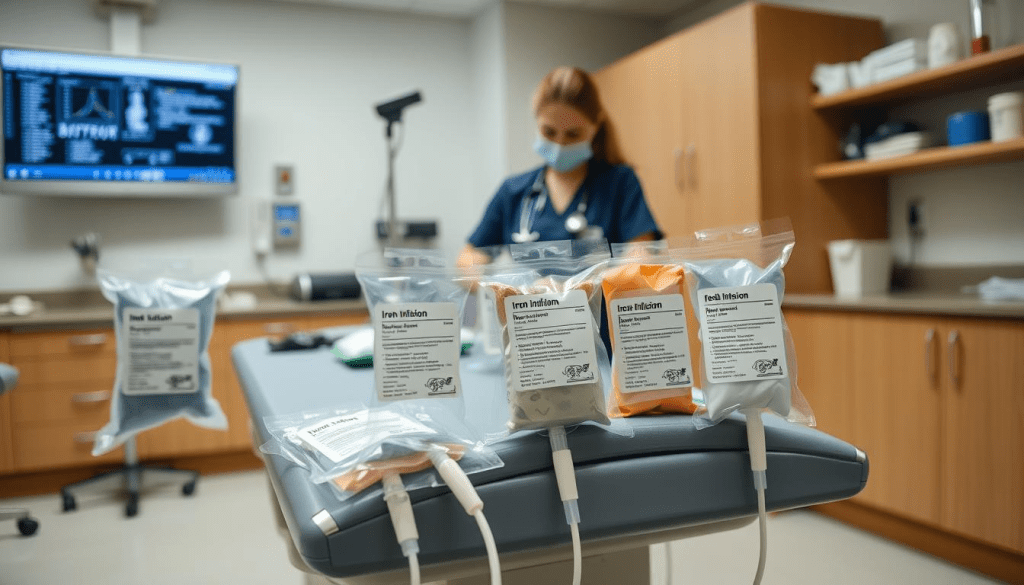
We look at safety and how well these iron infusions work when picking a treatment for kids. Knowing about these options and their safety helps doctors make the best choices for their young patients.
The Iron Infusion Process for Children
The iron infusion process for kids has several important steps. These steps make sure the treatment is safe and works well. We’ll explain the main parts of this process.
Pre-Infusion Assessment and Testing
First, a detailed check is done before the infusion. This includes looking at the child’s health history and current status. Lab tests are also done to see how bad the iron deficiency is and if there are other health issues. These steps help make the treatment fit the child’s needs.
We also check the child’s overall health. This includes checking their vital signs and looking for any signs of infection. This ensures the infusion is safe for the child.
Calculating Appropriate Dosage
The amount of IV iron given is carefully figured out. It depends on the child’s weight and how bad their iron deficiency is. Getting the dosage right is very important to avoid giving too little or too much. Our doctors use guidelines to find the right amount for each child.
The dosage also takes into account how the child has reacted to iron treatments before. And any health issues they might have now.
Administration Procedure
Iron infusions are given in a place where doctors can watch the child closely. The infusion goes into a vein in the arm. The whole process is watched carefully to keep the child safe and comfortable.
While the infusion is happening, we keep an eye on the child’s vital signs. We also watch for any signs of a bad reaction. This lets us act fast if there’s a problem.
Duration and Frequency of Treatments
How long an iron infusion takes can vary. It can be anywhere from 15 minutes to several hours. How often treatments are needed depends on the child’s condition and how they’re doing. We set up follow-up visits to check how well the treatment is working and if more infusions are needed.
In some cases, just one infusion is enough. But sometimes, kids need more time. Our team works with the family to make a treatment plan that’s right for the child.
What to Expect During Your Child’s Iron Infusion
Knowing what happens during an iron infusion can ease worries. It prepares you and your child for the treatment. Iron infusions are safe and effective for treating iron deficiency in kids. Being informed can make the experience less scary for families.
Hospital or Outpatient Setting
Iron infusions can happen in hospitals or outpatient settings. The choice depends on the child’s medical needs and the doctor’s advice.
Some important points about the setting include:
- The outpatient setting is often chosen for its convenience and less scary environment for kids.
- Hospital settings might be better for kids with complex medical conditions or those needing closer watch.
Required Monitoring During Administration
During the infusion, your child will be watched closely by healthcare professionals. This is key to ensuring the treatment is safe and works well.
Monitoring includes:
- Checking vital signs like heart rate, blood pressure, and oxygen saturation regularly.
- Watch the infusion site for any signs of reaction or discomfort.
- Looking out for any bad reactions, though these are rare.
Typical Duration of an Infusion Session
The time needed for an iron infusion session varies. It depends on the dose needed and your child’s health.
Some general guidelines on time include:
- The infusion itself usually takes 15 minutes to several hours.
- Preparation before and monitoring after add to the total time at the healthcare facility.
Tips for Helping Children Through the Process
Helping your child through the iron infusion involves preparation, emotional support, and making sure they’re comfortable.
Some tips to consider:
- Explain the process in a way your child can understand to reduce anxiety.
- Bring comfort items from home to reassure them during the infusion.
- Encourage your child to ask questions and share any worries they have.
By understanding what to expect and how to prepare, you can help make your child’s iron infusion experience as smooth and stress-free as possible.
How Quickly Do Iron Infusions Increase Hemoglobin Levels?
Research shows iron infusions can quickly boost hemoglobin in kids. This is key for kids with iron deficiency anemia. It helps them feel better and grow stronger.
Timeframe for Seeing Improvements
Studies say hemoglobin levels can start to go up in 1-2 weeks after aniron infusion. The speed of increase can differ, but most see big changes in a month. For example, a study found that kids given IV iron saw big hemoglobin jumps in 14 to 28 days.
- Hemoglobin levels begin to rise within 1-2 weeks
- Noticeable improvements were observed within a month
- Variability in response rate due to individual factors
Factors Affecting Response Rate
The speed at which IV iron works can change based on several things. The severity of iron deficiency and any health issues are big factors. Kids with more severe anemia tend to see bigger hemoglobin jumps.
- Severity of iron deficiency
- Presence of underlying medical conditions
- Dosage and type of IV iron used
Comparing IV Iron to Oral Supplementation
IV iron is often better than taking iron pills, which don’t work for everyone. The faster increase in hemoglobin levels from IV iron is vital for kids with severe anemia.
Follow-up Testing and Assessment
After an iron infusion, it’s important to check how well it worked. This means looking at hemoglobin levels and other iron tests.
Knowing how fast iron infusions work and what affects this helps doctors treat iron deficiency anemia in kids better.
Potential Side Effects and Risks of Iron Infusions
Iron infusions help kids with iron deficiency, but they can have side effects and risks. It’s important for parents and doctors to know about these to make good choices.
Common Side Effects
Children might feel headaches, nausea, or dizziness after an iron infusion. These feelings usually go away quickly. Sometimes, kids might feel pain or discomfort where the infusion was given.
Rare Complications
Even though they’re rare, serious problems can happen. Allergic reactions are one, and they need quick help from a doctor. Other rare issues include changes in blood pressure and heart rate.
Hypophosphatemia Risk
Some iron infusions, like ferric carboxymaltose, can cause low phosphate levels. This can make muscles weak and cause fatigue. It’s key to check phosphate levels before and after treatment.
Long-term Side Effects
Studies are ongoing to learn about the long-term effects of iron infusions in kids. So far, they seem safe and effective. But, it’s important to keep watching how kids do after treatment.
Thinking about medical treatments can worry kids and parents. Our healthcare team is here to help. We aim to give your child the best care and support during their iron infusion therapy.
Conclusion: The Future of Iron Therapy for Children
Medical care is getting better, and iron infusions are now a key treatment for kids with severe iron deficiency anemia. Hospitals are using new protocols and team care to give top-notch iron treatments. This has greatly improved how kids are treated.
New iron therapy methods, like IV iron, are changing how we treat iron deficiency in kids. As research keeps moving forward, we’ll see even more ways to help our youngest patients.
The outlook for iron therapy in kids is bright. We’re seeing better treatment plans and new iron formulas all the time. As healthcare workers, we’re dedicated to giving kids the best care possible. We want to make sure they get the safest and most effective treatments.
FAQ
What is iron deficiency anemia, and how does it affect children?
Iron deficiency anemia happens when the body doesn’t have enough iron. This is needed to make hemoglobin, a key protein in red blood cells. Without enough, children might feel tired, have trouble exercising, and struggle with learning.
When are iron infusions necessary for children?
Children need iron infusions if they don’t get better with oral iron, have very low iron levels, or have issues with their gut that stop iron from being absorbed.
What types of iron infusions are available for pediatric patients?
Kids can get different types of IV iron, like iron sucrose and ferric carboxymaltose. The right one depends on the child’s needs and health.
How is the dosage of iron infusion calculated for children?
The amount of iron given is based on the child’s weight and how bad their iron deficiency is. Our team will figure out the best dose for your child.
What can I expect during my child’s iron infusion?
Your child will get the infusion in a hospital or clinic. They’ll be watched for any bad reactions. The whole thing takes a few hours, and our team will help you and your child through it.
How quickly do iron infusions increase hemoglobin levels in children?
How fast iron infusions work can vary. But, kids usually start to feel better in a few weeks. It’s important to keep checking their hemoglobin levels to see how well the treatment is working.
What are the possible side effects and risks of iron infusions in children?
Kids might feel sick, dizzy, or have headaches after an iron infusion. But, there are also rare risks like low phosphate levels. Our team will talk to you about these risks and how they compare to the benefits.
Are there any long-term side effects of iron infusions in children?
Iron infusions are usually safe, but there’s a small chance of iron overload later on. Our team will keep an eye on your child’s iron levels to avoid this risk.
Can iron infusions be administered at the hospital?
Yes, iron infusions can be given at our hospital or clinic. We make sure your child is safe and comfortable during treatment.
How long does an iron infusion take?
How long an iron infusion takes depends on the child’s needs. It usually takes a few hours. Our team will tell you what to expect during this time.
What iron level requires iron infusion?
Deciding if a child needs an iron infusion depends on how bad their iron deficiency is and their overall health. Our team will check their iron levels and decide the best treatment.
References
- U.S. National Center for Biotechnology Information. (2020). Iron Deficiency Anemia. NIH. Retrieved fromhttps://www.ncbi.nlm.nih.gov/books/NBK448068/
- American Academy of Pediatrics. (2020). Iron Deficiency in Infants and Children. Retrieved fromhttps://www.healthychildren.org/English/ages-stages/baby/feeding-nutrition/Pages/Iron-Deficiency.aspx
- Baker, R. D., et al. (2018). Diagnosis and prevention of iron deficiency and iron-deficiency anemia in infants and young children (0-3 years of age). Pediatrics, 142(4), e20182283.https://publications.aap.org/pediatrics/article/142/4/e20182283/37453/Diagnosis-and-Prevention-of-Iron-Deficiency-and
- Power, A., et al. (2018). Intravenous iron for the treatment of paediatric iron deficiency anaemia. Archives of Disease in Childhood, 103(8), 754-758.https://adc.bmj.com/content/103/8/754
- Centers for Disease Control and Prevention. (2024). Iron and Iron Deficiency. CDC. Retrieved fromhttps://www.cdc.gov/nutrition/micronutrient-deficiencies/iron-deficiency.html