
Iron deficiency anemia happens when you don’t have enough red blood cells or hemoglobin. Iron infusion is a treatment where iron goes straight into your blood through a vein. What iron level indication for infusion? Find the crucial numbers and criteria doctors use to determine if you need this powerful treatment.
We turn to iron infusion when pills like ferrous sulphate don’t work or are hard to take. It’s key to quickly fixing iron levels.
Knowing the right levels of hemoglobin and ferritin is important. It helps decide if you need an iron infusion. This makes sure you get the right care at the right time.
Key Takeaways
- Iron infusion is considered when oral iron supplements are ineffective or not tolerated.
- Rapid correction of iron deficiency is a key indication for iron infusion.
- Precise thresholds for hemoglobin and ferritin levels determine the need for iron infusion.
- Iron infusion delivers iron directly into the bloodstream through a vein.
- Ferrous sulphate is a common oral iron supplement used before considering infusion.
Understanding Iron Deficiency and Normal Iron Levels
Iron is key to our health, and not having enough can cause problems. We’ll look at why iron is important, what happens when we don’t have enough, and how to keep iron levels right.
The Role of Iron in the Body
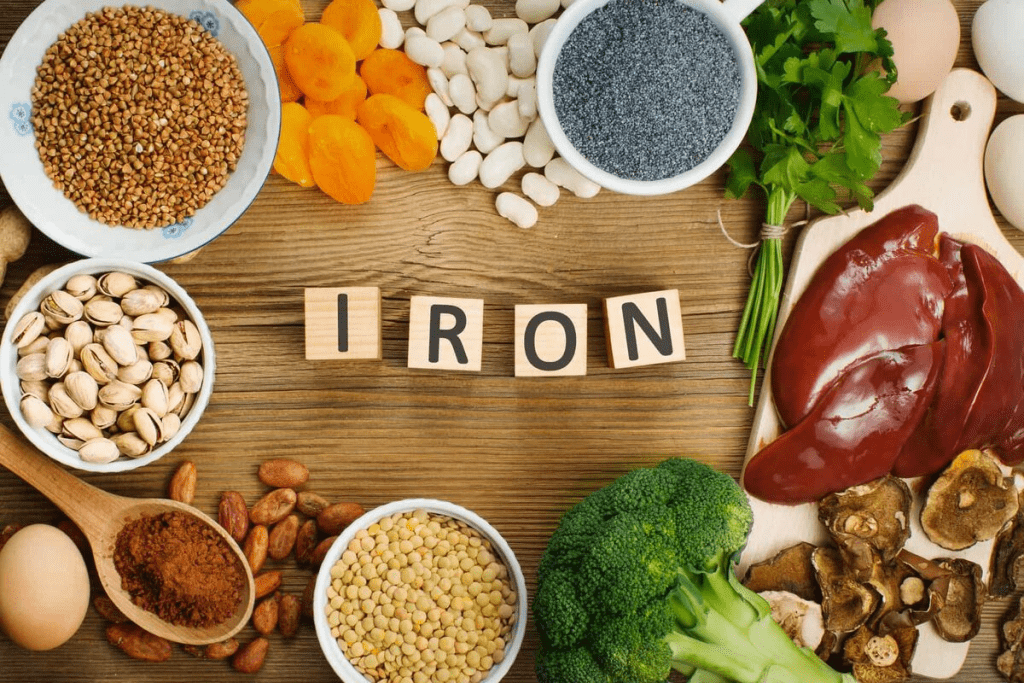
Iron helps our body make hemoglobin, a protein in red blood cells. It carries oxygen from our lungs to the rest of our body. Without enough iron, we can’t make enough healthy red blood cells. This leads to iron deficiency anemia.
Normal Iron Level Ranges
How much iron we need varies based on age, sex, and health. For adult men, the normal iron range is 65 to 175 micrograms per deciliter (mcg/dL). For women, it’s 50 to 170 mcg/dL. But these numbers can change based on the lab.
Serum ferritin levels are a better way to check our iron stores.
Signs and Symptoms of Iron Deficiency
Iron deficiency can show in many ways, from mild to severe. Common signs include:
- Fatigue and weakness
- Pale skin
- Shortness of breath
- Dizziness or lightheadedness
- Cold hands and feet
Spotting these signs early is key. If you notice several, see a doctor. They can help figure out what’s wrong and suggest treatments. This might include iron supplements or the best iron supplement advice.
Diagnostic Tests for Measuring Iron Status
We use different tests to check iron levels and find out if there’s a deficiency. These tests help us see how bad the deficiency is. They also help decide if we need to give iron infusions.
Complete Blood Count (CBC)
A CBC is a basic test that looks at different parts of the blood. It checks hemoglobin levels, which are key for iron status. Low hemoglobin means you might have iron deficiency anemia.
The CBC also looks at hematocrit and red blood cell count. This gives a full picture of your iron status.
Serum Ferritin Test
The serum ferritin test checks ferritin levels in the blood. Ferritin shows how much iron is stored in your body. Low ferritin levels mean you might have an iron deficiency.
This test is great because it can spot iron deficiency before symptoms show up. It’s also used to see if iron treatments are working, like Venofer infusions.
Transferrin Saturation
Transferrin saturation shows how much iron is in transferrin. Transferrin carries iron in the blood. Low transferrin saturation means you don’t have enough iron.
This test helps doctors figure out the best treatment. It might include iron infusions to add iron back into your body.
Total Iron-Binding Capacity (TIBC)
TIBC measures how much iron the blood can bind with transferrin. High TIBC levels often mean you have iron deficiency. Your body makes more transferrin to try to get more iron.
This test, along with others, gives a full picture of your iron status. It helps doctors decide the best treatment. Knowing about TIBC is key to managing iron deficiency and avoiding iron infusion side effects.
Healthcare providers use these tests to accurately diagnose iron deficiency. They then decide if you need intravenous iron therapy. Patients getting iron infusions need to be watched for side effects. This ensures the treatment is safe and effective.
Iron Level Indication for Infusion: Clinical Guidelines
Doctors decide on iron infusion based on certain guidelines. These guidelines look at hemoglobin and ferritin levels. They make sure iron infusion goes to those who really need it.
Iron infusion is for severe iron deficiency anemia. It’s used when oral iron doesn’t work or can’t be taken. Clinical guidelines help find the right patients for iron infusion therapy.
Hemoglobin Thresholds for Iron Infusion
Hemoglobin levels are key in deciding on iron infusion. Patients with low hemoglobin might need an iron infusion. The exact hemoglobin level needed can depend on the iron deficiency cause and the patient’s health.
For example, patients with chronic kidney disease might need iron infusion at higher hemoglobin levels. Healthcare providers must look at each patient’s needs and medical history.
Ferritin Level Thresholds
Ferritin levels show the body’s iron stores. Low ferritin means the body has little iron. Clinical guidelines suggest iron infusion for patients with low ferritin, when oral iron isn’t enough.
Ferritin thresholds can change based on the patient’s condition and other health issues. Doctors must think about these factors when deciding on iron infusion.
Transferrin Saturation Criteria
Transferrin saturation shows how much iron is being carried in the blood. Low levels mean not enough iron for red blood cell production. Clinical guidelines say patients with low transferrin saturation might benefit from iron infusion.
Doctors consider transferrin saturation along with hemoglobin and ferritin levels. This helps them decide on iron infusion therapy.
Medical Conditions That May Require Iron Infusion
Many health issues can lead to a need foriron infusion. This is because iron deficiency can happen for different reasons. It’s important to address these deficiencies for our overall health.
distorted image ‘
Chronic Kidney Disease and Iron Requirements
Chronic kidney disease (CKD) often causes anemia. This is because the kidneys don’t make enough erythropoietin and can’t use iron well. Iron infusion is often needed to manage anemia in CKD patients, including those on dialysis.
Inflammatory Bowel Disease and Iron Absorption
Inflammatory bowel disease (IBD) can make it hard for the body to absorb iron. Iron infusion is a direct way to add iron to IBD patients. It helps to fight anemia.
Pregnancy-Related Iron Deficiency
Pregnancy increases iron needs because of the growth of red blood cells and the needs of the fetus. Women with severe iron deficiency anemia during pregnancy might need iron infusion. This is when oral supplements don’t work or can’t be taken.
Post-Surgical Iron Needs
After surgery, patients often lose blood, leading to iron deficiency. Iron infusion can quickly raise iron levels. It helps in recovery and may avoid the need for blood transfusions.
In summary, many health conditions require iron infusion because of iron deficiency or increased iron needs. Knowing these conditions helps doctors choose the right treatment.
The Iron Infusion Procedure
It’s important for patients to know about the iron infusion process. This treatment helps manage iron levels. It involves several steps, from the first check to watching how the patient does after.
Pre-Infusion Assessment
Healthcare professionals do a detailed check before starting the infusion. They look at the patient’s medical history, iron levels, and past reactions to iron. They need to know about any risks or allergies to keep the treatment safe. Patients with allergies or past reactions might need extra care.
During the Infusion Process
Iron is given intravenously through an IV bag during the infusion. The steps include:
- Preparing the iron solution, like Venofer, as the maker says.
- Putting an IV line in a vein, usually in the arm.
- Slowly give the iron solution to avoid bad reactions.
Some patients get intravenous iron therapy to quickly add iron to their bodies.
Monitoring and Safety Protocols
It’s key to watch patients closely during and after the infusion. Healthcare teams look for signs of bad reactions or changes in vital signs. They have safety plans ready for any problems that might come up.
Duration and Frequency of Treatments
How long and how often iron infusions are needed can vary. Some might only need one, while others might need several over weeks or months. The doctor will decide based on the patient’s needs.
Potential Side Effects and Risks of Iron Infusions
Iron infusions are generally safe but can have risks and side effects. It’s important to know about possible reactions and how to handle them.
Common Side Effects
Common side effects of iron infusions include:
- Headaches
- Dizziness or lightheadedness
- Nausea or vomiting
- Flushing or redness of the skin
- Pain or discomfort at the infusion site
These side effects are usually mild and go away quickly. But if they don’t get better or get worse, tell your doctor right away.
Rare but Serious Complications
Iron infusions can sometimes cause serious problems, including:
- Anaphylaxis: A severe, life-threatening allergic reaction that needs immediate help.
- Hypotension: A big drop in blood pressure, causing dizziness, fainting, or poor blood flow to important organs.
- Iron overload: Too much iron in the body, which can harm organs over time.
It’s key to watch patients closely during and after the infusion to spot and handle any bad reactions fast.
Managing Adverse Reactions
Handling bad reactions to iron infusions involves a few steps. First, check patients before the infusion. Then, watch them closely during it. After, take care of them to make sure they’re okay.
Doctors might give medicines to help with side effects or change the infusion rate to make it less uncomfortable.
Risk Factors for Complications
Some things can make iron infusion complications more likely, including:
- A history of allergies or bad reactions to iron infusions
- Underlying medical conditions, such as heart disease or asthma
- Using certain medicines that can react with iron
Knowing these risk factors and keeping a close eye on patients can help doctors make the treatment safer and more effective.
Conclusion
Iron infusion is a great way to treat iron deficiency when pills don’t work. We’ve looked at how iron is important, how doctors check for it, and when they might use an infusion.
Knowing the signs of iron deficiency and when you might need an infusion is key. This way, you can get help quickly. The infusion process is safe and makes sure you get better.
Iron infusion is usually safe, but we talked about possible side effects. With the right treatment, you can feel better and live healthier. If pills aren’t enough, infusion can help, just like finding the best iron supplement.
Using iron infusion and other treatments helps people with iron deficiency. It keeps iron levels right, making sure it works well in the body.
FAQ’s:
What is an iron infusion, and how does it work?
An iron infusion is a treatment where iron goes straight into your blood through a vein. It’s used when taking iron pills doesn’t work or isn’t well-tolerated. This method quickly boosts your iron levels.
What are the normal ranges for iron levels, and how are they measured?
Iron levels are checked through tests like serum ferritin and transferrin saturation. Normal levels are between 20-250 ng/mL. These tests help us see if you need an iron infusion.
What are the signs and symptoms of iron deficiency?
Signs of iron deficiency include feeling tired, weak, and pale. You might also get short of breath or dizzy. If you notice these, see a doctor to find out why.
What medical conditions may require iron infusion due to associated iron deficiency or increased iron needs?
Certain conditions, like chronic kidney disease or pregnancy, may need iron infusion. These situations often cause an iron deficiency or need for more iron.
What are the possible side effects and risks of iron infusions?
Iron infusions might cause headaches, dizziness, or nausea. Though rare, serious issues like allergic reactions or too much iron can happen. We watch patients closely to avoid these risks.
How is the iron infusion procedure performed, and what can I expect?
First, we check you before starting the infusion. Then, iron is given through a vein. We keep an eye on you during and after to make sure you’re okay. How long and how often you need it depends on your situation.
What is the difference between ferrous sulphate and iron infusion?
Ferrous sulphate is a pill for iron, while iron infusion is a vein treatment. Pills work for mild cases, but infusion is needed for severe cases or when pills don’t work.
Can I receive an iron infusion if I’m taking other medications or have underlying medical conditions?
We look at each case to see if iron infusion is safe for you. Some meds or health issues might need extra care or caution.
How does Venofer, a type of iron infusion, work, and what are its benefits?
Venofer is an iron shot for anemia. It’s given through a vein to quickly raise iron levels. It’s often used for people with kidney disease or other conditions needing quick iron.
Can Liquid I.V. or other oral hydration products help with iron deficiency?
Liquid I.V. and similar products help with staying hydrated, but can’t replace iron infusion or pills. If you’re low on iron, talk to a doctor about the best treatment.
References
- DeLoughery, T. G., Jackson, C. S., Ko, C. W., & Rockey, D. C. (2024). AGA Clinical Practice Update on Management of Iron Deficiency Anemia. Clinical Gastroenterology and Hepatology. Retrieved fromhttps://www.cghjournal.org/article/S1542-3565%2824%2900410-5/fulltext
- Koch, T. A., et al. (2015). Intravenous Iron Therapy in Patients with Iron Deficiency Anemia: Dosing Considerations. PMC. Retrieved fromhttps://pmc.ncbi.nlm.nih.gov/articles/PMC4518169/
- American Academy of Family Physicians. (2023). Intravenous Iron Replacement for Iron Deficiency Anemia. American Family Physician. Retrieved fromhttps://www.aafp.org/pubs/afp/issues/2023/0400/letter-iv-iron-replacement.html