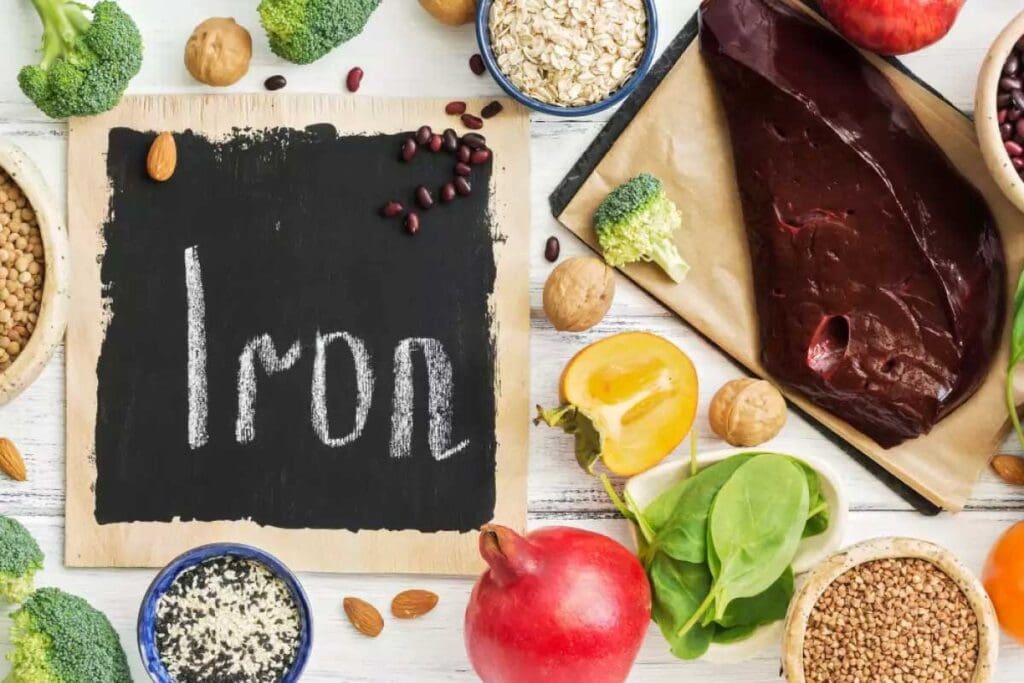
Toddlers need a lot of iron to grow, develop, and stay full of energy. Iron is key for their brain, immune system, and health. Find 15iron sources for toddlers to ensure balanced nutrition and healthy growth.
At Liv Hospital, we know how important nutrient-rich foods are for toddlers. Our experts have found 15 iron-rich foods that are great for toddlers.
These foods are tasty and full of important nutrients. It’s very important to make sure your toddler gets enough iron.
Key Takeaways
- Iron is essential for toddlers’ brain development and energy levels.
- A steady supply of iron supports overall health and immune function.
- Including iron-rich foods in your toddler’s diet is important.
- Liv Hospital recommends a variety of toddler-friendly iron-rich foods.
- A well-balanced diet ensures healthy development in toddlers.
The Importance of Iron for Toddler Health and Development
Iron is key for toddlers, playing a big role in their health and growth. It helps make hemoglobin, a protein in red blood cells. This protein carries oxygen to the body, including the brain.
How Iron Supports Brain Development and Growth
Iron helps the brain get the oxygen it needs to work properly. Adequate iron intake is vital for brain development, including memory, attention, and learning. Studies show iron deficiency can slow down brain growth and lower IQ in kids.
Iron also helps make neurotransmitters like dopamine and serotonin. These are important for mood and brain functions. Getting enough iron in toddler years is good for brain health and development.
Recognizing Iron Deficiency Symptoms in Young Children
Iron deficiency is common in young kids and shows in different ways. Symptoms include tiredness, pale skin, poor appetite, and slow growth. Parents should watch for these signs and talk to a doctor if they think their child lacks iron.
Other signs might be irritability, shortness of breath, and a weak immune system. Spotting and treating iron deficiency early is key to avoiding long-term health problems.
Top Iron Sources for Toddlers: Animal vs. Plant-Based Options
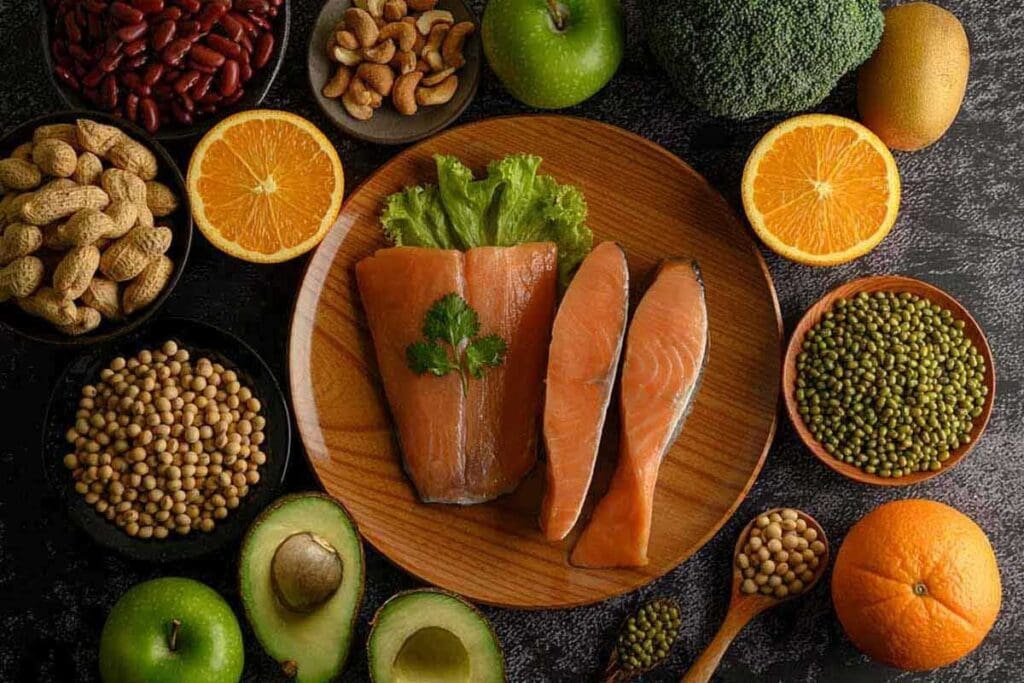
Iron is key to toddlers’ growth. It comes from different foods. Knowing the best sources is important.
There are animal and plant-based iron sources. Each has its own benefits.
Heme vs. Non-Heme Iron Absorption
Animal sources like meat have heme iron. It’s easier for the body to absorb. Plant-based foods like beans have non-heme iron. It’s harder to absorb.
Heme iron is absorbed better, 15% to 35%. Non-heme iron is absorbed less, 2% to 10%. But plant-based iron is important too. It can be better absorbed with certain foods.
Pairing Iron-Rich Foods with Vitamin C for Maximum Benefits
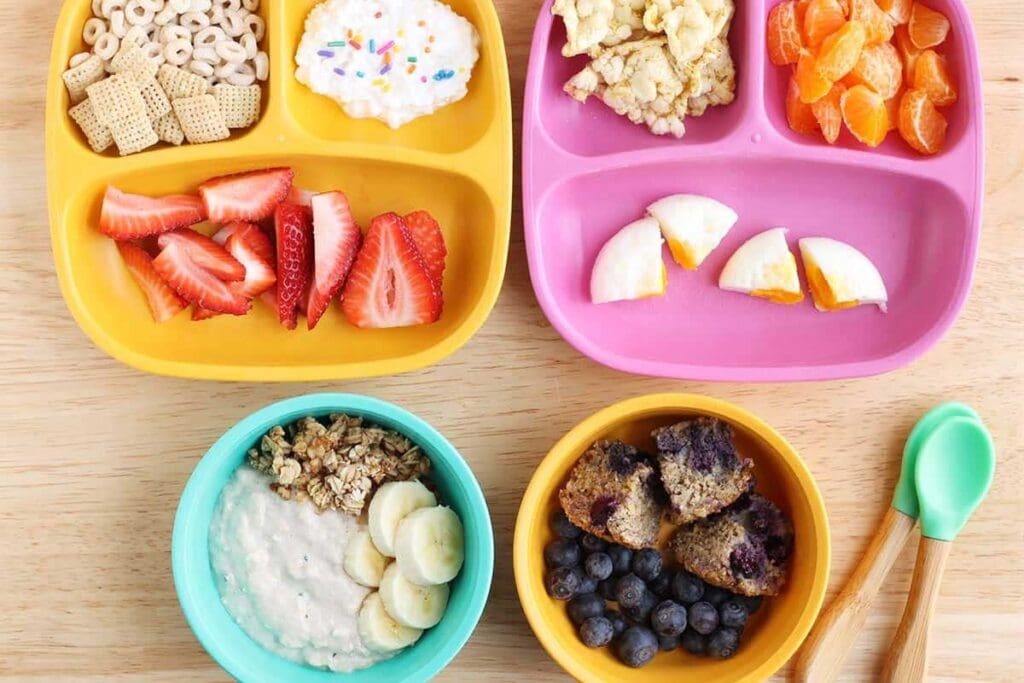
Adding vitamin C to non-heme iron foods helps. Vitamin C boosts iron absorption. Foods like oranges and strawberries are good sources.
For example, eating iron-fortified cereal with oranges or adding bell peppers to lentils helps. This way, toddlers get the most from iron sources.
Meat and Poultry: Protein-Packed Iron Sources
Meat and poultry are great for toddlers because they are full of iron. These foods also have important nutrients for growing strong.
Beef: Toddler-Friendly Preparations
Beef is a good iource, best when it’s lean. Cutting it into small pieces or shredding it makes it easy for toddlers to eat. Choose lean cuts like sirloin or tenderloin to cut down on fat.
“Beef is a versatile meat that can be prepared in various ways to suit a toddler’s taste,” says a pediatric nutritionist. “Grilling, roasting, or stir-frying are all healthy options.”
Chicken and Turkey: Lean Iron Options
Chicken and turkey are lean meats full of iron. They’re easy to add to a toddler’s diet. Removing the skin makes them even healthier.
- Chicken nuggets made from minced chicken breast can be a fun and iron-rich option.
- Turkey slices can be served as a finger food, perfect for toddlers learning to eat independently.
Organ Meats: Nutrient-Dense Choices
Organ meats like liver are full of iron and nutrients. They might not be common in every diet, but they’re good for toddlers in small amounts. Liver pâté or finely chopped liver is a good start.
“Organ meats are some of the most nutrient-dense foods available, providing a rich source of iron and vitamins.” – Nutrition Expert
Kid-Friendly Meat Recipes for Iron Intake
Making iron-rich meat recipes fun for kids is easy. Here are some ideas:
- Meatballs made from beef or turkey can be served with pasta or as a snack.
- Chicken or beef wraps can be a fun way to introduce these meats into a toddler’s diet.
- Meatloaf, made with lean meats and baked, can be a hearty and iron-rich meal.
Adding these iron-rich meats to a toddler’s diet helps them grow strong and healthy.
Seafood and Eggs as Versatile Iron Sources
Seafood and eggs are not just versatile but also full of iron. They are great for a toddler’s meals. These foods can be made in many ways, so toddlers can enjoy them and get the nutrients they need.
Fish Options That Toddlers Actually Enjoy
Introducing fish to toddlers is key. Choose types that are iron-rich, mild in flavor, and soft in texture. Here are some good options:
- Salmon: It’s full of iron and omega-3s. Salmon can be baked or grilled and flaked for toddlers.
- Tuna: It’s important to limit tuna because of mercury. But “light” or “skipjack” tuna is safer. It can be mixed into pasta or made into patties.
- Cod: This fish tastes mild and is soft. Cod can be baked, steamed, or made into fish sticks for toddlers.
Eggs: Preparation Methods for Maximum Iron Benefits
Eggs are a great iron source, if prepared right. Boiling, scrambling, or making omelets are all good ways to serve eggs. To get the most iron, eat eggs with foods high in vitamin C, like citrus fruits or bell peppers.
| Preparation Method | Iron Absorption Tip |
| Boiled Eggs | Serve with sliced oranges or a side of berries. |
| Scrambled Eggs | Add diced bell peppers or tomatoes for extra vitamin C. |
| Omelets | Fill with spinach and mushrooms for added nutrition. |
Adding these iron-rich seafood and egg options to a toddler’s diet helps them get the nutrients they need for growth.
Plant-Based Iron Sources for Toddlers
A well-balanced diet for toddlers includes many plant-based, iron-rich foods. Iron is key to healthy growth and development. Many plant-based options can meet iron needs.
Beans and Lentils: Fiber and Iron Combinations
Beans and lentils are great for iron and fiber. They’re good for a toddler’s diet. You can make them into soups, stews, or dips. Here are some ideas:
- Lentil soup: A comforting and nutritious option that can be made with red or green lentils.
- Black bean dip: A tasty dip made with black beans, perfect for serving with whole-grain crackers or vegetables.
- White bean puree: A mild and creamy puree that can be served as a side dish.
Tofu and Soy Products for Picky Eaters
Tofu and soy products are versatile and can be made in ways that appeal to picky eaters. They are rich in iron and can be used in many dishes, such as:
- Tofu stir-fry: Stir-frying tofu with vegetables and serving it over rice or noodles.
- Soy nuggets: A fun and kid-friendly way to include soy products in a toddler’s diet.
- Soy milk: A great alternative to dairy milk, fortified with iron and other essential nutrients.
Spinach and Other Leafy Greens
Spinach and other leafy greens are packed with iron. They can be easily added to a toddler’s meals. Here are some ideas:
- Spinach puree: Adding spinach puree to pasta sauces or soups.
- Kale salad: Finely chop kale and mix it with other ingredients to make a kid-friendly salad.
- Collard greens: Steaming or sautéing collard greens as a nutritious side dish.
Iron-Rich Seeds and Nuts (When Age-Appropriate)
Seeds and nuts are a good source of iron. But it’s important to introduce them when the child can safely eat them. Here are some examples:
- Pumpkin seeds: Roasted pumpkin seeds make a crunchy and nutritious snack.
- Sesame seeds: Sprinkling sesame seeds on food or using tahini as a dip.
- Almonds: For older toddlers, sliced or slivered almonds can be a healthy snack.
Iron-Fortified Foods and Cereals for Convenient Nutrition
Toddlers can greatly benefit from iron-fortified foods. These foods are made to be easy to eat and packed with nutrients. Iron-fortified cereals and foods are great for kids who might be picky or have special diets.
Iron-Fortified Breakfast Cereals for Toddlers
Many breakfast cereals for toddlers are iron-fortified. They are a great way to start the day. Choose cereals that are low in sugar and made from whole grains. Brands like these offer healthy, tasty options for young kids.
Key Benefits of Iron-Fortified Breakfast Cereals:
- High iron content to support healthy development
- Convenient and easy to prepare
- Often made with whole grains for additional nutritional benefits
Fortified Oatmeal and Grain Products
Fortified oatmeal and other grain products are also good sources of iron. Instant oatmeal packets are a quick, nutritious breakfast when iron-fortified. Iron-fortified pasta and rice can also help meet a toddler’s iron needs.
| Product | Iron Content per Serving | Serving Size |
| Iron-Fortified Oatmeal | 10 mg | 1 packet |
| Whole Grain Breakfast Cereal | 18 mg | 1 cup |
| Iron-Fortified Pasta | 5 mg | 1 cup cooked |
Reading Labels: Finding Hidden Iron Sources
It’s important to know how to read food labels to find iron-fortified foods. Look for “iron-fortified” or check the nutrition label for iron. Many foods, like cereals, bread, and snack bars, are fortified with iron. They are good for a toddler’s diet.
Adding these iron-fortified foods and cereals to a toddler’s diet helps ensure they get enough iron. This is key for healthy growth and development.
Quick Iron-Rich Snacks for Busy Toddlers
Iron-rich snacks are key for toddlers, helping them grow and develop. As they get more active, they need more iron. So, it’s important to add iron-rich foods to their snacks.
Hummus with Whole-Grain Crackers
Hummus, made from chickpeas, is full of iron. Pairing it with whole-grain crackers adds crunch and fiber. This snack is nutritious and simple to make.
Peanut Butter and Other Nut Butter Options
Peanut butter is a hit with toddlers and has iron. But, pick natural peanut butter with less sugar and salt. Almond butter is also iron-rich and a tasty alternative.
Dried Fruits: Raisins, Apricots, and Prunes
Dried fruits like raisins, apricots, and prunes are sweet and packed with iron. They’re easy to pack in lunches or bags.
Adding these iron-rich snacks to a toddler’s diet is easy and tasty. It helps them get the iron they need for growth.
Age-Specific Iron-Rich Foods for Toddler Development
Toddlers need different amounts of iron as they grow. It’s key to introduce the right foods at the right time. Iron helps with brain growth, development, and health. As they get older, their diet needs change, so their iron intake must too.
Iron-Rich Foods for 1-Year-Olds
At one year, toddlers start eating solid foods after breast milk or formula. They need iron-rich foods a lot during this time. Good choices include:
- Pureed meats like beef or chicken
- Iron-fortified cereals
- Mashed beans and lentils
Adding vitamin C-rich foods like fruits can help with iron absorption.
| Food | Iron Content (mg) | Serving Size |
| Iron-fortified cereal | 10-18 | 1/2 cup |
| Pureed beef | 3 | 3 oz |
| Mashed lentils | 3.9 | 1/2 cup |
Iron-Rich Foods for 2-Year-Olds and Beyond
As toddlers get older, they can eat more iron-rich foods. Good options for 2-year-olds and up are:
- Chopped lean meats like chicken or turkey
- Beans and lentils in soups or stews
- Tofu and other soy products
- Nuts and seeds (for those not allergic)
A pediatrician said,
“The key to ensuring toddlers get enough iron is to offer a variety of iron-rich foods and to be patient with their eating habits.”
For 2-year-olds, keep pairing iron-rich foods with vitamin C. Try sliced oranges with iron-fortified toast or berries in iron-rich oatmeal.
Overcoming Challenges: Getting Toddlers to Eat Iron-Rich Foods
Getting toddlers to eat iron-rich foods needs patience and creativity. Toddlers can be very picky, making mealtime a challenge. But, with the right approach, parents can add these important nutrients to their child’s diet.
Strategies for Picky Eaters
Dealing with picky eaters can be tough. Offer a variety of iron-rich foods to see what they like. It’s key to be patient and not force them to eat, as this can make mealtime stressful.
Involve your toddler in cooking. Let them help with simple tasks like washing veggies or stirring. This can make them more eager to try new foods.
Creative Food Presentations That Work
Presentation is key for toddlers. Cutting food into fun shapes or making a face on the plate can make meals fun. Serving iron-rich foods in different ways can also work.
For instance, adding chopped spinach to pasta sauce or mixing cooked lentils into mashed potatoes can boost iron intake. This way, the taste and texture stay familiar.
By using these strategies and staying consistent, parents can help their toddlers develop healthy eating habits. These habits will include a variety of iron-rich foods.
Conclusion: Creating a Balanced Iron-Rich Diet for Optimal Toddler Growth
A well-planned diet is key to optimal toddler growth and development. It should include a variety of iron-rich foods. This mix helps ensure toddlers get the nutrients they need for healthy growth.
To achieve a balanced iron-rich diet, offer a range of foods. This includes meat, poultry, seafood, eggs, beans, lentils, and fortified cereals. It’s also important to pair these foods with vitamin C-rich foods. This helps improve iron absorption.
By following the guidelines in this article, parents can create a nutritious diet. This diet supports their toddler’s health and development. It sets them up for a lifetime of wellness and vitality.
FAQ
What are good sources of iron for toddlers?
Good sources of iron for toddlers include foods like beef, chicken, and turkey. Fish, beans, lentils, tofu, spinach, and iron-fortified cereals are also great options.
How can I ensure my toddler is getting enough iron?
To ensure your toddler gets enough iron, offer a balanced diet with iron-rich foods. You might also want to talk to a pediatrician or registered dietitian for advice.
What are the symptoms of iron deficiency in toddlers?
Symptoms of iron deficiency in toddlers include fatigue and pale skin. They might also have a poor appetite and slow growth.
How can I maximize iron absorption in my toddler?
To boost iron absorption, pair iron-rich foods with vitamin C-rich foods like citrus fruits. Avoid giving tea or coffee with meals.
Are iron-fortified cereals a good option for toddlers?
Yes, iron-fortified cereals are a good choice for toddlers. They provide iron and other essential nutrients conveniently
What are some iron-rich snack options for toddlers?
Iron-rich snack options for toddlers include hummus with whole-grain crackers and peanut butter on whole-grain bread. Dried fruits like raisins and apricots are also good choices.
Can I give my toddler iron supplements?
Before giving your toddler iron supplements, talk to a pediatrician. They can advise based on your child’s specific needs.
How can I make iron-rich foods more appealing to my toddler?
To make iron-rich foods appealing, try creative presentations like making a “face” on their plate. You can also involve your toddler in meal planning and preparation.
Are there any age-specific iron-rich foods for toddlers?
Yes, iron-rich foods for toddlers vary by age. 1-year-olds need simpler foods, while 2-year-olds can handle more textured foods.
What are some strategies for overcoming picky eating in toddlers?
To overcome picky eating, offer a variety of iron-rich foods. Make mealtime fun and be patient and consistent in encouraging healthy eating habits.
References
- American Academy of Family Physicians. (2002). Prevention of iron deficiency in infants and toddlers. https://www.aafp.org/pubs/afp/issues/2002/1001/p1217.html



 Departments
 Related Videos
 Our Doctors
 News
News