
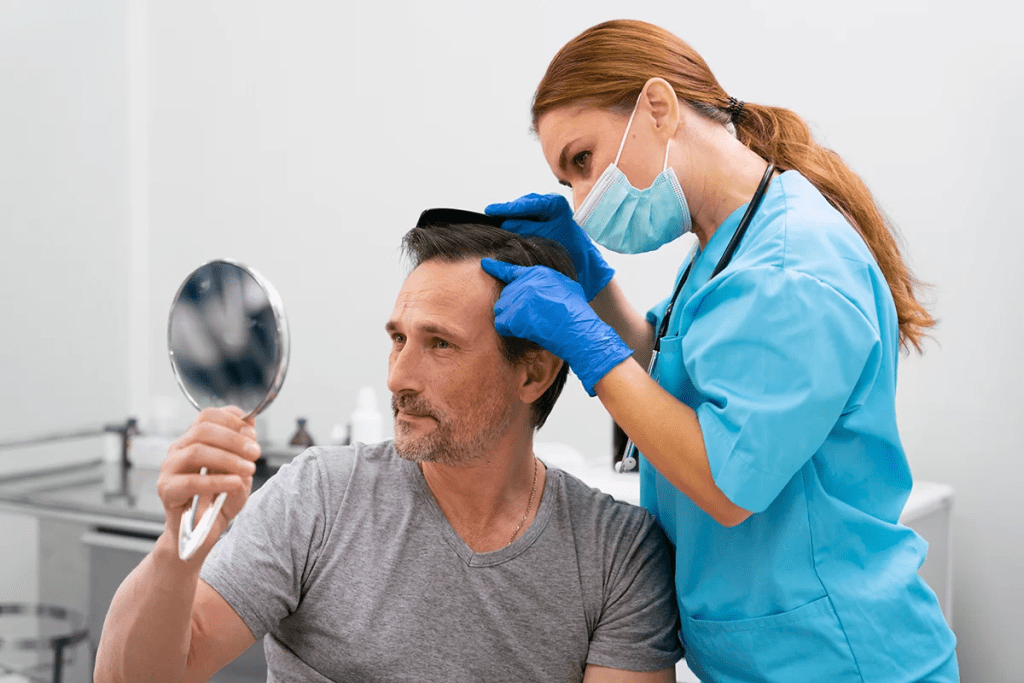
Iron deficiency anemia is a well-known cause of hair shedding (telogen effluvium), and when confirmed by blood tests, treating the deficiency can support regrowth; phrasing the key term clearly: iron supplements hair regrowth is most effective only if iron stores (ferritin) are low and should be guided by a clinician to avoid excess iron.
Key Takeaways
- Anemia is a significant global health issue that can cause hair loss.
- Iron deficiency is a common cause of anemia and hair loss.
- Iron supplements can aid in hair regrowth.
- Understanding the link between anemia and hair loss is critical for addressing the issue.
- Replenishing iron stores through supplements can support hair follicle health.
Understanding Anemia and Its Types
Anemia is a complex condition with many causes. It happens when the body doesn’t have enough healthy red blood cells. This makes it hard for oxygen to reach tissues, leading to fatigue and weakness.
What is Anemia?
Anemia means the blood can’t carry enough oxygen. This is because there are not enough red blood cells or they don’t have enough hemoglobin. Hemoglobin is key for oxygen delivery and depends on iron.
Many things can cause anemia, like iron deficiency, vitamin lack, chronic diseases, and genetic disorders. Knowing the cause helps in treating it.
Common Types of Anemia
There are several anemia types, each with its own cause and effects:
- Iron Deficiency Anemia: The most common, caused by not enough iron.
- Vitamin Deficiency Anemia: Caused by lacking vitamins like B12 and folate.
- Anemia of Chronic Disease: Linked to long-term illnesses like cancer or HIV/AIDS.
- Sickle Cell Anemia: A genetic disorder affecting hemoglobin production.
Iron Deficiency Anemia Explained
Iron deficiency anemia happens when the body lacks iron for hemoglobin. It’s key for hair growth. It can be due to poor diet, chronic blood loss, or increased iron needs, like during pregnancy.
“Iron deficiency is the most common nutritional deficiency worldwide, and it is a significant cause of anemia.”
World Health Organization
To fix iron deficiency anemia, you need to add iron and tackle the root cause. This might mean changing your diet and stopping chronic blood loss.
The Hair Growth Cycle Explained
To understand hair loss, we must explore the hair growth cycle. This cycle is complex, involving many cells and hormones working together.
Phases of Hair Growth
The cycle has three main phases: anagen, catagen, and telogen. The anagen phase, or growth phase, is the longest. It can last from 2 to 6 years, depending on individual factors.
The catagen phase is a short transition, lasting about 2-3 weeks. During this time, hair growth slows, and the follicle shrinks. The telogen phase, or resting phase, follows, lasting around 3-4 months. After this, the hair is released from the follicle, causing shedding.
Factors That Influence the Hair Growth Cycle
Many factors can affect the hair growth cycle, including nutrition, health conditions, and genetics. Lack of iron can harm hair growth. Health issues like anemia can also impact hair by reducing oxygen and nutrient supply to follicles.
A trichology expert notes, “The health of your hair reflects your overall health.”
“Adequate nutrition and a healthy lifestyle are key for normal hair growth.”
Genetics also play a big role in hair growth patterns and hair loss. Knowing these factors helps individuals take steps to keep their hair healthy.
The Connection Between Anemia and Hair Loss
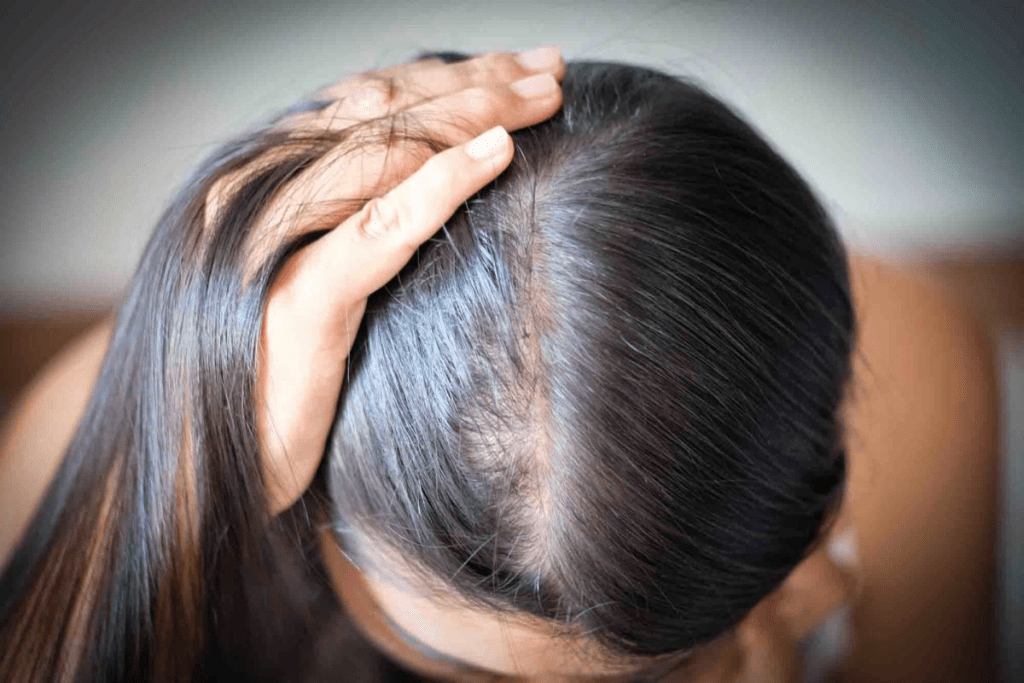
To understand how anemia and hair loss are linked, we need to look at iron’s role in hair growth. Anemia, mainly iron deficiency anemia, has a big impact on hair health.
How Iron Affects Hair Follicles
Iron is vital for hair follicle health. It helps make hemoglobin, a protein in red blood cells that carries oxygen. Without enough iron, hair follicles don’t get enough oxygen, causing hair loss.
Key functions of iron in hair health include:
- Supporting the production of hair cell proteins
- Enhancing oxygen delivery to hair follicles
- Regulating the hair growth cycle
Scientific Evidence Linking Anemia to Hair Loss
Many studies have looked into the connection between anemia and hair loss. They show that people with iron deficiency anemia often lose more hair. A study in the Journal of Clinical and Aesthetic Dermatology found iron deficiency is a common reason for hair loss in women.
The scientific consensus supports the notion that correcting iron deficiency can help in managing hair loss.
Other Nutrients That Impact Hair Health
While iron is key, other nutrients are also important for healthy hair. These include:
- Vitamin C, which aids in iron absorption
- Biotin, essential for hair growth
- Zinc, which supports hair follicle health
- Omega-3 fatty acids, promoting a healthy scalp
Eating a balanced diet with these nutrients can help keep your hair healthy. It may also reduce hair loss caused by anemia.
Symptoms of Iron Deficiency-Related Hair Loss
Iron deficiency can cause hair loss, a lesser-known symptom. Iron is key for healthy hair follicles. Without enough, hair growth can be disrupted.
Distinguishing Features of Anemia-Induced Hair Loss
Hair loss from iron deficiency has clear signs. These include:
- Excessive hair shedding, mainly after washing or combing
- Thinning of hair, mostly on the scalp
- Changes in hair texture, like dryness or brittleness
These symptoms can be upsetting and affect daily life.
Other Symptoms That May Accompany Hair Loss
Iron deficiency also brings other symptoms. Some are:
- Fatigue and weakness
- Pale skin
- Shortness of breath
- Dizziness or lightheadedness
These symptoms can be different in everyone. They might not always show up with hair loss.
Progression of Hair Thinning in Anemia
Hair thinning in anemia can progress differently. It might happen slowly or quickly. The rate depends on the iron deficiency’s severity, overall health, and nutrition.
Knowing these symptoms is key for early treatment. It can help protect hair health from iron deficiency.
Diagnosing Iron Deficiency and Related Hair Loss
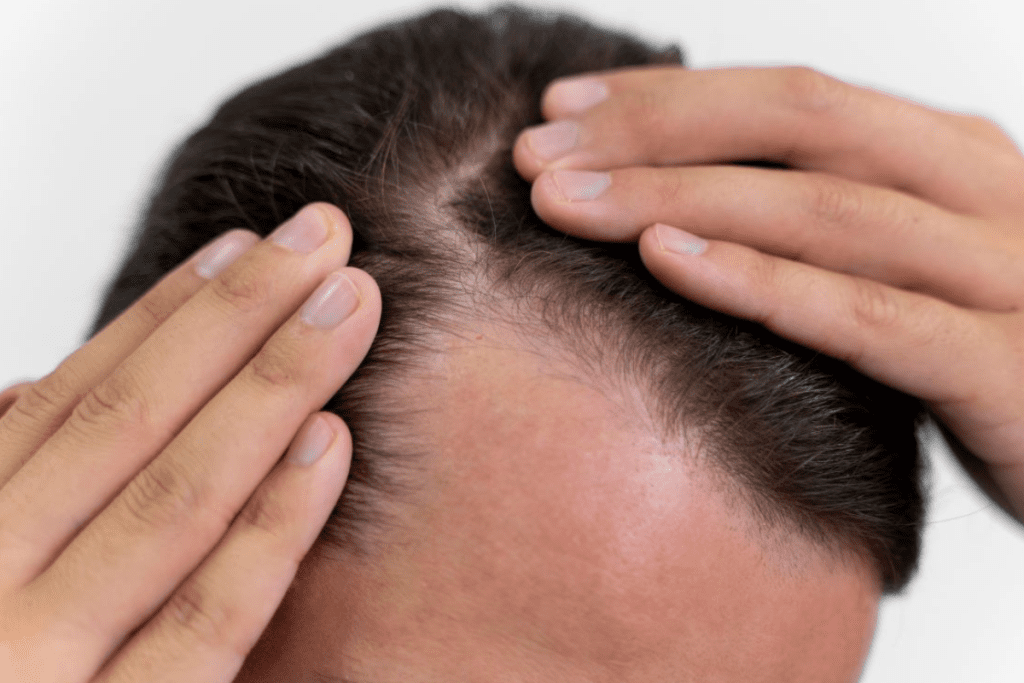
Understanding the link between iron deficiency and hair loss starts with accurate diagnosis. Diagnosing iron deficiency anemia and its connection to hair loss requires a detailed approach. This includes medical evaluation and laboratory tests.
Blood Tests and What They Reveal
Blood tests are key for diagnosing iron deficiency anemia. They measure hemoglobin levels, ferritin, and transferrin saturation. Hemoglobin shows how much oxygen is carried to body tissues. Ferritin shows the body’s iron stores. Transferrin saturation shows how much iron is being transported.
A diagnosis of iron deficiency anemia is made when hemoglobin and ferritin levels are low. These tests are vital for understanding the body’s iron status. They help doctors decide on the right treatment.
When to See a Doctor About Hair Loss
If you’re losing a lot of hair, seeing a doctor is important. Look for excessive hair shedding, thinning, or bald patches. Early check-ups can spot iron deficiency or other health issues causing hair loss.
Ruling Out Other Causes of Hair Loss
Hair loss can come from many things, like genetics, hormonal imbalances, and nutritional deficiencies. To find out if iron deficiency is the cause, doctors must check for other reasons. This includes a detailed medical history, physical exam, and more tests to check overall health.
Knowing the causes of hair loss and the role of iron deficiency is the first step to treatment and regrowth.
Iron Supplements for Hair Regrowth: Evidence and Effectiveness
Studies show iron supplements help with hair regrowth for those with iron deficiency anemia. Iron deficiency is a common reason for hair loss. Taking supplements can greatly improve this.
Scientific Research Supporting Iron Supplementation
Many studies have looked into iron supplements and hair loss. They found iron supplements can make hair thicker and reduce shedding in those with iron deficiency. A study in the Journal of Clinical and Aesthetic Dermatology showed iron supplements greatly helped women with iron deficiency.
Iron helps make hemoglobin, which carries oxygen to hair follicles. This promotes healthy hair growth. Iron deficiency can cause hair follicles to shrink, leading to thinner, shorter hairs.
Realistic Expectations for Hair Regrowth
Iron supplements can help with hair regrowth, but it’s important to be realistic. Hair growth is slow and can take months. A study in the Journal of Dermatology found improvements in hair growth in 3 to 6 months with iron supplements.
| Timeframe | Expected Outcome |
| 0-3 months | Reduction in hair shedding |
| 3-6 months | Noticeable improvement in hair density |
| 6-12 months | Significant hair regrowth |
Case Studies and Success Stories
Many case studies show iron supplements help with hair regrowth. For example, a woman with iron deficiency anemia in the Journal of Clinical and Aesthetic Dermatology had a lot of hair regrowth after 6 months.
These stories highlight the need to diagnose and treat iron deficiency to stop hair loss.
Types of Iron Supplements Available
Knowing about the different iron supplements is key to treating iron deficiency and hair loss. There are many types of iron supplements, each meeting different needs and preferences.
Ferrous vs. Ferric Iron Supplements
Iron supplements mainly come in ferrous or ferric forms. Ferrous iron, found in ferrous sulfate and ferrous gluconate, is better absorbed by the body. Yet, ferric iron, like ferric citrate, is also effective and might cause fewer stomach issues.
Choosing between ferrous and ferric iron depends on personal tolerance and health needs. Some might find ferric iron easier on their stomach, while others prefer ferrous for better absorption.
Different Forms: Pills, Liquids, and Injections
Iron supplements are available in pills, liquids, and injections. Oral iron supplements, like tablets and capsules, are the most common. Liquid iron supplements are good for those who can’t swallow pills.
- Pills and capsules are easy to find and use.
- Liquid iron supplements are great for those with swallowing problems.
- Iron injections are for severe cases where oral supplements don’t work or are not tolerated.
Each form has its benefits and suits different needs.
Prescription vs. Over-the-Counter Options
Iron supplements are available OTC and by prescription. OTC supplements are good for mild iron deficiency. But, for severe cases, prescription supplements with higher doses or specific types might be needed.
It’s important to talk to a healthcare professional to find the right iron supplement for you.
In conclusion, the variety of iron supplements helps people choose the best one for their needs. This improves treatment for iron deficiency and hair loss.
How to Choose the Right Iron Supplement- For healthcare professionals
Iron supplements are most effective when the type and form match your specific health needs. This depends on the iron type and your health needs. For those with iron deficiency anemia, the right supplement is key to success.
When picking an iron supplement, think about a few things. The iron type matters a lot. Different types absorb better or worse in your body.
Types of Iron Supplements
- Ferrous Iron: Includes ferrous sulfate, ferrous gluconate, and ferrous fumarate. These are commonly used due to their relatively high absorption rates.
- Ferric Iron: Includes ferric citrate and ferric sulfate. While less commonly used, they have their advantages, for those who can’t handle ferrous iron well.
The form of the supplement is also important. You can find iron in pills, liquids, or injections. Pick what works best for you.
| Type of Iron | Absorption Rate | Common Side Effects |
| Ferrous Sulfate | High | Gastrointestinal upset |
| Ferric Citrate | Moderate | Less gastrointestinal upset |
| Ferrous Gluconate | Moderate | Gastrointestinal upset |
Side effects are another big thing to think about. You might get upset stomach, constipation, or nausea. How bad these are can depend on the iron type and how your body reacts.
In short, picking the right iron supplement is all about the type, form, and side effects. Knowing these helps both doctors and patients make the best choices for better health.
Proper Dosage and Administration of Iron Supplements
Iron supplements are key for treating hair loss caused by iron deficiency. Knowing how to take them right is vital for getting the most out of them.
Recommended Dosages for Hair Loss Treatment
The right amount of iron supplements for hair loss depends on the deficiency level. Dosages range from 18 mg to 65 mg of elemental iron daily. Always talk to a doctor to find the best dosage for you.
Dosage Guidelines:
| Condition | Recommended Dosage |
| Mild Iron Deficiency | 18 mg/day |
| Moderate Iron Deficiency | 39 mg/day |
| Severe Iron Deficiency | 65 mg/day |
Best Practices for Taking Iron Supplements
To get the most from iron supplements, follow these tips. Take them on an empty stomach for better absorption. If stomach issues happen, you can take them with a bit of food.
- Take iron supplements at the same time every day to maintain consistent levels.
- Avoid consuming tea, coffee, or dairy products around the time of taking iron supplements, as they can inhibit absorption.
- Vitamin C can enhance iron absorption, so consider taking it with a glass of orange juice or a supplement containing vitamin C.
Foods and Medications That Affect Iron Absorption
Some foods and medicines can change how well iron is absorbed. Knowing this can help you get the most from your supplements.
For example, foods like spinach and beets can lower iron absorption. Also, medicines like antacids and proton pump inhibitors can affect it. Always talk to your doctor about your diet and medicines to ensure you’re getting enough iron.
Timeline: How Long Until You See Results from Iron Supplements
Knowing when you’ll see results from iron supplements is key. Iron deficiency often leads to hair loss. Taking iron can help, but how fast you see results varies.
Short-Term Changes in Hair Health
At first, 1-3 months after starting iron supplements, you might feel more energetic and less tired. You might not see hair growth right away. But, your body is getting ready for it by filling up iron stores.
Long-Term Hair Regrowth Expectations
After 6-12 months of taking iron supplements, you’ll likely see more hair growth. This time lets your body fully replenish iron and wake up hair follicles. Remember, hair growth is slow and takes time.
- Hair growth rates vary among individuals.
- Consistency with supplementation is key.
- Nutritional balance plays a critical role in supporting hair health.
Monitoring Progress and Adjusting Treatment
It’s important to keep an eye on your iron levels and health while taking supplements. Doctors might change your dosage or suggest other nutrients for better hair health. Monitoring progress helps see if your treatment is working or if it needs tweaking.
Gender-Specific Considerations for Iron Deficiency Hair Loss
It’s important to understand how iron deficiency affects hair loss differently in men and women. This is because of various physiological and hormonal factors. Knowing this helps in finding the right treatment.
Women’s Unique Risk Factors
Women face a higher risk of iron deficiency hair loss. This is due to menstruation and pregnancy. These conditions increase iron needs, making women more likely to be deficient if they don’t get enough iron from their diet.
Menstrual blood loss is a big factor, as it directly lowers iron levels. Women with heavy periods are at a higher risk. Also, pregnancy increases the demand for iron, as the body supplies iron to the fetus. This can lead to deficiency if not managed properly.
Pregnancy, Menstruation, and Hair Loss
The link between pregnancy, menstruation, and hair loss is complex. Pregnancy can make hair thicker due to hormonal changes. But after childbirth, hormone levels drop, causing hair loss. Menstrual irregularities also affect hair growth due to hormonal imbalances and iron deficiency.
Women experiencing hair loss should talk to their healthcare provider about their menstrual history and any pregnancies. This helps understand the underlying causes.
Male Pattern Baldness vs. Iron Deficiency Hair Loss
Male pattern baldness is different from hair loss due to iron deficiency. Iron deficiency can affect anyone, but male pattern baldness is mainly due to genetics and hormones, like dihydrotestosterone (DHT).
It’s key to tell these two conditions apart for the right treatment. Iron supplements won’t help with male pattern baldness. Other treatments, like minoxidil or finasteride, might be needed.
Iron-Rich Foods and Dietary Strategies
Eating a balanced diet with iron-rich foods is key for healthy hair. Iron helps make hemoglobin, a protein in red blood cells. This protein carries oxygen to all parts of the body, including the hair follicles.
Top Food Sources of Iron
There are many foods rich in iron. Red meat like beef and lamb are top sources, thanks to heme iron. Foods like spinach, lentils, and fortified cereals are also good. Eating a variety of these foods is important for getting enough iron.
Enhancing Iron Absorption Through Diet
It’s not just about eating iron-rich foods. You also need to improve how your body absorbs iron. Vitamin C helps a lot with this. So, eating foods high in vitamin C, like citrus fruits, with iron-rich foods is smart. But, tea and coffee can block iron absorption, so drink them on their own.
Meal Planning for Optimal Iron Intake
Good meal planning is essential for iron levels. Mix heme and non-heme iron sources in your diet. Vegetarians and vegans should eat fortified foods and vitamin C-rich foods with iron-rich plant-based foods. This way, you can keep your iron levels up for healthy hair.
By following these dietary tips, you can boost your iron intake and fight hair loss. Keep an eye on your iron levels and adjust your diet as needed. Getting help from a healthcare professional can also support your hair health.
When Iron Supplements Aren’t Enough: Alternative Treatments
Iron supplements help with hair loss due to iron deficiency. But, some people need more to see results. Hair loss can come from many factors, so treating it fully is important.
Topical Treatments for Hair Growth
Topical treatments are applied to the scalp to boost hair growth. Minoxidil is a well-known one. It’s available over-the-counter and works by improving blood flow to hair follicles.
Other treatments include:
- Low-level laser therapy (LLLT) devices, which increase blood flow and reduce inflammation.
- Platelet-rich plasma (PRP) therapy, where the patient’s own blood is used to stimulate hair growth.
Medical Interventions for Severe Hair Loss
For severe hair loss, medical help is needed. This can include:
- Hormone therapy for hair loss due to hormonal imbalances.
- Medications for conditions like thyroid disorders or autoimmune diseases.
A healthcare professional will choose the best treatment based on the cause of hair loss.
Addressing Underlying Conditions Beyond Iron Deficiency
Hair loss can signal other health issues. These include:
| Condition | Description | Treatment Approach |
| Thyroid Disorders | Hypothyroidism and hyperthyroidism can cause hair loss. | Medication to regulate thyroid hormones. |
| Autoimmune Diseases | Conditions like alopecia areata, where the immune system attacks hair follicles. | Immunosuppressive treatments or corticosteroids. |
| Nutritional Deficiencies | Deficiencies in vitamins and minerals like vitamin D or zinc. | Dietary changes or supplements. |
Fixing these underlying conditions is key to treating hair loss. A full diagnosis is essential for the right treatment plan.
Conclusion
It’s important to understand how anemia and hair loss are linked. Iron deficiency anemia is a big reason for hair loss. Taking iron supplements can help your hair grow back.
Key points show that anemia, mainly iron deficiency, disrupts hair growth. Iron supplements can help your hair grow back. It’s key to pick the right type and amount for the best results.
By tackling iron deficiency and anemia, you can fight hair loss and encourage healthy hair growth. This summary stresses the need for a full approach to hair loss. This includes changing your diet, using supplements, and seeking medical help if needed.
FAQ
Can anemia cause hair loss?
Yes, anemia, like iron deficiency anemia, can lead to hair loss. Iron is key for making hemoglobin, which carries oxygen to cells, including hair follicles. Without enough iron, hair growth slows down, causing hair loss.
How does iron deficiency cause hair loss?
Iron deficiency hampers hair follicles’ ability to grow hair by reducing oxygen delivery. It’s also needed for enzymes that control hair growth.
Can iron supplements help with hair regrowth?
Yes, iron supplements can aid in hair regrowth for those with iron deficiency anemia. They help restore normal hair growth by addressing the iron deficiency.
What type of iron supplement is best for hair loss?
Ferrous iron supplements, like ferrous sulfate or ferrous gluconate, are more effective for treating iron deficiency anemia and promoting hair regrowth.
How long does it take to see results from iron supplements for hair loss?
Seeing results from iron supplements can take several months. It’s when you start to notice improvements in hair health and regrowth.
Can dietary changes help alleviate iron deficiency-related hair loss?
Yes, eating iron-rich foods like red meat, poultry, fish, beans, and fortified cereals can help alleviate iron deficiency and promote hair health.
Are there any other nutrients that impact hair health beside iron?
Yes, nutrients like vitamin C, zinc, biotin, and omega-3 fatty acids also play important roles in maintaining healthy hair.
Can anemia cause hair thinning in women?
Yes, anemia, like iron deficiency anemia, can cause hair thinning in women, often during pregnancy or menstruation.
Is male pattern baldness related to iron deficiency?
No, male pattern baldness is mainly caused by hormonal factors and genetics, not iron deficiency.
Can iron supplements be taken with other medications?
Always consult a healthcare professional before taking iron supplements with other medications. They may interact or affect iron absorption.
Are there any side effects of taking iron supplements?
Yes, iron supplements can cause side effects like gastrointestinal upset, constipation, or nausea in some individuals.
Can iron deficiency be a sign of an underlying health condition?
Yes, iron deficiency can be a sign of an underlying health condition, such as celiac disease, Crohn’s disease, or gastrointestinal bleeding.
Reference
- Kantor, J., Kessler, L. J., Brooks, D. G., & Cotsarelis, G. (2003). Decreased serum ferritin is associated with alopecia in women. Journal of Investigative Dermatology, 121(5), 985“988. https://pubmed.ncbi.nlm.nih.gov/14632220



 Departments
 Related Videos
 Our Doctors
 News
News