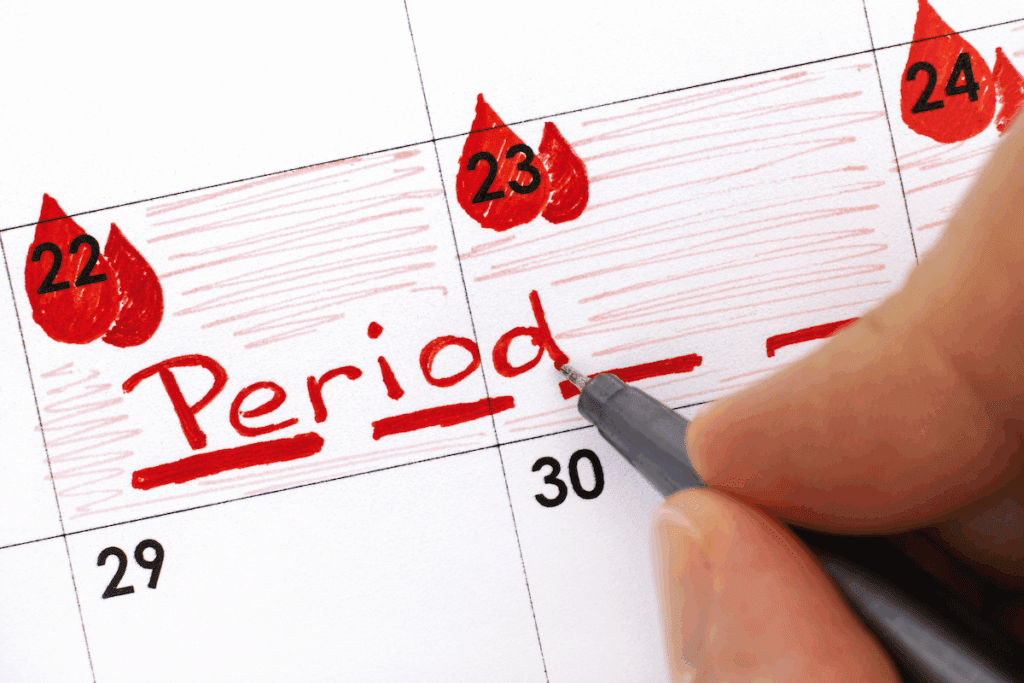
Many new moms wonder when their periods will come back after pregnancy. They also ask why irregular periods happen after having a baby. The good news is that irregular periods after childbirth are very common. They happen to women, no matter how they gave birth or if they’re breastfeeding.irregular periods after birthScoliosis: The Crucial Organ That Fails with Severe Spinal Curvature
At Liv Hospital, we get it. You’re worried about getting back to normal after having a baby. Our team is here to help. We’ll guide you with the latest research. When you’ll get your first period after childbirth depends on a few things. Like if you’re breastfeeding.
We’ll talk about what to expect with your menstrual cycle after having a baby. We’ll also cover what affects irregular menses. And when you should see a doctor.
Key Takeaways
- Irregular periods after childbirth are common and considered a normal part of the recovery process.
- The timing of the first period after giving birth depends on factors like breastfeeding and hormone levels.
- Postpartum menstrual irregularity can be influenced by health and nutrition after giving birth.
- Understanding changes in your menstrual cycle is key to navigating postpartum recovery.
- Seeking medical attention is advised if irregularities persist or are accompanied by other concerning symptoms.
The Postpartum Menstrual Recovery Process
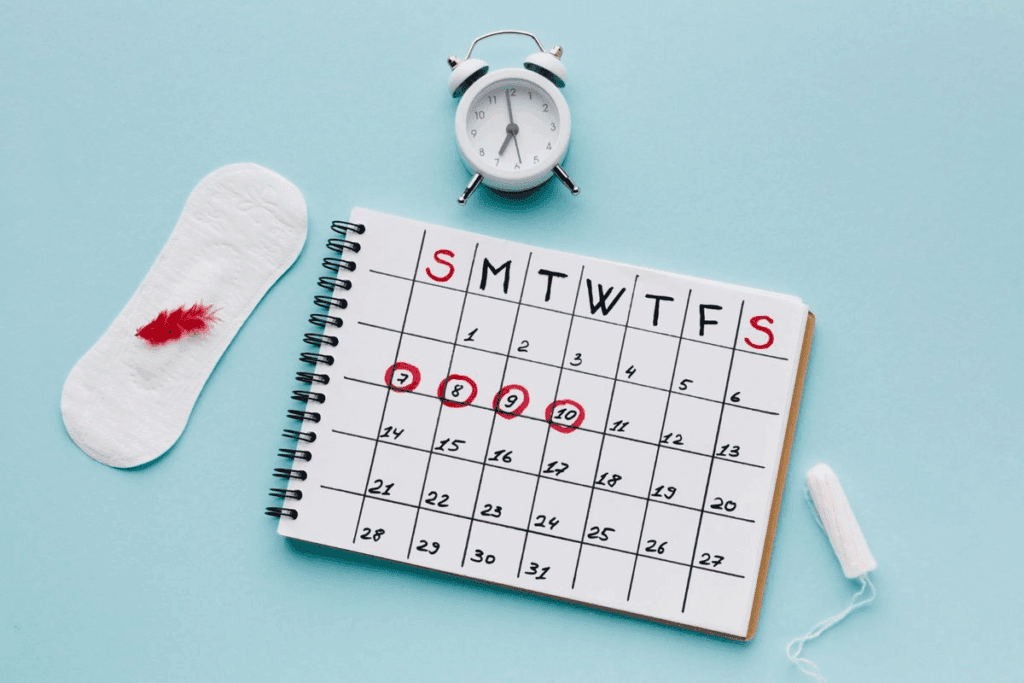
Every woman’s postpartum menstrual recovery is different. It’s shaped by many factors. Knowing what’s happening in your body can ease worries about irregular periods.
Hormonal Shifts After Pregnancy and Delivery
After having a baby, your body goes through big hormonal changes. The levels of estrogen and progesterone drop a lot. This can mess with your menstrual cycle.
During pregnancy, these hormones keep the uterine lining thick. This stops you from getting your period. After the baby is born, the hormone levels fall. This makes the uterus shed its lining, leading to lochia, a discharge that can last weeks.
What Constitutes “Normal” in the Postpartum Period
It’s hard to say what’s “normal” after having a baby. Studies show it can take up to a year for periods to get back to normal. Things like breastfeeding, your health, and how regular your periods were before can affect when you get your period again.
- Variability in Cycle Length: Menstrual cycles often change after childbirth.
- Breastfeeding Impact: The hormone prolactin, which helps make milk, can stop ovulation and delay your period.
- Individual Differences: Everyone’s body recovers at its own pace, affecting when and how periods return.
Knowing these things can help you feel more confident and less worried about your menstrual health during the postpartum period.
Typical Timeline: When Periods Return After Childbirth

When periods come back after having a baby, it’s different for everyone. This change depends on if a woman is breastfeeding or not. Knowing when periods might return helps new moms get ready for these changes.
Most women get their first period between 45 to 94 days after having a baby. But, this time can be shorter or longer for each person.
Average Return Window
The average time for periods to come back is 45 to 94 days after giving birth. This covers most women, but everyone’s experience is unique.
Non-Breastfeeding Mothers
Women who aren’t breastfeeding usually get their periods in 6 to 8 weeks. This is because their body can get back to its pre-pregnancy state faster.
Breastfeeding Mothers
Breastfeeding moms might wait longer for their periods because of the hormone prolactin. This hormone stops ovulation. How often and exclusively a mom breastfeeds can affect when her periods come back.
To see how breastfeeding and not breastfeeding affect when periods return, look at the table below:
| Mother’s Status | Average Time to First Period |
|---|---|
| Non-Breastfeeding | 6-8 weeks |
| Breastfeeding | Delayed, varies with frequency and exclusivity |
It’s important to remember these are just general guidelines. Many things can affect when periods return, like health, diet, and any medical conditions a mom might have.
Why Irregular Periods After Birth Are Completely Normal
Irregular periods after childbirth are common and part of the recovery process. It’s important to know the changes the body goes through after birth.
The Body’s Gradual Return to Pre-Pregnancy State
After pregnancy, the body adjusts to its non-pregnant state. This can lead to irregular periods. The hormonal changes, like the drop in estrogen and progesterone, affect menstrual cycles. Several things can influence when regular periods return, including:
- Breastfeeding status
- Hormonal changes
- Stress levels
- Nutritional factors
- Weight changes
These factors differ from woman to woman, making each postpartum experience unique.
Research on Postpartum Menstrual Irregularity
Studies show that irregular periods after birth are common. It can take months for cycles to become regular again. A study found that exclusive breastfeeding can delay the return of periods. This research highlights how breastfeeding affects menstrual cycles.
Comparing Your Experience to Statistical Norms
Knowing irregular periods are normal is reassuring. It’s also helpful to see how your experience compares to others. Research offers insights into what most women go through postpartum. For example:
- Non-breastfeeding mothers usually get their periods back in 4-8 weeks.
- Breastfeeding mothers may wait longer, sometimes until they stop or reduce breastfeeding.
Understanding these norms can help new mothers track their recovery and menstrual cycle return. But remember, everyone’s experience is different.
The Breastfeeding and Menstruation Connection
Understanding the link between breastfeeding and menstruation helps new mothers know what to expect. Breastfeeding affects the menstrual cycle because of the hormone prolactin. This hormone helps make milk and stops ovulation.
How Prolactin Suppresses Ovulation
Prolactin levels go up when breastfeeding. This hormone is key in stopping ovulation. So, many breastfeeding moms see a delay in their menstrual cycle.
Key points about prolactin and ovulation:
- Prolactin levels rise during breastfeeding
- High prolactin levels can suppress ovulation
- This suppression can delay the return of menstruation
Lactational Amenorrhea Method (LAM)
The Lactational Amenorrhea Method (LAM) is a birth control method based on breastfeeding’s effect on fertility. For LAM to work, you need:
- Exclusive breastfeeding
- Amenorrhea (absence of menstruation)
- The baby being less than 6 months old
LAM is a good birth control when these conditions are met. But, its effectiveness drops if any of these are not true.
| LAM Criteria | Description |
|---|---|
| Exclusive Breastfeeding | The baby receives only breast milk without any supplemental foods or liquids |
| Amenorrhea | The absence of menstrual bleeding after childbirth |
| Baby’s Age | The baby is less than 6 months old |
Menstrual Changes During Weaning Process
When mothers start weaning their babies, hormonal changes happen. These changes can bring back menstruation. The less often a baby is breastfed, the lower prolactin levels get. This can start ovulation and menstruation again.
It’s essential for new mothers to understand that the return of menstruation can vary widely among individuals. Things like how often a baby is breastfed, when solid foods are introduced, and overall health can affect when and how menstruation comes back.
Characteristics of Your First Postpartum Period
Your first postpartum period can be very different from before pregnancy. Your body is adjusting to new hormonal levels after childbirth. You might notice changes in your menstrual cycle.
Changes in Flow Volume and Duration
One big change is how much and for how long you bleed. Your first period after giving birth might be heavier and longer than before. This is normal as your body gets used to the new hormonal levels.
Let’s compare the changes:
| Characteristics | Pre-Pregnancy | Postpartum |
|---|---|---|
| Flow Duration | 3-7 days | 5-10 days |
| Flow Volume | Moderate | Heavy |
| Cramping | Mild to Moderate | Moderate to Severe |
Increased Cramping and Discomfort
Many women feel increased cramping in their first postpartum period. This is because the uterus is shrinking back to its pre-pregnancy size. Hormonal changes also play a role. While some cramping is okay, severe pain needs a doctor’s attention.
Clotting and Tissue Differences
You might see more clotting or decidual tissue in your first postpartum period. Decidual tissue is leftover from the uterine lining that was ready for pregnancy. These changes are part of healing, but it’s good to watch them and talk to a doctor if you’re worried.
Knowing about these changes can help you understand your postpartum journey better. It helps you know what to expect as your body heals and adjusts.
Factors Influencing Irregular Periods After Birth
After having a baby, getting back to regular periods can be tricky. Hormones, lifestyle, and health all play a part. Understanding how these factors work together is key to figuring out your postpartum cycle.
Hormonal Fluctuations and Recovery
Hormones change a lot after pregnancy. Estrogen and progesterone levels soar during pregnancy. Then, they drop sharply after birth, causing cycle changes. It might take months for hormone levels to settle down again.
Hormonal recovery is slow. It takes time for the body to adjust to not being pregnant. The pituitary gland needs time to get back to normal, affecting menstrual cycles.
Impact of Sleep Deprivation and Stress
Sleep and stress are big factors too. New moms often don’t sleep well and feel stressed. This can mess with the HPA axis, leading to hormonal imbalances and irregular periods.
- Sleep issues can mess with hormone production.
- High stress can upset hormone balances.
- Relaxation can help keep menstrual cycles regular.
Nutrition, Hydration, and Weight Changes
What you eat, drink, and weigh also matters. Good nutrition is key for hormones and health. Dehydration and big weight changes can mess with menstrual cycles.
Eating well and staying hydrated is important. Avoiding extreme weight changes helps keep hormones balanced.
Pre-existing Conditions (PCOS, Thyroid Disorders)
Conditions like PCOS and thyroid issues can also affect postpartum cycles. Women with these conditions might see bigger changes in their cycles after birth.
PCOS can cause hormonal imbalances that affect ovulation and cycles. Thyroid problems can also mess with menstrual cycles. Getting these conditions under control is important for postpartum health.
- PCOS can make menstrual irregularities worse after birth.
- Thyroid issues need careful management for regular cycles.
- Seeing a healthcare provider is important for managing these conditions.
When to Seek Medical Attention
Irregular periods are common after childbirth. But, some situations need immediate medical help. As a new mom, knowing the red flags is key for your postpartum recovery.
Red Flags During Postpartum Menstruation
Some symptoms during your postpartum period mean you should see a doctor. These include:
- Excessive bleeding that soaks through a pad in an hour
- Prolonged periods lasting more than a week
- Severe pain that doesn’t respond to pain medication
- Fever or chills accompanying your menstrual symptoms
- Foul-smelling discharge
These signs could mean serious issues like postpartum hemorrhage or infection. You need to get medical help right away.
Excessive Bleeding or Prolonged Periods
Excessive bleeding or long periods are not normal. They need a healthcare provider’s check-up. If you bleed a lot or your period lasts too long, see a doctor.
Severe Pain or Other Concerning Symptoms
Some pain after childbirth is okay. But, severe pain or other symptoms are not. If pain is hard to manage or you have fever, chills, or foul-smelling discharge, call your doctor.
Knowing the red flags and when to seek help is vital. Always be cautious and talk to your healthcare provider if you’re unsure about symptoms.
Managing and Tracking Postpartum Menstrual Changes
Managing postpartum menstrual changes needs a mix of tracking, self-care, and contraception. New moms face big hormonal changes after birth. Being proactive helps navigate these changes well.
Effective Cycle Tracking Methods
Tracking your cycle postpartum can be tough due to irregularities. But it’s key to understand your body’s recovery. Effective cycle tracking methods include apps, calendars, or tracking cervical mucus.
- Download a reputable menstrual tracking app that allows you to log symptoms and periods.
- Keep a diary or calendar to mark the days your period starts and ends, as well as any symptoms you experience.
- Observe your cervical mucus to identify patterns that may indicate fertility or ovulation.
Self-Care Strategies for Period Management
Using self-care strategies helps manage menstrual changes postpartum. This includes diet, stress management, and rest.
- Maintain a balanced diet rich in iron to combat anemia from menstrual blood loss.
- Practice stress-reducing techniques like meditation, yoga, or deep-breathing exercises.
- Ensure you’re getting enough sleep, as lack of sleep can worsen menstrual discomfort.
Postpartum Contraception Considerations
For many new moms, postpartum contraception is key for menstrual health. Talk to your healthcare provider, as some contraceptives can affect milk supply.
Some key considerations include:
- The impact of hormonal contraceptives on breastfeeding.
- Non-hormonal contraceptive options like copper IUDs.
- Barrier methods such as condoms.
By tracking cycles, practicing self-care, and choosing contraception wisely, new moms can manage their menstrual health postpartum.
Conclusion: Embracing Your Postpartum Journey
Understanding the changes in our menstrual cycle is key during postpartum recovery. Every woman’s journey is different. Knowing this can help ease worries about irregular periods after pregnancy and long periods after childbirth.
Embracing your postpartum journey means knowing it takes time for your body to get back to normal. Hormonal changes, breastfeeding, and your overall health affect when your periods return. Being proactive and informed helps you manage your health better.
We urge you to pay attention to your body’s changes. Track your cycle and seek medical help if you notice anything unusual. This way, you’ll be in charge of your health, moving through your postpartum journey with confidence and care.
FAQ
Are irregular periods after giving birth normal?
Yes, irregular periods after childbirth are common. They are a normal part of the recovery process. Hormonal changes as your body returns to its pre-pregnancy state can affect your menstrual cycle.
How long does it take for periods to return after childbirth?
The timing varies, but on average, women can expect their first postpartum period between 45 to 94 days after giving birth. Non-breastfeeding mothers tend to have their periods return sooner, usually within 4 to 8 weeks.
How does breastfeeding affect my menstrual cycle?
Breastfeeding can delay the return of your periods. This is because the hormone prolactin suppresses ovulation. As you begin to wean, your menstrual cycle will likely start to return.
What can I expect from my first postpartum period?
Your first postpartum period can be different from your pre-pregnancy menstrual cycles. You may notice changes in the volume and duration of your flow, increased cramping, and differences in clotting.
What factors influence irregular periods after giving birth?
Hormonal fluctuations, sleep deprivation, stress, changes in nutrition and hydration, and pre-existing conditions like PCOS or thyroid disorders can all impact your menstrual cycle.
When should I seek medical attention for postpartum menstrual issues?
You should seek medical attention if you experience excessive bleeding, prolonged periods, severe pain, or other concerning symptoms like fever or foul-smelling discharge.
How can I manage postpartum menstrual changes?
Tracking your cycle, adopting self-care strategies, and considering postpartum contraception can help you manage your postpartum menstrual changes effectively.
Is it normal to have longer or heavier periods after pregnancy?
Yes, changes in flow volume and duration are normal during the postpartum period. Your body is adjusting to hormonal changes, and it may take some time for your cycle to regulate.
Can stress affect my postpartum menstrual cycle?
Yes, stress can impact your menstrual cycle. Managing stress through self-care strategies can help regulate your periods.
How long does it take for my menstrual cycle to become regular again after pregnancy?
It can take several months for menstrual cycles to become regular again. Factors like breastfeeding, nutrition, and overall health play a role in this process.
References
National Center for Biotechnology Information. Irregular Periods Postpartum: Expectations and Commonality. Retrieved from https://pubmed.ncbi.nlm.nih.gov/16583