
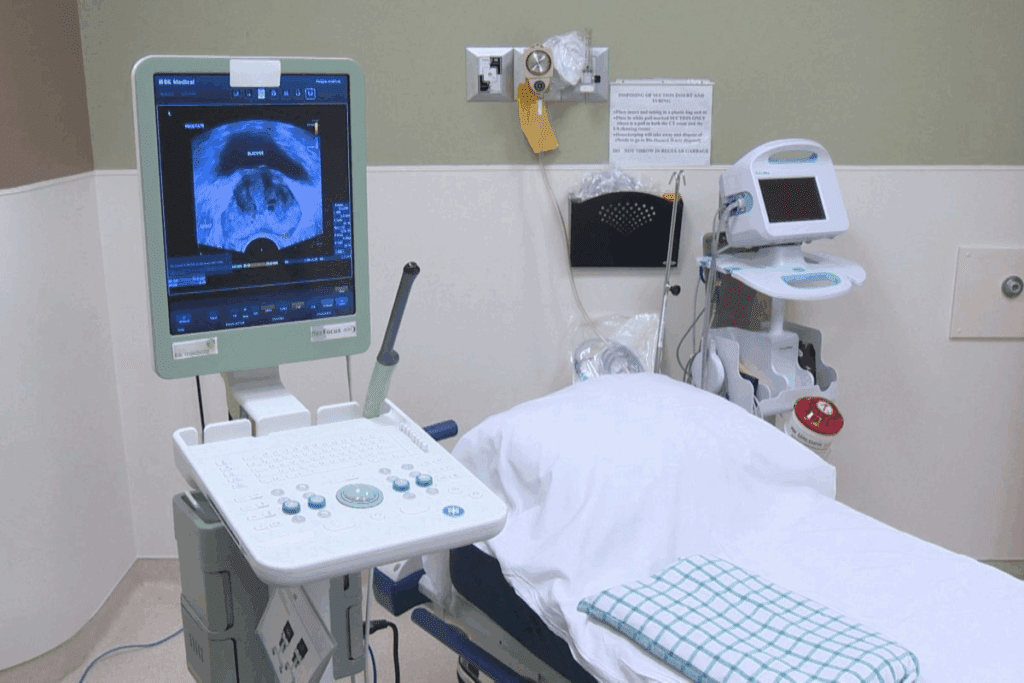
At Liv Hospital, we use the latest technology for cancer treatments. One key tool is Irreversible Electroporation (IRE). It’s a non-thermal method that kills cancer cells without harming nearby tissues.
IRE, also known as NanoKnife, uses electrical pulses to destroy cancer cells. This is great for tumors close to important areas because it keeps the tissue safe.
With IRE ablation, we offer a less invasive treatment. It might lead to fewer side effects and a faster recovery for patients.
Key Takeaways
- IRE is a non-thermal ablation technology that targets cancer cells while preserving surrounding structures.
- This technique is very useful for treating tumors near vital areas.
- IRE ablation offers a minimally invasive treatment option with potentially fewer complications.
- Liv Hospital is at the forefront of utilizing IRE for advanced cancer care.
- Patients can benefit from a potentially quicker recovery time with IRE treatment.
The Science and Development of Irreversible Electroporation

Irreversible Electroporation is a new way to fight cancer. It’s a non-thermal ablation technique. This method is changing how we treat tumors.
Defining IRE Abbreviation and Technology
IRE stands for Irreversible Electroporation. It uses high-voltage electrical pulses to kill cells. This method is special because it doesn’t harm the tissue around the tumor.
The technology works by making cell membranes more open. High enough electrical pulses can make these pores permanent. This leads to cell death.
Historical Evolution of IRE in Cancer Treatment
Electroporation has been studied for decades. But using it for cancer treatment as IRE is new. The NanoKnife System was a key technology in making IRE a real option for cancer therapy.
IRE has come a long way from just an idea. It’s now a proven treatment for many cancers. Many studies and trials have shown it’s safe and works well.
| Year | Milestone in IRE Development | Significance |
| 2000s | Initial research on electroporation for medical applications begins | Lays the groundwork for understanding electroporation’s medical use |
| 2010s | First clinical applications of IRE for cancer treatment | Marks the start of IRE in real-world treatments |
| 2020s | Advancements in IRE technology and increased adoption | Improves treatment results and grows IRE’s role in cancer care |
Irreversible Electroporation is a big step forward in cancer treatment. It shows our dedication to finding better ways to help patients.
How IRE Ablation Works: The Mechanism of Action

IRE ablation works by using high-voltage electrical fields to affect cells. It’s a precise method to treat cancer by sending electrical pulses to specific areas.
Cellular Response to High-Voltage Electrical Fields
High-voltage electrical pulses create a strong field around target cells during IRE ablation. This field damages the cell membrane, causing permanent harm. The damage is mostly to the cells being treated, not nearby tissues.
The cells react quickly to these electrical fields. Their membranes become leaky, letting ions and molecules move freely. This leads to a chain of events that ends in cell death.
Cell Membrane Disruption and Programmed Cell Death
The cell membrane’s disruption is key in IRE ablation. When it’s damaged, the cell starts to die through apoptosis. This is how IRE ablation gets rid of unhealthy or cancerous cells.
Our studies have found IRE ablation works well for tumors close to important areas. It keeps blood vessels and ducts safe. This makes IRE ablation a good choice for treating complex tumors.
| Aspect | Description | Benefit |
| Cellular Response | Immediate disruption of cell membrane | Localized treatment with minimal damage to surrounding tissues |
| Programmed Cell Death | Apoptosis triggered by cell membrane disruption | Effective elimination of malignant cells |
| Treatment Precision | High-voltage electrical pulses targeted at tumor cells | Preservation of critical structures like blood vessels and ducts |
Non-Thermal Nature: What Sets IRE Apart from Traditional Ablation Methods
IRE ablation technology is different from old methods. Old methods use very high temperatures to kill cancer cells. This can harm healthy tissues nearby. IRE, on the other hand, uses electrical pulses to kill cells without heat.
Thermal vs. Non-Thermal Ablation Techniques
Thermal methods like radiofrequency and microwave ablation use heat to kill cancer. They work well but can harm nearby tissues. IRE, being non-thermal, is better at keeping healthy tissues safe.
Choosing between thermal and non-thermal ablation depends on many things. Like where the tumor is, how big it is, and the patient’s health. IRE is great for tumors near important areas because it’s less likely to damage them.
Tissue-Selective Destruction Capabilities
IRE is good at killing cancer cells but not healthy tissues. This is key for tumors in hard-to-reach places. IRE’s precision means fewer side effects and better results for patients.
Using IRE’s targeted approach means patients get a less invasive treatment. This makes the treatment more effective and improves patients’ quality of life.
The IRE Procedure: Step-by-Step Process
The IRE procedure is a detailed process. It needs careful planning, advanced imaging, and precise electrode placement. We guide patients through each step to ensure the best results.
Pre-Procedure Planning and Imaging Requirements
Before starting the IRE procedure, thorough planning and imaging are key. This includes:
- Reviewing the patient’s medical history and current condition.
- Using MRI or CT scans to locate the tumor and critical structures.
- Working with a team of specialists to plan electrode placement.
Imaging is vital for the IRE procedure’s success. An expert says, “Accurate imaging is the cornerstone of effective IRE treatment, allowing for precise targeting of the tumor while sparing surrounding tissues.”
“The integration of advanced imaging modalities has revolutionized the field of interventional oncology, enabling more precise and effective treatments.”
Electrode Placement and Energy Delivery Protocols
The success of the IRE procedure depends on accurate electrode placement and energy delivery. This involves:
- Using real-time imaging to place the electrodes around the tumor.
- Configuring the electrodes according to the specific protocol.
- Delivering high-voltage electrical pulses to induce irreversible electroporation.
| Protocol Aspect | Description | Importance |
| Electrode Configuration | Precise placement around the tumor | Ensures effective targeting |
| Energy Delivery | High-voltage pulses | Induces cell death |
| Real-time Monitoring | Continuous imaging during the procedure | Allows for adjustments |
Post-Procedure Monitoring and Recovery
After the IRE procedure, careful monitoring is key. This includes:
- Observing the patient in a recovery unit for immediate complications.
- Follow-up imaging to check the treated area and body response.
- Supportive care to manage side effects and aid in recovery.
We know the recovery process is as important as the procedure. Our team provides full care throughout the treatment journey.
Clinical Applications of IRE Ablation Technology
IRE ablation technology is growing in use, mainly for treating prostate, liver, and pancreatic cancers. It’s a non-thermal method that helps keep nearby tissues safe. This makes it great for tumors in hard-to-reach places.
Prostate Cancer Treatment with IRE
IRE is making waves in prostate cancer treatment. It works well to kill tumors without harming nearby nerves, urethra, or rectum. This is good news for patients who want to keep their sexual function and bladder control.
Research shows IRE can control cancer well with few side effects. Its precision is key for treating tumors near sensitive areas. This makes IRE a strong choice for prostate cancer.
Liver Tumor Ablation Applications
IRE is also used for liver tumors, including primary cancer and metastases. Its non-thermal approach is a big plus for the liver. It helps keep bile ducts and major vessels safe.
| Tumor Location | IRE Effectiveness | Preservation of Structures |
| Liver | High | Bile ducts and major vessels |
| Prostate | High | Nerves, urethra, rectal wall |
| Pancreas | Promising | Major vessels, pancreatic ducts |
Pancreatic Cancer Treatment Options
Pancreatic cancer is another area where IRE is showing promise. It can help keep major vessels and ducts safe. This is important because pancreatic tumors are often hard to remove due to their location.
Early results suggest IRE could be a good option for pancreatic cancer. It might help reduce tumor size and improve life quality.
Other Emerging Clinical Uses
IRE is also being looked at for treating kidney, lung, and other cancers. Its ability to preserve tissues around tumors could be a game-changer. This could offer new hope for patients with tough-to-treat cancers.
As more research comes in, IRE’s uses are likely to grow. It could bring new hope to patients with complex tumors.
Key Benefits of Irreversible Electroporation for Complex Tumor Locations
IRE is a great option for treating tumors in hard-to-reach places. It’s good because it can keep important structures safe near the tumor.
Preservation of Critical Blood Vessels and Ducts
When dealing with tumors in tricky spots, keeping blood vessels and ducts safe is key. IRE’s non-thermal ablation technique kills tumor cells but spares nearby important structures. This is super important in places like the liver, pancreas, and prostate.
Our team has found that IRE works well for tumors close to vital structures without harming them. For example, in the liver, IRE can kill tumors near big blood vessels without hurting the vessels.
| Organ | Critical Structures | Benefits of IRE |
| Liver | Blood vessels, bile ducts | Preserves vascular and biliary integrity |
| Pancreas | Pancreatic ducts, blood vessels | Minimizes risk of pancreatic fistula and vascular damage |
| Prostate | Urethra, nerves, rectal wall | Preserves urinary and sexual function, reduces risk of rectal injury |
Reduced Procedure Time and Tissue Recovery Advantages
IRE also has the perk of making procedures shorter and recovery faster. It’s a non-thermal method, so it doesn’t damage tissues around the tumor as much. This means patients can get back to their lives sooner.
Our studies show that IRE patients often have shorter hospital stays and fewer complications after treatment. This is because IRE helps keep tissue function and structure intact.
In summary, IRE is a valuable treatment for tumors in hard-to-reach spots. It helps keep important structures safe and can make recovery times shorter. As we keep improving and gathering more evidence, IRE’s role in fighting cancer will likely grow.
Patient Selection Criteria for IRE Treatment
Choosing the right patients for IRE treatment is key to success. The treatment works best when the tumor and patient health are just right.
Ideal Tumor Characteristics for IRE Ablation
The type of tumor matters a lot for IRE treatment. Tumors that are localized and haven’t spread far work best. The size and where the tumor is also matter a lot.
- Tumors near important structures like blood vessels, nerves, or ducts can be treated with IRE. This is because IRE doesn’t use heat, which helps keep these areas safe.
- Tumors that are small to moderate in size are usually the best fit for IRE ablation.
Contraindications and Clinical Limitations
Even with its benefits, IRE isn’t for everyone. People with pacemakers or other implantable electronic devices can’t have it because of the risk of electrical problems.
- Those with coagulopathy or bleeding disorders might face more risks during and after the treatment.
- People with severe heart conditions or other serious health issues need careful checking before IRE treatment.
Healthcare providers must carefully look at these factors. This helps pick the best candidates for IRE treatment. It makes sure the treatment works well and is safe.
Clinical Outcomes and Research Evidence Supporting IRE
Irreversible Electroporation (IRE) has shown great promise in treating different cancers. It’s important to look at the research backing its use in cancer treatment.
Success Rates and Survival Statistics
Many studies have shown IRE’s success in treating tumors. For example, it has been very effective in treating prostate cancer. It has high rates of cancer control and few side effects.
In treating liver tumors, IRE has also shown great results. It has led to improved survival statistics and less complications.
A meta-analysis of trials found that IRE improves survival rates for pancreatic cancer patients. This is a big deal, as pancreatic cancer is hard to treat. These results highlight IRE’s ability to help in tough cases.
Current Clinical Trials and Emerging Research
New clinical trials are helping us learn more about IRE. Researchers are working to make treatments better, find new uses, and compare IRE with other methods. Early findings suggest IRE might be better at saving important areas around tumors.
As research keeps growing, we’ll learn more about IRE’s long-term effects. The increasing evidence supports IRE’s use in treating tough tumors. This could bring new hope to patients facing challenging cancer cases.
Potential Side Effects and Risk Management
IRE ablation is a new and exciting treatment. But, it’s important to know about its side effects. Like any medical treatment, IRE has risks and complications. These need to be managed well to help patients get the best results.
Common Side Effects Following IRE Treatment
People getting IRE treatment might feel some common side effects. These include:
- Pain at the treatment site, which can be managed with appropriate pain medication
- Nausea, potentially due to the treatment’s effects on surrounding tissues
- Inflammation, a natural response to the cellular disruption caused by IRE
Managing these side effects well is important for patient comfort and success. Our medical team works closely with patients to watch for and fix any problems quickly.
Managing and Preventing Complications
To lower the risk of complications, the IRE procedure needs careful planning and execution. This includes:
- Detailed pre-procedure planning and imaging to accurately target the tumor
- Precise electrode placement to ensure effective treatment while sparing surrounding critical structures
- Post-procedure monitoring to quickly identify and manage any complications
Understanding the risks and taking steps to manage them helps improve patient outcomes. It’s also key for patients to follow their post-procedure instructions well to help with recovery.
As research keeps growing, we learn more about making IRE treatment better. This includes reducing side effects and complications. The ongoing work to improve treatment shows our dedication to giving the best care to those who need it.
Advanced Care at Liv Hospital: IRE Ablation Excellence
At Liv Hospital, we’re all about top-notch care with our advanced IRE ablation methods. Our team works hard to give you the best treatment results. We use the newest medical tech to do it.
Innovative Approaches to IRE Implementation
We’ve come up with innovative protocols for IRE that aim to be effective and quick to recover from. Our multidisciplinary team works together to make treatment plans that fit each patient’s needs perfectly.
- Advanced imaging techniques for precise electrode placement
- Customized energy delivery protocols for optimal outcomes
- Comprehensive post-procedure care to ensure smooth recovery
International Standards and Patient Outcomes
At Liv Hospital, we stick to rigorous international standards in our IRE ablation procedures. This focus on excellence shows in our patient results, aiming for the best possible outcomes.
Our commitment to high-quality care is clear in our:
- State-of-the-art facilities equipped with the latest technology
- Experienced medical team trained in the latest IRE techniques
- Continuous monitoring and improvement of patient care protocols
We mix innovative methods with a dedication to international standards. This way, we make sure our patients get the best care possible.
Conclusion
Irreversible electroporation (IRE) is a new way to treat cancer. It uses electricity to kill cancer cells without harming healthy tissues. This method helps patients recover faster.
At Liv Hospital, we use IRE to help our patients. We offer advanced care and support tailored to each person’s needs.
Our experience with IRE has been positive. It works well for tumors in hard-to-reach places. We keep learning and improving with new IRE technology.
We see a bright future for IRE. It has many uses and we’re dedicated to top-notch healthcare. We aim to meet the needs of patients from all over the world.
FAQ
What is Irreversible Electroporation (IRE)?
IRE is a new, non-thermal method to kill cancer cells. It uses electrical fields to target cancer while keeping other important parts safe.
How does IRE ablation work?
IRE uses high-voltage electrical fields to damage cell membranes. This causes cancer cells to die, without harming nearby healthy cells.
What is the NanoKnife System?
The NanoKnife System is a tool for IRE treatments. It uses electrical pulses to create tiny holes in cell membranes, killing cancer cells.
What are the benefits of IRE compared to traditional ablation methods?
IRE is a non-thermal method that keeps important structures safe. This reduces damage and may shorten recovery times.
What types of cancer can be treated with IRE?
IRE can treat many cancers, like prostate, liver, and pancreatic cancers. It’s also being explored for other types of cancer.
What is the process of undergoing IRE treatment?
Getting IRE treatment involves planning and imaging before, placing electrodes, delivering energy, and monitoring after. Recovery is also part of the process.
What are the ideal tumor characteristics for IRE ablation?
The best tumors for IRE are specific in size, location, and type. Each case is evaluated to see if IRE is right.
What are the possible side effects of IRE treatment?
Side effects of IRE might include pain, swelling, and bruising. There are ways to manage and prevent these issues.
What are the success rates and survival statistics for IRE treatment?
Studies show IRE has good success rates and survival stats. More research and trials are ongoing to confirm these results.
How is patient care managed at institutions like Liv Hospital?
Places like Liv Hospital offer top-notch care and new approaches to IRE. They follow international standards to ensure the best outcomes for patients.