
A leading center has made a big discovery. They found a way for parents to donate bone marrow to their kids, even if they’re not a perfect match.
This breakthrough is a game-changer for families in need. It means more chances to find a donor for a transplant. Now, a haploidentical transplant is a real option, making it easier to find a donor.
Thanks to new tech, pediatric stem cell transplants are now more possible. This gives hope to families all over the world.
Key Takeaways
- Parents can now donate to their children even if they are not a perfect match.
- Haploidentical transplants have improved donor eligibility criteria.
- Pediatric stem cell transplants have become more accessible.
- Family members can now be considered as possible donors.
Understanding Bone Marrow Transplants for Children
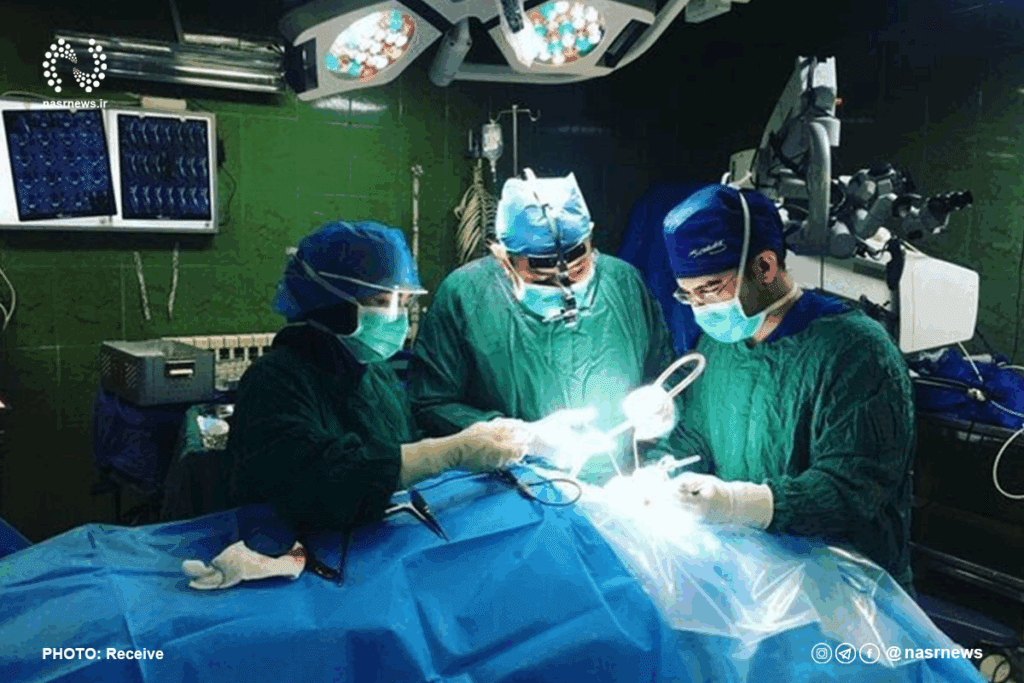
Bone marrow transplants are a key treatment for kids with serious blood disorders. This process replaces a child’s bad bone marrow with healthy stem cells. These can come from a donor or the child themselves.
What is Bone Marrow and Why It’s Important
Bone marrow is the soft tissue in bones like hips and thighbones. It makes blood cells. These cells are vital for our health.
When bone marrow fails, a transplant is needed. Stem cell transplantation is a lifesaving option for many diseases.
Common Conditions Requiring Bone Marrow Transplants in Children
Leukemia, lymphoma, and some genetic disorders may need a bone marrow transplant. This choice is made when other treatments fail or the disease is aggressive. It’s important to match the donor and recipient’s HLA compatibility.
A conditioning regimen also prepares the child’s body for the transplant. The suitability of a bone marrow transplant depends on the disease type, the child’s health, and donor availability. Healthcare providers use these factors to decide if a transplant is the best option.
The Science Behind Donor-Recipient Compatibility

The match between a bone marrow donor and recipient is key for transplant success. HLA typing is vital in this process. It identifies the body’s HLA genes, which help the immune system fight off invaders.
HLA Typing and Matching Basics
HLA typing matches donors and recipients for bone marrow transplants. A closer HLA match means less risk of complications like GVHD. HLA matching compares the HLA genes of donor and recipient.
The HLA system is complex, with many genes involved. For bone marrow transplants, HLA-A, HLA-B, and HLA-DR are most important. An optimal match has the same genes at these locations.
| HLA Gene | Importance in Transplant |
| HLA-A | Critical for initial compatibility |
| HLA-B | Significant for reducing GVHD risk |
| HLA-DR | Essential for immune system function post-transplant |
Genetic Inheritance Patterns
HLA genes are passed down in an autosomal dominant pattern. Each parent gives one set of HLA genes to their kids. This makes siblings more likely to match than unrelated donors.
Knowing how HLA genes are inherited helps find compatible donors in families. Siblings have a 25% chance of being a full match. Parents are usually half-matched. This is important for haploidentical transplants, where half a match can work.
Parent Bone Marrow Donation: The Basics
When a child needs a bone marrow transplant, parents often ask if they can donate. This is a key question. It’s about whether a parent can be a bone marrow donor for their child.
Can Parents Donate to Their Children?
Yes, parents can donate bone marrow to their children. This is an option when a sibling match is not found. The match between a parent and child is usually a half-match, or haploidentical. Haploidentical transplants are becoming more common thanks to new medical technology.
Advantages of Parental Donors
One big plus of using a parental donor is their immediate availability. Unlike searching for donors, a parent is always there. Being a biological parent also means a better immune system compatibility. A study showed that parental donors can be a good match, even when siblings are not.
“The use of haploidentical donors has revolutionized the field, bringing new hope to patients without a matched donor.”
Source: A leading medical journal on transplantology.
Potential Challenges with Parent Donors
Despite the benefits, there are challenges. A big issue is the risk of graft-versus-host disease (GVHD). GVHD happens when the donor’s immune cells attack the recipient’s body. But, new treatments have made managing GVHD better.
| Donor Type | Compatibility | Availability |
| Parent | Half-match (Haploidentical) | Immediate |
| Sibling | Full-match (HLA-identical) | Variable |
In conclusion, while there are challenges, parents can donate bone marrow to their children. This is a viable option when a sibling match is not available.
Haploidentical Transplants Explained
Haploidentical transplants have changed the game in bone marrow donation. They offer hope to those needing a transplant. This method, also known as a half-match transplant, is for those without a fully matched donor.
What is a Half-Match or Haploidentical Transplant?
A haploidentical transplant uses a donor who is a half-match. This includes parents, siblings, or children who share half of the recipient’s genes. The big plus of haploidentical transplants is their availability. Many patients find a family member who can donate.
Recent Advances in Haploidentical Procedures
New methods in haploidentical transplants have made them safer and more effective. Techniques like post-transplant cyclophosphamide have been key. “The introduction of post-transplant cyclophosphamide has been a major breakthrough,” studies say.
Success Rates of Partial Match Transplants
Partial match transplants have shown great success. Many patients have seen successful engraftment and long-term survival. Studies show haploidentical transplants can match the success of matched unrelated donor transplants. This is a big win for those without a fully matched donor.
With ongoing medical advancements, the outlook for bone marrow transplant patients is looking up.
Parent vs. Sibling Donors: Making the Choice
When it comes to bone marrow transplants for kids, picking between a parent or sibling donor is key. This choice depends on how well the donor and recipient match, the child’s health needs, and the transplant’s risks.
Comparing Compatibility Factors
How well the donor and recipient match is vital for a successful transplant. HLA (Human Leukocyte Antigen) typing helps figure out this match. Siblings have a 25% chance of being a full match, while parents are usually half-matches. But, new haploidentical transplants can work even with half-matched donors, like parents.
- Sibling Donors: They have a better chance of being a full HLA match, lowering the risk of GVHD.
- Parent Donors: They are at least a half-match, and with haploidentical transplants, the match requirements are less strict.
When Parents Are Preferred Over Siblings
In some cases, parents might be the better choice for a donor. For example, if the child is very young or has a rare HLA type, finding a sibling match can be hard. Parents are often ready and willing to donate, making them a practical option.
New transplant tech and better immunosuppression have boosted outcomes for kids getting transplants from parents. A study in a top medical journal found, “Haploidentical donors have widened the donor pool and raised survival rates for kids getting bone marrow transplants.”
“The decision to use a parent or a sibling donor should be made based on individual patient needs and donor availability.”
Expert Opinion
In the end, choosing between a parent and sibling donor should be based on the child’s health needs, compatibility, and the transplant’s risks and benefits.
The Donor Screening Process for Parents
Parents wanting to donate bone marrow to their child must go through a detailed evaluation. This step is key to make sure the donor is safe and suitable for the donation.
Initial Testing and Eligibility Requirements
The first step is a series of tests to check if the donor is eligible. These tests include blood typing, HLA typing, and a detailed medical history review. They aim to spot any health risks or issues that might affect the transplant.
When checking if someone can donate, age, health, and medical history are looked at closely. A detailed check is done to make sure the donor can safely go through the procedure.
Medical Evaluation for Parent Donors
A detailed medical check-up is done to look at the parent donor’s health. This includes a physical exam, lab tests, and maybe imaging studies. They help see if the donor is healthy enough for donation.
Psychological Assessment and Support
Psychological checks and support are important parts of the donor screening. Counseling helps address any emotional or psychological worries the donor might have. This makes sure they’re ready mentally for the donation.
The support also goes to the family, helping them through the transplant journey. They get help on what to expect during recovery and how to care for themselves after.
The Bone Marrow Donation Procedure for Parents
Donating bone marrow as a parent can save your child’s life. It’s important to understand the process. The steps include preparation, the donation itself, and recovery.
Pre-Donation Preparation
Before donating, parents go through tests to check their health and match with their child. They have blood tests, a physical check-up, and a look at their medical history. Preparation is key to a safe and successful donation.
Collection Methods
There are two main ways to donate bone marrow: Traditional Bone Marrow Harvest and Peripheral Blood Stem Cell Collection. The choice depends on the recipient’s health and the donor’s condition.
Traditional Bone Marrow Harvest
This method takes bone marrow from the hip bone under anesthesia. It takes a few hours, and donors can go home the next day.
Peripheral Blood Stem Cell Collection
This method collects stem cells from the bloodstream. Donors take medication to boost stem cell production. Then, their blood is filtered to get the stem cells. This process, called apheresis, can take hours.
Recovery Timeline for Parent Donors
Recovery time for donors varies based on the method used. Generally, it takes a few weeks. Most donors can get back to normal quickly. It’s important to follow instructions carefully for a smooth recovery.
Preparing Your Child for the Transplant
Bone marrow transplants for kids need a special plan. This plan considers the child’s age and needs. It’s not just about the medical part. It’s also about making sure the child is ready emotionally and physically.
Age-Appropriate Conditioning Regimens
The conditioning regimen is key in bone marrow transplants. For kids, it’s important to make this regimen fit their age and size. Age-appropriate conditioning regimens help lower the risk of problems. They make sure the child’s body is ready for the transplant.
- Reduced-intensity conditioning may be used for younger children or those with certain health conditions.
- Myeloablative conditioning is often used for children with aggressive diseases or those requiring a more intense regimen.
A pediatric oncologist, says, “Tailoring the conditioning regimen to the child’s age and health status is key for transplant success.”
Special Considerations for Pediatric Patients
Kids getting bone marrow transplants have special needs. Special considerations include managing Graft-versus-Host Disease (GVHD) risk, making sure they eat well, and giving them emotional support.
| Consideration | Description |
| GVHD Prevention | Strategies include immunosuppressive therapy and careful donor selection. |
| Nutritional Support | Good nutrition is key for recovery and health. |
| Emotional Support | Counseling and support groups help kids and families deal with the transplant. |
By focusing on these special needs, healthcare teams can help kids get the best results from bone marrow transplants.
Managing Post-Transplant Complications
Managing post-transplant complications is essential for a successful bone marrow transplant. Even with the best planning, issues can pop up. It’s important to have plans ready for these situations.
Graft-versus-Host Disease Prevention Strategies
Graft-versus-Host Disease (GVHD) is a big problem after a bone marrow transplant. GVHD prevention strategies are key. They include using immunosuppressive meds, watching the patient closely, and following protocols to lower GVHD risk. Knowing the risks and acting early can help reduce GVHD’s impact.
Preventing GVHD often involves immunosuppressive therapy that fits the patient’s needs. This might include a mix of meds and treatments to keep the immune system from attacking the new cells.
Immune Suppression Therapy Protocols
Immune suppression therapy protocols are vital for managing post-transplant issues. They help prevent the immune system from rejecting the donor cells. The therapy must be carefully managed to avoid rejection and infection risks.
The therapy plan can change based on the patient’s health, the transplant type, and the donor-recipient match. Monitoring and adjusting the therapy as needed is key to a successful transplant.
Family Dynamics and Emotional Aspects
When a child needs a bone marrow transplant, it tests the family’s emotional strength. This process affects not just the patient but every family member. Emotional support and coping strategies are key.
Supporting Siblings and Family Members
Siblings and other family members often feel left out or worried during this time. It’s important to include them in the process. This can be done through:
- Open communication about the treatment and its effects
- Including them in care activities where appropriate
- Ensuring they have emotional support, such as counseling or support groups
This way, families can create a supportive environment for all.
Coping Strategies During the Transplant Journey
Coping with the transplant journey requires a variety of strategies. Some effective ones include:
| Strategy | Description | Benefit |
| Maintaining a routine | Sticking to regular schedules for meals, sleep, and activities | Provides a sense of normalcy |
| Seeking support | Engaging with support groups, counseling, or online forums | Offers emotional relief and practical advice |
| Staying informed | Understanding the transplant process and its possible complications | Reduces anxiety through knowledge |
By using these strategies, families can handle the transplant journey better.
Conclusion
Parents can now donate bone marrow to their children, giving many families a new hope. Recent breakthroughs in haploidentical transplants have made a big difference. These advancements offer a brighter future for kids who need a transplant.
Bone marrow registries have been key in helping with these donations. They work hard to find donors and make the transplant process smoother. This support is vital for families going through this challenging time.
As more parents consider bone marrow donation, it’s important to know the pros and cons. Understanding this can help families make the best choices for their children. This knowledge empowers them to support their kids during a tough time.
The future of bone marrow transplants for kids looks promising. Thanks to ongoing research and the help of registries, more children will have access to life-saving treatments. This progress brings hope to families facing the need for a transplant.
FAQ
What is bone marrow, and why is it important for children?
Bone marrow is the spongy tissue inside some bones. It makes blood cells. For kids, it fights infections, carries oxygen, and stops bleeding. A transplant can save kids with certain diseases.
What conditions in children require a bone marrow transplant?
Kids with cancers, blood disorders, and immune system diseases might need a transplant. This includes leukemia, lymphoma, and aplastic anemia.
Can a parent donate bone marrow to their child?
Yes, parents can donate bone marrow to their kids. New medical tech makes it possible, even if they’re not a perfect match.
What is HLA compatibility, and why is it important?
HLA (Human Leukocyte Antigen) matching is key. It makes sure the immune systems of donor and recipient match. This lowers the risk of complications and boosts transplant success.
What is a haploidentical transplant?
A haploidentical transplant is when the donor is a half-match. This includes parents, who are usually half-matched to their kids.
How is donor-recipient compatibility determined?
Compatibility is found through HLA typing and matching. Family genetic patterns are also looked at to predict transplant success.
What are the advantages of using a parental donor?
Using a parent as a donor is convenient. The emotional bond helps the child recover. New transplant methods make it possible for parents to donate.
How does the donor screening process work for parents?
Parents go through initial tests and medical checks. They also get psychological support to see if they’re good donors.
What is the bone marrow donation procedure like for parents?
The process includes getting ready, collecting bone marrow or stem cells, and recovering. The details depend on the method used.
How are post-transplant complications managed?
Complications like GVHD are treated with immune suppression. Other strategies help ensure the donor cells work well.
What support is available for families during the transplant journey?
Families get emotional support, join groups, and find resources. These help them deal with transplant challenges.
What is the success rate of haploidentical transplants in children?
Haploidentical transplants in kids are getting better thanks to new tech and research. Success depends on the child’s health and the donor match.
How are siblings and family members supported during the transplant process?
Siblings and family members get emotional support and counseling. This helps them handle transplant challenges and family changes.
What are the key considerations for preparing a child for a bone marrow transplant?
Preparing a child involves special plans for their age and needs. It also includes ways to prevent GVHD and support their recovery.
References
Switzer G.E., Bruce J., Pastorek G., Kiefer D.M., Kobusingye H., Drexler R., Besser R.M., Confer D.L., Horowitz M.M., King R.J., Shaw B.E., van Walraven S.M., Wiener L., Packman W., Varni J.W., Pulsipher M.A. “Parent versus child donor perceptions of the bone marrow donation experience.” Bone Marrow Transplantation. 2017; 52(9):1338-1341. PMCID: PMC5933883. (Available at: https://pmc.ncbi.nlm.nih.gov/articles/PMC5933883/