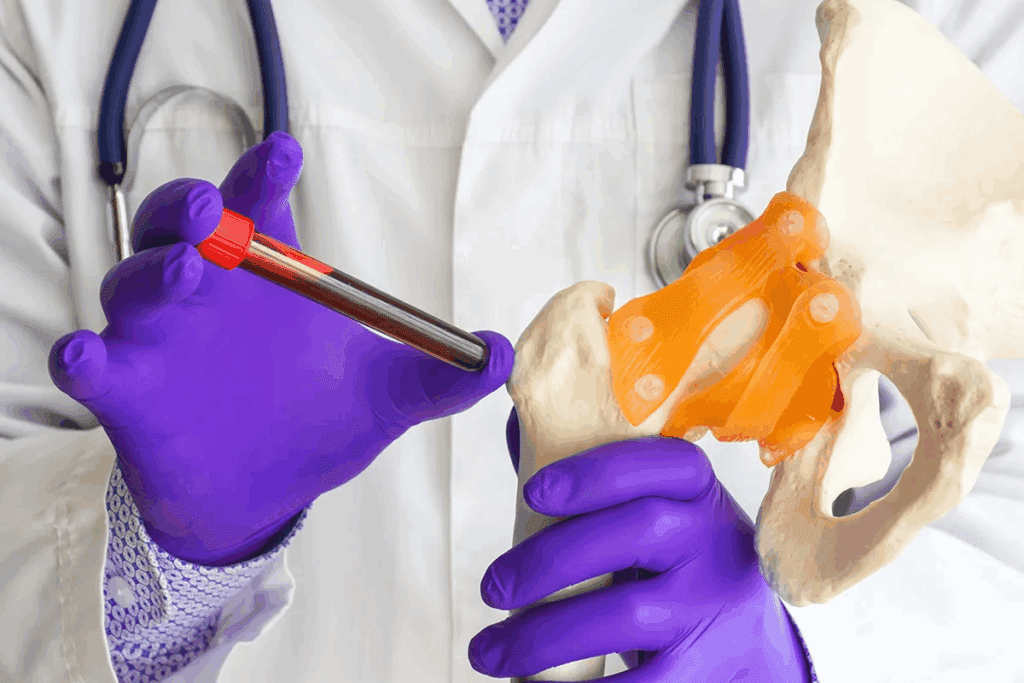
A bone marrow transplant is a lifesaving act. It brings up questions about the person’s genetic identity. The Gift of Life Marrow Registry says that after such a transplant, the person will have two DNA sets in their body.
This is called genetic chimerism. It has big implications for the person and their family. This article will look into how a bone marrow transplant changes the DNA of the person and their kids. We’ll see what it means for their genetic identity.
Key Takeaways
- Recipients of a bone marrow transplant can have two sets of DNA.
- Genetic chimerism occurs when the recipient’s body contains both their own DNA and the donor’s DNA.
- The impact of bone marrow DNA changes on the recipient’s children is a topic of interest.
- DNA testing after transplant can reveal the presence of both the recipient’s and donor’s DNA.
- The concept of post-transplant identity is complex and multifaceted.
The Science of Bone Marrow Transplantation and DNA
Understanding bone marrow transplantation is key to knowing its DNA effects. This medical procedure replaces a patient’s bone marrow with healthy stem cells. It treats diseases like cancer and blood disorders.
How bone marrow transplants work
Bone marrow transplants come in two types: autologous and allogeneic. Autologous transplants use the patient’s own stem cells. These cells are collected, stored, and then reinfused after treatment. Allogeneic transplants use stem cells from a donor.
Types of transplants: autologous vs. allogeneic
Allogeneic transplants are important for DNA changes. They introduce donor DNA into the recipient’s body. The Gift of Life Marrow Registry says allogeneic transplants give the recipient two DNA sets: their own and the donor’s.
The replacement of blood-forming cells
The main goal of a bone marrow transplant is to replace faulty blood cells. This is vital for patients with disease or treatment damage.
Initial DNA changes after transplantation
After an allogeneic transplant, the body replaces blood cells with donor cells. This is called chimerism.
Timeline of donor cell integration
Donor cells don’t integrate right away. It takes time for them to replace the recipient’s blood cells.
Monitoring chimerism levels
| Time Post-Transplant | Chimerism Level | Implication |
| Short-term (0-3 months) | Mixed chimerism | Presence of both recipient and donor cells |
| Medium-term (3-6 months) | Increasing donor chimerism | Gradual replacement of recipient cells by donor cells |
| Long-term (beyond 6 months) | Full donor chimerism | Predominant or complete replacement by donor cells |
Keeping an eye on chimerism levels is key. It shows if the transplant was successful.
DNA After Bone Marrow Transplant: Understanding Genetic Chimerism
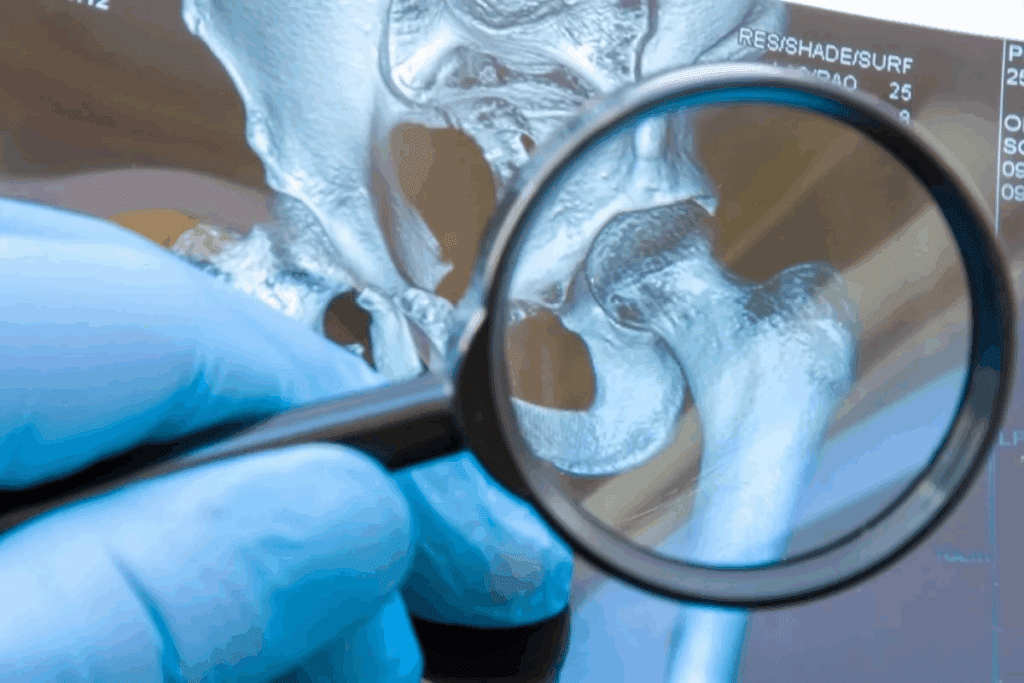
Genetic chimerism happens when a person has two different DNA sets in their body. This can occur after a bone marrow transplant. The recipient’s body accepts the donor’s bone marrow, mixing their DNA with the donor’s.
What is genetic chimerism?
Genetic chimerism means having two different DNA profiles in one person. It often happens after a bone marrow transplant. The recipient gets the donor’s bone marrow, mixing their DNA with the donor’s.
Complete vs. mixed chimerism
There are two types of chimerism: complete and mixed. Complete chimerism means the donor’s cells replace the recipient’s, making them 100% donor DNA. Mixed chimerism is when both the recipient’s and donor’s cells coexist, mixing their DNA.
How common is chimerism after transplant?
Chimerism after a bone marrow transplant is common. Studies show most recipients have some chimerism. The amount depends on the transplant type and the preparation before it.
Which bodily tissues contain donor DNA?
Donor DNA is mainly found in the blood and bone marrow after a transplant. But, it can also be in other tissues to some extent.
Blood and bone marrow changes
The blood and bone marrow are where donor DNA is most seen. The bone marrow makes blood cells, so when it’s replaced, the cells have the donor’s DNA.
While blood and bone marrow are most affected, other tissues can also have donor DNA. The amount in other tissues depends on the transplant type and the person’s health.
In summary, genetic chimerism is a complex issue after a bone marrow transplant. It means the recipient’s and donor’s DNA are both in the recipient’s body. Knowing about chimerism is key to managing transplant recipients’ health.
Blood vs. Tissue DNA: What Changes and What Doesn’t
After a bone marrow transplant, the DNA in blood and tissues can change a lot. This change is not the same for all cells and tissues. So, the body has a mix of genetic material from the donor and the recipient.
Blood cells and their DNA origin post-transplant
Blood cells are directly affected by bone marrow transplantation. The bone marrow makes blood cells, like white blood cells, red blood cells, and platelets.
White blood cells, red blood cells, and platelets
After the transplant, these cells mostly have the donor’s DNA. This is because the donor’s bone marrow makes them.
- White blood cells are part of the immune system and fight infections.
- Red blood cells carry oxygen around the body.
- Platelets help with blood clotting.
Bone marrow composition changes
The bone marrow’s makeup changes a lot after a transplant. The recipient’s bone marrow is replaced with the donor’s. This means blood cells with the donor’s DNA are made.
Tissues that maintain your original genetic profile
Not all tissues change their DNA after a bone marrow transplant. Some tissues keep the recipient’s original DNA.
Skin, hair, and epithelial cells
Tissues like skin, hair, and epithelial cells usually keep the recipient’s DNA. These tissues aren’t made from bone marrow. So, they’re not changed by the transplant.
Organs and reproductive tissues
Organs and reproductive tissues also keep the recipient’s DNA. This is important for understanding genetic effects on offspring.
It’s key to know the difference between blood DNA and tissue DNA for those who’ve had a bone marrow transplant. It shows how complex genetic chimerism is. It affects health and identity in many ways.
Reproductive Genetics After Transplantation
It’s important to know how bone marrow transplants affect fertility and genetic inheritance. This is key for those going through these procedures.
How reproductive cells remain unaffected
Reproductive cells like sperm and eggs are mostly not changed by donor DNA from a bone marrow transplant. This is because of the blood-gonad barrier. It keeps these cells safe from changes in the blood.
Sperm and egg cell DNA protection
Research shows that sperm and egg cells keep their own DNA. They don’t get changed by donor DNA.
The blood-gonad barrier
The blood-gonad barrier is key in keeping reproductive cells safe. It protects them from changes caused by bone marrow transplants. This barrier helps keep the genetic makeup of sperm and eggs the same.
Scientific evidence on hereditary transmission
Many studies have looked into how genetic traits are passed down in families after bone marrow transplants. They all agree: children get their DNA from their parents, not the donor.
Research studies on transplant recipients’ children
Research confirms that children of transplant recipients have DNA that matches their parents, not the donor. This shows that reproductive cells are not changed by the transplant.
Medical consensus on genetic inheritance
The medical field is clear: the DNA passed to children comes from their parents. This is true even after a bone marrow transplant.
In summary, bone marrow transplants do not change the genetic makeup of reproductive cells. This is good news for those worried about the genetic effects of transplants on their future kids.
What Your Children Will Inherit Genetically
Children born to parents who had bone marrow transplants have a big question. Will they get their parents’ genes or the donor’s? This is a big worry for those who got a transplant.
The Preservation of Your Original Genetic Material
Good news: the genes passed to kids are safe in their reproductive cells. These cells don’t get replaced by donor cells during a transplant. So, the DNA in these cells stays the parents’.
Why Your Children Will Have Your DNA, Not the Donor’s
Children get their parents’ DNA because their reproductive cells are untouched by the transplant. The genetic integrity of these cells is maintained. This means the next generation gets the parents’ genes, not the donor’s.
Exceptions and Rare Cases
Even though kids usually get their parents’ DNA, there are rare exceptions. Sometimes, a bit of donor DNA might show up in certain tissues. But this rarely affects reproductive cells. It’s key for transplant recipients to talk to their healthcare providers about their situation.
Parent-Child DNA Match Expectations
Knowing what to expect about DNA matching between parents and kids is important. After a bone marrow transplant, the DNA match usually follows normal patterns.
Normal Inheritance Patterns
Usually, kids get a mix of traits from their parents, following Mendelian inheritance. This means the genetic material passed down is a mix of the parents’ DNA. It’s not influenced by the donor’s DNA in transplant cases.
Addressing Common Concerns
Parents who had a bone marrow transplant worry about their kids’ genetic health and identity. But, reassuringly, their kids’ genetic integrity is safe. The reproductive cells are not replaced by donor cells. Talking to a genetic counselor can offer personalized guidance and reassurance.
DNA Testing Challenges for Transplant Recipients
Transplant recipients often struggle with DNA testing because of mixed genetic profiles. After a bone marrow transplant, their bodies mix their DNA with the donor’s. This mix can cause problems with DNA test results.
Blood-based DNA Tests
Blood-based DNA tests are common. But for transplant recipients, they can be tricky.
Why Blood Tests Show Donor DNA
After a bone marrow transplant, most blood cells come from the donor. So, DNA tests usually show the donor’s DNA, not the recipient’s.
When Blood Tests Might Be Misleading
Even though blood tests usually show donor DNA, they’re not always right. This can cause confusion in tests for ancestry, paternity, or other genetic purposes.
Cheek Swab and Saliva DNA Tests
Because of blood test issues, cheek swab and saliva DNA tests are getting more attention. They might give more accurate results for transplant recipients.
Presence of Blood Cells in Saliva Samples
Saliva can have blood cells, which might mess up saliva DNA tests. But, many tests are made to reduce this problem.
Accuracy of Buccal (Cheek) Cell Testing
Cheek swab DNA tests collect cells from the inside of the cheek. They often show the recipient’s original DNA better. Studies show that these cells keep the recipient’s genetic information.
Hair Follicle and Other Tissue Testing Options
Other than cheek swabs and saliva, DNA tests can also use hair follicles and other tissues.
Alternative Testing Methods for Accurate Results
Hair follicle testing and other tissue sampling are good alternatives. They can be better than blood tests when they’re not reliable.
In conclusion, transplant recipients have special challenges with DNA testing. It’s important to know the limits of each testing method. By exploring other options, people can get their genetic information right.
Family Genetic Testing Considerations
Family genetic testing after bone marrow transplantation is complex. It involves mixed DNA profiles. Donor DNA can make test results hard to understand, affecting many aspects of genetic testing.
Ancestry and Heritage Testing Complications
Ancestry and heritage tests are tricky for transplant recipients. Donor DNA can change expected results, leading to surprises.
How Results May Show Donor Ancestry
Genetic tests might show the donor’s DNA, not the recipient’s. This can be shocking if the donor’s ancestry is very different.
Interpreting Mixed Genetic Profiles
Understanding mixed DNA profiles is key. The recipient’s DNA may mix donor and original genetic material. This makes ancestry and heritage tests tricky.
Paternity/Maternity Testing Concerns
Paternity and maternity tests can be affected by donor DNA. The changed genetic profile might cause false results, leading to confusion.
Potential False Results in Relationship Testing
Donor DNA can lead to wrong results in genetic tests. For example, a transplant recipient’s test might not match their child’s DNA. This can wrongly question paternity or maternity.
Legal Implications and Solutions
False test results can have big legal issues. It’s important to tell genetic testing labs about the transplant. Labs might use special tests or markers for better results.
It’s vital to understand these complexities for those who’ve had bone marrow transplants. Knowing the challenges helps make smart choices about genetic testing.
Real-World Cases and Solutions
Genetic identity confusion is a big issue in many areas, like criminal investigations and family tests. Bone marrow transplants can cause unexpected DNA results. This makes us question what we know about someone’s genetic makeup.
Documented Cases of Genetic Identity Confusion
Genetic identity confusion has caused big problems in some cases. For example, in criminal cases, a transplant recipient’s DNA might not match crime scene DNA. This can lead to wrongfully accused people being freed or wrongly convicted.
Criminal Investigations Involving Transplant Recipients
Criminal cases get tricky when bone marrow transplants are involved. DNA evidence that doesn’t match the recipient’s DNA before the transplant can cause confusion. It often needs more investigation to clear things up.
Family Relationship Testing Surprises
Family tests have also seen surprises. Sometimes, a transplant recipient’s DNA doesn’t match their family’s as expected. This can be surprising and sometimes upsetting for families doing these tests.
How Medical Professionals Address DNA Testing Issues
Doctors have found ways to deal with DNA testing problems from transplants. It’s important to know how much genetic mixing happens after a transplant. This helps make DNA test results more accurate.
Specialized Testing Protocols
There are special testing methods for transplant recipients. These tests check different cells or tissues to see how much donor DNA is present. This helps understand the genetic mix better.
Documentation and Disclosure Recommendations
It’s key to document and share transplant history properly. This helps healthcare and law enforcement understand an individual’s DNA test results better. It’s all about getting the facts right.
Conclusion
A bone marrow transplant can change a person’s DNA, leading to genetic chimerism. This happens when the recipient’s marrow is replaced by the donor’s. As a result, the body has a mix of DNA profiles.
It’s important for transplant recipients and their families to understand genetic chimerism. It can affect how DNA test results are seen. This might cause confusion in tests about ancestry, paternity, or maternity.
The effects of a bone marrow transplant on DNA are significant. The changes in DNA can differ in various tissues and fluids. This shows why genetic chimerism must be considered when looking at DNA test results.
Knowing about the impact of bone marrow transplant on DNA helps people deal with genetic testing and identity issues. This knowledge also helps doctors address DNA testing problems. They can give accurate advice to those who have had a transplant.
FAQ
What is genetic chimerism, and how does it relate to bone marrow transplantation?
Genetic chimerism happens when different cell types live together in one body. This can occur after a bone marrow transplant. The recipient’s body might have cells from both themselves and the donor.
Will my DNA test results show my donor’s DNA after a bone marrow transplant?
Yes, DNA tests might show both your DNA and your donor’s DNA. This is because donor cells can be found in your blood. But, other parts of your body like cheek cells or hair follicles might only show your original DNA.
Can a bone marrow transplant change my genetic identity?
No, a bone marrow transplant doesn’t change who you are genetically. Your reproductive cells stay the same. So, you will pass on your original genetic material to your children.
How do bone marrow transplants affect ancestry and heritage DNA testing?
DNA tests from blood might show confusing results because of donor DNA. But, tests from cheek swabs or saliva can give clearer results. They show your true genetic ancestry.
Will my children inherit my donor’s DNA?
No, your children won’t get your donor’s DNA. Your reproductive cells are not affected by the donor DNA. So, you will pass on your original genetic material to your children.
What DNA testing options are available for transplant recipients?
Transplant recipients have other DNA testing options. Cheek swab, saliva DNA tests, or hair follicle testing might give better results than blood tests.
Can a bone marrow transplant affect paternity or maternity testing?
Yes, a bone marrow transplant can make paternity or maternity testing tricky. Blood-based DNA tests might not work well. You might need other testing methods or special protocols for accurate results.
How common is genetic chimerism after a bone marrow transplant?
Genetic chimerism is quite common after a bone marrow transplant. How much chimerism happens depends on the transplant type and the person’s health.
What are the implications of genetic chimerism for family genetic testing?
Genetic chimerism can make family genetic testing tricky, mainly with blood-based DNA tests. It’s best to use other testing methods and talk to medical experts for accurate results.
Reference
Chances of finding a matched parent‑child in hematopoietic stem cell transplantation in Saudi Arabia. A. H. Hajeer et al., American Journal of Blood Research