Did you know that nearly 600,000 women in the United States undergo hysterectomy surgery each year? It’s one of the most common gynecological surgeries.
The level of pain after a hysterectomy can vary a lot. This depends on the type of surgery and the patient’s health.
On a scale of 1 to 10, the pain can differ. This is because the surgery can be done laparoscopically, abdominally, or vaginally. Knowing this helps manage expectations and recovery.
Key Takeaways
- The pain level after a hysterectomy can vary based on the surgical method used.
- Individual factors such as overall health and age can influence the perceived pain.
- Understanding the type of hysterectomy procedure is key to managing post-surgical pain.
- Effective pain management strategies can significantly improve recovery.
- Discussing pain concerns with a healthcare provider is essential for personalized care.
Understanding Hysterectomy: A Complete Overview

Hysterectomy is a surgery to remove the uterus. It’s common in the U.S., with over 600,000 procedures done each year. The Centers for Disease Control and Prevention (CDC) reports this number.
What is a Hysterectomy?
A hysterectomy removes a woman’s uterus. It’s done for many medical reasons. This surgery may be necessary when other treatments have failed or when it is deemed the best option.
There are different ways to do the surgery. These include abdominal, vaginal, or laparoscopic methods.
Types of Hysterectomy: The surgery can vary. Sometimes, the ovaries and fallopian tubes are also removed. This depends on the condition and the patient’s health.
Common Reasons for Undergoing a Hysterectomy
Women have many reasons for needing a hysterectomy. Some common ones include:
- Uterine fibroids causing severe symptoms
- Endometriosis that hasn’t responded to other treatments
- Uterine prolapse
- Cancer of the uterus, cervix, or ovaries
- Abnormal uterine bleeding
- Adenomyosis
These conditions can greatly affect a woman’s life. A hysterectomy might be the best treatment.
Statistics on Hysterectomy Procedures in the United States
The CDC says over 600,000 hysterectomies are done each year in the U.S. Here are some key statistics:
|
Year |
Number of Hysterectomies |
Primary Reasons |
|---|---|---|
|
2020 |
622,000 |
Fibroids, Endometriosis |
|
2019 |
615,000 |
Cancer, Prolapse |
|
2018 |
608,000 |
Abnormal Bleeding, Adenomyosis |
These numbers show how common hysterectomies are for gynecological issues. Understanding these stats helps patients and doctors make better choices.
Types of Hysterectomy Procedures and Their Pain Levels
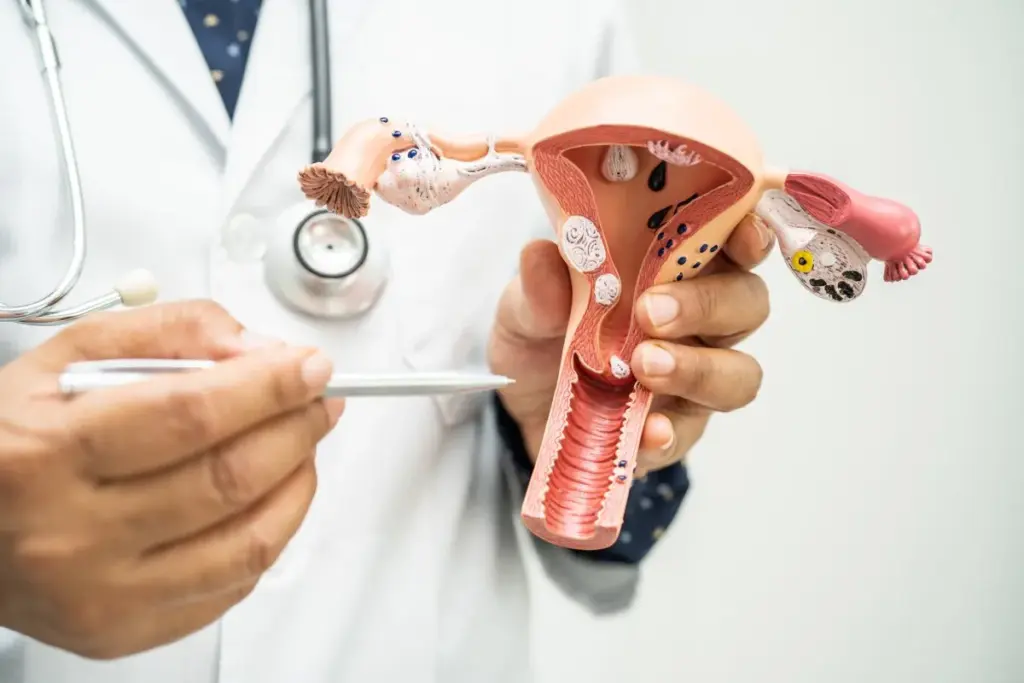
The type of hysterectomy done can really affect how much pain a patient feels. Hysterectomy procedures vary based on how much surgery is needed and the method used.
Total Hysterectomy
A total hysterectomy removes the uterus and cervix. It’s often done for things like uterine fibroids, endometriosis, and cancer. Patients may feel moderate to severe pain after this surgery, with pain levels usually between 6 and 8 out of 10.
Partial Hysterectomy
In a partial hysterectomy, only the uterus is taken out, leaving the cervix. This is less common and used for specific gynecological issues. Pain levels for this procedure are generally lower, with an average pain score of 5 to 7.
Radical Hysterectomy
A radical hysterectomy removes the uterus, cervix, part of the vagina, and surrounding tissues. It’s mainly for cervical cancer. This surgery is linked to higher post-operative pain, usually between 7 and 9 on the pain scale.
Comparing Pain Levels Between Different Procedures
Studies show that how much surgery is done affects post-operative pain. A study looked at pain after different hysterectomies and found that
“patients who had a radical hysterectomy felt more pain than those who had a total or partial hysterectomy.”
Knowing the pain differences between these surgeries helps patients and doctors choose the best option.
Understanding the pain levels of each hysterectomy type helps patients prepare for recovery. It also lets them talk about pain management with their healthcare provider.
Surgical Approaches and Their Impact on Pain
The choice of surgical approach for a hysterectomy greatly affects post-operative pain. Studies show that the method used can change recovery time, pain levels, and patient satisfaction. Knowing the differences between these approaches is key to managing pain and expectations.
Abdominal Hysterectomy
Abdominal hysterectomy removes the uterus through an abdominal incision. This method often leads to higher post-operative pain, rated 7 to 9 on the pain scale. The larger incision and more invasive nature of this procedure cause the increased pain.
Vaginal Hysterectomy
Vaginal hysterectomy removes the uterus through the vagina. It generally results in less post-operative pain, rated 5 to 7 on the pain scale. The less invasive nature of this procedure leads to quicker recovery and less pain.
Laparoscopic Hysterectomy
Laparoscopic hysterectomy uses small incisions for instruments and a camera to remove the uterus. This minimally invasive approach results in pain levels of 4 to 6 on the pain scale. The smaller incisions and less tissue damage reduce post-operative pain.
Robotic-Assisted Hysterectomy
Robotic-assisted hysterectomy is a laparoscopic surgery with robotic instruments for precision. It is associated with the lowest post-operative pain, rated 3 to 5 on the pain scale. The high precision and minimal invasiveness of robotic-assisted surgery make it favorable for pain.
A comparison of the different surgical approaches and their associated pain levels is summarized in the following table:
|
Surgical Approach |
Pain Scale |
Characteristics |
|---|---|---|
|
Abdominal Hysterectomy |
7-9 |
More invasive, larger incision |
|
Vaginal Hysterectomy |
5-7 |
Less invasive, quicker recovery |
|
Laparoscopic Hysterectomy |
4-6 |
Minimally invasive, smaller incisions |
|
Robotic-Assisted Hysterectomy |
3-5 |
High precision, minimal invasiveness |
Understanding the pain associated with different surgical approaches to hysterectomy helps patients and healthcare providers make informed decisions. This ensures the most appropriate method for individual cases.
Is a Hysterectomy Painful? Breaking Down the Pain Scale
Pain is a big worry for those having a hysterectomy. Knowing about the pain scale can ease some of this worry. The pain scale is a key tool for doctors to manage pain well.
Defining the 1-10 Pain Scale in Medical Settings
The 1-10 pain scale is a way for patients to rate their pain. They rate it from 1 (a little pain) to 10 (the worst pain). This helps doctors understand how much pain a patient is in and decide how to treat it.
Key aspects of the pain scale include:
- Subjective nature: Pain feels different to everyone.
- Dynamic assessment: Pain can change over time.
- Clinical relevance: It helps doctors make treatment plans.
Average Reported Pain Levels for Hysterectomies
Studies show that pain levels for hysterectomies can differ. For example, abdominal hysterectomies often cause more pain than laparoscopic or vaginal ones.
Average pain levels for different types of hysterectomies:
|
Type of Hysterectomy |
Average Pain Level (1-10) |
|---|---|
|
Abdominal Hysterectomy |
7-9 |
|
Vaginal Hysterectomy |
5-7 |
|
Laparoscopic Hysterectomy |
4-6 |
How Pain Perception Varies Among Patients
Many things can affect how people feel pain. This includes how well they handle pain, any health issues they have, and past experiences with pain or surgery. Knowing these factors helps doctors manage pain better.
“Pain is a complex and highly subjective experience. What one person considers a 6 on the pain scale, another might rate as an 8. This variability highlights the need for personalized pain management plans.”
Understanding the pain scale helps doctors manage pain for hysterectomy patients better. It’s important for patients to talk about their pain worries and hopes with their doctors. This way, they can work together to find the best pain management plan.
Pain Expectations During Different Stages of a Hysterectomy
Knowing the stages of a hysterectomy and the pain each brings helps patients get ready for surgery.
Pre-operative Discomfort
Before surgery, patients might feel uneasy or worried. This feeling can cause stress, apprehension, or physical symptoms like trouble sleeping or stomach problems. Though not directly from the surgery, this discomfort affects how patients feel overall.
Immediate Post-operative Pain (1-3 days): Scale 6-8
Right after surgery, pain is usually at its peak, rated 6 to 8. This pain comes from the cut made during surgery and how the body reacts to it. Good pain management is key to feeling better and recovering well.
Early Recovery Pain (1-2 weeks): Scale 4-6
As recovery starts, pain levels drop to a moderate level, rated 4 to 6. Patients might feel discomfort, swelling, or bruising where they were cut. Slowly, they can start doing things they normally do, and pain becomes easier to handle.
Extended Recovery Pain (2-6 weeks): Scale 2-4
In the later recovery phase, pain levels go down, rated 2 to 4. Most patients can do their daily tasks again, but some might feel occasional discomfort or stiffness. It’s important to keep following the doctor’s advice on managing pain and recovery.
Understanding the pain levels at each stage of a hysterectomy helps patients prepare for the surgery and recovery.
Factors That Influence Hysterectomy Pain Levels
Many things can affect how much pain a woman feels after a hysterectomy. Knowing these can help patients get ready for surgery and handle their pain better.
Age and Overall Health
A woman’s age and health are key in figuring out her pain level after a hysterectomy. Younger women with fewer health problems usually heal faster and feel less pain. Health issues like diabetes or chronic pain can make pain harder to manage.
A study showed that women under 50 with no chronic health problems felt less pain after surgery. This is compared to older women or those with health issues.
Reason for Hysterectomy
The reason for a hysterectomy also affects pain levels. Women having surgery for cancer or severe conditions might feel different pain levels than those with non-cancerous issues like fibroids. The surgery’s complexity and the extent of the disease can change pain levels.
Surgical Technique Used
The type of surgery used in a hysterectomy greatly impacts pain. Different methods, like abdominal, vaginal, laparoscopic, or robotic-assisted, vary in invasiveness and recovery time. Laparoscopic and robotic-assisted surgeries usually mean less pain and quicker recovery.
Previous Abdominal Surgeries
Women who have had previous abdominal surgeries might feel different pain levels. Adhesions from previous surgeries can make the new surgery harder and lead to more pain. Knowing a patient’s surgery history is key for managing pain.
Healthcare providers can adjust pain management based on these factors. This helps improve outcomes for women having a hysterectomy.
Pain Management Strategies for Hysterectomy Patients
It’s key for hysterectomy patients to know about pain management options. Good pain management helps patients recover better and avoids complications. A mix of methods can make recovery smoother.
Hospital-Based Pain Control Methods
In the first days after surgery, hospital pain control is vital. Epidural anesthesia and patient-controlled analgesia (PCA) are used. Epidural anesthesia gives pain relief without making the patient sleepy. PCA lets patients give themselves pain medicine when needed.
Prescription Medication Options
Prescription drugs are important for managing pain after a hysterectomy. Opioids like oxycodone and hydrocodone work well for strong pain. But, they can lead to addiction, so they’re only used for a short time. Other options include nonsteroidal anti-inflammatory drugs (NSAIDs) and gabapentin, which help with pain and swelling.
Over-the-Counter Pain Relief
Over-the-counter (OTC) drugs are also helpful for managing pain. Acetaminophen and ibuprofen are good for mild to moderate pain. They’re often used with prescription drugs for better pain relief.
Non-Pharmaceutical Approaches
There are also non-drug ways to manage pain after a hysterectomy. Physical therapy, acupuncture, and cognitive-behavioral therapy (CBT) are examples. Physical therapy helps with movement and pain. Acupuncture uses needles to help heal and relieve pain. CBT changes how patients think about and handle pain.
Partial Laparoscopic Hysterectomy: Pain Expectations and Recovery
Knowing what to expect with pain and recovery is key for women thinking about partial laparoscopic hysterectomy. This method is known for causing less pain and a quicker recovery than older methods.
What makes partial laparoscopic procedures less painful
Partial laparoscopic hysterectomy uses smaller cuts and less damage to tissues. This leads to less pain after surgery. The procedure’s minimally invasive nature also means less disruption to nearby tissues and organs, making recovery more comfortable.
Key factors reducing pain in partial laparoscopic hysterectomy include:
- Smaller incisions, resulting in less tissue trauma
- Less blood loss during surgery
- Reduced risk of infection
- Shorter hospital stays
Typical pain scale ratings: 3-5 during the first week
Women who have this surgery usually feel pain between 3 to 5 on the pain scale in the first week. This is much less than what’s seen with more invasive surgeries.
The pain scale ratings can vary based on individual pain tolerance and the specifics of the surgery.
|
Time Frame |
Average Pain Scale Rating |
|---|---|
|
First 3 days |
4-5 |
|
4-7 days |
3-4 |
|
1-2 weeks |
2-3 |
Recovery timeline and pain progression
The recovery time for partial laparoscopic hysterectomy follows a clear pattern. Pain usually gets better over time, with most noticing big improvements in the first few weeks.
Recovery milestones:
- Immediate post-surgery (1-3 days): Pain scale 4-5
- Early recovery (1-2 weeks): Pain scale 2-3
- Late recovery (2-6 weeks): Pain scale 1-2
Patient experiences with partial laparoscopic hysterectomy
Many women have a positive experience with this surgery, saying it hurts less and they recover faster. But, experiences can differ based on health and the reason for the surgery.
Understanding pain and recovery with partial laparoscopic hysterectomy helps women make better choices about their surgery.
Are Hysterectomies Painful Compared to Other Gynecological Surgeries?
When looking at gynecological surgeries, knowing about pain levels is key. Hysterectomy, a big surgery, is often compared to others for pain. This helps patients make better choices.
Hysterectomy vs. Myomectomy Pain
Myomectomy removes uterine fibroids and is a big surgery too. Studies say pain after myomectomy is like hysterectomy’s, but some feel less pain because their uterus stays.
A study found both surgeries cause a lot of pain after. But, myomectomy patients might feel better faster. Yet, both need good pain care after surgery.
Hysterectomy vs. Oophorectomy Pain
Oophorectomy removes ovaries, often with hysterectomy. The extra pain from removing ovaries is not big, studies say. But, hormonal changes can make pain feel different.
Patients might feel their recovery differently, depending on if ovaries were removed too.
Hysterectomy vs. Cesarean Section Pain
Cesarean section is a delivery surgery. It has different pain than hysterectomy. This is because of childbirth and how the body reacts.
Studies show both surgeries hurt a lot right after. But, how pain feels and how it’s managed can be different. Cesarean patients might feel pain in their own way.
Comparative Pain Scale Ratings
Pain is rated from 1 to 10 by patients. Here’s a table showing pain ratings for different surgeries based on studies.
|
Surgery Type |
Immediate Post-op Pain (1-3 days) |
Early Recovery Pain (1-2 weeks) |
Extended Recovery Pain (2-6 weeks) |
|---|---|---|---|
|
Hysterectomy |
6-8 |
4-6 |
2-4 |
|
Myomectomy |
5-7 |
3-5 |
1-3 |
|
Oophorectomy |
5-7 |
3-5 |
1-3 |
|
Cesarean Section |
7-9 |
5-7 |
2-4 |
Knowing about pain levels helps patients and doctors choose the best surgery and pain care.
Common Pain-Related Complications After Hysterectomy
After a hysterectomy, patients often face pain complications. This surgery helps solve many gynecological problems. But, it can also lead to pain issues.
Infection and Increased Pain
Infection is a common issue after surgery, including hysterectomy. It can cause more pain, swelling, and redness. Quick medical help is key to treat the infection and reduce pain.
Look out for fever, chills, and unusual discharge. If you notice these signs, call your doctor right away.
Nerve Damage and Chronic Pain
Nerve damage during hysterectomy can cause long-term pain. This pain is hard to manage and might need special treatment.
Nerve pain feels like sharp, shooting, or burning. Doctors might suggest medicines or other therapies to help.
Adhesions and Pain Development
Scar tissue, or adhesions, can form after surgery. They can pull on organs or tissues, causing pain. Not all adhesions hurt, but those that do can be very uncomfortable.
Sometimes, more surgery is needed to fix adhesions. But, there are ways to manage the pain they cause.
When to Seek Medical Attention for Pain
It’s important to know when pain is not normal and needs a doctor. Severe pain, pain that gets worse, or pain with fever or heavy bleeding needs a doctor’s attention.
Understanding your pain management options is key. Seeking help early can prevent more problems and improve your recovery.
Emotional and Psychological Aspects of Hysterectomy Pain
The emotional and psychological sides of hysterectomy pain are very important. People often talk about the physical pain, but these other aspects matter a lot too.
How Anxiety Affects Pain Perception
Anxiety is common for those having a hysterectomy. Research shows that anxiety can make pain feel worse. A study in the Journal of Pain Research found that stress and anxiety can make pain more intense.
Using relaxation methods like deep breathing can help with anxiety. Cognitive-behavioral therapy (CBT) is also good for managing pain-related anxiety.
Coping with Emotional Responses to Pain
Dealing with pain’s emotional side is key for hysterectomy patients. People might feel frustrated, angry, sad, or depressed. Having a support system is very important for coping with these feelings.
“Pain is not just a physical experience; it’s also an emotional one. Having a strong support system can make a significant difference in how patients cope with pain.”
Support groups, online or in-person, offer a place to share and get support. They help because others understand what you’re going through.
Support Systems and Their Impact on Pain Experience
A good support system can really help with pain. Family, friends, and healthcare providers can make you feel less alone and anxious. This might make pain feel less intense.
- Family support can offer comfort and help with daily tasks.
- Support groups provide a sense of community and understanding.
- Healthcare providers can offer guidance and reassurance, helping to alleviate fears and anxieties.
Mental Preparation Strategies
Mental preparation is important for dealing with hysterectomy pain’s emotional side. Using mindfulness, visualization, and positive self-talk can prepare you mentally for what’s ahead.
Understanding and preparing for the emotional and psychological sides of hysterectomy pain can help manage pain. This can improve your recovery experience.
Real Patient Experiences: Pain Ratings After Hysterectomy
Real patient stories give us a peek into the pain levels after different hysterectomies. By looking at what others have said, those thinking about this surgery can get a clearer picture of what to expect. This includes the pain and how long it takes to feel better.
Testimonials from Abdominal Hysterectomy Patients
People who had an abdominal hysterectomy often say they felt more pain. For example42, said her pain was an 8 out of 10 in the first 48 hours. She shared,
“The pain was intense, but manageable with the prescribed medication. It took me about two weeks to start feeling significantly better.”
38, also had an abdominal hysterectomy and felt a 7 out of 10 pain. She said the pain was worst in the first week but got better over time.
Experiences from Vaginal Hysterectomy Patients
Those who had a vaginal hysterectomy usually felt less pain. Rachel, 45, said her pain was a 5 out of 10. She mentioned,
“The recovery was relatively smooth, with minimal discomfort. I was able to resume my normal activities within a month.”
Karen, 50, also had a vaginal hysterectomy and felt a 4 out of 10 pain. She stressed the importance of following the doctor’s instructions to avoid more pain.
Feedback from Laparoscopic Hysterectomy Patients
Laparoscopic hysterectomy is known for less pain and quicker healing. Lisa, 39, said her pain was only a 3 out of 10. She noted,
“The laparoscopic procedure was a game-changer for me. I experienced minimal pain and was back to my normal routine within three weeks.”
Amanda, 41, also had a laparoscopic hysterectomy and felt a 2 out of 10 pain. She said this method greatly reduced her recovery time and pain.
Pain Scale Ratings from Real-World Cases
The table below shows the pain levels from different hysterectomy types. It helps compare the pain levels and recovery times for each procedure.
|
Type of Hysterectomy |
Average Pain Rating (1-10) |
Recovery Time |
|---|---|---|
|
Abdominal Hysterectomy |
7-9 |
6-8 weeks |
|
Vaginal Hysterectomy |
4-6 |
4-6 weeks |
|
Laparoscopic Hysterectomy |
2-4 |
2-4 weeks |
These stories and ratings show that pain can vary a lot after a hysterectomy. Knowing this can help both patients and doctors manage pain better and improve recovery.
Latest Advancements in Hysterectomy Pain Management
Pain management for hysterectomy patients has seen big changes. New techniques and protocols have been developed. These aim to reduce pain and help patients recover faster.
Enhanced Recovery After Surgery (ERAS) Protocols
ERAS protocols are a big step forward in care before and after surgery. They focus on lowering stress and improving recovery. This includes better nutrition, specific pain treatments, and getting patients moving early.
“ERAS protocols have changed how we care for hysterectomy patients,” says a top gynecological surgeon. “They help us improve patient results by using proven methods.”
New Medication Approaches
New ways to manage pain have been developed for hysterectomy patients. These include:
- Multimodal analgesia: Using different pain medicines to control pain better with fewer side effects.
- Regional anesthesia techniques: Like TAP blocks and spinal anesthesia.
- Non-opioid analgesics: Using more non-opioid drugs to lower opioid addiction risks.
These methods aim to manage pain well while using fewer opioids and their risks.
Minimally Invasive Techniques Reducing Pain
Minimally invasive surgery is becoming more common for hysterectomies. It aims to lessen pain and speed up recovery. Techniques include:
- Laparoscopic hysterectomy
- Robotic-assisted hysterectomy
- Single-port laparoscopy
These methods lead to smaller cuts, less damage, and less pain after surgery compared to open surgery.
Future Directions in Pain Management
Future pain management for hysterectomies will likely include:
- Personalized pain plans based on genetics and patient needs.
- Advanced regional anesthesia.
- Using digital health for real-time pain tracking and care.
These new ideas promise to make the patient experience and results even better after hysterectomy.
Preparing for Your Hysterectomy to Minimize Pain
Learning how to prepare for a hysterectomy can greatly affect your pain and recovery. Knowing what to expect can help you manage pain better and recover faster.
Pre-Surgery Physical Preparations
Getting ready physically before surgery is key to less pain and a better recovery. Keeping a healthy weight, quitting smoking, and exercising regularly can boost your health and lower surgery risks. Your doctor might suggest exercises or physical therapy to strengthen your core and posture, which can also reduce pain after surgery.
It’s important to follow your doctor’s advice on diet and medication before surgery. Getting enough rest before surgery can also help you feel more comfortable during recovery.
Setting Realistic Pain Expectations
Knowing what pain to expect after a hysterectomy can mentally prepare you. Most women experience moderate pain that can be controlled with medication. Understanding the average pain levels for different types of hysterectomies can help set realistic expectations.
|
Type of Hysterectomy |
Average Pain Scale (1-10) |
|---|---|
|
Abdominal Hysterectomy |
7-9 |
|
Vaginal Hysterectomy |
5-7 |
|
Laparoscopic Hysterectomy |
4-6 |
|
Robotic-Assisted Hysterectomy |
3-5 |
Creating a Post-Surgery Pain Management Plan
A good pain management plan is essential for comfort after surgery. This plan should include prescription pain meds, over-the-counter options, and non-medical methods like deep breathing, meditation, or physical therapy.
- Talk to your doctor about pain management options.
- Learn about the dosage and side effects of your medications.
- Look into other ways to manage pain.
Questions to Ask Your Doctor About Pain Control
Knowing your pain management options is important. Ask your doctor about the best pain relief strategies for you, including:
- What are the most common pain management approaches for my type of hysterectomy?
- How long will I need to take pain medication?
- Are there any other pain relief methods you suggest?
By being prepared and informed, you can reduce pain and have a smoother recovery from your hysterectomy.
Conclusion
It’s important for patients to understand hysterectomy painto manage their recovery well. The pain can change a lot based on the surgery type, how it’s done, and personal pain is key to feeling better and recovering smoothly. Knowing about the different hysterectomy procedures and their pain levels helps patients prepare are many ways to manage pain, like hospital pain control, medicines, and non-medical methods. Patients should talk to their doctors to create a pain plan that works for the best surgery methods and pain management together helps patients feel less pain. As research gets better, we’ll find even more ways to handle hysterectomy pain.
FAQ
How painful is a hysterectomy on a scale of 1 to 10?
The pain from a hysterectomy can differ for everyone. On average, it’s about 6-8 right after surgery. This pain drops to 4-6 in the first couple of weeks and to 2-4 later on.
What are the different types of hysterectomy procedures and their associated pain levels?
There are several hysterectomy types. Total hysterectomy removes the uterus and cervix. Partial hysterectomy keeps the cervix. Radical hysterectomy takes out more tissue. Total hysterectomy is usually more painful than partial.
How do different surgical approaches impact pain levels after a hysterectomy?
Surgical methods affect pain levels. Abdominal hysterectomy is the most painful, rated 7-9. Laparoscopic and robotic-assisted are less painful, rated 4-6 and 3-5, respectively.
What is the average reported pain level for hysterectomies?
Pain levels change over time. Right after surgery, it’s 6-8. It drops to 4-6 in the first two weeks. Then, it’s 2-4 during the longer recovery.
How can pain be managed after a hysterectomy?
Managing pain includes hospital care, prescription meds, and over-the-counter options. Non-medical methods like relaxation and physical therapy also help.
Is partial laparoscopic hysterectomy less painful than other types of hysterectomy?
Yes, partial laparoscopic hysterectomy is less painful. It’s rated 3-5 in the first week after surgery.
How does hysterectomy pain compare to other gynecological surgeries?
Hysterectomy pain is similar to other surgeries like myomectomy and cesarean section. It’s considered moderately to severely painful.
What are some common pain-related complications after a hysterectomy?
Complications include infection, nerve damage, and adhesions. If pain gets worse, seek medical help.
How can I prepare for a hysterectomy to minimize pain?
Prepare physically and emotionally before surgery. Set pain expectations, plan for pain management, and ask about options.
Are there any new advancements in hysterectomy pain management?
Yes, new methods like Enhanced Recovery After Surgery (ERAS) and minimally invasive techniques are being developed. They aim to reduce pain and speed up recovery.
Reference
National Center for Biotechnology Information. Evidence-Based Medical Insight. Retrieved from https://www.ncbi.nlm.nih.gov/books/NBK525761