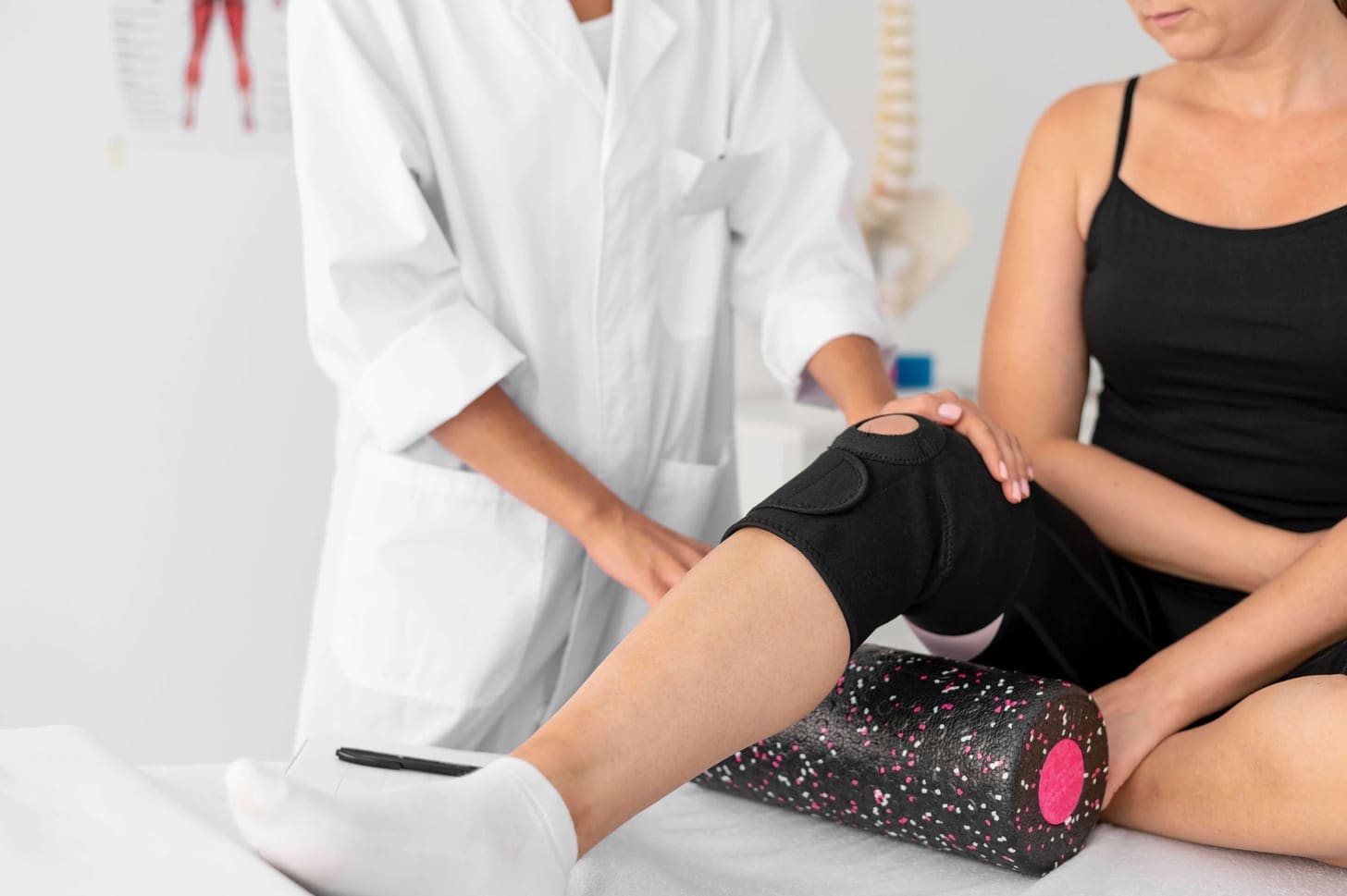
For those with osteoarthritis in just one part of the knee, partial knee replacement surgery is a good option. At Liv Hospital, we’ve seen more people choose this because it might heal faster and let the knee move better.
Looking at the pros and cons of this surgery is key. We need to know how it works out in the long run. This will help you decide if it’s the best choice for you.
Key Takeaways
- Understanding the benefits and drawbacks of partial knee replacement.
- Exploring the long-term results of partial knee replacement surgery.
- Guidance from Liv Hospital on making an informed decision.
- The possible benefits of faster healing and better knee movement.
- Thinking about if partial knee replacement is right for your situation.
Understanding Partial Knee Replacement
It’s important for patients to understand partial knee replacement before surgery. We’ll look at what it is, its types, and how it compares to total knee replacement.
What Is a Partial Knee Replacement?
A partial knee replacement is a surgery where only the damaged knee part is fixed. It uses an artificial part, keeping the healthy knee parts intact.
This method is different from total knee replacement. In total knee replacement, the whole knee is replaced. Partial knee replacement surgery tries to keep the knee more natural by saving healthy tissue.
Different Types of Partial Knee Replacements
There are many types of partial knee replacements. Each one is made for different knee damage areas.
- Unicompartmental Knee Replacement: This replaces one knee part.
- Patellofemoral Knee Replacement: It focuses on the kneecap and femur area.
- Bicompartmental Knee Replacement: This replaces two knee parts.
How It Differs from Total Knee Replacement
The main difference is how much of the knee is replaced. Total knee replacement replaces the whole knee. Partial knee replacement keeps some parts healthy, making it feel more natural and recover faster.
Who Is a Good Candidate for Partial Knee Replacement?
Choosing partial knee replacement surgery depends on how much damage your knee has. At our institution, we look closely at each patient’s situation. This helps us decide if the surgery is right for them.
Ideal Patient Profile
The best candidate for partial knee replacement usually has osteoarthritis in just one part of their knee. Those with damage in only one area often see big improvements. They get less pain and better knee movement.
Conditions That Make You Eligible
There are a few reasons why someone might be a good fit for partial knee replacement. These include:
- Localized osteoarthritis in one compartment of the knee
- Intact ligaments, like the ACL (Anterior Cruciate Ligament)
- Minimal deformity or malalignment of the knee
- Reasonable expectations about how well they’ll do after surgery
One study found that partial knee replacement is a good choice for those with arthritis in just one part of their knee. It’s a less invasive option than a full knee replacement.
“The preservation of healthy knee tissue and the possibility of more natural knee function make partial knee replacement appealing for the right patients.”
When Full Knee Replacement Is Recommended Instead
Full knee replacement might be better for some people. This choice is usually made when:
| Condition | Description |
|---|---|
| Advanced osteoarthritis | More than one knee compartment is affected |
| Ligament damage | There’s significant instability or damage to important ligaments |
| Significant deformity | The knee is severely misaligned or deformed |
Our team will carefully check your situation. We’ll decide the best surgery for you based on your condition.
The Advantages of Choosing Partial Knee Replacement
Partial knee replacement is a good choice for many. It’s designed for those with damage in just one part of the knee. Knowing the benefits helps patients decide what’s best for them.
Preservation of Healthy Knee Tissue
One big plus of partial knee replacement is keeping healthy tissue intact. Unlike total knee replacement, it only fixes the damaged part. This keeps the knee’s natural shape and function.
More Natural Knee Function
Partial knee replacement lets the knee move more naturally. It keeps the healthy parts of the knee, so patients can move better. This is great for those who want to stay active or play sports.
Less Invasive Surgical Procedure
The surgery for partial knee replacement is less invasive. It means smaller cuts, less damage to surrounding tissue, and possibly fewer problems. A study in Alameda Post shows quicker recovery times with less invasive surgeries.
Reduced Blood Loss During Surgery
Partial knee replacement surgery usually means less blood loss. This is because it’s less invasive and affects less tissue. Less blood loss makes surgery safer and can reduce complications after.
| Aspect | Partial Knee Replacement | Total Knee Replacement |
|---|---|---|
| Tissue Preservation | Preserves healthy tissue | Replaces entire knee joint |
| Knee Function | More natural feel and motion | Can feel more mechanical |
| Surgical Invasiveness | Less invasive, smaller incisions | More invasive, larger incision |
| Blood Loss | Reduced blood loss | More significant blood loss |
In summary, partial knee replacement has many benefits. It preserves healthy tissue, allows for natural movement, is less invasive, and reduces blood loss. These advantages make it a good choice for many patients.
Disadvantages of Partial Knee Replacement
It’s important to know the downsides of partial knee replacement before deciding. This procedure has many benefits but also some drawbacks to think about.
Limited Eligibility Criteria
Not everyone can get a partial knee replacement. It’s mainly for those with damage in just one part of the knee. People with damage in other parts or certain health issues might not qualify.
Risk of Future Revision Surgery
One big risk of partial knee replacement is needing more surgery later. Like any implant, it can wear out or loosen, needing another operation.
Progression of Arthritis in Other Compartments
Even though the damaged part is fixed, other parts might get arthritis. This could cause more pain or need for more surgery.
Potential for Implant Failure
There’s a chance the implant could fail with partial knee replacement. Things like how active you are, your weight, and health can affect how long it lasts.
| Disadvantage | Description | Potential Impact |
|---|---|---|
| Limited Eligibility | Not suitable for patients with widespread knee damage | Restricts treatment options for some patients |
| Risk of Revision Surgery | Potential need for future surgery due to implant wear or loosening | Increased risk of complications, additional recovery time |
| Progression of Arthritis | Arthritis may progress in untreated compartments | Potential for increased pain, need for further treatment |
| Implant Failure | Risk of prosthetic failure due to various factors | Need for revision surgery, potentially more complications |
In summary, partial knee replacement is a good option for some. But, it’s key to know the downsides. These include limited eligibility, the chance of needing more surgery, arthritis in other parts, and implant failure.
Is a Partial Knee Replacement Worth It? Weighing Benefits Against Risks
When we talk about partial knee replacement, we look at both the good and the bad. This surgery is popular because it might save healthy parts of the knee. It’s also seen as a less harsh option compared to total knee replacement.
Quality of Life Improvements
Partial knee replacement can really improve your life. Many people feel less pain and move better. This lets them do things they love again.
Keeping healthy parts of the knee and a less invasive surgery mean faster healing. This is key for a better life after surgery.
Pain Reduction Outcomes
Reducing pain is a big reason people get knee surgery. Partial knee replacement often helps a lot. Most patients see a big drop in pain.
But, how much pain goes away can vary. It depends on how bad the knee was and other health issues.
Return to Daily Activities
Being able to do daily things again is important. People often say they can walk, climb stairs, and do sports again. This is thanks to the surgery.
The surgery is less damaging. This means you can get back to your life faster.
Patient Satisfaction Rates
Most patients are happy with their partial knee replacement. They feel less pain, move better, and recover quickly. This makes them very satisfied.
How well you understand the surgery before it helps a lot. Knowing what to expect makes the outcome better.
The Surgical Procedure: What to Expect
Learning about partial knee replacement surgery can ease your worries. We’ll cover the surgery’s key parts, from getting ready to aftercare.
Pre-Surgical Preparation
Before surgery, several steps are taken to get you ready. These include:
- Comprehensive medical evaluation to assess your overall health
- Review of your medical history to identify any possible risks
- Discussion of anesthesia options and their effects
- Pre-operative instructions, including dietary restrictions and medication management
It’s also wise to have someone with you at the hospital for support during recovery.
The Operation Process
The partial knee replacement surgery involves these steps:
- Making a smaller incision compared to total knee replacement, allowing access to the damaged knee compartment
- Carefully removing the damaged cartilage and bone
- Replacing the damaged area with a prosthetic implant designed for partial knee replacement
- Ensuring proper alignment and fit of the implant
- Closing the incision with sutures or staples
The surgery is done with great care to make your knee work naturally again.
Anesthesia Options
For partial knee replacement, your healthcare team will discuss anesthesia options with you. Common choices include:
- Regional anesthesia, such as spinal or epidural anesthesia
- General anesthesia, which makes you unconscious during the procedure
- A combination of regional and general anesthesia for better pain control
Your anesthesiologist will choose the best option for you based on your medical history and surgery details.
Hospital Stay Duration
How long you stay in the hospital after surgery varies, but usually, it’s 1 to 2 days. This time lets our team watch your recovery, manage pain, and check if you can move safely before you go home.
In the hospital, you’ll start your rehab. This includes physical therapy to help you regain strength and mobility in your knee.
Recovery Timeline After Partial Knee Replacement
Recovering from partial knee replacement surgery takes time and involves several stages. It starts right after surgery and goes on until you’re back to normal. Knowing what to expect is key for a smooth recovery.
Immediate Post-Surgery Recovery
The first stage of recovery happens right after surgery. It usually lasts a few days to a week. During this time, you’ll be watched closely in the hospital for any issues.
“The first 24 to 48 hours are critical, and patients are usually given pain management medication to help alleviate discomfort,” says an orthopedic surgeon.
It’s important to start moving as soon as you can. Gentle exercises and short walks help prevent blood clots and aid in healing.
First Few Weeks at Home
Once you’re home, your recovery continues. The first few weeks are important for wound healing and strengthening your knee. Following a strict RICE (rest, ice, compression, elevation) routine helps manage swelling and pain.
Having a support system is also vital. This could be family, friends, or professional caregivers to help with daily tasks.
Physical Therapy Requirements
Physical therapy is a big part of recovery. It helps you regain knee mobility, strength, and function. A physical therapist will create a plan just for you.
Consistency and adherence to the physical therapy regimen are key to achieving optimal outcomes, emphasizes a physical therapy specialist.
Return to Work and Normal Activities
When you can go back to work and normal activities depends on your job, health, and surgery extent. Sedentary jobs might take 2 to 4 weeks, while more active jobs could take 6 to 8 weeks or more.
It’s important to listen to your surgeon and not rush back too soon. This can harm your recovery.
By following the recommended recovery plan, you can have a successful outcome and get back to your normal activities.
How Long Does a Partial Knee Replacement Last?
Knowing how long a partial knee replacement lasts is key for those thinking about it. The life of these implants can change based on the implant’s quality, the patient’s lifestyle, and how well they care for it after surgery.
Average Lifespan of Implants
On average, a partial knee replacement can last 10 to 15 years. But, thanks to new tech and better surgery methods, some implants can last even longer. Studies show that today’s partial knee replacements work well for many, giving them a good option against knee arthritis.
Factors Affecting Longevity
Many things can affect how long a partial knee replacement lasts. These include:
- Implant quality and design
- Patient age and overall health
- Lifestyle and activity level
- Surgical technique and surgeon experience
- Post-operative rehabilitation and care
For example, staying healthy and doing low-impact exercises can help your implant last longer. But, doing too much high-impact activity or being overweight can make it wear out faster.
Signs Your Partial Replacement May Be Failing
It’s important for patients to know when their partial knee replacement might be failing. Look out for:
- Increasing pain or discomfort
- Swelling or inflammation around the knee
- Instability or feeling that the knee is giving way
- Reduced range of motion
If you notice these signs, see your orthopedic surgeon right away. Catching problems early can prevent them from getting worse.
Recent Improvements in Implant Technology
New tech in implants has made partial knee replacements better and last longer. Today’s implants are made to be stronger and move better with your body. For more on the latest in orthopedic surgery, check out this article on new methods.
In summary, while most partial knee replacements last 10 to 15 years, results can vary. By knowing what affects how long it lasts and keeping up with new tech, patients can get the most from their treatment. This way, they can enjoy better knee function for many years.
Life After Partial Knee Replacement
After partial knee replacement surgery, patients look forward to feeling better and moving more easily. The healing period is a big step towards a life with less pain and better knee function. It’s a new start for them.
Activity Levels and Restrictions
Patients can usually go back to their daily tasks like walking and doing chores. But, they should avoid high-impact sports to keep the implant working well. Following the surgeon’s advice is key for the best results.
High-impact sports like running are not recommended. Instead, low-impact activities like cycling and swimming are better for the knee. These activities are gentler.
Sports and Exercise Possibilities
Staying active with sports and exercise is important after surgery. While some activities are off-limits, many low-impact sports are okay. It’s important to talk to your doctor about what’s best for you.
- Cycling: A low-impact exercise that is easy on the knees.
- Swimming: Provides a full-body workout without stressing the knee.
- Golfing: Can be enjoyed at a leisurely pace, promoting flexibility and coordination.
Long-Term Pain Management
Managing pain long-term is a big part of life after surgery. Even with surgery, some pain might remain. Working with your healthcare team to manage pain is essential.
This might include medication, physical therapy, and lifestyle changes. Regular check-ups with your healthcare team are important. They help keep an eye on your knee and adjust your treatment as needed.
Maintaining Your Knee Health
Keeping your knee healthy after surgery means staying active and taking care of it. It’s important to stay within the recommended activity levels and report any changes to your doctor.
Regular visits and following your post-op instructions are key. They help ensure your implant lasts and your knee stays healthy. By doing these things, you can live a more active and comfortable life.
Cost Considerations and Insurance Coverage
Understanding the financial side of partial knee replacement is key for those thinking about it. The cost is a big part of the decision.
Insurance Coverage Expectations
Most insurance plans cover partial knee replacement. But, how much they cover can vary a lot. You’ll likely have to pay some costs yourself, like deductibles and copays. It’s important to check your policy to know what you’ll pay.
Out-of-Pocket Expenses
Expenses you might pay yourself include deductibles and copays for doctor visits and therapy. You might also have to pay for services not fully covered by insurance. Don’t forget about costs for pre-surgery checks and post-surgery care.
Conclusion: Making Your Decision About Partial Knee Replacement
When deciding on partial knee replacement, many factors come into play. These include your health, if you qualify, and what you prefer. We’ve talked about the good sides, like keeping healthy knee parts and less surgery. We’ve also looked at the downsides, like not everyone can get it and the chance of needing more surgery later.
Thinking about if partial knee replacement is right for you means looking at both sides. Many people find it helps a lot with pain and makes them feel better faster. But, it’s key to know what to expect in the long run.
In the end, talking to an orthopedic doctor is a big step. They can help figure out the best treatment for you. This way, you can choose what’s best for your knee and your life.
What is a partial knee replacement?
A partial knee replacement is a surgery. It replaces only the damaged part of the knee. This way, the healthy parts stay intact.
How long does a partial knee replacement last?
The life of a partial knee replacement varies. It can last 10 to 20 years or more. This depends on the patient’s age, activity level, and health.
What are the advantages of partial knee replacement over total knee replacement?
Partial knee replacement has many benefits. It saves healthy knee tissue and allows for more natural movement. It’s also less invasive and results in less blood loss.
Who is a good candidate for partial knee replacement?
The best candidates have osteoarthritis in just one part of the knee. They should be active and have a stable knee with little deformity.
What is the recovery time for a partial knee replacement?
Recovery from partial knee replacement is quicker. Most people can get back to normal activities in 6 to 12 weeks.
How does partial knee replacement compare to total knee replacement in terms of cost?
The cost of partial knee replacement is often similar to or a bit less than total knee replacement. This depends on the implant and the surgical facility.
Can I stil be active and exercise after a partial knee replacement?
Yes, you can stay active after a partial knee replacement. You can do low-impact exercises like cycling, swimming, and golfing.
What are the risks associated with partial knee replacement?
Risks include limited eligibility and the chance of needing future surgery. There’s also a risk of arthritis spreading and implant failure.
How long does the surgical procedure for partial knee replacement take?
The surgery usually takes 1 to 2 hours. This depends on the case’s complexity and the surgeon’s experience.
What kind of anesthesia is used for partial knee replacement surgery?
Anesthesia types vary, but often include spinal or epidural anesthesia. Sometimes, general anesthesia is used too.
How long is the hospital stay after partial knee replacement?
Hospital stays are shorter for partial knee replacement. They usually last from a few hours to a couple of days.
Will I need physical therapy after partial knee replacement?
Yes, physical therapy is usually needed. It helps regain strength, mobility, and range of motion in the knee.